2027 Return on Investment of an Online Healthcare Compliance & Regulations Bachelor's Degree: Salary vs Cost

Co-Founder and Chief Data Scientist
Imagine a mid-career professional aiming to transition into healthcare compliance & regulations without forfeiting income or time. The challenge, balancing tuition costs against potential salary increases, can create uncertainty about the value of pursuing an online bachelor's degree in this field.
According to the Bureau of Labor Statistics, compliance officers in healthcare can earn a median annual wage approximately 15% higher than roles requiring only associate degrees. This article evaluates the return on investment of online healthcare compliance & regulations bachelor's degrees by analyzing salary growth relative to cost, helping readers make informed decisions on this educational path.
Key Things to Know About the Return on Investment of an Online Healthcare Compliance & Regulations Bachelor's Degree
- Real tuition costs for online healthcare compliance & regulations bachelor's degrees average $15,000-$30,000, providing a lower financial barrier compared to traditional on-campus programs.
- Graduates earn median salaries around $70,000 annually, reflecting a strong earnings boost versus comparable roles without a bachelor's degree.
- Non-financial returns include enhanced career advancement, increased job security, and access to professional development-all critical for long-term growth within healthcare sectors.
What Is the True Cost of Earning an Online Healthcare Compliance & Regulations Bachelor's Degree From Enrollment to Graduation?
Costs for earning an online healthcare compliance and regulations bachelor's degree include several direct and indirect expenses beyond tuition. Based on data from IPEDS, university net price calculators, and the National Center for Education Statistics, prospective students should expect a realistic financial outline to aid budget planning.
- Tuition Fees: Tuition is the largest expense and varies notably by school and residency status. Public universities typically charge $8,000 to $20,000 annually for in-state students, while private institutions range from $20,000 to $35,000 per year.
- Technology and Access Fees: Online programs often assess fees for digital platforms, software, and student services. These charges may total between $500 and $1,500 annually depending on the institution.
- Course Materials and Textbooks: Required digital textbooks and course materials can cost $1,000 to $1,500 per year. Not all programs include these costs in tuition, so budgeting separately is important.
- Proctoring and Exam Fees: To uphold academic integrity, many programs use online proctoring services charging $30 to $50 per exam, which can add up with multiple assessments.
While sticker prices seem steep, financial aid often reduces the net price by 30% to 50%. Considering these savings over a four-year timeline, total costs generally range from $25,000 to $70,000, capturing tuition and additional fees. This estimated baseline assists students in evaluating the return on investment compared to expected salary gains and career benefits.
For working professionals or career changers weighing program options, careful attention to the average cost of online healthcare compliance and regulations bachelor's degree programs is essential.
Many students find value in programs designed for flexibility, such as online RN to BSN programs no clinicals, that minimize extra costs while facilitating career growth.
How Does the Starting Salary for Healthcare Compliance & Regulations Bachelor's Degree Graduates Compare to the Total Cost of the Degree?
Graduates holding an online Healthcare Compliance & Regulations bachelor's degree in the United States often pursue careers as healthcare compliance specialists, medical and health services managers, or regulatory affairs coordinators.
According to the Bureau of Labor Statistics (BLS) Occupational Outlook Handbook, the median annual starting salary for entry-level healthcare compliance specialists is about $62,000.
When comparing this starting salary against the average total tuition cost of an online Healthcare Compliance & Regulations degree, the financial payoff can vary significantly, depending on program costs and financial aid availability.
The total tuition cost ranges widely-from approximately $20,000 in affordable, aid-supported programs to upwards of $60,000 at private institutions. In the best-case scenario with low tuition and maximum financial aid, graduates can recoup their total degree investment within four to five months based on median starting salary.
Conversely, in the worst-case scenario, with higher tuition and limited aid, it may take a year or more of starting salary earnings to offset the degree's cost. Evaluating the total tuition cost versus salary outcomes for Healthcare Compliance & Regulations degree holders is critical to making informed decisions about education investments.
It is important to remember that starting salary is only the beginning. The healthcare compliance field projects steady salary growth as regulatory demands increase and the sector expands.
Within five to ten years, experienced professionals often see significant wage increases, improving their long-term return on investment. For students and career changers, considering both immediate financial returns and the potential for salary growth supports wiser choices of programs and career paths.
For those exploring options, it can be useful to research programs carefully and consider factors like tuition, financial aid, and career outcomes. Many students find value in affordable programs that offer strong professional growth opportunities, such as those listed on healthcare administration degree online directories.
What Is the Average Return on Investment (ROI) for an Online Healthcare Compliance & Regulations Bachelor's Degree Over a 10-Year Career?
Return on investment (ROI) in higher education measures the financial benefit of earning a degree by subtracting the total program cost from the increased earnings gained over time compared to individuals with only a high school diploma or associate degree in the same field.
The Georgetown University Center on Education and the Workforce defines this calculation as the added income minus educational expenses over a decade. Using Bureau of Labor Statistics data, healthcare compliance & regulations professionals start with median salaries near $60,000 annually, assuming a 3% yearly raise, reaching cumulative earnings of about $670,000 after 10 years.
By comparison, a high school graduate in a related administrative role begins around $40,000 annually with a 2% raise, totaling approximately $460,000 earned over the same period.
With average tuition for the online bachelor's program around $40,000, the additional 10-year earnings of roughly $210,000 result in a net ROI of $170,000 once the degree cost is accounted for.
This positions the degree as a worthwhile investment, although slightly below the $250,000 to $300,000 estimated average ROI for all bachelor's degrees reported by PayScale. Non-financial advantages-like enhanced job security and promotion opportunities-also contribute significant value.
A professional who completed the online healthcare compliance & regulations bachelor's degree shared that before enrolling, he meticulously balanced tuition expenses against projected earnings increases. He described the experience as a "calculated leap," acknowledging the challenge of investing upfront while working full time.
Despite occasional doubts during demanding coursework, he emphasized that the program's flexible structure and clear career pathways helped him stay focused. "The knowledge gained wasn't just financial-it gave me confidence to pursue better roles and stability," he reflected, affirming the practical benefits of the degree's ROI in his career advancement journey.
How Do Online Healthcare Compliance & Regulations Program Tuition Rates Compare Across Public, Private, and For-Profit Institutions?
Tuition rates for online healthcare compliance and regulations program tuition comparison reveal clear differences among public universities, private nonprofit colleges, and for-profit institutions.
- Public Institutions: These typically provide the most affordable in-state tuition, generally between $5,000 and $12,000 per year. Some offer a flat-rate tuition for all online students, which may exceed in-state costs but remains competitive. These programs benefit from consistent curriculums and connections to local healthcare employers.
- Private Nonprofit Colleges: Annual tuition ranges from $15,000 to $30,000, reflecting smaller classes and personalized academic resources. These schools often yield higher graduation rates and stronger alumni networks, enhancing employment prospects and long-term earnings potential.
- For-Profit Colleges: While offering lower upfront tuition of $3,000 to $8,000, these programs commonly face challenges such as lower graduation rates and less recognition by employers, which can hinder job placement and career growth.
Choosing based solely on tuition may undermine the full value of an education. Although for-profit schools present lower costs, their limited career support can reduce salary growth and lengthen graduation timelines.
Conversely, investing more at reputable public or private institutions often results in stronger credentials and better professional outcomes, important for maximizing ROI in this field. To explore options further, consider reviewing the cheapest master's in healthcare administration for related insights on affordability and outcomes.
What Long-Term Salary Growth Can Healthcare Compliance & Regulations Bachelor's Degree Holders Expect Over a 20- to 30-Year Career?
Healthcare compliance & regulations bachelor's degree graduates experience consistent salary advancement over a professional lifespan of 20 to 30 years, with distinct jumps at key experience markers.
Initially, entry-level roles such as compliance analysts typically earn between $50,000 and $60,000 annually while building core competencies. By five to ten years, many acquire certifications like Certified in Healthcare Compliance (CHC) and assume management positions, pushing salaries to the $70,000-$85,000 range.
Between ten and fifteen years, experienced professionals often transition into senior officer or director roles, where earnings rise further to approximately $90,000-$110,000. After fifteen years, individuals frequently move into executive or consulting capacities, with compensation surpassing $120,000 as strategic and regulatory expertise deepen.
Surveys from PayScale and the American Community Survey validate this salary trajectory, showing mid-career pay clustering around $75,000 to $95,000. Degree holders maintain a significant earnings advantage over non-degree peers, typically earning 15% to 25% more annually. Cumulatively, this premium can result in $500,000 to $750,000 greater lifetime earnings over 30 years, reflecting both increased wages and career mobility.
A professional who built her career after completing an online healthcare compliance & regulations bachelor's degree described the journey as a balance of challenge and opportunity. She recalled feeling uncertain at the outset but embraced each certification and promotion as validation of her expertise. "It wasn't just about the paycheck," she reflected, "but how each step gave me new skills and confidence to influence compliance strategies."
The flexibility of the online program helped her juggle work and study, which she credits as crucial for sustaining momentum. Her experience illustrates how commitment combined with targeted education can unlock salary growth and meaningful career advancement over time.
How Does the ROI of an Online Healthcare Compliance & Regulations Bachelor's Degree Compare to an Associate Degree or a Professional Certificate?
Cost differences strongly influence the choice between credentials in healthcare compliance & regulations. Associate degrees generally require two years and range from $6,000 to $15,000 in tuition, making them more affordable than bachelor's programs, which commonly cost between $30,000 and $60,000 online.
Certificates are the least expensive option, often under $5,000, and can be completed in a matter of months.
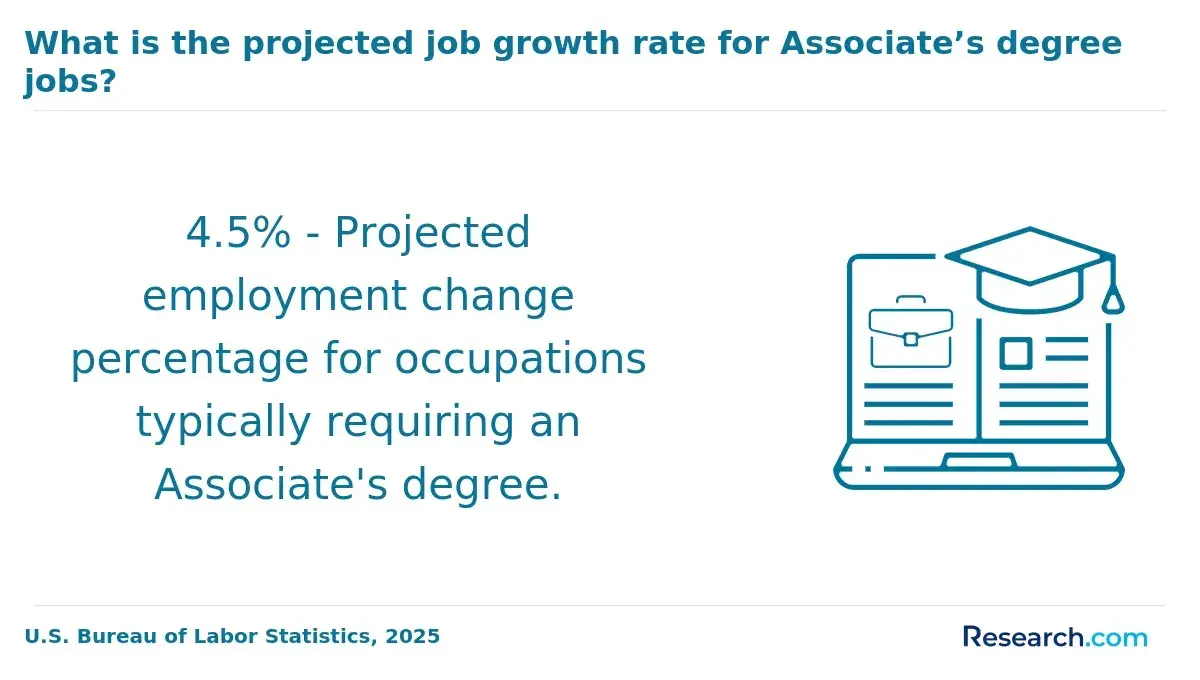
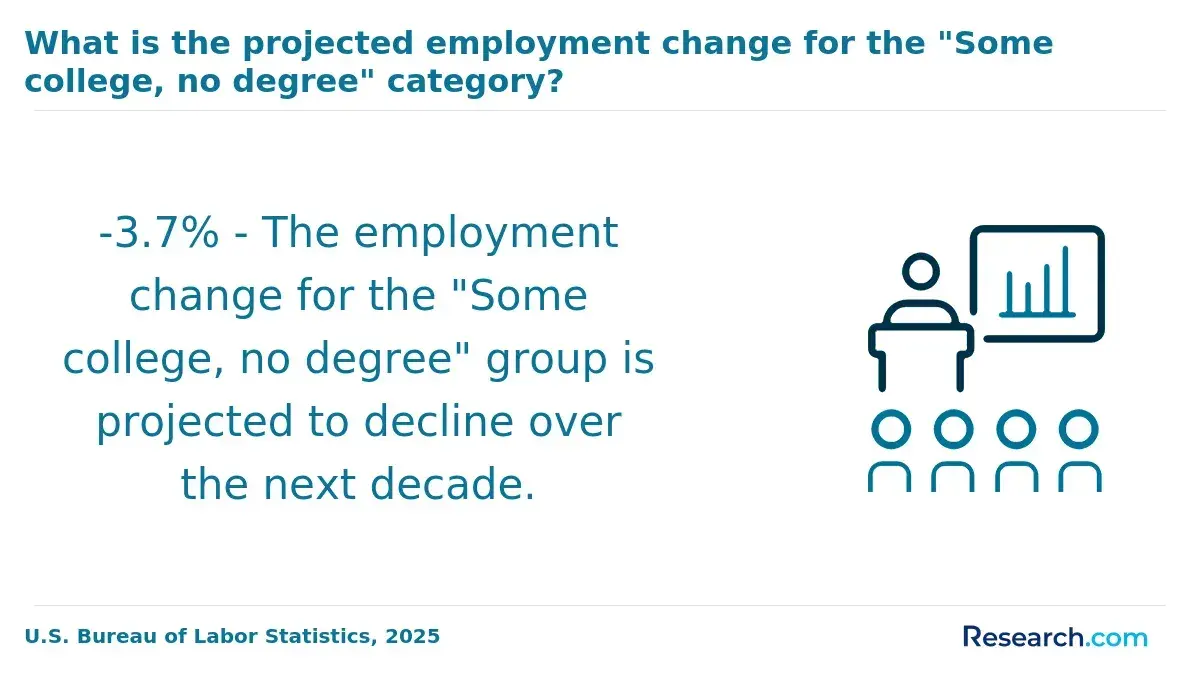
- Median Salary: Data from the Bureau of Labor Statistics shows professionals with a bachelor's degree earn about 20 to 25 percent more annually than those holding an associate degree. Certificates usually lead to lower starting salaries due to their shorter training period.
- Short-Term Investment: For individuals prioritizing quick workforce entry or limited upfront costs, certificates and associate degrees offer faster returns by providing earlier employment opportunities in entry-level roles.
- Long-Term Gain: Despite higher initial expenses, earning a bachelor's degree often results in increased job stability, greater earning potential, and access to supervisory or managerial positions over a 10- to 20-year career, offsetting the higher tuition costs.
- Career Advancement: Employers tend to prefer or require bachelor's credentials for complex regulatory oversight and leadership roles. Those with associate degrees or certificates may face restricted promotion paths.
- Non-Financial Returns: Bachelor's programs usually offer a deeper curriculum that enhances critical thinking and regulatory analysis skills, supporting ongoing professional development and adaptability in a changing healthcare environment.
- Decision Framework: Consider personal goals and resources. If immediate employment and minimal debt are priorities, pursuing a certificate or associate degree may be the best choice. If aiming for long-term career growth, higher salaries, and leadership roles, investing in a bachelor's degree provides better returns.
Which Online Healthcare Compliance & Regulations Specializations or Concentrations Yield the Highest Earning Potential After Graduation?
Specializing within online Healthcare Compliance & Regulations bachelor's degree programs can significantly impact earning potential by aligning with high-demand roles documented by the Bureau of Labor Statistics.
- Healthcare Privacy and Information Security: Graduates in this field often become health information managers or privacy officers, with median salaries between $90,000 and $110,000. The demand here is driven by regulatory frameworks like HIPAA and growing cybersecurity needs in healthcare.
- Compliance Management for Government Healthcare Programs: Specializing in Medicaid, Medicare, or VA compliance leads to roles in government agencies or contractors, with salaries often above $80,000. This path typically requires additional credentials such as Certified in Healthcare Compliance (CHC) to maximize earning power.
- Healthcare Risk Management: Focusing on mitigating financial and operational risks in healthcare organizations, this track offers median salaries ranging from $85,000 to $95,000. Continuing education is often necessary to stay current with evolving laws, adding to investment considerations.
- Clinical Compliance Specialization: This specialization generally yields salaries of $75,000 to $85,000 and may require licensure or clinical certifications, potentially increasing total time and cost investment.
Compared to generalist healthcare compliance & regulations graduates who start near $65,000, these specializations offer substantial salary premiums. However, pursuing certifications or licensure associated with some fields raises upfront costs and educational time.
Students should assess their prior experience, budget constraints, and career goals carefully to select a specialization balancing earnings and time-to-return on investment efficiently.
How Do Employer Tuition Reimbursement and Financial Aid Reduce the Net Cost of an Online Healthcare Compliance & Regulations Bachelor's Degree?
Employer tuition reimbursement programs can greatly lessen the out-of-pocket expenses for an online healthcare compliance & regulations bachelor's degree. Under IRS Section 127, employees may receive up to $5,250 per year in tax-free tuition assistance, a benefit many employers incorporate into professional development packages.
According to research by the Society for Human Resource Management (SHRM), approximately 55% of U.S. employers offer some form of tuition assistance, making it a common and valuable resource for working students.
Federal and institutional financial aid further reduce the net cost of the degree. Pell Grants and subsidized loans decrease the need for costly borrowing by offering grants that do not require repayment or come with lower interest rates.
Colleges also frequently provide scholarships and grants based on merit or financial need, which combine with employer benefits and federal aid to make earning a healthcare compliance & regulations bachelor's degree financially manageable.
Working professionals leveraging employer tuition reimbursement programs for online healthcare compliance degrees alongside federal Pell Grants and institutional scholarships can reduce tuition costs by up to 75%.
For example, a program with a $20,000 annual tuition cost might be offset by $5,250 from employer reimbursement, $6,895 from Pell Grants, and an additional $3,000 in scholarships, leaving a net cost around $5,000 per year. This significant financial support enables students to focus on career advancement and job security without the weight of full tuition fees.
For those exploring degree affordability in related fields, resources featuring the best schools for masters in nutrition provide valuable comparative insights to assist in informed decision-making.
What Hidden Costs Should Students Factor Into the Total Investment of an Online Healthcare Compliance & Regulations Bachelor's Degree?
When calculating the true return on investment (ROI) of an online Healthcare Compliance & Regulations bachelor's degree, students often overlook additional costs beyond tuition, which can impact the total finances and delay the break-even point for recouping their investment. These hidden expenses can add up significantly and affect a student's overall budget.
Technology fees are routinely assessed by institutions to support online platforms and resources, generally ranging from $100 to $500 annually depending on the school. Proctoring services for exams are another frequent cost, typically between $25 and $50 per test, which can increase when multiple assessments require monitoring. Graduation fees, covering application processing and commencement participation, often add $100 to $300.
Some courses demand specialized software licenses for compliance tools or data analytics, costing from $50 to $200 per course. Additionally, professional organization memberships related to healthcare compliance usually carry fees between $100 and $200 a year-these memberships can facilitate career advancement and networking.
Students planning budgets for an online healthcare compliance & regulations bachelor's degree should expect total hidden expenses between $1,000 and $3,000 throughout their studies, based on College Board data and institutional disclosures.
These additional costs can lengthen the time needed to achieve a positive ROI when salary increases are weighed against not only tuition but the full cost of attendance. Prospective students are advised to request a detailed cost-of-attendance breakdown-including all fees and recommended purchases-before enrolling.
This due diligence ensures better financial planning and program selection aligned with personal career goals. Those interested in related nursing degree pathways might also explore options like an RN to BSN program for alternative advancement opportunities.
How Does the Accreditation Status of an Online Healthcare Compliance & Regulations Program Affect Graduate Salary and Employability?
Regional accreditation assesses entire institutions, ensuring broad academic quality, while programmatic accreditation focuses on specific academic programs. Graduates from regionally accredited healthcare compliance & regulations programs gain recognition for meeting rigorous standards, which significantly influences their employability and salary negotiations.
Employer surveys from the National Association of Colleges and Employers (NACE) indicate hiring managers favor candidates with regionally accredited degrees and often undervalue applicants from nationally accredited or unaccredited schools.
Attending a non-accredited or only nationally accredited program can restrict access to licensure exams, advanced degree programs, and positions within government agencies or healthcare organizations.
Verified accreditation status is essential before enrollment; students should consult trusted sources like the U.S. Department of Education's accreditation database and the Council for Higher Education Accreditation (CHEA) to confirm program legitimacy.
What Entry-Level Job Titles and Salary Ranges Are Available to Graduates of Online Healthcare Compliance & Regulations Bachelor's Programs?
Graduates holding a bachelor's degree in healthcare compliance & regulations typically launch their careers in a variety of entry-level positions, with median starting salaries influenced by industry, certifications, and relevant experience.
- Compliance Analyst: Salaries range from $50,000 to $65,000, with healthcare and finance sectors offering top entry wages. Certifications such as Certified in Healthcare Compliance (CHC) can boost earning potential.
- Healthcare Regulatory Specialist: Starting pay usually falls between $48,000 and $62,000, with government and healthcare providers valuing internship experience for higher compensation.
- Risk Management Coordinator: Entry salaries range from $52,000 to $67,000, especially in technology and finance industries. Graduates with data privacy coursework tend to earn more.
- Privacy Officer Assistant: Typical entry pay is $47,000 to $60,000, mostly in healthcare and education, with HIPAA certifications enhancing salary prospects.
- Healthcare Auditor: Starting wages lie between $50,000 and $68,000, often higher in government and healthcare agencies, particularly for those who completed internships.
- Clinical Documentation Specialist: Salaries typically range from $45,000 to $58,000 in hospitals or healthcare settings, with medical coding expertise increasing earnings.
- Quality Assurance Associate: Earnings generally fall between $46,000 and $61,000, especially in tech or healthcare firms valuing certifications like Lean Six Sigma.
- Regulatory Affairs Assistant: Entry-level pay spans $48,000 to $63,000, with pharmaceutical and biotech sectors leading in compensation.
Internships, professional certifications, and specialty concentrations significantly boost initial salaries, accelerating return on investment. Industry choice also impacts compensation levels-finance and healthcare offer premium pay, while education and nonprofits may provide steadier advancement and job stability.
What Graduates Say About the Return on Investment of Their Online Healthcare Compliance & Regulations Bachelor's Degree
- Kian: "Choosing the online Healthcare Compliance & Regulations bachelor's degree was a strategic decision for me because the balance between cost and potential salary increase was clear. I appreciated how the program's flexibility allowed me to work full-time while advancing my education, which directly led to new leadership opportunities at my job. Beyond finances, the sense of job security the degree gave me in a constantly evolving industry has been invaluable."
- Jackson: "Reflecting on the ROI of my online Healthcare Compliance & Regulations bachelor's degree, I realize the biggest gains were not just financial but professional growth and confidence. The curriculum prepared me for certifications that employers highly value, opening doors I hadn't thought possible before. This degree also provided a solid foundation that made transitioning into a compliance management role seamless and rewarding."
- Emma: "From a purely professional standpoint, the return on investment of my online Healthcare Compliance & Regulations bachelor's degree exceeded expectations. The program's reputation helped me negotiate a better salary and secured my place in a highly competitive field. More importantly, it expanded my network and gave me practical skills that boosted my effectiveness and satisfaction at work every day."
Other Things You Should Know About Healthcare Compliance & Regulations Degrees
Salary outcomes vary significantly by geographic location, with urban and high-cost regions generally offering higher wages for healthcare compliance & regulations professionals. Employment sectors also play a role-hospitals and large healthcare organizations tend to pay more than smaller clinics or nonprofit entities. Graduates working in states with dense healthcare infrastructure or stricter regulatory environments typically find better salary prospects within the field.
Employer surveys consistently highlight a growing demand for professionals holding a bachelor's degree in healthcare compliance & regulations due to increasing regulatory complexity. Labor market data show that degree holders have higher employment rates and are preferred for compliance roles over candidates without formal qualifications. This educational background is often linked to better job stability and upward mobility within healthcare and regulatory agencies.
Prospective students can use cost-benefit analysis tools to compare tuition fees, program length, and expected starting salaries after graduation to estimate the financial return of different online programs. These tools often incorporate factors like scholarship availability and living expenses to provide a clearer picture of net costs. Evaluating multiple programs side by side helps students select those that balance affordability with potential for career growth and salary improvements.
References
- Tuition Reimbursement for MHA Programs https://www.mhaonline.com/blog/mha-tuition-reimbursement
- Tuition Reimbursement: How Do Employers Benefit from It? | KBI Benefits https://www.kbibenefits.com/tuition-reimbursement-benefits
- Is an EHS Degree Worth It? Comparing Degree vs. Certification ROI https://ehscareers.com/employer-blog/is-ehs-degree-worth-it-comparing-degree-certification-roi/
- What healthcare degrees can I get online? https://www.herzing.edu/faq/what-healthcare-degrees-get-online
- Healthcare Regulations and Compliance: A Lucrative Career... https://residencyadvisor.com/resources/alternative-medical-careers/healthcare-regulations-compliance-lucrative-career-path
- Is College Worth it? | Return on Investment Analysis of College Degree https://educationdata.org/college-degree-roi
- Is healthcare compliance training a good investment of your time? https://www.carepatron.com/blog/is-healthcare-compliance-training-a-good-investment-of-your-time/