2027 Return on Investment of an Online Health Studies Bachelor's Degree: Salary vs Cost

Co-Founder and Chief Data Scientist
Imagine a working professional with an unrelated degree seeking to enter the health studies field through an online bachelor's program but unsure if the investment justifies the potential salary increase. The average mid-career salary for health studies graduates in the U. S. is approximately 25% higher than those without this qualification.
However, rising tuition costs and living expenses cast doubt on the net financial gain. This article explores salary outcomes against program costs, providing a clear analysis of the return on investment to guide prospective students in making informed decisions about pursuing an online health studies bachelor's degree.
Key Things to Know About the Return on Investment of an Online Health Studies Bachelor's Degree
- Average online health studies bachelor's degree tuition ranges from $15,000 to $30,000, significantly lower than many traditional programs, offering accessible education for budget-conscious students.
- Graduates report median salaries around $55,000 annually, with potential increases above 15% within five years due to experience and credential expansion.
- Non-financial benefits include enhanced job security, career advancement opportunities in healthcare administration, and continuous professional development essential in evolving health sectors.
What Is the True Cost of Earning an Online Health Studies Bachelor's Degree From Enrollment to Graduation?
When evaluating the total cost of earning an online health studies degree, it's essential to consider all direct and indirect expenses beyond the sticker tuition price. These include technology fees, textbooks, exam proctoring charges, and course materials, which vary across programs and institutions.
- Tuition Sticker Price: Published tuition for online health studies bachelor's degrees ranges from $15,000 to over $40,000 for the full program. This is the billed amount before financial aid or scholarships reduce the actual cost.
- Net Price After Aid: Based on IPEDS data and university net price calculators, many students pay significantly less (often between $10,000 and $25,000) thanks to grants, scholarships, or employer tuition assistance that reduce out-of-pocket expenses by 20 to 50 percent. This adjustment makes online health studies bachelor's degree tuition and fees more manageable for many learners.
- Technology and Fees: Additional mandatory fees typically include technology access charges from $100 to $600 annually, plus course-specific lab or proctoring fees that may total $200 to $1,000 over the duration of the program.
- Textbooks and Materials: While open educational resources may offset some costs, budgeting $1,000 to $1,500 for textbooks and supplementary materials is advisable depending on course requirements and program structure.
The total cost of earning an online health studies degree, from enrollment through graduation, generally falls between $12,000 and $30,000 after financial aid adjustments. Prospective students, including first-generation college attendees, working professionals, and career changers, can use this realistic range to assess affordability and calculate return on investment accurately.
Comparing these figures to verified salary outcomes from the Bureau of Labor Statistics and recognized research sources helps evaluate the true value of such programs. For those seeking to find programs suited to their circumstances, searching for nursing schools near me can provide options with potentially favorable cost structures and ROI.
How Does the Starting Salary for Health Studies Bachelor's Degree Graduates Compare to the Total Cost of the Degree?
The starting salary for graduates with a health studies bachelor's degree typically centers around entry-level roles such as health educators, community health workers, and healthcare administrators. According to the Bureau of Labor Statistics (BLS), health educators earn median annual salaries near $48,000, while healthcare administrators can start closer to $58,000.
When comparing the total cost versus salary health studies degree graduates face, the tuition for an online health studies program varies widely, from about $20,000 at lower, cost public schools to $70,000 at private or less subsidized institutions.
Considering return on investment, measuring the number of months of starting salary required to repay total educational costs offers a clear comparison. At a starting salary of $48,000, a best-case scenario with $20,000 tuition means about five months of earnings to cover tuition.
A worst-case scenario with $70,000 tuition stretches to approximately 17.5 months. These figures highlight the importance of choosing cost-effective programs, especially for students managing financial constraints.
However, starting salary is only a baseline. The BLS projects expected annual salary growth of 3 to 5 percent, reflecting career advancement and increased responsibilities. Over time, these salary increases improve total ROI.
Alongside financial outcomes, many graduates experience job security and professional growth pathways, which are important considerations beyond salary alone. Career changers and working professionals may also explore a health care administration online degree for expanded opportunities within healthcare.
What Is the Average Return on Investment (ROI) for an Online Health Studies Bachelor's Degree Over a 10-Year Career?
Return on investment (ROI) in higher education compares the total cost of a degree with the added earnings graduates achieve over 10 years compared to peers holding only a high school diploma or an associate degree in the same field.
According to data from the Georgetown University Center on Education and the Workforce, this financial metric helps reveal the true value of pursuing a bachelor's degree. PayScale's College ROI Report estimates the national average ROI for bachelor's degree holders at about $500,000 over a decade after costs.
Using median salary information from the Bureau of Labor Statistics, health studies graduates typically start with an annual wage near $48,000. With yearly wage growth averaging 3%, their total earnings over 10 years commonly surpass $550,000.
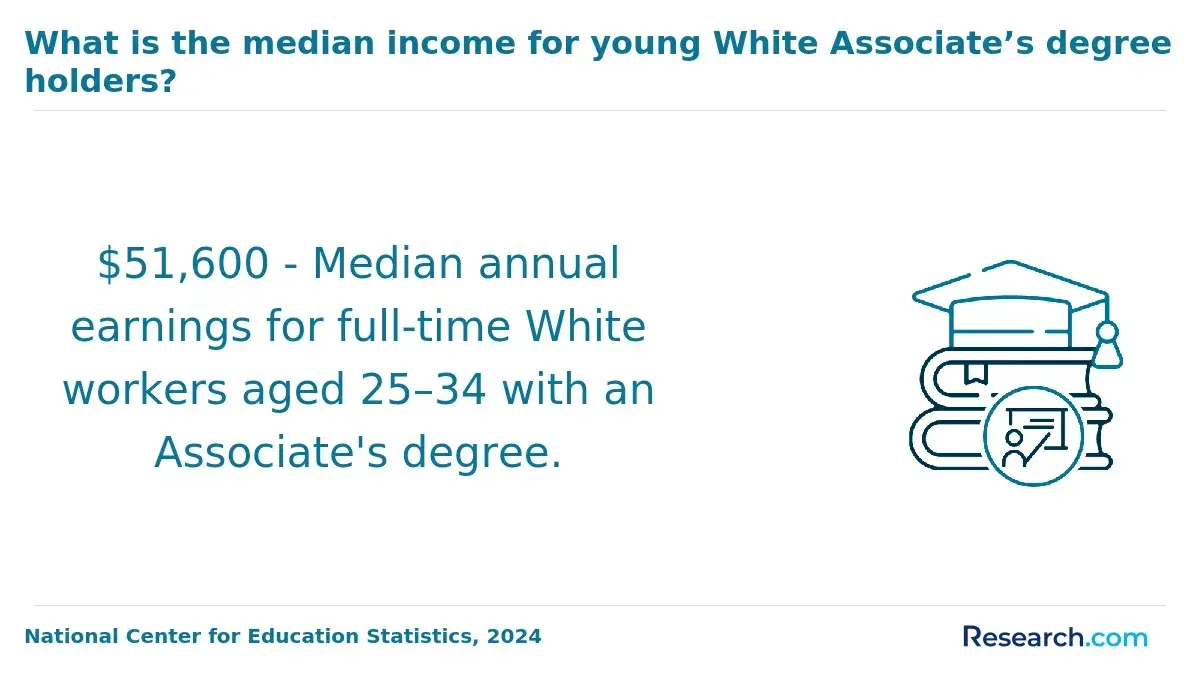
On the other hand, professionals with an associate degree in related fields often begin near $37,000 annually, accumulating around $430,000 over the same timeframe. Factoring in an average degree cost of $40,000, health studies bachelor's holders realize an approximate $80,000 net advantage compared with their associate degree counterparts.
A professional who enrolled in an online health studies bachelor's degree program after thorough evaluation of the costs versus expected returns shared that the decision was not taken lightly. "I was juggling work and family responsibilities but wanted to position myself for advancement," he explained. His research involved detailed budgeting, assessing tuition alongside projected wages, and speaking with alumni.
The rigorous online format demanded discipline and time management, and he often described feeling both anxious and motivated. "Knowing the investment payoff was realistic made it easier to push through tough periods," he noted. This careful planning and resilience highlight how assessing ROI can guide informed decisions and foster commitment to program completion.
How Do Online Health Studies Program Tuition Rates Compare Across Public, Private, and For-Profit Institutions?
Tuition costs for online health studies programs vary widely depending on the institution type, influencing both affordability and return on investment. Public universities generally offer the most economical options, often charging in-state students between $5,000 and $15,000 per year.
Many also feature flat-rate online tuition that applies equally to all students regardless of residency, which simplifies budgeting but can be pricier than traditional in-state fees.
- Public Institutions: Lower tuition for in-state students and flat-rate options provide predictability and cost-efficiency for many learners pursuing online health studies tuition comparison public private for-profit.
- Private Nonprofit Colleges: Typically charging between $20,000 and $40,000 annually, these schools often deliver smaller class sizes and enhanced alumni networking that may support stronger career trajectories despite higher costs.
- For-Profit Colleges: While frequently the cheapest, sometimes under $10,000 per year, for-profit institutions often face criticism for lower graduation rates and limited employer recognition, which can hinder long-term professional growth and ROI.
Weighing cost against outcomes is essential. Online health studies degree programs by institution type reveal that the lowest tuition does not always guarantee the best career or financial results. Public and nonprofit schools usually provide more robust support and credentials valued by employers, improving job security and advancement opportunities.
For students balancing tight budgets and career goals, researching programs carefully, including options like a self paced online degree, can help identify the best fit for both cost and future prospects.
What Long-Term Salary Growth Can Health Studies Bachelor's Degree Holders Expect Over a 20- to 30-Year Career?
- Early Career Growth: Salaries for health studies bachelor's degree holders tend to rise gradually during the first five years as they acquire essential skills and gain work experience. Entry-level roles typically offer annual wages between $40,000 and $50,000, with salary increases closely tied to proven abilities and professional credentials.
- Mid-Career Acceleration: Between five and ten years, earnings often grow more rapidly, reflecting promotions into supervisory or specialized positions. PayScale data highlights annual wages ranging from $60,000 to $75,000 at this stage, influenced by geography and subfield expertise.
- Experienced Professional Peaks: From ten to fifteen years, salaries typically reflect significant career advancement into managerial or leadership roles. Bureau of Labor Statistics figures show average earnings exceeding $80,000, with some professionals earning over six figures in competitive settings.
- Late Career Stability: After fifteen years, salary increases tend to level off but remain above early-career levels, benefiting from accumulated knowledge, job security, and occasional performance bonuses.
- Cumulative Earnings Premium: Over a 30-year span, health studies graduates often earn 33% to 50% more in total wages than workers without a degree in comparable roles. This advantage results from higher starting salaries combined with compounded salary growth due to career progression and educational attainment.
When asked about her experience, a professional who built her career after completing an online health studies bachelor's degree shared that the journey involved balancing coursework with full-time work and family responsibilities, which was challenging but ultimately rewarding.
She noted, "The flexible online format allowed me to advance at my own pace, and as I earned certifications and gained experience, my salary reflected those efforts." Her story underscores how perseverance and continuous development can translate into meaningful long-term financial growth and career advancement in this field.
How Does the ROI of an Online Health Studies Bachelor's Degree Compare to an Associate Degree or a Professional Certificate?
Costs for online health studies credentials vary widely. Bachelor's degrees typically require tuition between $15,000 and $30,000, depending on the school. Associate degrees are more affordable, falling between $4,000 and $10,000, while professional certificates often cost from $1,000 to $5,000.
- Median Salary: Data from the Bureau of Labor Statistics shows that roles needing a bachelor's degree offer median annual earnings near $60,000. Jobs aligned with associate degrees average about $40,000, and certificate holders usually earn between $30,000 and $35,000.
- Short-Term ROI: For those wanting to join the workforce quickly or with limited funds, certificates or associate degrees may be more practical. They provide earlier income potential with less tuition debt. Many health technician and support positions only require these credentials and provide stable job opportunities.
- Long-Term ROI: Bachelor's degrees open doors to higher-paying roles and career growth. Advancement into management, policy, or education often depends on this level of education. Jobs with bachelor-level credentials typically come with better job security and benefits.
- Decision Framework: Consider these questions to guide your choice: How soon is income needed? Can you finance a longer education for greater future earnings? Will your desired career advancement require a bachelor's degree?
- Non-Financial Returns: Beyond salary, bachelor's degree attainment frequently leads to enhanced professional development and broader networking, which support long-term career satisfaction and growth.
Which Online Health Studies Specializations or Concentrations Yield the Highest Earning Potential After Graduation?
The earning potential for graduates of online health studies bachelor's degrees varies widely based on the chosen specialization, with many concentrations offering significantly higher salaries than a generalist degree.
According to Bureau of Labor Statistics (BLS) data, certain tracks lead to substantially better financial outcomes and enhance long-term career advancement.
- Health Informatics: Focused on managing healthcare data and technology, this specialization offers median salaries around $100,000. This is notably higher than general health studies graduates, who typically earn between $40,000 and $60,000 in entry-level health education roles.
- Public Health Administration: Graduates can pursue management and policy roles such as health services managers with median pay near $104,000. However, some positions require certifications like the Certified Health Education Specialist (CHES), increasing total education and credentialing costs.
- Community Health and Wellness: This track tends toward median salaries of $45,000 to $65,000 but demands fewer licensure requirements, enabling faster entry into the workforce and a quicker time-to-return on investment (ROI).
- Health Promotion and Education: Salaries typically range from $50,000 to $70,000 and can be boosted by obtaining credentials such as the CHES or Certified Wellness Coach, which may increase earnings by 10-15% annually over generalists.
- Healthcare Management: This field includes roles like medical and health services managers or hospital administrators with median salaries above $100,000. Advanced certifications or graduate education often lead to top-tier salaries, though these increase upfront costs and time-to-ROI.
Selecting a specialization should align with your experience and career ambitions. Working professionals with management backgrounds may find healthcare management offers not only high salaries but also faster job security and advancement.
Conversely, career changers or first-generation students prioritizing lower upfront costs might prefer community health or health promotion, where certification demands and time-to-employment are typically less burdensome. This evidence-based comparison, grounded in BLS and reliable education research, helps balance tuition investment against realistic salary expectations and career growth.
How Do Employer Tuition Reimbursement and Financial Aid Reduce the Net Cost of an Online Health Studies Bachelor's Degree?
Employer tuition reimbursement programs can substantially reduce the out-of-pocket cost for students pursuing an online health studies bachelor's degree. Under IRS Section 127, employers may offer up to $5,250 annually in tax-free educational assistance, creating significant financial relief for working students.
According to the Society for Human Resource Management (SHRM), about 56% of U.S. employers provide some form of tuition reimbursement, reflecting the widespread availability of this benefit. These programs often require employees to maintain satisfactory grades or fulfill a post-education work commitment.
When tuition reimbursement is combined with federal financial aid options, including Pell Grants, Federal Supplemental Educational Opportunity Grants (FSEOG), and subsidized Direct Loans, students can further reduce their tuition burden.
Additionally, many schools offer scholarships specifically for online learners, making the net cost of an online health studies degree even more affordable. This blend of employer assistance, federal aid, and institutional scholarships is particularly effective for students on a tight budget or those seeking a clear decision-making framework.
For example, a student with annual tuition costs around $15,000 might receive $5,250 through employer reimbursement, $3,500 in Pell Grants, and $4,000 in scholarships. This lowers the net tuition to less than $2,500 per year, a reduction of more than 80%.
Over four years, this approach can result in tens of thousands of dollars saved. Understanding the full financial aid landscape is key to evaluating the return on investment for online health studies degrees and related fields, such as the cost of masters degree in nutrition.
What Hidden Costs Should Students Factor Into the Total Investment of an Online Health Studies Bachelor's Degree?
When budgeting for an online health studies bachelor's degree, students often overlook hidden costs that can significantly raise the total financial burden. Beyond base tuition, mandatory technology fees support online learning platforms and generally range between $50 and $300 each semester. Proctoring services required for exams typically add $30 to $50 per test, which can accumulate quickly across multiple courses.
Some courses require specialized software licenses or simulation tools, costing an additional $100 to $500 annually. Graduation and administrative fees, usually between $100 and $200, further increase expenses. Memberships in professional health organizations, while optional, often cost $50 to $150 per year and are recommended for networking and career advancement.
According to College Board data and institutional disclosures, these hidden costs of an online health studies bachelor's degree may add 10 to 15 percent on top of tuition. Such additional expenses extend the break-even timeframe for the degree's return on investment (ROI), especially for students relying on loans or limited income.
Prospective students should request a full cost-of-attendance breakdown-including tuition, fees, and these additional expenses-prior to enrollment for informed financial planning. For a better understanding of cost versus potential salary outcomes and career opportunities, students may explore specialized programs like those listed in exercise science and nutrition degree online options, helping align educational investments with long-term goals.
How Does the Accreditation Status of an Online Health Studies Program Affect Graduate Salary and Employability?
Regional accreditation is the most respected recognition for colleges, ensuring they meet strict academic and operational standards. Programmatic accreditation focuses specifically on health-related fields, confirming that a program aligns with industry requirements and prepares students for licensure.
Graduates from both regionally and programmatically accredited programs are often favored by employers, which can increase starting salaries and improve job prospects. Degrees from nationally accredited or non-accredited schools are generally viewed as less credible, limiting a graduate's ability to negotiate pay and access desirable positions.
Surveys by the National Association of Colleges and Employers (NACE) and the Society for Human Resource Management (SHRM) reveal that employers prioritize candidates from accredited institutions, associating such credentials with rigorous training and reliability.
Conversely, lacking proper accreditation can bar graduates from key licensure exams, graduate programs, and certain government or healthcare jobs, restricting both employment options and long-term earnings.
What Entry-Level Job Titles and Salary Ranges Are Available to Graduates of Online Health Studies Bachelor's Programs?
Graduates with a health studies bachelor's degree often enter the workforce in roles offering competitive starting salaries that help offset their education costs. Key entry-level positions, identified through BLS data, NACE surveys, and LinkedIn insights, include:
- Health Educator: Median starting pay ranges from $40,000 to $55,000, with higher wages in government and nonprofit sectors focused on community health.
- Community Health Worker: Salaries typically fall between $35,000 and $50,000, especially in healthcare organizations and government agencies serving underserved groups.
- Healthcare Administrator Assistant: Entry pay usually ranges from $45,000 to $60,000, with private healthcare facilities and insurance companies often offering more.
- Medical and Health Services Manager Trainee: Starting salaries generally range from $50,000 to $65,000, especially at hospitals and large healthcare providers.
- Public Health Analyst: Median earnings range from $50,000 to $62,000, with government and research institutions paying a premium for analytical skills.
- Health Informatics Specialist: Entry-level compensation spans $55,000 to $70,000, particularly within healthcare tech firms and consulting agencies.
- Occupational Health and Safety Specialist: Salaries tend to be $50,000 to $65,000, with top pay in industrial sectors and government regulatory bodies.
- Patient Services Coordinator: Typical starting earnings range from $38,000 to $52,000, found mostly in hospitals, clinics, and insurers.
Internships, certifications like Certified Health Education Specialist (CHES), and focused concentrations, such as public policy or health informatics, can elevate salaries even at entry level. These variances shape how quickly graduates recoup tuition costs, illustrating that strategic credentials and practical experience significantly enhance return on investment.
What Graduates Say About the Return on Investment of Their Online Health Studies Bachelor's Degree
- Nina: "Choosing the online health studies bachelor's degree was a deliberate decision after I analyzed the balance between cost and potential earnings. I appreciated how flexible the program was, allowing me to keep my job while advancing my education-this directly translated into a salary increase within a year of graduation. Beyond finances, the degree boosted my confidence in the workplace and opened doors to leadership roles I hadn't considered before."
- Xyn: "Reflecting on my experience with the online health studies bachelor's degree, the value I gained goes far beyond just monetary returns. The program enhanced my professional resilience and job security in a competitive market, which was crucial when economic shifts threatened many positions. This investment in education proved essential for long-term career growth and personal fulfillment in a field I'm passionate about."
- Gael: "My decision to pursue an online health studies bachelor's degree was motivated by a clear desire to advance my career efficiently. The ROI became evident as I landed a promotion within months and noticed how employers respect this qualification for its rigorous and relevant curriculum. This degree has truly been the cornerstone of developing my expertise and expanding my professional network in meaningful ways."
Other Things You Should Know About Health Studies Degrees
The time to recover the cost of an online health studies bachelor's degree varies but typically ranges from 5 to 10 years depending on tuition expenses and salary increases. Graduates often see entry-level salaries between $40,000 and $55,000 annually, which tend to grow as they gain experience. By comparing average earnings before and after graduation with program costs, most students can expect to break even within a decade.
Geographic location significantly impacts salary levels for health studies graduates-urban centers and regions with a high demand for healthcare professionals generally offer higher wages. Industry sectors such as healthcare administration, public health agencies, and private health companies show varying pay scales, with administrative roles typically earning more. These factors should be carefully considered along with cost of living to evaluate real income potential.
Employer surveys indicate that a bachelor's degree in health studies is highly valued for entry-level and mid-level positions in healthcare management, health education, and community health. Labor market data confirms steady job growth in these fields, reflecting demand for skills gained through such programs. Many employers view this degree as a key qualification for career advancement and competitive salaries.
References
- Is College Worth it? | Return on Investment Analysis of College Degree https://educationdata.org/college-degree-roi
- Certificate vs. Degree: Pros, Cons, and Career Outcomes | National University https://www.nu.edu/blog/certificate-vs-degree/
- How does a college degree improve graduates’ employment and earnings potential? - APLU https://www.aplu.org/our-work/4-policy-and-advocacy/publicuvalues/employment-earnings/
- ROI of Online Degrees in 2025: Cost, Benefits, Career Impact https://www.pwmedharthi.com/blogs/guide/roi-of-online-degrees
- Public Health Best Colleges Tuition Comparison https://www.collegeevaluator.com/rankings/public-health/tuition/
- Online Degree vs. Traditional: Choosing the Right Path https://beal.edu/online-degree-vs-traditional/