2027 Return on Investment of an Online English as a Second Language (ESL) Bachelor's Degree: Salary vs Cost

Co-Founder and Chief Data Scientist
Consider a working professional with a non-education background debating whether to pursue an online English as a Second Language (ESL) bachelor's degree to shift into teaching. The challenge lies in assessing if the potential salary increase justifies the tuition investment. Recent data indicate that ESL educators with a bachelor's degree can earn up to 20% more than those with only an associate degree or certification.
This article examines the balance between the program's cost and the post-graduation earnings-providing a detailed analysis to guide informed decisions about the return on investment in an online ESL bachelor's degree.
Key Things to Know About the Return on Investment of an Online English as a Second Language (ESL) Bachelor's Degree
- Real tuition costs for online English as a second language bachelor's programs vary widely but average around $15,000 to $30,000, often significantly lower than on-campus alternatives.
- Median salaries for graduates reach approximately $50,000 annually-with experienced professionals earning up to 20% more, reflecting a positive salary-to-cost ratio within five years post-graduation.
- Non-financial returns include enhanced job security, meaningful career advancement, and access to ongoing professional development, critical for adapting to evolving educational demands.
What is the true cost of earning an online English as a Second Language (ESL) bachelor's degree from enrollment to graduation?
Prospective students should consider all direct and indirect costs when evaluating the cost of earning an online English as a Second Language bachelor's degree in the US. Published tuition rates often appear high, typically ranging from $15,000 to $40,000, but many students pay much less after financial aid and scholarships.
According to data from the National Center for Education Statistics and IPEDS, the average net price typically falls between $8,000 and $25,000 for in-state students, highlighting the difference between sticker price and what students actually pay.
Additional direct expenses include technology fees, which usually add $100 to $500 per term to cover online learning platforms and technical support. Textbooks and course materials represent another important cost, with students spending an estimated $1,000 to $2,000 over the course of their studies on digital and physical resources.
Proctoring fees for online exams also contribute to the total, averaging $20 to $50 per exam and potentially totaling $800 to $2,000 for a 40-course program. These costs combined affect the total tuition and fees for online English as a Second Language bachelor's programs.
Indirect costs can include lost wages if students reduce their working hours, the value of time spent on coursework outside of class, and expenses for equipment like laptops or webcams. These factors often add several thousand dollars to the overall investment.
- Tuition Net Price: After aid, students typically pay between $8,000 and $25,000-much less than published tuition rates.
- Technology Fees: Online programs add $100 to $500 per term to maintain digital platforms and support.
- Books and Materials: Required resources can cost between $1,000 and $2,000 across the degree.
- Proctoring Costs: Online exam fees sum to approximately $800 to $2,000 over 40 courses.
- Indirect Expenses: Lost income, time investment, and equipment add quietly to overall costs.
Altogether, budgeting between $10,000 and $30,000 gives a realistic baseline for the total cost of completing an online English as a Second Language bachelor's degree. Students balancing work and study might also explore the easiest EdD programs for potential accelerated options that fit diverse schedules and financial situations.
How does the starting salary for English as a Second Language (ESL) bachelor's degree graduates compare to the total cost of the degree?
The starting salary for ESL bachelor's degree graduates in the US varies by career path, with many beginning as middle or secondary school teachers. According to the Bureau of Labor Statistics (BLS), the median annual salary for entry-level teaching roles in these fields is around $45,000. Comparing this figure to the total tuition cost versus salary outcomes for ESL degree holders reveals important financial insights for students.
The total tuition cost of an online English as a Second Language bachelor's degree typically falls between $15,000 and $40,000. In the best-case scenario, with low tuition and significant financial aid, the investment can be closer to $15,000. In a worst-case scenario, costs may approach $40,000.
This means it takes approximately four to eleven months of starting salary to recoup the degree's cost, illustrating a relatively quick return on investment compared with other fields. Students interested in finding the least expensive online bachelor's degree will find this comparison useful when weighing their options.
Starting salary is only one part of the financial picture for ESL graduates. Over time, many teachers benefit from salary growth due to licensure advancements, certifications, and higher degrees. The BLS projects about 5% growth in teaching salaries over the next decade, which increases the long-term value of an ESL degree.
- Starting Salary Benchmarks: Entry-level ESL teaching roles offer median salaries near $45,000, serving as a realistic baseline for assessing degree cost payback periods.
- Degree Cost Range: Online ESL bachelor's degree tuition varies from $15,000 to $40,000, influenced by tuition rates and financial aid availability.
- Payback Timeline: The total tuition cost can be offset by four to eleven months of starting salary, indicating a swift financial return compared to many other degrees.
- Salary Growth Potential: ESL graduates often see salary increases through licensure and certifications, improving financial returns over time.
- Broader Career Benefits: In addition to salary, an ESL degree offers job security, advancement opportunities, and professional growth that enhance overall value.
What is the average return on investment (ROI) for an online English as a Second Language (ESL) bachelor's degree over a 10-year career?
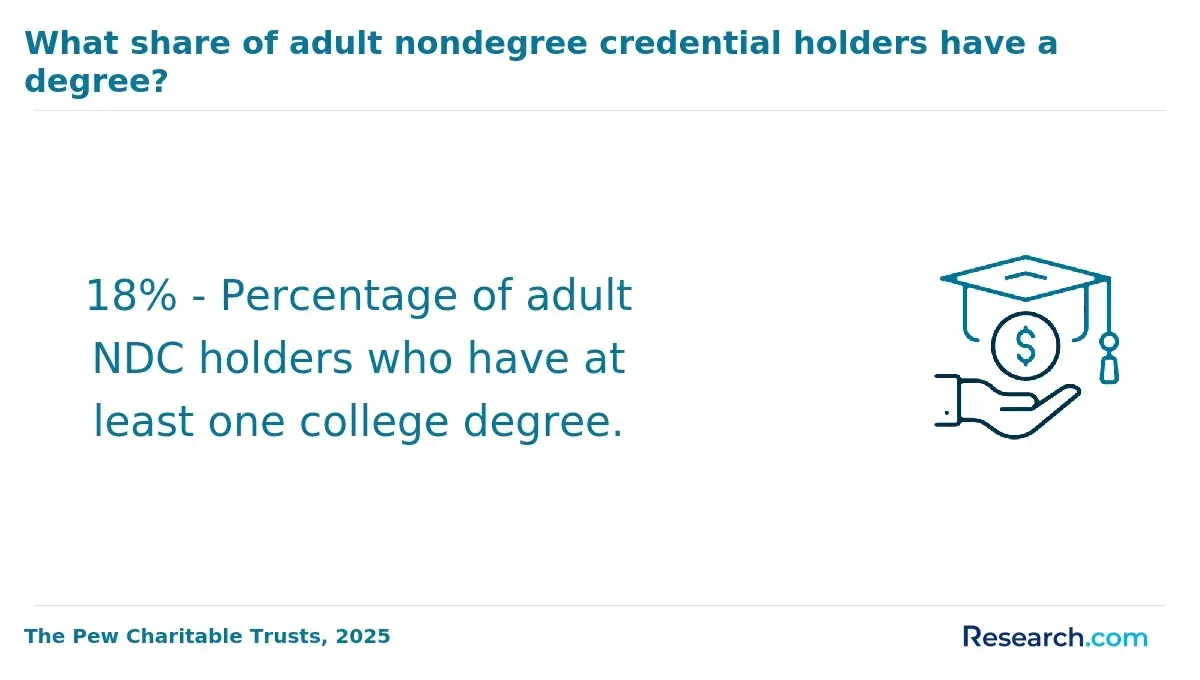
Return on investment (ROI) in higher education measures the financial gain from earning a degree compared to the total cost of obtaining it. According to the Georgetown University Center on Education and the Workforce, ROI is calculated by subtracting the full expense of the degree from the extra cumulative earnings over 10 years, relative to those with only a high school diploma or an associate degree in the same field.
For individuals pursuing an online English as a second language (ESL) bachelor's degree, the Bureau of Labor Statistics (BLS) reports a median annual salary near $63,000. Assuming annual wage growth of about 3%, total earnings over a decade can reach approximately $703,000. By contrast, workers with only a high school diploma might earn around $45,000 annually with slower increases, accumulating roughly $495,000 over 10 years.
Subtracting the lower earnings from the higher, an online ESL bachelor's degree holder realizes an additional $208,000 in income over 10 years. Tuition and fees for these programs typically range from $30,000 to $50,000.
After accounting for these costs, the estimated net ROI is between $158,000 and $178,000. When compared to national averages, where the typical bachelor's degree returns $200,000 to $250,000 over the same period, the ESL degree shows a moderate yet valuable financial return.
- ROI Definition: The financial advantage of a degree is measured by extra earnings over 10 years minus all associated costs, offering a clear economic perspective.
- Salary Benchmarks: ESL teachers start with median pay around $63,000 and receive steady raises, boosting their long-term earning power.
- Cost Considerations: Online ESL bachelor's programs generally cost between $30,000 and $50,000, an accessible investment compared to some other degrees.
- National Comparison: While ESL degree ROI is somewhat less than the average for bachelor's degrees overall, it still demonstrates meaningful financial benefits.
A professional who enrolled in an online English as a second language bachelor's degree program shared how he meticulously weighed the tuition against expected earnings before committing. "Balancing work, family, and school wasn't easy," he recalled. "But knowing the degree's ROI gave me confidence. I tracked salary growth projections and tuition costs carefully so I could make an informed decision."
The challenge of juggling responsibilities often felt overwhelming, yet he found that the program's flexible structure and clear financial outlook made the investment worthwhile. "It wasn't just about money," he added, "but about opening doors in a field where stability and advancement truly matter."
How do online English as a Second Language (ESL) program tuition rates compare across public, private, and for-profit institutions?
Public universities generally provide the most budget-friendly tuition for in-state students, typically between $6,000 and $10,000 per year. Some employ a flat-rate pricing model for online learners, charging both residents and non-residents about $10,000 to $15,000 annually. Public schools tend to have better graduation rates and stronger reputations, which can translate into a higher long-term return on investment for students pursuing an online english as a second language bachelor's degree tuition comparison.
Tuition at private nonprofit colleges frequently surpasses $20,000 annually. While more expensive, these programs often offer accredited courses, enhanced academic support, and greater recognition by employers, which can improve career progression and overall ROI despite the higher upfront cost.
For-profit schools typically charge less than $6,000 yearly, making them attractive to cost-conscious students. However, this lower tuition comes with drawbacks such as diminished graduation rates and employer skepticism toward credentials. These challenges may weaken long-term ROI, even though upfront expenses are minimal.
When comparing tuition rates for ESL bachelor's programs at public, private, and for-profit schools, cost alone is not enough. Career outcomes must factor into the decision to ensure a favorable return on investment.
For additional cost-saving ideas in higher education, consider exploring options like a cheap criminal justice degree program, which reflects similar pricing patterns and career trade-offs as many online ESL degrees.
What long-term salary growth can English as a Second Language (ESL) bachelor's degree holders expect over a 20- to 30-year career?
Here is the projected long-term salary trajectory over a 20- to 30-year career:
Early Career Growth: In the initial five years, individuals with a bachelor's in English as a second language generally experience gradual salary improvements as they develop fundamental teaching skills and accumulate practical experience. Entry-level positions tend to offer modest compensation but are essential for establishing a solid professional foundation.
Mid-Career Acceleration: After approximately a decade in the field, salary increases become more pronounced. Many educators move into roles involving curriculum design, specialized instruction, or leadership such as department coordination, which contribute to a noticeable rise in earnings according to BLS and PayScale analyses.
Advanced Career Milestones: Beyond 15 years, salary growth typically speeds up further. Professionals who augment their bachelor's degree with additional certifications, advanced degrees, or administrative responsibilities reach higher pay grades reflecting greater expertise and expanded leadership roles.
Lifetime Earnings Premium: Over a 20- to 30-year career, holding a bachelor's in English as a second language usually results in total earnings 20% to 40% higher than peers without such a degree. Research from the American Community Survey highlights this cumulative advantage, which varies by region and specific educational roles.
Additional Value: Beyond financial returns, earning this degree often enhances job security, opens doors to professional development opportunities, and strengthens connections within educational networks-factors crucial for long-term career sustainability.
A professional who built her career post-graduation from an online english as a second language bachelor's program shared that while balancing work, family, and studies was demanding, the flexibility of the program allowed her to persist.
She described moments of self-doubt, especially when handling coursework alongside her teaching job, but noted that completing the degree "felt like unlocking a new level" in her career. Opportunities for advancement soon followed, reinforcing her belief that the investment was worthwhile both personally and financially.
How does the ROI of an online English as a Second Language (ESL) bachelor's degree compare to an associate degree or a professional certificate?
Comparing the return on investment of an online English as a Second Language (ESL) bachelor's degree against associate degrees and professional certificates involves evaluating both expenses and earning potential. Tuition and fees for a bachelor's program typically fall between $20,000 and $40,000. In contrast, associate degrees usually cost from $6,000 to $15,000, while certificate programs often remain below $5,000.
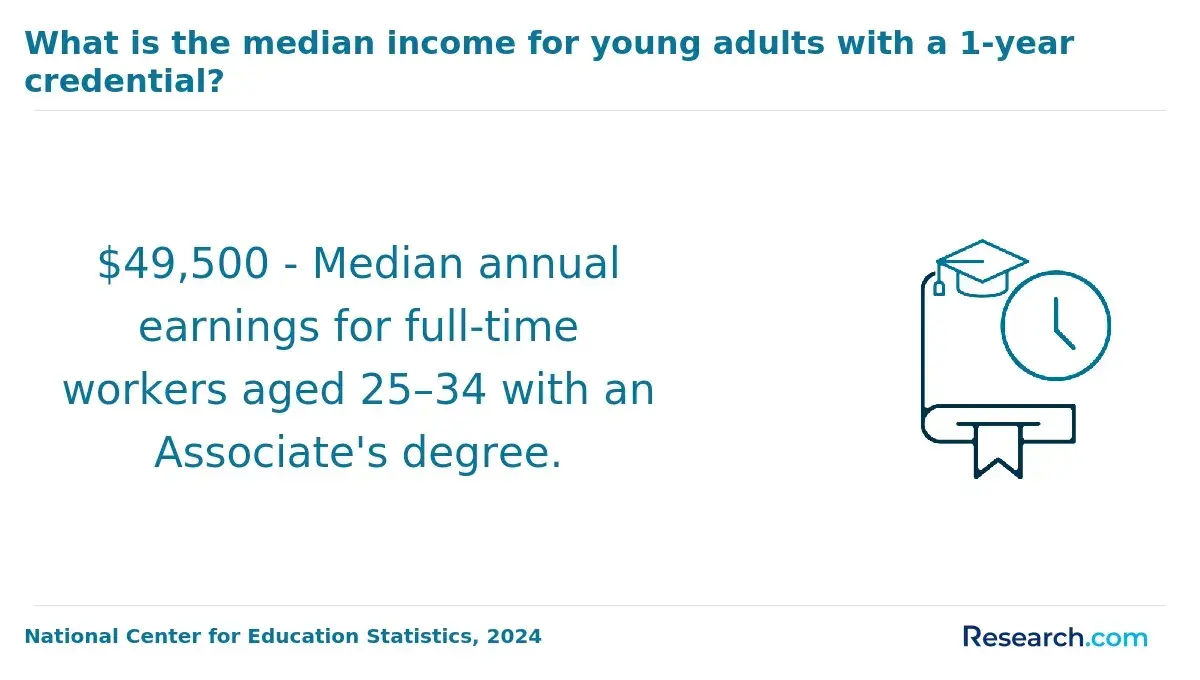
- Salary Outcomes: Median annual earnings for ESL educators with a bachelor's degree are about $52,000. Those with an associate degree earn roughly $38,000, and certificate holders generally make between $30,000 and $35,000, depending on their specialty.
- Short-Term Investment: Certificates and associate degrees allow quicker workforce entry with lower upfront costs, making them suitable for individuals seeking immediate employment or with limited financial resources.
- Long-Term Benefits: A bachelor's degree offers greater opportunities for salary increases, career progression, and employment stability over time. This credential is often necessary for advanced roles such as curriculum design or administrative positions.
- Professional Growth: Bachelor's programs frequently provide enhanced skill development, wider professional networks, and eligibility for additional certifications that improve job prospects beyond salary alone.
- Decision Factors:
- For those needing rapid employment and constrained budgets, pursuing a certificate or associate degree may be the more practical option.
- Individuals aiming for sustained career advancement and higher income typically benefit more from investing in a bachelor's degree despite greater initial costs.
- Working professionals might also prioritize the flexibility of online bachelor's programs to balance education with job responsibilities effectively.
Choosing the right credential depends on one's career objectives, financial limitations, and timeline. Balancing immediate affordability against long-term value helps ensure the best possible education investment in online ESL studies.
Which online English as a Second Language (ESL) specializations or concentrations yield the highest earning potential after graduation?
Among online English as a Second Language (ESL) bachelor's degree specializations, some concentrations provide significantly higher earning potential than general ESL studies. Data from the Bureau of Labor Statistics (BLS) indicate median annual wages for general ESL teachers hover around $61,000, while specialized roles frequently command salary premiums due to expertise and market demand.
- Bilingual Education: This concentration prepares graduates for positions in public schools and organizations serving diverse linguistic populations. These professionals typically earn 10 to 20 percent more than general ESL teachers because of their ability to support multiple language learners effectively.
- English for Specific Purposes (ESP): ESP tracks focus on teaching English tailored to industries like business, healthcare, or technology, which can lead to median salaries of $70,000 or higher. Some ESP areas may require additional certifications such as healthcare communication credentials, which increase total program costs.
- TESOL Leadership and Administration: Graduates pursuing leadership or administrative roles-such as program coordinators or curriculum developers-earn about 15 percent more than entry-level ESL teachers. These positions often require continuing education or administrative certification, impacting overall investment time and expense.
- Adult Education and Literacy: This path connects graduates with community colleges and workforce development programs. Salaries in adult education can be competitive, especially in urban centers, with many roles emphasizing ongoing professional development rather than costly certification requirements.
Choosing a specialization depends on your prior experience and career goals, balancing salary potential with additional certification needs and program length. Concentrations that enhance credentials without prolonging study or significantly increasing costs offer optimal return on investment. Evaluating both financial outcomes and professional advancement opportunities will help you select an online English as a Second Language program aligned with your long-term success.
How do employer tuition reimbursement and financial aid reduce the net cost of an online English as a Second Language (ESL) bachelor's degree?
Employer tuition reimbursement programs can greatly reduce the out-of-pocket cost of earning an online English as a Second Language (ESL) bachelor's degree by covering a significant portion of tuition expenses. According to the Society for Human Resource Management (SHRM), nearly 60% of U.S. employers offer tuition assistance, commonly structured under IRS Section 127, which allows employers to provide up to $5,250 annually in tax-free educational benefits. This benefit helps employees lower their taxable income while making a degree more affordable.
These programs usually require employees to maintain satisfactory grades or remain employed for a designated period after completing courses, aligning educational support with workplace objectives. Employer tuition reimbursement for online English as a second language bachelor's degrees often covers direct tuition costs and sometimes mandatory fees, reducing the financial burden by thousands annually.
In addition to employer assistance, federal financial aid options for reducing ESL bachelor's degree costs in the United States include grants, subsidized loans, and scholarships obtained through the FAFSA application.
Pell Grants and Stafford Loans provide substantial relief by minimizing reliance on high-interest loans. Institutional aid from colleges also plays a critical role, offering merit- and need-based scholarships to further shrink the net tuition cost.
For example, a student facing a $20,000 annual tuition bill might receive $5,000 from employer reimbursement, $4,000 in federal grants, and an additional $3,000 through institutional scholarships, reducing the yearly cost to $8,000. Over four years, such combined funding could save more than $48,000. Working professionals and career changers should also explore related programs like online real estate degrees to compare potential financial aid structures.
- Employer Tuition Benefits: Employer programs often cover significant portions of tuition costs up to $5,250 annually tax-free, directly lowering student expenses.
- Prevalence of Assistance: Nearly 60% of U.S. employers provide tuition aid, showing widespread corporate support for employee education.
- Federal Financial Aid: Grants and subsidized loans available through FAFSA reduce the need for high-interest borrowing or out-of-pocket payments.
- Institutional Scholarships: Colleges supplement federal aid with scholarships targeting ESL students, reward academic success, or address financial need.
- Cost Reduction Example: Combining employer aid, federal grants, and scholarships can cut a $20,000 annual tuition bill to less than half, easing affordability.
What hidden costs should students factor into the total investment of an online English as a Second Language (ESL) bachelor's degree?
When budgeting for an online English as a Second Language bachelor's degree, many students overlook significant additional expenses beyond tuition. These often-hidden costs include mandatory technology fees for online platforms and exam proctoring services, which can add several hundred dollars annually.
Graduation fees also contribute, covering diplomas, transcripts, and commencement ceremonies, typically ranging from $100 to $300. Furthermore, specific course-related software licenses, essential for language learning and assessments, may increase costs over multiple semesters.
Professional organization memberships connected to teaching ESL-such as those offered by TESOL International-foster networking and career growth but commonly require annual dues between $50 and $150. According to College Board research and institutional cost-of-attendance disclosures, these additional expenses can add 5% to 15% on top of advertised tuition.
For example, a program budgeted at $20,000 could accrue $1,000 to $3,000 in hidden fees, delaying when salary gains cover the full investment and extending the break-even period in the overall return on investment (ROI).
Students planning their education should always request a complete cost-of-attendance breakdown, including all mandatory and optional fees, rather than relying solely on published tuition. This transparent view not only aids in financial planning but also helps compare programs more accurately, such as architect degree online alternatives and other options with different cost structures.
- Technology and Proctoring Fees: Many online ESL programs require mandatory platform access fees and remote exam proctoring, adding several hundred dollars annually to total expenses.
- Graduation and Administrative Costs: These fees vary by institution but generally range between $100 and $300 for diplomas, transcripts, and ceremonies.
- Software Licenses: Specialized language and assessment software essential to ESL coursework often lead to unexpected cumulative expenses.
- Professional Memberships: Annual dues for ESL-related organizations support career advancement but must be included in the total program budget.
- Impact on ROI Timeline: Hidden fees increase overall spending and can extend the break-even point when salary improvements from the degree offset costs.
How does the accreditation status of an online English as a Second Language (ESL) program affect graduate salary and employability?
Regional accreditation reviews an entire institution, ensuring it meets broad academic and operational standards, while programmatic accreditation focuses narrowly on individual programs. For ESL graduates, degrees from regionally accredited schools carry more weight with employers because they reflect a higher and more consistent level of quality.
Surveys by the National Association of Colleges and Employers (NACE) reveal hiring managers often prefer candidates with regionally accredited degrees, associating them with better preparation and reliability. This preference frequently results in higher starting salaries and improved salary negotiation positions for graduates.
Attending a non-regionally accredited or nationally accredited-only institution can restrict career pathways-particularly in public education, government, and healthcare sectors-that require licensure exams or advanced graduate study eligibility. Many teaching certification processes for ESL roles specifically mandate degrees from regionally accredited schools. Graduate programs also commonly insist on such credentials for admission.
Prospective students should confirm accreditation status before enrolling by consulting the U.S. Department of Education and the Council for Higher Education Accreditation (CHEA) databases. Verifying this helps safeguard the value and acceptance of the degree in the job market and beyond.
- Regional vs Programmatic Accreditation: Regional accreditation ensures the overall institutional quality and is the gold standard, while programmatic accreditation certifies specific fields but lacks comprehensive recognition among employers.
- Employer Hiring Preferences: According to NACE data, hiring managers favor candidates from regionally accredited institutions, which leads to stronger job prospects and better salary offers.
- Licensing and Advanced Education: Only regionally accredited degrees typically qualify graduates to take necessary licensure exams and gain acceptance into graduate schools, essential for ESL career advancement.
- Salary Negotiation Advantage: Graduates with regionally accredited credentials generally have greater leverage during salary discussions, reflecting employer confidence in their education.
- Verification Resources: Use official U.S. Department of Education and CHEA databases to confirm the accreditation status of any ESL program before committing financially or academically.
What entry-level job titles and salary ranges are available to graduates of Online English as a Second Language (ESL) bachelor's programs?
Graduates with an online English as a Second Language (ESL) bachelor's degree have access to a range of entry-level roles, each with varying salary levels and industry settings. These jobs influence how quickly the initial educational investment can begin to yield financial returns.
- ESL Teacher: Common in public and private schools, typical starting salaries fall between $40,000 and $50,000, with international or specialized language institutions often offering higher pay.
- Language Program Coordinator: Found mostly in educational nonprofits or government agencies serving immigrant populations, starting salaries generally range from $45,000 to $55,000.
- Adult Literacy Specialist: Employed in community education and healthcare sectors, salaries usually range from $38,000 to $48,000, focusing on enhancing communication with adult learners.
- Curriculum Developer for ESL: Positions in educational publishing and technology firms typically start between $50,000 and $60,000.
- ESL Tutor or Instructor (Private or Online): Median pay ranges from $30,000 to $45,000, with technology platforms and private tutoring offering potential upward earnings based on certifications.
- Immigration Case Worker: Starting salaries are often between $40,000 and $50,000, especially in government or nonprofit organizations supporting immigrants.
- Translator or Interpreter Assistant: Working mostly in healthcare and legal sectors, entry-level salaries are typically $35,000 to $45,000.
- Educational Technology Support Specialist: Salaries begin around $45,000 to $55,000 in education and tech fields, with good growth prospects.
Completing internships and earning certifications like TESOL or CELTA can elevate starting salaries. Specializing in areas such as special education or digital learning technologies often leads to higher pay early in a career. Industries like government and technology generally offer the most competitive starting salaries, speeding up the time it takes for graduates to recover their educational investments. Weighing these career paths carefully helps graduates make informed choices aligned with both financial goals and professional growth.
What Graduates Say About the Return on Investment of Their Online English as a Second Language (ESL) Bachelor's Degree
- Azrael: "Choosing the online English as a Second Language bachelor's degree was a strategic decision based on the clear return on investment-balancing affordable tuition against the potential for higher earnings in education and language services. Beyond the financials, the program opened unexpected doors for career advancement, allowing me to transition into leadership roles within schools. The flexibility of online learning meant I could continue working while upgrading my skills, which made all the difference in accelerating my professional path."
- Alvaro: "The non-financial benefits of my online English as a Second Language bachelor's degree have been profound-greater job security, increased respect from colleagues, and a broadened professional network. I initially weighed the cost carefully, but the program's convenience and comprehensive curriculum convinced me it was worth the investment. This degree has not only enriched my teaching approach but also expanded my cultural understanding, making me a more effective and confident educator."
- Robert: "From a purely professional standpoint, earning my online English as a Second Language bachelor's degree revolutionized my career trajectory. The ROI wasn't just in salary increases, but also in the variety of roles I became qualified for, including curriculum design and academic consulting. Reflecting on my journey, the balance between cost, time, and the future opportunities the degree unlocked confirmed to me that it was a wise and calculated investment in my long-term career growth."
Other Things You Should Know About English as a Second Language (ESL) Degrees
The time needed to recoup the cost of an online ESL bachelor's degree varies depending on tuition expenses and salary growth after graduation. On average, graduates may recover their investment within 3 to 7 years through higher earnings, especially if they secure teaching positions in public schools or language institutes with competitive pay. Financial aid, scholarships, and the program's cost also significantly influence this timeline.
Geographic location plays a major role in salary outcomes for ESL graduates. Urban areas and regions with high demand for bilingual educators tend to offer better salaries compared to rural locations. Additionally, salary differences exist across sectors; public school teachers may have different pay scales compared to those working in private language schools, nonprofit organizations, or corporate training programs.
The return on investment for an online ESL bachelor's degree in 2027 is influenced by program cost, graduate salary potential, demand for ESL educators, and geographic location. Analyzing these factors can help determine if the degree is financially beneficial.
Prospective students can use cost-benefit analysis tools to compare tuition fees, program length, and graduate salary data for various online ESL programs. These tools often integrate information from sources like IPEDS and the Bureau of Labor Statistics to estimate expected earnings relative to program costs. This approach helps students make informed financial decisions tailored to their career goals and budget constraints.
References
- Employer-offered educational assistance programs can help pay for college | Internal Revenue Service https://www.irs.gov/newsroom/employer-offered-educational-assistance-programs-can-help-pay-for-college
- English Second Language Teacher Salary A Global Overview - Blog Idiomasfachse https://blog.idiomasfachse.edu.pe/english-second-language-teacher-salary/
- The Hidden Cost of Online Education https://www.accessmba.com/articles/view/the-hidden-cost-of-online-education
- Employer Tuition Assistance Program / Employee Tuition Reimbursement - Finance | Learn & Work Ecosystem Library https://learnworkecosystemlibrary.com/topics/employer-tuition-assistance-program-employee-tuition-reimbursement-finance/
- Is College Worth it? | Return on Investment Analysis of College Degree https://educationdata.org/college-degree-roi
- How Much Can I Charge For An EFL Lesson? - The TEFL Academy https://www.theteflacademy.com/blog/how-much-can-i-charge-for-an-efl-lesson/
- Benefits of Degrees in English as a Second Language | AllEducationSchools https://www.alleducationschools.com/teaching-degrees/english-as-a-second-language/
- Teaching English Online Salary | International TEFL Academy https://www.internationalteflacademy.com/blog/how-much-money-can-i-make-teaching-english-online
- What Am I Worth? Setting Your Rates as an Independent English Teacher - BridgeUniverse - TEFL Blog, News, Tips & Resources https://bridge.edu/tefl/blog/setting-your-rates-freelance-english-tutor/
- Return on Investment | ITTT https://www.teflcourse.net/pillars/tesol-vs-tefl-key-differences/cost-comparison/return-on-investment/