2027 Return on Investment of an Online Energy Engineering Bachelor's Degree: Salary vs Cost

Co-Founder and Chief Data Scientist
Many working professionals with unrelated degrees face a critical decision-whether to invest time and money in an online energy engineering bachelor's degree to enhance their career prospects. The upfront cost and time commitment can raise doubts about the true financial payoff.
Data from the U. S. Bureau of Labor Statistics shows that energy engineering roles offer a median annual wage of approximately $85,000-significantly above the national average for all occupations. This article analyzes the balance between tuition expenses and long-term salary benefits, aiming to help readers determine if an online energy engineering degree provides a worthwhile return on investment.
Key Things to Know About the Return on Investment of an Online Energy Engineering Bachelor's Degree
- Average tuition for online energy engineering bachelor's degrees ranges from $15,000 to $40,000-significantly lower than traditional programs-offering a cost-effective route for budget-conscious students.
- Graduates report median salaries near $75,000 annually, reflecting strong demand and positive salary growth compared to many other engineering disciplines.
- Beyond salary, online energy engineering degrees enhance career advancement, job security, and access to professional development in a rapidly evolving energy sector.
What Is the True Cost of Earning an Online Energy Engineering Bachelor's Degree From Enrollment to Graduation?
Evaluating the total tuition expenses for energy engineering bachelor's online requires a clear understanding of all direct and indirect costs. Published tuition rates often appear high, with annual costs ranging from $20,000 to $40,000, but most students pay much less after accounting for financial aid, grants, and scholarships.
- Published Tuition: Online energy engineering tuition averages $20,000 to $40,000 per year before aid, reflecting sticker prices reported by universities. Cost breakdowns from IPEDS and net price calculators help reveal the actual financial commitment behind these figures.
- Net Price After Aid: Many students benefit from need-based aid and scholarship funding that reduce annual expenses to between $10,000 and $15,000. This lower net price is crucial for first-generation college students and career changers on a budget.
- Additional Fees: Technology fees, remote exam proctoring, and specialized course materials-including textbooks and software-can add $500 to $1,500 yearly. These costs support high-quality online learning environments and ensure access to essential resources.
- Indirect Costs: Beyond tuition, students should consider upgrading computers, securing high-speed internet, and accounting for potential lost earnings due to study time. These indirect expenses affect the total investment in an online energy engineering degree.
- Total Estimated Cost: Factoring all elements, the full cost to complete an online energy engineering bachelor's degree ranges from approximately $50,000 to $75,000, providing a realistic baseline for calculating return on investment.
The total tuition expenses for energy engineering bachelor's online are a critical part of evaluating career advancement opportunities and long-term job security. Financial planners and prospective students might also explore related affordable options, such as the cheapest mba online, to compare investment returns across educational pathways.
How Does the Starting Salary for Energy Engineering Bachelor's Degree Graduates Compare to the Total Cost of the Degree?
The starting salary for graduates holding a bachelor's degree in energy engineering typically ranges around $68,000 per year, according to the U.S. Bureau of Labor Statistics data for related occupations like energy engineers, mechanical engineers, and environmental engineers. Median entry-level salaries vary from $60,000 to $75,000 annually, depending on job role and geography.
The total cost of an online energy engineering degree can range significantly. In a best-case scenario with affordable tuition and financial aid, the entire program might cost as little as $25,000. The worst-case scenario involves higher tuition rates without substantial financial support, which can drive costs up to $80,000 or more.
Considering these figures, it typically takes between 4 and 14 months of a graduate's starting salary to cover the full cost of the degree. For instance, a $25,000 total cost corresponds to about 4.5 months of gross income with a $68,000 salary, whereas $80,000 translates to nearly 14 months of full salary to repay tuition expenses. This comparison highlights the importance of carefully evaluating the total cost of an online energy engineering degree when planning for return on investment.
Starting salary is just the beginning-energy engineering careers often experience steady growth. BLS data indicates median salaries can rise by 40% or more after five to ten years of experience.
This growth supports greater long-term financial benefits, especially in sectors with high demand such as renewable energy and consulting. For those balancing work and study, exploring options like an EMBA online may offer complementary advancement pathways alongside technical degrees.
- Starting Salary Benchmarks: Entry-level energy engineering graduates earn between $60,000 and $75,000 annually, reflecting job role and location differences.
- Degree Cost Range: Online degree tuition can vary from $25,000 in affordable programs to over $80,000 without significant financial aid.
- Payback Period: The degree cost is generally offset in 4 to 14 months of salary after graduation, depending on tuition and aid factors.
- Long-Term Growth: Salaries typically increase by 40% or more with five to ten years of experience, improving overall return on investment.
- Beyond Finances: Job security, career mobility, and professional development also contribute to the value of an online energy engineering bachelor's degree.
What Is the Average Return on Investment (ROI) for an Online Energy Engineering Bachelor's Degree Over a 10-Year Career?
Return on investment (ROI) for higher education compares the cost of obtaining a degree against the additional income earned over a set period-commonly 10 years-relative to someone with only a high school diploma or an associate's degree in a related discipline. Specifically, for an online energy engineering bachelor's degree, this is calculated by subtracting total educational expenses from the cumulative extra earnings achieved over a decade.
Data from the Georgetown University Center on Education and the Workforce demonstrates that bachelor's degree holders earn about 84% more over their lifetime than high school graduates. PayScale's College ROI Report reinforces this, highlighting engineering degrees as among the top in terms of 10-year financial returns. According to the U.S. Bureau of Labor Statistics, related energy engineering occupations have a median annual wage near $80,000 with an average 3% yearly salary increase factored into projections.
Using these figures, a graduate starting at $80,000 annually with 3% raises over 10 years could total roughly $900,000 in earnings. In contrast, a high school graduate earning around $40,000 initially, also with similar raises, would accumulate about $450,000 over the same period. Deducting a typical degree investment of $40,000 leaves an approximate $410,000 ROI in extra earnings for graduates in energy engineering. This outpaces the national bachelor's degree ROI average by nearly 25%, signifying strong career earning potential.
- Cost vs Earnings: The average tuition and fees for an online energy engineering degree hover around $40,000, while additional 10-year earnings exceed $400,000, indicating a robust financial payoff.
- Salary Growth: Consistent 3% annual raises significantly enhance cumulative income over a decade, amplifying overall ROI.
- Benchmark Comparison: Energy engineering graduates typically enjoy a 25% higher ROI than the average for all bachelor's degree holders nationally.
- Additional Benefits: Besides salary, this degree boosts career prospects, job stability, and offers professional growth opportunities that extend value beyond earnings.
A professional who pursued the online energy engineering degree after scrutinizing its cost and potential returns shared his perspective: "Balancing work, family, and studies was tough, but knowing the degree's strong ROI kept me motivated.
The flexibility of the program allowed me to maintain my job while advancing my skills. I was initially overwhelmed by the financial commitment, but after projecting my post-graduation salary growth and total costs, it became clear this was a smart investment. Completing the program has opened doors I hadn't imagined, making the challenges worthwhile."
How Do Online Energy Engineering Program Tuition Rates Compare Across Public, Private, and For-Profit Institutions?
Cost differences between public private and for-profit energy engineering degrees are notable and impact both upfront expenses and long-term benefits. Public universities often provide the most economical option for in-state students, with flat-rate online tuition typically ranging from $7,000 to $15,000 per academic year for 2023-2024. Out-of-state learners might encounter higher fees if flat-rate structures do not apply.
- Public Institutions: These schools generally offer affordable tuition primarily benefiting residents with flat-rate plans that simplify budgeting.
- Private Nonprofit Colleges: Tuition here usually runs from $20,000 to $40,000 annually. Although more costly, these institutions tend to deliver better graduation outcomes and advantageous industry links, supporting stronger career growth.
- For-Profit Institutions: While often promoting tuition below $10,000 yearly, these colleges may have lower graduation rates and less employer credibility, which can diminish job prospects and salary potential over time.
When choosing among online energy engineering program tuition comparisons, the lowest price does not guarantee the highest return on investment. Students should carefully evaluate the trade-offs of reduced costs against graduate success and employer reputation to maximize career advancement and job security. Additionally, exploring alternatives like an accelerated online business degree may offer valuable pathways aligned with financial and professional goals.
What Long-Term Salary Growth Can Energy Engineering Bachelor's Degree Holders Expect Over a 20- to 30-Year Career?
Salary growth for energy engineering bachelor's degree holders typically follows several key phases linked to professional experience and role changes. Early in a career-within the first five years-earnings steadily rise as practical skills and certifications accumulate, often providing a 15% to 25% wage advantage over those without degrees.
- Mid-Career Growth: At about a decade into the field, many professionals move into leadership or project management roles, driving a noticeable pay increase. Median salaries at this stage can climb 30% to 50% above starting figures due to added responsibilities and advanced expertise.
- Senior-Level Earnings: After 15+ years, engineers often assume senior or consultancy positions, with compensation reflecting both deep technical knowledge and strategic influence, sometimes extending into executive roles.
- Pay Benchmarks: According to PayScale, mid-career energy engineers with bachelor's degrees regularly earn between $90,000 and $110,000 annually, highlighting strong earning potential compared to other technical fields.
- Lifetime Earnings Premium: Over a 30-year span, the total salary advantage for degree holders versus non-degree workers in related technical roles can surpass $1 million, factoring in growth and increased job security.
A professional who completed an online energy engineering bachelor's program shared that early career challenges included balancing coursework with a full-time job, which demanded strong time management and persistence. She described how the flexible online format allowed her to earn certificates concurrently, enhancing her credibility and facilitating quicker salary growth.
Reflecting on her journey, she noted, "The initial years required patience, but as I gained certifications and moved into project management, I saw my compensation improve markedly." Her experience illustrates how leveraging online education platforms can effectively support upward salary momentum over decades.

How Does the ROI of an Online Energy Engineering Bachelor's Degree Compare to an Associate Degree or a Professional Certificate?
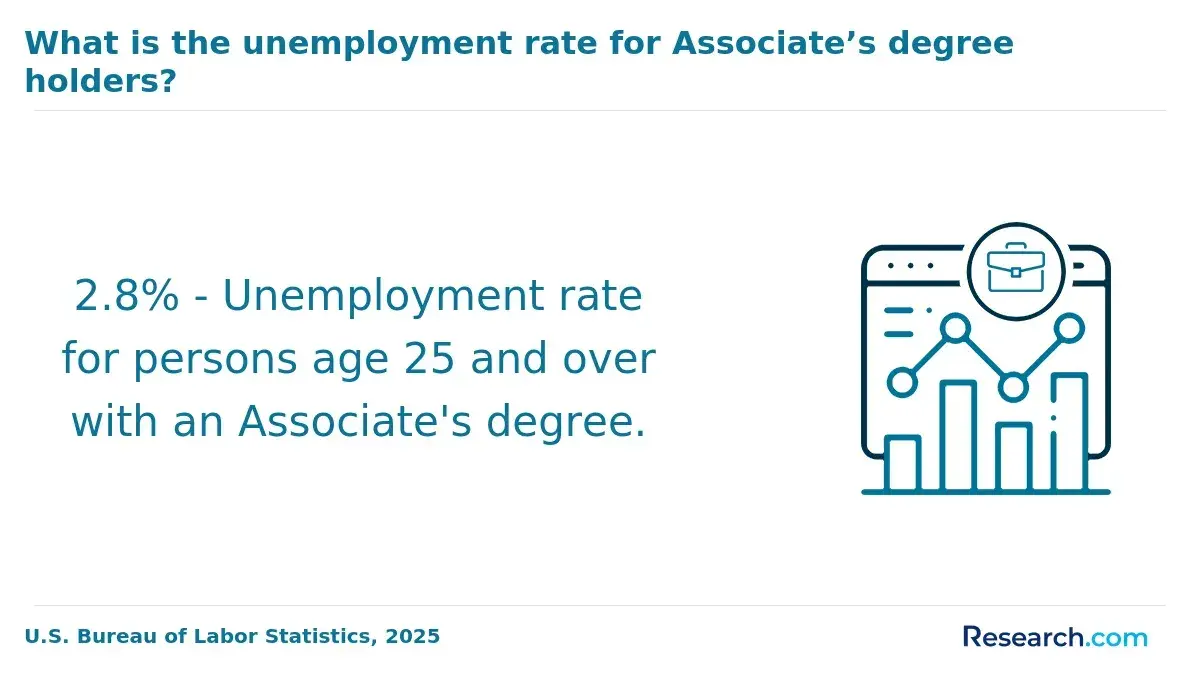
Tuition and career outcomes for energy engineering credentials vary widely. Bachelor's degrees require the highest investment but lead to stronger long-term earnings and leadership opportunities. Certificates and associate degrees cost less and allow faster entry into the workforce, offering quicker financial returns for those prioritizing short-term gains.
Cost Differentials: Tuition for an online energy engineering bachelor's degree typically ranges between $40,000 and $70,000, based on data from the National Center for Education Statistics. By comparison, associate degrees generally cost $10,000 to $20,000, while professional certificates often come in under $5,000.
Salary Outcomes: According to the Bureau of Labor Statistics, graduates holding a bachelor's degree in energy engineering earn median annual wages near $90,000. Those with associate degrees in comparable technical areas tend to make between $50,000 and $65,000, and certificate holders usually start with salaries from $40,000 to $55,000.
Short-Term Returns: For individuals needing rapid workforce entry or managing tight financial constraints, certificates and associate degrees offer lower costs and faster completion. These credentials typically yield a payback period of less than two years, making them appealing for immediate employment and technician roles.
Long-Term Returns: Over a decade or more, bachelor's degree holders often realize higher financial benefits. Elevated median salaries, combined with enhanced prospects for leadership, project management, and advanced professional roles, help justify their greater upfront investment and longer study duration.
Career Advancement and Job Security: Holding a bachelor's degree in energy engineering frequently grants access to positions requiring licensure and professional certification-opportunities less available to those with associate degrees or certificates. This can lead to improved job stability and increased chances for career growth.
Which Online Energy Engineering Specializations or Concentrations Yield the Highest Earning Potential After Graduation?
Specializing within an online energy engineering bachelor's degree influences earning potential significantly. Data from the Bureau of Labor Statistics reveals that graduates in focused tracks often secure salary premiums compared to generalist energy engineering entrants. Aligning one's specialization with career goals and financial expectations is crucial for maximizing return on investment.
- Renewable Energy Engineering: Median salaries for wind and solar engineers range between $80,000 and $95,000 annually, benefiting from robust industry growth. Certification costs for photovoltaic systems or wind turbine maintenance can add modest expenses but often lead to higher starting pay.
- Petroleum and Gas Engineering: This specialization offers starting salaries commonly above $100,000. However, licensure or professional engineering (PE) certification is typically required, increasing time and financial investment after graduation. Prior work experience can accelerate ROI due to strong demand in this sector.
- Energy Systems and Efficiency: Median wages hover near $75,000 with less demanding certification requirements. Continuing education in energy management is a common path to advancing credentials and salary, helping students on tighter budgets achieve faster returns.
- Nuclear Energy Engineering: With median wages exceeding $100,000, this track demands strict security clearances and licensure. These upfront investments are substantial but reward specialists with enhanced job security and premium salaries.
For working professionals or career changers weighing tuition fees against verified salary outcomes, energy systems concentrations provide lower certification costs and quicker ROI. In contrast, renewable and petroleum engineering deliver higher pay but require greater initial investment in licensure or certifications.
Considering career advancement, job security, and professional development alongside financial outcomes ensures a well-rounded evaluation of the full value that an online energy engineering bachelor's degree delivers.
How Do Employer Tuition Reimbursement and Financial Aid Reduce the Net Cost of an Online Energy Engineering Bachelor's Degree?
Employer tuition reimbursement programs can significantly reduce the net cost of an online energy engineering bachelor's degree. Under IRS Section 127, employers may provide up to $5,250 annually in tax-free tuition assistance, making this a valuable benefit for working students seeking career advancement.
According to the Society for Human Resource Management (SHRM), nearly 60% of U.S. employers offer some form of tuition assistance, showing its widespread role in helping employees manage educational expenses without increasing taxable income. This prevalence of employer tuition reimbursement programs for online energy engineering degrees makes them an essential consideration for prospective students balancing work and study.
Federal and institutional financial aid further lower out-of-pocket costs through grants, scholarships, and subsidized loans. These need-based or merit-based funds reduce reliance on borrowed money by offering non-repayable options and low-interest loans that defer repayment until after graduation.
The impact of such financial aid on net cost of an online energy engineering bachelor's degree can be substantial-combining employer benefits with these forms of assistance transforms an otherwise expensive degree into an affordable investment.
For example, a student facing a $40,000 tuition bill over four years might receive $5,250 annually from their employer, reducing costs by $21,000.
Adding $15,000 in grants and scholarships cuts expenses further, leaving about $4,000 to be covered by federal subsidized loans, which can be repaid after graduation with minimal interest during study periods. Using this layered support, the net cost drops below $5,000 in cash expenses, demonstrating strong financial incentives for pursuing this degree.
A working professional or career changer evaluating their options should also explore how an online energy engineering degree compares in returns on investment with programs in other fields. For those considering alternatives, the question is a project management degree worth it offers a related perspective on balancing cost and career benefits.
- Employer Support: Tuition reimbursement programs provide tax-free funding up to $5,250 annually, alleviating education costs for working students.
- Prevalence of Benefits: Over half of U.S. employers offer tuition assistance, underscoring its role as a widespread workforce development tool.
- Federal and Institutional Aid: Grants, scholarships, and subsidized loans reduce out-of-pocket expenses through non-repayable or low-cost funding options.
- Combined Impact: Coordinating employer tuition reimbursement programs for online energy engineering degrees with financial aid significantly lowers the net cost.
- Sample Cost Breakdown: A $40,000 program can cost under $5,000 after layered use of employer reimbursement and financial aid, highlighting the value of strategic funding.
What Hidden Costs Should Students Factor Into the Total Investment of an Online Energy Engineering Bachelor's Degree?
When budgeting for an online energy engineering bachelor's degree, students often overlook several additional expenses beyond tuition fees and additional expenses for online energy engineering degrees. These hidden costs can significantly impact the overall financial commitment and delay the break-even point on their educational investment.
Technology fees, commonly charged to support online platforms and IT services, usually range between $50 and $200 per semester. Some programs also require specialized software licenses or simulation tools, which may cost from $100 to $500 annually if not included by the institution.
Proctoring services for online exams typically charge $30 to $100 per test, adding up over multiple assessments. Graduation fees generally fall between $100 and $300, while memberships in professional organizations, such as engineering societies, can cost $50 to $150 annually but offer valuable networking and career development benefits.
Institute cost-of-attendance disclosures and College Board research indicate that these cumulative expenses may add $500 to $1,500 per year to the cost of attendance. For working professionals and career changers, these extra costs can extend the timeline needed to recoup the degree's value through improved salary outcomes and career advancement.
Prospective students should always request a full cost-of-attendance breakdown-including tuition plus mandatory fees-before committing to a program.
Those exploring related online programs might compare costs and benefits with graphic design schools online to evaluate long-term financial impact and professional opportunities.
- Technology Fees: Expect $50 to $200 per semester to maintain online learning platforms and IT support, essential for successful remote study.
- Proctoring Costs: Third-party exam proctoring fees range from $30 to $100 per test, accumulating over multiple exams in a degree program.
- Software Licenses: Specialized engineering software may require $100 to $500 annually, often mandatory for course completion.
- Graduation Fees: Budget $100 to $300 for mandatory graduation processing, often forgotten until the final term.
- Professional Memberships: Annual fees of $50 to $150 fund industry group memberships that enhance networking and career growth.
How Does the Accreditation Status of an Online Energy Engineering Program Affect Graduate Salary and Employability?
Regional accreditation evaluates the overall quality and educational standards of an institution, confirming it meets broad academic criteria. Programmatic accreditation, on the other hand, examines the specific standards and rigor of the energy engineering program itself. Both types of accreditation significantly impact a graduate's credibility with employers and their potential salary.
Data from the National Association of Colleges and Employers (NACE) reveals that hiring managers favor degrees from regionally accredited institutions over those from nationally accredited or non-accredited schools. This preference often translates into higher starting salaries and stronger job offers, as employers view accredited credentials as evidence of a candidate's skill and readiness.
Choosing a program without proper accreditation can restrict a graduate's opportunities. Many licensure exams for engineers require graduation from accredited programs, and employers in government or healthcare sectors frequently mandate accredited degrees. Graduate schools also typically require these credentials for admission.
Prospective students should carefully verify accreditation status through the U.S. Department of Education's accreditation database or the Council for Higher Education Accreditation (CHEA) before enrolling to protect their investment and career prospects.
- Employer Preference For Accredited Degrees: Hiring managers prioritize candidates from regionally accredited schools, resulting in better salary packages and increased employment chances.
- Licensure Exam Eligibility: Graduates from accredited programs are usually eligible to take professional engineering licensure exams essential for career progress.
- Graduate Program Admission: Accredited degrees are commonly required for entry into reputable graduate schools, influencing long-term career growth.
- Government And Healthcare Job Access: These industries often require candidates to hold degrees from accredited institutions, limiting options otherwise.
- Accreditation Verification Resources: Students can use official government and independent databases to confirm program accreditation before committing.
What Entry-Level Job Titles and Salary Ranges Are Available to Graduates of Online Energy Engineering Bachelor's Programs?
Entry-level salaries in energy-related careers vary by role and industry, with positions in technology, government, and sustainability often offering the highest pay. Internships, certifications, and specialized concentrations can significantly boost starting compensation and accelerate the return on investment from education, making practical experience a key factor in early career growth.
Energy Engineer: Starting salaries typically range from $60,000 to $75,000. Technology and government sectors, especially those focused on renewables and efficiency, offer the most competitive pay.
Project Engineer: Median entry-level pay falls between $58,000 and $72,000. Salaries tend to be higher in energy and construction industries, particularly for those with sustainable design expertise or project management certifications.
Mechanical Engineer: New graduates usually earn from $55,000 to $70,000. Technology firms and manufacturers often provide better wages, with internships boosting initial offers.
Energy Analyst: Starting compensation ranges from $50,000 to $65,000. Finance and consulting companies value skills in data analysis and forecasting, driving higher salaries.
Environmental Engineer: Entry pay commonly lies between $52,000 and $68,000. Government agencies and healthcare sectors pay premiums for those handling compliance and environmental impact studies.
Power Systems Engineer: Salaries generally start from $60,000 to $75,000. Leading offers come from energy companies, especially for candidates with power systems or grid technology certifications.
Research Assistant or Technician: Compensation usually ranges from $45,000 to $60,000. Positions are often in academic or government labs, providing valuable experience for career growth.
Energy Consultant: New professionals earn between $55,000 and $70,000. Consulting firms serving finance and technology industries offer top pay, enhanced by certifications in energy efficiency or sustainability.
Internships and relevant certifications such as Certified Energy Manager or Project Management Professional often lead to higher entry-level salaries and quicker return on investment. Specialized concentrations improve prospects, making practical experience a key factor in accelerating financial recovery from tuition costs while boosting career advancement opportunities.
What Graduates Say About the Return on Investment of Their Online Energy Engineering Bachelor's Degree
- Santino: "Choosing the online energy engineering bachelor's degree was a calculated decision for me-I carefully considered the cost against the potential income boost and career flexibility. The program's affordability combined with its industry-recognized curriculum meant I could advance without incurring massive debt. Beyond the paycheck, it opened doors to leadership roles I hadn't imagined achievable before graduation."
- Jaime: "Reflecting on my journey, the online energy engineering degree offered more than just financial returns-it provided invaluable job security in a rapidly evolving field. I appreciated how the coursework aligned with current industry needs, giving me confidence to pivot and adapt as new technologies emerged. The flexibility of online learning also allowed me to balance work and study, which was crucial for my personal growth and career momentum."
- Everett: "Pursuing my bachelor's in online energy engineering accelerated my professional career in ways I hadn't anticipated. The ROI was evident not only in salary improvements but also in the network and skills I gained, which led to consulting opportunities and innovative projects. This degree proved to be a strategic investment that elevated my expertise and positioned me firmly within the renewable energy sector."
Other Things You Should Know About Energy Engineering Degrees
On average, graduates with an online energy engineering bachelor's degree can expect to recover their tuition investment within 5 to 7 years after entering the workforce. This timeline varies depending on the program's cost and the graduate's starting salary, which typically ranges from $60,000 to $80,000 annually. Higher salaries come faster in industries with strong energy demand, shortening the payback period.
Geographic location plays a significant role in salary outcomes for energy engineering graduates. Regions with a high concentration of energy companies such as Texas, California, and Pennsylvania often offer salaries 10% to 20% above the national average. Additionally, graduates working in renewable energy sectors or oil and gas tend to earn higher wages compared to those in academia or government roles.
Employer surveys consistently rank an energy engineering bachelor's degree as highly valuable, citing strong technical skills and industry-specific knowledge as key assets. Labor market data confirm this demand, showing steady job growth of about 6% annually in energy sectors. This degree remains a preferred qualification for roles involving energy system design, sustainability analysis, and project management.
References
- Renewable Energy Engineering Online Degree Programs - Educating Engineers https://educatingengineers.com/online-engineering-schools/renewable-energy-engineering-degrees/
- The Hidden Costs of College: What Students Don’t Plan For – The Coach Space https://thecoachspace.com/blog/hidden-costs-of-college/
- Does College Pay Off? A Comprehensive Return On Investment Analysis - FREOPP https://freopp.org/whitepapers/does-college-pay-off-a-comprehensive-return-on-investment-analysis/
- Client Challenge https://www.scribd.com/document/480642773/Statistics
- Employer Tuition Assistance Program / Employee Tuition Reimbursement - Finance | Learn & Work Ecosystem Library https://learnworkecosystemlibrary.com/topics/employer-tuition-assistance-program-employee-tuition-reimbursement-finance/
- Which Engineering Field Pays the Most? Navigating High-Paying Careers - iLearn Engineering® https://www.ilearnengineering.com/online-engineering-courses/which-engineering-field-pays-the-most-navigating-high-paying-careers
- 20 most popular jobs upon graduation for students majoring in engineering - College Recruiter https://www.collegerecruiter.com/blog/2025/11/10/20-most-popular-jobs-upon-graduation-for-students-majoring-in-engineering
- Tuition Reimbursement: How Do Employers Benefit from It? | KBI Benefits https://www.kbibenefits.com/tuition-reimbursement-benefits
- Employer Tuition Assestance Boosts Student Success, Provides Revenue to Community Colleges http://perspectives.acct.org/stories/employer-tuition-assistance
- Careers In Energy: Complete 2025 Guide To Energy Industry Jobs https://solartechonline.com/blog/careers-in-energy-complete-guide/