
2027 PhD vs Professional Doctorate in Nursing: Key Differences, Careers, and Salary Outcomes

Co-Founder and Chief Data Scientist
Choosing between a PhD and a professional doctorate in nursing is really a choice between generating new knowledge and applying evidence to improve care. The decision matters because advanced nursing roles are expanding: the U.S. Bureau of Labor Statistics projects nurse practitioner employment to grow 46% from 2023 to 2033.
This guide is for nurses comparing doctoral paths for research, faculty, APRN, leadership, or systems-change careers. You will learn how these degrees differ in focus, requirements, cost, work flexibility, salary context, and long-term value.
Key Things You Should Know
- A PhD in nursing is usually best for research-intensive careers, tenure-track faculty roles, grant-funded science, and health policy scholarship, while a professional doctorate such as the DNP is designed for advanced practice, clinical leadership, quality improvement, and translating research into practice.
- Salary depends more on occupation than degree title: BLS May 2024 data reported median pay of $129,210 for nurse practitioners, $117,960 for medical and health services managers, and $86,530 for postsecondary nursing instructors and teachers.
- PhD programs are more likely to offer assistantships, tuition waivers, and research funding, while professional doctorates are often built for working nurses but may be more self-funded; NCES data published in 2024 shows average graduate tuition and required fees were $12,596 at public institutions and $29,931 at private nonprofit institutions.
What Is the Difference Between a PhD and a Professional Doctorate in Nursing?
A PhD in nursing is a research doctorate. Its central purpose is to prepare nurse scientists who design studies, test theories, publish findings, teach future nurses, and compete for research funding. If you want to study patient outcomes, workforce safety, health equity, nursing education, implementation science, or population health at a deep methodological level, the PhD is usually the stronger fit.
A professional doctorate in nursing is practice-focused. The most common example is the doctor of nursing practice, or DNP. A DNP prepares nurses to apply evidence, lead clinical change, improve systems, evaluate outcomes, and often practice in advanced roles such as nurse practitioner, nurse midwife, clinical nurse specialist, or nurse executive, depending on the program track and state licensure rules.
The easiest way to compare the two is to ask whether you want your doctoral work to create new research or use existing research to solve practice problems. Both degrees are respected, but they signal different kinds of expertise to employers.
This table summarizes the practical distinction most students need to understand before comparing schools:
| Comparison Point | PhD in Nursing | Professional Doctorate in Nursing |
| Primary purpose | Produce original research and prepare nurse scientists | Apply evidence to improve clinical practice, systems, and outcomes |
| Common degree name | Doctor of Philosophy in Nursing | Doctor of nursing practice, with some related practice doctorates in leadership or education |
| Best fit for | Research faculty, principal investigators, policy researchers, academic leaders | Advanced practice nurses, nurse executives, clinical leaders, quality improvement leaders |
| Main scholarly product | Dissertation based on original research | Practice-focused doctoral project or capstone using evidence in a real setting |
| Typical work setting after graduation | Universities, research centers, health systems, government agencies, foundations | Hospitals, clinics, health systems, community settings, executive leadership, APRN practice |
| What employers usually infer | You can lead independent research and contribute to nursing science | You can lead evidence-based practice change and improve care delivery |
One common mistake is assuming that a PhD is "higher" than a DNP. In reality, they are parallel doctoral paths with different purposes. A PhD is not automatically better for clinical leadership, and a DNP is not designed to replace the PhD for research-intensive academic careers.
How Do PhD and Professional Doctorate Curricula, Research, and Capstone Requirements Differ in Nursing?
PhD and professional doctorate curricula can look similar in a course catalog because both may include theory, statistics, evidence appraisal, leadership, ethics, and health policy. The difference is how those tools are used. PhD students learn to ask research questions that expand nursing knowledge; DNP students learn to use evidence to change practice, measure results, and sustain improvement.
For nurses comparing programs, the dissertation-versus-capstone distinction is one of the most important academic differences.
| Academic Area | PhD in Nursing | Professional Doctorate in Nursing |
| Research training | Advanced quantitative, qualitative, or mixed-methods research design | Evidence appraisal, implementation science, quality improvement, and outcome evaluation |
| Statistics and methods | Usually deeper and more research-intensive | Focused on interpreting evidence and measuring practice outcomes |
| Clinical practice hours | Not usually the central requirement unless paired with another credential | Often includes supervised practice or practicum hours, especially in APRN tracks |
| Final project | Original dissertation that contributes new knowledge | DNP project or capstone that addresses a real practice, system, or population problem |
| Faculty mentor relationship | Often centered on research fit with a faculty investigator | Often centered on clinical specialty, leadership area, or practice-site project fit |
A PhD dissertation might test an intervention to reduce nurse burnout, analyze disparities in maternal health outcomes, or develop a new conceptual model for symptom management. A DNP project might implement a fall-prevention protocol, improve diabetes follow-up rates, reduce central-line infections, or redesign an APRN workflow.
Before applying, review recent dissertation titles or DNP project examples from the program. Strong programs should make it clear whether students are producing publishable original research, leading practice improvement, or doing a hybrid of both. Red flags include vague project expectations, limited faculty expertise in your area, or a capstone structure that does not connect to measurable practice outcomes.
What Are the Admissions Requirements for a PhD vs Professional Doctorate in Nursing?
Admissions requirements vary by school, degree level, and entry point. A post-BSN PhD applicant may be evaluated differently from a nurse with an MSN applying to a DNP executive leadership track. The most important admissions question is whether the program is built for your current credential and your intended doctoral outcome.
Most nursing doctoral programs review a combination of academic preparation, nursing experience, professional goals, writing ability, references, and fit with faculty or practice specialties. If you are still comparing earlier nursing entry points, resources on the easiest nursing schools to get into can help you understand how selectivity differs before the doctoral stage.
Here is how common admissions expectations usually compare:
| Requirement | PhD in Nursing | Professional Doctorate in Nursing |
| Prior degree | BSN, MSN, or related graduate degree, depending on entry pathway | BSN-to-DNP, MSN-to-DNP, or post-master's certificate-to-DNP pathways |
| RN license | Often required for nursing PhD programs, though some research-focused pathways may vary | Usually required, and APRN tracks may require eligibility for advanced practice preparation |
| Work experience | Helpful, especially for research questions grounded in practice | Often important, especially for leadership, executive, and advanced clinical tracks |
| Writing sample or statement | Usually emphasizes research interests and faculty fit | Usually emphasizes professional goals, practice problems, and leadership readiness |
| Standardized tests | Many programs have reduced or removed GRE requirements, but policies vary | Often no GRE, though each school sets its own policy |
| Interview | May focus on research agenda, methodology interests, and mentor match | May focus on clinical goals, practice-site access, leadership experience, and project readiness |
Applicants to PhD programs should look for faculty whose research agenda closely matches their interests. Applicants to professional doctorates should look for strong clinical placements, practicum support, APRN certification alignment if relevant, and evidence that the program can support the kind of project they want to complete.
A common admissions mistake is applying only because a program is online, fast, or familiar. A better approach is to contact faculty or admissions advisors and ask direct questions about completion rates, funding, clinical placement responsibilities, dissertation or project expectations, and graduate career outcomes.
How Long Does a PhD vs Professional Doctorate in Nursing Take, and Can You Work While Studying?
Time-to-degree depends on your entry credential, enrollment status, dissertation or project pace, and whether the program is designed for working nurses. In general, professional doctorates are often more structured and practice-compatible, while PhD timelines can be less predictable because original research may require proposal approval, data collection, analysis, publication work, and dissertation defense.
Online and hybrid formats have made doctoral study more accessible for nurses who cannot leave full-time employment. If you are also comparing earlier or bridge pathways, a broader guide to online nursing programs can help you evaluate flexibility, clinical requirements, and cost before committing to a doctoral route.
The table below gives a practical timeline comparison, but it should be treated as a planning range rather than a promise:
| Pathway | Typical Structure | Work Compatibility | Main Timeline Risk |
| BSN-to-PhD | Full-time research coursework, methods training, exams, dissertation | Possible, but many funded programs expect substantial research involvement | Dissertation scope, data access, and research approvals |
| MSN-to-PhD | Advanced research coursework and dissertation | Often possible part-time, but depends on funding and program design | Mentor fit and dissertation progress |
| BSN-to-DNP | Advanced clinical or leadership coursework, practicum, DNP project | Often designed for working nurses, though clinical hours can be demanding | Clinical placement availability and certification track requirements |
| MSN-to-DNP | Post-master's practice doctorate coursework and project | Often the most work-compatible doctoral option | Project-site access and practicum scheduling |
If you plan to keep working, ask schools about synchronous class times, campus intensives, practicum hour expectations, dissertation or project milestones, and whether part-time enrollment affects financial aid or funding. A program that looks manageable on paper can become difficult if you must arrange your own clinical site, collect data at your workplace, or travel frequently for residencies.
The best practical step is to map your weekly schedule before applying. Include employment hours, commuting, family care, clinical or research hours, writing time, and recovery time. Doctoral study is not only a course load; it is a long-term cognitive and professional commitment.
How Much Does a PhD vs Professional Doctorate in Nursing Cost, and Which Offers Better Funding?
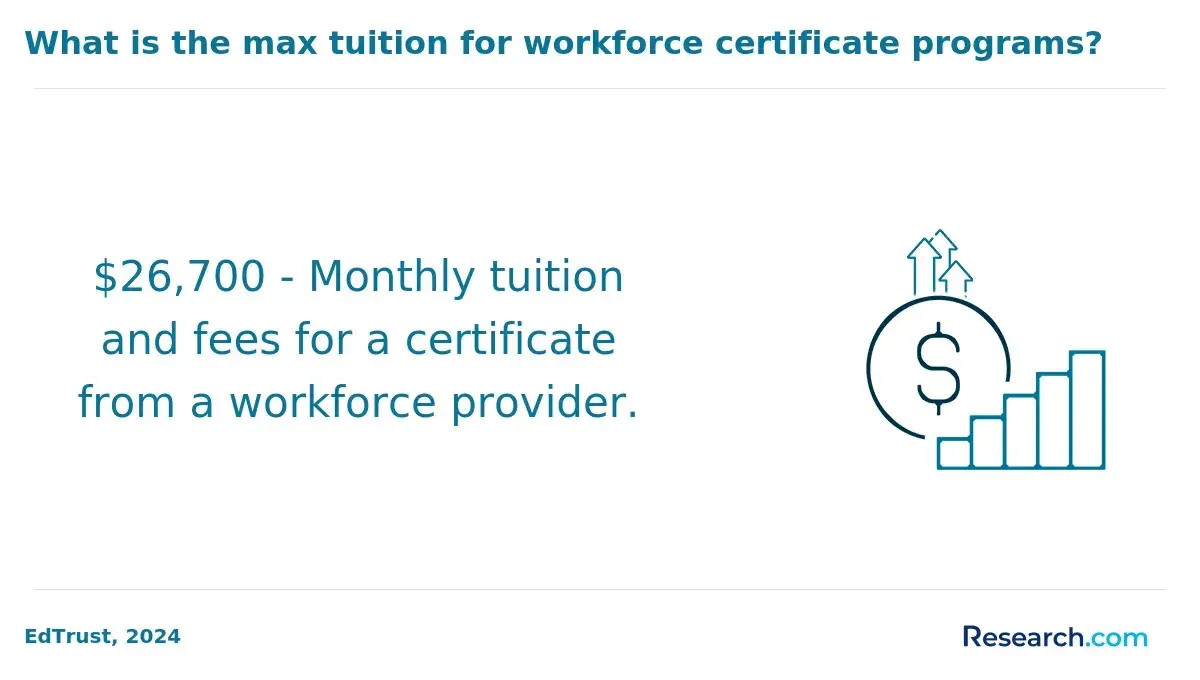
Cost is one of the biggest differences between a PhD and a professional doctorate in nursing. PhD programs, especially full-time research-focused programs at universities with active grant funding, are more likely to offer tuition support, assistantships, fellowships, or stipends. DNP and other professional doctorate programs are often designed for employed professionals and may rely more heavily on tuition payments, employer assistance, federal loans, or personal funds.
NCES data published in 2024 reported average graduate tuition and required fees of $12,596 at public institutions and $29,931 at private nonprofit institutions for the 2022-23 academic year. That gap matters because doctoral programs can span multiple years, and the sticker price is only one part of the total cost.
Students comparing research-focused options should also review lists of the cheapest online nursing PhD programs, but affordability should be weighed alongside faculty research fit, dissertation support, accreditation, and funding availability.
When comparing program costs, look beyond tuition and build a total-cost estimate. The following factors can change the real cost of either doctorate:
- Tuition model: Per-credit, per-term, flat-rate, or cohort-based pricing can change the final cost if you slow down or need extra dissertation or project credits.
- Funding availability: PhD students may have access to research assistantships, teaching assistantships, fellowships, or grant-supported work; professional doctorate students may have stronger access to employer tuition benefits.
- Lost income: A full-time funded PhD can reduce tuition costs but may require cutting work hours, while a part-time DNP may preserve income but extend the calendar timeline.
- Clinical or project expenses: Travel, background checks, compliance systems, malpractice coverage, preceptor-related costs, and site requirements can add to the budget.
- Loan strategy: Graduate nursing students should compare federal loan limits, employer reimbursement rules, and whether the expected career move can support repayment without assuming a salary increase is guaranteed.
A funded PhD may offer better financial leverage for someone pursuing research faculty roles, but only if the research path fits your goals. A self-funded DNP may be worthwhile for an APRN, executive, or quality leader if it supports a specific role change, certification pathway, or promotion. The mistake to avoid is choosing the cheapest program without confirming whether it leads to the career you actually want.
What Careers Can You Pursue With a PhD vs Professional Doctorate in Nursing?
Both doctorates can open meaningful nursing careers, but they do so through different forms of credibility. A PhD signals preparation for scholarship, independent research, and academic leadership. A professional doctorate signals preparation for expert practice, systems leadership, and implementation of evidence-based change.
The best degree depends on the job you want to be competitive for. This table shows common career outcomes and the degree that most directly supports each path:
| Career Goal | Better-Fit Doctorate | Why It Fits |
| Nurse scientist or principal investigator | PhD | Requires deep research design, publication, grant-writing, and theory development skills |
| Tenure-track nursing faculty | PhD | Universities often prioritize research productivity and dissertation-based doctoral preparation |
| DNP-prepared nurse practitioner | Professional doctorate | Designed for advanced clinical practice, leadership, and evidence-based care delivery |
| Nurse executive or chief nursing officer | Professional doctorate or PhD, depending on employer | DNP aligns strongly with systems leadership; PhD may fit research-intensive academic health systems |
| Quality improvement or patient safety leader | Professional doctorate | Focuses on applying evidence, measuring outcomes, and leading organizational change |
| Health policy researcher | PhD | Strong fit when the role requires original research, data analysis, and publication |
| Nursing education administrator | Either, depending on the role | PhD supports scholarship and faculty leadership; DNP supports practice-based academic leadership |
| Clinical program director | Professional doctorate | Often benefits from practice leadership, evaluation, and implementation skills |
For undecided students, the key question is whether you want your daily work to revolve around research questions, clinical systems, direct patient care, education, leadership, or policy. A PhD can still lead to leadership roles, and a DNP can still teach, but the most direct career pathways differ.
Current trends also matter. Health systems are emphasizing measurable outcomes, interprofessional leadership, population health, telehealth, and data-informed care. That supports demand for DNP-prepared leaders. At the same time, nursing schools and research centers continue to need PhD-prepared faculty and scientists who can address workforce shortages, care quality, health equity, and the evidence base for nursing practice.
Which Pays More: a PhD or Professional Doctorate in Nursing?
Neither a PhD nor a professional doctorate in nursing automatically pays more. Salary outcomes are shaped by the role, employer, location, specialty, experience, certifications, leadership scope, and whether the position is clinical, academic, administrative, or research-funded.
BLS May 2024 wage data helps clarify why the "which pays more" question cannot be answered by degree name alone. The role attached to the doctorate usually matters more than the doctorate label.
| Occupation or Role Category | Doctorate Commonly Seen | BLS May 2024 Median Pay | How to Interpret the Number |
| Nurse practitioner | DNP or MSN, depending on entry pathway and employer | $129,210 | Clinical specialty, state practice authority, employer type, and experience can strongly affect pay |
| Medical and health services manager | DNP, PhD, MHA, MBA, or related graduate degree | $117,960 | Executive scope and organization size often matter more than degree title alone |
| Postsecondary nursing instructor or teacher | PhD, DNP, or other doctorate, depending on the institution and role | $86,530 | Tenure status, institution type, clinical teaching demand, and research expectations affect earnings |
| Nurse anesthetist | Doctoral professional practice preparation is increasingly standard for entry | $223,210 | This is a specialized APRN pathway and should not be generalized to all DNP graduates |
A practice doctorate may lead to higher pay when it supports a move into APRN practice, executive leadership, informatics leadership, or specialized clinical management. A PhD may lead to strong long-term opportunities in research administration, funded science, consulting, policy, or academic leadership, but early academic salaries may be lower than some clinical roles.
To compare salary outcomes realistically, use this sequence before applying:
- Identify the specific job title you want after graduation, not just the degree you want to earn.
- Check whether employers in your region prefer or require a DNP, PhD, APRN certification, leadership experience, publications, or another credential.
- Compare local salary postings with national BLS medians so you do not rely only on broad averages.
- Estimate net ROI by including tuition, fees, lost income, loan interest, employer reimbursement, and time to promotion.
- Avoid assuming that doctoral initials alone will change compensation if your job duties, scope, or employer salary band do not change.
What Is the Job Outlook for PhD and Professional Doctorate Graduates in Nursing?
The job outlook is strongest when the doctorate aligns with a labor-market need. Professional doctorate graduates often benefit from demand for advanced practice providers, clinical leaders, and health system managers. PhD graduates benefit from the need for nursing faculty, researchers, evidence experts, and leaders who can build the science behind care delivery.
The BLS projects employment for medical and health services managers to grow 29% from 2023 to 2033, much faster than the average for all occupations. That trend supports nurses who use doctoral training to move into executive leadership, quality, operations, and systems-improvement roles.
For PhD-prepared nurses, the outlook is tied to academic hiring, research funding, faculty retirements, nursing school capacity, and demand for evidence-based solutions to care problems. The opportunity can be strong, but it is more specialized. Students who want tenure-track roles should examine each program's placement record, publication support, grant-writing preparation, and faculty mentor productivity.
For DNP-prepared nurses, the outlook depends on specialty and practice environment. Primary care, behavioral health integration, rural care, chronic disease management, population health, and care coordination remain important areas where advanced nursing practice and leadership are valued. However, local scope-of-practice laws, payer rules, and employer staffing models can influence job options.
AI and automation are also changing expectations. Doctoral nurses increasingly need data literacy, comfort with clinical decision-support tools, ability to evaluate digital health interventions, and skill in leading ethical implementation. A PhD may study these technologies; a DNP may implement and evaluate them in a care setting.
How Do Accreditation, Licensure, and Employer Recognition Differ for PhD vs Professional Doctorate in Nursing?
Accreditation, licensure, and employer recognition are not interchangeable. Accreditation evaluates educational quality. Licensure gives legal permission to practice nursing or advanced practice nursing. Employer recognition determines whether a degree is valued for hiring, promotion, faculty rank, salary bands, or leadership eligibility.
For nursing doctorates, programmatic accreditation is especially important when the degree includes APRN preparation. Look for recognized nursing accreditors such as the Commission on Collegiate Nursing Education or the Accreditation Commission for Education in Nursing, and confirm any specialty accreditation that applies to nurse anesthesia, nurse midwifery, or other advanced practice areas.
Licensure rules vary by state and role. A PhD in Nursing does not create a new clinical license. A DNP also does not automatically create APRN licensure unless the program includes the required APRN track, clinical hours, certification eligibility, and state board requirements. If you are still exploring prelicensure pathways and testing policies, guides to nursing programs that don't require TEAS test can be useful, but doctoral applicants should focus on graduate and APRN-specific requirements.
Use this checklist when evaluating recognition and compliance:
- Confirm institutional accreditation with a recognized accreditor and verify nursing program accreditation for the exact degree track you are considering.
- If the program is APRN-focused, confirm that it prepares graduates for the correct national certification exam and meets your state board's education requirements.
- Ask whether online students can complete clinical, practicum, or project requirements in their home state.
- Check whether your target employers prefer a PhD, DNP, either doctorate, or a specific specialty certification for the roles you want.
- For faculty careers, ask how the institution treats DNP-prepared faculty versus PhD-prepared faculty in tenure, promotion, and research expectations.
A major red flag is a program that promises licensure, certification, or employment without explaining state-specific requirements. Schools can prepare you for eligibility, but boards and certifying bodies make the final determination.
Is a PhD or Professional Doctorate in Nursing Worth It for Your Career Goals?
A PhD or professional doctorate in nursing can be worth it when the degree directly supports your next career move and the cost is manageable. The wrong choice is expensive, time-consuming, and frustrating. The right choice can position you for work that matches your strengths, whether that means building nursing science, leading practice change, teaching, managing health systems, or expanding advanced clinical expertise.
Choose a PhD in nursing if your long-term goal is to conduct original research, publish, teach in research-focused settings, compete for grants, influence policy through evidence, or become a nurse scientist. You should be comfortable with theory, methods, statistics, writing, peer review, and a less predictable dissertation process.
Choose a professional doctorate such as a DNP if your goal is advanced clinical practice, executive leadership, quality improvement, patient safety, informatics, population health, or translating evidence into measurable care improvements. You should be comfortable leading teams, working with stakeholders, evaluating outcomes, and applying research in real-world settings.
Use these decision questions to narrow your choice:
- Do I want to create new evidence or implement evidence to improve practice?
- Is my target job more likely to require publications and research funding, or clinical leadership and measurable outcomes?
- Will I need APRN certification, and does the program meet certification and state licensure requirements?
- Can I afford the program after accounting for tuition, fees, travel, lost income, loan interest, and time to completion?
- Does the school provide the type of mentorship I need: research mentorship for a PhD or practice-project and clinical support for a professional doctorate?
- Do graduates from the program actually enter the roles I want?
Common mistakes include choosing a doctorate based on prestige alone, assuming either degree guarantees higher earnings, ignoring accreditation, underestimating dissertation or project demands, and comparing tuition without comparing funding. A better strategy is to start with your target role, then work backward to the degree, program format, faculty or clinical support, and total cost that best fit that role.
The bottom line: a PhD is usually the better investment for a research and academic science career, while a professional doctorate is usually the better investment for practice leadership, APRN advancement, and systems change. Neither is universally better; the better doctorate is the one that matches your career goal, financial plan, and preferred type of impact.
Other Things You Should Know About Nursing
Yes, many DNP-prepared nurses teach, especially in clinical, practice, simulation, and leadership courses. However, research universities and tenure-track roles may prefer or require a PhD because of its stronger focus on original research and scholarly publication.
Yes, if the nurse holds the required RN or APRN license and maintains any needed certification. The PhD itself does not add clinical practice authority, so clinical scope depends on licensure, certification, state rules, and employer policies.
Not universally. Many nurse practitioners still enter practice with an MSN, though some schools and specialties have moved toward doctoral preparation. Requirements depend on the program, certification body, state board, and specialty area.
Only if your career goals truly require both research expertise and advanced practice leadership. For most nurses, one doctorate is enough. Consider dual preparation only if you want a career that blends independent research, faculty work, advanced clinical practice, and system-level leadership.
References
- How Much Can You Earn With a Doctor of Nursing Practice (DNP)? https://www.allnursingschools.com/dnp/salary/
- DNP vs. PhD: What's the Difference? https://credenzahealth.com/career-advice/dnp-vs-phd-whats-the-difference
- PhD vs. Professional Doctorate: Is there a difference? https://www.applykite.com/blog/phd-guide-phd-vs-postdoc
- Difference Between DNP & PHD: Salary, Career, Skill | Maryville Nursing https://nursing.maryville.edu/blog/dnp-vs-phd-difference
- Client Challenge https://www.slideshare.net/slideshow/joyce-zurmehly/47250749
- Doctoral degrees: Which one is right for you? https://www.myamericannurse.com/doctoral-degrees-which-one-is-right-for-you/
- PhD in Nursing Overview| NursingEducation https://nursingeducation.org/degrees/doctor-of-philosophy-in-nursing/
- Five ways a doctoral degree in nursing can transform your career https://onlinedegrees.bradley.edu/blog/five-ways-a-doctoral-degree-in-nursing-can-transform-your-career


