
2027 Paralegal Certificate Scholarships vs. Tuition Discounts: Comparing Your Net Cost

Co-Founder and Chief Data Scientist
A paralegal certificate with a scholarship can cost more than one with a tuition discount once fees, books, and award restrictions are included. If you are comparing programs, the useful number is what you will actually pay to complete each one - not the size of its advertised offer. This guide shows you how to calculate that number, check whether aid applies to the specific certificate, and weigh a lower price against credit value, scheduling, and career preparation.
Key Things You Should Know
- Compare total required cost minus aid you can actually use; a scholarship may cover fees or supplies, while a tuition discount may apply only to tuition.
- Do not count on federal aid until the school confirms that the specific certificate is eligible; an institution's participation in federal aid does not make every certificate eligible.
- The paralegal and legal assistant median was $62,890 in May 2025, but that occupation-wide figure is not a starting salary or a promise that a more expensive certificate will pay off.
What is the difference between paralegal scholarships and tuition discounts?
A scholarship is an award applied to eligible educational charges under its own rules. A tuition discount reduces the tuition charged, often because a student meets an enrollment, employer, alumni, or other eligibility condition. Neither label tells you by itself how much your final bill will fall.
The distinctions below matter most when two offers look similar at first glance.
| Comparison point | Scholarship | Tuition discount |
| Typical form | Fixed award or award determined by published criteria | Fixed or percentage reduction in tuition |
| Possible coverage | Depends on whether the award permits tuition, fees, or other expenses | Usually limited to tuition unless the policy says otherwise |
| Conditions to check | Application, enrollment level, renewal, and disbursement rules | Eligibility, excluded courses, and whether it can be combined with other offers |
Ask for both offers in writing and check whether they can be combined. A scholarship described as "up to" an amount is not an award you should subtract until the school confirms your actual eligibility.
How do you calculate your net cost for a paralegal certificate?
Use the same completion plan for each school. Net educational cost = required tuition + mandatory fees + required materials and program expenses − confirmed scholarships and discounts. Keep living expenses and lost work hours visible separately if the programs' schedules affect them differently. This calculation estimates what you must cover; it does not treat a loan as a price reduction.
For example, suppose a hypothetical certificate charges $6,000 in tuition, $500 in mandatory fees, and $400 for required materials. A confirmed $1,000 scholarship that can be applied to those charges produces a $5,900 net educational cost. A nonstackable 15% tuition discount instead saves $900 and produces a $6,000 net cost. The scholarship wins in this example - but a different award restriction or fee schedule could reverse the result. These figures illustrate the calculation, not current prices at a particular school.
Before deciding, request an itemized completion estimate for your intended start term. Confirm when each award posts, whether it renews for every required term, and what happens if you take fewer courses or withdraw.
Which paralegal certificate programs offer scholarships or tuition discounts?
There is no dependable school-wide rule: a college may fund a credit-bearing paralegal certificate while offering a separate discount for continuing education, or it may exclude certificate students from general scholarships. Community colleges, university extension units, and other providers may all advertise offers, but availability changes by term and applicant. An award shown on a school's general financial aid page is not proof that it applies to its paralegal certificate.
Build a shortlist of specific programs, then ask each admissions or aid office for the certificate's current award terms and an itemized quote. If ABA program approval is important to you, start with the ABA's official paralegal program directory and use these online ABA-approved paralegal programs to compare as a starting point - not as confirmation of current approval, price, format, or scholarship availability.
Do paralegal certificate programs qualify for federal financial aid?
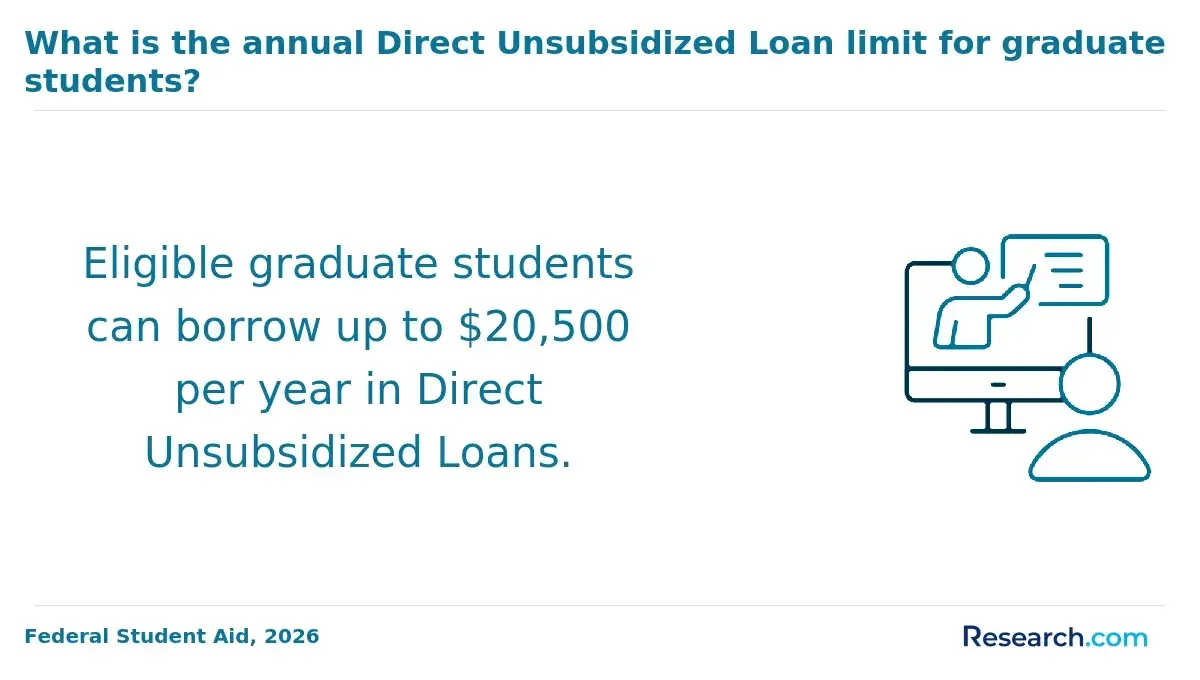
Some do; many do not. Federal student aid depends on the institution, the eligibility of the specific program, and the student's circumstances under Federal Student Aid rules. Credit-bearing status alone does not establish eligibility, and a noncredit continuing-education certificate should not be assumed eligible. A school's participation in federal aid likewise does not cover every program it offers.
Ask the financial aid office whether your exact certificate qualifies for federal aid and which types of aid a student in your situation may receive. Prior degrees can affect grant eligibility, and enrollment requirements can affect disbursement. If the school confirms eligibility, complete the required aid application and compare the resulting offer with the bill: grants can reduce cost, while loans must be repaid.
How does accreditation affect paralegal certificate value and affordability?
Institutional accreditation concerns the school or other accredited entity. ABA approval is a separate, voluntary approval of qualifying paralegal education programs; it is not institutional accreditation or a promise of federal aid. Verify each status separately through the school's accreditor and the ABA's official paralegal program directory rather than relying on a phrase such as "ABA-aligned."
These distinctions also affect how you assess a cheaper offer. If you may pursue a degree later, ask whether the certificate awards academic credit and how that credit is recorded. The receiving school ultimately decides whether to accept it and how it applies. The same caution applies to broader legal studies degree progression and transfer considerations: accreditation alone does not guarantee transfer.
What costs should you include beyond paralegal certificate tuition?
Required expenses can change which offer is cheaper. Obtain the program's current list of mandatory charges and distinguish them from optional spending before comparing awards.
- Academic charges: registration, course, graduation, or other mandatory fees, plus any prerequisite courses needed for admission.
- Learning costs: required textbooks, legal research access, software, computer equipment, and internet access not included in tuition.
- Attendance costs: travel, parking, campus visits, or internship-related expenses required by the program.
- Time costs: reduced work hours or an extended completion schedule, which can matter even when tuition is low.
Do not assume that a tuition-only discount reduces these expenses. If the certificate's total cost is difficult to justify and you also want degree credit, compare it with associate pathways into legal studies - while checking the different time commitment and aid rules for each option.
Are online paralegal certificates cheaper than campus-based programs?
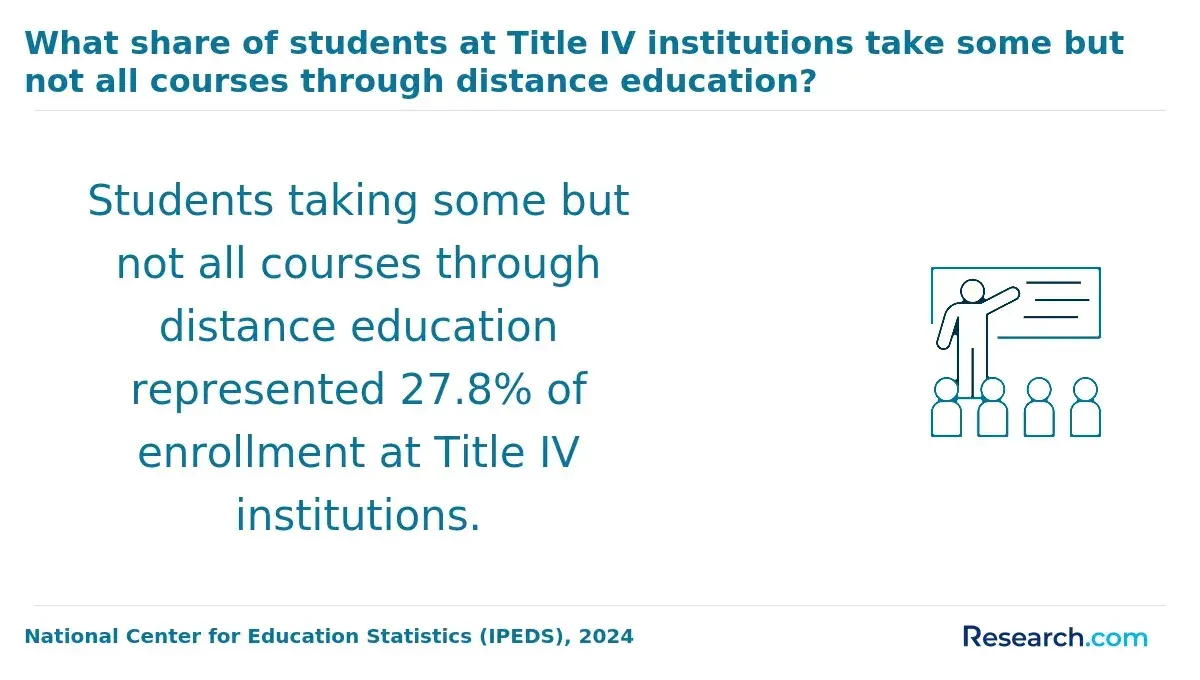
Not necessarily. Online study may reduce commuting and parking costs, but programs can charge different tuition or technology fees, and required materials still count. A lower online sticker price is most useful when the program also meets your needs for academic credit, practical work, and scheduling.
Check the actual format before pricing either option. "Online" does not necessarily mean self-paced: scheduled classes, exams, campus visits, and internships can create costs or missed work hours. Ask who arranges any placement and whether your location or current job can satisfy its requirements. Compare both programs using the same expected completion date and all required expenses, not tuition alone.
What admission requirements apply to paralegal certificate programs?
Requirements vary by program. Some certificates are designed for applicants with a bachelor's degree or specified college coursework; others admit students with a high school diploma or equivalent. A program may also require transcripts, a minimum academic standing, or prerequisite writing courses. Treat a recommended background differently from a formal admission requirement.
Confirm eligibility before counting a scholarship or discount in your comparison. If you need prerequisite courses, add their tuition, fees, and time to the completion estimate. Ask whether your prior coursework satisfies each requirement and get the school's determination in writing; do not assume a course will count simply because its title sounds similar.
How does paralegal certificate cost compare with expected salary?
The Bureau of Labor Statistics reports $62,890 in median annual pay in May 2025 for paralegals and legal assistants, with 0% projected employment growth from 2025 to 2035 and about 40,800 openings per year projected. Openings can arise even without net growth, but the median covers workers at different experience levels and cannot predict your first offer or your return on a particular certificate.
For a personal comparison, set each program's net cost against realistic local entry-level postings, the time you may spend away from paid work, and any existing education or legal experience you can bring to the search. If your goal is compliance or another non-paralegal role, first check whether paralegal training matches its hiring requirements; legal studies master's specialization and career comparisons can help clarify a different educational route, but a graduate degree carries its own substantial cost and does not qualify someone to practice law.
Which paralegal certificate leads to the strongest career outcomes?
No certificate can be identified as the strongest from its discount or scholarship alone. Favor a program that can substantiate relevant research, writing, litigation-support, and legal-technology instruction; offers practical experience you can actually complete; and fits the requirements in job postings you intend to pursue. An internship can be valuable, but confirm placement responsibilities and scheduling rather than assuming a placement is guaranteed.
Ask schools how they define any published placement rate, which graduates are counted, and whether the results concern paralegal jobs specifically. Compare those answers alongside net cost, credit value, and ABA approval if it matters to your target employers. A certificate documents education; it is not itself professional certification. If your goal instead requires advanced legal knowledge for a non-attorney role, shorter online master's programs in legal studies offer a different route to evaluate - not an automatic upgrade over a less costly certificate.
Other Things You Should Know About Law & Paralegal
Possibly. Each award has its own stacking rules, and a school may adjust institutional aid when outside funding arrives. Ask the aid office to show both offers on one written estimate.
Refund and award-recalculation rules vary by school, funding source, and withdrawal date. Read both policies before enrolling; losing an award does not necessarily erase charges you already owe.
Tax treatment depends on the arrangement and applicable tax rules. Ask your employer how it administers the benefit and consult a qualified tax adviser about your circumstances.
No. A certificate does not license someone to practice law. Paralegals generally work under attorney supervision, and rules governing permitted tasks and unauthorized practice vary by state.
References
- General Requirements for Withdrawals and the Return of Title IV Funds | 2024-2025 Federal Student Aid Handbook https://fsapartners.ed.gov/knowledge-center/fsa-handbook/2024-2025/vol5/ch1-general-requirements-withdrawals-and-return-title-iv-funds
- Excelsior Scholarship Program - HESC - NY. Gov https://hesc.ny.gov/find-aid/nys-grants-scholarships/excelsior-scholarship-program
- North Star Promise | MN Office of Higher Education https://ohe.mn.gov/northstarpromise
- Choosing a Vocational School or Certificate Program | Consumer Advice https://consumer.ftc.gov/articles/choosing-vocational-school-or-certificate-program
- FAQs - UNC-Chapel Hill Paralegal Certificate Program https://paralegal.web.unc.edu/faqs/
- Title IV Federal Financial Aid - Online Paralegal School https://www.nationalparalegal.edu/financialaid.aspx
- Scholarship FAQs - One Stop Student Services https://onestop.utk.edu/scholarships-financial-aid/financial-aid/information/
- Paralegal Certificate | UNC Charlotte School of Professional Studies https://continuinged.charlotte.edu/paralegal
- Paralegal Studies Certificate | Bryan University https://catalog.bryanuniversity.edu/paralegal-studies-certificate
- Certificate vs. Certification: Two Tools to Propel Your Career | UC San Diego Division of Extended Studies https://extendedstudies.ucsd.edu/news-events/extended-studies-blog/certificate-vs-certification-two-tools-to-propel-your-career


