2027 Online vs On-Campus Supply Chain Management Degree Programs: Pros & Cons

Co-Founder and Chief Data Scientist
The rising demand for supply chain management professionals has fueled a surge in online degree programs. Recent data from the National Center for Education Statistics shows that over 40% of U.S. higher education students enrolled in at least one fully online course in 2023. This growth highlights the increasing acceptance of online education as a viable alternative to traditional campus learning. This article examines the advantages and disadvantages of online versus on-campus supply chain management degree programs, focusing on key factors such as flexibility, cost, learning experience, and career outcomes to help prospective students make informed decisions.
Key Benefits of Online vs On-Campus Supply Chain Management Degrees
- Online supply chain management programs offer flexible scheduling that accommodates working professionals, with studies showing 70% of online students balance jobs and studies effectively.
- Cost efficiency is a major advantage of online degrees, often saving students 20-40% compared to on-campus tuition and eliminating relocation expenses.
- On-campus supply chain management degrees provide deeper networking opportunities, with 85% of students reporting stronger industry connections through face-to-face interactions and campus events.
Are Online vs. On-Campus Supply Chain Management Programs Structured the Same Way?
The structure of online and on-campus supply chain management degree programs differs notably in course delivery, scheduling, and student interaction. These differences shape how students engage with material and manage their studies. To clarify these distinctions, below is a comparison of key structural elements that define online versus on-campus supply chain management programs.
- Course Delivery: On-campus programs offer face-to-face instruction requiring physical attendance in classrooms, while online programs use digital platforms with recorded lectures, interactive modules, and live webinars accessible remotely at flexible times.
- Class Schedules: Traditional on-campus degrees follow fixed semester schedules with mandatory class times, providing structure. Online formats allow asynchronous learning or variable pacing, which can better accommodate working professionals and family commitments.
- Interaction and Collaboration: On-campus students benefit from spontaneous in-person discussions, direct networking, and access to campus facilities. In contrast, online students interact through forums, virtual group projects, and scheduled live sessions, though social engagement tends to be less immersive.
- Pacing and Self-Discipline: The structured on-campus environment enforces regular deadlines and accountability, supporting motivation. Online learners must rely more heavily on self-discipline and time management to stay on track independently.
- Experiential Learning Opportunities: On-campus programs often provide direct access to career fairs, internships, and industry events. Online programs may offer virtual residencies or optional in-person networking but generally lack the frequency and depth of on-campus experiential activities.
Are Admission Requirements the Same for Online vs On-Campus Supply Chain Management Degree Programs?
Colleges and universities maintain consistent academic standards across both online and on-campus supply chain management programs, ensuring graduates meet similar educational outcomes. However, they may differ in how they assess applicants' readiness for the unique demands of online learning, such as self-motivation and digital communication skills.
Here is a comparison of key similarities and differences in admission requirements for online and on-campus supply chain management degree programs:
- Academic Qualifications: Both program types typically require a high school diploma for bachelor's degrees and a bachelor's degree for master's programs, usually from a regionally accredited institution. Online formats may place additional emphasis on prior coursework or certificates, such as the MITx MicroMasters® or institution-specific supply chain certificates, to confirm readiness for advanced online study.
- Minimum GPA: A minimum GPA is commonly required across both formats, often 2.0 for undergraduate and 3.0 for graduate admission. Online programs sometimes offer greater flexibility by allowing applicants to offset lower GPAs with supplemental coursework or relevant professional experience.
- Work Experience: Graduate programs in both formats often prefer or require relevant professional experience in business or supply chain management. Online programs may more formally acknowledge prior work history, particularly for mid-career learners seeking flexible study options.
- Application Materials: Official transcripts, letters of recommendation, and a statement of purpose are standard for both delivery modes. Online programs might additionally request proof of online learning readiness, such as completion of a supply chain management certificate or demonstration of digital literacy.
- Standardized Tests: GRE or GMAT scores are increasingly optional or waived in both formats, with some online programs explicitly not requiring them.
- English Proficiency: Non-native English speakers must provide proof of proficiency in both formats, ensuring they can engage with complex technical content regardless of whether learning is online or on-campus.
Overall, differences in admission requirements for online and traditional supply chain management degrees hinge mostly on flexibility and additional readiness indicators in the online environment. Applicants interested in flexible options may also explore best 6 month certifications that pay well online to boost their qualifications and readiness for online programs.
Do Online Supply Chain Management Students Receive the Same Academic Support as On-Campus Students?
Universities have significantly expanded their academic support systems to ensure that online supply chain management students receive resources and assistance comparable to their on-campus peers. Advances in technology and instructional design have made it possible for online programs to offer robust support that fosters student success and engagement regardless of location.
Below is a comparison of the main academic support services typically provided to both online and on-campus supply chain management students, highlighting how each format delivers these essential resources.
- Tutoring Services: Both online and on-campus students have access to subject-specific tutoring. Online learners can schedule virtual sessions through learning management systems, while on-campus students often visit walk-in centers or book appointments. These services help students strengthen their understanding of complex topics.
- Career Counseling: Career guidance is available to all students through résumé workshops and job placement assistance. Online programs offer virtual career fairs, industry webinars, and digital networking, whereas on-campus students benefit from in-person recruiting events and company visits, both connecting students with supply chain employers.
- Library Access: Digital library resources including e-books, research databases, and academic journals are accessible to all students. Online learners use institutional portals remotely; on-campus students may also utilize physical library spaces. Support from librarians is available via email, chat, or one-on-one consultations in both modes.
- Faculty Interaction: Online students engage with instructors through webinars, discussion boards, and messaging to get timely feedback. On-campus students attend face-to-face office hours and classroom sessions. Both formats promote meaningful mentorship, differing mainly in communication methods.
- Peer Networking: Virtual group projects, discussion forums, and online networking events allow online students to collaborate across locations. On-campus students join classroom discussions, clubs, and campus activities. Online networking often offers broader international connections despite less immediacy.
The time it takes to complete a supply chain management degree can vary widely based on the delivery format, whether online or on-campus, as well as factors like student pacing and course schedule flexibility. Understanding these differences can help prospective students plan their education according to their personal and professional commitments. Below, you'll find a direct comparison of the average completion times for online and on-campus supply chain management degrees:
- Online supply chain management degree Most online bachelor's programs offer maximum flexibility, allowing students to progress at their own pace, often balancing work or family obligations. While a full-time student might finish in about four years, many online programs have accelerated or competency-based options enabling some students to complete their degrees in as little as 18 to 36 months. Part-time students may take up to six years, with generous transfer credit policies sometimes shortening the timeline even further. Master's online programs typically take 18 to 24 months full-time, extending up to three years or more part-time.
- On-campus supply chain management degree Traditional on-campus bachelor's programs generally require four years of full-time study, following a structured semester calendar with fixed in-person classes. Though some schools provide evening or weekend classes for working adults, fewer options exist for acceleration compared to online formats. Part-time students might need five to six years depending on course availability and scheduling. Graduate on-campus degrees usually take 18 to 24 months full-time, but duration increases when pursued part-time.
One professional who completed an online supply chain management degree shared his personal insights when asked about the length of time it took him to graduate. Balancing a demanding full-time job and family life, he appreciated the freedom to tailor his studies to his own pace, though it required disciplined time management. "Sometimes it felt overwhelming," he admitted, "but knowing I could accelerate some courses or pause during busy periods made a huge difference." Ultimately, he completed his degree in just under three years-faster than he initially expected-which gave him confidence that flexible online education can accommodate real-world responsibilities without sacrificing quality or timeliness.
When comparing online supply chain management degree cost comparison, tuition and fees between online and on-campus programs often appear similar initially. However, other expenses such as housing, commuting, and campus fees reveal significant cost differences that favor the online format.
Several key cost factors influence the total price of each learning format, which can help prospective students identify the cheapest online supply chain management programs in the US by understanding where savings typically occur:
- Tuition and Fees: Online programs frequently offer competitive tuition rates ranging from $23,000 to $45,000 for the full degree, similar to on-campus costs in many cases. Some institutions maintain equal tuition for both formats, so comparing schools carefully is important to find the best value.
- Living Expenses: One of the biggest savings for online students comes from avoiding on-campus housing, relocation, and daily commuting costs. Students can reside in lower-cost areas or stay at home, substantially reducing overall program expenses compared to traditional campus living.
- Technology Costs: While online students may face additional costs for a reliable computer, internet access, and specialized software, these expenses are generally lower than commuting and housing fees. Technology investments tend to be a one-time or occasional expense.
- Financial Aid Availability: Most accredited online supply chain management programs qualify for federal financial aid and scholarships, similar to on-campus options. However, some scholarships may be limited to campus students, so reviewing eligibility criteria is essential when assessing overall affordability.
- Schedule Flexibility: Online programs accommodate working professionals by allowing continued employment during study, which can help offset educational costs. Accelerated or self-paced options also offer potential savings by enabling faster degree completion.
Additionally, students interested in enhancing their qualifications can explore certificate courses that pay well which complement supply chain management skills and often provide cost-effective career benefits.
Both online and on-campus students in supply chain management programs may qualify for financial aid, but eligibility and accessibility can vary depending on program format and institution policies. Understanding these differences is crucial for maximizing funding opportunities and minimizing out-of-pocket costs. The following bullet list outlines and compares the main financial aid options available for both online and on-campus supply chain management students.
- Federal financial aid: Federal financial aid, such as grants, loans, and work-study programs, is available to students attending accredited institutions who complete the FAFSA. Online students qualify for federal financial aid eligibility for supply chain management degrees, including work-study, although some campus-specific jobs may favor in-person participants.
- State financial aid: State grants and scholarships generally apply to both online and on-campus students who are state residents, but some states restrict aid to on-campus attendance or limit funding for out-of-state online students. It is important to verify state-specific policies, especially at public universities.
- Scholarships and grants: Supply chain management scholarships and grants for online and on-campus programs are widely available through institutions and private organizations. While some scholarships prioritize traditional students or onsite involvement, many merit- and need-based awards do not discriminate by program format. External scholarships from professional groups focus on academic and career goals rather than delivery method.
- Employer tuition reimbursement: Employer-sponsored tuition reimbursement is accessible to both student types, with many employers favoring online programs due to their flexibility and cost-effectiveness. These programs enable working professionals to earn degrees without interrupting their jobs, but reimbursement policies vary and often require accredited, relevant programs.
- Private student loans: Private loans are available for online and on-campus students, though terms and eligibility depend on lenders and institutional accreditation. Online students may need proof of enrollment in a recognized program, while some lenders offer better rates to those attending traditional campuses.
For those considering degree length as part of their planning, exploring the shortest master degree programs can be a valuable resource.
The credibility of online supply chain management programs is now largely on par with their on-campus counterparts, mainly due to shared accreditation standards, faculty qualifications, and curriculum rigor. Both learning formats must meet the same criteria set by established accrediting bodies such as AACSB or regional commissions, which ensures a consistent level of academic quality. Faculty members teaching online programs typically have similar academic credentials and industry experience as those on campus.
Additionally, the curriculum often covers identical core topics-including logistics, procurement, and supply chain strategy-providing students with equivalent foundational knowledge and skills. While on-campus options may allow easier access to in-person networking and hands-on learning experiences, the academic substance remains comparable across formats.
Perceptions among employers, academic institutions, and licensing bodies have evolved to focus more on accreditation and relevant experience rather than mode of instruction. Surveys reveal that over 70% of employers now regard online degrees as equal to traditional ones, particularly when the program is accredited and graduates showcase applicable projects or internships.
Innovations in virtual learning technology, along with growing industry partnerships and competency-based education models, have further enhanced the credibility of online supply chain management degrees. These developments are helping online graduates secure competitive roles as supply chain managers, consultants, and analysts, narrowing historic gaps in acceptance and reinforcing the legitimacy of digital education pathways.
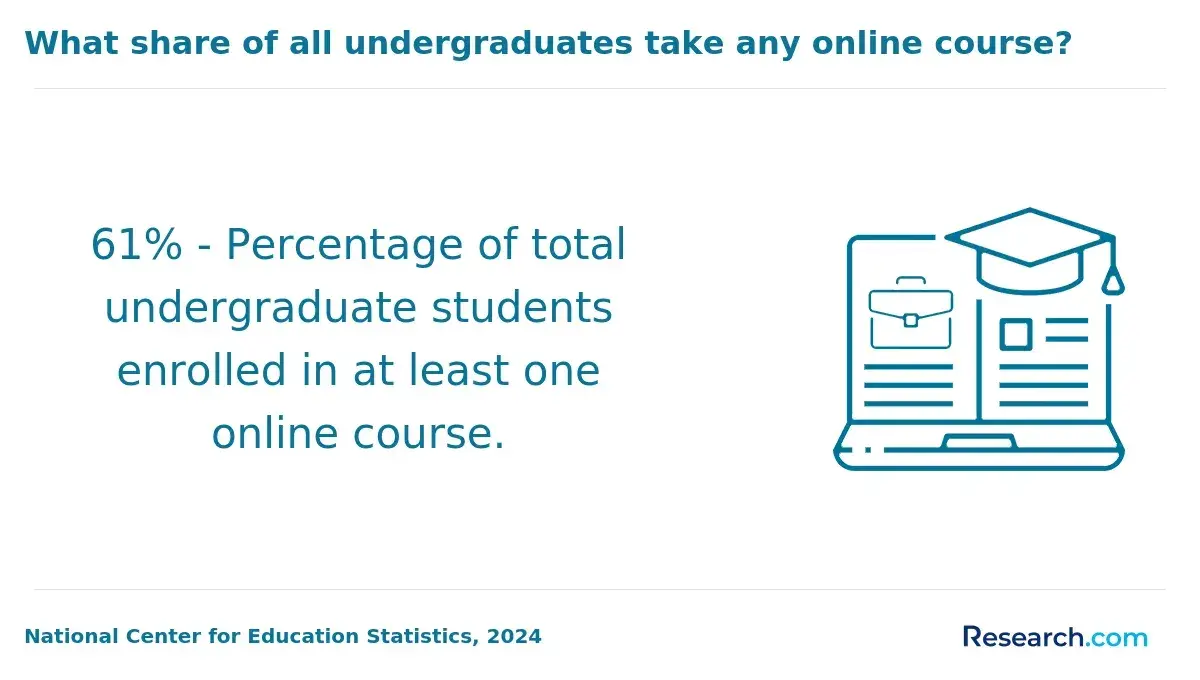
Employers in the United States have increasingly embraced online supply chain management degrees as comparable alternatives to traditional on-campus programs, particularly when degrees are earned from accredited and reputable universities. Studies reveal that over 70% of organizations hired candidates with online degrees in the past year, reflecting a growing acceptance in the job market. Surveys conducted among human resource professionals show that 61% believe online education matches or even surpasses the quality of traditional learning methods. Despite this positive trend, factors like university reputation and program specialization continue to influence hiring preferences heavily; degrees from highly ranked institutions or those recognized for supply chain expertise tend to offer a competitive edge regardless of delivery format. In essence, while format matters less, where and how well the program is recognized remains critical to employer perception.
Beyond format, employers prioritize program accreditation, practical skills, and relevant experience when evaluating candidates. Hiring managers focus on whether graduates have demonstrable competencies such as data analysis, logistics optimization, and technology proficiency, often gained through internships or hands-on projects. The rise of remote and hybrid work environments has helped further normalize online education, with many professionals balancing full-time jobs while earning degrees remotely. Research from the University of Illinois Chicago highlights that 96% of online program graduates report strong returns on investment related to employment outcomes, underscoring employers' appreciation for the self-motivation and adaptability required to succeed in online learning. Ultimately, shifting workplace norms and evolving hiring trends mean that employers increasingly assess the overall quality and skills of candidates rather than just the mode of education delivery.
When I spoke with a professional who completed her supply chain management degree online, she shared that employers often asked about her hands-on experience and how she applied classroom concepts to real-world scenarios during interviews, rather than the format of her degree. She noted positively, "My online program taught me time management and self-discipline skills that really stood out to hiring managers." Balancing work and study sharpened her ability to juggle multiple responsibilities, which translated directly to success in her early career roles. She also emphasized that having a degree from an accredited and well-regarded institution helped open doors, yet it was her demonstrated technical skills and internship experience that ultimately secured job offers. Her journey highlights that while employers no longer prefer one format over the other, proving tangible skills and adaptability remains paramount in landing competitive roles in supply chain management.
Salary comparisons between online and on-campus supply chain management graduates are increasingly shaped by various factors beyond the learning format itself. Accreditation, certifications, and individual career decisions often play a more significant role in determining earning potential than whether the degree was earned online or in person. Understanding these factors can clarify common questions around supply chain management degree salary comparison online vs on-campus.
Here are key trends and factors influencing salary outcomes for graduates from both formats:
- Accreditation and Program Reputation: Employers give priority to degrees from accredited institutions and those with strong industry recognition. Accredited online programs, including those by regionally accredited universities or organizations like IACBE, are valued similarly to traditional on-campus degrees, leading to minimal salary differences.
- Employer Perception: The stigma surrounding online supply chain management degrees has lessened, especially when programs are affiliated with reputable universities or professional bodies. As a result, do employers pay online supply chain management graduates less is becoming less relevant since many employers focus more on skills and certification than delivery method.
- Industry Certifications: Adding certifications such as APICS's CSCP or CLTD significantly boosts salary potential, often by 23-27% compared to non-certified peers. This advantage applies equally to online and on-campus graduates, emphasizing the importance of professional credentials.
- Work Experience and Networking: On-campus programs traditionally offer more direct access to internships and networking events which may lead to higher starting salaries. However, online programs increasingly provide virtual internships and career support, helping online students leverage their work experience to narrow this gap.
- Cost and Flexibility: Online degrees often cost less than $45,000 and offer flexible schedules, enabling students to work while studying and graduate with less debt. This flexibility can improve early career mobility and reduce financial pressure, balancing salary differences over time.
- Geographic Location and Job Market: Regional salary variations reflect local demand, with major logistics hubs offering higher pay. Both online and on-campus graduates benefit equally from pursuing opportunities in these high-demand markets.
Prospective students interested in accredited programs might explore resources listing accredited schools that offer free online applications to find quality online supply chain management degrees backed by recognized accreditation.
Choosing between online and on-campus supply chain management programs depends largely on your personal learning preferences, lifestyle, and professional goals. Each format offers distinct advantages tailored to different needs. To help you decide which option fits best, consider these key factors before enrolling.
- Learning Style: Online programs suit self-motivated learners who thrive with digital platforms and independent study, while on-campus programs provide structured, face-to-face instruction with immediate professor feedback. If you prefer collaborative, hands-on experiences and lively in-person discussions, on-campus may be more effective.
- Flexibility Needs: Online degrees often allow greater scheduling flexibility, making them ideal for working professionals balancing job and family commitments. These programs may be completed full-time in as little as 12-16 months or extended part-time, whereas on-campus programs generally require consistent physical attendance at set times.
- Budget Considerations: While tuition rates for online and campus supply chain management degrees can be similar, online programs save costs related to commuting, housing, and campus fees. However, it's important to factor in additional technology fees. Assessing your total expenses carefully will help determine the best financial fit.
- Networking Opportunities: On-campus programs offer direct access to faculty, peers, and campus events, fostering in-person networking that some find more effective for building professional relationships. Online programs may include virtual events and optional residencies but might lack the immediacy of face-to-face connections.
- Access to Campus Resources: Students attending classes on campus benefit from facilities such as libraries, labs, and career centers. While many online programs provide virtual academic support and career services, certain hands-on experiences and resources remain exclusive to campus.
For those exploring the best online supply chain management programs South Africa or seeking ways to compare online vs campus supply chain management degrees, understanding these factors is crucial. Graduates from both modes often pursue rewarding careers, including roles listed among the highest paying trade school jobs that pay well, with median salaries varying by position and experience.
Here's What Graduates of Online vs On-Campus Supply Chain Management Programs Have to Say About Their Degree
- Helio: "Completing my supply chain management degree entirely online gave me the flexibility to balance work, family, and education. The program was rigorous yet adaptable, allowing me to learn at my own pace while still engaging with knowledgeable instructors and fellow students through virtual sessions. This mode of learning helped me develop strong self-discipline and time-management skills, which have been invaluable in my career as a logistics coordinator. I now feel fully prepared to tackle real-world supply chain challenges and continuously improve processes within my company."
- Maria: "Attending an on-campus supply chain management program was a transformative experience that went beyond academics. Being immersed in a community of motivated peers and professors gave me countless networking opportunities that directly led to my first job in procurement. The hands-on projects and group workshops allowed me to deepen my practical understanding and build lasting professional relationships. Reflecting on my journey, I truly value how the campus environment honed both my technical expertise and interpersonal skills, setting a solid foundation for long-term career growth."
- Arvin: "The hybrid supply chain management degree offered me the best of both worlds: in-person interactions and the convenience of online classes. This format allowed me to stay connected with faculty and classmates, which enriched my learning and helped me feel supported throughout my studies. Balancing asynchronous and synchronous learning challenged me to stay organized and proactive, qualities that have enhanced my performance as a supply chain analyst. Additionally, the hybrid approach opened doors to internships that blended virtual work with on-site experiences, providing a unique advantage in today's evolving job market."
Other Things You Should Know About Online & On-Campus Supply Chain Management Degree Programs
Online students usually need a laptop or desktop with a webcam, microphone, and reliable broadband internet. Many programs require access to Microsoft Office, a learning management system such as Canvas, and video meeting software like Zoom. Some courses also use simulation platforms for forecasting, logistics, or inventory analysis.
In 2027, online supply chain management degrees may lack hands-on experiences that on-campus programs offer. Students might miss networking opportunities and in-person collaboration, which are vital in the industry. Additionally, the absence of initial structured environments could hinder self-discipline, affecting academic performance and career readiness.
Career outcomes largely depend on the program's accreditation, curriculum quality, and student effort rather than delivery mode. Employers today recognize reputable online degrees similarly to on-campus ones, especially if the institution has a strong reputation. However, on-campus students may benefit from in-person networking and campus recruiting advantages.
- On the relationship between modes of learning and graduates' success in the field - the case of a logistics program: A necessary condition analysis - ScienceDirect https://www.sciencedirect.com/science/article/abs/pii/S1472811724001101
- YourDegree https://www.yourdegree.com/blog/assess-the-credibility-of-online-degree/
- Financial Aid - Online Master of Science in Logistics and Supply Chain Management | FIU College of Business https://business.fiu.edu/academics/graduate/logistics-and-supply-chain-management-online/financial-aid/
- Tuition and Financial Aid | BS in Supply Chain Management https://www.qu.edu/schools/business/programs/bachelors-degree/supply-chain-management/tuition-and-financial-aid/
- The Problem With Exclusively Online Degree Programs https://tcf.org/content/commentary/the-problem-with-exclusively-online-degree-programs/
- Online degree costs vs traditional degrees: which is more affordable? https://collegeonline.io/blogs/online-degree-costs-vs-traditional-degrees
- Online Vs. Campus Supply Chain Courses: Which is right for you? https://henryharvin.ae/blog/online-vs-campus-supply-chain-courses-which-is-right-for-you/
- Supply Chain Management Frequently Asked Questions https://carlsonschool.umn.edu/graduate/masters/supply-chain-management/admissions/faq
- Master's in Supply Chain Management Tuition & Financial Aid https://scs.georgetown.edu/programs/503/master-of-professional-studies-in-supply-chain-management/tuition-financial-aid
- Supply Chain Management Salary and Career Outlook https://teach.com/online-ed/business-degrees/online-masters-supply-chain-management/salary-and-career-outlook/