2027 Online vs On-Campus ESL & TESOL Doctorate Programs: Cost, Flexibility, and Employer Perception

Co-Founder and Chief Data Scientist
The real choice is not simply online or on campus; it is which ESL & TESOL doctorate format fits your career, budget, research goals, and life. The Bureau of Labor Statistics projects 8% growth for postsecondary teachers from 2023 to 2033, making doctoral preparation relevant for educators pursuing faculty, research, leadership, or curriculum roles. This guide is for working teachers, international education professionals, administrators, and aspiring scholars. You will learn how to compare cost, flexibility, fieldwork, dissertation support, and employer outlook so you can choose the format that best supports your next step.
Key Things to Know About Online vs On-Campus ESL & TESOL Doctorate Programs
- Online ESL & TESOL doctorates are usually best for working educators who need geographic flexibility, while on-campus programs are often stronger for students seeking daily faculty access, research assistantships, and immersive academic networking.
- NCES distance education data published in 2024 shows that roughly half of postbaccalaureate students took at least one distance education course in fall 2022, so online graduate study is now common rather than unusual.
- Format alone does not determine employer value; accreditation, faculty fit, dissertation quality, research output, supervised fieldwork, and evidence of teaching or leadership experience matter more than whether coursework was delivered online or in person.
What are the key differences between online vs on-campus ESL & TESOL doctorate programs?
Online and on-campus ESL & TESOL doctorate programs usually pursue similar academic goals: advanced expertise in second language acquisition, applied linguistics, language pedagogy, curriculum design, assessment, teacher education, and research methods. The difference is how students access instruction, mentoring, field experiences, academic community, and campus-based resources.
The table below summarizes the practical differences readers should compare first. These are not universal rules; they are decision points to verify program by program before applying.
| Comparison factor | Online ESL & TESOL doctorate | On-campus ESL & TESOL doctorate | Why it matters |
| Course delivery | Mostly asynchronous, synchronous, or hybrid online coursework | Face-to-face seminars, campus research meetings, and in-person events | Determines how much schedule control you have each week |
| Best fit | Working teachers, administrators, and students who cannot relocate | Students who want immersive research culture or campus assistantships | Aligns the format with your daily responsibilities and career plan |
| Faculty access | Video meetings, learning platforms, virtual office hours, and online advising | Office visits, research labs, hallway interaction, and campus workshops | Affects mentoring, dissertation progress, and academic networking |
| Peer network | Often national or international cohorts of working professionals | Often local, campus-centered cohorts and research groups | Shapes future collaborators and professional references |
| Residency requirements | May be fully online or require short residencies | Usually requires regular campus attendance | Can change travel costs and scheduling feasibility |
| Funding access | May have fewer teaching or research assistantship options | Often more access to campus-based assistantships | Can significantly affect net cost |
As a rule of thumb, choose online if you need to remain employed or stay in your region, and choose on campus if your goal depends on intensive research apprenticeship, campus teaching opportunities, or close integration into a department. A hybrid program can be a middle ground if you want online flexibility but still value periodic in-person residencies.
Are online ESL & TESOL doctorate programs as rigorous as on-campus programs?
Online ESL & TESOL doctorate programs can be as rigorous as on-campus programs when they use the same academic standards, qualified faculty, research expectations, dissertation requirements, and institutional accreditation. Rigor is not created by the classroom location; it is created by admissions selectivity, curriculum depth, faculty scholarship, research training, dissertation expectations, and the quality of feedback students receive.
A strong online program should still require advanced coursework in research design, qualitative or quantitative methods, second language acquisition, language assessment, sociolinguistics, bilingual or multilingual education, and TESOL pedagogy. It should also require original research, a dissertation or doctoral capstone, and formal faculty evaluation.
To judge rigor, compare the evidence rather than the marketing language. The following checks help separate a serious doctorate from a convenient but weak credential:
- Confirm that the institution is accredited by a recognized accreditor and that the online doctorate is covered by the same institutional quality assurance processes as campus programs.
- Review faculty profiles to see whether professors publish in applied linguistics, TESOL, language education, bilingual education, assessment, or related fields.
- Ask whether online students complete the same dissertation milestones as campus students, including proposal defense, research ethics review, data collection, final defense, and committee approval.
- Look for required research methods courses rather than a curriculum made mostly of broad leadership or education electives.
- Ask how often students meet with advisors and whether dissertation chairs are assigned early enough to shape the research plan.
One warning sign is a program that emphasizes speed, convenience, or minimal faculty interaction more than research preparation. A doctorate in ESL, TESOL, or applied linguistics should build expertise that can withstand scrutiny from hiring committees, school systems, publishers, conference reviewers, and research collaborators.
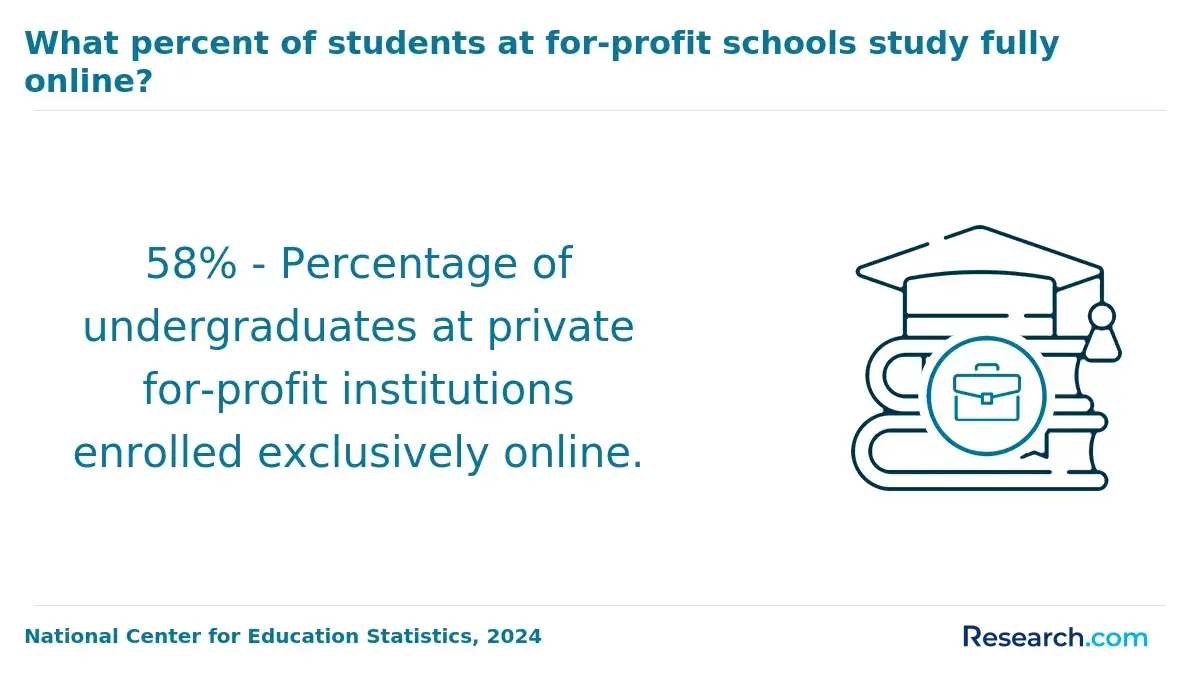
How does scheduling flexibility differ between online and on-campus ESL & TESOL doctorate programs?
Scheduling flexibility is usually the biggest practical advantage of an online ESL & TESOL doctorate. NCES distance education data published in 2024 shows that distance learning is now a mainstream graduate pathway, which matters because many doctoral students in education are already employed as teachers, program coordinators, instructional coaches, or administrators.
The table below compares common scheduling patterns. Use it to identify the format that fits your weekly availability, not just the format that sounds most convenient.
| Scheduling feature | Online format | On-campus format | Decision impact |
| Weekly class meetings | May be asynchronous or held live in the evening | Often held during set daytime or evening campus blocks | Online is usually easier to combine with full-time work |
| Pacing | May be cohort-based, part-time, accelerated, or self-paced within deadlines | Often follows a department sequence with fewer pacing options | Pacing affects completion time and workload intensity |
| Attendance expectations | Discussion boards, video sessions, online group work, and virtual advising | Seminars, colloquia, advising, campus events, and departmental meetings | Campus programs may offer richer immersion but less schedule freedom |
| Time zone issues | Can matter if live sessions are required | Usually tied to the campus location | Online students should verify synchronous requirements before enrolling |
| Work compatibility | Often designed for working professionals | May be designed for full-time doctoral study | The better option depends on whether you can reduce work hours |
Flexibility does not mean less work. In many online programs, students must be more self-directed because they do not have the structure of walking into seminars, research meetings, or faculty offices. If you struggle without external deadlines, an asynchronous program may feel harder than a campus program even if it is more convenient.
Before choosing, ask admissions these specific scheduling questions:
- Are courses asynchronous, synchronous, or a mix of both?
- How many live meetings are required each term, and when are they usually scheduled?
- Can students remain enrolled part time without delaying dissertation advising?
- Are residencies required during the academic year, summer, or both?
- What is the expected weekly workload for students who work full time?
Fieldwork in an ESL & TESOL doctorate may include classroom-based research, teacher education observations, program evaluation, curriculum design, language assessment projects, community-based language work, or supervised teaching in adult, K-12, higher education, or international education settings. The core requirement is usually not the campus location but whether the student can access an appropriate language-learning environment and receive faculty approval.
The table below shows how fieldwork requirements commonly differ by format. The main lesson is that online students need to verify local placement rules early, while campus students need to understand how much fieldwork is tied to university-affiliated schools or language programs.
| Fieldwork issue | Online doctorate | On-campus doctorate | What to verify |
| Placement location | Often completed in the student's local school, college, adult education center, or workplace | Often completed through campus partnerships or nearby programs | Whether your site meets program and research ethics standards |
| Supervision | Virtual faculty supervision, local mentor input, and documentation | In-person faculty observation or department-based supervision | How observations, approvals, and evaluations are conducted |
| Research access | Depends on local permissions and institutional review board approval | May benefit from established campus research relationships | Whether you can collect dissertation data at your intended site |
| Travel burden | Usually lower unless residencies are required | Usually tied to campus commuting or relocation | How travel affects cost, time, and family responsibilities |
A common mistake is assuming that an online doctorate eliminates in-person obligations. Some programs require residencies, teaching demonstrations, practicum observations, or research activities that cannot be completed entirely through a screen. Ask for a written list of all in-person requirements before you commit.
Online fieldwork can be especially useful if your research questions are grounded in your own teaching context, such as multilingual learners in a local district, adult English learners in a community program, or language assessment practices in your institution. On-campus fieldwork may be stronger if you need access to specialized research centers, laboratory-based language data, or established university partnerships.
The dissertation process is often similar in outcome across online and on-campus ESL & TESOL doctorates: students identify a research problem, complete a literature review, design a study, secure ethics approval, collect and analyze data, defend a proposal, and defend the final dissertation. The difference is how support is delivered and how easily students can build momentum.
Online students usually rely on scheduled video advising, digital research tools, virtual writing groups, and remote committee meetings. On-campus students may have more informal access to faculty, research seminars, writing centers, doctoral lounges, and peer accountability. Either model can work, but weak dissertation support is one of the biggest risks in any doctoral program.
Before applying, evaluate dissertation support in a structured way. These questions help reveal whether the program has a realistic path to completion:
- When are students matched with dissertation chairs: at admission, after coursework, or only after comprehensive exams?
- How often do dissertation students meet with advisors, and are meetings required or student-initiated?
- What research methods support is available for qualitative, quantitative, mixed-methods, corpus, classroom-based, or discourse analysis studies?
- Are online students allowed to use the same library databases, statistical software, writing support, and research consultation services as campus students?
- What are the program's recent dissertation topics in TESOL, ESL, applied linguistics, bilingual education, or language teacher education?
- How does the program help students who lose access to a research site or need to revise a dissertation design?
If your career goal is a tenure-track faculty role, dissertation fit is especially important. A campus program may offer more opportunities to publish with faculty, present at research colloquia, or join grant-funded projects. An online program may be the better choice if your dissertation depends on your current professional setting and you already have access to participants, institutional permissions, and a practical research problem.
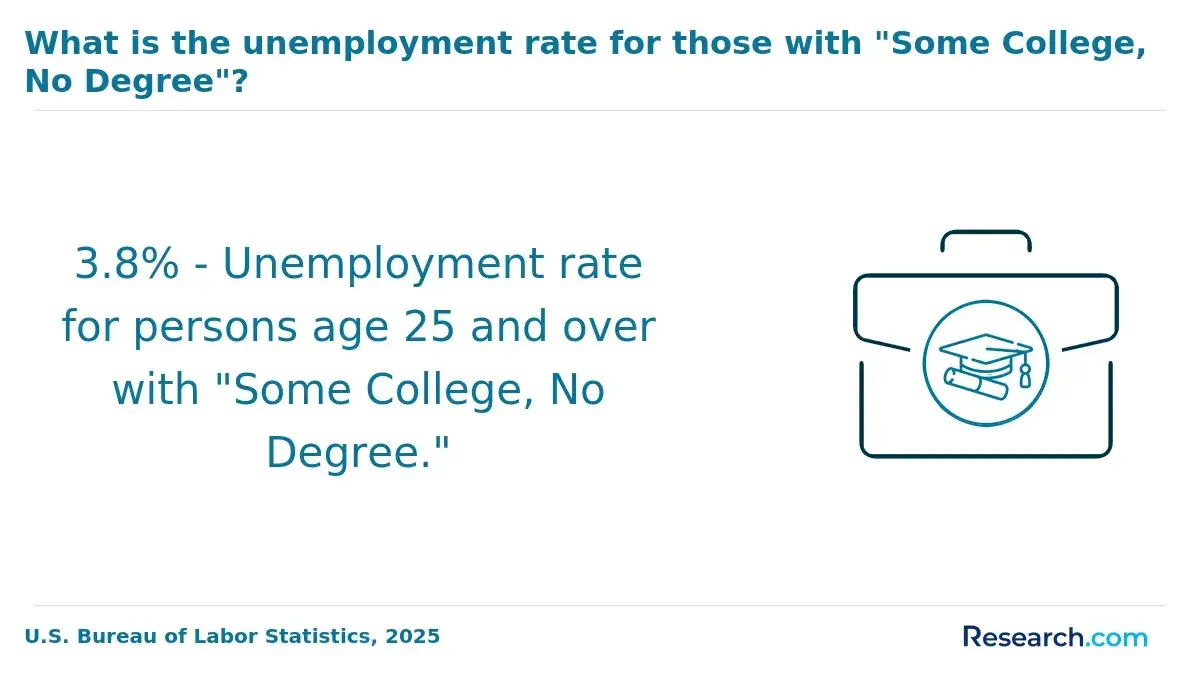
Tuition comparisons are harder than many applicants expect because there is no single federal dataset that reports average tuition specifically for online versus on-campus ESL & TESOL doctorates. IPEDS data published through NCES can show institution-level graduate tuition, but it does not reliably separate tuition by field, program modality, dissertation stage, or TESOL specialization.
For context, NCES Digest data published in 2024 reports average annual graduate tuition and required fees of about $12,596 at public institutions and about $29,931 at private nonprofit institutions in the most recent national tables. This benchmark does not prove that an online program is cheaper; it shows that institution type and residency status can matter more than delivery format.
The table below explains the tuition factors that commonly create differences between online and on-campus ESL & TESOL doctorate programs. Use it to compare actual program quotes side by side.
| Tuition factor | Online doctorate | On-campus doctorate | How to interpret it |
| Per-credit tuition | May use one online rate for all students | May vary by in-state, out-of-state, or international status | Online can reduce nonresident tuition penalties, but not always |
| Program fees | May include technology, online learning, or distance education fees | May include campus, health, activity, facility, or lab fees | Fees can narrow or erase a tuition advantage |
| Dissertation credits | May require continuous enrollment after coursework | May require the same continuous enrollment rule | Delayed dissertation progress can raise total cost in either format |
| Assistantships | May be limited or unavailable for distance students | Often more available to full-time campus students | Funding can make a campus program cheaper than its sticker price |
| Residency charges | May add travel, lodging, and short-term campus fees | Included in regular attendance costs but may require relocation | Short residencies should be included in the total cost estimate |
To compare tuition accurately, do not rely on the advertised per-credit rate alone. Multiply the required credits by tuition, add mandatory fees, add dissertation continuation costs, and ask whether the rate changes after you complete coursework.
Cost of attendance is broader than tuition. It includes fees, books, software, travel, housing, lost income, childcare, health insurance, commuting, residency expenses, and the cost of taking longer than planned. For many ESL & TESOL doctoral students, the biggest financial difference is not tuition rate; it is whether the format lets them keep earning while enrolled.
The table below compares cost categories that students often overlook. This matters because a lower tuition program can still be more expensive if it requires relocation, unpaid work reduction, or repeated travel.
| Cost category | Online student cost pattern | On-campus student cost pattern | Budget risk |
| Housing and relocation | Usually no relocation if the program is fully online | May require moving near campus | Relocation can outweigh tuition savings |
| Employment income | Often easier to continue full-time or part-time work | May require reduced hours or full-time study | Lost income is part of real cost |
| Travel | May include residency trips, conferences, or fieldwork travel | May include commuting and conference travel | Residency travel should be priced before enrollment |
| Technology | Reliable computer, internet, webcam, software, and online proctoring tools | Computer and software plus campus-specific costs | Technology costs are usually smaller than tuition but still necessary |
| Professional development | Conference travel may be self-funded | May have department travel funds for full-time students | Publishing and presenting can affect academic job competitiveness |
| Childcare and family logistics | Can be more manageable if coursework is asynchronous | May require fixed campus hours | Schedule rigidity can create hidden costs |
A practical cost comparison should include both cash expenses and opportunity costs. If an online program lets you keep your teaching or administrative role, the net financial picture may be stronger even if tuition is similar. If a campus program offers a funded assistantship, tuition remission, health benefits, and teaching experience, it may be more affordable than an online option with no funding.
Use this simple process before committing:
- Request the full program cost sheet, including tuition, required fees, dissertation credits, and continuation enrollment.
- List every required campus visit, residency, conference, or fieldwork trip and estimate travel costs.
- Compare how much income you expect to keep or lose in each format.
- Ask whether scholarships, employer tuition assistance, federal aid, assistantships, or payment plans differ by modality.
- Build a best-case and delayed-completion budget because dissertation timelines can change.
Most ESL & TESOL employers care less about the delivery format than about whether the doctorate is credible, relevant, and backed by evidence of expertise. Hiring committees in higher education, school districts, language programs, publishers, nonprofits, and education agencies usually evaluate the institution, accreditation, faculty reputation, dissertation topic, teaching record, leadership experience, publications, presentations, and professional fit.
There is an important data limitation: no major federal labor dataset reports employer preference for online versus on-campus ESL & TESOL doctoral credentials. That means applicants should avoid broad claims such as "employers prefer online" or "employers reject online." The safer conclusion is that employer perception depends on role type, institutional reputation, and the graduate's portfolio.
The table below summarizes how different employers may interpret doctoral format. Use it to think about the evidence you will need to show, not as a ranking of formats.
| Employer type | What they usually examine | How online format may be viewed | How on-campus format may be viewed |
| Universities and colleges | Research agenda, teaching experience, publications, dissertation, references | Accepted when the program is reputable and research output is strong | May benefit from visible research apprenticeship and campus teaching |
| K-12 districts | Licensure, leadership experience, multilingual learner expertise, curriculum impact | Often practical for working educators already in schools | Valued when connected to district partnerships or research centers |
| Adult education and community programs | Program design, assessment, teacher training, learner outcomes | Can show applied expertise in real professional settings | Can show supervised practice through university-linked programs |
| Publishers, assessment companies, and edtech firms | Content expertise, research methods, product experience, writing samples | Format is usually secondary to portfolio and applied skill | Campus research connections may help with references and projects |
| Policy and nonprofit organizations | Research literacy, program evaluation, grant work, leadership experience | Strong if paired with workplace-based impact | Strong if paired with research center or grant experience |
If you choose an online doctorate, protect employer perception by building visible evidence of quality: publish or present research, document fieldwork, maintain strong faculty references, and explain your dissertation's practical contribution. If you choose on campus, do not assume format alone will carry your application; employers still need evidence that your scholarship and professional skills match the role.
Program format can affect job prospects indirectly, but it rarely determines them by itself. The Bureau of Labor Statistics reports a May 2023 median annual wage of $84,380 for postsecondary teachers and projects 8% employment growth from 2023 to 2033. That outlook is encouraging for doctoral-level teaching and research roles, but competition varies by institution, discipline, publication record, and geographic flexibility.
For ESL & TESOL doctorate graduates, likely career paths include postsecondary faculty, teacher educator, language program director, curriculum specialist, assessment specialist, multilingual learner administrator, researcher, policy analyst, consultant, or senior role in adult education, publishing, or education technology. Some roles require a doctorate; others may value it but also require certification, administrative experience, school leadership experience, or specialized technical skills.
Online programs may support job prospects when students can keep building professional experience while studying. A working ESL teacher, district multilingual learner coordinator, or university language program administrator can use current employment as a research site and leadership platform. On-campus programs may support job prospects through teaching assistantships, research assistantships, faculty co-authorship, conference travel, and department-based mentoring.
Think about the job market you are targeting before you choose a format:
- For tenure-track faculty roles, prioritize faculty research fit, publication opportunities, teaching experience, dissertation quality, and conference visibility.
- For school district leadership roles, prioritize licensure alignment, multilingual learner expertise, program evaluation experience, and evidence of improved instructional practice.
- For language program administration, prioritize curriculum design, assessment, teacher supervision, accreditation knowledge, and leadership experience.
- For consulting, publishing, or edtech roles, prioritize portfolio samples, research translation, assessment literacy, writing ability, and applied project experience.
A common mistake is asking whether online or on campus is "better" without naming the target job. A better question is: which format gives you the strongest evidence for the role you want?
How do you choose between online and on-campus ESL & TESOL doctorate programs?
Choosing between online and on-campus ESL & TESOL doctorate programs should start with your career goal, not the delivery format. The right investment is the one that gives you credible doctoral training, manageable cost, realistic completion support, and access to the experiences your target employers value.
Use the following decision process to narrow your shortlist. It turns a complicated format decision into a practical comparison.
- Define your target outcome, such as tenure-track faculty work, teacher education, district leadership, language program administration, assessment, publishing, or research.
- Identify which experiences matter for that outcome, including teaching assistantships, research collaboration, fieldwork access, publications, leadership projects, or local classroom-based research.
- Compare accreditation, faculty expertise, dissertation structure, admissions requirements, and student support before comparing convenience.
- Build a total cost estimate that includes tuition, fees, travel, relocation, lost income, and dissertation continuation.
- Ask each program for details about online access to faculty, library resources, research software, writing support, and career services.
- Check all residency, practicum, fieldwork, and defense requirements in writing.
- Speak with current students or recent graduates in the same format you are considering.
- Choose the program that best balances credibility, affordability, completion support, and career evidence.
Online is likely a better fit if you need to keep working, cannot relocate, have a strong local research context, and are comfortable managing your time independently. On campus is likely a better fit if you want immersive scholarly community, funded assistantships, daily faculty access, or a traditional pathway into academic research and teaching.
Regardless of format, watch for red flags. Be cautious if a program lacks recognized accreditation, avoids publishing full cost information, promises unusually fast completion, provides vague dissertation support, has few TESOL or applied linguistics faculty, will not explain residency requirements, or cannot show recent dissertation examples relevant to ESL and TESOL.
Other Things You Should Know About ESL & TESOL
A PhD is usually stronger for research-intensive faculty roles, applied linguistics scholarship, and academic publishing. An EdD may be better for school leadership, curriculum administration, teacher education practice, or applied program improvement. The better choice depends on whether your goal is primarily research, leadership, or advanced professional practice.
Not always. University-based TESOL, applied linguistics, and adult education programs may not require K-12 licensure, while programs tied to school leadership or public school roles may expect it. Always check admissions requirements and state rules if your goal involves licensed K-12 positions.
Many students need several years because doctoral study includes coursework, research methods training, comprehensive exams, proposal development, data collection, writing, and defense. Part-time online students may take longer, while funded full-time campus students may progress faster if dissertation support and research access are strong.
Common requirements include graduate transcripts, a statement of purpose, academic or professional references, a writing sample, a resume or CV, and evidence of teaching, language education, research, or leadership experience. Some programs also ask for a research interests statement to determine faculty fit.
- TESOL FAQ https://www.wal.org/tesol-faq/
- Teaching English to Speakers of Other Languages (TESOL): What is Needed? https://www.scholaro.com/db/News/tesol-what-is-needed-233
- TEFL and TESOL Difference: Choosing Your Best Path | TEFL Institute https://teflinstitute.com/blog/tefl-tesol-difference/
- Accreditation vs. Certification in TESOL | ITTT https://www.tesolcourse.com/pillars/tesol-certification-online/accreditation-and-recognition-of-tesol-courses/accreditation-vs-certification-in-tesol/
- Doctor of Education in TESOL (EdD) | Online TESOL Doctorate | Anaheim University https://anaheim.edu/schools-and-institutes/graduate-school-of-education/doctor-of-education-in-tesol.html
- Is a Master’s in TESOL worth it? – Bridge https://bridge.edu/tefl/blog/masters-tesol-worth-it/
- 2025 Most Affordable Online Master's Degrees in ESL https://www.onlineu.com/most-affordable-colleges/esl-masters-degrees
- Online Master of Arts in Teaching TESOL Degree Programs https://teach.com/online-ed/education-degrees/online-mat-tesol-programs/
- Online EdD Programs in TESOL and English Language Learning https://www.onlineeddprograms.com/faqs/edd-programs-tesol