2027 Online Real Estate Degree Programs With Monthly Tuition Payment Plans

Co-Founder and Chief Data Scientist
Paying an online Real Estate degree bill in one lump sum can be difficult even when a program fits your career plans. Monthly tuition payment plans divide a term's remaining balance into scheduled installments, usually after financial aid is applied.
For context, the National Center for Education Statistics reported average tuition and fees of $9,800 at public four-year institutions and $40,700 at private nonprofit four-year institutions for 2022-23, published in 2024. This guide helps prospective students compare plans, estimate cash-flow needs, identify excluded costs, and choose terms that support - not undermine - their education budget.
Key Things to Know About Real Estate Programs with Monthly Tuition Payments
- Online Real Estate degree students may find monthly installment plans at schools that use term-based billing, but availability, enrollment deposits, setup fees, and installment counts vary by institution and term.
- There is no reliable national average monthly payment for Real Estate degrees because tuition, transfer credits, aid, and plan length differ; a $6,000 term split into six equal installments would be $1,000 per month before any plan fee.
- A payment plan usually changes when you pay rather than reducing tuition; compare the full billed cost, any enrollment fee, late-payment policy, and the amount due before classes begin.
Which online Real Estate degree programs have monthly tuition payment plans?
Some online institutions that offer business, property management, or Real Estate-focused degree pathways also provide institutional tuition payment plans. A plan is generally administered through the student account: the school calculates the unpaid term balance after posted aid, and the student authorizes recurring installments by bank account or card.
Because schools can change payment-plan availability by campus, academic term, program level, and payment method, treat the following as starting points for verification rather than a guarantee of eligibility. Ask the bursar or student accounts office whether the plan applies specifically to the online Real Estate-related program you intend to enter.
| Program type to look for | Where monthly plans are commonly offered | What to confirm before applying |
| Online bachelor's degree in Real Estate or business with a Real Estate concentration | Universities with term-based online tuition billing and student-account installment plans | Whether online students may enroll, number of installments, and first-payment deadline |
| Online associate degree with Real Estate, business, or property-management coursework | Community colleges and colleges that offer installment billing by semester or quarter | Whether transfer credits affect the billed balance and whether books are separate |
| Online graduate business degree with real estate electives | Graduate schools offering tuition payment arrangements for enrolled students | Whether employer reimbursement or federal aid must be posted before installments are calculated |
Real Estate is sometimes a standalone major, but it may also be offered as a concentration within business administration, finance, urban planning, or property management. Students comparing shorter entry-level routes can also review online associate degree programs, while confirming whether the curriculum supports their intended role.
A degree is not the same as a real estate salesperson or broker license. Licensing education, examinations, supervised experience, and continuing education are governed by state licensing boards. Confirm that an online degree's courses meet your academic goals rather than assuming it replaces state prelicensing requirements.
How much do online Real Estate degree programs typically cost?
Online Real Estate degree costs vary more by institution, residency rules, credit load, and transfer credit than by delivery format alone. The NCES figure of $9,800 in average published tuition and fees at public four-year institutions and $40,700 at private nonprofit four-year institutions for 2022-23 is useful national context, but it is not a Real Estate-program price or an estimate of what an individual student will pay.
Use each school's net price, per-credit tuition, required credits, and mandatory fees to build a personalized estimate. For example, dividing a $6,000 unpaid semester balance into six installments creates a $1,000 monthly obligation; it does not mean the entire degree costs $6,000.
| Cost component | How it is commonly billed | Why it matters for monthly budgeting |
| Tuition | Per credit or per term | This is usually the main balance eligible for installment billing |
| Mandatory institutional fees | Per term, per course, or annually | Some plans include them, while others require payment at registration |
| Books, software, and course materials | Purchased separately or billed with course materials | They may fall outside the payment plan even when tuition is financed |
| Licensing preparation or examination costs | Paid to outside providers or state agencies | These costs are usually separate from degree tuition |
Students who want the lowest total price should compare the full program cost and transfer-credit policy before focusing on the smallest monthly bill. A longer plan can lower each installment while leaving the underlying tuition unchanged, and a low-cost program may still be a poor fit if its courses do not align with your target career or state requirements.
How common are monthly tuition payment plans among Real Estate programs?
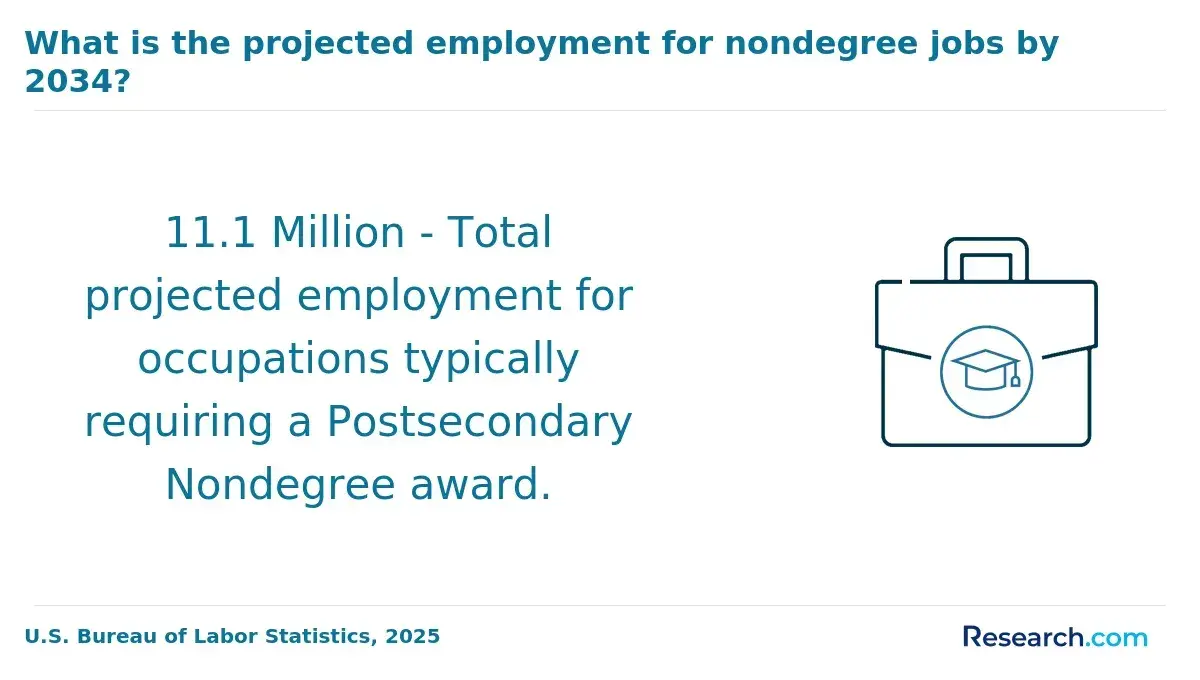
Monthly payment plans are common across U.S. higher education, but there is no authoritative national dataset that reports how many online Real Estate programs offer them. Their availability is therefore best evaluated at the school level, not assumed from a program's online format, public or private status, or advertised tuition.
Payment plans are most often tied to a semester, quarter, or shorter session. A college may offer several installments for a standard semester but fewer installments for an accelerated eight-week term because the full balance must usually be paid before the term ends.
To determine whether a plan is genuinely available to you, take these steps before committing to enrollment:
- Locate the school's student accounts or bursar payment-plan page and verify that online students are included.
- Ask for the current term's enrollment deadline, installment dates, setup charge, and accepted payment methods in writing.
- Request a sample calculation using your anticipated credit load, estimated aid, and any transfer credits.
- Check whether a missed installment can lead to late fees, registration holds, course removal, or loss of access to transcripts.
Students considering a faster credential should be especially cautious about installment timing. Some best associate degrees for a student's circumstances may use compressed terms, which can require larger or more frequent payments even when the total tuition is modest.
Can monthly tuition plans make paying for Real Estate degrees more attainable?
Monthly plans can make an online Real Estate degree more attainable for students with predictable income who can pay a term balance over several paychecks. They can be particularly useful after grants, scholarships, employer benefits, and federal aid have reduced the amount due.
The practical advantage is cash-flow management, not a tuition discount. A student who owes $3,600 after aid might prefer three $1,200 installments to one $3,600 payment, provided the due dates match reliable income and the plan fee is modest.
| Payment approach | Often makes sense when | Main trade-off |
| Monthly institutional payment plan | You can clear the term balance from earnings within the school's payment window | Missed payments may trigger fees or enrollment holds |
| Paying tuition upfront | You have savings set aside and the school offers no meaningful payment-plan advantage | A large immediate cash outlay can reduce emergency reserves |
| Federal student loan, if eligible | Your resources cannot cover the balance during the term and borrowing is necessary | Repayment generally extends beyond enrollment and interest may accrue |
| Employer tuition assistance or reimbursement | Your employer has a qualifying education benefit and your courses meet its rules | Reimbursement may arrive after you have already paid the school |
A payment plan may be a poor choice if your income fluctuates, you are already carrying high-interest debt, or the plan requires payments you cannot meet without missing housing, food, or emergency obligations. In that situation, speak with the financial aid office about grants, aid timing, reduced course loads, or other options before enrolling.
For students whose objective is a management-focused graduate credential rather than an undergraduate Real Estate degree, comparing online MBA programs ranked by total price can help place monthly affordability in a broader career-investment decision.
Does monthly payment plans have an effect on the overall cost of Real Estate degrees?
Monthly payment plans generally do not change the published tuition rate. They may, however, increase the amount you spend if the school charges an enrollment, returned-payment, or late-payment fee. Unlike a traditional student loan, a standard school installment plan often does not charge interest, but students should never assume it is interest-free without reading the agreement.
Compare the total payable amount, not only the installment. This comparison shows how a seemingly convenient plan can cost more than paying the same balance by the original due date.
| Question | Why it affects total cost | Preferred answer |
| Is there a plan enrollment fee? | A one-time charge raises the term cost | A clearly disclosed fixed fee or no fee |
| Does the plan charge interest or finance charges? | Interest can materially increase the balance paid | No interest, with written confirmation of all charges |
| What happens after a missed payment? | Late fees and returned-payment charges can accumulate | A specific grace period and transparent fee schedule |
| Can the plan extend beyond the term? | Longer financing may have different costs and conditions | Terms that are fully understood before enrollment |
Do not confuse a college payment plan with private education financing. A short-term installment arrangement normally requires payment during the academic term; private loans can extend repayment but may involve credit review, interest, and longer-term debt.
If you are considering graduate study after completing a bachelor's program, a short accelerated doctorate is a separate and substantially larger financial commitment; review 1-year PhD programs online no dissertation USA with particular care regarding total price and institutional recognition.
Do monthly payment plans affect your financial aid eligibility for Real Estate programs?
Enrolling in a monthly payment plan does not usually reduce eligibility for federal financial aid. Eligibility is determined through the Free Application for Federal Student Aid, enrollment status, satisfactory academic progress, program eligibility, and other federal and institutional requirements - not by whether you pay the remaining balance in installments.
The important issue is timing. Schools generally apply accepted grants, scholarships, and loans to your student account first, then calculate a plan around the remaining balance. If aid is delayed, revised, cancelled, or insufficient, you may still be responsible for scheduled installments.
Federal Direct Loan limits illustrate why a payment plan can still be necessary. For example, a dependent undergraduate's annual Direct Loan limit begins at $5,500 for the first year, subject to eligibility and other conditions; this is an annual borrowing limit, not a promise that it will cover all tuition and living costs.
Before selecting installments, confirm these points with financial aid and student accounts:
- Whether your aid has been accepted and is expected to disburse before the first installment due date.
- Whether pending aid is deducted from the plan balance or requires an interim payment.
- What happens if you drop a course, withdraw, or fall below the enrollment level used to calculate aid.
- Whether scholarships, veterans' education benefits, or employer payments are treated as pending credits.
A written answer is valuable because financial aid rules and institutional billing timelines can change from one term to the next. Students should also complete required loan counseling, verification, and enrollment steps promptly to avoid preventable disbursement delays.
Is there a deposit required before starting Real Estate monthly payment plans?
A deposit is not required by every school before a student starts a Real Estate payment plan, but an upfront payment is common. It may be called a down payment, first installment, enrollment deposit, plan activation payment, or amount due at registration. The amount and whether it is refundable depend on the institution and the date of withdrawal.
The first payment can be substantially larger than later installments because it may include charges that are not divided across the plan. This is especially important for students enrolling close to the start of an online term, when fewer remaining installment dates can increase each payment.
| Upfront charge | May be applied to tuition? | What to ask |
| Enrollment deposit | Sometimes | Is it refundable, credited to tuition, and required before aid is disbursed? |
| Payment-plan enrollment fee | Usually no | Is it charged each term, each year, or only once? |
| First installment or down payment | Yes | What percentage or amount is due immediately? |
| Registration-related charges | Varies | Must these be paid separately before course access begins? |
Do not rely on a verbal estimate of the deposit. Request an itemized student-account statement showing tuition, institutional fees, anticipated aid, the amount due now, and every remaining due date. That document is the clearest way to avoid discovering a larger first bill after registration.
Are there fees not covered by monthly tuition payment plans for Real Estate programs?
Monthly tuition payment plans often cover the unpaid institutional balance, but they may not cover every cost associated with an online Real Estate degree. The exact exclusions matter because a student can make every installment on time and still need money for course materials, technology, or professional requirements.
The following categories are commonly billed separately or treated differently by schools. Use the itemized bill, not the plan advertisement, to determine what applies to your program.
| Potentially excluded cost | Why it may be outside the plan | Budgeting implication |
| Application, graduation, or transcript fees | They may be charged outside regular tuition billing | Set aside funds for one-time academic administration costs |
| Books, digital access codes, and subscriptions | They may be purchased from third-party vendors | Check course materials before each term begins |
| Computer equipment and internet service | They are personal technology expenses | Include reliable technology in your overall education budget |
| State licensing, examination, fingerprinting, or background-check costs | They are typically paid to agencies or external vendors | Plan separately if pursuing a regulated real estate role |
Students interested in careers that combine property marketing with visual communication should also compare curriculum requirements with online graphic design programs. A separate credential can add costs and time, so assess it as a distinct investment rather than assuming it is covered by a Real Estate degree payment plan.
A common mistake is treating "monthly tuition" as an all-inclusive price. Avoid this by asking the school which charges are included, which are due immediately, and which are paid to outside providers.
What should you look for in payment plan terms for Real Estate programs?
The best payment plan is not necessarily the one with the lowest advertised monthly amount. It is the one whose total cost, deadlines, refund rules, and consequences of a missed payment are clear and workable with your actual income.
Review the agreement before submitting bank or card details. These terms have the greatest effect on affordability and enrollment risk:
- Installment schedule: Confirm the number of payments, exact due dates, and whether the final payment is due before the term ends.
- Total plan cost: Add tuition, required fees, the plan enrollment fee, and any expected payment-processing charge.
- Late-payment policy: Check grace periods, late fees, returned-payment fees, holds, and whether missed payments can result in course cancellation.
- Payment method: Determine whether automated bank withdrawal, debit card, or credit card is required and whether card processing costs apply.
- Refund and withdrawal treatment: Ask how plan payments and financial aid are recalculated if you add, drop, or withdraw from courses.
- Renewal requirement: Verify whether you must enroll again and pay another setup fee each semester or quarter.
Keep a copy of the agreement and calendar every due date. If a payment will be late, contact student accounts before the deadline; early communication may not remove a fee, but it can clarify available options before a hold affects registration or course access.
How do you know if online Real Estate degrees with monthly payments are right for you?
An online Real Estate degree with monthly payments can be a sound choice when the academic program fits your goals and the installments fit your verified budget. The plan should be the payment method that supports a worthwhile program, not the reason to choose a program with weak career alignment, unclear accreditation, or unsuitable coursework.
Monthly payments tend to work best for students with stable income, a manageable remaining balance after aid, and enough savings to cover an unexpected bill. Paying upfront may be better for students with available savings who want to avoid plan fees. A federal loan may be more realistic for an eligible student whose income cannot cover a full term balance, though borrowing should be limited to the amount genuinely needed.
Use this decision sequence before enrolling:
- Confirm that the online degree, concentration, accreditation status, and course format support your intended career and any state-specific licensing plans.
- Calculate the full term bill, subtract confirmed - not merely hoped-for - aid, and identify the remaining balance.
- Compare each installment date with your pay schedule and leave room for rent, food, transportation, insurance, and emergencies.
- Read the written plan agreement for fees, automatic-payment rules, withdrawal consequences, and missed-payment penalties.
- Choose a lower course load, a different start term, upfront payment, aid option, or another program if the required installments would strain your essential budget.
Prospective students should also evaluate transfer-credit rules, faculty support, course scheduling, and career services. Monthly billing can improve access to education, but it cannot by itself establish the value of a Real Estate degree; the credential's usefulness depends on your role, location, employer expectations, and professional licensing path.
Other Things You Should Know About Real Estate
Possibly. Many schools extend installment plans to certificate students, but short programs may have fewer payment dates because they end quickly. Confirm eligibility with student accounts before registering.
Standard school-administered tuition installment plans often do not use a credit check because they are designed to collect the current term balance. Private education loans and longer-term financing products may have different requirements.
Many schools allow authorized users or third-party payers, but the student usually remains responsible for the account. Ask how the school sets up authorized access and whether the payer can receive billing notices.
Usually not in the same way as a credit account. Institutional payment plans are primarily billing arrangements. Ask the school whether it reports payment activity to credit bureaus and what happens if an unpaid balance is sent to collections.
References
- Payment and Loan Options Bay Path Online https://www.baypath.edu/admissions-aid/undergraduate-online-programs/tuition-and-financial-aid/payment-and-loan-options-2/
- Comprehensive Guide to Financial Aid for Real Estate School https://www.colibrirealestate.com/career-hub/blog/financial-aid-real-estate-school/
- Tuition and Fees | Sessions College https://www.sessions.edu/tuition/
- What Is a Tuition Payment Plan and How Can You Benefit from One? | NC Assist Loans https://www.ncassist.org/paying-for-college-101/blog/tuition-payment-plan/
- Catalog 2025-2026 https://www.westvalley.edu/catalog/departments/real-estate-tution-free.html
- Financing Options | Real Estate Institute https://www.instituteonline.com/company/financing-options
- Monthly Payment Plan https://www.umgc.edu/current-students/finances/payments/monthly-payment-plan
- Real Estate Class Financial Aid in North Carolina | Skyline School https://www.skylineschool.net/financial-aid
- Texas Real Estate License Online | State-Approved Courses https://www.perryrealestatecollege.com/pages/texas-real-estate-license
- Climb Credit Payment Plans for Certificate Programs | DWC https://digitalworkshopcenter.com/about/financial-aid/payment-plan/