2027 Online Public Health Degree Programs With Monthly Tuition Payment Plans

Co-Founder and Chief Data Scientist
Paying a large tuition bill at the start of each term can make an online public health degree difficult to budget for. Monthly tuition payment plans divide a school's net balance into scheduled installments, usually within one semester rather than across the full degree. This guide is for prospective public health students comparing affordability, flexibility, and financial-aid options. For context, the maximum Federal Pell Grant for the 2024-25 award year was $7,395, making aid coordination important for eligible undergraduate students. Learn how to compare plans, identify excluded costs, and decide whether installments fit your budget.
Key Things to Know About Public Health Programs with Monthly Tuition Payments
- Online public health students may find monthly payment plans at institutions that offer online BS, MPH, DrPH, or certificate programs, but the plan is usually administered by the university rather than attached to one specific degree.
- A typical plan divides the unpaid term balance into several installments; it can improve cash-flow planning but generally does not spread tuition across the entire degree or replace financial aid.
- Federal aid is applied first when available, and students should compare the remaining balance, enrollment fee, deposit, late-payment policy, and number of installments before selecting a plan.
Which online Public Health degree programs have monthly tuition payment plans?
Monthly payment availability is normally determined at the institutional billing level. That means an online public health student may be eligible when the university offers an installment plan to enrolled students, but eligibility can depend on the academic term, program format, account balance, and enrollment date. Always obtain confirmation from the bursar or student accounts office before treating a plan as part of your enrollment budget.
The examples below illustrate the types of online public health offerings that may be paired with institution-wide installment billing. Plan dates, enrollment fees, and eligibility can change, so prospective students should verify the current term's written agreement directly with each school.
| Online public health option | Institutional payment-plan approach to verify | What applicants should confirm |
| Online Bachelor of Science in Public Health or Population Health | Term-based installment plan through student accounts | Whether online undergraduate tuition and mandatory fees are included |
| Online Master of Public Health | Installments for the remaining balance after aid disbursement | Whether accelerated sessions have fewer payments than standard semesters |
| Online Doctor of Public Health | Monthly or scheduled payments within each enrollment period | Whether dissertation, residency, and technology charges are excluded |
| Graduate public health certificate | Short-term plan when a minimum balance is met | Whether the shorter course length leaves enough time for installments |
For example, a student comparing public health with a clinical route may also review a pharmacy degree online option, but should not assume the same payment structure applies across programs at different institutions.
To locate a workable option, first identify accredited online programs that meet your career goal. Then ask the admissions and student accounts teams whether the plan applies to distance learners, whether the stated tuition is billed by credit or by term, and whether you can enroll after financial aid has posted.
How much do online Public Health degree programs typically cost?
Online public health costs vary substantially by degree level, residency rules, credit requirement, and institution. Schools may quote tuition per credit, per term, or as a program total, so the most useful comparison is the estimated total tuition and mandatory charges needed to complete the degree - not the advertised monthly installment.
A monthly figure is calculated from the balance due for one billing period. For example, a $3,000 balance divided into three scheduled payments produces a $1,000 monthly payment before any plan fee. An accelerated eight-week session may have only two payments, even if the program is entirely online.
The following framework helps separate a program's academic price from its payment schedule.
| Cost component | How it is commonly billed | Why it matters for monthly budgeting |
| Tuition | Per credit, course, or term | Usually the largest portion of the installment balance |
| Mandatory institutional fees | Per term or academic year | May be included, but students should verify |
| Course materials | At registration or during the term | Often paid separately from the plan |
| Applied-learning expenses | When required | Practicum, travel, background checks, or immunizations may create separate costs |
Students considering adjacent management roles can compare the healthcare administration degree cost before deciding whether a public health curriculum and its related fieldwork requirements better match their goals.
Use the school's net-price information and a written program estimate to calculate your likely balance after grants, scholarships, employer support, and accepted loans. Do not use a low first installment as evidence that the full degree is low cost.
How common are monthly tuition payment plans among Public Health programs?
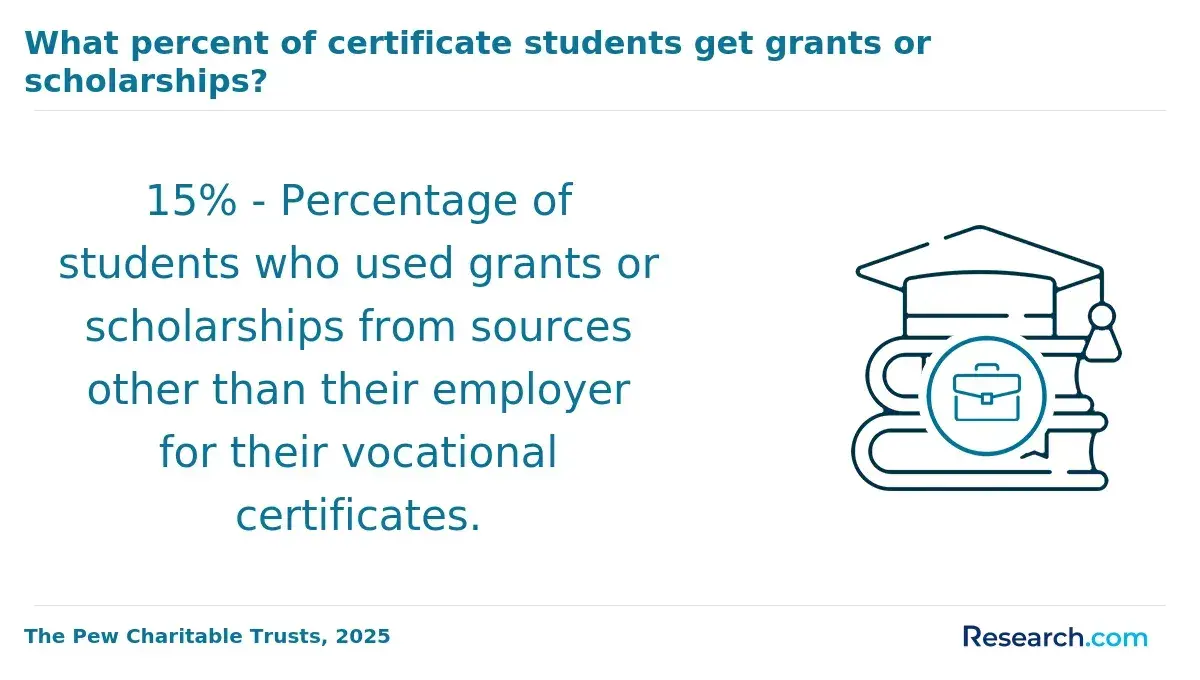
Installment plans are common at many colleges and universities, but there is no national public-health-program database that establishes what share of online public health degrees offer them. A school may make a plan available to all eligible students, limit it to certain terms, or exclude students with overdue balances. As a result, "monthly payments available" should be treated as a billing feature to verify, not a program guarantee.
The continuing expansion of online learning makes flexible billing relevant to more students. The National Center for Education Statistics reported that 53.5% of postsecondary students enrolled in at least one distance-education course in fall 2022, the latest broadly reported national enrollment measure available in 2024. That figure does not prove payment-plan availability, but it helps explain why online learners should compare billing policies as carefully as course delivery.
Availability can differ even within one university. Graduate students may have separate calendars from undergraduates, and public health programs with condensed terms can offer fewer installment dates. Ask for the term-specific plan rather than relying on a general payment-plan webpage or an admissions conversation.
Can monthly tuition plans make paying for Public Health degrees more attainable?
Monthly plans can make an online public health degree more attainable for students whose income arrives regularly and who can pay the full term balance over a short period. They are most useful for budgeting tuition around paychecks, employer reimbursement, savings contributions, or a known grant and scholarship package.
They are less suitable for a student who cannot cover the full balance within the term, has unpredictable income, or would need to miss essential expenses to make the installments. In that situation, compare grants, scholarships, employer tuition benefits, part-time enrollment, lower-cost programs, and federal loan options before accepting a payment schedule that could lead to late fees or a registration hold.
The practical trade-offs are summarized below.
| Option | Can fit best when | Important limitation |
| Monthly tuition plan | You can pay the full term balance from predictable cash flow | Payments are usually completed before the term ends |
| Federal student loan | You need to spread eligible educational costs beyond one term | Borrowing creates repayment obligations and interest may apply |
| Employer tuition reimbursement | Your employer provides a documented benefit | Reimbursement may arrive after tuition is due and may require continued employment |
| Paying upfront | You have available funds and no plan fee is worthwhile | It requires a larger immediate cash outlay |
For students deciding between population-health and clinical leadership pathways, an online PhD in nursing may have different clinical, residency, and tuition timing requirements that affect which financing method is realistic.
Before enrolling, compare the required monthly amount with your conservative monthly surplus, not your best-case income. Leave room for rent, food, transportation, health care, emergency savings, and costs outside tuition.
Does monthly payment plans have an effect on the overall cost of Public Health degrees?
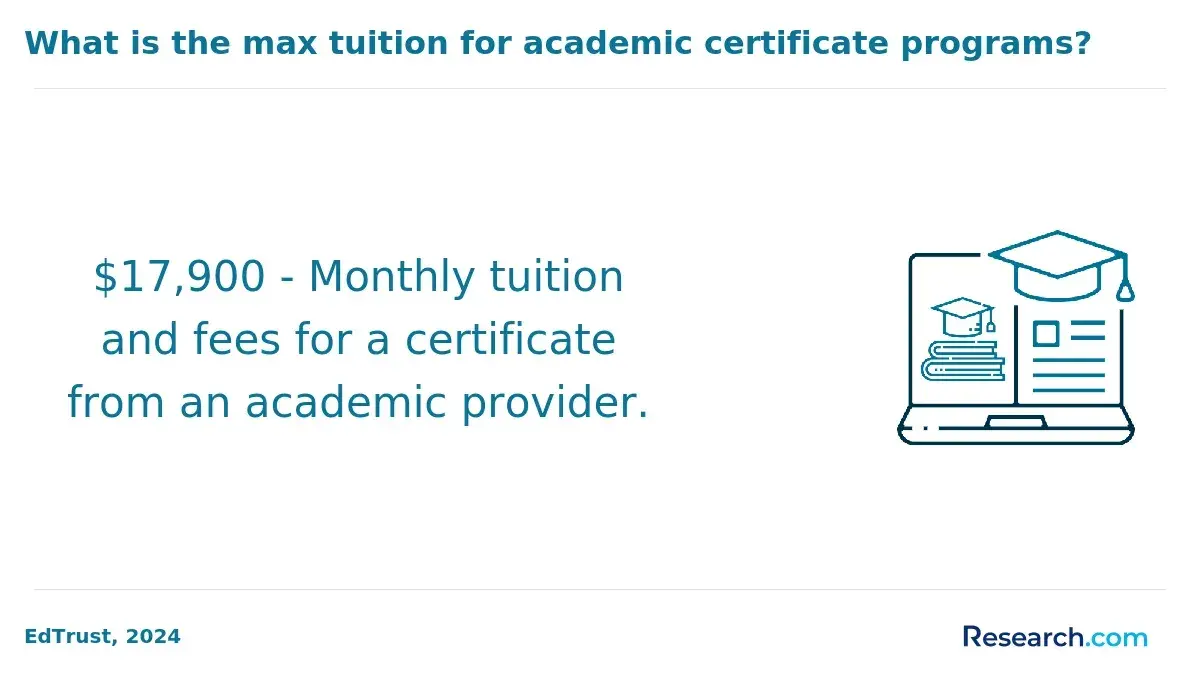
A monthly payment plan usually changes when you pay, not the published tuition rate. However, it can increase the total amount paid when the school charges a nonrefundable enrollment fee, service fee, late fee, returned-payment fee, or finance charge. Some schools offer interest-free installment plans, while others use third-party arrangements with different terms.
Compare the plan's total cost with paying the same term balance by the standard due date. The comparison below shows the cost questions that matter most.
| Payment method | Potential additional cost | Best question to ask |
| Pay tuition by the due date | Usually no installment enrollment fee | Is there a prompt-payment discount or separate processing fee? |
| School installment plan | Possible enrollment or administrative fee | Is the plan interest-free, and what is the exact total fee? |
| Private education financing | Interest and possible origination fees | What is the annual percentage rate and total repayment estimate? |
| Late installment payment | Late fee, hold, or plan cancellation | What happens after one missed payment? |
Do not assume a longer schedule is cheaper. A plan with more payments can reduce the monthly amount while adding fees or extending the point at which the account must be settled. Request a written disclosure showing every payment date, every fee, and the total amount due.
Do monthly payment plans affect your financial aid eligibility for Public Health programs?
Enrolling in a school payment plan does not ordinarily determine eligibility for federal financial aid. Eligibility depends on factors such as the FAFSA, enrollment status, satisfactory academic progress, eligible program status, and federal aid rules. The plan generally applies after the school estimates or disburses aid and calculates the remaining balance.
Timing still matters. Financial aid may not disburse until attendance and enrollment requirements are met, while a payment-plan installment may be due earlier. Students should ask whether anticipated aid can reduce the installment amount, whether a payment is required while aid is pending, and what happens if an award changes.
Take these steps before signing a plan agreement.
- Complete required financial-aid forms and submit any requested verification documents promptly.
- Review the aid offer to distinguish grants, scholarships, work-study, and loans.
- Ask student accounts to show the balance after expected aid and the date each award is expected to post.
- Keep enough funds available to make payments if an award is delayed, reduced, or canceled.
A student focused on data, records, and health systems should also compare the curriculum and financing policies for an HIM degree; financial-aid treatment can vary with program level and enrollment format.
Is there a deposit required before starting Public Health monthly payment plans?
Possibly. Schools may require an initial installment when you enroll, an enrollment fee, a seat deposit before registration, or all three. A deposit is not universal, and it may or may not be credited toward tuition. The earliest available payment-plan date can also determine how many installments remain for the term.
Ask for these amounts in writing before paying anything.
- Whether the first payment is part of tuition or an additional deposit
- Whether an enrollment fee is refundable if you withdraw before classes begin
- Whether the school requires a minimum unpaid balance to use the plan
- Whether federal aid, scholarships, or employer billing can reduce the initial payment
- Whether a missed first payment cancels registration or course access
Students should distinguish a payment-plan deposit from an admissions deposit. An admissions deposit may secure a place in a cohort, while a payment-plan down payment begins settling the term bill. They can be separate charges.
Are there fees not covered by monthly tuition payment plans for Public Health programs?
Yes. A payment plan may cover tuition and some institutional charges but exclude expenses billed outside the student account or assessed later in the program. Public health students should pay particular attention to experiential-learning costs because practicum, field placement, travel, and compliance requirements can be program-specific.
The categories below are common exclusions or items that require confirmation.
| Possible expense | Often included in installments? | Why students should verify |
| Tuition | Often | It is the primary balance the plan is designed to divide |
| Technology and student-service fees | Sometimes | Schools may add them to the term bill or bill them separately |
| Books and digital course materials | Often not | They may be purchased through a bookstore or publisher |
| Practicum travel and professional compliance costs | Often not | Costs can depend on placement location and requirements |
| Graduation, transcript, or proctoring charges | Varies | These may occur outside the regular tuition cycle |
Students interested in prevention, food systems, or community wellness can compare program pacing with online degrees in nutrition, while separately confirming whether any labs, materials, or supervised experiences create out-of-pocket costs.
A useful safeguard is to request an itemized estimate for the whole academic year. It will not predict every personal expense, but it can reveal charges that a monthly tuition advertisement does not include.
What should you look for in payment plan terms for Public Health programs?
Read the actual agreement, not only the marketing description. The strongest plan is not necessarily the one with the smallest first payment; it is the one whose total cost, due dates, cancellation rules, and consequences are manageable with your realistic cash flow.
Use the following review process to compare schools consistently.
- Calculate the total term balance after confirmed grants, scholarships, employer payments, and any accepted loans.
- Divide that balance by the stated number of payments and compare the result with your monthly budget.
- Add the enrollment fee, deposits, and known excluded charges to identify the true amount you will pay.
- Read the due dates, grace period, late fee, returned-payment fee, and consequences of cancellation or withdrawal.
- Confirm whether the plan renews automatically each term and whether future tuition increases change later payments.
- Save the written plan terms and the name of the office that confirmed program eligibility.
Red flags include vague references to "low monthly payments" without a total balance, a plan that starts before aid is expected to disburse, an unclear refund policy, and terms that permit a registration hold after a single late payment. Ask the school whether a missed payment affects access to online coursework, future registration, transcripts, or graduation clearance.
How do you know if online Public Health degrees with monthly payments are right for you?
A monthly payment plan is a good fit when the online public health program is academically appropriate, you can cover the full balance within each term, and the plan's fees are lower than the cost or risk of alternatives. It is a budgeting tool, not a measure of program quality, accreditation, career value, or affordability on its own.
Consider a plan if you have stable monthly income, a clear estimate of your post-aid balance, and enough flexibility for a delayed reimbursement or unexpected expense. Consider paying upfront if doing so avoids a meaningful fee and does not deplete emergency savings. Consider federal aid, employer benefits, a less expensive program, or reduced course load if installments would strain your basic budget.
Before committing, make the education decision separately from the payment decision. Confirm institutional and programmatic accreditation where relevant, online course format, transfer-credit policy, required practicum or residency expectations, total completion cost, and career alignment. Then choose the payment method that lets you complete the term without relying on missed payments or high-cost borrowing.
For many working adults, the best outcome is a program with transparent pricing and a term-based plan that matches pay cycles. For others, the better choice is waiting until aid, savings, or employer funding is in place. A written comparison of at least two programs and their payment terms can make the trade-off clear.
Other Things You Should Know About Public Health
Often, yes, if the institution allows out-of-state online students to enroll in its billing plan. State residency may affect tuition, while plan eligibility is usually determined by the school's student accounts policy. Confirm both separately.
No. Billing flexibility and accreditation are separate issues. Review the institution's accreditation and, when relevant to your goals, public-health program accreditation before using payment terms as part of your final decision.
It may be possible, but reimbursement timing is crucial. If your employer pays after course completion, you may need to make installments before reimbursement arrives. Ask the school whether it offers employer billing or delayed-payment arrangements.
The school's withdrawal and refund schedule determines the revised balance. You may still owe charges that are not refunded, and financial aid may be recalculated. Contact financial aid and student accounts before withdrawing to understand the financial effect.
References
- List of Accredited Schools and Programs - Council on Education for Public Health https://ceph.org/about/org-info/who-we-accredit/accredited/
- Careers https://www.publichealthdegrees.org/careers/
- Scholarships, Loans, and Loan Repayment for Rural Health Professions Overview - Rural Health Information Hub https://www.ruralhealthinfo.org/topics/scholarships-loans-loan-repayment
- What Is a Tuition Payment Plan and How Can You Benefit from One? | NC Assist Loans https://www.ncassist.org/paying-for-college-101/blog/tuition-payment-plan/
- Public Health Practice Master Degree | OHSU-PSU School of Public Health https://ohsu-psu-sph.org/degree-programs/master-public-health/mph-php/
- Master of Public Health Online https://www.unthealth.edu/tcom/public-health/master-of-public-health-online.html
- Program Fees And Payment Options - PublicHealthU.org https://phu.nextgenu.org/program-fees/
- 25 Most Affordable Online MPH Programs - MPH Online https://www.mphonline.org/most-affordable-online-mph-programs/
- How does a college degree improve graduates' employment and earnings potential? - APLU https://www.aplu.org/our-work/publicuvalues/employment-earnings/
- Master of Public Health (Online) https://www.monroeu.edu/academics/king-graduate-school/master-public-health-online