
2027 Online Program Management Doctorate Programs with Quantitative, Qualitative, and Mixed-Methods Research Options

Co-Founder and Chief Data Scientist
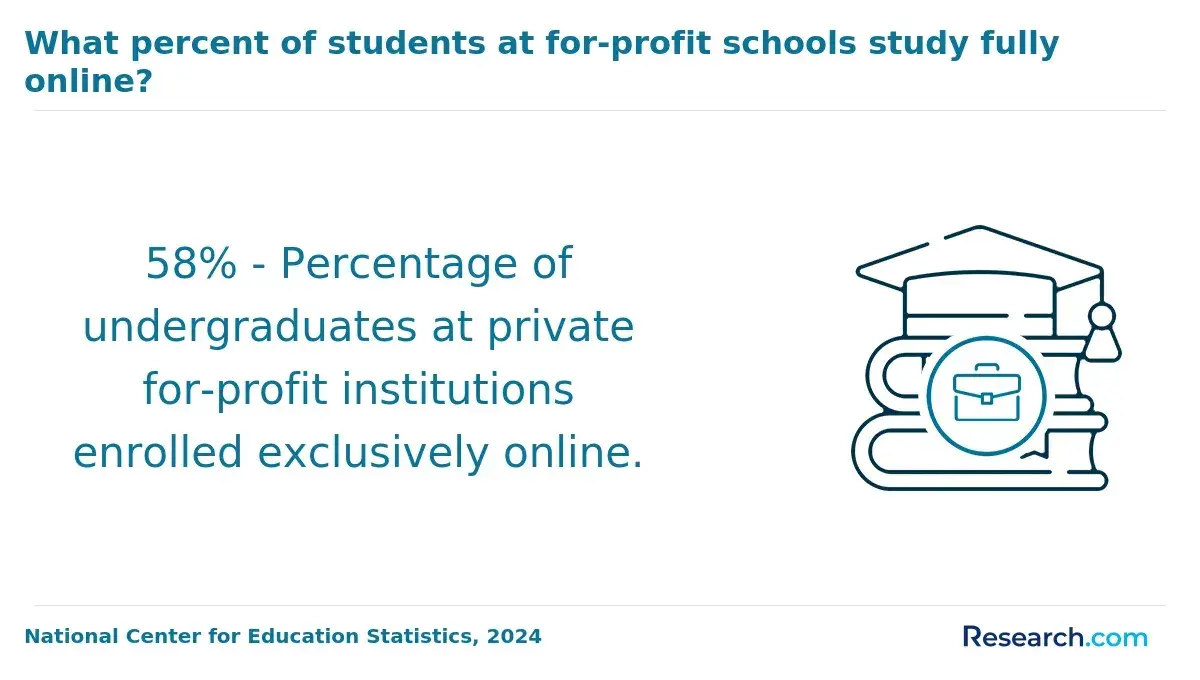
Choosing an online program management doctorate is really a research-design decision: the wrong methodology can slow your dissertation, limit faculty support, or weaken your career fit. NCES data released in 2024 show that online graduate study remains a major pathway for working adults, making research support in virtual formats especially important.
This guide is for prospective DBA, PhD, DM, and EdD students comparing quantitative, qualitative, and mixed-methods options. You will learn how each approach affects coursework, mentoring, cost, timeline, dissertation feasibility, and long-term value.
Key Things You Should Know
- Most online program management doctorates do not use separate "quantitative," "qualitative," and "mixed-methods" tracks; instead, methodology choice is usually approved through research courses, faculty supervision, and the dissertation or applied doctoral project process.
- Cost risk matters because graduate federal borrowing is expensive: Federal Student Aid set graduate Direct Unsubsidized Loans at 8.08% and Grad PLUS Loans at 9.08% for the 2024-2025 award year.
- Quantitative methods fit measurement-heavy questions, qualitative methods fit experience- and process-heavy questions, and mixed methods fit complex program outcomes that need both statistical evidence and stakeholder explanation.
Which Online Program Management Doctorate Programs Offer Quantitative, Qualitative, or Mixed-Methods Research?
Online program management doctorates are usually housed in business, management, leadership, technology management, or organizational studies departments. Instead of looking only for the exact phrase "program management doctorate," students should compare doctoral programs that support research on portfolios, enterprise initiatives, project governance, risk, operations, change implementation, and strategic execution.
The table below summarizes common online doctoral program types where program management research may be possible. It is not a ranking, and students should confirm current catalogs, dissertation handbooks, and faculty availability before applying.
| Program type or example | Typical degree label | How program management fits | Methodology availability to verify |
| DBA with project management or management concentration, such as Liberty University or National University-style models | Doctor of Business Administration | Applied research on organizational performance, project delivery, stakeholder alignment, and executive decision-making | Often supports qualitative or quantitative applied studies; mixed methods may require stronger committee approval |
| PhD in business, management, or project management, such as Capella-style specialization models | Doctor of Philosophy | Theory-building or empirical research on project success, governance, leadership, risk, and organizational systems | Usually has the broadest methodological range, but faculty expertise is decisive |
| Doctor of Management in project management, such as Colorado Technical University-style models | DM or Doctor of Management | Practice-focused study of management systems, project portfolios, innovation, and strategic initiatives | May support qualitative, quantitative, or applied mixed-method designs depending on dissertation rules |
| EdD or PhD in organizational leadership with project/program implementation research | Doctor of Education or PhD | Program evaluation, change management, training implementation, and leadership effectiveness | Qualitative and mixed-methods designs are common; quantitative options depend on statistics sequence depth |
| Technology management or operations-focused doctorate | PhD, DBA, or DM | Research on digital transformation programs, systems implementation, process improvement, and operational performance | Quantitative methods may be stronger when analytics, operations, or systems courses are built into the curriculum |
Students coming from a project management degree online should pay close attention to research preparation. Professional project management coursework helps with topic selection, but doctoral research also requires methods training, literature synthesis, ethics approval, and defensible data analysis.
A practical way to identify whether a program truly supports your preferred methodology is to review three layers of evidence before you apply:
- Check the dissertation handbook for approved designs, required chapters, IRB expectations, and whether mixed methods are explicitly allowed.
- Review faculty biographies for recent quantitative, qualitative, or mixed-methods publications related to management, projects, operations, or organizational change.
- Ask admissions or the program director whether online students receive access to statistics support, qualitative-analysis software, research librarians, and dissertation-methodology consultations.
How Do Quantitative, Qualitative, and Mixed-Methods Research Differ in Online Program Management Doctorates?
Quantitative, qualitative, and mixed-methods research differ in the kind of question they answer. In an online program management doctorate, the best method is not the one that sounds most impressive; it is the one that fits the evidence you need to collect and the decision problem you want to solve.
The comparison below shows how each methodology works in doctoral-level program management research. Use it to match your research question to the kind of data, analysis, and dissertation workload each approach requires.
| Methodology | Best fit in program management research | Typical data | Common analysis | Main risk |
| Quantitative | Testing relationships, comparing groups, measuring predictors of project or program outcomes | Surveys, performance metrics, financial indicators, schedule data, risk scores | Descriptive statistics, regression, correlation, ANOVA, structural models in some programs | Weak statistical preparation or insufficient sample size |
| Qualitative | Understanding how leaders, teams, sponsors, or stakeholders experience and interpret program challenges | Interviews, focus groups, documents, observations, case evidence | Thematic coding, narrative analysis, case analysis, content analysis | Underestimating the time required for recruitment, transcription, coding, and trustworthiness checks |
| Mixed methods | Explaining both measurable outcomes and the reasons behind them | Surveys plus interviews, performance data plus case documents, sequential or concurrent datasets | Statistical analysis integrated with qualitative coding and interpretation | Extra workload, more complex design approval, and the need for faculty who can supervise both methods |
Choose quantitative research when your question uses words such as "predict," "compare," "measure," or "relationship." For example, a doctoral student might study whether executive sponsorship maturity predicts program schedule performance across multiple organizations.
Choose qualitative research when your question uses words such as "experience," "perceive," "interpret," or "navigate." This approach is often stronger for studying stakeholder conflict, leadership behavior, organizational resistance, or lessons learned from complex implementations.
Choose mixed methods when one kind of evidence would leave the study incomplete. For instance, survey data may show that program governance maturity is associated with better delivery outcomes, while interviews explain which governance behaviors actually helped teams make decisions.
How Does Research Methodology Affect the Dissertation or Capstone in an Online Program Management Doctorate?
The methodology you choose shapes nearly every part of the dissertation or doctoral capstone: the research question, literature review, data-access plan, ethics application, committee composition, analysis timeline, and final defense. This is why students should avoid choosing a method before they define the problem they want to investigate.
In many online DBA and DM programs, the final project is applied and organization-centered. In many PhD programs, the dissertation is more theory-driven and may be expected to make a stronger scholarly contribution. However, these distinctions vary by institution, so the dissertation handbook is more reliable than the degree title alone.
The table below explains how methodology changes the dissertation or capstone experience. It helps students anticipate the kind of work they are agreeing to before they select a research direction.
| Dissertation or capstone element | Quantitative effect | Qualitative effect | Mixed-methods effect |
| Research question | Must be measurable and testable | Must be exploratory and bounded | Must connect numerical and narrative evidence |
| Proposal approval | Committee will focus on variables, instruments, sampling, and statistical plan | Committee will focus on participant selection, interview protocol, credibility, and data saturation | Committee will focus on sequence, integration logic, and feasibility |
| IRB review | May involve survey privacy, organizational data permissions, and secure storage | May involve confidentiality, interview consent, and sensitive workplace narratives | Usually combines risks from both quantitative and qualitative procedures |
| Analysis workload | Concentrated around cleaning data, testing assumptions, and interpreting statistics | Concentrated around transcription, coding, theme development, and audit trails | Concentrated around completing both analyses and integrating findings coherently |
| Defense challenge | Explaining whether statistical results support the hypotheses without overstating causation | Demonstrating trustworthiness, transferability, and clear connection to the research question | Justifying why the combined design adds value beyond a single method |
Common red flags include a program that advertises broad methodology flexibility but lists few faculty members with matching research expertise, a dissertation guide that mentions only one design type, or a curriculum with only one introductory research course before the proposal stage. These signs do not automatically make a program poor, but they should prompt direct questions before enrollment.
Research training in an online program management doctorate should move students from consuming research to designing and defending it. A strong curriculum usually includes foundations of scholarly writing, research design, statistics or qualitative inquiry, literature review methods, ethics, and dissertation proposal development.
Students who completed an accelerated project management degree may already be comfortable with planning, scope, risk, and stakeholder concepts. Doctoral coursework goes further by requiring students to translate those concepts into researchable questions, validated instruments, defensible samples, and evidence-based conclusions.
The table below shows the research preparation students should expect before they begin the dissertation or capstone. It can help identify whether a program provides enough support for your preferred methodology.
| Training area | Why it matters | Especially important for |
| Research design | Teaches students to align problem statements, questions, data, and analysis | All methodologies |
| Statistics | Builds competence in measurement, sampling, hypothesis testing, and interpretation | Quantitative and mixed methods |
| Qualitative inquiry | Builds skill in interviewing, coding, theme development, and trustworthiness | Qualitative and mixed methods |
| Literature review methods | Helps students justify the study and avoid duplicating existing work | All methodologies |
| Research ethics and IRB preparation | Protects participants and organizations while preparing the study for approval | All methodologies, especially workplace studies |
| Software training | Reduces avoidable delays during analysis | Quantitative, qualitative, and mixed methods |
Before enrolling, students should ask whether the research sequence includes practice with real datasets, mock IRB documents, sample interview protocols, instrument evaluation, and dissertation examples. A program that teaches methods only in theory may leave online students underprepared when they reach independent research.
Faculty mentors are often the difference between a feasible doctoral study and a stalled one. In online program management doctorates, students may not meet faculty in person, so the program must provide clear advising structures, responsive committee processes, and access to methodologically qualified supervisors.
Good mentoring is not just encouragement. It includes helping the student narrow the topic, align the research question with the method, identify realistic data sources, avoid overcomplicated designs, and respond to committee or IRB feedback.
Students should evaluate faculty support through evidence rather than promises. The following checks help distinguish real methodological support from broad marketing language:
- Look for faculty publications that use the method you want to use, not just publications on a similar topic.
- Ask whether dissertation chairs are assigned by topic, methodology, availability, or student preference.
- Confirm whether the program has separate methodologists or whether the dissertation chair is expected to cover both content and methods.
- Ask how often online doctoral students meet with chairs during proposal development and data analysis.
- Request examples of recent dissertation titles or abstracts in program management, project management, operations, or organizational implementation.
A common mistake is choosing a school because one faculty member appears to be a perfect match. Faculty can change roles, go on leave, or reach advising capacity. A stronger program has multiple faculty members who can support related topics and methodologies.
Data collection in online program management doctorate research often happens through remote surveys, virtual interviews, organizational records, project-management system exports, policy documents, or case-study materials. The online format can work well, but it requires careful planning because doctoral students still need access, consent, data security, and defensible sampling.
Quantitative students usually need a dataset large enough to support the planned analysis. Qualitative students need participants or documents that can provide rich evidence. Mixed-methods students need both, plus a clear plan for integrating results rather than simply placing two studies side by side.
The following process helps students move from a broad topic to a realistic data plan:
- Define the unit of analysis, such as individuals, project teams, programs, organizations, or completed initiatives.
- Identify whether the data already exists or must be collected from participants.
- Confirm that the organization or participant group is accessible before submitting the proposal.
- Match the sample size or participant pool to the chosen method and committee expectations.
- Confirm which tools the school supports for statistics, transcription, coding, survey distribution, and secure data storage.
- Build extra time for IRB review, recruitment delays, incomplete responses, and revisions to the analysis plan.
AI tools are becoming more common in research workflows, especially for transcription, literature organization, and coding support. Students should be cautious: most universities require disclosure of AI use, and AI-generated summaries do not replace researcher judgment, audit trails, confidentiality controls, or approved analysis procedures.
Research methodology can affect both time and cost because it changes how long students spend in proposal development, recruitment, analysis, revision, and dissertation enrollment. The financial stakes are higher for doctoral students who pay by term or need extra dissertation continuation courses.
Federal Student Aid set 2024-2025 graduate Direct Unsubsidized Loan interest at 8.08% and Grad PLUS interest at 9.08%. For students borrowing to complete a doctorate, delays caused by weak methodology fit can increase total cost through additional tuition, fees, interest, and opportunity cost.
The table below summarizes common time and cost pressures by methodology. These are not guaranteed outcomes; actual completion time depends on school policy, student pace, committee review, data access, and dissertation scope.
| Methodology | Potential time pressure | Potential cost pressure | Best cost-control strategy |
| Quantitative | Instrument approval, sample recruitment, data cleaning, and statistical revisions | Survey panels, software, statistics tutoring, or extra dissertation terms | Enter with adequate statistics preparation and a realistic sampling plan |
| Qualitative | Participant recruitment, transcription, coding cycles, and committee review of themes | Transcription, qualitative software, participant-management tools, or continuation fees | Keep the case boundary narrow and pilot the interview protocol early |
| Mixed methods | Sequential data collection, dual analysis, and integration of findings | Costs from both statistical and qualitative workflows plus added dissertation time | Use mixed methods only when the research question clearly requires both forms of evidence |
Students trying to reduce time-to-degree should also compare credit-transfer policies, residency requirements, dissertation-course billing, and whether the program has lockstep or self-paced components. Those exploring a faster pre-doctoral route may want to compare how an project manager bachelor degree can build foundational project leadership skills before graduate specialization.
The best research method depends on the role you want after graduation. A doctoral student seeking a faculty research career may need stronger methodological depth and publication potential, while a senior practitioner may need applied evidence that improves program governance, operations, or organizational performance.
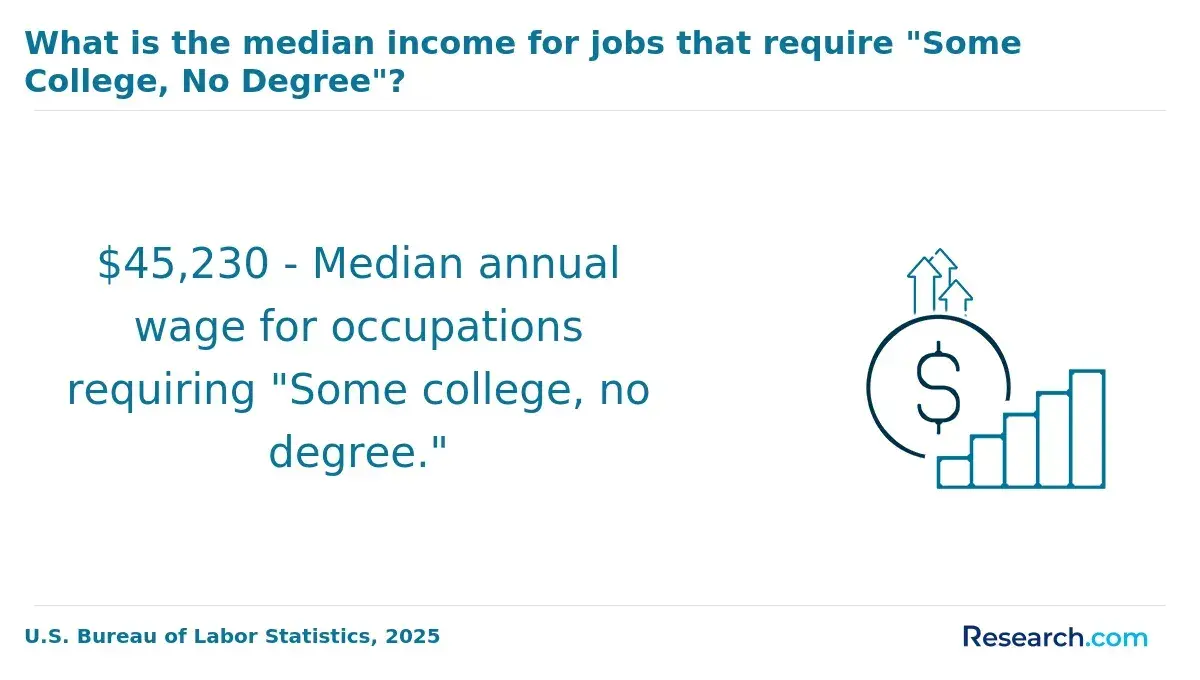
BLS May 2024 wage data place the median annual wage for management occupations above $120,000, but doctoral outcomes vary widely by industry, employer, leadership level, prior experience, and geographic market. Students should treat salary data as context, not as a promise that a doctorate will produce a specific income.
The table below connects methodology choice to common career goals. It helps students think beyond graduation and choose a research path that supports the type of credibility they want to build.
| Career goal | Strong methodology fit | Why it fits | Possible roles |
| Academic research or tenure-track preparation | Quantitative, qualitative, or mixed methods depending on discipline norms | Supports peer-reviewed scholarship and theory contribution | Faculty member, research scholar, doctoral instructor |
| Executive program leadership | Mixed methods or applied qualitative | Combines measurable performance with stakeholder and organizational context | Program director, PMO executive, transformation leader |
| Operations and process improvement | Quantitative or mixed methods | Useful for measuring efficiency, performance drivers, risk, and resource allocation | Operations executive, portfolio analyst, process improvement leader |
| Consulting and organizational change | Qualitative or mixed methods | Useful for diagnosing culture, leadership behavior, adoption barriers, and implementation gaps | Management consultant, change leader, strategy advisor |
| Policy, training, or program evaluation | Mixed methods | Supports outcome measurement and explanation of why interventions worked or failed | Program evaluator, learning leader, public-sector program manager |
Students interested in operations-heavy leadership may also compare doctoral goals with an MBA operations management online. An MBA may be a better fit for students who want management advancement without the dissertation, while a doctorate is better suited to original research, advanced consulting credibility, or academic pathways.
Research resources matter more in an online doctorate because students often conduct most dissertation work away from campus. A program may be academically sound but still be a poor fit if it lacks the software, advising, library access, and methodological support needed for your design.
Students should evaluate resources before applying, not after they reach the dissertation stage. The following questions reveal whether the program can realistically support quantitative, qualitative, or mixed-methods work:
- Does the university provide access to statistical software, qualitative-analysis software, survey platforms, citation tools, and secure data storage?
- Are research librarians available to online doctoral students for systematic literature searching and source evaluation?
- Does the program offer writing-center support for doctoral literature reviews, proposals, and dissertation chapters?
- Can students consult with methodologists before the proposal defense or only after problems arise?
- Are sample dissertations available, and do they include the methodology you intend to use?
- How long does IRB review typically take for online doctoral students conducting workplace research?
- Are there required residencies, synchronous seminars, or dissertation intensives that affect work schedules and travel budgets?
Accreditation is also part of resource evaluation. Institutional accreditation is essential for federal financial aid eligibility and degree recognition, while business-specific accreditation may matter to some employers or academic hiring committees. Students should verify accreditation directly with the school and recognized accrediting bodies because status can change.
A major red flag is a program that emphasizes flexibility but cannot explain who will approve your method, what software is available, or how online students receive research support. Flexibility without infrastructure can become a source of delay rather than a benefit.
How Should Students Choose an Online Program Management Doctorate Based on Research Methodology?
Students should choose an online program management doctorate by starting with the research problem, then working backward to degree type, methodology, faculty fit, resources, cost, and career value. The strongest choice is not always the most flexible program; it is the program that can support the specific study you are most likely to complete.
Use the following decision sequence when comparing schools:
- Write a one-sentence research problem focused on program management, project governance, operations, leadership, risk, implementation, or organizational outcomes.
- Decide what evidence would answer the problem best: numerical patterns, human experience, documents and cases, or a combination.
- Match the evidence to a methodology before comparing dissertation examples and faculty expertise.
- Eliminate programs whose dissertation handbooks or faculty rosters do not support your likely method.
- Compare total cost using tuition, fees, dissertation continuation rules, residency costs, software access, and likely borrowing costs.
- Ask whether the program allows topic or methodology changes if your original data source becomes unavailable.
- Choose the program where methodology support, career alignment, academic quality, and completion feasibility overlap.
Students should avoid a doctorate if their goal is only a short-term promotion and they do not need original research training. They should also avoid mixed methods if they are choosing it mainly because it sounds comprehensive. A focused quantitative or qualitative dissertation with strong alignment is usually better than an overbuilt mixed-methods study that lacks time, data, or faculty support.
The best-fit program will make its expectations clear: admissions standards, transfer-credit rules, online participation requirements, dissertation milestones, IRB process, faculty advising structure, and available research tools. If those details are vague before enrollment, they are unlikely to become clearer during the most difficult part of the doctorate.
Other Things You Should Know About Program Management
A DBA or DM is often better for applied executive, consulting, or organizational leadership goals. A PhD is usually stronger for academic research, theory development, and faculty careers. The best choice depends on dissertation expectations, faculty fit, and career plans.
No. Most program manager roles do not require a doctorate. Experience, leadership ability, industry knowledge, and project or program management credentials often matter more. A doctorate is most useful for research, executive credibility, consulting, teaching, or specialized leadership roles.
Many programs expect a master's degree, professional experience, transcripts, a resume, recommendations, and a statement of purpose. Some may require or prefer management, business, technology, operations, or project leadership experience. Requirements vary by institution.
They can be, especially when the institution is accredited, the curriculum is rigorous, and the dissertation or capstone is relevant to the field. Employer views vary, so students should consider institutional reputation, research quality, faculty expertise, and alignment with their target industry.
- How to Choose the Right Methodology for Your Doctoral Dissertation https://www.thedissertationmentor.com/blog/how-to-choose-the-right-methodology-for-your-doctoral-dissertation
- Choosing the Right Research Methodology for Doctoral Studies https://www.globalxpublications.com/blog/choosing-right-research-methodology-doctoral-studies
- Mixed-Methods Research: Combining Qualitative and Quantitative Data https://www.nngroup.com/articles/mixed-methods-research/
- ATLAS.ti https://atlasti.com/guides/the-guide-to-mixed-methods-research/how-to-integrate-quantitative-qualitative-data
- Quantitative and Qualitative Methods Doctoral Programs https://www.apadivisions.org/division-5/resources/doctoral
- Research Methods: The Ultimate Guide for Academic and Professional Success https://www.litmaps.com/articles/types-of-research-methods
- 25 Best Online EdD Programs of 2025 https://www.eddprograms.org/schools/best-online-doctor-of-education-programs/
- Qualitative vs. Quantitative: Comparing Research Methods for Ed.D. Dissertations | ACE Blog https://ace.edu/blog/qualitative-vs-quantitative-comparing-research-methods-for-ed-d-dissertations/
- Online EdD Dissertations, Doctoral Capstone Projects, Dissertation in Practice https://www.onlineeddprograms.com/resources/dissertations-doctoral-capstone-projects
- The Top 3 Types of Dissertation Research Explained https://www.snu.edu/blog/the-top-3-types-of-dissertation-research-explained


