2027 Online Forensic Psychology Doctorate Programs with One-on-One Faculty Mentorship

Co-Founder and Chief Data Scientist
Choosing an online forensic psychology doctorate is not just about flexibility; it is about whether faculty support is strong enough to carry you through research, writing, and career planning. The latest BLS outlook reports 6% projected employment growth for psychologists from 2024 to 2034, which makes careful program selection more important for students entering a competitive field. This guide is for working adults, master's graduates, and career changers comparing doctoral options. You will learn how one-on-one mentorship works, what to verify, and when the extra cost or structure is worth it.
Key Things You Should Know
- True one-on-one mentorship in an online forensic psychology doctorate usually means a named faculty chair, research supervisor, or dissertation committee member-not just access to an academic advisor.
- Cost matters: NCES Digest of Education Statistics 2024 reports average graduate tuition and required fees of about $12,596 at public institutions and $29,931 at private nonprofit institutions for 2022-23, before living costs and program fees.
- The BLS reports a May 2024 median annual wage of $94,310 for psychologists overall, but forensic psychology roles vary widely by employer, licensure status, clinical authority, and experience.
How Does One-on-One Faculty Mentorship Work in Online Forensic Psychology Doctorate Programs?
One-on-one faculty mentorship in an online forensic psychology doctorate is individualized academic and professional guidance from a qualified faculty member. In strong programs, mentorship begins before the dissertation stage, helps students shape research interests, and continues through proposal development, methodology, ethics review, data analysis, and career planning.
It is important to separate mentorship from routine support. Academic advising usually helps with registration, degree audits, and policy questions. Faculty mentorship should connect your coursework, research agenda, forensic interests, and professional goals. Students who are still deciding whether doctoral study is the right next step may want to compare doctoral expectations with forensic psychology master's programs, especially if they need a lower-cost way to build research and applied psychology foundations first.
The strongest mentorship models typically include several formal touchpoints. These features matter because online doctoral students do not get the casual hallway access that campus students may have.
- A named faculty mentor, chair, or advisor with responsibility for doctoral guidance.
- Regular synchronous meetings by video, phone, or virtual office hours, not only asynchronous comments in the learning platform.
- Faculty feedback on research questions, literature reviews, methodology, forensic ethics, and professional positioning.
- A transparent process for changing mentors if faculty expertise, availability, or communication style does not fit the student's needs.
- Documented dissertation, capstone, or applied-project milestones so students know what must happen next.
Which Online Forensic Psychology Doctorate Programs Offer the Strongest Faculty Mentorship?
The strongest online forensic psychology doctorate programs are not necessarily the ones that use the phrase "personalized support" most often. A stronger signal is whether mentorship is built into the academic model, whether students work with doctoral faculty rather than only administrative advisors, and whether dissertation supervision is clearly described.
The table below summarizes online or primarily online doctoral options that prospective forensic psychology students commonly review. Program details can change, so use this as a decision framework rather than a final enrollment list.
| School | Relevant online doctorate option | Mentorship signal to verify | Best-fit student | Important caution |
| National University | PhD in Psychology with Forensic Psychology specialization | One-to-one learning model and doctoral faculty interaction | Students who want highly individualized course engagement | Confirm dissertation chair assignment, meeting frequency, and whether the degree supports licensure goals |
| Walden University | PhD in Forensic Psychology | Doctoral faculty, dissertation chair, and committee-based research support | Students seeking an online forensic psychology research pathway with structured dissertation stages | Verify residency, research sequence, and faculty expertise in your specific topic |
| Liberty University | PhD in Psychology: Forensic Psychology | Faculty-supported online coursework and doctoral research supervision | Students who want a flexible Christian university environment with a forensic specialization | Confirm whether the program is designed for licensure and how closely faculty mentors support research design |
| Other online psychology doctoral programs with forensic-related research options | PhD or PsyD in psychology, clinical psychology, or general psychology with forensic electives or dissertation topics | Faculty research fit rather than formal forensic program branding | Students with a narrow research topic and a faculty member already working in that area | A forensic topic alone does not make the program a forensic psychology doctorate |
The best program for mentorship is usually the one where your intended research topic matches an available faculty member's expertise. For example, a student studying competency evaluations, correctional mental health, juvenile justice, police psychology, risk assessment, trauma, expert testimony, or legal decision-making should look for faculty publications, practice history, or dissertation supervision in that area.
Common red flags include vague promises of "individual attention," no public faculty directory, no clear dissertation chair process, and admissions staff who cannot explain how many doctoral students each faculty member supervises. If a school cannot describe how mentorship works before enrollment, assume you will need to work harder to secure support later.
How Does Faculty Mentorship Support Dissertation or Applied Research in an Online Forensic Psychology Doctorate?
Faculty mentorship is especially important during the dissertation, doctoral project, or applied research phase because forensic psychology topics often involve legal, ethical, and population-specific complexity. A mentor helps the student narrow a broad interest into a researchable question that can be completed with available data, ethical approval, and realistic timelines.
Forensic psychology research may involve sensitive topics such as criminal behavior, trauma exposure, custody disputes, risk assessment, correctional settings, or justice-involved youth. A faculty mentor should help students avoid research designs that are interesting but impractical, ethically difficult, or impossible to complete remotely.
Strong dissertation mentorship usually supports the following sequence, which is where many online doctoral students need the most structure.
- Refining a broad forensic psychology interest into a feasible research problem.
- Identifying a theoretical framework and current literature base.
- Selecting a methodology that matches the research question and available data.
- Preparing institutional review board materials when human subjects or sensitive records are involved.
- Interpreting findings carefully without overstating legal, clinical, or policy implications.
- Turning the dissertation into a conference proposal, article manuscript, training resource, or professional portfolio item.
The biggest mistake is assuming a dissertation chair will design the study for you. A mentor should guide, critique, and challenge your work, but the student remains responsible for the research. Programs with effective mentorship make expectations clear early so students do not reach the dissertation stage without a viable topic, methods preparation, or faculty match.
One-on-one mentorship can improve a student's ability to stay organized, solve research problems, and recover from setbacks, but it does not automatically shorten the doctorate. Completion depends on transfer credits, enrollment intensity, dissertation scope, life demands, writing habits, and how quickly feedback cycles occur.
The national context matters. NCES Digest of Education Statistics 2024 shows that doctoral education remains a major time and money commitment, and graduate students often finance study while working. For a prospective student, this means mentorship should be evaluated as a risk-management feature: it can help prevent delays caused by unclear research direction, weak topic fit, or unanswered questions.
Mentorship affects progress most when it is frequent, specific, and tied to milestones. The table below compares support patterns that often separate meaningful mentorship from minimal contact.
| Mentorship factor | High-support model | Low-support model | Why it affects completion |
| Meeting rhythm | Scheduled check-ins and clear office-hour access | Student must request help with no expected cadence | Regular contact catches problems before they become delays |
| Feedback quality | Specific comments on argument, methodology, and revisions | Brief approval or rejection without explanation | Detailed feedback helps students revise efficiently |
| Research fit | Mentor has expertise related to the student's topic | Mentor is available but outside the topic area | Better fit reduces false starts and unrealistic project design |
| Escalation process | Clear route to program director or committee change | No transparent process for stalled mentorship | Students need options if communication breaks down |
Students should also ask how long faculty typically take to return dissertation feedback. A program may advertise individualized support, but if feedback regularly takes weeks without explanation, the practical value of mentorship declines.
Online forensic psychology doctorate programs generally use one of four mentorship models: one-to-one course mentoring, dissertation-chair mentoring, cohort-based faculty support, or advisor-led academic support with limited faculty interaction. None is automatically best for every student.
The table below compares these models so readers can match program structure to their learning style, schedule, and support needs.
| Model | How it works | Strengths | Limitations | Best fit |
| One-to-one course mentoring | Student works directly with faculty in individualized or highly personalized courses | High faculty access and tailored feedback | May feel less collaborative if peer interaction is limited | Independent learners who want direct faculty engagement |
| Dissertation-chair model | Faculty mentorship becomes most intensive during research and dissertation phases | Useful for advanced scholarly work | Early coursework may feel less individualized | Students with strong self-direction in coursework |
| Cohort-based support | Students move through courses with peers and receive faculty guidance in group settings | Peer accountability and predictable schedule | Less individualized attention unless faculty meetings are built in | Students who benefit from community and structure |
| Advisor-led model | Academic advisors guide logistics while faculty teach courses and supervise projects as needed | Efficient for registration and policy questions | Can be weak for research development if faculty access is limited | Students who already know their research path and need flexibility |
If you cannot maximize mentorship, flexibility, and low cost at the same time, prioritize based on your main risk. Choose stronger mentorship if you are new to research, changing fields, or pursuing a complex forensic topic. Choose a more structured cohort if you need accountability. Choose lower cost only if you are confident you can independently manage research planning, writing, and professional networking.
Faculty mentorship can support career development when it goes beyond course feedback. In forensic psychology, professional opportunities often come from research visibility, applied experience, networking, and credibility with courts, correctional systems, mental health agencies, policy organizations, or academic institutions.
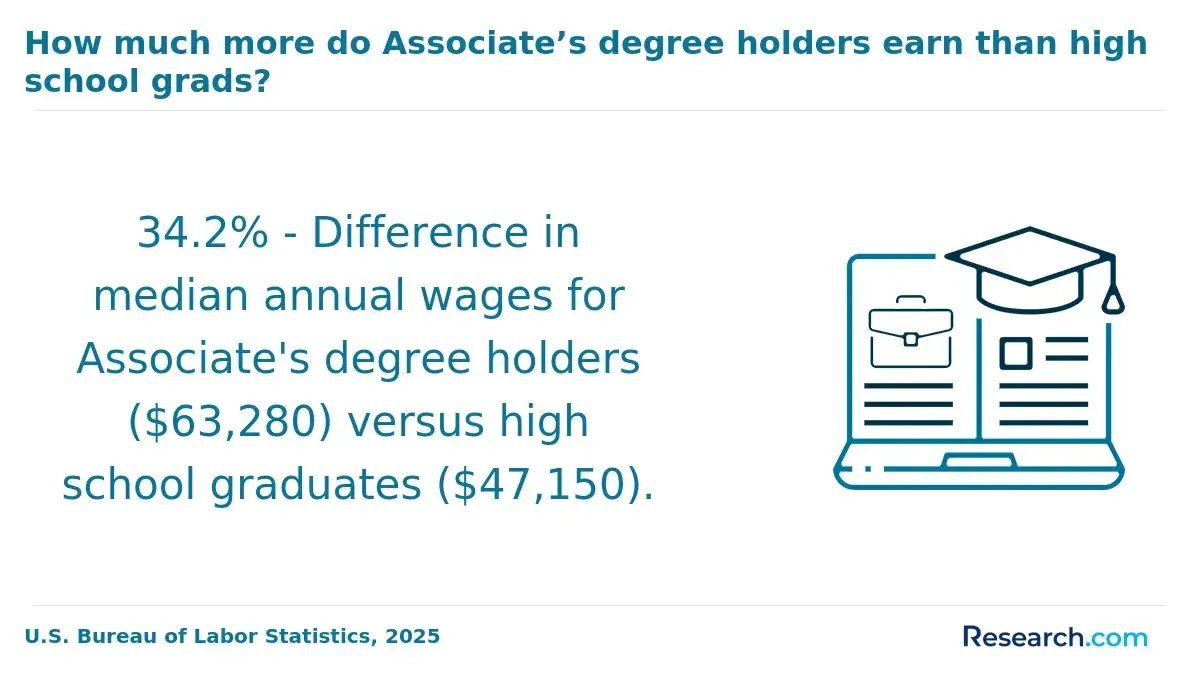
Salary expectations should be realistic. The BLS reported a May 2024 median annual wage of $94,310 for psychologists overall, but students researching how much do forensic psychologists make should remember that pay depends heavily on licensure, employer type, location, seniority, and whether the role involves clinical practice, research, consulting, teaching, or administration.
A strong mentor can help students connect doctoral work to professional outcomes in several practical ways.
- Recommending conferences, journals, or professional associations aligned with the student's forensic topic.
- Helping students frame dissertation findings for policy, practice, teaching, or consulting audiences.
- Providing realistic feedback on whether a student's goals require licensure, postdoctoral training, or additional supervised experience.
- Writing informed recommendation letters that speak to research ability, professionalism, and subject-matter expertise.
- Introducing students to ethical boundaries around expert testimony, assessment, correctional practice, and legal consultation.
Students should not assume mentorship includes job placement. Ask whether faculty support includes networking, publication guidance, conference preparation, practicum guidance, or only academic feedback. The difference matters if your goal is to move into teaching, applied research, forensic consulting, victim advocacy leadership, correctional program evaluation, or policy work.
An effective online forensic psychology doctorate mentor should have both doctoral-level academic preparation and relevant experience in the student's area of interest. The best match is not always the most famous faculty member; it is the faculty member who has time, topic alignment, methodological skill, and a communication style that helps the student make progress.
Students comparing forensic psychology with adjacent clinical pathways may also want to review online clinical psychology masters options, because clinical preparation, licensure goals, and forensic specialization requirements can differ substantially.
Before enrolling, review faculty qualifications in a structured way. The goal is to confirm that mentor expertise matches your academic and professional plan rather than relying on a broad program label.
- Doctoral degree in psychology, forensic psychology, clinical psychology, counseling psychology, criminology, or a closely related field.
- Research, publications, presentations, or funded work related to the student's intended topic.
- Experience supervising dissertations, doctoral projects, or applied research.
- Knowledge of forensic ethics, justice-involved populations, legal settings, and limits of psychological testimony.
- Current professional activity, such as scholarship, consulting, clinical practice, policy work, or association involvement.
- Reasonable advising load and documented availability for doctoral students.
Licensure deserves special attention. If your goal is to become a licensed psychologist, ask whether mentors are licensed, whether the program is designed to meet licensure requirements, whether an internship or practicum is required, and whether graduates have been eligible for licensing pathways in your state. Online format alone does not determine licensure eligibility, but program design and state rules do.
One-on-one faculty mentorship can increase the value of an online forensic psychology doctorate, but only if it reduces academic risk, improves research quality, and supports career goals. It should not be treated as automatically worth a higher tuition price. The value depends on how accessible, qualified, and accountable the mentor is.
Cost comparisons should include tuition, fees, residencies, technology expenses, dissertation continuation courses, books, travel, and the opportunity cost of reducing work hours. NCES Digest of Education Statistics 2024 reports average graduate tuition and required fees of about $12,596 at public institutions and $29,931 at private nonprofit institutions for 2022-23, which shows why total program cost can vary widely before doctoral fees are added.
When comparing programs, list costs in the same format so you do not mistake a lower per-credit price for a lower total degree cost.
- Published tuition per credit or per term.
- Total credits required after transfer credit evaluation.
- Estimated total tuition for the full doctoral plan.
- Residency, travel, dissertation, technology, and graduation fees.
- Financial aid eligibility, employer tuition assistance, military benefits, or scholarships.
- Potential extra terms if dissertation work extends beyond the standard plan.
Federal Student Aid rules for the 2024-25 award year allow many graduate students to borrow up to $20,500 annually through Direct Unsubsidized Loans, with Grad PLUS Loans potentially covering remaining eligible cost of attendance. This does not mean borrowing is wise for every student; it means applicants should calculate debt against realistic career paths rather than assuming a doctorate will quickly offset the cost.
A higher-cost program may be worthwhile if it offers excellent mentor fit, strong dissertation structure, low friction in feedback, and career-relevant faculty networks. A lower-cost program may be the better choice if you already have research experience, employer support, or a clear professional role that does not require intensive faculty guidance.
Students who benefit most from one-on-one mentorship are those whose goals require specialized research guidance, careful ethical judgment, or a customized path through forensic psychology. This includes working professionals who need flexible scheduling but cannot afford to lose momentum because of unclear expectations.
One-on-one mentorship is especially useful for students moving from adjacent fields such as counseling, social work, criminal justice, education, child welfare, or victim services. For example, students focused on juvenile justice or family court work may also compare doctoral pathways with child psychology master's programs if they need stronger developmental psychology preparation before doctoral-level forensic research.
The following students often gain the most value from individualized faculty support.
- Master's graduates who have limited research experience and need help turning interests into a feasible doctoral study.
- Working adults who need efficient feedback cycles because their study time is limited.
- Students pursuing niche topics such as competency, malingering, correctional rehabilitation, juvenile justice, trauma and testimony, or risk assessment.
- Career changers who need help translating prior experience into a coherent forensic psychology research agenda.
- Students aiming for publication, teaching, consulting, policy, or applied research roles where mentor credibility and feedback can strengthen professional positioning.
Students who may not need a mentorship-heavy program include those who already have strong research training, a confirmed employer pathway, or a preference for highly structured cohort learning. Some students are better served by a lower-cost, more predictable program if they do not intend to pursue research-intensive or faculty-network-dependent goals.
How Should Students Evaluate Faculty Mentorship Before Choosing an Online Forensic Psychology Doctorate?
The best way to evaluate faculty mentorship is to ask specific operational questions before applying. Avoid relying on broad marketing phrases such as "faculty are accessible" or "students receive personalized attention." Those statements are only meaningful if the school can explain who mentors students, when contact occurs, and what happens if support is insufficient.
Use the following steps to verify whether a program's mentorship model is substantive.
- Identify three faculty members whose research or professional background fits your intended forensic psychology topic.
- Ask admissions when students are assigned a mentor, dissertation chair, or faculty advisor.
- Request details about expected meeting frequency, response-time norms, and synchronous communication options.
- Ask how many doctoral students each faculty member typically supervises.
- Confirm whether students can request a mentor or change mentors if the fit is poor.
- Review dissertation titles, faculty publications, and student outcomes when available.
- Ask whether mentorship includes career guidance, publication support, conference preparation, or only dissertation supervision.
- Speak with current students or alumni about feedback quality, accessibility, and how problems are resolved.
When speaking with a school, listen for concrete answers. A strong response might explain the mentor assignment process, committee structure, dissertation timeline, faculty office hours, escalation routes, and examples of student-faculty research alignment. A weak response stays general or redirects every mentorship question to admissions, advising, or student services.
The final decision should balance mentorship, accreditation, licensure fit, cost, transfer credit, flexibility, and career relevance. If the program is expensive and mentorship is the main selling point, verify the mentor relationship in writing before committing.
Other Things You Should Know About Forensic Psychology
No. Forensic psychology is broader and focuses on the interaction between psychology and the legal system, including courts, corrections, evaluation, policy, victims, and offenders. Criminal psychology focuses more narrowly on criminal behavior, motivation, and offender patterns.
No. Many forensic psychology doctoral programs, especially online specialization-based PhD programs, are not designed as licensure pathways. Students who want to become licensed psychologists should check state board rules, clinical training requirements, internship expectations, and program accreditation before enrolling.
Many students do work while enrolled, but doctoral study requires sustained reading, writing, research, and faculty feedback cycles. Working students should ask about part-time pacing, dissertation expectations, residency requirements, and whether deadlines are flexible enough for their schedule.
Depending on experience and credentials, graduates may pursue roles in research, teaching, correctional program evaluation, victim services leadership, policy analysis, behavioral consulting, law enforcement training, or expert support work. Clinical diagnosis and treatment roles usually require separate licensure eligibility.
- Forensic Psychology Master’s Programs Online: Compare Schools https://www.onlinemastersdegrees.org/best-programs/psychology/forensic-psychology/
- Best Accredited Online Psy.D. Programs | Psychology.org https://www.psychology.org/rankings/best-online-psyd-degree-programs/
- How Long Does it Take to Become a Forensic Psychologist? https://www.onlineeducation.com/psychology/faqs/how-long-to-become-forensic-psychologist
- Forensic Psychology Emphasis | PhD in Clinical Psychology https://paloaltou.edu/academic-programs/phd-clinical-psychology/forensic-emphasis
- The Effects of a Peer Mentoring Program on Academic ... https://www.cjhe-rces.ca/cjhe/index.php/cjhe/article/download/183438/183391/184810
- Most Popular Online Forensic Psychology Degrees https://www.onlineu.com/degrees/forensic-psychology
- Faculty-Student Mentoring in Online Higher Education https://www.facultyfocus.com/articles/online-education/online-assessment-grading-and-feedback/faculty-student-mentoring-in-online-higher-education/