
2027 Online Data Science Master's for Technical Writers: A Career Transition Guide

Co-Founder and Chief Data Scientist
Technical writers considering data science already know how to investigate complex systems and explain findings. The harder question is whether an online master's will build the statistical and programming skills needed for the roles they want - or whether a smaller educational step would suffice.
This guide maps writing experience to realistic career paths and shows how to assess admissions, curriculum, cost, and employment evidence before enrolling.
Key Things You Should Know
- A technical-writing background can be valuable in data science, but clear communication does not replace evidence of programming, statistics, and independent analytical work.
- Choose a degree by target role: analytics-focused study may suit a move into data analysis, while data scientist roles generally call for deeper modeling and computational practice.
- The U.S. Bureau of Labor Statistics reports a $120,230 median annual wage for data scientists in May 2025; that occupational figure is not a predicted starting salary for career changers.
What Is an Online Data Science Master's for Technical Writers?
It is a graduate data science degree delivered primarily online - not usually a separate degree designed specifically for technical writers. Its value to a writer lies in combining new quantitative skills with an existing ability to understand products, interview experts, document decisions, and explain uncertainty to an audience.
The right degree depends on the work you want to do. A writer aiming to analyze product usage and communicate results may find data analytics programs at the master's level more closely aligned with that goal. Someone aiming to build and evaluate predictive models should look for substantial statistics, programming, machine learning, and project work rather than relying on the degree title alone.
A master's is not always necessary. If an employer will let you take on reporting or analytics projects, targeted coursework and a credible portfolio may be a lower-cost way to test the transition. Graduate study becomes more compelling when you need structured technical depth, sustained project feedback, or a credential relevant to the jobs you have identified.
How Can Technical Writers Transition Into Data Science?
Start with the work you already do, then identify what a prospective employer still needs to see. The comparison below separates transferable experience from technical evidence a writer may need to develop; individual backgrounds will differ.
| Technical-writing experience | Potential data science application | Evidence still needed |
| Interviewing engineers and subject-matter experts | Defining an analytical question with stakeholders | A project that turns a question into measurable outcomes |
| Explaining APIs, products, or workflows | Communicating model assumptions and results | Correct interpretation of statistical findings |
| Maintaining accurate, versioned documentation | Documenting data sources and reproducible analyses | Working code and a traceable analytical workflow |
A transition is easier to evaluate as a sequence of evidence-building steps rather than a degree application followed by a job search. These steps help reveal whether the work itself appeals to you before you commit to graduate tuition.
- Choose one target role and inspect current job descriptions for recurring technical requirements.
- Practice with a dataset relevant to a product or industry you understand; clean it, analyze it, and explain the limitations of your conclusion.
- Add a project that requires coding and statistical reasoning, not just a polished dashboard or written summary.
- Use the resulting skill gaps to compare programs, and seek an internal analytics assignment if your employer offers one.
A common mistake is to treat strong communication as a substitute for technical competence. The stronger pitch is that you can do the analysis and make its methods and implications understandable.
What Are the Admission Requirements for Online Data Science Master's Programs?
Requirements vary by institution. Programs may ask for a bachelor's degree, transcripts, a statement of purpose, recommendations, and evidence of quantitative or programming preparation. Some specify prerequisite courses; others assess readiness through prior coursework or professional experience. A technical-writing job title neither automatically qualifies nor disqualifies an applicant.
Before applying, compare your transcript and project work with each program's published prerequisites. If you lack a required course, ask admissions whether a graded course can fulfill it; self-study may prepare you to succeed without formally satisfying that requirement. In your application, distinguish evidence of analytical ability - such as a coded, reproducible project - from evidence of communication ability.
Also ask how the program handles applicants from nonquantitative fields: Can prerequisites be completed before enrollment? Are they part of the degree or additional coursework? Getting that distinction in writing can prevent an unexpected increase in time or cost.
How Do Online and Campus Data Science Master's Programs Compare?
Online study can preserve employment and remove a routine commute; campus study may make in-person collaboration and access to local events easier. Neither format proves that a program is more rigorous. Course requirements, instruction, assessment, and access to feedback matter more than the delivery label.
For a working technical writer, the decisive online questions are operational: Are classes live at fixed times? Are group projects scheduled across time zones? Are examinations proctored? Does a capstone require travel or an external partner? Ask for a typical course schedule and confirm requirements with the program rather than assuming that "online" means self-paced.
If you are also considering an AI-focused degree, examine online AI master's duration and workload trade-offs separately. A faster advertised completion path is useful only if its course load fits your job and gives you enough practice in the skills your target role requires.
What Courses Do Online Data Science Master's Programs Include?
Course catalogs commonly cover programming, statistical inference, data management, visualization, and machine learning, with electives or projects that vary by school. For a technical writer, the question is not whether these subjects appear somewhere on a webpage; it is whether the required sequence provides enough practice to move from communicating someone else's analysis to performing your own.
Read syllabi or detailed course descriptions for the depth behind each title. A promising program gives students opportunities to acquire and clean data, choose and evaluate methods, explain uncertainty, and produce reproducible work. If your goal is a modeling-intensive job, check whether machine learning extends beyond a single survey course and whether projects require model evaluation.
Specialization can be attractive, but it should not crowd out foundations. Writers comparing machine learning graduate programs on a $20,000 budget should examine prerequisite expectations and required projects alongside the advertised price. A less expensive program is a poor fit if it assumes skills you have not yet built or omits the practice your target jobs demand.
How Long Do Online Data Science Master's Programs Take and Cost?
Completion time depends on required credits, course availability, prerequisites, and whether you enroll part time or full time. For an employed writer, the fastest possible schedule may not be the most useful: it can leave less time to absorb unfamiliar mathematics, complete strong projects, and pursue relevant work experience. Request both a working-student course plan and the program's maximum completion period.
Compare costs using the same definition at every school. Add required tuition and fees across the full degree, then account for prerequisite courses, software or equipment, possible travel, and financing costs. Check whether per-credit rates or fees change with enrollment status or residency. Published tuition alone is not a reliable total-cost comparison.
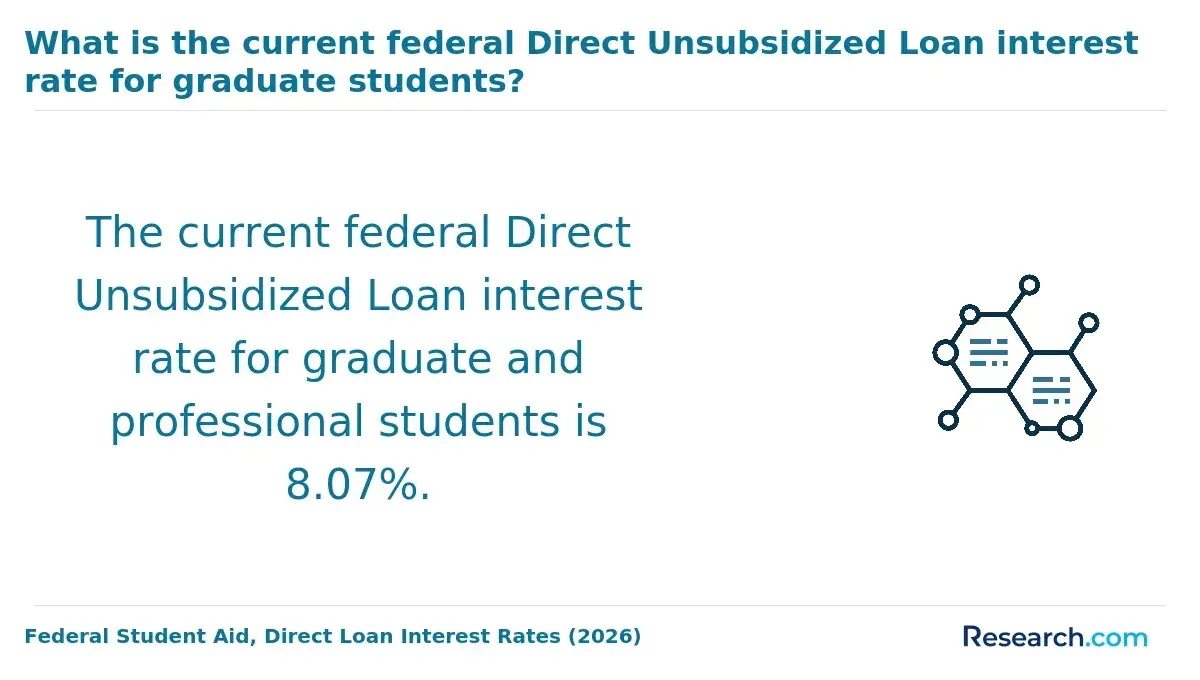
Employer assistance, scholarships, and federal aid may change what you pay, but eligibility and award amounts vary. Review paying for graduate data science study before accepting a financing plan, and verify current terms with the school and aid provider. Avoid justifying a large loan with an occupational median salary: that figure does not predict your first offer, a raise, or the degree's return on investment.
How Should Technical Writers Evaluate Data Science Program Accreditation?
Check the institution's recognized institutional accreditation and confirm that it applies to the university awarding the degree. Use the institution's published accreditation information and verify it through the U.S. Department of Education's or the Council for Higher Education Accreditation's accreditation resources. Do not assume that a prominent university name, an online platform, or a program ranking establishes the status of a particular credential.
Next, confirm which academic unit grants the degree and whether the online program has the same credential described in the catalog. Accreditation establishes an important baseline; it does not tell you whether the curriculum fits a career transition. Separately verify that the school can enroll students in your state, particularly if you expect to move during the program. Ask the institution directly about any enrollment restrictions before paying an application deposit.
What Data Science Careers Can Technical Writers Pursue After Graduation?
The most realistic first move depends on your new technical skills, prior domain knowledge, and opportunities to gain analytical experience - not simply on the master's credential. The table distinguishes adjacent roles by their core work so you can select projects and courses that match a destination.
| Possible role | Core work | Where writing experience may help |
| Data or product analyst | Investigating metrics and explaining patterns | Framing questions and presenting findings to product teams |
| Analytics-focused data scientist | Using statistical methods to test ideas and support decisions | Communicating assumptions, results, and limitations |
| Machine learning-focused data scientist | Developing and evaluating predictive models | Documenting model behavior, alongside substantial new coding and modeling skills |
A writer with healthcare technology experience might preserve valuable domain knowledge while moving toward analytical or AI-related work. If that is your aim, compare AI graduate degrees for health technology roles with broader data science options, paying close attention to privacy-sensitive data practices and the actual projects available. A degree title alone does not establish preparation for a regulated setting.
Before enrolling, search openings for your intended role and note whether they request a master's degree, particular methods, or demonstrated work experience. If accessible internal projects can supply the missing evidence, a degree may be optional; if the gaps are broad and technical, structured graduate study may be more useful.
What Salary and Job Outlook Can Data Science Graduates Expect?
The U.S. Bureau of Labor Statistics reports that data scientists had a median annual wage of $120,230 in May 2025. That is a measure for employed people across the occupation, not a graduate placement result or a forecast for a technical writer's first data science role. Pay can differ by experience, employer, location, and the work performed.
BLS projects 35% employment growth for data scientists from 2025 to 2035. Growth indicates a favorable occupation-wide outlook, but it does not measure how readily a career changer will qualify for a particular opening.
Evaluate a program's published outcomes cautiously: check which graduates responded, their prior experience, the roles reported, and whether salary figures describe pay levels or actual increases. If those details are not published, ask the program rather than treating the occupation-wide median as its outcome.
Do Data Scientists Need Certifications or Professional Licenses?
Data scientist is not generally a state-licensed occupation in the United States. Employers may value a particular technology certification, but requirements vary by role and organization; a certificate does not replace the ability to analyze data and defend your methods.
For a technical writer changing careers, prioritize demonstrable work over collecting credentials without a target. A certification may be worthwhile when job postings repeatedly name a platform you expect to use. If the role involves a regulated industry, check the employer's data-access, privacy, and professional requirements separately; those obligations should not be mistaken for a universal data scientist license.
Other Things You Should Know About Data Science
That depends on the course and institution. Check the academic integrity policy for each assignment, disclose permitted assistance, and make sure you can explain and verify any code or analysis you submit.
Only with appropriate permission and safeguards. Ask both your employer and program about confidentiality, approved storage, publication, and whether a synthetic or public dataset would be safer.
U.S. government open-data portals and public research datasets can provide starting points. Choose data with clear documentation and usage terms, then describe its missing values and limitations rather than treating it as automatically reliable.
Not necessarily. Doctoral admissions expectations vary, and evidence of research ability may matter more than whether your master's was labeled course-based. If a PhD is a serious possibility, ask prospective doctoral programs what research experience they expect.
References
- UC Berkeley iSchool Online Master's in Data Science (MIDS) https://ischoolonline.berkeley.edu/data-science/
- What Does a Data Scientist Do? Tasks, Skills & Career Paths | Syracuse University https://ischool.syracuse.edu/what-does-a-data-scientist-do/
- What Can I Do With a Degree in Data Science? Career Paths & Skills | Harvard SEAS https://seas.harvard.edu/news/what-can-i-do-degree-data-science-career-paths-skills
- A Guide to Choosing Between Data Science vs. Data Analytics | UCLA MSOL Data Science https://www.msol.ucla.edu/data-science-engineering/articles/demystifying-data-guide-choosing-between-data-science-vs-data-analytics/
- Master of Data Science | pitt.edu https://www.sci.pitt.edu/academics/masters-degrees/data-science
- The Promise of Portfolios: Training Modern Data Scientists | Harvard Data Science Review https://hdsr.mitpress.mit.edu/pub/pm67plq9
- 2026 UNC Online Master of Applied Data Science (MADS) https://online.unc.edu/online-masters-programs/masters-data-science/
- Global demand for data science professionals: What's going on? | Uncover IE https://www.ie.edu/uncover-ie/demand-for-data-science-professionals-master-in-business-analytics-and-data-science/


