
2027 Online Clinical Nurse Specialist Doctorate Programs with Rolling Admissions: Deadlines, Start Dates, and Application Tips

Co-Founder and Chief Data Scientist
Choosing an online Clinical Nurse Specialist doctorate with rolling admissions is really a timing decision: when to apply, when to start, and whether the program fits your licensure and career goals. The stakes are high because the U.S. Bureau of Labor Statistics projects nurse anesthetist, nurse midwife, and nurse practitioner employment to grow 40% from 2023 to 2033, reflecting strong demand for advanced nursing expertise.
This guide helps working nurses understand rolling admissions, compare start dates, avoid deadline mistakes, and build a practical application plan.
Key Things You Should Know
- Rolling admissions usually means applications are reviewed as they become complete, but programs may still have priority deadlines, cohort caps, financial aid dates, and final cutoffs for each term.
- For most working nurses, applying 8 to 12 weeks before the preferred start date is safer. Applicants needing transcript evaluations, licensure verification, clinical placement approval, or employer tuition benefits may need 4 to 6 months.
- The best start date is not always the earliest one. Fall often has the broadest course sequencing, spring may reduce waiting time, and summer can work well for students who want a lighter transition into doctoral study.
How Does Rolling Admission Work for Online Clinical Nurse Specialist Doctorate Programs?
Rolling admission means a school reviews applications during an open window instead of waiting until one fixed deadline. For online Clinical Nurse Specialist doctorate programs, this often supports multiple entry points, such as fall, spring, and sometimes summer. However, "rolling" does not mean "unlimited." A cohort can close once seats, clinical faculty capacity, or specialty placements are full.
A Clinical Nurse Specialist, or CNS, is an advanced practice registered nurse focused on improving patient outcomes, nursing practice, systems of care, quality improvement, and evidence-based clinical leadership.
Doctorate options are commonly Doctor of Nursing Practice programs, including post-MSN DNP tracks for practicing CNSs and BSN-to-DNP tracks for nurses seeking advanced practice preparation.
The table below compares rolling admission with fixed-deadline admission so applicants can understand the practical trade-offs before choosing a program calendar.
| Admissions model | How applications are reviewed | Typical advantage | Typical limitation | Best fit |
| Rolling admission | Reviewed as files become complete during an open cycle | More flexibility and faster decisions in many cases | Seats, specialty tracks, and scholarships may run out before the final date | Working nurses who need flexible timing but can apply early |
| Priority rolling admission | Reviewed continuously, with stronger consideration before a priority date | Balances flexibility with earlier access to funding and course planning | Late applicants may face fewer options | Applicants seeking financial aid, employer reimbursement, or competitive specialties |
| Fixed-deadline admission | Reviewed after a single deadline or set review date | All applicants are compared at the same time | Less flexible if the deadline is missed | Students who want a structured cycle or are applying to highly selective cohorts |
For online CNS doctorate applicants, rolling admission is most useful when the school is transparent about review dates, remaining seats, start terms, clinical expectations, and state authorization. If the program only says "applications accepted year-round" without explaining start dates or review timing, ask admissions for the actual review schedule.
When Are the Best Start Dates for Online Clinical Nurse Specialist Doctorate Programs?
The best start date depends on course sequencing, work schedule, clinical readiness, financial aid timing, and personal capacity. Online doctoral nursing programs may be asynchronous or partially synchronous, but clinical hours, intensives, immersion experiences, and project milestones still follow a structured academic calendar.
The table below summarizes common start terms and the decision factors that matter most for online CNS doctorate students.
| Start term | Common advantages | Potential drawbacks | Often best for |
| Fall | Broadest course availability, smoother sequencing, and stronger alignment with academic-year aid | More applicants may target this term | Students who want the most traditional progression and time to prepare |
| Spring | Shorter wait if fall deadlines were missed and often manageable for working nurses | Some courses may be out of sequence or delayed until fall | Applicants with complete materials who do not want to wait a full year |
| Summer | Can be a lighter entry point for orientation, theory, informatics, or project planning courses | Compressed terms may feel intense; clinical availability can vary | Students who want to begin gradually or use slower work periods for school |
| Multiple short sessions | More flexibility and faster enrollment opportunities | Less time for aid processing, onboarding, and clinical planning | Experienced online learners with organized documents and employer support |
Fall is often the safest default because it may offer the cleanest course sequence, but it is not automatically the best choice. A spring or summer start can be smarter if it allows you to begin while your motivation, work schedule, and family support are aligned. The key is to confirm whether the CNS specialty courses begin every term or only once per academic year.
How Do Rolling Admissions Affect Application Deadlines for Online Clinical Nurse Specialist Doctorates?
Rolling admissions change how deadlines behave. Instead of one date controlling the whole cycle, applicants may need to track several dates: priority review, final application submission, transcript receipt, financial aid, scholarship consideration, enrollment deposit, orientation, and term registration.
These are the deadline types most likely to affect an online CNS doctorate applicant, even when a school advertises rolling admission.
- Priority deadline: The date by which applicants may receive the best consideration for seats, specialty placement, scholarships, or earlier advising.
- Final application deadline: The last date a program will accept a completed file for a specific start term.
- Document deadline: The date by which official transcripts, recommendations, licensure documentation, and test scores, if required, must be received.
- Financial aid or scholarship deadline: A separate date that can arrive before the final admissions cutoff.
- Enrollment confirmation deadline: The date by which admitted students must accept the offer, submit deposits if required, and complete onboarding tasks.
A common mistake is assuming that submitting an application form is the same as completing an application. Most nursing doctoral programs do not review the file until all required materials arrive. If recommendations or transcripts are late, a "rolling" application can still miss the intended start term.
Most applicants should begin the process at least 8 to 12 weeks before the preferred start date. That window gives enough time to collect official transcripts, request recommendations, revise a professional statement, verify RN or APRN licensure, and respond if the school asks for missing materials.
A longer timeline is better when the applicant is changing specialties, applying to a BSN-to-DNP pathway, seeking clinical placement approval, using employer tuition reimbursement, or applying across state lines. Use the sequence below to work backward from the desired start term.
- Identify the preferred start date and ask whether CNS specialty courses are available in that term.
- Confirm whether applications are reviewed continuously, in batches, or only after priority dates.
- Request official transcripts early because processing can take longer when multiple schools are involved.
- Choose recommenders who can speak to advanced nursing judgment, clinical leadership, quality improvement, or graduate-level readiness.
- Draft a statement that connects your CNS population focus, doctoral goals, and practice improvement interests.
- Check whether financial aid, scholarships, employer benefits, or military benefits have earlier deadlines than admission.
- Submit before the priority date whenever possible, not merely before the final cutoff.
Applying early can improve access to advising, course registration, and planning time, but it does not guarantee admission. A strong, complete application is still more valuable than a rushed early submission with weak recommendations or an unclear goal statement.
Admissions requirements vary by school, doctorate type, and CNS track. A post-MSN DNP for certified CNSs may focus heavily on graduate clinical background and project readiness, while a BSN-to-DNP CNS pathway may evaluate undergraduate performance, RN experience, prerequisite readiness, and advanced practice fit.
Applicants comparing CNS doctorate options may also compare adjacent APRN routes, including online nurse practitioner programs, but the admissions review should always be tied to the exact role and population focus the student wants. CNS programs emphasize systems leadership, clinical expertise, and evidence-based practice in addition to direct or indirect care.
The table below outlines common requirements and why they matter in rolling-admission review.
| Requirement | Why it matters | What to verify |
| Active RN license | Confirms legal eligibility for graduate nursing study and clinical practice activities | Whether the license must be unrestricted and valid in the state where clinical hours occur |
| BSN, MSN, or related graduate nursing degree | Determines entry pathway and expected program length | Whether the program is BSN-to-DNP, post-MSN DNP, or post-graduate certificate plus DNP |
| Minimum GPA | Signals readiness for doctoral coursework | Whether the school evaluates cumulative, nursing, or graduate GPA |
| Advanced practice or clinical experience | Supports specialty fit and doctoral project readiness | Whether CNS certification or APRN experience is required for post-MSN entry |
| Recommendations | Helps reviewers assess leadership, clinical judgment, and graduate potential | Whether recommenders must be supervisors, faculty, APRNs, or doctoral-prepared nurses |
| Goal statement or essay | Shows whether the applicant understands the CNS role and has a realistic doctoral focus | Whether the essay should address population focus, quality improvement, or career goals |
| Interview | May clarify fit, communication skills, and readiness for online doctoral work | Whether interviews are required for all applicants or only selected files |
| Accreditation and state authorization fit | Affects licensure, certification eligibility, and clinical placement approval | Whether the program is accredited by a recognized nursing accreditor and authorized for the student's state |
The most important admissions factor is usually fit: the applicant's background, career goal, population focus, and doctoral interests should align with the program's CNS preparation. A high GPA alone will not compensate for choosing a track that does not support the student's intended licensure or practice role.
A strong application makes it easy for reviewers to see that the applicant understands the CNS role, can succeed online, and is ready for doctoral-level practice change. This matters even more in rolling admissions because schools may make decisions while the cycle is still unfolding rather than waiting to compare every applicant at once.
Applicants who are still deciding between CNS and nurse practitioner pathways may want to review broader guidance on how to become a nurse practitioner before committing to a doctorate track. CNS preparation is distinct because it often focuses on improving care delivery, clinical systems, nursing practice, and outcomes across a population or specialty area.
Use the following strategies to make the application stronger without rushing the process.
- Connect your goals to the CNS role: Explain why you want CNS preparation specifically, not just an advanced nursing doctorate.
- Show evidence of leadership: Include examples such as precepting, protocol development, quality improvement, committee work, education initiatives, or clinical practice change.
- Choose aligned recommenders: Ask people who can describe your clinical judgment, accountability, communication, and readiness for doctoral study.
- Prepare a focused project idea: You do not need a finished DNP project, but you should be able to discuss a realistic practice problem or patient outcome issue.
- Demonstrate online readiness: Mention experience with asynchronous learning, telehealth, informatics tools, remote collaboration, or self-directed professional development if relevant.
- Address weaknesses directly: If your GPA, employment gap, or specialty shift needs context, explain what changed and what evidence shows readiness now.
Red flags include vague essays, recommenders who barely know the applicant's clinical work, unclear licensure plans, and choosing a program only because it has frequent start dates. Convenience matters, but it should not outweigh accreditation, state authorization, faculty expertise, and specialty fit.
Employer Confidence in Online vs. In-Person Degree Skills, Global 2024

Rolling admissions can help students start sooner, but financial aid does not always move at the same speed. Admissions, FAFSA processing, institutional scholarships, employer tuition assistance, and registration deadlines may operate on separate calendars.
For federal aid planning, graduate and professional students may be eligible for up to $20,500 per academic year in Direct Unsubsidized Loans before considering Grad PLUS Loans or other funding. This matters because a spring or summer start can change how aid is packaged across the academic year and how much funding remains for later terms.
Before choosing a start date, confirm the funding timeline using these questions.
- Does the program have a scholarship priority deadline that is earlier than the admissions deadline?
- Will starting in spring or summer reduce access to institutional grants, assistantships, or cohort-based awards?
- How is tuition billed: per credit, per term, or by program phase?
- Are clinical fees, residency travel, technology fees, certification review costs, or background checks billed separately?
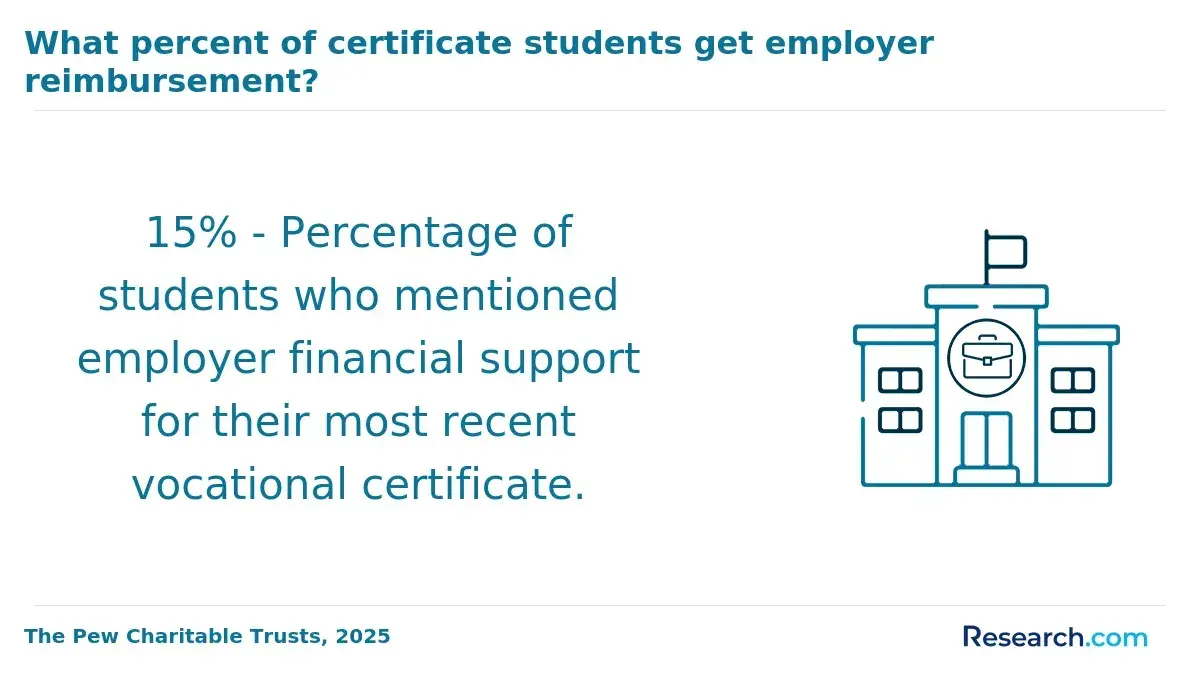
- Does employer tuition reimbursement require preapproval before the term begins?
- Will part-time enrollment affect loan eligibility, deferment, or employer benefits?
The biggest financial mistake is waiting until admission to think about aid. A student can be academically admitted but still unable to enroll comfortably if funding, payment plans, or employer approvals are not ready before registration.
Rolling admissions can make enrollment feel more flexible, but program availability is still limited by course sequencing, faculty workload, clinical placement capacity, residency schedules, and specialty demand.
In online nursing doctorates, the bottleneck is often not the application portal; it is whether the program can support students in the required clinical or immersion experiences for that term.
The table below shows the enrollment factors that may vary by start date and why applicants should verify them before accepting an offer.
| Availability factor | Why it can vary | Potential effect on students |
| Cohort seats | Programs may cap enrollment to maintain advising and faculty support | Late applicants may be moved to a later term |
| CNS specialty courses | Some specialty courses are offered once per year | A student may start general DNP courses but wait for CNS-specific coursework |
| Clinical or practicum support | Placements depend on state rules, site agreements, and preceptor availability | Progression may slow if placement approval is delayed |
| Residency or immersion dates | Online programs may require virtual or campus-based intensives | Students may need travel planning or schedule adjustments |
| Faculty advising | DNP projects require supervision and topic alignment | Students may have fewer project advisor options in a full cohort |
Applicants should ask whether the school admits directly into the CNS track or first admits students into a general DNP pathway. They should also ask whether every admitted student can progress on the advertised timeline if they start in a non-fall term.
Rolling admissions are especially useful for nurses whose timelines are shaped by shift work, family responsibilities, relocation, military service, employer tuition benefits, or certification goals. They are less useful when a student needs a highly predictable cohort experience, maximum scholarship consideration, or extensive time to arrange clinical support.
Career timing also matters. The Bureau of Labor Statistics reported a May 2024 median annual wage of $129,210 for nurse practitioners, while CNS roles are not separately tracked in the same federal category.
That means applicants should be careful when comparing salary data across advanced practice roles; specialty, employer, region, credentials, and responsibilities can affect compensation.
Students comparing advanced practice career paths may also review role-specific salary resources, such as psychiatric nurse practitioner salary data, but CNS decisions should be based on the work the nurse wants to do. A CNS doctorate may be the better fit for nurses drawn to clinical systems improvement, population outcomes, staff education, evidence implementation, and specialty leadership.
Rolling admissions tend to fit these timelines well.
- The working nurse who wants a near-term start: A spring or summer entry can reduce waiting time if the application is already strong and funding is ready.
- The nurse planning around employer benefits: Multiple start dates can help align enrollment with tuition reimbursement cycles.
- The nurse changing roles or specialties: A later start may provide time to shadow CNSs, clarify population focus, and strengthen the essay.
- The nurse with family or relocation constraints: Flexible entry points can support a more realistic academic load.
- The nurse seeking maximum funding options: Applying for the fall cycle by priority deadlines may be better than rushing into the next available term.
Students should avoid choosing the earliest date just because it is open. The better question is whether the start date supports strong academic performance, manageable work-life balance, and timely completion of clinical and project requirements.
How Should Students Choose and Apply to Online Clinical Nurse Specialist Doctorate Programs With Rolling Admissions?
The best online CNS doctorate program with rolling admissions is not simply the one that can admit you fastest. It is the one that matches your licensure needs, specialty goals, clinical support expectations, budget, and preferred pace. For many applicants, the right choice balances flexibility with strong student support.
If you are comparing CNS programs with other advanced online nursing specialties, resources on the best PMHNP programs online can also help you think critically about clinical placement transparency, online support, and specialty alignment. The same logic applies to CNS doctorates: admissions convenience should be only one part of the decision.
Use this practical process to choose and apply with less risk.
- Confirm the program's nursing accreditation, institutional accreditation, state authorization, and whether the CNS track supports your intended state and population focus.
- Ask admissions whether rolling review is truly continuous or whether applications are reviewed in scheduled batches.
- Request the actual deadline chart for each start term, including priority, final, document, deposit, orientation, and registration dates.
- Verify whether CNS specialty courses, clinical experiences, and DNP project milestones are available for your preferred start term.
- Compare total cost, not just tuition, including fees, residency travel, background checks, clinical documentation systems, and certification-related expenses.
- Ask how clinical placements are handled and whether the school assists with site agreements or expects students to identify sites independently.
- Speak with an advisor about part-time and full-time pacing, leave policies, transfer credits, and what happens if work obligations interrupt progression.
- Submit a complete application before the priority deadline whenever possible, then monitor the portal until every document is marked received.
Rolling admissions can be a major advantage for motivated nurses, but the strongest decision is based on verified details. Before committing, ask the school to confirm the current start date, remaining seat availability, funding deadlines, clinical expectations, and whether your state is approved for enrollment and practice experiences.
Other Things You Should Know About Clinical Nurse Specialist Programs
No. A Clinical Nurse Specialist is an advanced practice registered nurse role in many states, while a Clinical Nurse Leader is a master's-prepared nursing leadership role focused on care coordination and outcomes at the microsystem level. Scope, certification, and licensure expectations differ.
Not always. Requirements vary by state, employer, and certification pathway. Some CNSs enter practice with a graduate degree, while many schools now offer DNP pathways because doctoral preparation is increasingly common for advanced nursing leadership and practice roles.
Coursework may be online, but most programs still include clinical hours, practicum experiences, project work, simulations, virtual intensives, or occasional campus visits. Always verify in-person requirements before enrolling.
CNS focus areas may include adult-gerontology, pediatrics, neonatal care, psychiatric-mental health, acute care, population health, or specialty clinical practice areas. Availability depends on the school and on certification or state recognition rules.
- Applicant Newsletter - April 2026 https://nursingcas.org/career-insights/newsletters/applicant-newsletter-april-2026
- Doctor of Nursing Practice, Clinical Nurse Specialist https://www.pointloma.edu/graduate-studies/programs/doctor-nursing-practice-clinical-nurse-specialist
- Top Online Clinical Nurse Specialist Programs (CNS Rankings) https://www.npschools.com/rankings/all-online-cns-programs
- Clinical Nurse Specialist Online Degrees: Guide to Top Schools https://www.edumed.org/online-schools/nursing-rn-programs/clinical-nurse-specialist/
- 6 Steps to Become a Clinical Nurse Specialist (CNS) https://nursinglicensemap.com/advanced-practice-nursing/clinical-nurse-specialist-cns/
- Rolling Admissions Explained: How It Works and When You Should Apply https://riseglobaleducation.com/blogs/rolling-admissions-explained-how-it-works-and-when-you-should-apply
- Rolling Admissions Guide: What, When, Why? https://www.ivywise.com/blog/what-does-rolling-admissions-mean/
- The Best Value DNP Degree Programs for 2025 https://www.doctorofnursingpracticednp.org/the-best-value-dnp-degree-programs/
- Grad schools that offer online nursing programs | NursingEducation https://nursingeducation.org/blog/grad-schools-that-offer-online-nursing-programs/


