2027 Online Business Management Associate Degree Programs That Do Not Require SAT or ACT Scores

Co-Founder and Chief Data Scientist
Many applicants are choosing business programs before they have strong standardized test scores, and colleges have adjusted. Common App reported that fewer than half of applicants submitted SAT or ACT scores in a recent application cycle, showing how normal no-score applications have become. This guide is for high school students, recent graduates, working adults, and transfer-minded learners considering online Business Management associate degrees without SAT or ACT requirements. You will learn how test-optional and test-free admission works, which program features matter, and how to apply confidently with transcripts, placement results, experience, or college-ready coursework instead.
Key Things to Know About Business Management Associate Degrees Without Testing Requirements
- Test-optional means SAT/ACT scores are not required but may be submitted; test-free means the college does not use them for admission, which is especially common at open-admission community colleges and adult-focused online schools.
- NCES reported in its 2024 education indicators that more than half of U.S. undergraduates took at least one distance education course in fall 2022, so online associate programs are now a mainstream route rather than a backup option.
- College Board's 2024 pricing data put average published in-district tuition and fees at public two-year colleges at about $4,050 for 2024-25, making many online associate programs lower-cost entry points into business education before a bachelor's transfer.
Are test-optional or test-free programs common for online Business Management associate degrees?
Test-optional and test-free admission policies are common for online Business Management associate degrees, especially at community colleges, public two-year colleges, and adult-serving universities. At the associate level, colleges usually care more about whether you completed high school or earned a GED, whether you can be placed into the right math and English courses, and whether you are likely to persist in an online format.
A Business Management associate degree is typically a 60-credit undergraduate credential that introduces accounting, marketing, management, business law, economics, communication, and spreadsheet or information systems skills. Some programs are designed for immediate employment in entry-level business support or supervisory roles, while others are built as transfer pathways into an online business degree at the bachelor's level.
The trend is partly driven by holistic admissions and partly by the mission of two-year colleges. A standardized test score is rarely the best predictor of whether an associate-level learner can complete online discussion posts, introductory accounting assignments, business writing tasks, and general education courses. Schools still assess readiness, but they often do it through transcripts, placement tools, prerequisite checks, or advising instead of SAT or ACT scores.
The main difference is how much flexibility you have after admission. Open-admission and test-free colleges may admit you quickly but place you into developmental or co-requisite support courses if your transcript shows weak math or writing preparation. More selective test-optional colleges may not require scores, but they may still expect a stronger GPA, a clean transcript, or evidence that you can succeed in college-level work.
| Admission policy | How SAT/ACT scores are treated | What usually matters instead | Best fit |
| Test-optional | You can apply without scores, but strong scores may still help if submitted. | High school transcript, GPA, coursework, essay, recommendations, or placement results. | Applicants whose grades are stronger than their test scores. |
| Test-free | Scores are not used in the admission decision. | Completion of high school or GED, identity verification, placement, and advising. | Students who never tested or do not want scores considered at all. |
| Open admission | SAT/ACT scores are generally unnecessary for admission, though placement may still be required. | Proof of high school completion, residency, program prerequisites, and course placement. | Students seeking the fastest route into an associate program. |
| Selective no-score admission | Scores are waived or optional, but the college still reviews academic readiness. | GPA, course rigor, writing sample, college credits, or work history. | Students who want a more structured online program with additional screening. |
What are the best online Business Management associate programs without testing requirements?
The best no-SAT/ACT online Business Management associate program is the one that is accredited, affordable, properly matched to your transfer or career goal, and transparent about placement requirements. Because admissions policies can change by applicant type, confirm directly with the school before applying, especially if you are a first-time college student rather than an adult learner or transfer applicant.
The following examples represent common types of online associate-level business programs where SAT or ACT scores are generally not central to admission. Use them as a shortlist framework, not as a substitute for checking the current catalog and admissions page.
| School or provider type | Example program direction | Testing posture | Why it may work for no-score applicants | Important caution |
| Southern New Hampshire University | Online associate in business administration | SAT/ACT scores are generally not required for undergraduate admission. | Designed for online adult and first-time learners with a straightforward admissions process. | Compare total cost, transfer goals, and course sequencing before enrolling. |
| American Public University System | Online associate in management or business-related pathway | Standardized tests are generally not required for undergraduate admission. | Flexible monthly starts can help working adults begin without waiting for a traditional semester. | Make sure the concentration aligns with your intended bachelor's transfer plan. |
| Franklin University | Online associate in business administration or related business pathway | Adult-focused admission usually does not depend on SAT/ACT scores. | Often attractive for students planning to stack credits toward a bachelor's degree. | Ask how associate credits apply to your intended upper-division major. |
| Regionally accredited community colleges | Online AA, AS, AAS, or transfer business administration programs | Most use open admission or placement-based entry rather than SAT/ACT screening. | Often lower-cost and transfer-friendly within the state public system. | Residency rules can affect tuition, and not every business course is fully online every term. |
| University of the People | Online associate in business administration | No SAT/ACT requirement is typical. | May appeal to students seeking a low-cost, fully online model. | Review accreditation type, transfer acceptance, and employer recognition for your goals. |
When comparing programs, separate "best overall" from "best for you." A student planning to transfer to a public university may benefit most from a local community college with an articulation agreement. A working adult who needs frequent start dates may prefer an adult-serving university. A student interested in operations or team leadership may also compare a business management associate degree with a project management degree online if the long-term goal is coordinating budgets, timelines, and teams.
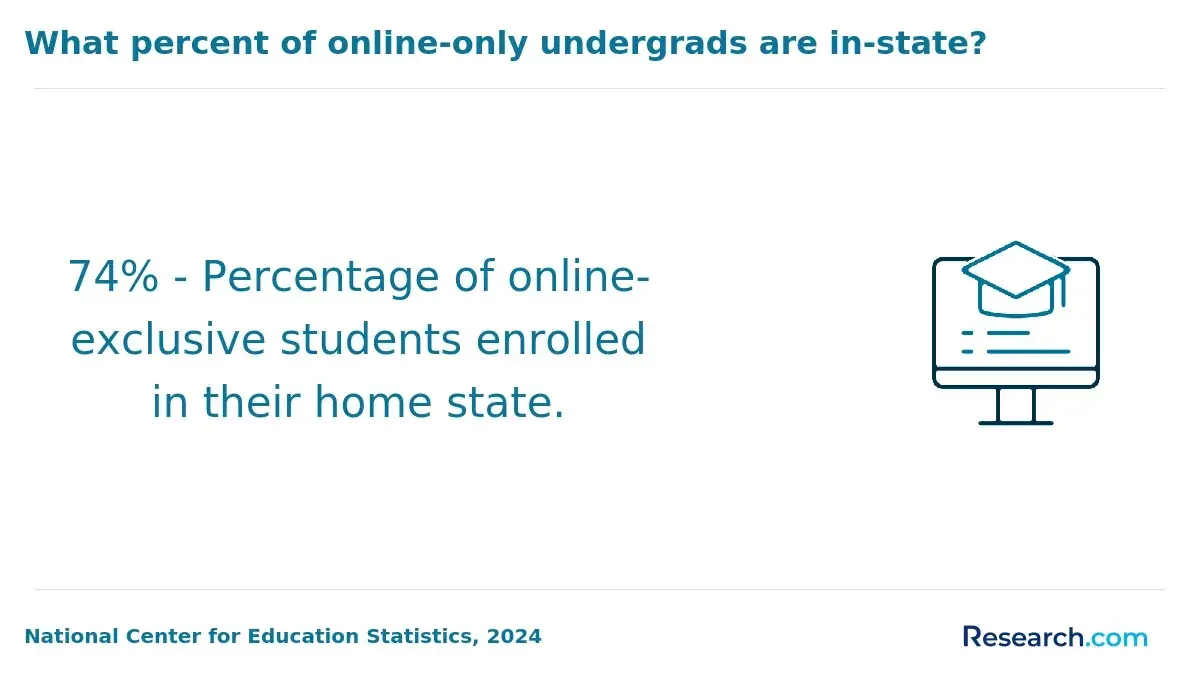
How do colleges handle no-test-score admission for Business Management associate programs?
Colleges that admit Business Management associate students without SAT or ACT scores still evaluate whether students are ready for college-level work. The process is usually less intimidating than a selective bachelor's admission review, but it is not always automatic.
Most schools use a combination of academic documents and placement tools. The exact requirements vary, but no-score applicants are commonly asked for the following materials so the college can place them correctly and verify eligibility for financial aid.
- Official high school transcript, GED, HiSET, TASC, or homeschool completion documentation.
- Prior college transcripts if the applicant has attempted dual enrollment, community college, military training, or another undergraduate program.
- Placement information for writing, reading, and math, which may come from high school grades, prior college credits, GPA, or a placement assessment.
- Proof of identity, residency, immunization records where required, and financial aid documentation such as the FAFSA.
- Program-specific prerequisites if the associate degree includes accounting, statistics, business analytics, or technical business software courses.
Some colleges also use guided self-placement, where students review sample assignments and choose an English or math starting level with advisor support. This can be helpful if you did reasonably well in high school but do not have test scores that show it. However, it also places responsibility on you to choose honestly; starting too high can lead to early course withdrawals, while starting too low can cost time and tuition.
One common mistake is assuming that "no SAT/ACT required" means "no academic review." It usually means the school will look at different evidence. If your transcript has weak grades in algebra, English, or economics-related courses, talk to an admissions or academic advisor before enrolling full time.
| Application evidence | What it tells the college | How it affects the student |
| High school transcript | Whether the applicant completed required coursework and showed consistent academic effort. | May support direct placement into college-level English or math. |
| GED or equivalent | Whether the applicant meets high school completion standards. | Usually satisfies the basic admission requirement. |
| Prior college credits | Whether the applicant has already demonstrated college readiness. | May reduce placement testing and shorten time to degree. |
| Placement assessment | Current skill level in math, reading, or writing. | May determine whether support courses are required. |
| Work or military experience | Professional maturity, communication skills, and exposure to business operations. | May strengthen advising conversations or credit-for-prior-learning reviews. |
Yes, placement tests can be used instead of SAT or ACT scores, but they serve a different purpose. SAT and ACT scores are traditionally admissions tools, while placement tests are used after or during admission to decide which math, English, or reading course you should take first.
For Business Management associate students, placement matters because the curriculum usually includes quantitative and communication-heavy courses. Accounting, business math, economics, spreadsheets, and written business communication can become difficult if a student is placed too far above their current skill level.
Placement assessments may include ACCUPLACER, ALEKS, college-created writing prompts, math diagnostics, or guided self-placement surveys. Some colleges waive placement tests if your high school GPA, prior college coursework, or AP/dual enrollment credits already show readiness. Others require placement for all students who do not have recent evidence of college-level math or English.
You should not view placement as a penalty. A support course or co-requisite lab can be useful if you have been away from school, struggled in algebra, or feel unsure about academic writing. The trade-off is time and cost: remedial or support coursework may delay graduation if it does not count fully toward the 60-credit degree.
| Placement option | Common use | Potential advantage | Potential drawback |
| ACCUPLACER or similar assessment | Reading, writing, and math placement. | Gives recent evidence if your transcript is old or uneven. | A weak test day can place you below your actual ability. |
| High school GPA placement | Course placement based on academic record. | Avoids extra testing for students with solid grades. | May not reflect current skills if you graduated years ago. |
| Prior college coursework | Placement waiver or transfer credit. | Can speed up enrollment and reduce duplicate coursework. | Credits may be denied if the school, grade, or course level does not match. |
| Guided self-placement | Student chooses level with advisor guidance. | Encourages realistic course selection. | Requires honest self-assessment and careful advising. |
If you are deciding whether to retake the SAT or ACT, ask whether the school would use the score for anything meaningful. For many online associate programs, time is better spent refreshing math, practicing academic writing, collecting transcripts, and completing placement preparation than sitting for a college entrance exam that is not required.
Work experience usually cannot replace proof of high school completion, but it can strengthen your application, improve advising, and sometimes help you earn credit for prior learning. This is especially relevant for adult learners who have supervised staff, handled inventory, used accounting software, managed customer service, or coordinated schedules before applying to a Business Management associate program.
Colleges separate admission from credit evaluation. Admission determines whether you can enter the institution. Credit for prior learning determines whether your professional experience can count toward elective or program requirements. Some schools evaluate portfolios, industry certifications, military transcripts, corporate training, or standardized exams such as CLEP, but policies vary widely.
Work experience can be most useful when it shows readiness for business coursework. For example, a retail shift lead may already understand staffing, customer complaints, point-of-sale systems, and basic performance metrics. A student in that situation may not need SAT or ACT scores to demonstrate motivation, but they still need to be ready for written assignments, spreadsheets, and quantitative reasoning.
Use work experience strategically rather than casually. The most helpful documentation is specific and verifiable, especially if you are asking about credit or advanced placement.
- Prepare a resume that lists job titles, dates, responsibilities, promotions, software tools, and supervisory duties.
- Collect training records, certificates, military transcripts, union apprenticeship documentation, or employer-issued learning records.
- Ask whether the college has a prior learning assessment policy before enrolling, not after you have already paid for similar courses.
- Clarify whether experience can reduce credits, satisfy electives, waive prerequisites, or simply support academic advising.
If your experience is in coordinating tasks, schedules, budgets, or teams, you may also want to compare a Business Management associate pathway with a project management degree later on. The associate degree can provide general business foundations, while project management training may become more relevant as your responsibilities become more specialized.
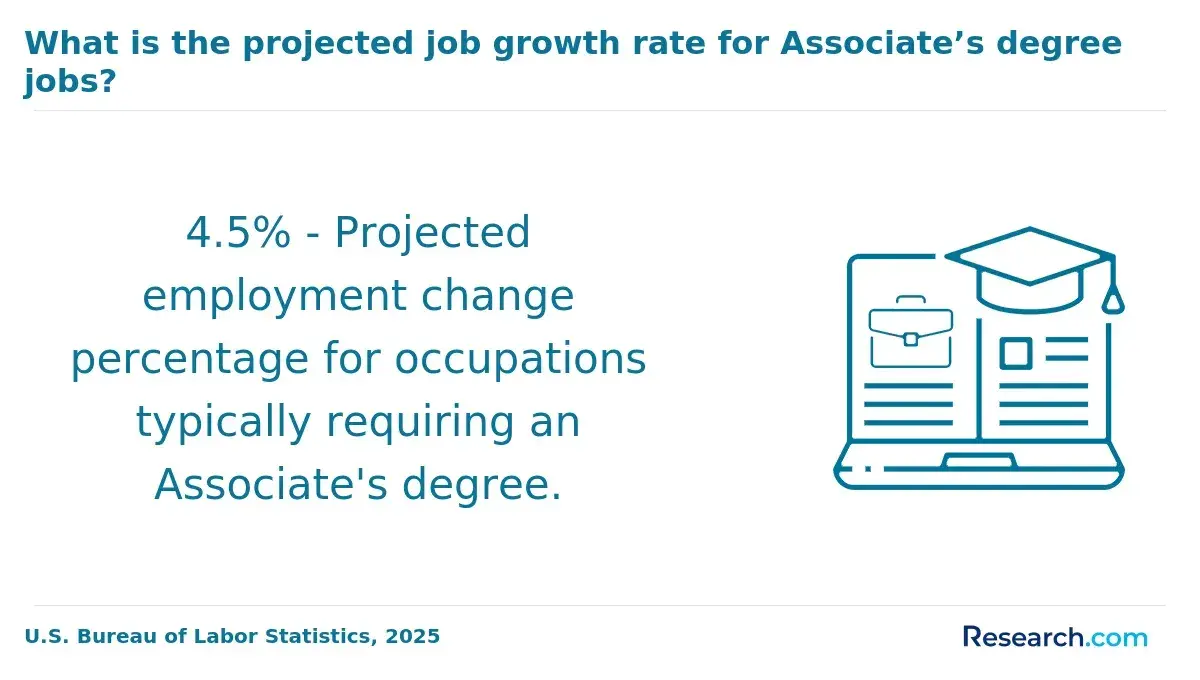
Some test-optional Business Management associate programs have a minimum GPA, but many open-admission colleges do not use a competitive GPA cutoff for general admission. Instead, GPA may affect placement, scholarship eligibility, honors options, selective program entry, or whether an advisor recommends starting with a lighter course load.
For recent high school graduates, GPA often becomes more important when SAT or ACT scores are absent. A steady transcript with passing grades in English, math, and social science can reassure a college that you are ready for introductory business courses. A low or inconsistent GPA does not necessarily block admission at many associate-granting institutions, but it can signal that you should strengthen your foundation before taking a full online schedule.
College Board's 2024 pricing data shows that public two-year colleges remain among the lowest published-tuition options in U.S. higher education. That matters for GPA-sensitive applicants because a community college may let you begin affordably, rebuild your academic record, and transfer later rather than paying more for a program where you are not yet prepared to succeed.
| Academic profile | What it may mean in no-score admission | Smart next move |
| Strong GPA with no SAT/ACT scores | The transcript may be enough for admission and college-level placement. | Apply directly and ask about honors, scholarships, or transfer pathways. |
| Average GPA with uneven math grades | Admission may be likely, but math placement could require support. | Review algebra, business math, or quantitative reasoning before placement. |
| Low GPA but completed high school | Open-admission options may still be available. | Consider part-time enrollment and academic support in the first term. |
| Older transcript from several years ago | The school may rely more on placement or prior college/work history. | Gather work documentation and prepare for placement assessments. |
| GED or equivalent credential | Usually satisfies the basic high school completion requirement. | Ask whether placement is required before registering for classes. |
Do not apply to the most convenient program without considering your academic starting point. Online courses require self-direction, and business classes often include deadlines, group work, spreadsheet assignments, and written case analyses. If your GPA reflects missed assignments or weak study habits, fixing those habits before enrollment can matter more than any test score.
Most test-optional online Business Management associate programs do not require a formal admissions interview. Interviews are more common in selective bachelor's programs, graduate programs, honors pathways, scholarship competitions, or programs with limited seats. At the associate level, advising appointments are much more common than evaluative interviews.
An advising call can still be important. It helps the school understand your goals, explain placement, recommend the first term schedule, and clarify whether the program is intended for transfer or workforce preparation. Treat this conversation seriously even if it is not a pass-or-fail interview.
You may encounter an interview or structured conversation in a few situations. Knowing which type you are facing can reduce anxiety and help you prepare appropriately.
| Conversation type | Is it usually required? | Main purpose | How to interpret it |
| Admissions interview | Uncommon for associate business programs. | Evaluate fit or clarify unusual application details. | Prepare as you would for a professional conversation. |
| Academic advising appointment | Common, especially after admission. | Select courses and review placement. | Use it to avoid registering for the wrong level or sequence. |
| Financial aid counseling | Sometimes required for aid recipients. | Explain borrowing, grants, satisfactory academic progress, and costs. | Pay attention to repayment and completion rules. |
| Prior learning assessment meeting | Only if you request experience-based credit. | Review work, military, or training documentation. | Bring evidence, not just job descriptions. |
If you do have an interview, expect practical questions rather than trick questions. You may be asked why you want business management, how you plan to study online, whether you have reliable technology, and what support you need. A clear answer that connects your goal to the program is usually more useful than trying to sound impressive.
Start by confirming that the program is truly test-optional or test-free for your applicant type. Some colleges waive SAT/ACT scores only for adult learners, transfer students, or applicants above a certain GPA, while first-time students may face different documentation or placement rules.
The strongest programs are not simply the easiest to enter. They should be accredited, transparent about costs, supportive of online learners, and aligned with your next step after the associate degree. If your goal is to finish quickly, ask about transfer credits and term length; if your goal is a bachelor's degree, ask about articulation agreements; if your goal is employment, ask how the curriculum maps to real business tasks.
Use these criteria to compare programs before submitting applications. They help you avoid choosing based only on a brand name, ranking, or the promise of a fast start.
- Confirm institutional accreditation through an accreditor recognized by the U.S. Department of Education or CHEA, and check whether credits are commonly accepted by your intended transfer schools.
- Review the curriculum for accounting, management, marketing, business communication, spreadsheets, economics, and applied business projects.
- Compare total cost, not just tuition, including fees, books, technology charges, proctoring costs, residency rules, and transfer-credit limits.
- Ask whether courses are asynchronous, synchronous, accelerated, self-paced, or cohort-based so the format matches your schedule and learning style.
- Check support services such as online tutoring, career coaching, transfer advising, library access, writing help, and disability accommodations.
- Look for clear policies on placement, developmental coursework, withdrawal, satisfactory academic progress, and academic probation.
Red flags include vague accreditation claims, pressure to enroll before you understand costs, unclear transfer policies, and promises that a degree will automatically lead to a specific job or salary. The median annual wage for business and financial operations occupations was reported by the Bureau of Labor Statistics at $80,920 in May 2024, but many of those roles require experience, a bachelor's degree, or specialized skills. Use wage data as context, not as a guarantee for an associate graduate.
If speed is a priority, compare whether an accelerated business degree online pathway makes more sense after or instead of a traditional associate sequence. Accelerated formats can save time for prepared students, but they can be difficult if you are also rebuilding academic skills without SAT or ACT scores.
Application deadlines for test-optional online Business Management associate programs vary widely. Many community colleges and adult-focused online universities use rolling admission, while others follow semester, quarter, or session-based calendars. The more flexible the start dates, the more important it is to check financial aid, placement, and course registration deadlines separately.
NCES's 2024 reporting on distance education shows that online learning is now part of mainstream undergraduate enrollment. That growth has encouraged many institutions to offer multiple start dates, but it has also made planning more complex because admission, advising, payment, and course access may each have different cutoffs.
The table below summarizes common deadline models. Use it to identify how much lead time you need before the term you want to start.
| Deadline model | Common at | What it means for applicants | Planning risk |
| Rolling admission | Community colleges and adult-focused online schools. | Applications are reviewed as they arrive until registration closes. | Popular online sections may fill before you complete placement. |
| Monthly or multiple annual starts | Online universities with accelerated terms. | You may begin in the next available session after admission and advising. | Financial aid and transcript evaluation may not finish in time for the earliest start. |
| Semester deadlines | Public colleges and transfer-oriented programs. | Fall, spring, and summer starts follow more traditional calendars. | Missing the priority date can delay aid, registration, or course access. |
| Priority financial aid deadlines | Nearly all aid-participating colleges. | FAFSA and institutional forms may be due before classes begin. | Late aid processing can create payment holds. |
| Late registration or add/drop deadlines | Most institutions. | You may still enroll close to the start date, but course choice is limited. | Starting late can make online coursework harder to manage. |
Do not wait until the published application deadline to start. No-test applicants often need extra time to request transcripts, complete placement, resolve residency documents, and understand whether support courses affect their graduation timeline. A practical target is to begin the process at least several weeks before your preferred start date, or earlier if you need financial aid or transfer-credit evaluation.
How can you prepare to apply for Business Management associate programs if you don't have SAT/ACT scores?
Applying without SAT or ACT scores is manageable if you replace the missing score with stronger evidence of readiness. The goal is not to apologize for the absence of scores; it is to show the college that you can begin at the right level, use online learning tools, and complete business coursework consistently.
Use the following steps to prepare a cleaner application and a stronger first term. This sequence is especially helpful if you are a recent high school graduate, a GED holder, or an adult returning to school after several years away.
- Make a list of programs and mark each one as test-optional, test-free, open admission, or unclear based on its current admissions page.
- Email or call admissions to confirm whether SAT/ACT scores are required for your exact applicant category, including first-time, transfer, adult, homeschool, GED, or out-of-state status.
- Request official transcripts early, including high school, GED documentation, dual enrollment, military, and any prior college records.
- Review math and writing before placement, especially if the program requires accounting, business math, economics, or statistics.
- Prepare a simple resume if you have work, volunteer, military, family business, or leadership experience that relates to business management.
- Ask about transfer agreements, credit for prior learning, and whether developmental or support courses count toward the degree.
- Build a first-term schedule that matches your life, starting part time if you work full time, have caregiving duties, or are unsure about online learning.
Before submitting applications, check for gaps that could slow admission or make the first term harder than expected. This self-assessment can help you decide whether to apply now or strengthen your preparation first.
| Readiness sign | Apply now if | Pause and prepare if |
| Transcript access | You can request official records quickly. | Your school records are missing, delayed, or under a different name. |
| Math readiness | You are comfortable with algebra basics, percentages, and spreadsheet-style calculations. | You have not taken math recently and feel unprepared for placement. |
| Writing readiness | You can write organized paragraphs and respond to readings. | You struggle with grammar, citations, or completing written assignments on deadline. |
| Technology access | You have a reliable computer, internet, webcam if needed, and quiet study time. | You plan to rely only on a phone or unstable internet connection. |
| Goal clarity | You know whether you want employment, transfer, promotion, or entrepreneurship skills. | You are choosing business only because it seems broad but have not compared pathways. |
Avoid the mistake of applying to too many programs without understanding their differences. Two or three well-researched applications are usually more useful than a long list of schools with unclear costs, transfer rules, or placement requirements. If your transcript is weak, consider starting with an open-admission college that has strong tutoring and advising rather than a faster program with limited support.
Other Things You Should Know About Business Management
No. Your diploma and transcript typically show the institution, degree, major or program, and completed coursework. They do not state whether you submitted standardized test scores during admission.
Yes, but transfer depends on accreditation, course equivalency, grades, and the receiving school's policies. If transfer is your goal, choose an associate program with clear articulation agreements and ask which credits apply to the bachelor's major.
Employers usually focus on accreditation, relevant skills, work experience, and whether you can perform the role. The online format and test-optional admission pathway are usually less important than the quality of the school and your ability to show business, communication, and technology skills.
Submit scores only if the college says they may improve admission, placement, scholarships, or advising and if the scores strengthen your profile. If your transcript is stronger than your scores, applying without them may be the better choice.
- Find Test-Optional Colleges — No SAT/ACT Requirement https://www.accreditedschoolsonline.org/online-colleges/no-sat-or-act/
- Business Management Associate Degree | Northcentral Technical College https://www.ntc.edu/academics-training/programs/all/associate-degree/business-management
- 2025 Most Affordable Online Associate Degrees in Business https://www.onlineu.com/most-affordable-colleges/business-associate-degrees
- Colleges that Allow Self-Reporting of SAT and ACT Scores https://www.compassprep.com/self-reporting-test-scores/
- Top 75 Great Value Colleges for an Online Associate in Business Administration https://www.greatvaluecolleges.net/rankings/online-associates-business-administration-degree/
- 25 Best Business Schools For Undergraduates (2025 Edition) https://empowerly.com/grade-levels/undergraduate/best-business-schools-for-undergraduates/