2027 Online BS in Business Administration vs. an Employer's Internal Management Training Program: Which Route Fits Your Career Plan?
Audited and Verified:
Our Editorial and Data Verification Process
Research.com uses government datasets, official education statistics and primary institutional information to support its career and degree guides. Our review process checks factual accuracy, occupational definitions, source dates and the requirements associated with the credentials discussed.
How This Article Was Fact-Checked
Our editorial team verifies salary estimates, employment projections, education requirements and program information against original data providers and official organizations. Salary figures are checked against the relevant occupational definitions and reporting periods. Information about licensure, accreditation and required in-person training is reviewed separately.
Fact-checked and verified on:

Co-Founder and Chief Data Scientist
Your employer's management program may be the fastest way to prepare for a promotion. An online BS in Business Administration may open opportunities that extend beyond your current workplace - but it demands more time and money. If you are an experienced employee considering both routes, the useful comparison is not "training versus education" in the abstract. It is which option closes the gap between your current responsibilities and the role you want next. This guide compares their credentials, learning, costs, and career uses so you can choose a route - or combine them - with a clear purpose.
Key Things You Should Know
- Choose internal training when it is tied to a defined promotion process and you already meet the target job's education requirements; choose the BS when a bachelor's requirement or a move between employers is the main obstacle.
- Neither route makes you a manager automatically. Compare the target job's requirements with your documented experience in supervising work, managing budgets, improving operations, and communicating decisions.
- Compare the degree's remaining credits and net cost with the training program's eligibility, schedule, and promotion record. Occupation-wide management salaries are not a reliable estimate of your personal return.
What is the difference between an online business administration degree and employer management training?
An online BS in Business Administration is an undergraduate degree awarded by a college after students complete its general education, business, and graduation requirements. Employer management training is designed around an organization's practices and roles; it may involve workshops, mentoring, rotations, or supervised assignments. Completion usually produces an internal record or certificate, not a bachelor's degree.
The distinction matters most when you change employers. A degree remains an academic credential you can list on future applications. Internal training may still be valuable elsewhere, but you must explain what you learned and accomplished because another employer may not recognize the program name. Conversely, a degree teaches broader business concepts but may not teach your employer's systems or qualify you for its promotion process. If your goal is specifically organizational leadership rather than broad business study, compare the curriculum and remaining requirements of undergraduate leadership programs with shorter timelines before committing to a BS in Business Administration.
Which career goals are better suited to a business administration degree or internal training?
Start with a job description for the role you want, then separate its education requirements from the responsibilities you have already performed. An internal program is often the more direct route when you want to supervise a team at your current employer, meet its degree requirements already, and can confirm that the program feeds into an actual selection process. Ask who nominates participants, how graduates are considered for openings, and whether completion changes eligibility - not whether it promises promotion.
A BS is more compelling when jobs you want require a bachelor's degree, you expect to move between employers or industries, or you need broader grounding in finance, operations, marketing, and analytics. It can complement substantial work experience, but it does not replace evidence that you can lead people or own results. If your target is specifically supply chain work, compare a broad business core with low-cost shorter supply chain degree options; a specialized curriculum may address that goal more directly.
For some employees, the best answer is both: take available internal training for near-term responsibility while completing a degree at a sustainable pace for roles that require it. If neither a degree requirement nor a clear skill gap stands between you and the next role, seek a stretch assignment or mentorship before paying for another credential.
Is an online business administration degree worth it for management careers?
It may be worth it when the degree removes a documented hiring barrier or develops skills you cannot readily build at work. It is harder to justify solely on the expectation of a raise. Management hiring typically depends on the position, industry, and evidence of responsibility; earning a BS does not make someone eligible for every management opening.
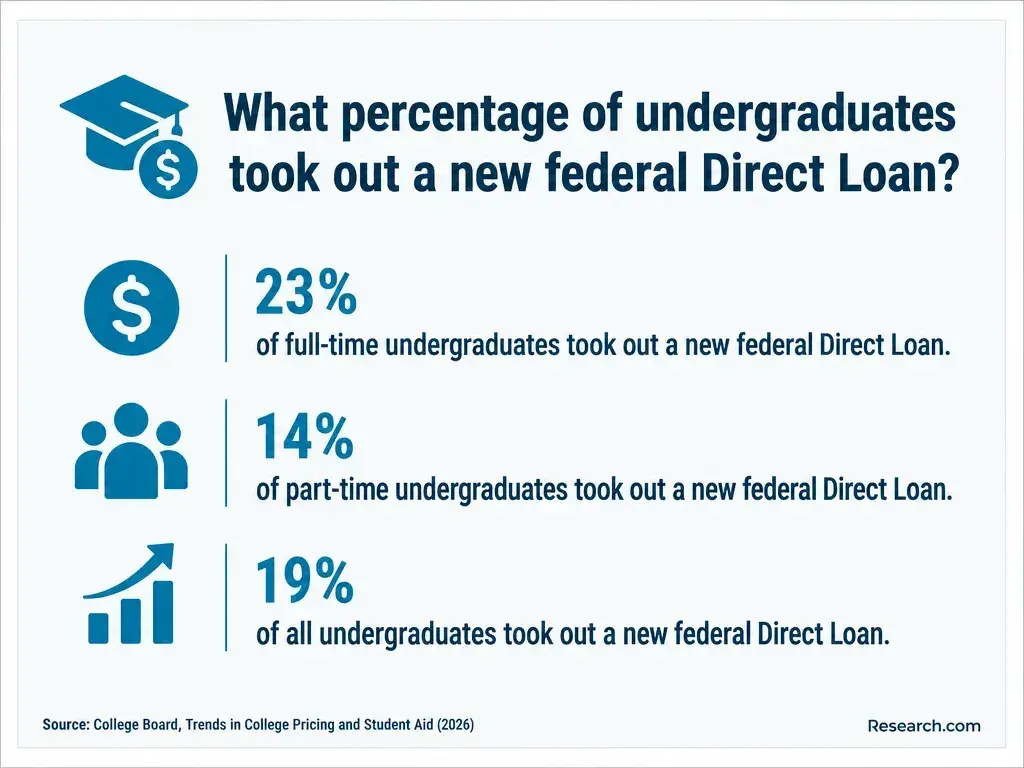
Make the comparison against a specific next job. Check whether its posting requires a bachelor's degree, prefers one, or accepts equivalent experience. Then estimate what you would still pay after grants and confirmed employer assistance, how long completion would take, and which work or family commitments would be displaced. Compare those findings with the internal program's cost to you and its actual route into consideration for openings. Budget-friendly online business schools can provide starting points, but a low advertised tuition rate does not establish your total cost or prove that your credits will apply.
The credential's usefulness depends on the institution, curriculum, and evidence of learning - not simply whether classes meet online or on campus. Online study can remove a commute and make it easier to remain employed. Campus study may offer more convenient face-to-face interaction or local recruiting, depending on the school. Neither format guarantees flexible scheduling or stronger employer connections.
Check the obligations behind each format: live class times, weekly deadlines, group meetings, proctored exams, presentations, and any campus or internship requirements. Ask when required courses are offered and what happens if your work schedule changes. A national guide to ranked online business colleges can help you identify programs to investigate, but your decision should rest on the current catalog and answers from the program - not a ranking alone.
A BS in Business Administration commonly combines general education with accounting, economics, finance, marketing, management, operations, and quantitative coursework. Programs may also offer electives or an official concentration. Course titles alone do not reveal depth: compare assignments and prerequisites if your goal is to analyze budgets, lead process improvements, or move into a particular business function.
For an aspiring manager, the strongest course-to-work connection is an opportunity to apply concepts and explain a decision: for example, evaluating an operating process or presenting a budget recommendation. Ask whether a capstone permits a current-workplace project and what faculty approval and employer permission it requires. If project coordination is your specific target, compare the business core with project management undergraduate transfer pathways; introductory project coursework does not itself establish professional project-management credentials.
Verify that the institution holds recognized institutional accreditation and that it applies to the school awarding your degree. This is an essential check for academic credibility and can affect federal student-aid eligibility and future credit evaluation, though another college still decides whether to accept specific credits.
Some business schools or programs also hold accreditation from AACSB, ACBSP, or IACBE. Those are distinct from institutional accreditation; check the accreditor's directory for its exact scope rather than assuming every degree at the school is covered. Accreditation does not establish that a program fits your schedule or leads to promotion. When comparing low-cost business administration degrees with federal aid options, verify both accreditation status and your own aid eligibility with the institution.
Requirements vary by institution and by whether you apply as a first-year or transfer student. Schools commonly request prior academic records; a program may also set GPA, prerequisite, or business-major admission rules. Your management experience can strengthen the case for studying business, but it does not automatically satisfy academic requirements.
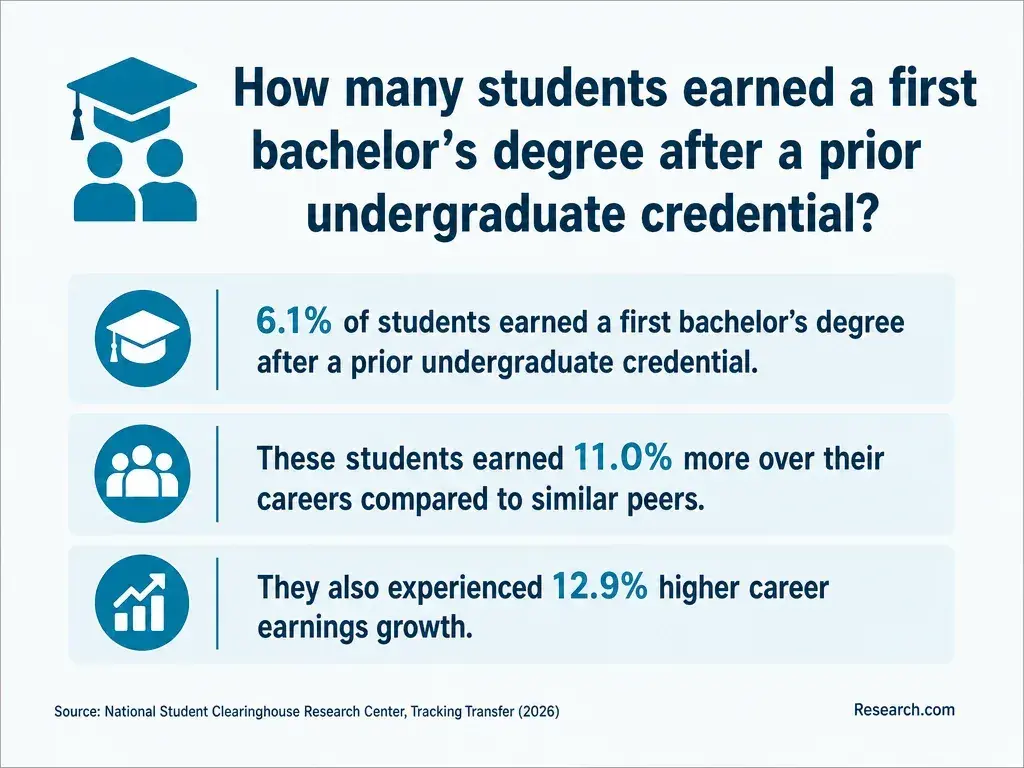
If you have college credit, request an evaluation showing not just what the school accepts, but what applies to general education, the business core, electives, and required credits earned at that institution. That distinction determines your realistic completion plan. When reviewing ranked online business bachelor's completion routes, ask an adviser for a degree audit based on your transcripts before relying on an advertised timeline.
Completion time depends on credits that apply to the degree, required-course availability, and how many courses you can finish while working. An accelerated calendar does not necessarily reduce the coursework. Before choosing among shorter pathways to an online business degree, check whether the pace leaves room for your job, assignments, and any live or group commitments.
For a useful cost comparison, request a written estimate of remaining required courses and add tuition, mandatory fees, books or software, and any proctoring or travel expenses. Then account separately for grants, loans, and confirmed employer benefits. Ask when reimbursement is paid, what grades or employment period it requires, and whether leaving the company triggers repayment. Internal training may have no tuition charge, but it can still demand substantial work time or limit participation to employees selected for advancement.
A BS can support applications across business functions, but the appropriate entry point depends on your existing work. Someone who already coordinates staff and processes may be competitive for a supervisory opening; someone entering a new function may need to begin in a coordinator or specialist role. The following US Bureau of Labor Statistics figures describe entire occupations, not salaries promised to business administration graduates.
| Occupation | May 2025 median annual pay | Projected US employment growth, 2025-2035 |
| Human resources specialist | $75,940 | 6% |
| Project management specialist | $102,320 | 7% |
These roles illustrate different skill demands: HR specialists handle functions such as recruiting or employee records, while project management specialists coordinate schedules, resources, and deliverables. The medians include experienced workers across employers and locations. Use job postings to identify the tasks and experience required for your target role, not these figures as an expected starting salary. If HR is your goal and you have previous college study, compare credit acceptance at online HR schools against a broader business degree before choosing a route.
Do business administration careers require licenses or professional certifications?
General business and many management roles do not have a single license conferred by a BS. Particular activities can have separate rules: CPA licensure, for example, is governed by state requirements, and certain financial-services work requires specific licenses. Voluntary HR or project-management certifications have their own eligibility and assessment rules. Neither an employer training certificate nor a business degree should be treated as a substitute without checking the relevant authority.
Before pursuing a credential, read requirements for the exact work you want to do. If a job requires a bachelor's degree rather than a professional certification, bachelor's programs for faster completion may be worth comparing - but confirm how your prior credits apply and whether the pace is workable. If the job instead requires supervised experience or a license, plan for that requirement directly.
Other Things You Should Know About Business Administration
Possibly, if a college offers an applicable prior-learning assessment and approves your documented training. Ask the college what evidence it requires and which degree requirement, if any, an award would satisfy.
Use the program's accurate name and completion status, then describe relevant supervised responsibilities or results you can substantiate. Do not present an internal certificate as an academic degree.
Keep permitted records of completed modules and assignments, and ask how the change affects your promotion eligibility. You can still use documented skills in future applications, but unfinished training may not carry an external credential.
Only with the necessary employer permission. Remove confidential, personal, and proprietary information, and follow any school rules if you also submit the work for academic assessment.
- Employment Tests and Selection Procedures | U.S. Equal Employment Opportunity Commission https://www.eeoc.gov/laws/guidance/employment-tests-and-selection-procedures
- TEN_25-19.pdf | dol.gov https://www.dol.gov/node/161262
- General Schedule Qualification Policies | U.S. Office of Personnel Management https://www.opm.gov/policy-data-oversight/classification-qualifications/general-schedule-qualification-policies/
- Skills Gaps: A Review of Underlying Concepts and Evidence | congress.gov https://www.congress.gov/crs-product/R47059
- AB 692: How California's Law Limiting "Stay-or-Pay" Agreements Affects Public Entities | prismrisk.gov https://www.prismrisk.gov/about-prism/blog/ab-692-how-californias-law-limiting-stay-or-pay-agreements-affects-public-entities/
- Online vs Traditional Business Admin Degrees: What's Best? | UAGC https://www.uagc.edu/blog/online-vs-traditional-business-administration-degrees-whats-best-you
- Accreditation Process | AACSB https://www.aacsb.edu/educators/accreditation/accreditation-process
- Pay-As-You-Go College: Monthly Tuition Plans for 2026 | Newlane University https://newlane.edu/pay-as-you-go-college/
- Types of Business Degrees: Your Complete Guide | UWA Online https://online.uwa.edu/news/types-business-degrees/
- Could You Earn a Fast, Online Bachelor's Degree in 12 Months? | University of Wisconsin Flexible Option https://flex.wisconsin.edu/stories-news/earn-fast-online-bachelors-degree-in-12-months/