2027 Online BS in Business Administration vs. an AAS in Business Management: Which Route Fits Your Career Plan?
Audited and Verified:
Our Editorial and Data Verification Process
Research.com uses government datasets, official education statistics and primary institutional information to support its career and degree guides. Our review process checks factual accuracy, occupational definitions, source dates and the requirements associated with the credentials discussed.
How This Article Was Fact-Checked
Our editorial team verifies salary estimates, employment projections, education requirements and program information against original data providers and official organizations. Salary figures are checked against the relevant occupational definitions and reporting periods. Information about licensure, accreditation and required in-person training is reviewed separately.
Fact-checked and verified on:

Co-Founder and Chief Data Scientist
An AAS in Business Management can help you build workplace skills sooner, while an online BS in Business Administration may better serve jobs that require a bachelor's degree. The choice matters most if you are balancing tuition and work against a longer-term career goal - or hoping to start with an AAS and finish a BS later. This guide compares what each credential teaches, what it may cost, where it can lead, and the transfer questions to settle before you enroll.
Key Things You Should Know
- Choose the AAS for a shorter, applied route: Programs commonly require about 60 semester credits, but their courses may not all satisfy a later bachelor's degree.
- Choose the online BS when your target jobs require a bachelor's: Programs commonly require about 120 semester credits in total; prior college credit may reduce what remains.
- Check the job, not just the degree title: The May 2025 median wage for human resources specialists was $75,940, but that occupation-wide figure is not a starting salary or an outcome promised by either program.
What is the difference between an online BS in Business Administration and an AAS in Business Management?
An Associate of Applied Science (AAS) in Business Management is usually designed around practical preparation for work. An online Bachelor of Science (BS) in Business Administration is a broader undergraduate degree, typically combining general education, business foundations, upper-level coursework, and electives or an available concentration. "Online" describes delivery, not a different academic degree level.
This comparison shows the usual distinction, not a promise about every school's curriculum or transfer policy.
| Decision factor | AAS in Business Management | Online BS in Business Administration |
| Primary aim | Applied preparation for business support and operations work | Broader business preparation and eligibility for more bachelor's-required roles |
| Typical scope | About 60 semester credits, with program-specific general education | About 120 semester credits total, including upper-level requirements |
| Credential awarded | Associate degree | Bachelor's degree |
| Main uncertainty | How applied courses will count toward a later BS | How many prior credits will apply and which requirements remain |
A BS in Business Administration is not interchangeable with every BBA or specialized business degree: requirements differ by institution. If your goal is specifically HR, for example, compare the general business curriculum with a dedicated HR pathway rather than relying on degree titles alone. You can also compare leading American online business degree schools as a starting point for checking actual curricula.
Which degree offers better career opportunities and advancement potential?
The BS generally offers broader access to jobs that specify a bachelor's degree; the AAS offers a shorter route into business work. Neither credential automatically leads to management. Employers also assess relevant experience, software skills, judgment, and results.
If you want to enter administrative operations, sales support, or a small-business office soon, the AAS may let you begin gaining experience while spending less time in school. If postings for your intended HR, marketing, analyst, or corporate operations roles consistently require a bachelor's, the BS is likely the more direct qualification. An experienced employee may find that the degree removes an advancement barrier; someone changing functions may still need projects, internships, or an entry-level role to demonstrate fit.
Specialization can change the calculation. A student aiming specifically for logistics may want to compare a general BS with shorter bachelor's pathways in supply chain management, checking whether the specialized courses and proposed schedule serve that goal. "Shorter" should be judged against your own accepted credits and course availability, not a published best-case timeline.
How do online bachelor's and AAS business programs compare in cost and time?
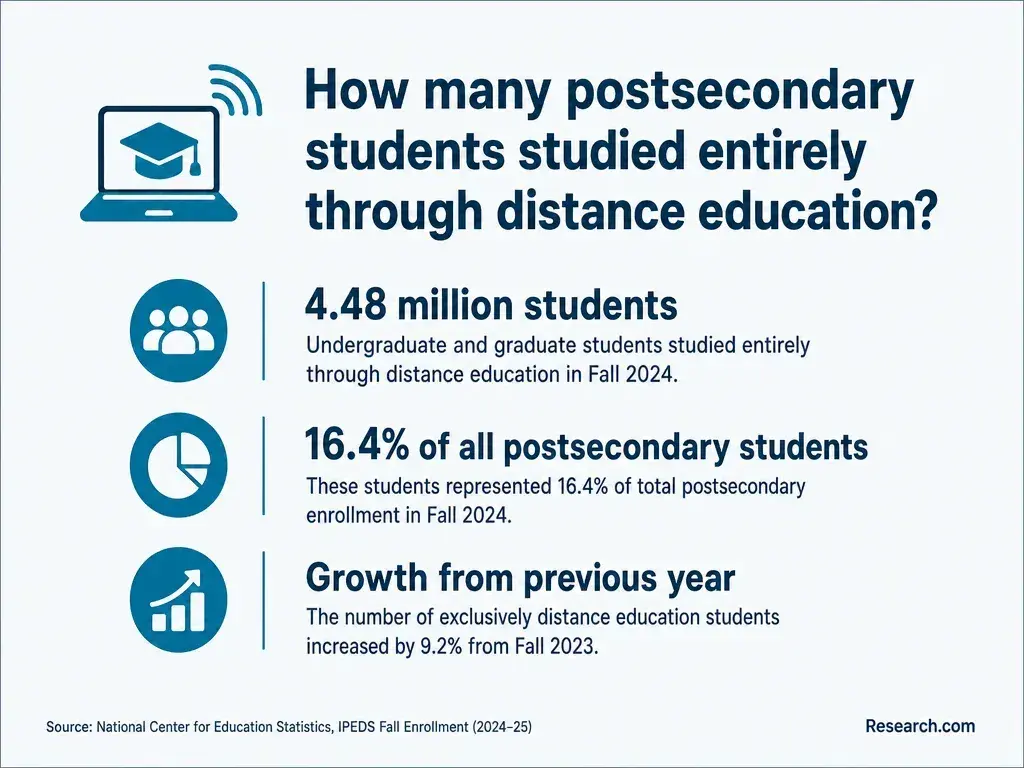
An AAS usually has fewer required credits and can therefore be the less expensive first credential. But fewer credits do not establish a lower final cost if you later pursue a BS and must repeat or replace courses. Conversely, an online BS may cost less than expected if substantial prior credit applies. Part-time study, required course sequencing, and employer reimbursement can change both timelines.
Compare costs using the same starting point. Ask each school for tuition and mandatory fees on your expected remaining credits, then account for books, software, proctoring, possible campus travel, and borrowing costs. For an AAS-to-BS plan, request a bachelor's degree audit before assuming that completing the associate degree saves time. Economical college choices for business administration majors can help generate candidates, but your personal total depends on the school's evaluation and aid offer.
When comparing offers, distinguish the amount due each term from the eventual total. Grants and employer benefits may lower your net cost, while delayed reimbursement may still require you to pay tuition upfront.
Both pathways may teach accounting, marketing, management, business communication, and spreadsheet use. An AAS often emphasizes applying these skills in office procedures, customer service, supervision support, or small-business operations. A BS typically adds a wider general education foundation and more advanced work in finance, economics, statistics or analytics, operations, organizational behavior, and strategy.
Look beyond course names to the assignments. A spreadsheet course might teach basic reports; a later analytics course might require interpreting uncertain data for a business decision. Neither course alone proves professional expertise. If you have a defined function in mind, check whether the BS offers an official concentration and whether its courses add meaningful depth without extending graduation. For a logistics goal, comparing a general business plan with budget-friendly supply chain degrees with shorter schedules may reveal a more focused option.
AAS applicants commonly need a secondary-school credential or accepted equivalent and must meet the college's placement and enrollment policies. A bachelor's applicant may enter as a first-year student or transfer student; a school may separately set requirements for admission to its business major. Prior college transcripts, GPA rules, and prerequisites vary.
If you already hold an AAS, do not confuse admission with credit applicability. A university might admit you while applying some earlier classes only as electives. Request the current admissions requirements and a transfer evaluation from each prospective school. If application charges are a constraint, you can reduce upfront college application expenses while still comparing academic fit and total cost.
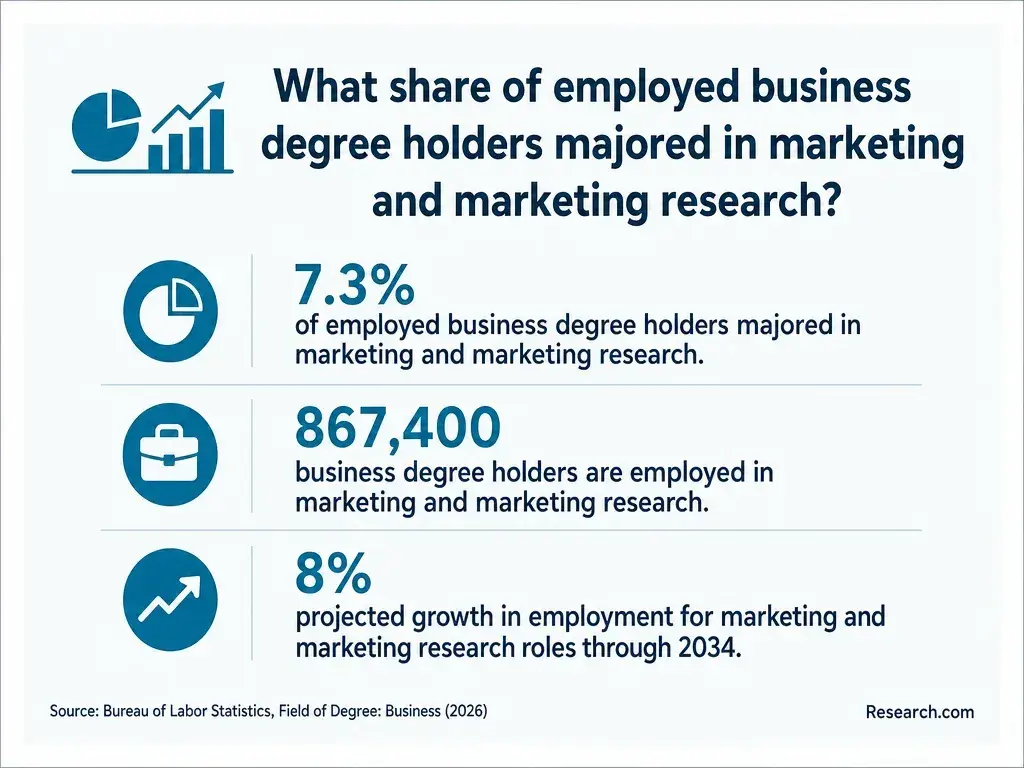
Online delivery can eliminate a commute and make location less important, but it does not necessarily mean self-paced study. Courses may have weekly deadlines, scheduled meetings, group presentations, proctored exams, or a required internship. Campus programs may make in-person collaboration and local recruiting easier, though travel and fixed class times can be harder to manage alongside work.
Before choosing a format, ask for a sample course schedule and the rules for attendance, exams, group work, accessibility support, and any campus visits. If speed matters, examine shorter pathways to an online business degree against your actual work hours and prerequisites. An accelerated calendar compresses assignments; it does not necessarily reduce required coursework or tuition.
Often, yes - but acceptance of a course is not the same as satisfying a BS requirement. An AAS may include applied courses with no direct match in the bachelor's business core. Credits could count toward general education or electives, while accounting, statistics, or other prerequisites remain. The receiving university has final authority over its evaluation.
For a reliable completion plan, obtain written evaluations for the specific BS programs you are considering. The sequence below separates a preliminary credit estimate from a usable graduation plan.
- Send official transcripts and ask the transfer office which credits are accepted.
- Ask a business adviser for a degree audit showing where each accepted credit applies and which courses remain.
- Confirm prerequisite sequencing, upper-level or residency requirements, course availability, and the likely enrollment schedule.
- If a relevant course was assigned only elective credit, ask about the school's documented equivalency or appeal process before enrolling.
Transfer arrangements can be especially useful when they explicitly cover your intended major. For an HR-focused alternative, review colleges accepting credits toward human resources study, then obtain an individual evaluation; a school's willingness to accept transfers does not guarantee that your AAS courses meet HR major requirements.
An AAS can support applications for roles such as administrative coordinator, customer service supervisor-in-training, sales support specialist, or office operations assistant, depending on experience and local hiring requirements. A BS can broaden eligibility for roles such as HR specialist, marketing coordinator, procurement staff member, or project coordinator. Titles vary, and a specialist or manager job may require function-specific experience beyond either degree.
For salary context, the U.S. Bureau of Labor Statistics reports a May 2025 median annual wage of $75,940 for human resources specialists. That is an occupation-wide midpoint - not an AAS or BS graduate salary, an entry-level offer, or evidence that a general business degree alone qualifies someone for HR work. When reviewing postings, compare their stated education requirements with the tasks you can already demonstrate, such as recordkeeping, communication, spreadsheet analysis, or process coordination.
If HR is your target, understanding human resources degree levels can help you judge whether general business study, an HR-focused bachelor's, or later training fits the role you want.
No general license is required simply to hold an AAS in Business Management or a BS in Business Administration. A particular job may have separate rules: public accounting licensure, for example, depends on state requirements, not merely on completing a general business degree. Employers may value voluntary HR, project management, or software credentials, but each has its own eligibility rules and costs.
Choose additional credentials only after checking job postings and the issuing organization's requirements. If money is limited, prioritize the qualification your target job actually requires. Financial aid planning for low-cost business administration degrees may be more useful than paying immediately for an optional certificate; confirm aid eligibility and the school's charges rather than assuming aid will cover every expense.
How can you choose an accredited and reputable business program?
Start by verifying the institution's accreditation through the accreditor and confirming that it applies to the school offering your degree. AACSB, ACBSP, and IACBE accreditation concerns business education at a defined scope; it should not be assumed to cover a particular program without checking. Accreditation is an important quality and eligibility check, not proof of a job outcome or a generous transfer evaluation.
Then compare the exact degree awarded, required courses, online attendance rules, total remaining cost, transfer audit, advising, career support, and published outcomes. Ask how a school defines and measures any completion or employment figure it advertises. You can use colleges offering economical online business study to build a shortlist, then verify current policies directly with each institution.
Pick the AAS if near-term applied learning and earlier entry to work matter most, especially if you are comfortable treating a later BS as a separate decision. Pick the online BS if your target jobs call for a bachelor's and its remaining requirements are manageable. If you want both, get the receiving university's degree audit before committing to an AAS-to-BS route.
Other Things You Should Know About Business Administration
Yes. A degree is not generally required to start a business, though your industry or location may impose licensing, registration, or other rules. Targeted accounting or marketing training may be more useful than a full degree for a specific immediate need.
That depends on the institution. Ask the registrar what appears on the diploma and transcript rather than assuming online and campus students receive identical documents.
No. An MBA is a separate graduate degree, not a required next step. Consider one only when a defined career goal and its likely value justify the admission requirements, cost, and time.
Possibly, if the instructor approves the scope and your employer permits use of the information. Remove confidential, customer, or employee data unless you have appropriate authorization.
- Understanding College Costs | studentaid.gov https://studentaid.gov/resources/prepare-for-college/students/choosing-schools/consider-costs
- Accreditation in the U.S. | ed.gov http://www.ed.gov/laws-and-policy/higher-education-laws-and-policy/college-accreditation/accreditation-in-the-us
- Student Outcomes | THECB Data https://databridge.highered.texas.gov/outcomes/
- Cost of Attendance (Budget) | 2026-2027 Federal Student Aid Handbook https://fsapartners.ed.gov/knowledge-center/fsa-handbook/2026-2027/vol3/ch2-cost-attendance-budget
- What Financial Aid Offers Don't Tell You About the Cost of College | U.S. GAO https://www.gao.gov/blog/what-financial-aid-offers-dont-tell-you-about-cost-college
- Associate vs. Bachelor's in Business Administration | University of Arkansas Grantham https://www.uagrantham.edu/blog/associate-vs-bachelors-in-business-administration-which-is-right-for-you/
- Business Administration | Academic Catalog https://catalog.oaklandcc.edu/programs/business-administration/
- Articulation (Transfer) Agreements | Rose State College https://rose.edu/current-students/academic-financial-records/articulation-transfer-agreements/
- BS in Business Administration | Online Bachelor's Degree | Capella University https://www.capella.edu/online-business-degrees/bs-business-program/bachelors-business-administration/
- Why Is Accreditation Important? | ACE Blog https://ace.edu/blog/why-is-accreditation-important/