
2027 Oceanography Degree Programs for Career Changers

Co-Founder and Chief Data Scientist
Adult professionals eyeing a career shift often face uncertainty about the relevance and applicability of an oceanography degree to their existing skills. Many worry about lengthy program durations or outdated curricula that don't cater to career changers. Notably, 35% of students enrolling in oceanography programs are over 25, highlighting significant adult learner interest yet underscoring the need for flexible, targeted offerings.
This article explores how oceanography degree programs can accommodate working adults, streamline transitions, and enhance employability in marine-related industries, equipping readers with insights to select paths that balance education with career goals efficiently.
Key Things to Know About Oceanography Degree Programs for Career Changers
- Many oceanography degree programs offer flexible evening, weekend, or hybrid courses tailored to accommodate working adults balancing careers and studies.
- Online and accelerated formats allow career changers to complete degrees 20-30% faster, meeting growing workforce demands in marine science.
- Support services like career counseling and mentorship help students apply oceanography skills directly to relevant environmental and technological industries.
What Oceanography Programs Accept Career Changers?
Many oceanography programs are designed to accommodate working professionals and adult learners aiming for a career change by offering flexible prerequisites and practical curricula. Nearly 40% of graduate students nationwide are aged 30 or older, reflecting strong interest from professionals pursuing new directions in fields like oceanography. Choosing oceanography programs with flexible admissions for career changers can make the transition smoother and more efficient.
- Master's in Oceanography: These programs often provide flexible prerequisite options, allowing students to build core science skills alongside advanced topics. They are ideal for career changers who need foundational knowledge without starting from scratch.
- Online or Hybrid Degrees: Offering the flexibility to balance education with ongoing professional or personal commitments, these programs help working adults gain oceanography expertise without disrupting their schedules. They often emphasize skills transferable from other fields.
- Professional Science Master's (PSM): Focused on applied knowledge and industry connections, PSM programs facilitate smoother transitions into environmental or maritime careers by integrating real-world skills and networking opportunities.
- Graduate Certificates: These programs concentrate on specific skills or tools, allowing career changers to upskill quickly without committing to a full degree, making them appealing for working professionals seeking targeted credentials.
For adult learners exploring options, combining oceanography degree programs for working professionals with flexible admissions offers a practical pathway to gain expertise. One can also explore options like an online slp program for comparison or complementary studies in related fields.
What Oceanography Specializations Are Best for Career Changers?
Selecting the right oceanography specialization is essential for career changers as it helps leverage existing skills effectively and enhances job prospects in a competitive market. Environmental science-related jobs, overlapping with many oceanography roles, are expected to grow 8% from 2022 to 2032, highlighting a steady demand for professionals in these fields. The following are the top oceanography specializations that offer the best oceanography fields for professional transition:
- Marine Environmental Science: This area suits those with backgrounds in biology or environmental studies, focusing on ecosystem health and pollution control. It offers numerous roles in research and policy, making it accessible for career changers seeking to apply their science knowledge practically.
- Physical Oceanography: Ideal for professionals familiar with physics or engineering, this specialization involves studying ocean currents, waves, and climate effects. It provides diverse opportunities in energy and climate sectors, leveraging transferable analytical and technical skills.
- Geological Oceanography: Attractive to geologists or earth scientists, this field concentrates on undersea mapping and sediment analysis. It supports career mobility by aligning with natural resource exploration, a sector with broad industry demand.
- Chemical Oceanography: Perfect for chemists or lab technicians, this specialization studies ocean composition and chemical cycles. It opens doors to environmental monitoring and water quality roles, allowing a smooth transition for those experienced in chemical sciences.
For professionals exploring educational paths to support such transitions, finding affordable study options is crucial. Programs offering the cheapest online engineering degree can provide relevant foundational skills at lower costs, facilitating a more accessible shift into oceanography-related fields.
What Are the Admission Requirements for Career Changers Applying to a Oceanography Program?
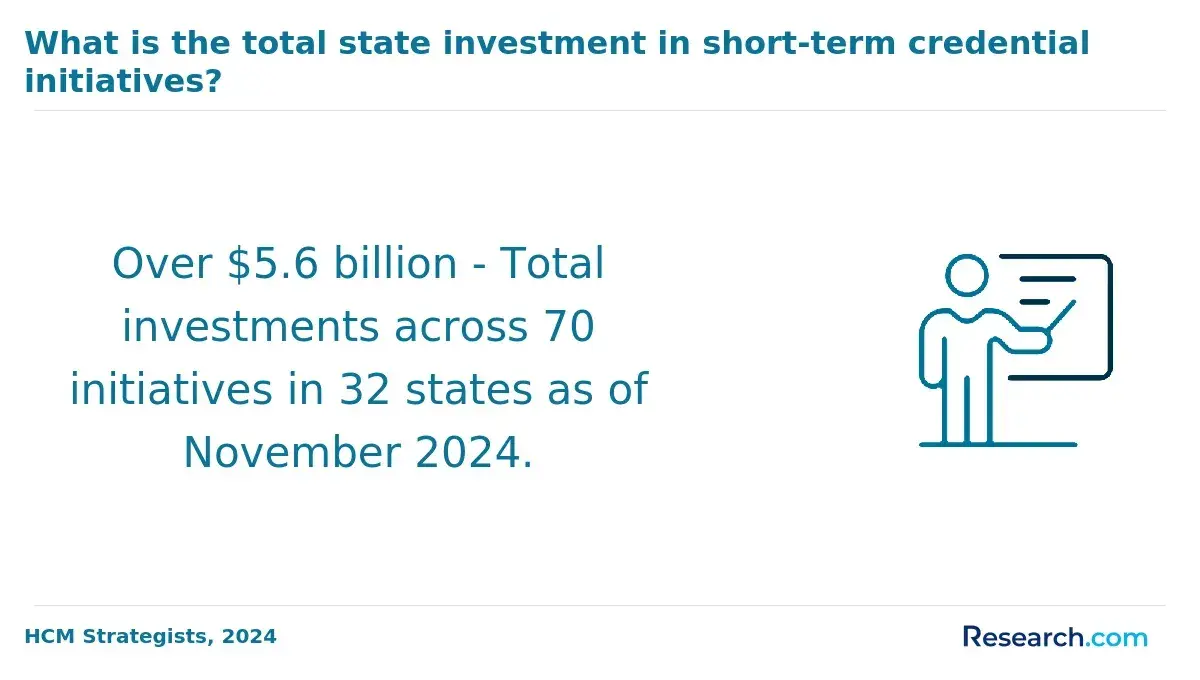
Career changers pursuing an oceanography program often face unique admission requirements tailored to nontraditional students balancing multiple responsibilities. Nearly 40% of college students were adult learners in 2020, underlining the growing need for flexible admissions pathways. Below is an outline of common prerequisites designed to accommodate career changers.
- Completed Application: A thorough application is essential, detailing your educational background and career goals to demonstrate commitment to transitioning into oceanography.
- Official Transcripts: Institutions typically require transcripts from all previous schools. This helps assess your academic history and any relevant foundation for science coursework.
- Standardized Test Scores: When applicable, test scores are reviewed. Some programs may waive this for professionals with substantial experience, reflecting flexibility in admission criteria for nontraditional oceanography students.
- Relevant Experience: Work or volunteer experience in environmental sciences, marine biology, or technical fields can strengthen your application by showcasing transferable skills valuable to oceanography.
- Letters of Recommendation: Recommendations provide insight into your skills and motivation, supporting your readiness to handle rigorous study in this new field.
- Personal Statement: This is your chance to explain your career change rationale, goals, and passion for oceanography, reinforcing your application's personalized nature.
- Flexible Enrollment Options: Many programs offer part-time, online, or evening classes, accommodating working professionals and adult learners effectively.
- Alternative Qualification Pathways: For applicants without a traditional science background, prerequisite courses or portfolio evaluations may be available, allowing you to demonstrate preparedness without starting from scratch.
Career changers interested in related fields might also consider a library science degree as an alternative pathway that values similar admission flexibility and relevant experience.
Career changers benefit greatly from knowing what oceanography coursework entails, as it clarifies the time and effort needed to adapt academically while managing other commitments. The curriculum is designed with flexibility and practical experience in mind, ensuring students can maintain balance throughout their studies. Key areas of focus include:
- Core Science Classes: Emphasizes basic principles in chemistry, biology, physics, and geology to build a solid foundation in understanding ocean systems and their physical and chemical behaviors.
- Specialized Oceanographic Studies: Explores subjects like marine ecosystems, ocean circulation, and geology, offering deeper insights into the dynamic marine environment.
- Data Analysis and Technology: Covers statistical techniques, geographic information systems (GIS), and scientific equipment used in oceanography, enabling hands-on use of research tools.
- Fieldwork and Laboratory Experiences: Integrates real-world data collection and lab work, giving students opportunities to apply theory through practical observation and experimentation.
- Electives and Interdisciplinary Options: Provides courses in areas such as environmental policy and marine resource management, allowing students to customize their studies toward specific interests and career aims.
One professional who pursued an online oceanography degree shared his experience after completing the program. He noted that balancing coursework with work and family demands was challenging but rewarding. "The flexible schedule was critical for me because I could complete lectures after work and on weekends," he said. He also highlighted that some of the hardest moments involved mastering the technical aspects of data analysis. Still, hands-on projects helped him feel engaged and confident. "It wasn't easy, but the practical focus made the learning meaningful," he reflected, adding that the program's design enabled him to transition smoothly into a new career path.
For career changers balancing work and study, choosing the right oceanography program format is essential. Recent statistics show that over 40% of adult learners in science fields prefer online or hybrid formats, reflecting a strong shift toward flexible education options. Below are some common program types that support busy professionals in advancing their careers.
- Online Degree Programs: These fully remote options allow learners to complete all coursework from any location, ideal for those who need maximum schedule flexibility and cannot relocate or reduce work hours.
- Hybrid Programs: Combining virtual classes with occasional on-site labs, hybrid formats offer the convenience of online learning alongside hands-on practical experience essential for scientific disciplines.
- Part-Time Enrollment: Designed for working adults, part-time study spreads the curriculum over a longer period, easing the weekly workload and accommodating professional commitments.
- Night and Weekend Classes: These in-person courses meet outside typical business hours, enabling employed students to attend lectures without interfering with their day jobs.
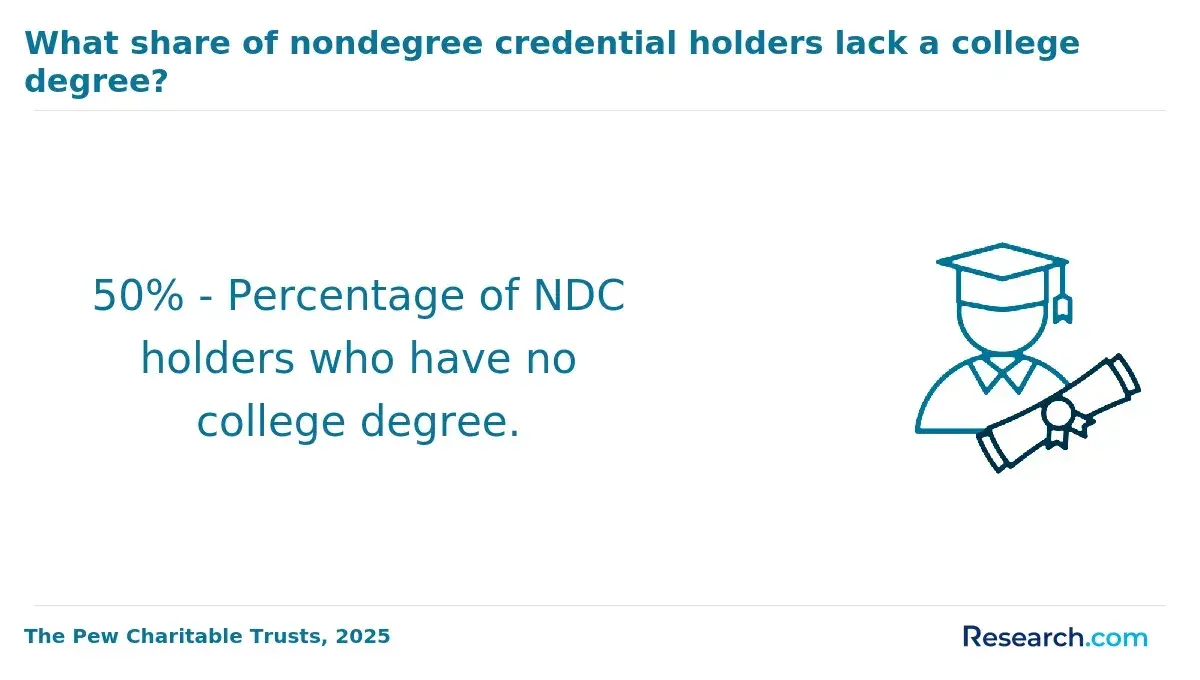
For career changers, building new competencies is essential, especially as nearly nine out of ten workers recognize the importance of enhancing their skills to stay competitive in today's job market. Acquiring practical abilities boosts confidence and adaptability when shifting into scientific and environmental roles. The following outlines five pivotal skills developed in a oceanography program.
- Data Analysis and Interpretation: Handling and making sense of complex datasets equips learners with critical skills relevant across numerous STEM fields, ensuring they can contribute effectively to data-driven decision-making processes.
- Field Research Techniques: Gaining hands-on experience with sample collection, surveys, and the use of specialized instruments helps build technical problem-solving capabilities, which are vital in environmental monitoring and resource management careers.
- Scientific Communication: Developing the ability to clearly articulate research findings, both in writing and speech, enhances collaboration and professional impact in multidisciplinary teams and workplace settings.
- Geospatial Technology Proficiency: Mastering geographic information systems (GIS) and remote sensing tools broadens job opportunities in mapping, spatial analysis, and environmental planning sectors.
- Interdisciplinary Collaboration: Engaging with multiple scientific disciplines fosters teamwork and flexibility, skills that prepare graduates to thrive in diverse and evolving professional environments.
A career changer who completed a oceanography degree shared her experience, highlighting the initial challenge of adapting to a rigorous scientific curriculum after several years in a non-technical field. She described the learning curve as "intense but rewarding," emphasizing that the program's blend of theoretical study and fieldwork helped her gain confidence gradually. She recalled, "Applying what I learned directly during field exercises made the concepts come alive and showed me how transferable the skills really are." The collaborative projects were particularly valuable for her, as they "reinforced the importance of teamwork across different expertise areas," which eased her transition to a new field. Overall, she reflected positively on how the oceanography program equipped her with both the knowledge and practical experience necessary to navigate a significant career shift successfully.
Career changers pursuing an oceanography degree must carefully consider the total cost, as balancing education expenses with existing financial obligations is crucial. The National Center for Education Statistics reports that the average annual tuition for master's degree programs is approximately $19,792, highlighting the importance of detailed financial planning. Below are the main cost components to consider.
- Tuition and Fees: These are the most significant expenses, typically ranging from $15,000 to $40,000 for a full master's oceanography degree. Costs vary based on the institution and program length, with options for working professionals sometimes including per-credit pricing to better manage expenses.
- Books and Materials: Textbooks, software, and specialized study materials can add several hundred to over a thousand dollars to your budget. Programs focused on oceanography often require up-to-date scientific resources, which may increase costs.
- Research and Fieldwork: Additional fees may apply for access to laboratories, equipment, or field research trips essential in oceanography studies. These can vary greatly depending on the focus of your program and research requirements.
- Payment Flexibility: Many programs offer monthly installments, deferred payments, or part-time enrollment to help distribute tuition costs over time. These options can be particularly helpful for working professionals seeking to limit upfront financial burden.
- Employer Tuition Assistance: Some companies support workforce retraining by offering tuition reimbursement or assistance, which can significantly offset costs for career changers pursuing scientific degrees.
- Cost-Saving Strategies: Selecting programs with lower per-credit tuition, enrolling part-time, or choosing online alternatives are viable ways to manage expenses. For instance, exploring an online doctorate in organizational leadership can provide insights into affordable advanced education formats relevant to career changers.
To better understand average tuition fees for oceanography programs for working professionals, it is beneficial to research various institutions and financial aid opportunities to create a feasible funding plan for your education and career transition.
Curriculum design is especially important for career changers because it must address diverse learning speeds and prior knowledge while emphasizing skills that transfer across professions. A well-structured oceanography curriculum supports this transition by combining theoretical understanding with practical experience tailored to adult learners. Below are key ways such a curriculum aids professional shifts.
- Applied Learning Modules: These modules simulate real industry problems and research scenarios, allowing students to engage with challenges they are likely to encounter in various sectors. This hands-on approach builds confidence and practical expertise beyond academic theory.
- Transferable Skills Development: Emphasis is placed on cultivating critical thinking, scientific communication, and data analysis skills. Such competencies are valuable assets for those seeking career changers to effectively navigate new professional environments.
- Flexible Pacing Options: Programs often offer part-time and evening classes, accommodating working adults balancing education with existing responsibilities. This flexibility ensures that learners can maintain steady progress without sacrificing their current career or personal obligations.
- Project-Based Coursework: Involving current oceanographic tools and technologies, project work enhances problem-solving abilities and technical proficiency. This real-world application prepares students to meet industry demands with up-to-date knowledge and experience.
- Interdisciplinary Integration: Courses link oceanography with areas such as environmental policy, engineering, and technology sectors. This broad perspective equips career changers with versatile knowledge applicable in multiple fields, facilitating smoother professional transitions.
An oceanography program's ability to develop skills gained from an oceanography program for professional transition makes it an effective choice for adults seeking new directions in their careers. For those interested in further credentialing opportunities, exploring accredited online certificate programs can provide additional pathways to enhance expertise and marketability.
For career changers, knowing the range of job opportunities linked to an oceanography degree is crucial to making informed decisions. The environmental science and geoscience sectors are expected to grow by 12% through 2030, reflecting rising employer demand for expertise in these areas. Below are several common career paths that graduates with a oceanography degree often pursue.
- Marine Research Scientist: These professionals analyze ocean ecosystems and study climate change effects, using strong analytical and experimental skills. Career changers with diverse scientific backgrounds can adapt well to these investigative roles.
- Environmental Consultant: Advising on sustainable marine resource use and regulatory policies, environmental consultants leverage problem-solving and communication expertise. Individuals with experience in management or client relations find this role aligns well with their skillsets.
- Oceanographic Technician: Responsible for operating oceanographic instruments and gathering field data, this position suits those familiar with technical equipment and outdoor work. Practical skills from previous technical roles can facilitate a smooth transition.
- Coastal Planner: These planners guide sustainable development projects near coastlines, requiring knowledge of project management and interdisciplinary collaboration. Career changers with organizational and planning experience may find this a natural fit.
- Science Communicator or Educator: Translating complex ocean science for diverse audiences, this role is ideal for professionals with teaching or writing backgrounds. Strong communication abilities help bridge the gap between science and public understanding.
Salary expectations play a critical role for career changers investing time and resources into earning an oceanography degree, influencing financial planning and career decisions. A 2023 study found that 58% of reskilled professionals achieved equal or higher earnings within two years of completing new training. Below are typical salary ranges and factors relevant to oceanography-related positions.
- Entry-Level Positions: Starting salaries commonly range from $45,000 to $60,000 annually, depending on job location and specific employer sectors.
- Mid-Career Earnings: Professionals with 5 to 10 years of experience can expect between $65,000 and $90,000, often reflecting increased technical skills and responsibilities.
- Specialized Roles: Research or technical jobs within environmental or governmental fields tend to offer $75,000 to $110,000, with pay influenced by niche expertise and project scope.
- Industry Variability: Compensation may fluctuate depending on whether work involves energy, consulting, or environmental engineering, affecting salary scales significantly.
- Advanced Credentials: Holding additional certifications or graduate degrees can boost earnings, with senior-level positions sometimes exceeding $120,000 annually, especially for those leveraging prior STEM-related experience.
What Graduates Say About Their Oceanography Degrees for Career Changers
- Truett: "Switching to oceanography was a major leap for me, especially coming from a business background, but investing about $25,000 for the degree felt worthwhile given the specialized knowledge I gained. The coursework was challenging yet rewarding, and completing the program truly opened doors in marine research I never thought possible. I'm now thriving in my new career, grateful I made that decision. "
- Charlie: "After years in finance, I was hesitant about the cost of pursuing an oceanography degree, which averaged around $30,000 at my chosen university. Reflecting now, it was a necessary step in reshaping my professional life; the education I received gave me credibility and practical skills to confidently enter the environmental science field. It's been a meaningful change that I value deeply. "
- Daniel: "Professionally, undertaking the oceanography degree represented more than just a career pivot; it was an investment in my future where costs hovered near $28,500, balancing quality and accessibility. The program's rigorous curriculum and real-world applications have been instrumental in my advancement within marine conservation. I regard this transition as one of the most strategic decisions I have made. "
Other Things You Should Know About Oceanography Degrees
Fieldwork and lab components are integral to oceanography education. Career changers should be prepared for hands-on experiences such as collecting water samples, using oceanographic instruments, and analyzing data. These practical elements often require travel to coastal sites or research vessels, providing real-world exposure to marine environments.
Most oceanography programs require college-level calculus, general chemistry, physics, and at least introductory biology or earth science before admission. Some accept a short prerequisite sequence from a community college, while others require 12 to 16 prerequisite credit hours completed before enrollment.
- Frequently Asked Questions https://www.marinecareers.net/frequently-asked-questions
- Civilian Careers in Oceanography and Meteorology https://www.usna.edu/Oceanography/ProspectiveStudents/Civilian-Careers.php
- Diving Into the Depths: Understanding Oceanographer Salaries - Oreate AI Blog https://www.oreateai.com/blog/diving-into-the-depths-understanding-oceanographer-salaries/cdbfdda196e08fd51487989431c9a4b7
- F700 MSci Oceanography 4961 (4 years) | University of Southampton https://www.southampton.ac.uk/courses/oceanography-degree-msci
- Career Options in Marine Science https://careerservices.fgcu.edu/blog/2025/09/09/career-options-in-marine-science/
- Exploring New Skills and Careers in the Ocean Industry https://www.oceanologyinternational.com/london/en-gb/blog/articles/skills-and-careers-in-the-ocean-industry.html
- Careers in Oceanography - CSUM https://maritime-archive.calpoly.edu/oceanography/careers.html
- Oceanography https://www.grad.ubc.ca/research/oceanography-rdf10505
- Oceanography, B.S. | Cal Poly Humboldt https://www.humboldt.edu/academics/programs/oceanography
- Oceanography Careers Full List, Tips And Essential Skills 2025 https://timespro.com/blog/top-career-opportunities-in-oceanography-and-tips-to-excel


