
2027 Hardest and Easiest Courses in an Oceanography Degree Program

Co-Founder and Chief Data Scientist
Students pursuing an oceanography degree often face challenges selecting courses that align with their strengths and career goals. With nearly 40% of oceanography majors reporting difficulties in advanced mathematics and chemistry classes, managing workload becomes crucial for academic success. This challenge is heightened by the field's interdisciplinary nature, requiring mastery of diverse subjects from biology to physics.
Understanding which courses pose the greatest difficulty and which are more manageable can help students allocate time effectively and reduce attrition rates. This article examines the hardest and easiest courses in oceanography programs, guiding students to plan better and enhance their performance throughout their studies.
Key Things to Know About the Hardest and Easiest Courses in a Oceanography Degree Program
- Courses with advanced mathematical models and fluid dynamics are often the hardest due to complex content and high quantitative workload.
- Fieldwork-based classes tend to be easier as they rely on practical experience, often benefiting students with strong observational skills.
- Assessment style influences difficulty; exams focusing on memorization are generally easier than those requiring original research or data analysis.
What Are the Hardest Core Courses in a Oceanography Degree Program?
Certain core courses in oceanography degree programs are recognized as more challenging due to their technical complexity, heavy workload, and rigorous evaluation standards. These demanding classes often require advanced analytical abilities, strong mathematical skills, and extensive hands-on laboratory or fieldwork. Below are some of the hardest core oceanography courses that students typically encounter.
- Physical Oceanography: This course covers the physics and mathematics behind ocean currents, waves, and energy transfer. The advanced calculus and differential equations involved add a high quantitative rigor, making it one of the most demanding classes.
- Chemical Oceanography: Students learn to analyze seawater's chemical composition and processes. Mastering complex chemical reactions along with precise laboratory techniques presents significant technical challenges.
- Marine Geology: Focusing on ocean floor structures and history, this interdisciplinary course requires interpreting geological, geophysical, and sedimentological data from field surveys and seismic studies, which can be overwhelming.
- Biological Oceanography: This course studies marine life and ecosystems, involving detailed understanding of biological processes and ecological relationships, coupled with extensive field and lab work, demanding considerable time and effort.
- Oceanographic Data Analysis: As data science becomes vital in oceanography, this course's emphasis on statistics, programming, and data interpretation requires strong computational skills, making it especially challenging for many students.
For students exploring demanding science fields, comparing challenges across disciplines like oceanography and artificial intelligence can be helpful. In fact, prospective learners might find valuable information on AI degree programs useful when planning studies involving rigorous quantitative and technical skills.
Many prospective students research the hardest core oceanography courses to better prepare their study plans and manage expectations throughout their degree. Recognizing these most challenging oceanography degree classes in advance supports more effective time management and academic success.
What Are the Easiest Required Courses in a Oceanography Degree Program?
In oceanography degree programs, "easiest" courses are generally those students find more manageable based on applied content, assessment style, or how well the material aligns with their prior experience; this perception does not lessen the academic value of these courses.
Surveys show that classes with higher pass rates-often around 85% completion-tend to emphasize practical skills and observable outcomes over complex theoretical content. These trends help highlight the best easy core classes in oceanography degree programs. Common examples include the following:
- Introduction to Oceanography: This course covers broad concepts and general principles, featuring straightforward assignments and lighter mathematical requirements, making it accessible for many students early in their studies.
- Marine Ecology: Focused on fieldwork and observation, it allows students to engage directly with natural environments, relying on project-based assessments rather than heavy exams, which many find less daunting.
- Oceanographic Techniques: Emphasizing hands-on data collection and usage of instruments, this course replaces abstract theory with practical learning, aiding student comprehension and retention.
These easiest required oceanography courses offer students practical experiences and tangible results that build confidence and foundational knowledge. For those interested in combining practical science degrees with cost-effective options, exploring an engineering online degree may provide insights into affordable pathways in STEM fields as well.
What Are the Hardest Elective Courses in a Oceanography Degree?
The term "hardest" in oceanography electives refers to courses widely seen as more demanding due to their advanced technical material, heavy workloads, and extensive assessments. These electives require thorough understanding and application of complex concepts across various scientific fields. Below are some of the most challenging electives students often encounter.
- Physical Oceanography: This course covers sophisticated fluid mechanics and thermodynamics critical for analyzing ocean currents, calling for strong foundations in math and physics. Theoretical complexity and detailed problem-solving elevate its difficulty.
- Marine Geochemistry: Students explore complex chemical interactions within seawater and sediments, requiring comprehensive knowledge of chemistry and skillful data analysis. The course demands precise interpretation of chemical processes in marine environments.
- Oceanographic Data Analysis: Emphasizing programming and statistical modeling, this elective challenges students to manage and analyze large datasets, often pushing those without computational expertise. Mastery of software tools and quantitative reasoning is essential.
- Marine Ecology: Integrating biology, chemistry, and environmental science, it involves rigorous fieldwork and detailed study of ecological relationships, demanding both practical and analytical skills. Understanding multifaceted ecosystems is key.
- Coastal Engineering: Combining physics and engineering principles, this course focuses on designing solutions for coastal challenges under dynamic environmental conditions. It features intensive projects requiring applied technical problem-solving.
These electives rank as the most difficult because they blend several scientific disciplines and involve high expectations for independent research and cumulative projects, testing both intellectual and practical abilities.
In this context, "easiest" electives are those often viewed as more approachable because they feature lighter workloads, rely on familiar material, or use assessments focused on projects and participation rather than exams. Many students opt for courses with practical applications or broad overviews, which tend to feel less demanding.
Here are some elective courses commonly regarded as less challenging within oceanography programs:
- Marine Environmental Policy: This course emphasizes analyzing case studies and engaging in discussions, requiring strong critical thinking and reading abilities instead of intensive calculations.
- Introduction to Marine Biology: Offering a broad survey of ocean life, it covers foundational biology with straightforward concepts, avoiding the complexity of specialized biology courses.
- Oceanography Field Methods: Focused on hands-on data collection and practical skills, this elective suits students who prefer experiential learning over theoretical examinations.
- Coastal Geography: Centered on understanding coastline features through visual tools like maps, this course generally avoids the technical depth of chemical or physical oceanography.
- Marine Conservation and Sustainability: Graded predominantly through projects and group collaborations, this course appeals to those who find teamwork and applied tasks less stressful than traditional tests.
When discussing these options with a recent oceanography graduate, he described how his favorite easiest elective "felt more like active problem-solving and teamwork than endless memorization." He recalled the relief of being able to apply concepts in real scenarios, stating, "It was satisfying to see how the projects directly connected to real-world marine issues, which kept me motivated."
However, he also mentioned moments of frustration with group coordination but found the collaborative nature ultimately rewarding. His experience highlights how these electives can offer a balanced mix of manageable effort and meaningful engagement.
Technical proficiency is essential in several oceanography courses, with about 65% of students in oceanography programs reporting a need for advanced quantitative methods and software skills to succeed. These demands contribute to the complexity of certain classes, requiring strong technical and analytical capabilities.
Courses that require the most technical skills typically include:
- Marine Geophysics: This course focuses on interpreting seismic data and using mapping software to study the ocean floor's structure, requiring proficiency in geospatial analysis and data visualization tools.
- Physical Oceanography: Emphasizing fluid dynamics and ocean circulation, this class demands solid math skills and experience with computational models and programming languages like MATLAB or Python.
- Chemical Oceanography: This heavily laboratory-based course involves precise water sampling and chemical analysis techniques, often employing chromatography and spectrometry equipment.
These are some of the most technical oceanography classes in degree programs, blending theoretical knowledge with applied problem-solving and scientific principles to interpret marine phenomena.
Students aiming for success in these demanding classes might also explore resources related to online education options, such as an online psychology masters, to develop complementary skills in quantitative analysis or scientific research methods.
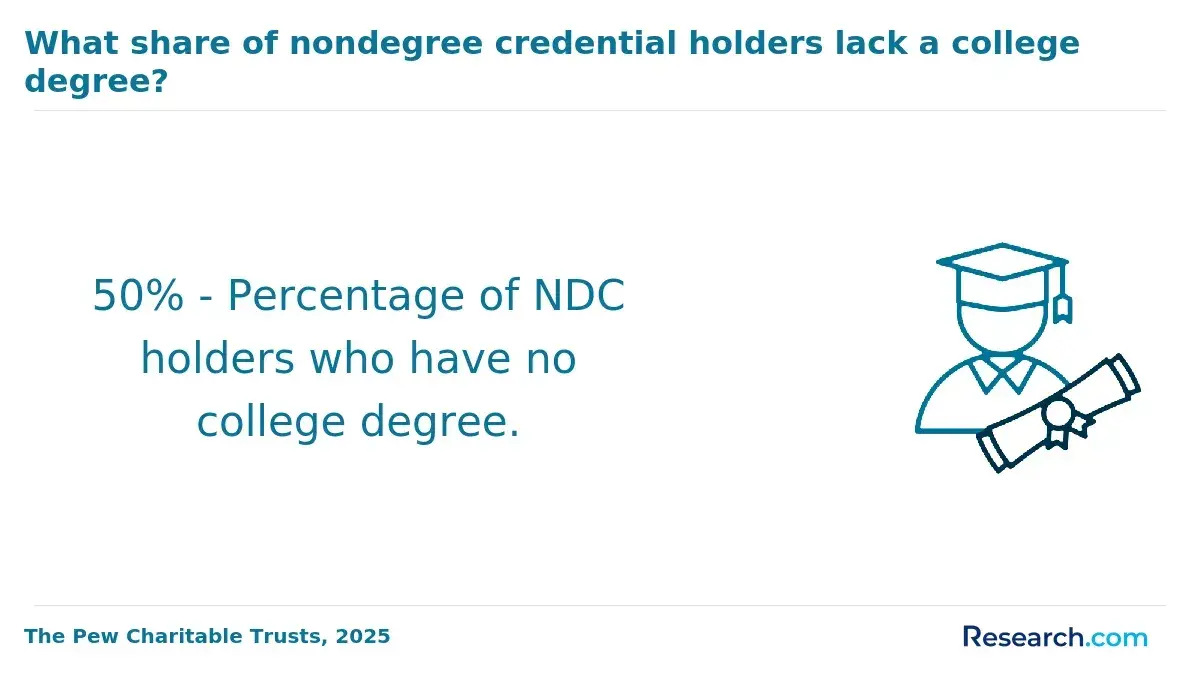
Writing-intensive oceanography courses can significantly affect how students perceive difficulty. Survey data indicates that around 65% of oceanography students find writing assignments to be their most challenging aspect, largely due to the need to clearly communicate complex scientific data within research papers.
Several factors contribute to whether these writing-heavy oceanography classes feel easier or harder to students. Consider these key points:
- Research demands: These courses often require extensive investigation and synthesis of diverse sources. This heightened workload surpasses typical exam-based classes and requires diligent information gathering.
- Time management: Students must allocate substantial hours not only to understanding oceanographic principles but also to drafting and revising papers according to academic standards. Effective scheduling is essential to keep up with both aspects.
- Assessment style: Continuous evaluation through essays and reports can alleviate pressure for those who prefer steady progress over high-stakes exams. This may make writing-intensive courses feel more manageable for some.
- Prior experience: Students with strong communication skills or backgrounds in scientific writing tend to find these classes easier. Familiarity with technical writing formats reduces the learning curve.
- Integration skills: The ability to blend technical knowledge with clear, concise writing is crucial. Students who master this integration early generally find writing-intensive courses less challenging and more rewarding.
Factors influencing the ease or difficulty of writing-intensive oceanography courses vary greatly among individuals, shaped by personal strengths and academic preparation. Those aiming for careers in fields offering high paying degrees often benefit from developing these dual competencies early in their studies.
Course format plays a significant role in how students perceive the difficulty of oceanography studies. Research indicates that online science courses, including oceanography, typically see a 10-15% lower completion rate than their on-campus counterparts, highlighting some challenges with remote learning. Several factors contribute to these differences in difficulty.
Key elements to consider include:
- Self-discipline demands: Online oceanography learners must independently manage study schedules without regular class meetings, requiring strong motivation and time-management skills to keep up with coursework.
- Instructor interaction: On-campus students often benefit from immediate feedback and face-to-face support, while those online may experience delays or less spontaneous engagement with professors.
- Resource availability: Access to physical labs and fieldwork is usually easier in person, which can affect hands-on understanding essential to oceanography topics.
- Flexible scheduling: Online courses offer adaptability in when students study, which can help balance workload and reduce stress for some individuals.
- Assessment methods: Online formats might emphasize open-book exams or projects instead of traditional tests, changing how students prepare and perform.
When I asked a graduate of an online oceanography degree about her experience with course difficulty, she highlighted the initial struggle adapting to self-paced learning while balancing family responsibilities. She explained, "Without fixed class times, it was easy to procrastinate, but over time I developed strict daily routines that helped me stay on track."
She recalled challenges with virtual labs but appreciated creative assignments that reinforced concepts despite not being on-site. Her reflections revealed that while online oceanography required disciplined effort and problem-solving, it also offered valuable flexibility that suited her life circumstances, ultimately making the learning experience rewarding and manageable.
Weekly study hours are a critical element in managing an oceanography course load effectively, with students typically investing about three hours per credit hour each week on coursework, labs, and assignments. This pattern helps maintain a manageable balance between academic responsibilities and personal life demands. Various elements contribute to the variation in time devoted to these courses.
Key factors influencing the time commitment for oceanography students include:
- Course Level: Higher-level or advanced classes usually require more dedication due to more challenging material and increased workload expectations.
- Technical Intensity: Laboratory sessions and field activities demand extensive hands-on engagement and thorough data interpretation, which adds to overall study time.
- Writing Requirements: Composing research papers and detailed lab reports often extends the time needed beyond traditional lectures and study.
- Learning Format: Online and hybrid delivery formats often necessitate greater self-discipline and independent study compared to in-person classes with scheduled sessions.
- Student Background: Familiarity with foundational sciences such as chemistry, biology, or physics can decrease the time spent mastering new oceanography concepts.
Recognizing these variables enables students to set realistic expectations for their weekly workload and develop study routines that support academic achievement without overwhelming other commitments.
Course difficulty is a major concern for many students because it closely impacts GPA, which can determine academic standing and opportunities. Studies show that advanced oceanography courses often yield average GPAs 0.3 to 0.5 points lower than introductory classes, with withdrawal rates also increasing at higher course levels, underscoring the challenges these classes pose.
Several factors explain how the impact of difficult oceanography courses on GPA arises:
- Grading rigor: More challenging courses apply stricter grading standards, focusing on precision in lab work, data interpretation, and research quality. This grading intensity can lower average grades compared to easier courses.
- Assessment structure: Exams and projects emphasize critical thinking and problem-solving over memorization, which can be more demanding for students and affect their academic performance.
- Course sequencing: Prerequisites ensure foundational knowledge, but gaps in preparation may hinder success in advanced topics, leading to lower grades in upper-level oceanography classes.
- Student readiness: Differences in scientific background and study techniques strongly influence results in rigorous oceanography courses, where prior knowledge is essential to keep pace.
- GPA weighting policies: Some institutions apply different quality points for advanced courses, which can either help offset or highlight the GPA impact, depending on the policy.
Understanding how challenging oceanography classes affect academic performance allows students to better plan their study time and resources. For those interested in exploring broader educational paths, examining top online degrees can provide additional insights into balancing difficulty with career prospects.
Students often believe that enrolling in more challenging oceanography courses boosts their employment chances, supported by findings such as a 2022 survey revealing that 68% of environmental science recruiters favor candidates with rigorous, field-related coursework. This perception ties academic difficulty to perceived capability and dedication in potential hires.
Several important aspects influence how advanced oceanography courses might impact job prospects:
- Skill development: More demanding classes require mastering sophisticated methods, analytical skills, and critical thinking, which are essential for practical tasks in oceanographic studies and research.
- Employer perception: Successfully completing difficult courses signals perseverance and intellectual strength, qualities highly valued in competitive scientific careers.
- Internships and project exposure: Challenging coursework often includes hands-on projects or lab work, providing experience that distinguishes candidates during hiring processes.
- Specialization signaling: Pursuing advanced topics such as marine geochemistry or ocean modeling highlights a candidate's expertise in specific areas, aligning with employer demand for niche skills.
- Long-term career growth: Strong preparation through tough courses supports entry into graduate programs or specialized roles, facilitating ongoing professional development.
While enrolling in harder courses does not guarantee better job offers, strategically selecting them to build relevant expertise and experience tends to enhance a graduate's competitiveness in the oceanography job market.
What Graduates Say About the Hardest and Easiest Courses in a Oceanography Degree Program
- Daniel: "Completing an online oceanography degree taught me valuable lessons in discipline, especially when navigating complex subjects alongside easier classes. The affordability of the program made it accessible, and the expertise I gained has been instrumental in my scientific research career. Reflecting on this journey, I appreciate how each course contributed to my professional growth."
- Charlie: "The mix of challenging and straightforward courses in my oceanography program kept me motivated throughout. Managing the workload online was feasible, especially knowing the cost of attendance was competitive compared to traditional programs. This degree has significantly enhanced my credentials and practical knowledge, helping me advance as an environmental consultant."
- Mandy: "Pursuing my online oceanography degree was a balancing act between courses that challenged me and those that offered a breather. While advanced topics like marine geophysics pushed me to my limits, introductory classes provided a manageable pace, making the overall experience rewarding. Considering the average cost per course was reasonable, investing in this degree truly opened doors in my marine biology career."
Other Things You Should Know About Oceanography Degrees
In 2027, fieldwork is crucial in oceanography, offering hands-on learning. It can increase course difficulty due to its demands for practical skills, travel, and data analysis. However, these experiences provide invaluable insights into real-world marine environments, enhancing students' understanding and engagement.
Most oceanography degree programs expect students to have a foundational background in general science and math from high school. Some introductory courses may assume basic knowledge of chemistry or earth sciences but typically do not require prior oceanography-specific experience. Students without previous exposure often find early courses provide necessary foundational content.
Most oceanography degrees require 6 to 12 credits of laboratory and fieldwork, often spread across physical, chemical, or biological oceanography courses. Many programs also require at least one field cruise or marine sampling lab before the final year, because these courses usually carry the heaviest workload.
- Geological Oceanography BSc (Hons) | Marinetraining https://www.marinetraining.org/es/node/4271
- Oceanography degrees https://www.whatuni.com/degree-courses/search
- Oceanography study guides https://fiveable.me/oceanography
- Oceanography https://nps.edu/web/oceanography/course-list
- Master of Oceanography | UWA https://www.uwa.edu.au/study/courses/master-of-oceanography
- GEO2320 – Oceanography – Universitetet i Oslo https://www.uio.no/studier/emner/matnat/geofag/GEO2320/index-eng.html
- Your degree in Oceanography https://students.ubc.ca/career/your-degree/science/oceanography/
- CULPA https://culpa.info/course/4909
- Ocean Sciences https://www.liverpool.ac.uk/courses/ocean-sciences-bsc-hons
- F710 BSc Oceanography 4900 (3 years) | University of Southampton https://www.southampton.ac.uk/courses/oceanography-degree-bsc


