2027 Most In-Demand Gifted Education Master's Specializations

Co-Founder and Chief Data Scientist
Shifts in educational policy and evolving credentialing standards increasingly influence how prospective master's students assess gifted education specializations. Demand varies sharply by region, employer expectations, and regulatory environments, complicating reliance on job-posting counts or salary averages alone. Specializations that integrate rigorous curriculum, relevant experiential learning, and strong ties to certification offer more than short-term hiring momentum; they support sustained career resilience and advancement.
Factors such as skill transferability, internship alignment, and faculty expertise shape pathways to high-growth roles and managerial responsibilities. This analysis examines the most in-demand gifted education master's specializations within the context of real-world labor-market dynamics and long-term career adaptability.
Key Things to Know About the Most In-Demand Gifted Education Master's Specializations
- Specializations in curriculum design for gifted learners address employer demand for adaptable educators skilled in differentiated instruction, but often require extended practicum hours, increasing time and financial commitment.
- Leadership-focused specializations align with rising needs for program coordinators who manage gifted initiatives; workforce data from 2024 shows 18% growth, highlighting management skills' critical role.
- Cognitive development specializations deliver deep expertise valued in research-driven roles, yet limited K-12 positions emphasize education over theory, pressuring graduates to diversify skill sets for job market relevance.
What makes a gifted education master's specialization "in demand"?
An in-demand gifted education master's specialization typically reflects a nexus of labor-market need, the cultivation of specialized skills, and alignment with professional roles that demonstrate both emerging relevance and enduring demand. This demand often varies considerably by region, employer type, and educational sector, influenced by factors such as technology adoption, local policy mandates, and evolving instructional strategies.
Critical to this dynamic is whether the specialization equips students for positions with sustained employer need rather than transient hiring surges, emphasizing durable competencies like differentiated instruction, advanced assessment techniques, and curriculum design that serve diverse gifted populations. For instance, the U.S. Bureau of Labor Statistics projects about 9% growth in special education teaching roles, which includes areas supporting gifted learners, underscoring how this labor-market data informs the evaluation of high-growth career paths for gifted education master's graduates.
Relying solely on demand indicators such as job-posting frequency, enrollment popularity, or broad salary claims risks oversimplifying the decision-making process, as these metrics can misrepresent true career fit or long-term professional value. Prospective students benefit more from assessing how well a specialization's curriculum integrates practical, hands-on experiences, the relevance of its certification or licensure pathways, the depth of faculty expertise, and demonstrable alumni outcomes.
Demand should be contextualized against these qualitative factors to ensure a match between program offerings and employer expectations, thus avoiding choices driven by trend-driven marketing or superficial popularity. This comprehensive approach helps clarify whether a given specialization fosters skills transferable across multiple roles within gifted education and adjacent fields, enhancing adaptability in a shifting employment landscape.
Working professionals, career changers, and advancement-focused learners particularly gain from careful alignment between their graduate study and evolving workforce expectations, as specialized knowledge areas with meaningful employer recognition can unlock more stable and higher-level roles. Choosing to focus on an in-demand gifted education master's specialization is strategically valuable when it directly correlates with measurable market needs, certification advantages, and opportunities for upward mobility.
This is why understanding nuanced labor-market signals and program characteristics-rather than defaulting to simplistic demand labels-provides a solid foundation for decisions that influence both immediate employability and long-term career resilience. Such informed choices can also connect with broader discussions around the highest paying degree pathways as part of a more comprehensive career strategy.
The 10 Most In-Demand Gifted Education Master's Specializations
Identifying master's specializations that align with current workforce demands is essential for education professionals targeting gifted populations. Trends reflect shifts in instructional technology, socio-emotional support, and cultural responsiveness, all shaped by evolving employer needs and regulatory landscapes. Analyzing these ten specializations reveals how practical skill sets and sector growth intersect to affect career trajectories in gifted education roles.
Curriculum Design and Instructional Technology addresses the increasing incorporation of digital platforms and personalized learning systems. Adaptability to tech-enhanced environments is a clear asset, as a 2024 report from the National Education Association confirms stronger hiring prospects for candidates proficient in these tools.
Psychological Assessment and Counseling meets the complex emotional and cognitive challenges gifted learners face. The growing demand for school counselors, projected to rise by 9% through 2030, underscores how socio-emotional expertise remains critical in gifted settings.
STEM Gifted Education Specialization capitalizes on the acceleration of science, technology, engineering, and math sectors. Professionals skilled at nurturing advanced STEM learners benefit from sustained demand tied to industry growth outpacing average job expansion.
Multicultural and Multilingual Gifted Education responds to demographic shifts in student populations. The rising identification rates of multilingual gifted students require culturally responsive strategies, making this specialization valuable for districts prioritizing equity and inclusion.
Leadership and Program Coordination prepares educators for administrative roles tasked with expanding and managing gifted services. Anticipated growth in education administration roles reflects the need for leaders who understand compliance, funding mechanisms, and program scalability.
Creative and Critical Thinking Specialization focuses on developing innovation capabilities-traits highly sought by employers aiming to foster problem-solving skills in gifted learners amid fast-changing educational demands.
Early Childhood Gifted Education targets formative intervention when identification and support yield long-term academic and social benefits. Expected employment increases in early childhood education reinforce its strategic value.
Special Needs Gifted Education addresses the intersection of giftedness and disabilities. Recognition of twice-exceptional students is growing, requiring specialized knowledge in inclusive practices and individualized programming.
Educational Policy and Advocacy equips professionals to influence legislation and funding priorities that shape gifted programming sustainability. Increasing opportunities for education policy analysts reflect a sector seeking data-driven advocacy.
Research and Data Analysis emphasizes rigorous program evaluation and outcome measurement. Roles demanding proficiency in data-informed decision-making have expanded by 15%, reflecting education systems' prioritizing accountability and continuous improvement.
One prospective student shared how they initially leaned toward the STEM specialization due to the sector's growth but hesitated after reviewing certification requirements and practicum options tied to counseling programs. They ultimately narrowed their choice by comparing alumni outcomes and faculty expertise, balancing labor market data against personal strengths and long-term flexibility within gifted education fields.
Which gifted education master's specializations lead to the highest-paying careers?
Master's specializations in gifted education administration, twice-exceptional (2e) education, curriculum and instructional design, and STEM/talent development lead to the highest-paying careers in the field. While a standard Master of Science or Master of Arts in Gifted Education qualifies graduates for classroom teaching roles, shifting toward leadership, specialized intersectional advocacy, or district-level strategy significantly elevates earning potential.
Gifted and Talented Program Administration
Graduates who focus their master's degree on educational leadership and administration within gifted education secure the top-tier salaries in this ecosystem. This specialization prepares professionals for high-level administrative roles, such as District Gifted and Talented (GT) Coordinator, Director of Exceptional Student Education (ESE), or State-Level Program Administrator. Instead of working with individual classrooms, these professionals oversee district-wide identification budgets, policy implementations, compliance, and large-scale talent development programs, placing them on administrative and supervisory salary scales.
Twice-Exceptional (2e) Education
This highly specialized intersectional track focuses on students who are identified as intellectually gifted while simultaneously managing one or more learning disabilities, such as autism spectrum disorder, ADHD, or dyslexia. Because diagnosing and crafting specialized educational plans for 2e learners requires advanced clinical and psychological frameworks, specialists are in massive demand. Graduates frequently bypass standard school system limits by working as private educational consultants, specialized clinical directors, or high-earning advocates for private preparatory schools and neurodiverse learning centers.
Curriculum and Instructional Design in Gifted Education
Specializing in curriculum design shifts an educator's career path from daily teaching to systemic instructional strategy. This track trains professionals to build complex, accelerated curricula, design advanced placement tracks, and implement enrichment models for high-ability learners across multiple schools. Graduates are highly sought after by major textbook publishers, educational technology corporations, and large public school systems as instructional designers, educational consultants, or curriculum directors, where corporate and district-level budgets drive higher compensation.
STEM Talent Development and Competition Coaching
This concentration blends gifted pedagogy with advanced competencies in science, technology, engineering, and mathematics. Specialists in this niche design and run elite STEM academies, manage high-level research programs, and prepare exceptionally gifted students for global science, robotics, and mathematics competitions. Because STEM education receives extensive funding through corporate partnerships, private foundation grants, and elite private school endowments, directors of these specialized academies command premium salaries compared to general humanities or arts-focused enrichment coordinators.
Which gifted education master's specializations offer the best job growth?
Job growth in gifted education master's specializations should be evaluated with attention to employment projections, employer demand, and sector shifts rather than enrollment trends. Strong growth emerges where skill demands intersect with evolving educational priorities and regulatory change, particularly in areas blending traditional pedagogy with technological proficiency.
For instance, STEM-focused gifted education roles are projected by the U.S. Department of Labor to increase 8% faster than average through 2024, highlighting expanding opportunities for those who can integrate science and math expertise into gifted programs. Assessing the transferability of specialized skills across diverse career paths and regions also distinguishes high-growth gifted education master's specializations from those with narrower demand.
Relying solely on job growth data risks overlooking regional variation in hiring, credentialing requirements, and market saturation that affect long-term sustainability. Certain fields may experience cyclical demand or require dual certifications, which can delay entry or limit advancement. Candidates should consider whether a specialization offers practical internships or portfolio development that align with near-term employment and evolving expectations.
Additionally, specialization choices aligned with emerging career pathways in sectors like educational technology or social-emotional learning can better support adaptability amid changing labor-market conditions. Working professionals balancing family or part-time study commitments must weigh these operational realities against raw growth projections to identify the most relevant top career paths in gifted education programs. This analysis parallels considerations familiar to those exploring flexible options such as cyber security degrees, where practical outcomes often depend on a nuanced grasp of market demand and credential requirements.
Which gifted education master's specializations are best for career changers?
Career changers fare better in gifted education specializations that leverage transferable competencies such as curriculum design, educational psychology, or talent development, which often demand fewer prerequisite credits in traditional pedagogy. Programs offering foundational coursework in learning theories and assessment strategies enable professionals without prior K-12 teaching experience to acquire essential skills more efficiently.
Applied learning elements like practicums, internships, or project-based capstones are critical for producing a credible transition portfolio and aligning with district requirements for certification or endorsement. As the U.S. Bureau of Labor Statistics (2024) projects a 7% growth in specialized education roles, particularly in gifted program leadership and instructional consulting, choosing pathways with clear employer-recognized credentials and hands-on experience can reduce barriers to entry for those pivoting mid-career.
However, opting for a specialization solely based on labor market demand can obscure the steep learning curves and contextual gaps facing career changers lacking background in education systems. Technical content mastery and navigating credentialing processes may prove more challenging without earlier exposure, while networking disadvantages can limit access to district-level hiring pipelines.
The competition includes candidates with direct classroom experience who may more readily satisfy field experience components. Without careful evaluation of one's readiness to manage these hurdles, pursuing in-demand tracks risks prolonged credentialing timelines or underemployment compared to moderately saturated but better-aligned specializations that fit existing skill sets and career goals.
A recent graduate with a background in human resources initially struggled to select between talent development and curriculum specialization within gifted education. Uncertain about meeting prerequisite requirements and employer expectations, they engaged extensively with faculty and alumni to understand practical differences.
Choosing the curriculum pathway, which integrated supervised field experiences and assessment methodology, allowed them to leverage previous skills in program evaluation while obtaining district-recognized licensure. Though the shift required supplementing with additional coursework, the graduate credits early networking and project placements for easing the transition and securing their first role coordinating services for gifted learners.
Which gifted education master's specializations are best for working professionals?
Working professionals considering master's specializations in gifted education should focus on employer relevance, schedule compatibility, skill applicability, and advancement potential within roles they can realistically maintain alongside employment. Specializations that directly bolster the ability to design differentiated curricula or lead gifted programs are often prioritized by K-12 employers, with a 2024 National Association for Gifted Children report indicating a 15% higher employment rate for those holding such credentials within two years of graduation. Evaluating how coursework translates into practical, on-the-job strategies is key, especially for those balancing graduate study with full-time roles, family, or other responsibilities.
Certain concentrations are better suited to working professionals because they offer flexible learning modes, including online or hybrid formats with asynchronous options, which facilitate balancing study and career demands. Programs that emphasize project-based work tied to current job responsibilities and feature practicums or internships with adaptable scheduling enhance the appeal for mid-career learners. Alignment with certification or licensure requirements further increases marketability without disrupting career trajectory.
These considerations are critical when selecting from the top online gifted education master's concentrations for career advancement, as they help professionals build specialized expertise without sacrificing employment stability or incurring unnecessary financial strain. Professionals often compare these options with other fields, including accredited MFT programs online, to gauge program length and flexibility.
Trade-offs emerge in more specialized tracks such as clinical, research-intensive, or those demanding extensive field placements, which, while valuable, often impose scheduling and workload challenges incompatible with full-time employment. These paths may require pauses in career progression or reduced work hours, limiting their practicality for many. Therefore, discerning students weigh immediate applicability, employer demand, and program delivery against deeper specialization requirements to select gifted education master's specializations that realistically support their professional and personal circumstances.
How do online and flexible gifted education master's specializations compare?
Online and flexible master's specializations in gifted education differ notably in program delivery, pacing, and engagement. Fully online formats often rely on asynchronous coursework, providing scheduling freedom but limiting live interaction with faculty and peers, which can affect cohort cohesion and timely feedback on applied projects or practicum experiences.
Hybrid programs mix online study with in-person sessions, enhancing networking and hands-on opportunities while demanding periodic campus attendance. Accelerated tracks condense requirements for quicker credentialing, often intensifying workload and reducing time for reflection or deeper study.
Part-time pathways extend duration, offering manageability alongside employment but potentially delaying skill acquisition needed for rapid career shifts or advancement. These structural differences influence how well programs align with in-demand career roles that frequently require demonstrable field experience and varied learning modalities.
Flexibility alone does not guarantee program quality or employer value in gifted education specializations. Depth of curriculum, accreditation status, and integrated experiential learning remain critical for professional recognition and skill development. Many employers favor candidates who have completed robust practicum components, which some fully online models struggle to replicate without local partnerships or virtual simulations.
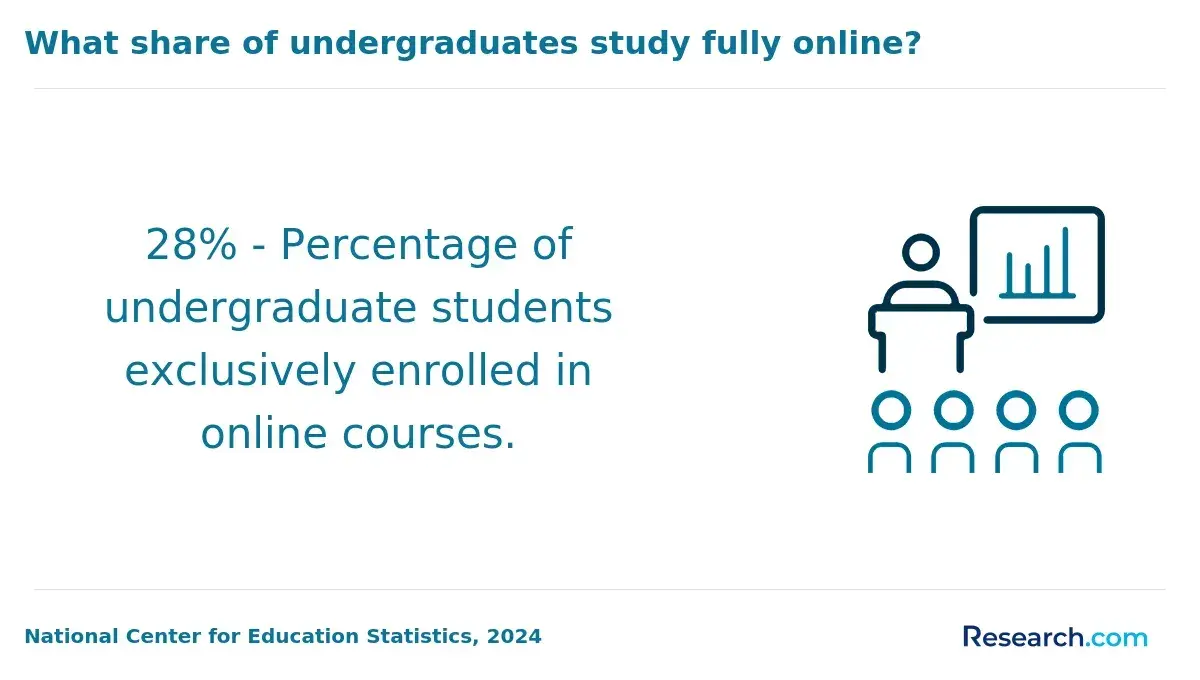
Access to career services and technology proficiency also factor into successful graduate outcomes. Enrollment data from the National Center for Education Statistics in 2024 reveal that while online and hybrid options attract nearly half of education graduate students seeking convenience, employer preference still leans strongly toward applicants who demonstrate practical expertise and effective classroom skills, underscoring a persistent gap in some flexible offerings.
For working professionals and career changers, flexible gifted education master's specializations can balance ongoing employment with graduate study, but this requires careful evaluation of workload demands and networking prospects embedded in each format. Asynchronous formats may enable steady progress, yet lack of cohort interaction can hinder relationship building and mentorship critical for leadership roles.
Hybrid and part-time models offer richer experiential elements but impose scheduling constraints that must be weighed against personal and professional obligations. Ultimately, selecting a pathway involves assessing not just convenience but the extent to which the specialization facilitates skill acquisition aligned with enduring employer expectations and evolving job market dynamics.
What skills do students learn in in-demand gifted education master's specializations?
In-demand gifted education master's specializations serve not merely as academic concentrations but as comprehensive skill-building pathways structured around labor-market demands, curriculum rigor, and professional standards. These programs develop capabilities aligned with employer expectations, preparing graduates for nuanced roles beyond standard teaching positions.
- Applied Assessment and Curriculum Design: Students gain expertise in advanced identification and evaluation techniques tailored to gifted learners, enabling them to develop differentiated curricula that foster intellectual growth. Coursework often includes practicum experiences where students design and implement assessments, directly enhancing their ability to meet diverse learner needs.
- Data-Driven Analytical Skills: Emphasis on interpreting complex educational data prepares students to use evidence-based approaches for personalized learning strategies. Hands-on projects with real-world data equip graduates to support schools increasingly reliant on analytics for optimizing student outcomes.
- Leadership and Advocacy: These programs cultivate leadership competencies necessary for influencing policy, championing equity, and managing gifted programs. Through capstones and fieldwork, students build communication and organizational skills essential for interfacing with educators, parents, and policymakers.
- Research and Program Evaluation: Coursework prioritizes critical inquiry and scholarly contribution, training students to conduct rigorous studies and assess program effectiveness. This foundation supports career versatility in roles such as consultants, curriculum developers, and evaluators beyond classroom teaching.
- Specialized Developmental Expertise: Understanding the cognitive and socio-emotional profiles unique to gifted learners is central, addressing holistic learner needs. This knowledge not only informs instructional strategies but aligns with employer expectations for professionals who can support complex student populations.
According to the National Center for Education Statistics' 2024 workforce projections, demand for educators with training in gifted education is expected to grow by 12% over the next decade, signaling expanding opportunities tied to these specialized skill sets.
What are the admissions requirements for popular gifted education master's specializations?
Admission requirements for popular gifted education master's specializations serve not only as eligibility criteria but also as indicators of how aligned a program is with specific career trajectories and advanced skill demands. These requirements vary substantially depending on specialization focus, institutional selectivity, and the type of professional preparation offered. Understanding these nuances is essential for applicants seeking the best fit between their background, career goals, and program expectations.
- Prerequisite Coursework and Academic Credentials: Most programs expect a bachelor's degree in education, psychology, or a related discipline, but flexibility exists in some fields allowing broader degree backgrounds if supplemented by coursework in areas like child development or learning theory. Such prerequisites ensure a foundational knowledge base critical for specialized gifted education pedagogy.
- Relevant Professional Experience: Work in educational settings, particularly roles involving curriculum design or direct student support, significantly strengthens an application. This requirement aligns with employer expectations for practical readiness, especially in specializations emphasizing school-based interventions and leadership development.
- Licensure and Certification Conditions: Licensure-oriented tracks often require valid teaching credentials or state certification prior to clinical placements or fieldwork components. These conditions highlight how tightly connected some gifted education master's specializations are to regulated professional pathways, affecting both program rigour and graduate employability.
- Standardized Testing and Holistic Review: A growing number of programs have waived GRE or similar test requirements post-pandemic, shifting emphasis to recommendation letters, reflective essays, and sometimes interviews. This change reflects evolving admissions philosophies that balance academic metrics with demonstrated candidate potential and motivation.
- Technical and Analytical Competencies: Increasingly, applicants must demonstrate familiarity with digital learning platforms and data analysis to meet rising demands for educators skilled in educational technology and evidence-based practices. This trend underscores broader workforce shifts impacting gifted education specializations.
Nearly 40% of top-tier gifted education master's programs have softened GPA requirements according to a 2024 study, underscoring the growing emphasis on experience and specialized competencies over traditional academic thresholds. Prospective students should also consider consulting a list of competency-based colleges when exploring programs that recognize diverse pathways and outcomes. Awareness of standardized admissions criteria for gifted education master's programs alongside licensure and certification requirements for gifted education specializations supports strategic application decisions grounded in realistic career alignment.
How should students compare cost, financial aid, and ROI by gifted education specialization?
When comparing online gifted education master's curriculums, students must assess how well each program's design and specialization align with career goals and evolving education sector demands. Curriculum quality depends on the depth of core topics and relevance to in-demand subfields like advanced instructional strategies, assessment methods, or counseling gifted learners, all crucial for maximizing employability and long-term earnings. Practical components such as virtual practicums or case studies often enhance workforce readiness beyond theory alone.
Program sequencing and prerequisite structures are important for building knowledge logically from foundational to advanced levels, helping students navigate their educational paths efficiently. Faculty expertise significantly impacts learning outcomes, where instructors engaged in current research or professional gifted education practice can better prepare students for real-world challenges. Accredited programs offer additional assurance of quality and often streamline pathways to licensure or certification, which 68% of school districts now prioritize according to a 2024 National Center for Education Statistics report.
Financial decisions about gifted education specializations require a nuanced view of cost comparison for gifted education master's specializations, financial aid options and roi for gifted education programs. Unlike generic tuition calculations, these must factor in tuition structures, fees, sequence length, practicum or internship expenses, certification preparation costs, employer tuition assistance, and scholarship availability. Opportunity costs linked to time-to-completion and potential salary differentials across specializations also affect the financial wisdom of program choices.
For prospective students balancing cost and outcomes, understanding these factors alongside the curriculum's labor-market fit is essential. Those seeking reliable analyses of degree options in public administration, for example, may also explore related fields through resources such as online MPA degrees.
How Should Students Compare Cost, Financial Aid, and ROI by Gifted Education Specialization?
Cost and return on investment comparisons in gifted education master's specializations require more than tallying tuition against potential salaries. Financial impact varies based on program design, career stage, and specialization-specific demands that influence total expenses and time-to-value.
What Do Graduates Say About Their Gifted Education Master's Specializations?
- Callahan: "After completing my master's in gifted education with a focus on curriculum development, I quickly realized that many schools value demonstrable experience over licensure alone. I made a point to build a strong portfolio of differentiated lesson plans during my internships, which helped me land a position despite stiff competition. It's been a challenge balancing the creative demands of the role with the administrative expectations, but the program gave me the practical skills to adapt efficiently."
- Saul: "Pursuing gifted education specializing in educational psychology opened doors to remote consulting opportunities that I hadn't anticipated. While the entry salary growth felt limited compared to traditional teaching roles, the flexibility and ability to work with multiple districts made up for it. I did face some initial setbacks due to employers favoring candidates with teaching certifications, but gaining additional certifications specifically tailored to gifted learners helped me pivot successfully."
- Adam: "My journey through the gifted education leadership track was enlightening but also a reality check. Despite graduating from a respected program, I found that advancing beyond coordinator roles often requires state licensure or administrative credentials. I've had to weigh the trade-offs between pursuing further qualifications and gaining on-the-job experience. This pushed me to focus on networking and professional development workshops, which proved more valuable for progressing within my district."
Other Things You Should Know About Gifted Education Degrees
In 2027, aligning your specialization with local school district requirements is crucial. It ensures compatibility with employment opportunities and coherence with state standards, enhancing employability and the direct application of your skills in local educational settings.
Specializations offering broad instructional strategies may enhance adaptability across various gifted program types but can dilute focused expertise that certain employers prefer. Conversely, deeply technical or content-specific specializations can open niche opportunities but limit your appeal for roles needing general gifted education skills. Prospective students should weigh their willingness to specialize narrowly against the value of maintaining multi-purpose employability within diverse educational settings.
Some gifted education specializations require intensive project-based work, field observations, or research theses, increasing the time commitment beyond standard coursework. For example, specializations focused on curriculum development or advanced assessment often include intricate applied practicum components. Understanding these academic demands upfront is crucial to balancing work, family, and study, especially for working professionals aiming to minimize disruptions.
While established specializations often provide more straightforward hiring pathways due to clear employer familiarity, emerging interdisciplinary areas-such as integrating gifted education with technology or social-emotional learning-may offer edge career opportunities in innovative programs. If securing a position quickly is vital, prioritize fields with proven market demand and certification alignment. However, if your career goals are long-term and innovation-driven, consider pioneering interdisciplinary specializations that can distinguish you in evolving educational landscapes.
References
- 5 Up-and-Coming Specializations for Special Education Degrees https://www.masters-in-special-education.com/lists/5-up-and-coming-specializations-for-special-education-degrees/
- Master Programs with Lucrative Career Opportunities https://www.snycosmos.com/master-programs-with-lucrative-career-opportunities/
- What Jobs Can You Do with a Master's Degree of Education https://creditsforteachers.com/what-types-of-jobs-you-can-do-with-a-masters-degree-of-education/
- Gifted Degree Programs - WCGTC https://world-gifted.org/wcgtc-resources/gifted-degree-programs/
- How to Choose the Best Master’s Program for You - Graduate Programs for Educators https://www.graduateprogram.org/blog/how-to-choose-the-best-masters-degree-program-for-you-2/
- The Best Master’s Degrees for Career Changers from UNE Online https://online.une.edu/blog/the-best-masters-degrees-for-career-changers-from-une-online/
- 9 Careers You Can Pursue with a Master’s in Special Education https://www.pointloma.edu/resources/education/9-careers-you-can-pursue-masters-special-education
- An Overview of Specialization Options in Education Degrees https://www.euroeducation.net/articles/an-overview-of-specialization-options-in-education-degrees.htm
- Why Are Gifted Programs Needed? https://www.nagc.org/why-are-gifted-programs-needed