2027 Best Gifted Education Master's Specializations for Career Growth

Co-Founder and Chief Data Scientist
Career growth in gifted education increasingly hinges on navigating shifts in workforce demands, regulatory updates, and evolving leadership roles rather than solely accumulating credentials. Recent trends emphasize specialization-driven skill differentiation, with employers prioritizing expertise that addresses emerging challenges like advanced differentiation techniques, technology integration, and policy compliance.
Not all master's specializations yield equivalent opportunities; some align better with organizational leadership pathways or meet pressing talent shortages in niche domains. Evaluating specializations through the lens of labor market conditions and professional influence offers a practical framework for long-term career resilience. This article analyzes which gifted education master's pathways best position professionals amid these changing industry realities.
Key Benefits of the Best Gifted Education Master's Specializations for Career Growth
- Specializations often extend program duration, posing scheduling challenges that affect working professionals' ability to balance coursework with employment, highlighting the importance of flexible timelines for sustained career advancement.
- Employers increasingly prioritize candidates with focused expertise in twice-exceptional and culturally responsive gifted education, signaling workforce demand shifts toward nuanced skill sets over general credentials.
- Recent data shows a 12% rise in districts integrating gifted education specialists by 2024, indicating growing access but also rising competition that shapes strategic timing and financial investment decisions for mature students.
Which Gifted Education Master's Specializations Offer the Best Career Growth?
Selecting a gifted education master's specialization is a strategic career decision that directly impacts long-term growth potential. Outcomes hinge on how well a specialization aligns with evolving industry demands, leadership pathways, and development of adaptable skills that enable advancement beyond initial roles.
- STEM Education Specialization: This track offers scalable career mobility owing to the high demand for STEM expertise in gifted education across K-12 and postsecondary systems. Professionals with this focus often accelerate into curriculum development and administrative leadership roles, benefiting from sector expansion and an increasingly data-driven instructional landscape projected to grow by 9% over the next decade.
- Educational Psychology with Gifted Emphasis: Combining psychological insight with gifted education equips graduates for versatile roles ranging from school psychology to research, which enhances promotion velocity by tapping into a widening need for cognitive and emotional support services tailored to gifted learners.
- Leadership and Administration in Gifted Education: Specializing here positions professionals for district-level influence and program oversight, which naturally leads to higher earning potential and stable advancement due to the crucial role administrators play in policy alignment and program execution in gifted education systems.
- Cognitive Development and Learning Challenges: Focusing on learning differences within gifted populations provides cross-sector applicability, including counseling and specialized instructional design, facilitating career progression by addressing critical service gaps in educational settings.
Specializations with strong alignment to leadership roles, policy influence, and transferable expertise sustain career progression and professional responsibility. For those weighing options, exploring coursework and credentials that enhance skills in high-demand, adaptable areas can be decisive.
Pragmatically, prospective students may also consider financial investment and time to completion-resources that can be optimized by examining the cheapest EDD programs for practical, accelerated study paths.
Which Gifted Education Master's Specializations Are Most In Demand?
Demand for gifted education master's specializations shifts with evolving labor market demands shaped by technological progress, economic fluctuations, and changes in organizational priorities within education systems. Rather than static rankings, employment prospects hinge on how well a specialization equips graduates to navigate increasingly complex, interdisciplinary roles responding to policy, digital transformation, and student diversity.
- Curriculum Development and Instructional Leadership: These specializations are increasingly prioritized as school districts seek professionals who can create and implement differentiated learning frameworks tailored to gifted students. The pressure of performance accountability and inclusive education pushes employers to value skills in curriculum innovation that enhance engagement and measurable outcomes for diverse gifted populations.
- Educational Technology Integration: The ongoing transition to hybrid and digital learning environments has amplified the need for educators adept at integrating adaptive technologies with gifted education. Candidates proficient in leveraging educational software provide a strategic advantage for schools aiming to innovate program delivery and personalize instruction for advanced learners.
- Psychology and Pediatric Neuropsychology in Gifted Education: Rising awareness of mental health and the social-emotional needs of gifted students has driven demand for specialists who assess cognitive profiles and design interventions. This specialization addresses the increasing emphasis on holistic student development and behavioral consultation, aligning with broader educational priorities highlighted in workforce research.
- Policy and Advocacy in Gifted Education: While important for systemic change, these tracks face limited direct employment opportunities outside government, nonprofit, or research sectors. This restricts immediate return on investment for students seeking roles with direct instructional or administrative responsibilities, especially where advanced credentials are required.
What Skills Are Developed in Different Gifted Education Master's Specializations?
Choosing a gifted education master's specialization shapes not only coursework but the practical skill sets graduates develop, which in turn influence their professional roles and career trajectories. Each specialization hones distinct analytical, technical, or leadership competencies that affect employability and readiness for advancement within the gifted education landscape.
- Curriculum and Instruction: This specialization emphasizes advanced pedagogical techniques and the design of differentiated curricula tailored to gifted learners. Graduates become adept at creating adaptive learning environments that address varied intellectual needs, a skill increasingly sought after in diverse educational settings where innovative instruction drives student outcomes.
- Identification and Assessment: Focused on diagnostic methods and data analytics, this track cultivates expertise in evaluating student abilities and needs using standardized and dynamic assessment tools. Professionals trained in this area are critical in guiding individualized program planning, making them essential to districts seeking evidence-based approaches to talent development and compliance with educational mandates.
- Leadership and Administration: Developing competencies in policy advocacy, program management, and system-wide coordination, this specialization prepares educators for administrative roles influencing gifted education at institutional and district levels. Leadership skills gained here enhance prospects for promotion and facilitate broader impact on program development and resource allocation.
- Practicum and Applied Project Focus: This track integrates hands-on experience through project-based assignments, reinforcing skills in real-world problem solving and collaborative team work. Graduates often report improved confidence translating theory into practice, which can accelerate job performance and open pathways in both school-based and consulting roles.
- Instructional Technology Integration: Although less common, this specialization addresses the use of technology to support differentiated learning for gifted students. Mastery here aligns with growing demand for educators skilled in digital tools to enhance instructional accessibility and engagement, particularly in hybrid and asynchronous learning environments.
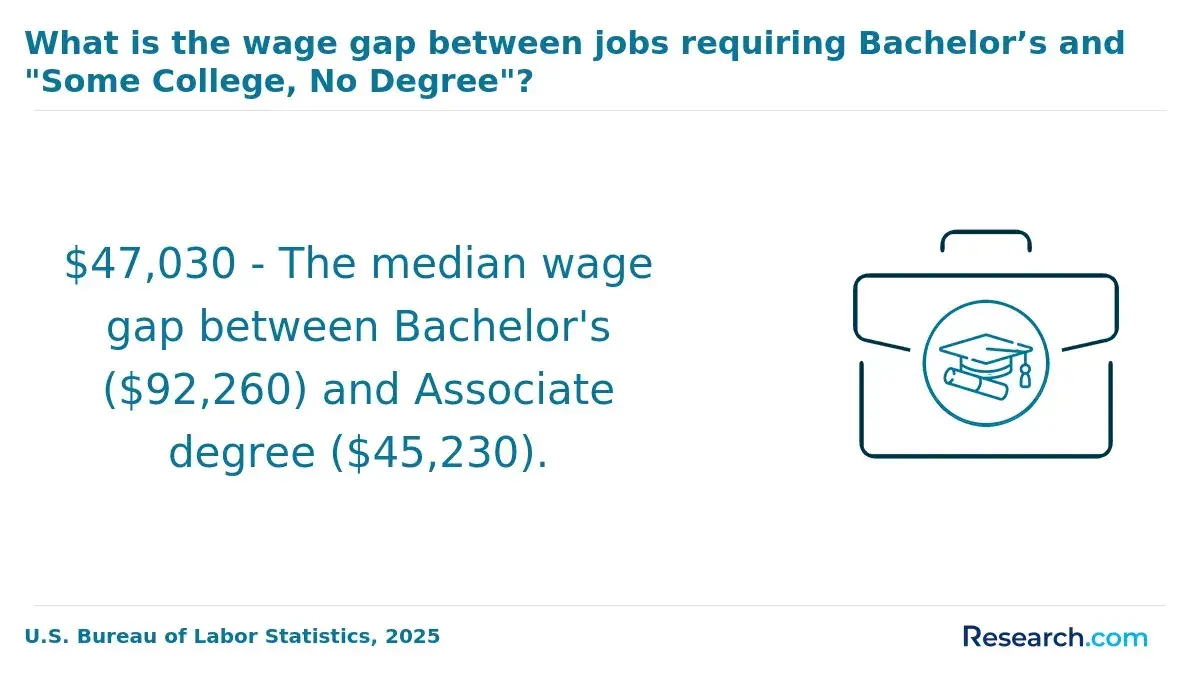
A 2024 National Center for Education Statistics report found that 68% of gifted education master's graduates observed significant gains in differentiated instructional design skills, regardless of enrollment format, underscoring that well-structured specializations effectively build key competencies valued by employers.
One graduate pursuing identification and assessment recalled navigating rolling admissions with hesitation. After submitting initial applications, the wait for decisions stretched weeks longer than anticipated. Juggling a full-time job and family, the candidate debated whether to apply elsewhere or delay enrollment.
Ultimately, timely communication from the admissions office and strategic follow-up clarified available spots, allowing a confident commitment that aligned with career goals and avoided unnecessary transition lags. This experience highlighted how admissions timing and program responsiveness intersect critically with professional planning for part-time students.
Which Gifted Education Master's Specializations Require Professional Licensure?
Licensure requirements serve as a defining factor in selecting specializations within gifted education master's programs. While not universal, licensure mandates apply primarily to professions governed by state regulatory frameworks that stipulate standards for competency, ethics, and public accountability. These regulatory constraints profoundly influence curriculum design, career mobility, and the trajectory of professional development in licensed roles.
- Gifted and Talented Teaching Endorsement: This specialization requires candidates to hold or pursue state teaching certification because it involves direct classroom instruction under state education departments. Licensure ensures educators meet mandated standards for curriculum delivery, student evaluation, and compliance with public school requirements, which in turn restricts entry to credentialed professionals and shapes program prerequisites around state-specific licensing exams.
- School Counseling: Licensure in school counseling exists to regulate clinical and developmental services provided to students, such as mental health support and crisis intervention. As a consequence, gifted education master's specializations with this focus mandate supervised internships and passage of state licensure exams, limiting eligibility predominantly to those pursuing certified counselor status, which affects employment access and advancement in educational institutions.
- School Psychology and Educational Psychology: These fields are governed by rigorous licensure processes rooted in safeguarding psychological services in schools, including diagnostic assessments and intervention plans. Licensing requires substantial post-degree supervised practice and examination, effectively gatekeeping these roles and requiring specialized program curricula designed to meet those licensing expectations, thereby influencing long-term professional autonomy and cross-state mobility.
- Educational Assessment Specialist Roles: When tied to licensed educator status, roles focused on educational assessment often demand professional licensure or specific credentials due to the sensitivity and regulatory oversight of evaluating student cognitive and academic performance. This licensure dimension limits unregulated employment opportunities and channels graduates into positions that hold formal accountability to state educational standards.
Conversely, specializations centered on policy, advocacy, or academic leadership in gifted education typically avoid licensure constraints but often depend heavily on prior teaching experience and advanced academic credentials. Navigating these pathways requires balancing fewer regulatory barriers against limited access to classroom-based public school roles.
For students weighing gifted education master's programs with licensure requirements, recognizing this structural licensing landscape is crucial for aligning specialization choice with realistic employment pathways and advancement prospects. Data from the National Center for Education Statistics in 2024 underscores that over 75% of states mandate licensure for roles involving direct student educational services, reinforcing the strategic importance of understanding these distinctions.
For those considering additional qualifications or broader career shifts, exploring related avenues such as an accounting top up degree online may offer complementary skills without the regulatory encumbrances typical in licensed educational specializations.
Which Gifted Education Master's Specializations Are Best for Career Changers?
Choosing a specialization within a gifted education master's program can be a decisive factor for career changers, as it shapes the relevancy of prior skills and affects entry into new roles. Optimal specializations reduce redundant training by aligning deeply with previous experience while matching employer expectations and accessible job pathways in gifted education.
- Curriculum Development: This specialization leverages content expertise from various fields by focusing on differentiated curriculum design tailored to gifted learners. For career changers with strong subject knowledge, it allows smoother transitions by building directly on existing pedagogical or disciplinary strengths, making instructional coordinator or curriculum specialist positions more attainable without exhaustive retraining.
- Educational Leadership: Ideal for those possessing management or organizational experience outside of education, it fast-tracks entry into administrative roles within schools or educational agencies. Given projected 4% growth through 2032 for education administrators as reported by the U.S. Bureau of Labor Statistics, leadership-oriented specializations also open doors to policy influence and higher-responsibility roles that reward crossover managerial skills.
- STEM-Focused Gifted Education: For professionals from engineering, technology, or science backgrounds, this path capitalizes on existing technical competence while layering pedagogical foundations specific to gifted STEM learners. Employers increasingly value this hybrid expertise in specialized coordination and consulting roles, where both deep STEM knowledge and education methods are required, enabling quicker progression compared to generalist tracks.
- Psychological and Counseling Roles: This track suits individuals familiar with mental health or social services by focusing on the socio-emotional aspects of gifted students. Transitioning here depends on familiarity with counseling fundamentals, but can establish niche careers addressing advanced learner support needs in schools and healthcare-linked services.
- Educational Technology Integration: Combining digital literacy with gifted pedagogy supports innovating instruction through tech tools. Candidates with prior IT or digital media experience encounter fewer barriers here, as such roles demand strategic adoption and customization of technology, presenting attractive avenues amid growing emphasis on tech-enabled learning environments.
One individual transitioning from a corporate project management role described feeling stuck initially during the rolling admissions cycle due to fluctuating deadlines and program start dates. Hesitant to commit without clarity on specialization relevance, they finally chose educational leadership after late-stage consultations revealed how their strategic planning skills aligned with school administration demands.
This calculated risk paid off by minimizing further credentialing delays and aligning closely with in-demand leadership roles in gifted education.
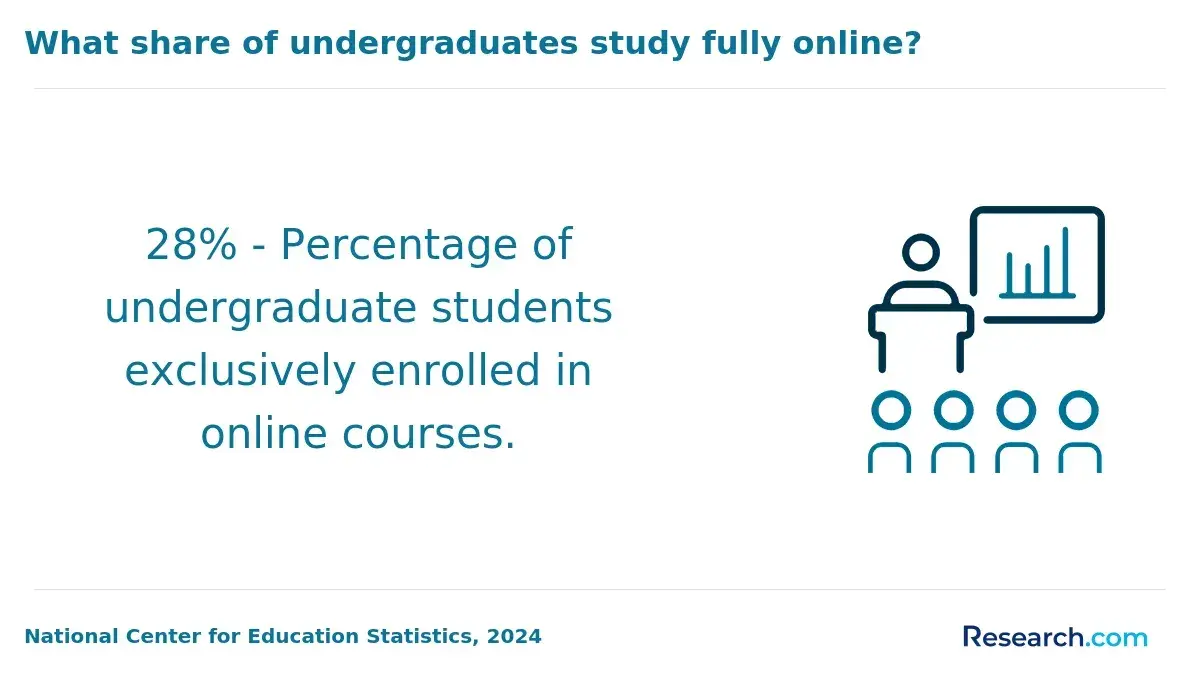
Which Online Gifted Education Master's Specializations Support Career Growth Most Effectively?
Online gifted education master's specializations can serve as strategic levers for accelerating professional growth, particularly for working educators balancing current roles with advanced study. Their effectiveness largely hinges on alignment with evolving industry demands, including the increasing prevalence of digital and hybrid work environments that require scalability of instructional skills and leadership capabilities.
- Curriculum Development and Instructional Leadership: These specializations equip educators to move beyond classroom teaching into program design and team leadership. This transition often correlates with significant salary increases and broader influence within school systems, which aligns with the 12% growth in educational leadership demand reported by the U.S. Department of Education over the past three years. Online formats enhance this by fostering skills in virtual collaboration and remote instructional management, critical as schools adopt hybrid operational models.
- Educational Psychology and Counseling: Specializing in the social-emotional needs of gifted students addresses a rising priority in K-12 environments. As schools increasingly seek counselors trained in gifted-specific challenges, graduates in these fields can access niche leadership opportunities in student support services. The scalability of counseling skills via tele-services further expands employability beyond traditional geographic constraints. However, some roles may require additional certification, impacting immediate career progression.
- STEM-Focused Gifted Education: Given the projected 15% growth in STEM-related educational roles through 2028, educators with expertise in integrating advanced science and math curricula stand to benefit from enhanced job security and salary growth. Online programs' emphasis on technology use and digital pedagogy prepares graduates to meet industry expectations for innovative instructional delivery in virtual or blended settings, underpinning their competitive edge.
- Educational Leadership Specialties with Technology Integration: Specializations that combine leadership training with digital skills development align tightly with district-level pushes toward data-driven and technology-enhanced teaching. These credentials often facilitate promotion into administrative roles and enable leaders to champion new educational technologies, a growing priority for many districts adapting post-pandemic.
- Gifted Education Policy and Advocacy: While less common online, specializations that include policy knowledge empower graduates to influence district or state-level decision-making, relevant for professionals aiming to scale impact beyond classrooms. Mastery in this area supports transitions into roles that shape programming priorities and funding allocations, though these paths typically require extended experience beyond the degree itself.
Choice of specialization should consider local district priorities, certification requirements, and the extent to which skills can be demonstrated and applied in virtual environments. For those exploring multiple advanced degree options, understanding such dynamics is as important as the initial focus area.
The landscape for online gifted education master's degrees for career advancement thus favors specializations that integrate leadership capability, digital proficiency, and applied instructional design, facilitating upward mobility in increasingly complex educational ecosystems.
Prospective students who also show interest in complementary fields may explore related paths such as online PsyD clinical psychology programs, which share overlapping emphases on cognitive and emotional assessment skills relevant to gifted education contexts.
What Gifted Education Master's Concentrations Lead to Management Careers?
Management roles in gifted education arise from accumulating responsibility for decision-making, resource allocation, and strategic oversight-not merely from holding a graduate degree. Different master's specializations develop distinct leadership capabilities, making some concentrations more effective for advancing into administrative and managerial positions than others.
- Educational Leadership: This concentration cultivates skills directly linked to managing teams, navigating educational law, and resolving conflicts, which are critical for supervisory roles. Graduates gain exposure to leadership frameworks that enhance their capacity to coordinate staff, lead departments, and implement institutional policies, creating a strong foundation for ascending to school or district management.
- Program Development and Administration: Focused on the operational side of gifted education programs, this track builds expertise in budgeting, grant procurement, staffing, and stakeholder engagement. By mastering these areas, professionals can effectively oversee specialized initiatives, ensuring sustainability and alignment with organizational goals, which positions them well for roles requiring cross-functional coordination and resource stewardship.
- Policy Analysis and Advocacy: Preparing candidates to influence educational policy at various government levels, this specialization hones analytical and communication skills needed to advocate for programmatic priorities. It builds leadership capital through engagement with regulatory frameworks and community stakeholders, opening pathways into influential roles in public agencies or nonprofit organizations supporting gifted education.
Concentrations strictly emphasizing instructional methods without integrating administrative or strategic components often limit progression into higher-level management, as they lack development of operational oversight and personnel management skills valued in leadership candidates.
Data from the Council for Exceptional Children (2024) indicates nearly two-thirds of program directors prioritize leadership experience when hiring, underscoring the importance of choosing pathways that combine subject mastery with administrative acumen.
How Does Earning Potential Vary by Gifted Education Master's Specialization?
Earning potential among gifted education master's specializations shows a clear division largely driven by the nature of roles within the field. Data from Payscale in 2024 highlights that professionals focused on educational leadership or program administration report median salaries in the $75,000 to $85,000 range, reflecting the higher-level strategic and managerial responsibilities of these positions.
In contrast, specialists concentrating on instruction-such as differentiated teaching methods or counseling-tend to earn between $55,000 and $65,000, a gap that speaks to the differing organizational influence and scope inherent to these roles. These figures, supported by broader labor market datasets, illustrate how specialization choices directly affect initial compensation levels within gifted education careers.
The salary disparities stem from several structural factors beyond base teaching credentials. Leadership roles carry greater accountability for budget oversight, staff coordination, and program evaluation, placing them closer to administrative salary bands typical of school districts and educational agencies.
Specializations requiring certifications in areas like school psychology or leadership can unlock licensure pathways that command premium pay, whereas instructional design or classroom-focused tracks often remain tethered to standard teaching pay scales.
Additionally, demand dynamics play a central role: STEM-oriented gifted education specializations benefit from the priority schools place on science and technology expertise, which can translate into more competitive salaries compared to humanities-focused tracks due to workforce scarcity and shifting educational priorities.
Long-term salary progression also varies with specialization choices. While some instructional roles may start with lower pay, opportunities for advancement through deeper specialization, consulting, or policy advocacy can alter earning trajectories over time.
Conversely, leadership or administrative positions often provide steeper initial salaries but may plateau without continued credentialing or expansion into higher organizational tiers. Understanding how compensation growth aligns with evolving responsibilities, licensure requirements, and sector trends allows gifted education professionals to better plan their career strategies and balance passion with the practicalities of financial stability and workplace demand.
What Mistakes Do Students Make When Selecting a Specialization?
Selecting a gifted education master's specialization is a strategic career decision that extends well beyond personal interest or immediate appeal. The most common mistakes students make arise from prioritizing short-term factors while neglecting how their specialization aligns with long-term career trajectories and workforce realities.
A 2024 report from the National Center for Education Statistics found that nearly 38% of education master's graduates end up with specializations that either limit job growth or fail to meet employer demands, underscoring the risks of these missteps.
- Choosing Based on Current Popularity Rather Than Labor Market Analysis: Students often pick specializations that are trendy or perceived as rewarding without verifying ongoing demand in their target regions or sectors. This can lead to credential obsolescence and fewer employment opportunities over time. Instead, thorough market research and labor data should guide specialization choice to balance interest with sustainable employability.
- Selecting Overly Narrow Specializations Without Clear Advancement Paths: Narrowly focused tracks like curriculum design or assessment might appear attractive but frequently limit upward mobility beyond specialist roles. Such choices can hinder access to leadership or administrative positions, restricting salary and professional development potential. Evaluating how a specialization serves broader career ladders is crucial.
- Neglecting Research Skills and Evidence-Based Practice: Failing to incorporate a strong foundation in research methodology and data-driven content weakens graduate competitiveness, especially in districts prioritizing evidence-based gifted education programs. Robust training in these areas enhances a candidate's profile and adaptability to evolving educational standards.
- Ignoring Regional and Demographic Workforce Demands: Employment viability often depends heavily on local educational ecosystem needs. Overlooking how certain specializations thrive only in specific geographic or demographic contexts can result in limited job options. Students should analyze regional demand patterns and demographic trends pertinent to their career goals.
- Underestimating Certification and Licensing Requirements: Some specializations have specific licensure or endorsement prerequisites that, if underestimated, can delay career entry or advancement. Awareness of these professional requirements prevents costly detours and ensures alignment with preferred career tracks.
Addressing these pitfalls requires a framework rooted in labor market interpretation, personal strengths, and future-oriented planning. For those weighing choices, understanding what jobs can you get with an AI degree illustrates the importance of connecting specialization to broader workforce trends and transferable skills.
Developing this strategic awareness supports smarter decisions about how to choose the right gifted education specialization and maximizes long-term opportunity and role flexibility.
How Can Students Align Specialization Choices With Long-Term Career Plans?
Aligning specialization choices in a gifted education master's program with long-term career plans demands a deliberate, data-driven approach that integrates industry trends, requisite competencies, and career progression pathways. Students must view these choices not simply as academic preferences but as elements of a multi-year career strategy that anticipates labor market shifts and evolving role expectations.
Recent data from the U.S. Bureau of Labor Statistics (2024) reinforce that areas like curriculum development and instructional coordination are growing, highlighting the importance of selecting specializations with enduring demand. Incorporating gifted education master's specialization for career advancement involves understanding how each concentration prepares graduates for differentiated responsibilities across various institutional contexts and geographies.
A structured decision framework can assist students in mapping specialization outcomes directly to targeted job roles, evaluating skill portability across related fields, and assessing each track's capacity to foster progression into leadership or advanced technical positions. This approach mitigates common risks such as prioritizing immediate interest, temporary market spikes, or generic academic appeal over sustained workforce relevance.
For professionals exploring non-traditional or evolving paths within education, examining broader career fields, such as occupational parallels found in careers in forensic science, can reveal the value of cross-disciplinary competencies. Ultimately, aligning gifted education concentration with professional goals requires reconciling academic focus with long-term employability and leadership potential, informed by current and projected labor market data.
What Graduates Say About the Best Gifted Education Master's Specializations for Career Growth
- Callahan: "After completing my master's with a specialization in gifted education, I found that many employers valued my practical experience and portfolio more than traditional licensure. Navigating hiring realities meant prioritizing internships and project work during my studies, which opened doors to flexible, sometimes remote, roles that fit my career goals. While the salary progression was steady, I realized advancing beyond certain levels without obtaining certification proved challenging within some districts."
- Saul: "The gifted education focus gave me a distinct edge when applying to specialized teaching roles, but I quickly learned the market is competitive and often leans heavily on documented classroom success. Rather than relying solely on my degree, I pursued additional certifications and sought out leadership internships, which made a tangible difference in job offers. Flexibility was a key advantage, and I appreciated being able to enter the workforce sooner thanks to the program's practical emphasis."
- Adam: "Reflecting on my career trajectory after earning my master's with a gifted education emphasis, I encountered typical hiring challenges-especially around roles requiring licensure. I pivoted to positions focusing on curriculum development and enrichment programs, where my specialized knowledge was highly valued even without a license. The experience underscored how important it is to remain adaptable and explore varied pathways within education rather than expect a linear climb through traditional teaching roles."
Other Things You Should Know About Gifted Education Degrees
Specializations emphasizing supervised practicum or fieldwork tend to better prepare graduates for real-world challenges and signal readiness to employers seeking candidates who can apply theory effectively.
However, these programs often demand more time and rigorous commitment, which can be difficult for working professionals. Choosing a specialization with substantial hands-on experience generally enhances employability and leadership prospects but requires careful time management and may delay graduation.
Specializations focused on policy, curriculum design, or program administration frequently lead to leadership roles, but they often involve less classroom instruction and more system-level work. Students targeting district-level positions or advocacy roles should prioritize these tracks, as they develop skills critical for influencing gifted education practices broadly.
However, those who prefer direct student engagement might find these paths less fulfilling despite their potential for career growth in management.
Employers hiring for advanced positions in gifted education often expect candidates to demonstrate either strong research abilities or effective practical skills, depending on the role. Research-intensive programs appeal more to candidates aiming for academic, policy, or program evaluation careers, while practice-oriented specializations better suit those focused on teaching and administrative leadership.
Prospective students should evaluate job descriptions in their target market carefully and select specializations that meet employer priorities to avoid gaps between qualifications and job requirements.
References
- Job Profile: Special Education Teacher, Gifted and Talented https://www.masters-in-special-education.com/job-profile/gifted-and-talented/
- Top 20 Gifted And Talented (G&T) Education Master’s Online https://www.topeducationdegrees.org/rankings/online-masters-gifted-talented/
- Setting Long-Term Goals for Students - Mackler Associates https://mackleradvantage.com/setting-long-term-goals-for-students/
- Clinical Placements for Graduate Students: Challenges and Best Practices https://eimpartnerships.com/articles/clinical-placements-for-graduate-students-challenges-and-best-practices
- Pros and Cons of Gifted Education Programs https://www.davidsonacademy.unr.edu/blog/pros-cons-gifted-education/
- 5 steps to an aligned internationalised curriculum https://www.eaie.org/resource/aligned-internationalised-curriculum.html
- Aligning Student Goals with Academic Opportunities https://www.liaisonedu.com/resources/blog/aligning-student-goals-with-academic-opportunities-for-greater-community-college-student-engagement/
- 10 Steps to Build Personalized Learning Plans https://www.upskillist.com/blog/10-steps-to-build-personalized-learning-plans/
- Common misconceptions around gifted students and their teachers https://www.aaegt.net.au/common-misconceptions-around-gifted-students-and-their-teachers
- The Plus and Minus Of Gifted Education Programs https://www.elitehometutoring.com/the-plus-and-minus-of-gifted-education-programs/