
2027 Most Affordable Associate Degrees for Adults With No College Degree

Co-Founder and Chief Data Scientist
Starting college as an adult means weighing tuition against the time, transportation, and lost work hours a program may require. The College Board reported average published tuition and fees of $4,050 for in-district students at public two-year colleges in 2024-25. That price makes community college a useful starting point, but it is not the full cost of a degree. This guide compares affordable associate degree fields, explains their career and transfer trade-offs, and shows what to check before enrolling - especially if you have no previous college credit.
Key Things You Should Know
- In-district tuition is often the strongest price benchmark, but compare mandatory fees, residency rules, books, and required in-person work.
- An AA or AS often supports transfer; an AAS often emphasizes job preparation. Confirm how a specific program actually works before enrolling.
- The U.S. Bureau of Labor Statistics reported a $93,600 median annual wage for registered nurses in 2024, but an associate degree alone does not grant an RN license or guarantee that wage.
Top 10 Most Affordable Associate Degrees for Adults With No College Degree
Business Programs
A business administration or accounting associate degree can be inexpensive when its courses use standard classrooms and widely available textbooks. An Associate of Arts (AA) or Associate of Science (AS) may suit adults planning to transfer; an Associate of Applied Science (AAS) may emphasize bookkeeping, office operations, or other workplace skills.
Compare software fees and whether required courses run in evening or online terms. Business degrees can support entry-level applications, but management jobs usually require substantial experience; a low-cost program is poor value if its credits will not apply to your intended bachelor's degree.
Healthcare Programs
Healthcare associate options include health information technology, medical laboratory technology, and dental hygiene. Their prices can differ sharply: equipment, screening, uniforms, examinations, and clinical travel may outweigh a modest tuition difference.
Health information programs may offer more remote coursework, while hands-on fields generally require in-person training. Ask for an itemized program budget and confirm that clinical placements are available on a schedule you can manage.
For regulated occupations, verify that the program meets applicable certification or licensing requirements before treating it as the cheapest route to a job.
Information Technology Programs
Computer information systems and IT support associate degrees can offer comparatively low-cost coursework without clinical fees. Check charges for software, hardware, certification exams, and proctored assessments.
An AAS may prioritize troubleshooting and networking skills; an AS may provide a stronger transfer route into computer science, depending on the college.
Compare the curriculum with local job postings: an inexpensive program covering outdated tools may save tuition but weaken its practical value. Certifications can complement a degree, though neither credential guarantees an IT job.
Nursing / Pre-Nursing Programs
An associate degree in nursing can provide an educational route toward registered-nurse licensure; a pre-nursing associate degree generally prepares students to apply to a nursing program rather than become an RN. This distinction matters for cost.
Science prerequisites, selective admission, clinical travel, supplies, and possible waiting periods can add expense and time.
Ask whether admission to the college also grants admission to nursing - it often does not. Confirm program approval, clinical scheduling, graduation requirements, and eligibility for the relevant licensing examination with the school and state nursing board.
Criminal Justice Programs
Criminal justice associate degrees commonly cover law, courts, and public safety. Because many courses are classroom-based, a local community college can be a cost-conscious choice, particularly for adults considering transfer.
Before paying for the degree, check the requirements of your target employer: law enforcement and corrections agencies may have separate age, background, physical, academy, or training requirements.
A criminal justice degree does not replace them. If your goal is a specific agency job, compare the degree's total cost with applying directly or using an employer-supported education benefit.
Psychology / Counseling Programs
An AA or AS in psychology can be an affordable first step toward a bachelor's degree, especially through a transfer agreement. It is not, by itself, a route to becoming a licensed counselor or psychologist; those roles generally require substantially more education and state-specific qualifications.
Price this option as the beginning of a longer pathway, not the entire cost of entering the profession. Adults seeking a faster workforce credential should compare human services or behavioral health support programs and check the qualifications for particular local jobs.
What Are the Most Affordable Associate Degrees for Adult Learners?
The most affordable associate degree is the one you can complete for the lowest reasonable total cost while meeting your goal. For many adults, that means an in-district public community college offering a business, IT, criminal justice, or transfer-focused psychology program.
Healthcare and nursing may still be worthwhile, but clinical and equipment costs require closer comparison. These are field-level starting points, not a ranking of individual colleges: prices and requirements vary by school.
The comparison below shows why the lowest-tuition field is not automatically the best-value field. Use it to narrow your search, then request program-specific estimates.
| Degree field | Cost factor to check | Best fit when |
| Business or psychology | Books, software, and transferability | You want a lower-cost start toward a bachelor's degree |
| Information technology | Equipment, software, and exam fees | The curriculum matches your intended entry-level work |
| Criminal justice | Whether an employer requires the degree | It advances a verified employment or transfer plan |
| Healthcare or nursing | Clinical travel, supplies, screenings, and licensure-related expenses | The program leads toward a specific occupation you have researched |
If a particular entry-level job does not require a degree, compare the full associate pathway with an apprenticeship, employer training, or relevant 4 week certificate programs online option. A short certificate is not a substitute for a degree or professional license when those are required.
How Much Do Affordable Associate Degree Programs Cost?
Published tuition is only the starting price. The College Board's 2024-25 average of $4,050 covers annual tuition and fees for in-district students at public two-year colleges; it is not a quote for any particular program or a complete annual student budget.
Your total depends on residency, required credits, enrollment pace, books, transportation, technology, and program-specific charges. Living expenses also matter, even if you would pay some of them whether or not you enrolled.
Request a written estimate for every school on your shortlist. These figures make advertised prices comparable and reveal charges that can change your choice:
- Tuition and mandatory fees for every required credit, using your actual residency classification.
- Program expenses such as labs, software, uniforms, screenings, clinical travel, and examination fees.
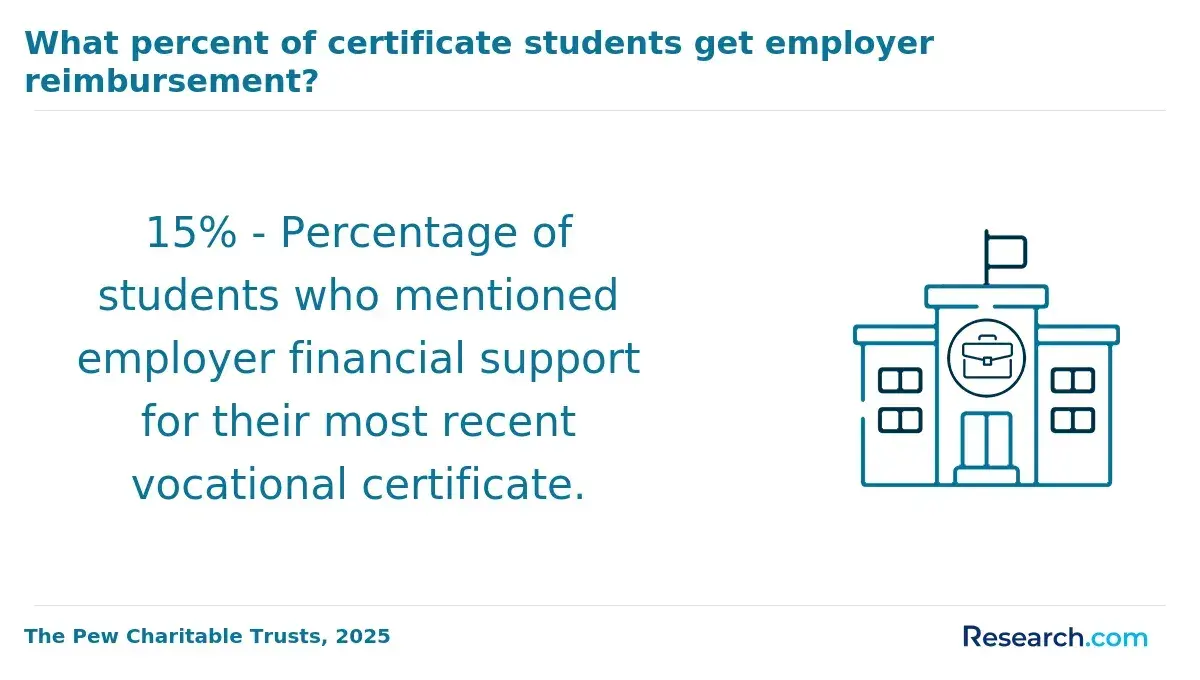
- Estimated grants, scholarships, and employer assistance, followed by the amount you would still need to pay or borrow.
Sticker price is the published charge; net price reflects grants and scholarships; total program cost includes the expenses needed to finish.
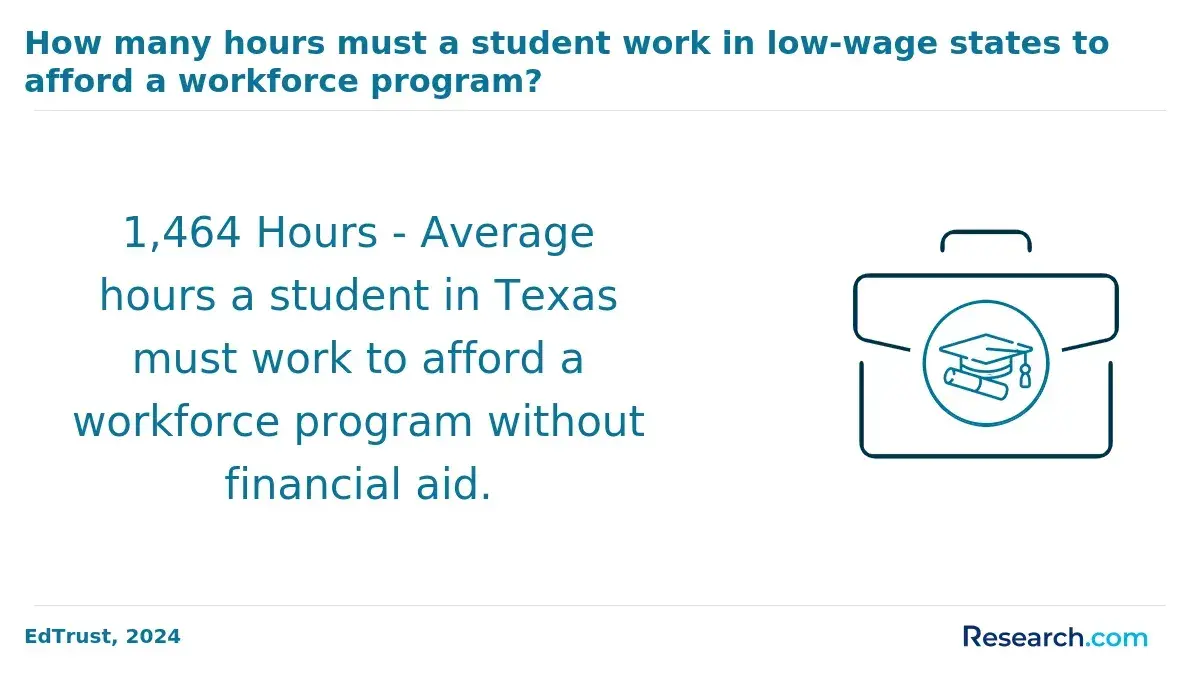
Submit the Free Application for Federal Student Aid (FAFSA) and ask the college about aid eligibility, state grants, payment plans, and emergency support. Aid depends on eligibility and the institution's rules, so do not assume an advertised tuition price is what you will ultimately pay.
Which Associate Degrees Offer the Best Career and Salary Potential?
Nursing and some allied-health associate pathways can lead toward occupations with stronger pay potential than many general entry-level office roles, but they also carry selective admissions, clinical requirements, and licensing costs.
The Bureau of Labor Statistics reported a 2024 median annual wage of $93,600 for registered nurses. That is an occupational median across workers with different experience and education - not an expected starting salary for an associate degree graduate.
IT and business can offer broader entry points, but pay depends heavily on the role, employer, skills, and experience. Psychology is usually best evaluated as a transfer path rather than an immediate route to counselor pay.
If counseling is the destination, account for a bachelor's degree and later graduate study; comparing affordable masters degrees may eventually matter, but only after confirming the education and licensing rules for your intended profession. Compare each field against actual local vacancies and their stated qualifications, not a field-wide salary claim.
Are Online Associate Degrees as Affordable as Campus Programs?
Online associate degrees can cost less if they reduce commuting or allow you to keep working, but online tuition is not necessarily lower. Technology and distance-learning fees, out-of-district rates, and required in-person components can erase those savings. Clinical programs may deliver lectures online while still requiring local placements or campus labs.
Ask whether classes are asynchronous or meet at set times, how often required courses are offered, and where exams or practical work take place.
Adults who need control over study hours can compare a cheapest self-paced online college option with a conventional community college - but should verify whether "self-paced" applies to the entire degree, individual courses, or only selected assignments. Choose the format you can consistently attend and finish, not simply the one labeled online.
What Admission Requirements Apply to Adults Without College Experience?
Many community colleges admit adults without prior college credit. You will generally need an application and proof of high school completion or an accepted equivalent; the college may use transcripts, past coursework, or placement measures to determine where you start.
Standardized admissions tests are not universally required. Ask whether developmental coursework, if recommended, will add time or cost without applying to the degree. Admission to a college is not the same as admission to every major.
Nursing and some allied-health programs may separately require prerequisite courses, minimum grades, background checks, health documentation, or a competitive application. If that is your intended path, ask how many courses you must complete before applying and what happens if you are not admitted on the first attempt.
What Accreditation Should Affordable Associate Degree Programs Have?
Choose a college with recognized institutional accreditation and confirm that it participates in the federal aid programs you intend to use. Accreditation supports quality review and may affect aid and transfer, but it does not mean every course will satisfy another school's major requirements. Ask the destination bachelor's program to confirm how proposed credits will apply.
For nursing and other regulated healthcare fields, also check any relevant programmatic accreditation, state approval, and eligibility for required examinations or licenses. Requirements differ by occupation and state. A red flag is a school that advertises a route to licensure but cannot explain, in writing, whether its program meets requirements where you plan to work.
How Long Does It Take to Complete an Affordable Associate Degree?
Associate degrees commonly require around 60 semester credits, so full-time study often takes about two academic years. An adult attending part time may need longer; prerequisites, limited course offerings, developmental coursework, clinical placements, and selective admission can extend the timeline. Short course terms do not shorten the total degree unless the full sequence and your course load support it.
Ask an advisor to map every required course by term, including summer availability and any application-to-major waiting period. If you have military training, professional credentials, or exam-based learning, ask about formal prior-learning assessment; experience does not automatically earn credit.
For perspective, even a fastest masters degree online option is a later credential requiring an appropriate prior degree - it cannot replace the credits needed to begin an associate pathway.
Which Jobs Can You Get With an Affordable Associate Degree?
Possible entry-level directions include office or bookkeeping support after business study; help-desk support after IT study; and agency support or administrative work after criminal justice study.
Healthcare options are more occupation-specific: a qualifying program can help prepare students for roles such as health information technician or registered nurse, subject to the role's other requirements. Psychology coursework can support further study or applications for some support positions, but not independent counseling practice.
Before enrolling, search vacancies in the area where you expect to work. Check whether employers ask for the exact associate major, a certification, experience, a bachelor's degree, or a license. This prevents an expensive mistake: choosing a low-tuition degree that does not meet the hiring requirements of the job you actually want.
Do Associate Degree Careers Require Licensure or Certification?
It depends on the occupation. Registered nurses must meet state licensing requirements, including an approved educational route and a licensing examination. Other healthcare roles may require state licensure, professional certification, or both.
IT certifications are commonly valued for particular support or networking jobs but are not a universal legal requirement. Public safety employers may impose separate training and eligibility standards.
Identify the exact job title and state before comparing program prices. Then ask the school which required exams its graduates are eligible to take, what the exams and applications cost, and whether any clinical or supervised hours remain after graduation. Completing an associate degree and qualifying to practice are separate milestones.
Other Things You Should Know About
Yes. Many community colleges accept first-time students with a high school diploma or accepted equivalent. A selective major may have additional prerequisites.
No abbreviation is consistently cheapest. Compare each program's required credits, fees, and transfer value. An inexpensive AAS may cost more later if your goal requires a bachelor's degree and few credits apply.
Not necessarily. Eligibility and awards vary. Complete the FAFSA, review the college's aid offer, and budget for remaining tuition, fees, books, and living costs before borrowing.
Pick a target job or bachelor's program, then compare itemized costs and course schedules at nearby public colleges. Confirm accreditation, transfer or licensing requirements, and the full path to completion before committing.
References
- Resources to pay for your education | Minnesota MyHigherEd https://myhighered.mn.gov/adult-students/resources-pay-your-education
- Education credits: Questions and answers | Internal Revenue Service https://www.irs.gov/credits-deductions/individuals/education-credits-questions-and-answers
- Cost of Attendance (Budget) | 2025-2026 Federal Student Aid Handbook https://fsapartners.ed.gov/knowledge-center/fsa-handbook/2025-2026/vol3/ch2-cost-attendance-budget
- Admission Information | Northern Virginia Community College Academic Catalog https://catalog.nvcc.edu/admission-information/
- DMACC Nursing Program Curriculum Details https://www.dmacc.edu/pathways/hsf/nursing-details.html
- Online Associate Degrees | National University https://www.nu.edu/online-degrees/associate/
- Satisfactory Academic Progress | New Mexico State University https://alamogordo.nmsu.edu/student-services/financial-aid/sap.html
- Key Differences Between Regional and National Accreditation of Nursing Schools | Saint Joseph's College of Maine https://studyonline.sjcme.edu/blog/key-differences-between-regional-and-national-accreditation-nursing-schools
- Free Community College in Massachusetts | mass.edu https://www.mass.edu/osfa/programs/masseducate.asp
- How to Get College Credit for Work Experience - Post University https://post.edu/blog/pla-101-can-a-prior-learning-assessment-get-me-college-credit-for-work-experience/


