2027 MLIS Programs With Summer Enrollment for Faster Completion

Co-Founder and Chief Data Scientist
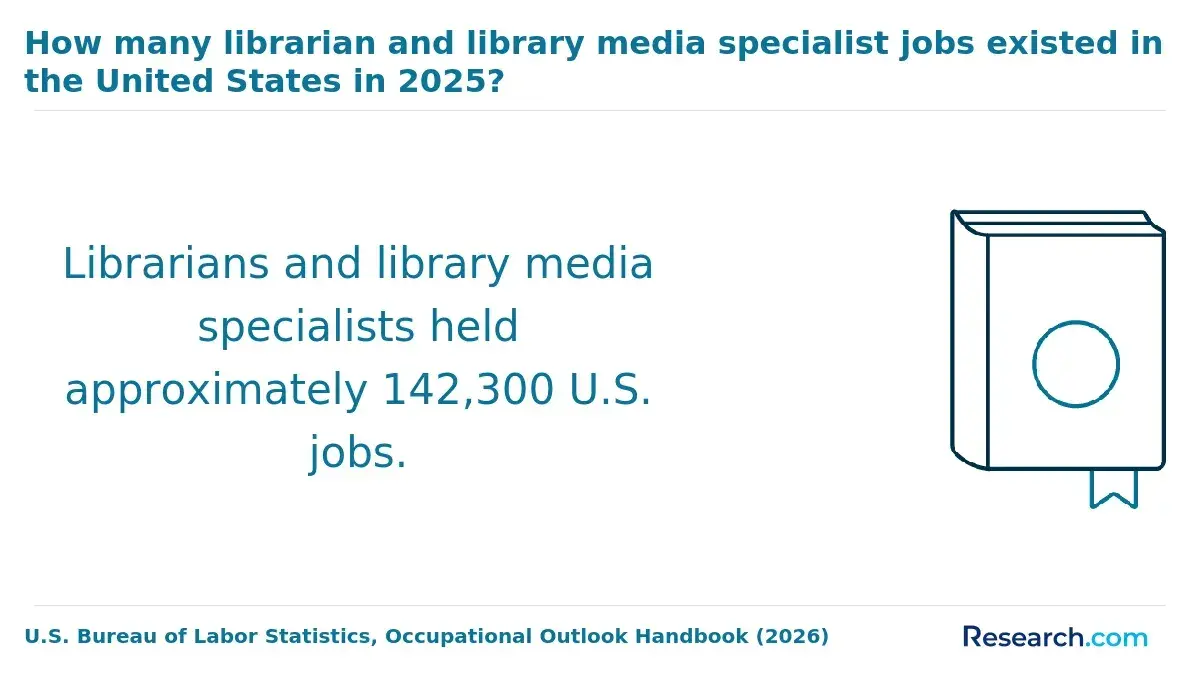
Summer classes can shorten the path to an MLIS - but only if the courses you need are offered when you need them. That distinction matters for working adults and career changers weighing tuition, time, and professional opportunities. The U.S. Bureau of Labor Statistics reports a May 2025 median annual wage of $68,270 for librarians and media collections specialists; that occupational figure is context, not a graduate salary promise. This guide explains how to check summer schedules, accreditation, costs, and degree requirements so you can choose a realistic completion plan.
Key Things You Should Know
- Summer enrollment speeds completion only when available courses fulfill degree requirements and fit prerequisite, practicum, and graduation schedules.
- Verify the specific master's program in the current ALA accreditation directory; university-level accreditation alone is not the same credential.
- Compare the full cost of every term, not tuition alone. BLS projects 2.6% employment growth for librarians and media collections specialists from 2025 to 2035, so faster graduation does not guarantee a job.
What Are MLIS Programs With Summer Enrollment?
These are Master of Library and Information Science programs that let students begin or continue degree coursework during a summer term. "Summer enrollment" can mean a summer admission start, summer courses for existing students, or both. Confirm which meaning a school intends before building a timeline.
Related degrees may be called an MLS, Master of Science in Library Science, or Master of Information. The name alone does not establish the curriculum or accreditation status. More importantly for scheduling, a program may offer summer electives without offering required courses, while another may offer a summer start but limit the first courses new students can take.
Ask for the current summer schedule and a degree plan showing which courses count toward graduation. A catalog establishes that a course exists; it does not establish that the course will run in the summer you need it.
How Does Summer Enrollment Accelerate MLIS Degree Completion?
Summer study can replace credits you would otherwise take in a later fall or spring term. It can also keep you moving through a prerequisite sequence. Neither benefit is automatic: a short summer session may limit how many courses you can manage, and a required course offered only in fall can still determine your graduation date.
The comparison below shows why the type of summer course matters more than the mere existence of a summer term. These are planning scenarios, not published program schedules.
| Summer schedule | Likely effect on completion | What to verify |
| A required course is available | May remove a later-term bottleneck | Eligibility, prerequisites, and section availability |
| Only a useful elective is available | May reduce later coursework but not the final graduation term | Whether the elective fulfills an open degree requirement |
| Summer practicum is available | May help complete an applied requirement sooner | Site approval, supervision, and placement deadlines |
Request a term-by-term plan from an adviser that includes required courses, electives, fieldwork, and the final graduation application. If you work full time, also ask how many hours per week a compressed course typically demands; the fastest plan on paper may not be sustainable.
Which MLIS Programs Are Accredited by the ALA?
The American Library Association accredits qualifying master's programs in library and information studies, not every degree offered by an accredited university. Its current directory is the appropriate place to confirm the status of a specific MLIS, MLS, or differently named LIS master's program. Do not infer status from a school's reputation or from a similar program name.
Start with the exact degree and institution in the directory, then check the university's current catalog for summer-start rules and course availability. ALA accreditation does not certify that a particular elective, online format, or accelerated schedule is offered. If your goal is school librarianship, check your state education authority separately: state certification or endorsement requirements can include conditions beyond completing an ALA-accredited degree.
Are Online or Campus-Based MLIS Programs Better for Summer Study?
Neither format is inherently faster. An online course may avoid a commute, but scheduled live meetings, group work, and field placements can still restrict your availability. A campus course may provide useful in-person access yet require travel or a summer schedule you cannot accommodate.
For each program, compare actual summer sections rather than the program's general delivery label. Ask whether classes are asynchronous or meet at set times, which time zone applies, whether campus visits are required, and whether a practicum can be completed near you. If accessibility or work shifts are decisive, request the course-level schedule before accepting an offer.
What Courses Are Included in an MLIS Curriculum?
MLIS curricula commonly address information organization, reference and research services, collection development, information technology, and the social and ethical responsibilities of information work. Specific requirements vary. A course in metadata, for example, may teach how descriptive information helps people discover resources; its presence in a catalog does not mean it is required or offered every summer.
Choose electives by the work you want to do, then check when those electives actually run. Someone interested in digital collections may prioritize metadata and digital preservation, while an aspiring public librarian may value community services and information literacy. To compare library science curriculum, separate required courses from electives and ask whether an applied project or practicum can fit your proposed summer schedule.
What Are the Admission Requirements for Summer MLIS Enrollment?
Programs typically ask applicants to document prior undergraduate study and submit materials specified by the graduate school, which may include transcripts, a statement of purpose, recommendations, or a résumé. Requirements and deadlines differ, and a university may admit students in summer even when a particular concentration or course sequence starts later.
Check the summer application deadline, whether all documents must arrive before review, and when admitted students may register. If a transcript or other requirement is still pending, ask admissions about its actual policy rather than assuming provisional entry is available. Guidance on online information science graduate requirements can help frame that conversation, but only the institution can confirm your eligibility.
How Long Do Accelerated MLIS Programs Take to Complete?
There is no universal accelerated MLIS timeline. Completion depends on required credits, how many courses a student can take each term, summer offerings, prerequisite order, and any fieldwork or final project. A published minimum may assume a heavier course load and uninterrupted access to required classes.
When considering one year MLIS tuition and outcomes, distinguish a school's stated possible timeline from a schedule it can support for your admission term. Ask an adviser to identify the last required course in your plan and the earliest graduation date if that course fills or is not offered. A slower plan may be the better choice if it leaves room for paid work or relevant library experience.
How Much Do MLIS Programs With Summer Classes Cost?
Without a verified school-specific tuition schedule, there is no reliable single price for a summer MLIS. Calculate tuition using the rate that applies to you and the credits you must complete, then add mandatory fees and likely expenses for materials, technology, travel, and fieldwork. Online enrollment does not automatically qualify a student for an in-state rate.
Summer can change when you pay without reducing total required credits. It may also affect your budget if a compressed course limits work hours or an extra term adds fees. Compare gross program cost, expected out-of-pocket payments after confirmed assistance, and any amount you would need to borrow. For a wider cost comparison, review affordable MLIS for working professionals, then confirm current rates and aid eligibility directly with each school.
Before enrolling, request an estimate tied to your planned start term and residency status. Ask financial aid staff how your specific summer course load affects eligibility; do not assume aid awarded for fall or spring automatically covers summer.
What Careers and Salaries Can an MLIS Degree Lead To?
An MLIS can prepare students for professional roles in public, academic, special, and other libraries, depending on coursework and experience. Librarians may help users find and evaluate information, teach research skills, manage collections, or oversee digital services. BLS reports a May 2025 median annual wage of $68,270 for its combined occupation of librarians and media collections specialists. That is a national occupational median, not an expected starting salary or an outcome for a particular MLIS program.
Archives, records management, metadata, and research data support are additional possibilities, but employers may seek specialized experience or consider other degrees. BLS reports a May 2025 median annual wage of $64,550 for archivists; the separate occupational category should not be treated as an MLIS-specific salary. Explore library degree focus areas alongside actual job postings, then select projects or fieldwork that demonstrate the skills those roles request.
If you are pursuing school librarianship, verify state certification requirements before choosing courses. For adjacent information-management jobs, compare the MLIS with targeted experience or another relevant credential rather than assuming the degree is required.
What Is the Job Outlook for MLIS Graduates?
BLS projects 2.6% employment growth for librarians and media collections specialists from 2025 to 2035. That projection describes an occupation across the United States, not placement rates for graduates or demand in a particular city. It is a reason to evaluate local openings and experience requirements, not to assume that finishing sooner will secure employment.
Before committing to an accelerated schedule, examine postings for your intended setting. Note whether employers ask for an ALA-accredited master's degree, teaching or technology skills, prior library work, or a state credential. A summer course load that leaves time for a relevant job, internship, or portfolio project may serve your career goals better than the earliest possible graduation date.
Other Things You Should Know About Library Science
Possibly. The receiving program decides whether the course meets its graduate transfer-credit rules and a specific degree requirement. Get approval before enrolling elsewhere, particularly for a course you need to graduate.
Some schools permit nondegree graduate enrollment, but registration limits and later application of the credit vary. Ask whether the course would count toward the MLIS if you are subsequently admitted.
Transcripts generally identify the term in which a course was taken. Ask the registrar how your school records summer sessions if you need documentation for an employer or another institution.
Possibly, but leave-of-absence and readmission rules vary. Check how a break would affect course sequencing, your maximum time to complete the degree, and any financial aid before pausing.
References
- Pathways for Students and Graduates | Student Internships and Jobs | Working at CDC | Careers at CDC https://jobs.cdc.gov/working-at-cdc/student-intern-jobs/pathways.html
- Types of Financial Aid: Grants, Work-Study, and Loans | studentaid.gov https://studentaid.gov/understand-aid/types
- Summer Terms, Crossover Payment Periods, and Year-Round Pell | 2025-2026 Federal Student Aid Handbook https://fsapartners.ed.gov/knowledge-center/fsa-handbook/2025-2026/vol7/ch5-summer-terms-crossover-payment-periods-and-year-round-pell
- Excelsior Scholarship Program - HESC - NY. Gov https://hesc.ny.gov/find-aid/nys-grants-scholarships/excelsior-scholarship-program
- Alternative work schedules | U.S. Department of Commerce https://www.commerce.gov/hr/practitioners/leave-policies/alternative-work-schedules
- Chapter 3 - Courses and Enrollment, Full Course of Study, and Reduced Course Load | USCIS https://www.uscis.gov/policy-manual/volume-2-part-f-chapter-3
- Everything You Need to Know About College Summer School | Harvard Summer School https://summer.harvard.edu/blog/everything-you-need-to-know-about-college-summer-school-the-complete-guide/
- MLIS Admissions & Cost | College of Information Science https://infosci.arizona.edu/ma-library-information-science/admissions-cost
- Admission Criteria and Academic Regulations | southeastern.edu https://catalog.southeastern.edu/content.php
- Academic Regulations | Yale Summer Session https://summer.yale.edu/admitted-students/academic-regulations