
2027 MLIS Programs for Legislative Data and Research Analysts

Co-Founder and Chief Data Scientist
Choosing an MLIS for legislative research means looking beyond the degree title: you need training in finding authoritative sources, managing data, and explaining evidence without political bias. The U.S. Bureau of Labor Statistics projects 2.6% employment growth for librarians and media collections specialists from 2025 to 2035, but that broad category does not measure legislative analyst openings. This guide is for prospective students and career changers. It shows which skills to seek, how to assess programs and costs, and when another credential may fit better.
Key Things You Should Know
- An ALA-accredited MLIS can support legislative research careers, but analyst jobs may also accept public policy, law, statistics, or other relevant qualifications.
- Prioritize government information, research methods, data analysis, and an applied project; a relevant elective is not the same as a formal legislative-research concentration.
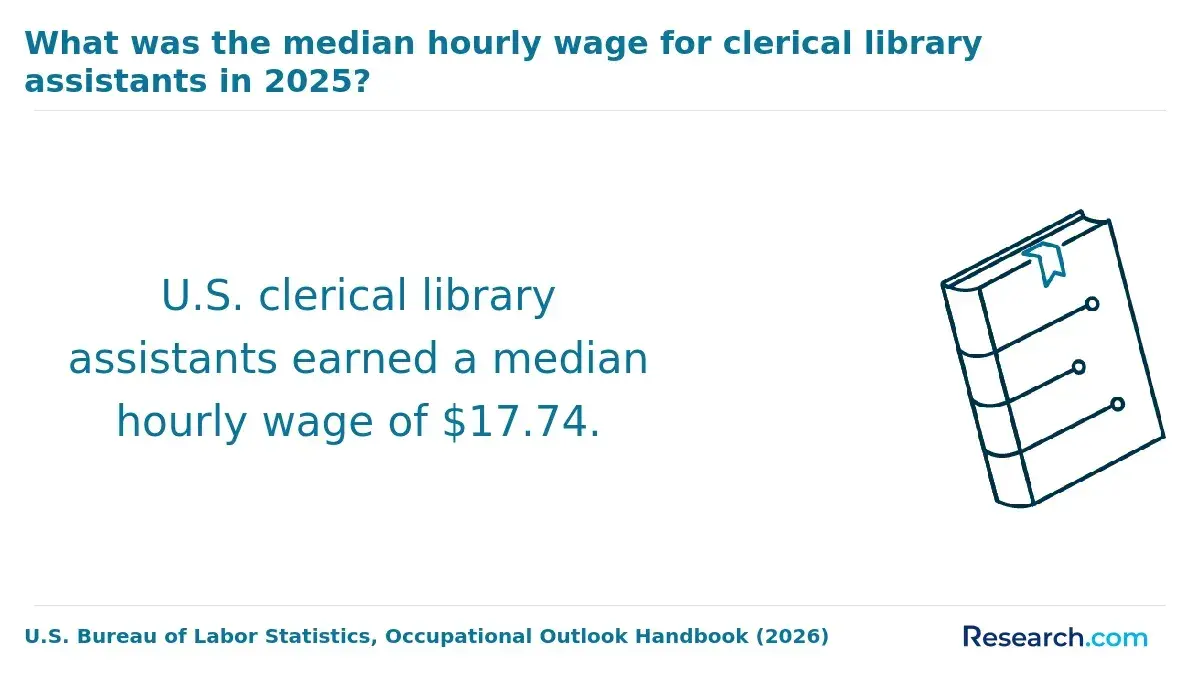
- The May 2025 median pay for librarians and media collections specialists was $68,270. It is context for some MLIS-related roles, not a legislative analyst salary or a predicted graduate outcome.
What do legislative data and research analysts do?
Legislative analysts help lawmakers, legislative staff, agencies, and the public understand proposed laws and the evidence behind them. Depending on the employer, they may track bills, assemble legislative histories, compare policies across states, analyze administrative data, or prepare concise, nonpartisan research briefs. A legislative librarian or government information specialist may do overlapping work while also managing collections, discovery tools, or reference services.
The outputs below show why this career calls for both research judgment and information-management skills. Individual jobs combine these responsibilities differently.
| Work | Typical output | Skill to develop |
| Trace bill versions, amendments, and votes | Legislative history or bill tracker | Source verification and version control |
| Find statutes, agency reports, and prior analyses | Documented research brief | Government-information research and citation |
| Organize datasets and source documents | Searchable files or reproducible analysis | Metadata, data cleaning, and records practices |
| Explain findings to decision-makers | Plain-language summary or briefing | Neutral writing and communicating uncertainty |
Accuracy matters because a summary of an introduced bill can become misleading after amendments. Analysts must identify the version and date they used, distinguish proposed language from enacted law, and make it possible for others to retrace their sources.
What degree do you need to become a legislative research analyst?
There is no single degree required across legislative analyst jobs. Requirements depend on whether the position centers on policy analysis, quantitative research, legal research, or library services. An MLIS - sometimes titled MLS, Master of Science in Library Science, or Master of Information - can be a strong match for government information, legislative reference, and information organization. The degree title alone does not establish that a particular program teaches legislative research.
Policy-focused jobs may favor a master's in public policy or public administration; data-intensive jobs may favor statistics or substantial analytic experience. Some law-library or legal-research positions prefer legal training, but a law degree is not a universal requirement for legislative research. Check actual postings for the employers and job titles you want before committing to a degree. For specialized library positions, advanced librarian career entry requirements can also help frame which credentials to investigate.
If your goal is to answer legislative reference questions and maintain access to government information, an MLIS may fit especially well. If you primarily want to estimate a bill's fiscal effects or conduct statistical policy evaluation, compare policy and quantitative degrees before choosing the MLIS.
How can an MLIS prepare you for legislative data research?
An MLIS can teach you to locate authoritative material, assess its reliability, describe it so others can find it, and preserve access as documents change. Those skills translate to legislative work when bills have multiple versions, agencies publish related evidence in different places, and researchers need a traceable account of what was available at a particular time.
For an applied project, build a small legislative history around a public bill: record version dates, amendments, committee materials, and related statutes; create a consistent description for each item; then write a neutral brief with citations. If you use code or AI-assisted search, document the method and check every substantive claim against the underlying source. This produces stronger evidence of readiness than merely listing software on a résumé.
An MLIS is less likely to supply advanced causal inference or legal interpretation unless you deliberately add that training. Pair LIS coursework with policy methods, statistics, or supervised work when those skills appear repeatedly in your target job postings.
Are online MLIS programs suitable for legislative research careers?
Yes, an online MLIS can be suitable if its curriculum and applied opportunities match your goals. Evaluate the program itself rather than assuming online delivery makes it more flexible or that an on-campus program provides better legislative contacts. Ask whether relevant electives are offered online, how often they run, whether meetings are live or asynchronous, and whether a practicum can be completed with a legislative office or government library near you.
Course sequencing can determine your actual completion date even when a program advertises a flexible pace. If timing is important, compare a proposed course-by-course schedule with the shortest path to an MLIS, then confirm availability directly with the program. Also check whether online students can use career services and obtain supervision for an approved remote or local project; online classes do not imply remote internships are permitted.
What do MLIS programs for legislative analysts teach?
There is not a standard "legislative analyst MLIS" curriculum. Look for a combination of foundational LIS study and documented options that serve the work: government information and reference, information retrieval, research methods, data organization, and records management. Policy analysis or statistics courses may be available elsewhere in the university, but enrollment across departments may have restrictions.
A useful curriculum connects each skill to a concrete task. Information retrieval helps you search across legislative and agency systems; metadata and authority control help you identify the same bill or organization consistently; records practices help preserve context; and research methods help you assess evidence rather than simply collect it. Accessible writing matters because briefs must work for readers who are not subject specialists.
Separate required courses from electives, and both from an officially named concentration. A catalog listing establishes that a course exists, not that it will run before you graduate. Request a recent course schedule and ask whether a capstone, independent study, or supervised project can address legislative materials.
How do you choose an accredited MLIS program?
Start by checking the specific master's program in the current American Library Association accreditation directory. Institutional accreditation and ALA program accreditation are different; neither confirms that a school offers legislative-research electives, an internship, or a particular online format.
Next, compare programs against the work you want to do: relevant required courses, documented electives and their recent availability, access to applied projects, scheduling, and total attendance cost. Ask a program representative which legislative or government-information projects students have been permitted to complete, without treating past examples as a promise of future placement.
Location can affect tuition and access to state-government experience, but it should not substitute for a curriculum check. If you are comparing schools in that region, a guide to the best affordable library masters in the South can help you identify options to investigate; verify each program's current accreditation, rates, and course availability independently.
What are the admission requirements for MLIS programs?
MLIS programs generally ask applicants to document completion of a bachelor's degree, but minimum grades, essays, recommendations, résumés, tests, and prerequisite policies vary. Read the current admissions page for each program rather than assuming that legislative experience replaces a published academic requirement.
Use your statement to connect specific experience to the program: for example, explain how tracking bills, answering constituent questions, cleaning public data, or working in a library led you to information organization or research services. Applicants changing careers can make the same case through a carefully documented project.
If you have prior graduate coursework, ask whether it qualifies under the school's graduate transfer-credit policy, whether it satisfies a requirement or only an elective, and whether accepting it changes your course sequence. Undergraduate credits are a separate matter. Guidance on library information science credit transfer can help you prepare those questions, but the admitting program makes the decision.
How long do MLIS programs take and what do they cost?
Completion time depends on required credits, course load, elective scheduling, and any practicum or capstone. Rather than relying on an advertised fastest completion time, ask for a term-by-term plan that includes the courses you need for legislative work. Part-time study may make employment easier to maintain, while a delayed elective can add an extra term.
No single tuition figure represents the cost of an MLIS. Calculate required credits × the tuition rate that applies to you, then add mandatory fees, materials, and any travel or practicum expenses. Compare rates for the same academic year and confirm whether online study changes residency-based pricing. A list of cost effective MLIS programs is a starting point, not a substitute for a personalized estimate.
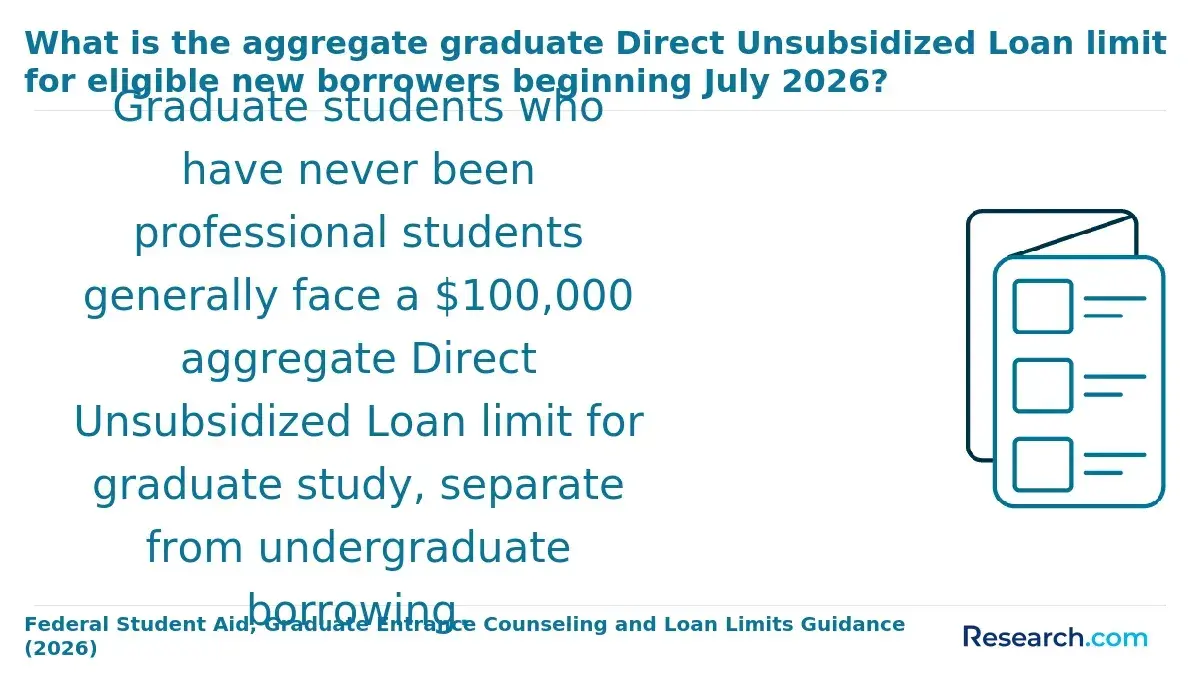
Keep three figures separate: the gross program cost, what you would pay after any confirmed employer support or grants, and what you would borrow. Federal aid eligibility and loan terms depend on the student and enrollment period; confirm current rules with the school's financial aid office before using borrowing in your plan. The degree's value also depends on whether your target employers require or prefer it and what you already earn.
What jobs can you get with an MLIS and legislative research skills?
Relevant titles include legislative reference librarian, government information librarian, policy research assistant, legislative analyst, research librarian, and records or information specialist. Titles are not interchangeable: a librarian posting may explicitly require an ALA-accredited degree, while an analyst posting may prioritize policy methods, subject expertise, or quantitative skills. Government libraries, legislative research offices, law libraries, agencies, and organizations that monitor legislation offer different mixes of these duties.
To test your fit, collect postings from the employers you would realistically pursue and compare their required qualifications with your proposed coursework. Seek experience producing a sourced brief, maintaining a document tracker, or describing a government collection. Early work in reference, legislative support, or records can provide a route into more specialized roles, but advancement depends on the employer and demonstrated ability, not the MLIS alone.
If the postings you favor rarely request an MLIS, consider a policy degree, a targeted methods course, or relevant work experience before taking on graduate-degree costs.
What salary and job outlook can legislative research analysts expect?
There is no single occupational salary or growth figure that covers every legislative research analyst job. The U.S. Bureau of Labor Statistics reports a May 2025 median annual salary of $68,270 for librarians and media collections specialists, with 2.6% projected employment growth from 2025 to 2035. Those figures can provide context for library-oriented roles, but they should not be applied to a legislative analyst opening with different duties and qualifications.
For a realistic pay comparison, review current postings for your target title and location, noting whether salaries reflect entry-level or experienced work and whether benefits differ. Compare that evidence with your likely education costs and existing earnings. A broad occupational median cannot establish what a particular MLIS program's graduates earn.
Other Things You Should Know About Library Science
A bill is proposed legislative text. Its legislative history is the record of its consideration, which may include versions, amendments, committee materials, and votes. Which documents exist and how to interpret them varies by jurisdiction.
Identify the jurisdiction, bill number, legislative session, version or amendment date, and the source you consulted. That detail lets a reader find the text you actually analyzed rather than a later version.
Usually, public records can support a research sample, but check the source's reuse terms and your program's rules. Remove private information from notes or working files, and label your analysis as student work rather than an official legislative product.
State the research question, cite the source for each factual claim, distinguish evidence from interpretation, and describe meaningful limitations. Have a reader check whether your wording fairly represents competing evidence without obscuring what the record shows.
References
- Getting Started with Primary Sources | Teachers | Programs https://www.loc.gov/programs/teachers/getting-started-with-primary-sources/
- Policy Analysis Positions | U.S. Office of Personnel Management https://www.opm.gov/policy-data-oversight/classification-qualifications/general-schedule-qualification-standards/specialty-areas/policy-analysis-positions/
- Internships - State of Illinois Employment Opportunities https://careers.illinois.gov/carsrvcs/students-grads-careers/illinois-internships.html
- Master of Library and Information Science | Wayne State University https://sis.wayne.edu/mlis
- MLIS Career Outcomes | College of Information Science https://infosci.arizona.edu/ma-library-information-science/career-outcomes
- Bluebook Legal Citation: Legislative Materials | utexas.edu https://tarlton.law.utexas.edu/bluebook-legal-citation/how-to-cite/legislative-material
- US Legislative Materials & Histories: Preliminary Considerations | umich.edu https://libguides.law.umich.edu/c.php
- Best Online Master's in Library Science Programs 2027 https://www.mastersinlibraryscience.org/degree/
- Best Online Master's in Library Science Degrees | bestcolleges.com https://www.bestcolleges.com/education/masters/library-science/


