2027 Master's in Data Science vs. Master's in Industrial Engineering: Choosing Your Graduate Path

Co-Founder and Chief Data Scientist
A master's in data science and a master's in industrial engineering can both lead to analytical work, but they prepare you to solve different problems. If you are choosing between them, the decisive question is whether you want to build insight from data across many settings or improve the performance of interconnected processes and operations. This comparison covers the coursework, career paths, entry requirements, costs, and program features that can turn that preference into a practical choice.
Key Things You Should Know
- Choose data science for deeper preparation in statistical modeling, programming, and machine learning; choose industrial engineering for optimization, process design, and decisions about people, equipment, and resources.
- The U.S. Bureau of Labor Statistics (BLS) projects 35% growth in data scientist employment from 2025 to 2035. That describes an occupation, not the job prospects of every data science graduate.
- BLS reports a May 2025 median annual wage of $120,230 for data scientists. Compare target jobs and total program costs rather than treating that figure as a starting salary or proof that one degree pays better.
What Is the Difference Between a Master's in Data Science and Industrial Engineering?
The central difference is the problem each degree puts first. Data science focuses on extracting, testing, and communicating findings from data; industrial engineering focuses on designing and improving systems that deliver products or services. Both can involve statistics and code, so the degree title alone is not enough to establish what a particular program teaches.
This comparison shows where the fields typically diverge and where a prospective student should expect overlap.
| Decision factor | Master's in data science | Master's in industrial engineering |
| Primary focus | Prediction, inference, and data-driven products or decisions | System performance, efficiency, quality, and resource allocation |
| Common methods | Statistical modeling, machine learning, programming, and data management | Optimization, simulation, operations research, and process analysis |
| Typical project | Build and evaluate a model using a documented dataset | Model an operational system and test a proposed improvement |
| Where they overlap | Supply-chain analytics, forecasting, scheduling, and operational decision support |
An industrial engineering student may take substantial analytics coursework, while a data science student may specialize in operations. Review required courses and projects before assuming either degree excludes the other field's methods.
Which Master's Degree Has Better Career Opportunities?
Neither degree has universally better opportunities. Data science is the more direct route when your target work centers on developing models or analyzing data across domains. Industrial engineering is usually the closer match when you want to redesign production, logistics, service, or other operational systems. Employers hire for demonstrated skills and relevant experience as well as credentials.
BLS's projected growth for data scientists signals strong national demand for that occupation, but it does not compare the two degrees directly: industrial engineering graduates pursue several occupations, and data scientist positions are open to people with varied educational backgrounds. Use data science degrees and growing data occupations to explore the range of data-focused roles, then compare actual job postings in your preferred industry and location.
The fields increasingly meet in work such as demand forecasting and operational analytics. If that intersection appeals to you, a program with strong electives or a relevant capstone may matter more than which of the two names appears on the diploma.
What Jobs Can You Get With Each Master's Degree?
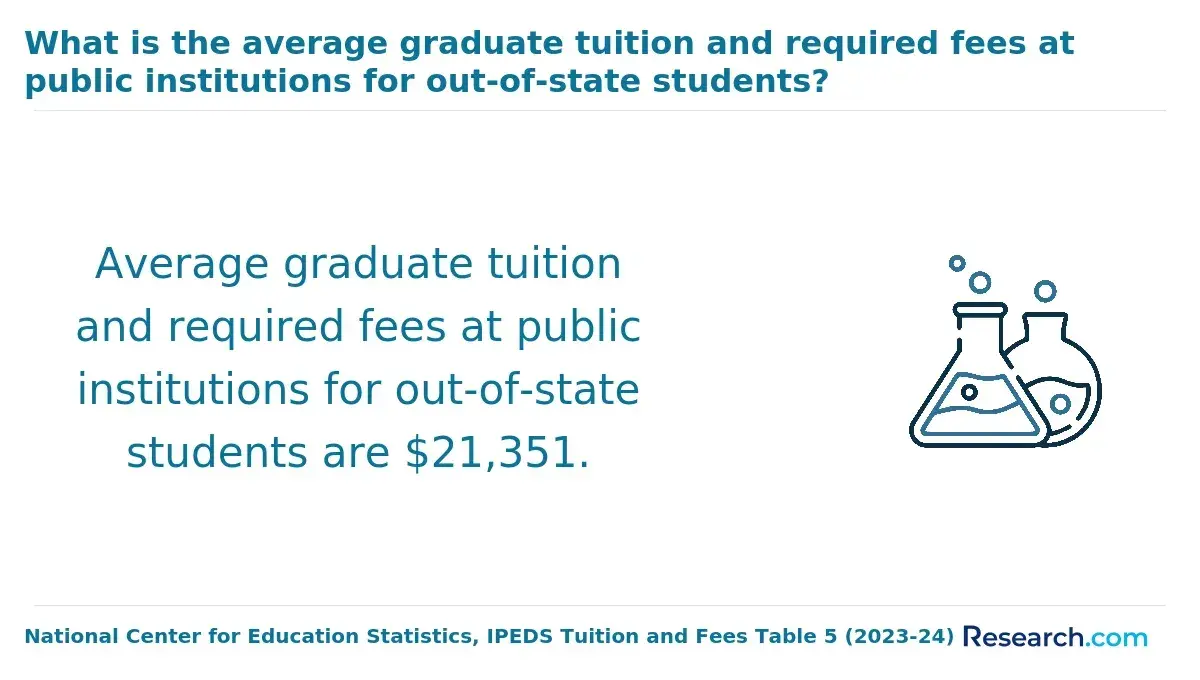
A data science graduate might pursue data scientist, machine learning analyst, analytics engineer, or quantitative analyst roles, depending on their technical preparation and prior experience. Industrial engineering graduates may target industrial engineer, process improvement engineer, operations analyst, supply-chain analyst, or manufacturing systems roles. Titles and qualifications vary by employer; a degree does not confer a job title automatically.
For a useful comparison, read several postings for the work you want to do. A role that asks you to deploy predictive models calls for different project evidence than one that asks you to reduce queue times, redesign workflows, or improve production capacity. Operations research and supply-chain analytics can draw applicants from either degree, making electives and applied experience especially important.
How Do Data Science and Industrial Engineering Curricula Compare?
Data science programs commonly emphasize probability and statistics, programming, data preparation, machine learning, and model evaluation. Industrial engineering programs commonly emphasize optimization, simulation, systems analysis, quality, and the design of operational processes. These are typical emphases, not required course lists; the balance varies substantially among universities.
Look past course titles. For example, a machine learning elective may be valuable for an industrial engineering student who wants to forecast demand, while an optimization course may distinguish a data science student interested in logistics. Artificial intelligence is not a substitute for examining either curriculum: if AI development is your primary goal, compare the specific advanced coursework and projects here with those in AI programs, including options for affordable online study in artificial intelligence.
A strong capstone should also match your intended work. Ask whether students can use real operational constraints, document data quality, evaluate results against a baseline, and explain how a proposed model or process change would be used.
What Are the Admission Requirements for Each Master's Program?
Requirements differ by institution. Both fields may expect quantitative preparation; data science applicants should examine expectations for programming, calculus, linear algebra, and statistics, while industrial engineering applicants should examine expectations for mathematics, statistics, and engineering or related technical coursework. Some programs admit students from other backgrounds with preparatory work, but that possibility must be confirmed in the program's published policy.
If your undergraduate degree is outside computer science, AI master's degrees for non-CS graduates offer a useful comparison of how technically oriented programs can approach background gaps. For either degree considered here, ask admissions staff which courses are formal prerequisites, whether work experience counts as evidence of readiness, and whether a missing course can be completed after admission. Self-study can help you prepare without necessarily satisfying a formal requirement.
How Long Do These Master's Programs Take and What Do They Cost?
Completion time depends on required credits, course availability, and whether you study full-time or part-time. Neither degree title reliably tells you how long a program will take. Ask each school for a course-by-course plan based on your intended pace, including when required electives, projects, or thesis supervision are available.
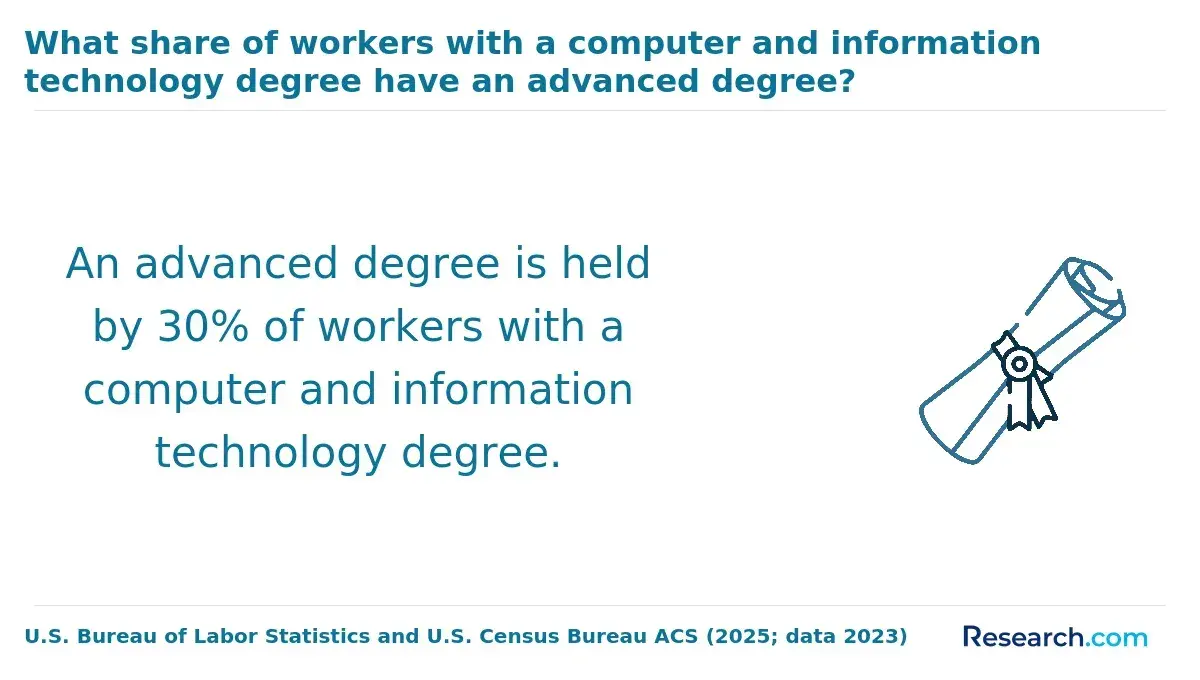
No single tuition figure fairly represents either degree. To compare programs on equal terms, calculate the full cost of the credits you must take plus mandatory fees, materials or software, and any campus travel. Then account separately for foregone earnings if you would reduce work hours. A lower price per credit can still produce a higher total bill if a program requires more credits or charges additional fees.
Check employer tuition assistance, institutional funding, and eligibility for federal student aid before deciding how much you would need to borrow. Financial assistance pathways for a data science master's can help you frame those questions, but verify award terms and current charges with each school. Avoid calculating a guaranteed return from an occupation's median wage: your salary change depends on your starting point, target role, experience, and location.
Should You Choose an Online or Campus-Based Master's Program?
Choose the format that lets you complete the coursework and projects your target role requires. Online study can suit a working professional, particularly when courses are asynchronous. Campus study may make in-person collaboration or access to particular facilities easier. Neither format is inherently more rigorous, and individual programs can combine online teaching with live meetings or campus requirements.
This matters especially if you need access to manufacturing facilities, specialized software, employer-sponsored project data, or a research lab. Before enrolling, ask about live-session times, group projects, examinations, project supervision, and any required visits. If you will keep working, compare those answers with data science master's programs suited to professional schedules rather than assuming "online" means fully self-paced.
How Do Salaries and Job Outlook Compare for Graduates?
BLS reports that the median annual wage for U.S. data scientists was $120,230 in May 2025. Its projection of 35% employment growth from 2025 to 2035 describes the data scientist occupation, not a wage or placement forecast for new master's graduates. Industrial engineering graduates may enter industrial engineering or other operations-focused roles, so comparing that data scientist figure with a single industrial-engineer figure would not capture every plausible outcome.
For an honest comparison, identify two or three specific roles you would pursue with each degree and use current BLS occupation profiles and local job postings to assess pay, outlook, and required skills. Treat school-reported graduate salaries cautiously unless the school discloses who responded, when they graduated, their prior experience, and whether the number is a salary level or an increase. Do not assume the degree caused an observed salary difference.
What Accreditation and Certifications Should You Look For?
First verify that the university holds recognized institutional accreditation and confirm the program's current status with the institution and relevant accreditor. For industrial engineering, check the ABET directory if programmatic ABET accreditation matters to your goals; do not assume a master's program is ABET-accredited because the school has an accredited bachelor's program. Data science master's degrees should likewise be evaluated on institutional standing and their actual curriculum, faculty, and projects rather than an assumed program-specific accreditation.
Certifications can demonstrate particular software or process skills, but they do not replace a suitable graduate curriculum. Professional engineering licensure is a separate, state-governed matter: if you plan work that requires a PE license, check the applicable state board's education and experience rules before choosing a program.
How Can You Choose the Right Master's Program?
Start with the job tasks you want, then test whether each program offers a credible path to performing them. The following sequence helps prevent the common mistake of choosing by degree title, ranking, or headline tuition alone.
- Define two target roles. Choose specific job descriptions and identify their recurring methods, tools, and domain expectations.
- Audit required coursework. Check whether essential skills are taught in required classes or only in electives that may not run when you need them.
- Inspect applied work. Look for projects that let you demonstrate either sound model evaluation or measurable systems improvement, according to your goal.
- Check feasibility. Obtain written confirmation of prerequisites, a realistic completion plan, total charges, and scheduling or campus requirements.
- Compare the remaining trade-offs. Weigh total cost and time against the relevance of courses, projects, faculty expertise, and support for your target career.
Choose data science if your strongest interest is building and evaluating analytical models and you want the program's core to develop those skills. Choose industrial engineering if you want to improve how a physical or service system operates and need optimization and systems methods at its core. If both appeal to you, favor the program whose required work fits your target role and whose electives let you develop the other field's useful tools.
Other Things You Should Know About Data Science
Yes, but the transition depends on your skills and work samples, not the degree name alone. Build evidence in programming, statistical modeling, and model evaluation through electives or projects that address a real problem.
Usually not if you need graduate-level training in modeling, optimization, or systems design. An MBA may fit better if your primary goal is general management; compare required coursework against the work you want to perform.
No. Doctoral admissions vary by department and may weigh mathematical preparation, research experience, recommendations, and fit with faculty interests. A thesis option may be useful if research is your goal.
Possibly. Ask the program whether employer-sponsored projects are permitted and how it handles confidential data, publication, supervision, and intellectual property before relying on a workplace project to fulfill a requirement.
References
- Annual Earnings by Educational Attainment - COE https://nces.ed.gov/programs/coe/indicator/cba/annual-earnings
- Industrial Engineering: Systems Engineering & Analytics MS | Professional Degrees & Certificates https://pdc.wisc.edu/degrees/industrial-engineering-systems-engineering-analytics-ms/
- Curriculum - MEng ISE | Rutgers https://engineeringmastersonline.rutgers.edu/meng-in-industrial-and-systems-engineering/curriculum/
- Is Data Science a Good Major? Pros, Cons & Future Job Outlook | Syracuse University https://ischool.syracuse.edu/is-data-science-a-good-major/
- What You Can Do with a Master's in Data Science and Artificial Intelligence | Harvard Extension School https://extension.harvard.edu/blog/what-you-can-do-with-a-masters-in-data-science-and-artificial-intelligence/
- Admission Requirements | Innovative Learning https://www.purdue.edu/academics/ogsps/admissions/admission-requirements/
- Criteria for Accrediting Engineering Programs, 2025 - 2026 | ABET https://www.abet.org/accreditation/accreditation-criteria/criteria-for-accrediting-engineering-programs-2025-2026/
- Data Science Roles - A Definitive Guide | Data Science PM https://www.datascience-pm.com/data-science-roles/