
2027 Marketing Attribution Capstones: What to Look for in a Data Science Master's

Co-Founder and Chief Data Scientist
A marketing attribution capstone can show whether you can turn imperfect campaign data into a defensible business decision - not just produce a dashboard. If you are comparing data science master's programs for marketing analytics work, the key question is whether a program gives you the methods, data access, supervision, and project flexibility to do that well. This guide explains what a credible capstone looks like and how to check whether a prospective program can support one.
Key Things You Should Know
- Look for a capstone that defines a marketing decision, addresses missing or biased data, tests assumptions, and communicates uncertainty; assigning credit to the last click alone is not enough.
- Ask programs whether students can propose an attribution topic, obtain suitable data, and receive supervision in causal inference and experimental design. A capstone requirement does not guarantee those opportunities.
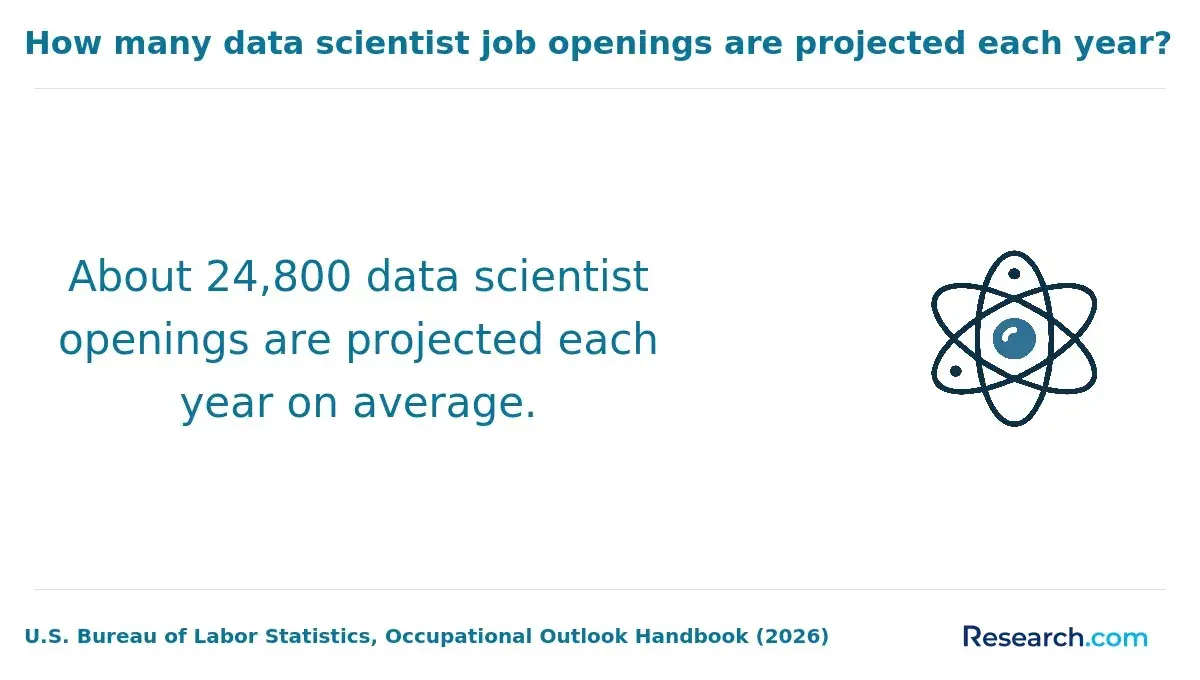
- Career demand is broad but not attribution-specific: the U.S. Bureau of Labor Statistics projects 35% growth in data scientist employment from 2025 to 2035. Judge a program by the work you can demonstrate, not that projection alone.
What is a marketing attribution capstone in a data science master's program?
A marketing attribution capstone is a substantial project that investigates how marketing activities relate to an outcome, such as purchases, qualified leads, or customer retention. A useful project might compare channel measurement approaches, estimate the incremental effect of a campaign, or recommend how to allocate a limited budget. Its deliverable should explain both the analysis and what a decision-maker can reasonably conclude from it.
The distinction between attribution and incrementality matters. Attribution assigns observed outcomes to touchpoints under a chosen rule or model. Incrementality asks what would have happened without an intervention. When customers encounter multiple channels - or would have purchased anyway - those questions can yield different answers. A strong capstone states which question its data can answer rather than calling every attributed conversion a causal effect.
Not every master's program permits a student-selected capstone, offers a capstone at all, or can provide marketing data. Before applying, inspect recent project descriptions and ask whether the program accepts an employer-sponsored, public-data, or simulated-data project. Confirm who approves topics and whether data-use restrictions affect the final presentation.
What skills should a marketing attribution capstone demonstrate?
The best projects connect a business question to an appropriate measurement design. They document how campaign, customer, and outcome records were joined; define a conversion window; explain missing touchpoints and consent-related gaps; and test whether the conclusion changes under plausible assumptions.
Different methods answer different questions. The comparison below helps distinguish a technically impressive model from evidence that supports a spending decision.
| Approach | Question it can address | Important limitation |
| Rule-based or modeled multi-touch attribution | How recorded conversions are distributed across observed touchpoints | Credit assigned to a touchpoint is not proof of incremental impact |
| Randomized holdout or lift test | Whether an intervention changed outcomes for a tested population | Results may not transfer to other audiences, channels, or periods |
| Aggregate marketing mix model | How changes in spending relate to outcomes over time | Confounding and limited variation can make channel effects difficult to separate |
For portfolio value, look for reproducible code, a documented data dictionary, a justified evaluation strategy, and a short stakeholder briefing that separates findings from assumptions. A polished visualization cannot repair leakage between training and test data or an unsupported causal claim. If a project uses machine learning to automate targeting or budget decisions, master's-level preparation in responsible AI governance may help you assess its privacy and accountability implications.
What coursework prepares students for marketing attribution projects?
Prioritize statistical inference, regression, experimental design, causal inference, and data engineering. SQL and programming courses should prepare you to reconcile event logs, campaign identifiers, and transaction records; visualization and communication coursework should prepare you to explain results to nontechnical stakeholders. Privacy-aware data management matters when customer-level records are involved.
A course title is only a starting point. Check syllabi and assignments: Does an experimentation course cover treatment assignment and uncertainty? Does a machine learning course address validation and leakage? Can an elective examine observational causal methods or marketing measurement? A passing lecture on attribution is less useful than substantial practice with the underlying methods.
Students primarily interested in developing AI models can also compare online artificial intelligence degree programs. For an attribution capstone, however, model-building depth should not displace experimental design and careful interpretation of marketing data.
How do online and campus-based data science master's programs compare?
Either format can support a strong attribution capstone. The decisive differences are usually access to faculty, collaborators, approved data, and timely feedback - not whether instruction happens online or on campus. Online study may fit a working marketer who can use approved workplace data; campus study may make in-person collaboration or locally arranged projects easier. Neither arrangement guarantees a sponsor or permission to publish results.
Ask how capstone teams meet, whether attendance is synchronous, how often advisers review work, and whether remote students have the same topic-selection and data-access options as campus students. If comparing online degrees with different subject emphases, use the same criteria for total cost and project support; a list of affordable AI graduate degrees is useful only if the programs also teach the measurement skills your intended capstone requires.
What are the admission requirements for a data science master's degree?
Requirements vary by institution. Programs may ask for evidence of programming, calculus, linear algebra, statistics, or professional analytical work, while others offer preparatory pathways. Check the current admissions page for required courses, minimum grades, tests, and whether prior learning can satisfy a formal prerequisite; do not assume that marketing experience alone substitutes for mathematics or coding requirements.
For this capstone goal, useful application evidence includes an analysis that states its measurement question, shows how data was cleaned, and acknowledges alternative explanations. Applicants from marketing or other non-CS fields may find AI master's admissions considerations for non-CS graduates helpful when identifying technical preparation gaps. Self-study can improve readiness, but only a program can confirm whether it fulfills an admissions requirement.
How long do data science master's programs take, and what do they cost?
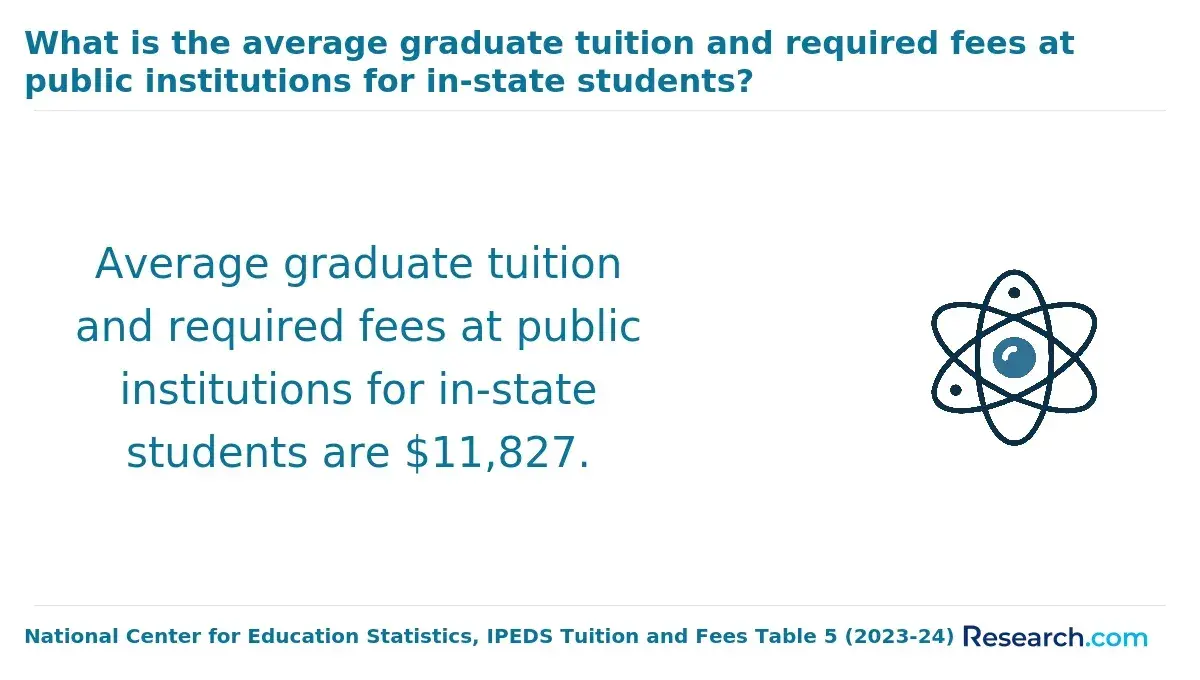
There is no single reliable duration or price for a data science master's: credit requirements, enrollment pace, residency status, fees, and capstone scheduling differ by program. For each school, compare its current published credit requirement with the courses you can realistically take each term. Ask whether prerequisites add time and whether a capstone depends on finding a sponsor or joining a scheduled course.
Calculate total cost using current tuition and mandatory fees, then add applicable technology, materials, travel, and any extra terms needed to finish the project. A lower tuition figure may not mean a lower final cost. Employer support, institutional aid, and other financial assistance pathways for a data science master's can change the comparison, but confirm eligibility and conditions before relying on them. Do not treat a prospective salary as a return guaranteed by the degree.
How can students verify a data science program's accreditation?
Check the institution's current accreditation status through its stated accreditor and the U.S. Department of Education's recognized-accreditor information. Verify the exact institution awarding the degree, particularly when a program is marketed through another organization. Institutional accreditation is not evidence that a particular capstone topic, course, or employer project has been approved.
If you will study from another state, ask the school to confirm that it can enroll students where you live and whether the capstone has any on-site requirements. Treat an unclear answer about accreditation, enrollment eligibility, or project arrangements as a reason to pause before paying a deposit.
Which careers use marketing attribution and data science expertise?
Marketing measurement work appears in marketing analyst, marketing scientist, growth analytics, experimentation, and data scientist roles. The emphasis differs: some positions focus on campaign reporting and data quality; others design lift tests, build measurement models, or advise on budget decisions. Read job descriptions for methods and responsibilities rather than relying on titles alone.
The U.S. Bureau of Labor Statistics projects data scientist employment to grow 35% from 2025 to 2035. That is a projection for the broader occupation, not a forecast of marketing attribution vacancies. If you want an experimentation-focused role, choose a capstone that demonstrates a defensible test design; if you want marketing operations work, reliable data pipelines and decision-ready reporting may be more relevant.
What salaries can marketing attribution and data science professionals expect?
The U.S. Bureau of Labor Statistics reports a May 2025 median annual wage of $120,230 for data scientists. This is an occupation-wide figure - not an entry-level offer, a marketing attribution salary, or an expected wage increase from earning a master's degree.
Pay depends on responsibilities, prior experience, employer, and location. When weighing tuition against career prospects, compare actual openings you would qualify for with your current compensation and costs. Be cautious with program salary claims that do not identify the graduates surveyed, response rate, reporting period, or whether the figures represent salary levels rather than increases.
Do marketing attribution professionals need certifications or licenses?
Marketing attribution and data scientist roles generally do not have a profession-wide license requirement. Employers may value familiarity with particular analytics platforms, but a vendor certification demonstrates knowledge of that platform rather than the ability to establish causal impact.
Choose optional certifications only after checking target job postings. For most prospective students, a capstone that transparently handles data limitations and defends its conclusions is more informative evidence of attribution skill than a collection of unrelated badges. Follow applicable employer data-access and privacy rules regardless of which credentials you hold.
Other Things You Should Know About Data Science
It can provide project evidence, but it is not automatically equivalent to workplace experience. Ask employers what experience they expect and ask the program whether its capstone involves an external partner.
Ownership depends on the school's policies and any agreement with the employer. Get written clarification before using workplace data or promising to share the work publicly.
No. If code or data cannot be shared, ask whether you may publish a sanitized methodology, synthetic demonstration, or nonconfidential summary of your contribution.
Policies vary. Ask when topics are approved, whether a change requires a new adviser or proposal, and whether switching could delay completion.
References
- Secondary Analysis Research - PMC - NIH https://pmc.ncbi.nlm.nih.gov/articles/PMC7520737/
- Data Science Capstone Experience | jhu.edu https://engineering.jhu.edu/ams/academics/graduate-studies/masters-data-science/data-science-capstone-experience/
- Capstone Projects - UVA School of Data Science https://datascience.virginia.edu/degrees/info/capstone-projects
- Penn State expands data analytics program with option in marketing analytics | Penn State University https://www.psu.edu/news/academics/story/penn-state-expands-data-analytics-program-option-marketing-analytics
- For whom is privacy policy written? A new understanding of privacy policies - ScienceDirect https://www.sciencedirect.com/science/article/pii/S0267364924001389
- Capstone Project - MS in Applied Data Science (MSADS) https://msads.eng.ufl.edu/capstone-project/
- Marketing Attribution Models: How to Choose and Use Them | cxl.com https://cxl.com/blog/attribution-models/
- Challenges of Marketing Attribution in 2026 | Braze https://www.braze.com/resources/articles/challenges-of-marketing-attribution


