2027 Job Placement Rates for Gifted Education Master's Graduates: Employment Outcomes

Co-Founder and Chief Data Scientist
Graduates of gifted education master's programs often face a complex job market shaped by location, specialization, and practical experience. For example, a concentration in curriculum development may open different doors than a focus on counseling within diverse school districts.
Employer perception also hinges on demonstrated internships that extend beyond theory. Recent data from the U. S. Department of Education highlights a steady rise in online graduate enrollments, indicating that flexible program delivery affects when and how graduates enter the workforce. Understanding these intersecting factors helps clarify which program features translate into timely employment and viable careers in gifted education.
Key Things to Know About the Job Placement Rates for Gifted Education Master's Graduates
- Graduates concentrating in curriculum design show higher initial placement rates, reflecting employer preference for specialized skills, though this narrows versatility in shifting between educational roles later.
- Geographic location heavily influences outcomes; urban districts with established gifted programs employ more graduates, indicating regional disparities that affect career mobility and salary potential.
- Internship experience strongly enhances employability, yet limited availability delays graduation timelines and adds financial pressure, highlighting a tradeoff between immediate access and long-term career advantage.
What Are the Typical Job Placement Rates for Gifted Education Master's Graduates?
Job placement rates for gifted education master's graduates must be understood as multifaceted metrics reflecting various post-graduation trajectories rather than a singular outcome. Whether a graduate finds full-time employment directly related to gifted education, secures any form of employment, or pursues further education significantly impacts how placement figures should be interpreted.
For instance, a regional education program specializing in gifted assessment may report high placement rates by including graduates enrolled in advanced certification, yet these individuals are not immediately entering the workforce.
Recognizing such distinctions is critical for evaluating the practical value of the degree and making informed decisions about the timing and nature of employment following graduation.
- Full-Time Employment in Field-Related Roles: This category typically captures graduates employed full-time (35+ hours weekly) in positions that explicitly utilize gifted education expertise, such as curriculum design specialists or program coordinators. According to the National Center for Education Statistics (NCES) and corroborated by various institutional reports, realistic placement rates here often range from 60% to 80%, reflecting the niche demand for gifted education roles within broader education systems.
- Any Employment: Counting all employment, including part-time or adjacent educational roles, usually yields a higher placement rate exceeding 85% within six to twelve months post-graduation. These figures originate from data tracked by agencies like the U.S. Bureau of Labor Statistics (BLS) and emphasize employment flexibility over precise role relevance, illustrating how transferable skills affect job prospects but may limit direct gifted education application.
- Continued Education: Many gifted education master's graduates pursue doctoral programs or additional certification to deepen specialization. While inclusion of these pathways in placement outcomes inflates apparent success rates, they denote deferred workforce entry rather than immediate employment, complicating straightforward labor market assessments.
- Variation in Definitions and Methodology: Wide discrepancies in reported placement rates often stem from differences in how programs define "employment," the post-graduation window examined, and reliance on self-reporting versus verified administrative data. Readers should carefully review methodology sections in published outcomes to contextualize the figures accurately.
- Contextual Factors Influencing Placement: Geographic demand, specialization focus within gifted education (e.g., talent identification versus curriculum development), and the presence of practicum or internship opportunities critically shape job placement outcomes. This variability means two graduates from different programs or regions may experience very distinct employment prospects despite holding similar credentials.
For educators looking ahead to advanced leadership roles, verifying how institutional data accounts for continuing education is just as essential as scrutinizing the timeline of accelerated doctoral tracks. Investigating fast-track credentials like 1-year PhD programs online no dissertation requirements can reveal highly structured paths, but their compressed nature makes it critical to look past headline percentages and evaluate local employer demand.
Ensuring your target curriculum aligns with verified, field-specific outcomes allows you to accurately project your career trajectory without relying on inflated or misleading enrollment statistics.
How Does Gifted Education Master's Graduate Employment Compare to the National Average?
Graduates holding a master's in gifted education often confront a narrower job market than most other graduate degree holders, which directly impacts their employment timing and long-term career trajectories. Choosing this specialized path requires weighing the benefits of targeted expertise against the tradeoffs of reduced geographic and sectoral flexibility.
Compared to the national average for all master's degree recipients, gifted education graduates typically achieve employment rates near par or slightly below benchmarks at six months and one year after graduation, according to Bureau of Labor Statistics (BLS) data and National Center for Education Statistics (NCES) outcome reports. This variation reflects the unique interplay of several critical factors:
- Field Demand: Employment opportunities for gifted education specialists fluctuate with district-level budget priorities and regional education policy, creating localized rather than widespread hiring patterns.
- Credential Specificity: The distinct qualifications required for roles in gifted education limit job openings mostly to K-12 school settings, unlike more versatile graduate degrees that serve broader labor markets.
- Regional Labor Market: Urban and suburban districts generally maintain stronger programs and sustained funding for gifted education, while rural areas often lack resources, resulting in uneven regional employment prospects.
- Employment Definition Variability: Reported employment rates differ based on whether data capture full-time, part-time, or related-field work, complicating direct comparison across studies and highlighting the importance of scrutinizing data sources.
For prospective students and career changers, understanding these nuanced employment dynamics is essential. Selecting gifted education masters programs with practical field experiences and connections in target regions can mitigate some risks and enhance early career outcomes despite the credential's intrinsic specialization constraints.
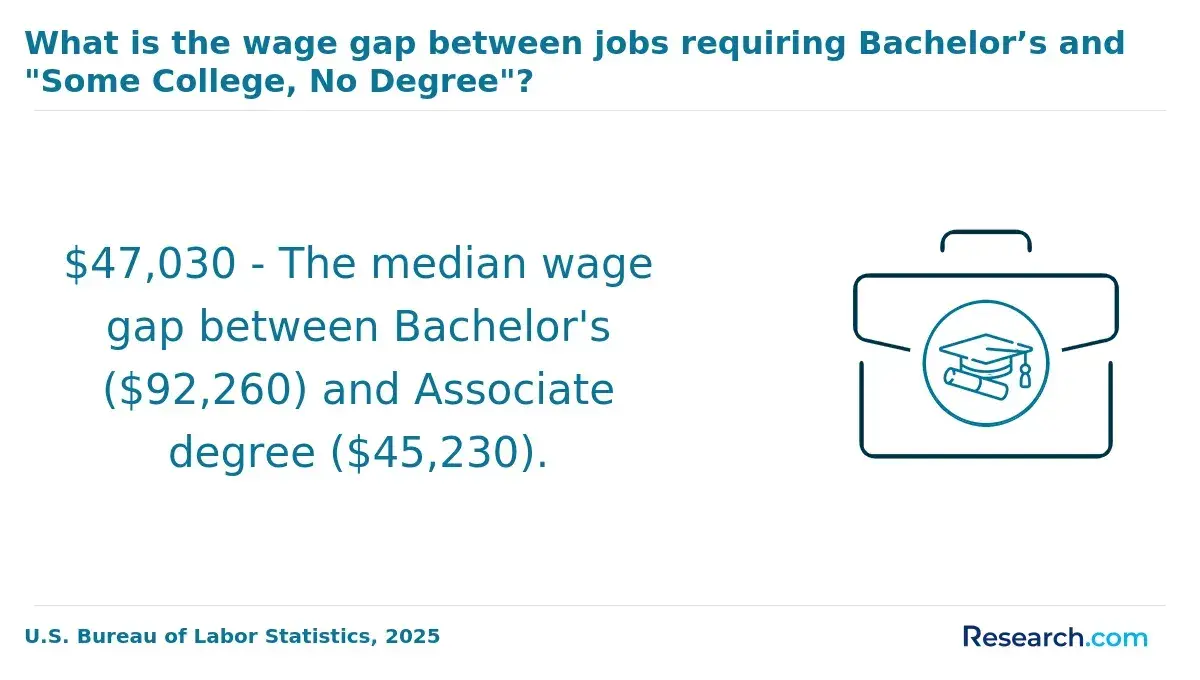
Which Industries and Sectors Hire the Most Gifted Education Master's Graduates?
Employment outcomes for gifted education master's graduates tend to cluster within a few key sectors, reflecting the degree's specialized nature and the labor market's expectations. While the credential primarily channels candidates into education-related roles, the degree's applicability varies significantly based on factors like program concentration, geographic location, and whether graduates pursued thesis or non-thesis tracks.
This concentration highlights a tradeoff between deep specialization and broader career flexibility that prospective students must evaluate carefully.
- Education: The predominant employer of gifted education master's graduates remains the K-12 public and private school systems, where they fill specialist teaching, curriculum development, and program coordination positions focused on advanced learners. Concentrated demand in urban districts and states with strong gifted programs often correlates with higher placement rates.
- Government: State and local education agencies commonly recruit these graduates for roles related to policy formation, program assessment, and administration of gifted and talented education initiatives, capitalizing on their sector-specific expertise.
- Nonprofit Sector: Graduates also find opportunities within educational nonprofits and advocacy groups focused on equity and outreach, engaging in research and program development that serve gifted learners community-wide.
- Private Consulting: A smaller subset leverages their skills in consulting firms, working across districts and states on curriculum design and professional development, providing a more diverse but less saturated career pathway.
- Healthcare and Technology: Although less common, some graduates intersect with these industries, usually in specialized roles like assistive technology development or educational psychology support, indicating niche crossover rather than mainstream employment.
These industry hiring patterns emerge clearly from IPEDS employment data, professional association surveys, and BLS profiles. This clustering suggests that gifted education master's graduates generally focus their careers within a narrow band of sectors, which may limit geographic and occupational mobility but enhance sector-specific expertise.
Prospective students should factor in how their concentration area or completion of a thesis influences opportunities and weigh if a more generalist degree might better suit those seeking broader access. Internship experiences offer a critical differentiator, often bridging academic preparation to employment within dominant sectors.
For those comparing diverse graduate education options, such considerations are essential to align degree investment with practical labor market realities. Notably, those interested in career shifts might also look into programs offering flexible paths, as seen in related fields like counseling, where online options address accessibility; for example, exploring the cheapest online counseling degree could broaden related skill sets and employment avenues.
What Types of Job Titles Do Gifted Education Master's Graduates Most Commonly Hold?
Positions commonly held by gifted education master's graduates reveal distinct pathways influenced by prior experience and career stage. Entry-level graduates typically secure roles focused on direct instruction and foundational program support, while experienced educators use the degree to leverage advancement into specialized or leadership functions.
Viewing job titles as practical indicators, recent labor market data suggests aspirants should evaluate opportunities tied to these roles for realistic employment benchmarks.
- Gifted Resource Teacher: This role generally attracts recent graduates entering the field, involving hands-on teaching responsibilities with gifted students, often through pull-out or differentiated instruction models that require solid foundational knowledge rather than extensive prior experience.
- Gifted Program Specialist: Occupied primarily by early- to mid-career professionals, these specialists focus on curriculum development, assessment strategies, and teacher training, bridging the gap between classroom instruction and programmatic oversight.
- Gifted and Talented Coordinator: Typically a mid- to senior-level appointment, coordinators design and manage comprehensive gifted programs at school or district levels, necessitating both educational credentials and prior administrative or instructional experience.
- Instructional Coach for Gifted Education: These professionals serve in mentorship capacities, providing guidance to educators and supporting the integration of research-based gifted education methodologies, a role common among those with significant teaching backgrounds.
- Educational Consultant (Gifted Education Focus): Beyond traditional school settings, consultants work with curriculum firms, nonprofits, or policy groups, representing a career trajectory often chosen by those seeking flexible or non-instructional roles leveraging deep subject matter expertise.
Such role distinctions emphasize that employment outcomes for gifted education graduates depend heavily on prior professional experience and geographic market conditions. Job titles not only reflect the degree's tactical applications but also help candidates assess the nature of positions they can realistically pursue early post-graduation. Searching for openings under these titles can clarify demand and align expectations with employer priorities.
One graduate recalled navigating a rolling admissions cycle marked by uncertainty and delays that complicated timely enrollment decisions. While eager to begin, the applicant hesitated when the program's variable acceptance notifications forced a waiting game. This experience underscored the importance of proactive planning and the value of transparent communication from programs to help candidates optimize their transition into the field without losing momentum.
How Soon After Graduation Do Gifted Education Master's Graduates Typically Find Employment?
Graduates of gifted education master's programs typically encounter a nuanced timeline between securing job offers and actually starting work, shaped heavily by the sector's hiring cycles and regional demand. Formal job offers often materialize within three to six months after graduation; however, many candidates gain an advantage by initiating job searches or accepting roles prior to finishing their degrees, especially when internships or part-time teaching roles are involved.
This early engagement can skew reported placement rates, making initial employment appear more immediate than it is for those starting post-graduation.
The interval from job acceptance to employment start is frequently prolonged, reflecting institutional schedules-public schools often align hires with the academic year, delaying start dates several months beyond the offer. This lag affects workforce readiness and income flow for new graduates, underscoring the importance of understanding both metrics: time-to-offer and time-to-start.
Prospective students should critically assess how programs frame their placement outcomes, particularly the measurement windows applied. Placement reported at three months post-graduation tends to highlight favorable absorption rates, while six-month or one-year benchmarks reveal more tempered, realistic market adjustment periods. This distinction carries practical weight for individuals balancing financial commitments, geographic relocation, and career transitions.
Ultimately, employment speed is contingent on factors including geographic location, program specialization, and sector-public or private schooling versus educational consulting-each influencing demand and hiring timelines. Discerning these variables offers a clearer picture of when employment realistically begins after completing a gifted education master's credential.
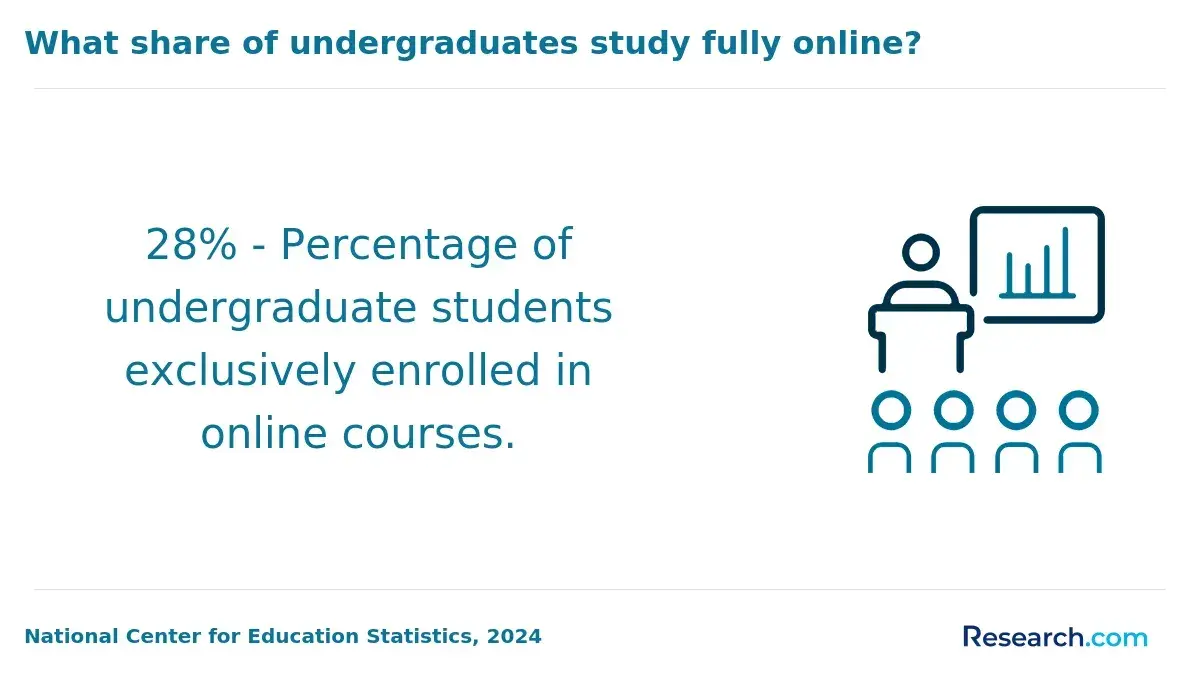
What Is the Average Salary for Gifted Education Master's Graduates in Their First Job?
Starting salaries for gifted education master's graduates reflect significant variability shaped by sector, region, and prior experience, directly impacting early career financial outcomes and mobility. For those entering public K-12 school roles, initial earnings typically fall between $45,000 and $60,000, a range influenced by district funding and regional cost of living.
Graduates who transition from unrelated careers may face lower starting salaries compared to practitioners advancing within education, underscoring the importance of realistic income expectations when weighing a return to graduate study.
Understanding employment income of gifted education master's degree holders involves recognizing how program reputation and geographic location can create disparities, with some urban areas like California and New York offering higher compensation that partially offsets living expenses.
Prospective students and working professionals should consult multiple sources such as the Bureau of Labor Statistics Occupational Employment and Wage Statistics program, NACE salary surveys, and discipline-specific compensation studies rather than relying solely on median salaries reported by individual programs. These figures often represent a subset of graduates who report earnings, which may skew perceptions of typical outcomes.
- Industry Sector: Public schools generally pay higher starting salaries than private or nonprofit sectors, reflecting systemic budget priorities.
- Geographic Region: Metropolitan and high-cost states provide a 10-20% salary premium compared to rural areas.
- Program Selectivity and Reputation: Graduates from selective programs often benefit from employer recognition and networking, sometimes leading to better compensation.
- Career Changers vs. Practitioners: Prior relevant experience tends to drive higher initial salaries; those switching fields may start lower.
- Salary Data Sources: Use multiple datasets including labor statistics and association surveys for a comprehensive view, avoiding overreliance on program-published medians.
For those evaluating short certificate programs that pay well compared to gifted education master's outcomes, examining cross-field credentialing paths can clarify tradeoffs between time investment and income trajectories, supporting informed decisions about graduate education returns.
How Do Gifted Education Master's Program Rankings Affect Graduate Employment Outcomes?
Higher rankings in gifted education master's programs do not guarantee immediate or superior employment outcomes, reflecting a complex dynamic between institutional prestige and labor market realities.
While rankings from specialty accreditation bodies signal certain standards, they often fail to capture critical employment determinants that influence graduates' job prospects and career trajectories. For example, a graduate of a lower-ranked program located in a metropolitan area with strong district partnerships may secure a position more quickly than one from a top-ranked school situated in a region with limited demand for gifted specialists.
- Location: Urban and densely populated districts typically offer more immediate opportunities and higher demand for gifted educators compared to rural areas, making geography a pivotal factor.
- Alumni Network Strength: Access to active, well-connected alumni can significantly impact job referrals and mentorship, often outweighing institutional prestige in practical value.
- Employer Partnerships: Programs that provide direct pathways to internships, practicum placements, and sustained relationships with school districts enhance graduates' readiness and visibility among hiring authorities.
- Concentration Availability: Specializations such as bilingual gifted instruction or STEM enrichment align candidates with specific market needs, potentially accelerating placement and improving salary prospects.
- Outcome-Specific Data: Transparent metrics like placement rates, median salaries, and lists of hiring employers offer more reliable guidance than rankings alone when evaluating future employability.
A graduate recalled hesitating during the rolling admissions cycle, weighing an early acceptance from a lesser-known program offering strong mentorship against waiting for a response from a highly ranked university. The multifaceted decision included concerns about enrollment timing, scholarship availability, and potential delays in job placement post-graduation.
Eventually choosing the program with clearer employer connections, the graduate acknowledged how factors beyond rank shaped practical outcomes and mitigated uncertainty common in application seasons.
What Role Does Geographic Location Play in Gifted Education Master's Graduate Job Placement?
Geographic location plays a decisive role in shaping job placement rates, salary prospects, and the timeline of employment for gifted education master's graduates. Programs situated near metropolitan centers provide graduates with tangible advantages including streamlined access to on-campus recruiting and robust internship opportunities, which are pivotal in accelerating the transition to the workforce.
For instance, a graduate from a program in a large urban hub often secures an internship or job offer during their final semester-an outcome much less common in rural or less connected regions.
Data from the Bureau of Labor Statistics confirms that salary levels in gifted education vary significantly by state, corresponding to regional education budgets and living costs, which affects both initial and long-term compensation. This geographic salary variability influences the financial feasibility of program location choices and subsequent employment decisions.
Furthermore, those relocating post-graduation typically encounter extended job searches due to weaker local networks, underscoring the value of geographic alignment in program and employment site selection.
- Metropolitan Advantage: Graduates from programs near major urban centers benefit from concentrated employer activity, frequent recruiting events, and established alumni networks focused on these job markets.
- Employer Access: Proximity enables face-to-face interactions during critical hiring windows, increasing graduate visibility and responsiveness to district and private employer needs.
- Salary Variability: State-level BLS data reveal wage disparities tied to regional funding and cost of living, impacting overall compensation expectations for gifted education roles.
- Relocation Trade-offs: Graduates who move post-degree can leverage prestigious programs and practical experience but face longer searches and weaker local networks.
- Geographically Flexible Graduates: Those willing to relocate should match program locations with target job markets, prioritizing metropolitan-linked ecosystems to quicken employment.
- Fixed-Location Graduates: Candidates constrained by location should seek programs with documented partnerships and alumni placements nearby to optimize job placement outcomes.
Recent enrollment trends highlight that many gifted education master's programs tailor admissions cycles to align with local employer recruitment timelines, reinforcing the geographic significance in timely job placement. Readers exploring degrees should carefully weigh these locational factors, especially as they pertain to workforce integration and salary outcomes in their intended regions. For deeper insights on credential value, consider this resource on graduate degrees that are worth it.
Overall, geographic impact on employment outcomes for gifted education master's degree holders is among the most critical variables influencing early professional success and compensation trajectory.
How Do Internship and Practicum Experiences Influence Gifted Education Master's Employment Rates?
The link between internship and practicum experiences and employment rates for gifted education master's graduates is substantiated by workforce evidence showing that applied learning placements critically enhance job readiness beyond classroom theory.
For example, a graduate completing a practicum focused on gifted learners within a public school district is more likely to receive a direct job offer from that district due to demonstrated instructional capability and familiarity with local policies.
Rather than treat all internships as equal, candidates and advisors should scrutinize how systematically these experiences are integrated in a program, especially in professional or hybrid tracks where structured supervision and employer partnerships are emphasized.
Unlike thesis-only programs, these tracks bridge academic concepts with real-world application, yielding professional references and easing entry into competitive job markets. In evaluating programs, prospective students should consider not just the presence of a practicum or internship but also the quality of that placement in terms of alignment with target career sectors and the extent of employer engagement.
Research from the National Association of Colleges and Employers (NACE) underlines that structured experiential learning produces measurable advantages in early-career employment outcomes, affirming the importance of prioritizing these program elements.
This reality connects directly to the practicalities many face when pursuing a human resource management masters degree online or a similar credential that involves applied projects and practicums.
Integrating an internship or practicum notably affects the following factors:
- Employment Advantage: Graduates with internship experience report quicker job placements due to demonstrated skills and district familiarity.
- Network Building: Practicums provide critical professional contacts that can lead to job opportunities beyond advertised openings.
- Skill Development: Hands-on experience improves teaching efficacy specific to gifted learners, aligning with employer expectations.
- Geographic Impact: Internship locations often shape where graduates find employment, emphasizing the importance of local connections.
- Sector Relevance: Experience in public versus private or specialized settings affects job prospects and salary outcomes, tailoring career trajectories.
What Career Services and Job Placement Support Do Gifted Education Master's Programs Offer?
The presence and sophistication of career services in gifted education master's programs materially influence graduates' entry speed into the workforce and access to meaningful roles. For candidates transitioning from unrelated fields or seeking first positions, a robust career support system can convert academic credentials into practical hiring outcomes.
Conversely, limited advising or generic services risk elongating job searches and shrinking employer networks, especially where specialized expertise narrows available opportunities.
Well-resourced programs typically deploy focused career infrastructure tailored to gifted education's niche labor market demands. This includes:
- Dedicated Career Advising: Individualized counseling helps students define realistic career targets and align academic experiences with employer expectations, a step crucial for new entrants unfamiliar with sector nuances.
- Employer Recruiting Events: Job fairs and targeted recruitment drives connect candidates directly with schools and nonprofits actively hiring for gifted education roles, which can accelerate job matching considerably.
- Alumni Mentorship Platforms: By linking current students with graduates navigating similar career pathways, these networks offer valuable insights and referrals that are often decisive in overcoming barriers unique to gifted education employment.
- Resume and Interview Coaching: Specialized workshops refine application materials and interview readiness to underscore competencies valued in the education sector, directly impacting employer perceptions.
- On-Campus Recruiting Partnerships: Formal alliances with school districts and private education organizations provide pipelines for internships or initial placements, improving placement rates and reducing search times.
Prospective students should prioritize transparency and ask programs for specific statistics-such as the percentage of students using career counseling, attending recruiting events, or securing positions through institutional connections-to accurately assess the practical return on career services investment. Without such data, claims of support remain anecdotal, offering little predictive value for employment success.
What Graduates Say About the Job Placement Rates for Gifted Education Master's Graduates
- Callahan: "Balancing a full-time job with coursework was tough, but I chose the master's in gifted education because it offered a flexible online format that fit my schedule. Although I struggled to find positions requiring formal licensure, the program's emphasis on portfolio development and internships helped me secure a role as a curriculum developer focused on enrichment programs. It wasn't the traditional teaching route I expected, but it opened doors in educational content creation."
- Saul: "Financing graduate school was a major concern, so I opted for a program with scholarships and part-time options. I initially hoped to move into advanced teaching roles, but I quickly realized many employers prioritized classroom experience and certification over just the degree. Still, completing the program gave me valuable skills that led to a coordinator position at a gifted resource center, even if the salary growth has been slower than I hoped without full licensure."
- Adam: "I made a mid-career pivot into gifted education with a focus on mentorship, but managing the heavy workload with family commitments was challenging. The decision to enroll was motivated by the program's practical internship opportunities, which proved crucial in landing a hybrid role that allows me to work remotely while developing specialized enrichment plans. The experience underscored how organizational connections and hands-on practice often outweigh formal credentials when seeking positions in this field."
Other Things You Should Know About Gifted Education Degrees
In 2027, employment rates for gifted education master's graduates vary by specialization mainly due to demand in specific fields. Specializations focused on cognitive development and innovative teaching methods are often in higher demand. Regional needs and institutional reputation also impact how specific concentrations perform in terms of job placement.
Employers often regard a gifted education master's degree as a niche credential, preferring candidates with practical classroom experience combined with the degree. Without demonstrated experience or relevant internships, many employers question the direct applicability of the degree to day-to-day teaching roles. For graduates, pairing the master's with certified teaching credentials or specialized skillsets improves recognition and job prospects markedly.
On-campus programs tend to yield stronger job placement rates due to closer ties with local school districts and better internship or networking opportunities. Online graduates may face challenges securing employment unless the program offers robust fieldwork components and active employer partnerships. Prospective students should weigh the accessibility of online study against possible limitations in hands-on experience and networking essential for placement.
Students should inquire not only about overall job placement percentages but also about the types of positions secured, geographic distribution of employed graduates, and employer sectors hiring their alumni. Additionally, asking about the program's support for internships, mentorship, and job search assistance reveals its practical alignment with workforce demands. Prioritizing programs transparent with this nuanced data helps avoid misleading success claims and better informs career planning.
References
- PROOF POINTS: What research tells us about gifted education - The Hechinger Report http://hechingerreport.org/proof-points-what-research-tells-us-about-gifted-education/
- Benefits of Earning a Master of Education Degree https://www.mountunion.edu/academics/graduate-degrees/med-program/benefits-of-earning-an-med
- Average salary of a master's degree | edX https://www.edx.org/resources/average-salary-of-a-masters-degree
- What Jobs Can You Do with a Master's Degree of Education https://creditsforteachers.com/what-types-of-jobs-you-can-do-with-a-masters-degree-of-education/
- Why Job Placement Rates Matter in Higher Education https://accreditationxpert.com/job-placement-rates-higher-education/
- National Association for Gifted Children (NAGC), NAGC Career Center|Find Your Career Here https://careers.nagc.org/
- Teacher Salary with a Master’s Degree https://www.educationdegree.com/articles/teacher-salary-with-masters-degree/
- Making graduate outcomes a strategic priority - Studyportals https://studyportals.com/articles/making-graduate-outcomes-a-strategic-priority/
- Frequently Asked Questions about Gifted Education https://www.nagc.org/frequently-asked-questions-about-gifted-education