2027 Is an Online Philosophy Bachelor's Degree Worth It?

Co-Founder and Chief Data Scientist
Deciding whether to pursue an online philosophy bachelor's degree presents a unique challenge for working professionals seeking career shifts without sacrificing current responsibilities. Many wonder if the time and financial investment will translate into tangible job opportunities. Recent studies reveal that graduates with philosophy degrees have a 12% higher critical thinking and analytical skills rating, traits increasingly valued in diverse industries. However, the online delivery format raises concerns about credibility and networking potential. This article examines the value of an online philosophy bachelor's degree-its impact on employability, skill acquisition, and practical application-to assist readers in making an informed decision.
Key Things to Know About the Value of an Online Philosophy Bachelor's Degree
- An online philosophy bachelor's degree enhances critical thinking and ethical reasoning-skills valuable for personal growth and aligning education with life goals.
- Military-friendly programs often offer credit transfer and financial aid, improving return on investment by reducing time and costs to graduation.
- Graduates gain versatile analytical skills attractive to employers in education, law, and public service, with many pursuing advanced degrees for career advancement.
What Are the Real Costs of Earning an Online Philosophy Bachelor's Degree, and How Do They Compare to On-Campus Programs?
The real costs of earning an online philosophy bachelor's degree compared to traditional on-campus programs extend beyond tuition rates alone. According to IPEDS tuition data and the College Board's Trends in College Pricing report, online programs generally have lower tuition per credit hour but different accompanying fees and indirect expenses.
- Tuition Per Credit Hour: Online programs typically charge between $300 and $600 per credit hour, while on-campus rates often range from $400 to $900 depending on public or private institutions.
- Fees: Both formats include mandatory fees; however, online students may face technology or platform fees ranging from $50 to $200 per semester, whereas on-campus students pay campus facility and activity fees unique to in-person attendance.
- Required Technology: Online learners must invest in reliable computers, software, and stable internet, with initial costs between $500 and $1,000-expenses usually absent from on-campus budgets where access to labs and resources is provided.
- Indirect Costs: On-campus students incur housing, transportation, and meal plan costs often totaling $8,000 to $12,000 annually, while online students eliminate these but may require dedicated study spaces and occasional travel for residencies or exams.
Several accredited online philosophy programs offer pricing below the national average for online bachelor's degrees in this field. Fort Hays State University, University of Illinois Springfield, Colorado State University Global, and Oregon State University stand out for providing quality philosophy education at reasonable rates.
It is important to differentiate sticker price-the published tuition and fees-from the net price, which subtracts grants, scholarships, and financial aid. This net price often significantly lowers the cost burden for working parents reentering higher education, military veterans converting service credits, or mid-career professionals seeking advancement.
By breaking down these cost factors and considering financial aid options, prospective students can create realistic budgets and make informed choices when comparing cost comparison of online philosophy bachelor's degree and on-campus programs. For those interested in affordable advanced degrees, exploring resources like cheap online PhD programs may also provide insight into long-term academic planning.
What Is the Return on Investment (ROI) of an Online Philosophy Bachelor's Degree Over a Career Lifetime?
Return on investment (ROI) in higher education evaluates financial gains from a degree compared to its total cost. For an online philosophy bachelor's degree, this involves weighing cumulative expenses-tuition, fees, and opportunity costs-against projected lifetime earnings in philosophy-related careers such as education, research, or ethics consultation. The Georgetown University Center on Education and the Workforce shows that ROI varies significantly by field; humanities often earn less than STEM disciplines but provide essential skills relevant across sectors.
The PayScale College ROI Report reveals that philosophy majors earn a median early-career salary near $55,000, rising to approximately $90,000 mid-career. Online philosophy programs with low tuition-commonly between $10,000 and $25,000 total-can offer a positive 10-year ROI, particularly when accelerated pathways and transfer credits are considered. Over 20 years, earnings usually increase as experience deepens and advanced degrees become feasible, enhancing the long-term financial benefits of an online philosophy degree.
To clarify:
- Cost Considerations: Online philosophy degrees reduce upfront expenses by eliminating room, board, and commuting costs.
- 10-Year ROI Comparison: Graduates from low-cost online programs may accumulate around $450,000 in earnings compared to $400,000 in combined debt, expenses, and foregone income, resulting in a modest positive margin.
- 20-Year ROI Comparison: With career growth and graduate studies, earnings can surpass $1.5 million, improving ROI versus the national average bachelor's grads whose higher earnings are often offset by greater debt.
Non-monetary returns also enhance value:
- Job Satisfaction: Philosophy graduates report meaningful work stemming from critical thinking and complex problem-solving roles.
- Career Mobility: Transferable skills open doors in law, public policy, business, and related fields.
- Professional Credibility: Accredited online programs uphold academic rigor respected by employers and graduate schools.
This comprehensive view supports working parents, military veterans leveraging transfer credits, recent graduates, and mid-career professionals in evaluating an online philosophy bachelor's degree. Those seeking further advancement might also explore options like an executive online MBA for complementary business knowledge and career growth opportunities.
How Do the Salary Outcomes for Online Philosophy Bachelor's Graduates Compare to Those With Traditional Degrees?
Data from the Bureau of Labor Statistics, PayScale, and LinkedIn Salary Insights indicates that salary differences between online and on-campus philosophy graduates are generally minimal. Factors such as the reputation of the institution, local job market demands, chosen specialization, and accumulated experience tend to play a more significant role in shaping earnings over time. Accredited programs with strong career support often report similar employment rates for online and traditional students, according to IPEDS and other transparency databases.
- Median Starting Salary: Graduates typically begin their careers earning between $35,000 and $45,000 annually, with online degree holders falling within this range, especially when transfer credits shorten time-to-degree.
- Mid-Career Earnings: Around ten years into their careers, philosophy majors often see incomes rise to roughly $55,000 to $75,000 per year, reflecting career advancement, graduate education, or entry into specialized fields such as law, education, or public policy.
- Institutional Graduate Outcomes: Reports from regionally accredited programs reveal that online graduates achieve employment and income levels comparable to their campus-based peers, particularly when programs offer robust alumni networks and professional development resources.
- Income Projection: Prospective philosophy students should anticipate modest initial salaries with steady growth over a decade. Those who engage in internships, pursue graduate degrees, or earn relevant certifications can expect to accelerate their earning potential.
A professional who completed an online philosophy bachelor's degree shared that balancing coursework with work and family commitments was challenging but rewarding. He mentioned that transferring military training credits "made a huge difference in finishing sooner," and valued the flexibility of asynchronous classes. Reflecting on his career trajectory, he said, "Starting out, the pay didn't feel much different from friends with traditional degrees, but gaining specialized certifications opened more doors." His experience suggests that while the mode of study had little impact on starting salary, the ability to customize learning and build relevant skills played a key role in long-term success.
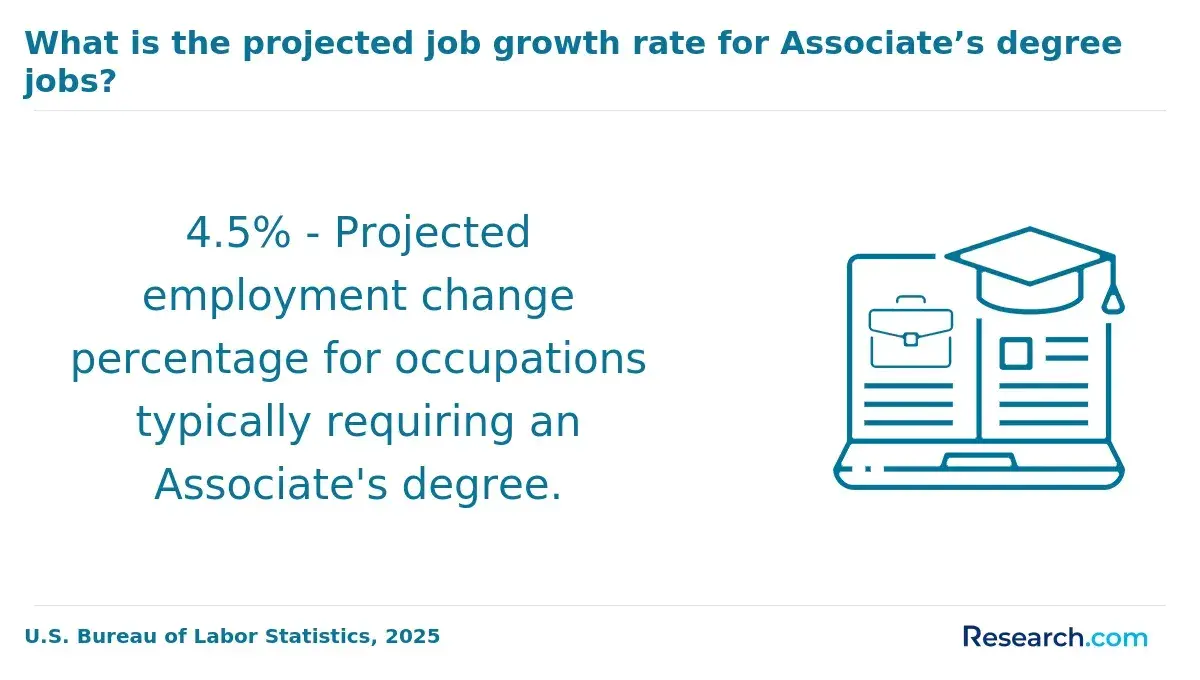
Philosophy graduates bring strong ethical reasoning and communication skills to human resources roles such as recruitment and conflict management. These positions generally require only a bachelor's degree and have a projected employment growth of 7% through 2032, according to the Bureau of Labor Statistics (BLS). Other paths include:
- Paralegal or Legal Assistant: Leveraging analytical and writing abilities, philosophy graduates can work in legal support, often needing just a bachelor's degree, though some employers prefer paralegal certification. The job outlook for this cluster is also a positive 7% growth over the next decade.
- Postsecondary Philosophy Lecturer or Professor: Teaching at the college level demands advanced degrees, typically a master's or doctoral degree. This role includes research and publication responsibilities, with BLS forecasting about 9% growth by 2032 in philosophy-related academic programs.
- Policy Analyst: Graduates focusing on ethics may find opportunities analyzing and shaping public policies. While a bachelor's degree provides entry, many positions expect a master's degree. Growth in this field is steady, aligned with ongoing public and nonprofit sector demands.
- Technical Writer: Clear and logical communication skills equip philosophy graduates to create manuals and documentation across industries. This role shows roughly 6% employment growth through 2032 and usually requires a bachelor's degree.
Choosing a specialization within an online philosophy bachelor's degree program influences career trajectories. Concentrations in ethics or applied philosophy often enhance prospects in law, healthcare administration, or business compliance. Areas emphasizing logic and critical thinking support entry into data analysis or artificial intelligence fields. Job seekers can explore online universities that are accredited to ensure programs align with their professional goals and improve outcomes related to career opportunities with an online philosophy bachelor's degree.
Students receive tailored guidance on course choices, degree paths, and transfer credit assessments. This personalized support helps maintain clear progress toward academic and career objectives. Other support services include:
- Tutoring Centers: Online tutoring targets difficult philosophy ideas, critical analysis, and writing proficiency. Flexible scheduling and on-demand help accommodate diverse learner needs.
- Writing Labs: Writing experts assist in enhancing argumentative skills and scholarly writing, including feedback on drafts, citation methods, and formatting to match academic standards.
- Mental Health Counseling: Telehealth services offer confidential help for stress, anxiety, and other challenges that affect academic focus and overall well-being.
- Career Services: Leading programs provide internship opportunities, employment support, and partnerships with philosophy-related employers. Alumni mentoring fosters valuable connections in academia, law, public policy, and ethics fields.
Research from the National Survey of Student Engagement and retention reports demonstrates that access to these comprehensive support systems strongly correlates with improved persistence and timely graduation. This infrastructure is especially important for balancing commitments faced by adult learners and veterans, making it a key factor in student success.
A professional who completed an online philosophy bachelor's degree shared that the ongoing academic advising was crucial when juggling family responsibilities and coursework. She recalled how virtual writing labs and tutoring "helped demystify complex concepts" and eased anxiety around assignments. The availability of mental health counseling offered "a safe space during stressful periods," while career services connected her with internships that solidified her post-graduate direction. She emphasized that these resources collectively made her return to education manageable and rewarding, providing a support network that extended beyond the classroom experience.
Recent data from the Society for Human Resource Management (SHRM) reveals that nearly 85% of employers regard accredited online degrees as equal to traditional campus-based credentials when evaluating candidates. This growing acceptance is particularly evident in sectors like technology, business, and education, where practical skills and critical thinking matter more than the degree's delivery method.
Certain fields, such as law and academia, may still prefer traditional programs, especially for advanced roles rather than entry-level positions. However, leading companies like Deloitte and Amazon openly recruit graduates holding online degrees from regionally accredited institutions, including those with philosophy credentials. Their hiring patterns emphasize confidence in candidates' abilities over their mode of education.
For those pursuing an online philosophy bachelor's degree, it's crucial to consider the norms of their intended industry. Degrees earned online from accredited schools typically hold comparable value to on-campus degrees in professions that prioritize analytical reasoning, communication, and ethical judgment. At the same time, niche academic or regulated sectors might require additional qualifications or affiliations.
Ultimately, evaluating employer perspectives alongside accreditation and program quality helps students make informed choices aligned with career objectives.
Accreditation significantly affects the value and recognition of an online philosophy bachelor's degree. Regional accreditation is widely regarded as the gold standard, granted by six agencies recognized by the U.S. Department of Education. These agencies provide the best transferability of credits, employer acceptance, and graduate school eligibility in philosophy and related fields.
National accreditation typically applies to vocational, technical, or faith-based schools. Degrees and credits from nationally accredited programs often face limitations in transfer and recognition by employers and graduate programs, potentially affecting long-term career and educational goals.
The six key regional accrediting bodies are:
- HLC: Covers institutions in the central U.S. and is among the six recognized regional agencies.
- SACSCOC: Accredits colleges in southern states known for strong liberal arts programs.
- NECHE: Oversees accreditation in New England, ensuring rigorous standards.
- MSCHE: Responsible for institutions in the mid-Atlantic area.
- NWCCU: Focuses on colleges in the northwest U.S.
- WSCUC: Covers California, Hawaii, and nearby areas.
To verify a program's accreditation status, consult the Council for Higher Education Accreditation (CHEA) or the U.S. Department of Education (ED) databases. These sources list all recognized accrediting agencies and institutions, helping ensure a program's legitimacy.
Unlike other fields, philosophy programs lack specialized programmatic accreditation, so institutional accreditation is the primary benchmark of quality. Attending unaccredited or lapsed-accreditation programs carries serious risks: ineligibility for federal financial aid, limited credit recognition, and challenges with employer or graduate school acceptance.
Recent data indicate students from regionally accredited institutions have a 20% higher acceptance rate to graduate schools in humanities disciplines, including philosophy, compared to those from nationally accredited schools.
Typically, completing an online philosophy bachelor's degree follows a 120-credit curriculum designed to be finished in about four years. This timeline suits many students, including working parents and mid-career professionals balancing work and family. However, several factors affect the time to complete an online philosophy bachelor's degree, either accelerating or extending graduation timelines.
Accelerated eight-week courses replace traditional 15-week semesters at many universities, allowing students to focus intensely on fewer subjects and finish more quickly-sometimes within two to three years. Competency-based education (CBE) is another pathway that enables students to progress by demonstrating mastery of skills rather than accumulating classroom hours. For example, Western Governors University reports an average completion time of about 2.5 years for online philosophy degrees through such flexible models.
Year-round enrollment eliminates traditional semester breaks, permitting continuous study and reducing overall program length. Schools like Southern New Hampshire University offer rolling admissions and accelerated programs designed for motivated learners who aim to graduate faster. This flexibility suits students looking for the cheapest online masters in urban planning and similar affordable online degrees by optimizing costs and timing to workforce entry.
Faster completion decreases tuition costs by reducing the number of terms and minimizes opportunity costs by enabling earlier employment or graduate study. Conversely, part-time enrollment, transfer credit limitations, and personal commitments can extend the time needed to finish an online philosophy degree.
Students pursuing an online philosophy bachelor's degree have several financial aid options to help manage tuition costs. The first step is completing the Free Application for Federal Student Aid (FAFSA), which determines eligibility for federal programs. Applying early in the award cycle is vital-it maximizes aid availability and ensures access to funds such as grants and work-study opportunities.
- Federal Pell Grants: These need-based grants do not require repayment and are awarded based on financial need. They often serve as a primary funding source for eligible undergraduates, covering a substantial part of tuition expenses.
- Direct Subsidized and Unsubsidized Loans: Subsidized loans have interest covered by the government while the student is enrolled, whereas unsubsidized loans begin accruing interest immediately. Both require repayment but provide relatively low interest rates and flexible repayment plans.
- Institution-Specific Scholarships: Many colleges offer scholarships for philosophy majors or online learners, including the Phi Beta Kappa Society scholarships and the American Philosophical Association's awards for undergraduates. These typically require strong academic standing and sometimes application essays.
- State Grant Programs: Residency-based grants vary in amount and eligibility but commonly support in-state students enrolled in accredited online programs.
Additional scholarships targeted at philosophy students in the US include the National Collegiate Philosophy Award, which provides up to $2,500 for exceptional analytical writing, and the Online Philosophy Advancement Grant, offering $1,000 to $3,000 awards based on financial need and academic merit. Combining such scholarships with employer tuition reimbursement and Federal Work-Study can significantly reduce out-of-pocket expenses.
Working adults and veterans should explore layered aid strategies that incorporate military benefits and employer-sponsored tuition assistance to maximize affordability. For examples of military-related education options, consider researching military friendly online colleges.
Understanding these financial aid options for online philosophy bachelor's programs can help prospective students strategically finance their education while minimizing loan dependency.
Admission standards for online philosophy bachelor's programs differ widely, reflecting each institution's level of selectivity. Most require a high school diploma or GED as a baseline qualification. Competitive programs usually ask for a GPA ranging from 2.5 to 3.5 on a 4.0 scale, while open-enrollment schools often accept students regardless of GPA, providing more accessible pathways.
Many institutions have eased or eliminated requirements for SAT or ACT scores, especially for adult learners or those transferring credits. However, some selective programs may still review these standardized test results if submitted. Prerequisite courses in humanities, English, or critical thinking are often necessary at competitive schools but tend to be flexible or not required at open-access institutions.
Rolling or continuous admissions policies are common in online philosophy programs, removing the pressures linked to strict deadlines. This flexibility accommodates working adults, veterans transitioning to civilian careers, and professionals seeking new skills.
Applicants with academic gaps can improve their eligibility by completing community college classes, acquiring relevant certifications, or submitting strong recommendation letters from employers or educators familiar with their abilities. This approach enhances candidacy when minimum GPA or prerequisites are not met, expanding opportunities for diverse applicants. These criteria collectively guide prospective students in selecting programs aligned with their educational backgrounds and career goals.
Factors to consider include:
- Accreditation: Verify that the institution holds recognized regional or national accreditation endorsed by the U.S. Department of Education to ensure academic credibility, credit transfer potential, and employer acceptance.
- Cost and ROI: Assess tuition alongside associated expenses such as technology fees, proctored exam charges, textbooks, and any on-campus requirements. Weigh these costs against expected career outcomes and salary advancement to determine long-term value.
- Program Format and Flexibility: Evaluate course delivery methods-whether asynchronous, synchronous, or hybrid-plus options for part-time enrollment to accommodate work, family, or other commitments.
- Career Outcomes Data: Analyze graduation rates, employment statistics, and alumni success stories to understand how well the program prepares students for the workforce or graduate study.
- Student Support Services: Look into the availability of advising, tutoring, library resources, and technical assistance designed specifically for online learners to support academic success.
- Transfer Credit Policies: Confirm how prior credits, including those from military service or community colleges, can reduce time and costs toward degree completion.
Utilize authoritative comparison platforms such as the U.S. Department of Education's College Scorecard, the IPEDS Data Center, and each institution's net price calculator to perform detailed side-by-side evaluations of your top programs. Be mindful that sticker tuition rates often omit additional fees, so request a full cost disclosure from schools to avoid surprises.
- Schedule Informational Interviews: Engage directly with admissions representatives to clarify program details and assess fit.
- Request Net Price Estimates: Obtain personalized total cost breakdowns including available financial aid.
- Review Financial Aid Deadlines: Track all relevant submission dates to maximize funding opportunities.
- Audit Transfer Credits: Verify applicability of previous coursework to current degree requirements.
- Set a Target Enrollment Date: Establish a timeline to transition from evaluation to enrollment.
What Graduates Say About the Value of Their Online Philosophy Bachelor's Degree
- Riggs: "Choosing the online philosophy bachelor's degree program was a deliberate move to balance my work and education-something traditional classes couldn't offer. The affordable tuition made it easy to invest without worrying about crippling debt, and the critical thinking skills I gained have opened doors I never expected. This program truly transformed my approach to challenges, both professional and personal."
- Curtis: "Reflecting on my time in the online philosophy degree, I appreciate how the program's flexibility allowed me to study deeply while managing a busy family life. The cost was reasonable compared to similar programs, but what really stood out was the ROI-the perspectives I developed have enhanced my career prospects significantly. The thoughtful coursework prepared me to approach problems analytically, making a notable difference at work."
- Waylon: "The decision to pursue philosophy online was driven by my desire to deepen my understanding of ethics and reasoning without pausing my career. The investment was more than worth it-the insights I gained helped me excel in leadership roles and improve my decision-making skills daily. This program offered rigorous content that truly elevated my professional profile and personal growth."
Other Things You Should Know About Philosophy Degrees
Most online philosophy bachelor’s degrees require about 120 semester credits, with roughly 30 to 40 credits in philosophy courses. Programs usually include logic, ethics, ancient and modern philosophy, plus general education in writing, mathematics, and the sciences, with a final capstone or senior seminar.
Many online philosophy programs offer concentrations such as ethics, political philosophy, logic, or the history of philosophy. Some programs also provide interdisciplinary options, linking philosophy with fields like cognitive science or religious studies. These specializations allow students to tailor their degree to specific interests or career goals, which can improve both academic engagement and professional utility.
An online philosophy bachelor's degree is generally treated the same as an on-campus degree by graduate programs, as long as it comes from an accredited institution. Coursework that develops critical thinking, writing, and reasoning skills supports admission to advanced philosophy or related programs. Applicants should ensure that their online program's academic rigor matches the expectations of their target graduate schools.
- Scholarships for College Students https://accessscholarships.com/blog/50-scholarships-for-college-students/
- Bachelor of Philosophy (BPhil) Online Degree — European Center for Accreditation https://www.ecaonline.eu/landingbachelorsphil
- Can I get financial aid for an online degree? | edX https://www.edx.org/resources/can-i-get-financial-aid-for-an-online-degree
- the ROI for philosophy https://peterlevine.ws/
- Philosophy Degree https://universitycompare.com/guides/subject/philosophy-degree
- B.Sc Degrees Online 2025 - Best Course After 12th | Compare Top Programs https://b.sc/guides/accreditation-explained
- A non-academic career? - The American Philosophical Association https://www.apaonline.org/page/nonacademic
- International Student Scholarship Search & International Financial Aid https://www.iefa.org/
- 7 Tips on Choosing The Right Program of Study for You | ALU.edu Blog https://alu.edu/alublog/7-tips-to-decide-what-program-is-right-for-you/
- Philosophy is a Great Major - Return on Investment in a Philosophy Major Is Comparable To That Of an Engineering Major https://philosophyisagreatmajor.com/2017/02/17/featured-content-3/