2027 Instructional Design Degree Careers Ranked by Salary, Growth, and Work-Life Balance

Co-Founder and Chief Data Scientist
Choosing the right career path in instructional design poses a unique challenge—balancing salary expectations, growth prospects, and work-life harmony can feel overwhelming.
Many instructional design degree holders face uncertainty about which positions offer sustainable income without sacrificing personal time. Recent data indicates that instructional design roles with strong growth projections often vary widely in salary and flexibility, with some growing at a rate of over 8% annually.
This article evaluates instructional design degree careers ranked by salary, career growth outlook, and work-life balance—equipping readers with the insight needed to make informed, strategic career decisions.
Key Things to Know About Instructional Design Degree Careers Ranked by Salary, Growth, and Work-Life Balance
- Instructional design careers show a median salary of $65,000—higher than the average for education professions-reflecting strong financial potential early and mid-career.
- Projected job growth for instructional design roles stands at 8% through 2030, signaling solid demand driven by expanding e-learning and corporate training sectors.
- Work-life balance ratings indicate flexible schedules and remote opportunities, making instructional design appealing for professionals prioritizing sustainable career rhythms alongside advancement.
How Are Instructional Design Degree Careers Evaluated and Ranked Across Salary, Growth, and Work-Life Balance?
Evaluating instructional design degree careers using three pillars-salary, career growth, and work-life balance-provides a well-rounded perspective beyond compensation alone. This approach reflects the reality that a fulfilling career also needs room for advancement and a sustainable lifestyle.
- Salary: Median salary data comes from the U.S. Bureau of Labor Statistics (BLS) Occupational Employment and Wage Statistics, offering nationally representative figures that set clear expectations for instructional design degree career salary growth evaluation.
- Career Growth: BLS ten-year employment projections measure potential job market expansion or contraction, guiding professionals toward careers with strong future demand and advancement opportunities.
- Work-Life Balance: Composite information from the American Time Use Survey, Glassdoor employee reviews, and industry-specific workforce satisfaction surveys estimate factors like working hours, flexibility, stress levels, and overall well-being, highlighting how sustainable and rewarding each career path may be.
This ranking framework acts as a decision-making aid rather than a rigid hierarchy-individual priorities, such as valuing flexibility over income, may shift which career path suits someone best.
For those considering education options, exploring programs like the online SLP program can also complement instructional design knowledge and broaden career readiness.
The article examines five instructional design degree careers: instructional coordinator, e-learning specialist, training and development manager, curriculum developer, and learning experience designer.
Each is analyzed using reliable data to help readers compare these roles on salary, career growth, and work-life balance, supporting informed career decisions aligned with individual professional goals and lifestyle preferences.
Which Instructional Design Degree Career Paths Offer the Highest Starting and Mid-Career Salaries?
An instructional design degree can lead to careers focused on creating effective learning experiences across education, corporate training, and digital learning environments. While entry-level roles often provide solid starting salaries, certain paths offer stronger long-term earning potential, particularly in corporate learning and technology-driven training roles.
Exploring which instructional design careers yield the highest starting and mid-career salaries helps clarify where expertise in learning design can translate into the greatest financial growth over time.
- Learning Experience Designer: These professionals earn some of the highest salaries among instructional design degree holders, with median starting pay near $60,000 and mid-career salaries exceeding $105,000.
- Instructional Coordinator: Entry-level median salaries hover around $55,000, rising to $95,000 or more as professionals gain experience in leadership and curriculum development. Higher pay stems from the responsibility of ensuring educational standards and aligning content with institutional goals, often demanding advanced degrees or extensive instructional design expertise.
- Corporate Training Specialist: Starting salaries average $50,000 with mid-career levels reaching over $90,000, influenced by growing corporate focus on workforce development. The value of this role comes from enhancing employee productivity and retention, especially in sectors like finance, healthcare, and technology.
- eLearning Developer: These technical experts usually begin near $48,000, advancing to about $85,000 mid-career. Their premium pay is fueled by the rare combination of multimedia development skills and instructional design knowledge.
Salary growth over 15 to 20 years often reflects experience, specialization, and management opportunities. Readers interested in how location influences these numbers can explore the geographic salary section for detailed regional insights.
For students and professionals evaluating career options, exploring accelerated degree programs can provide a fast track into these careers with competitive salary prospects.
What Do the Bureau of Labor Statistics Job Growth Projections Reveal About the Future of Instructional Design Degree Careers?
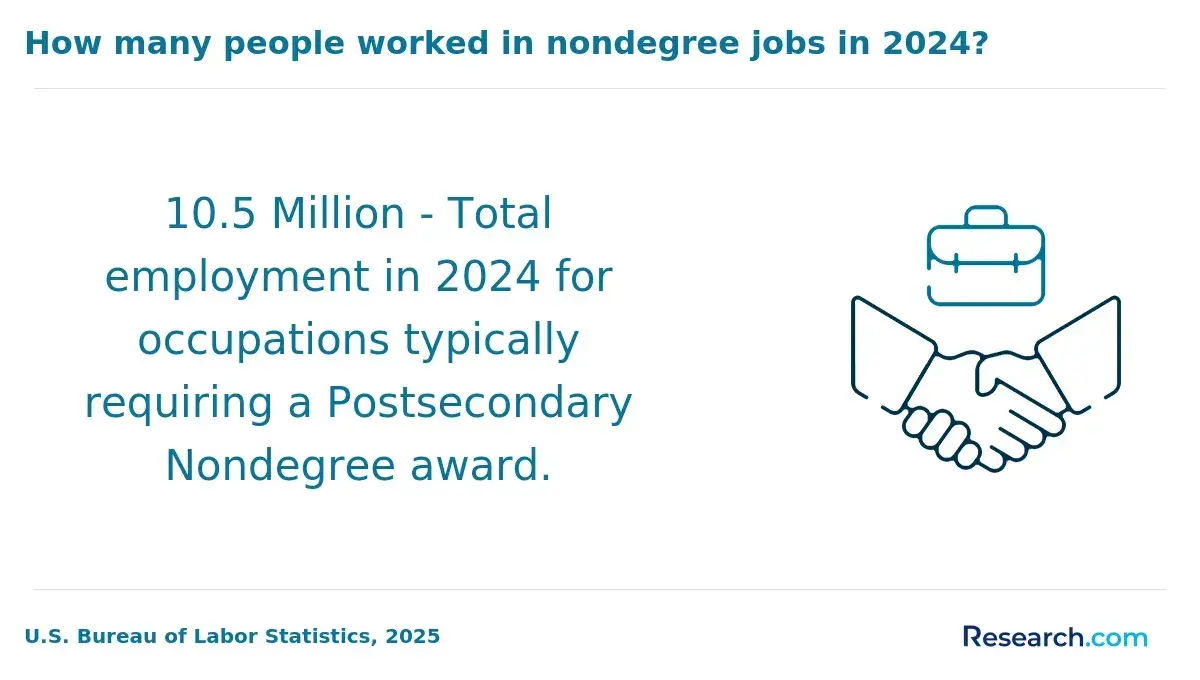
Job growth projections from the Bureau of Labor Statistics provide important insight into the future demand for instructional design–related careers. While instructional design is not always tracked as a standalone category, closely related roles in training, education, and learning development are expected to see steady growth driven by the expansion of online education and corporate e-learning.
These trends suggest that instructional design skills will remain increasingly relevant, particularly as organizations continue to invest in digital and workplace learning solutions.
- Technology Integration: Jobs centered on applying emerging educational technologies and digital learning systems are projected to grow faster than average, often surpassing 8%. This trend stems from expanding use of digital platforms in corporate training environments and higher education.
- Healthcare Training Development: Roles focused on creating instructional programs for healthcare professionals show robust growth estimates between 7% and 9%. Key factors include an aging population that demands constant medical education and regulatory policies requiring frequent certification of medical staff.
- Corporate Training Specialists: This area shows moderate growth, roughly 5% to 6%, fueled by continued investments from businesses aiming to elevate workforce skills. Upskilling initiatives in sectors such as finance, tech, and manufacturing support steady demand for these experts.
- Flat or Declining Fields: Instructional design roles tied to conventional classroom resources or outdated systems may face limited growth or contraction. Professionals working in these segments can sustain career momentum by shifting focus to innovative tools, data-driven learning analytics, or advisory roles in hybrid educational models.
- Regional and Sectoral Variability: National averages mask significant differences in local job markets. Technology hubs may experience faster expansion in e-learning positions, while areas dependent on government funding might see slower or unpredictable growth.
A professional who recently completed an instructional design degree shared his experience navigating the evolving job landscape: "Starting out, it wasn't clear which path would flourish most. The challenge was balancing new tech skills with understanding the unique needs of each industry."
"I found the process both demanding and exciting-constantly adapting to changes kept me engaged but sometimes uncertain about my next step," he continued.
His insight underscores how dynamic this field is and highlights the importance of flexibility and continuous learning in building a durable career.
Work-life balance in instructional design careers encompasses multiple measurable factors, including average weekly hours, schedule reliability, remote or hybrid work availability, paid time off policies, and employee satisfaction scores from platforms like Glassdoor, Indeed, and Payscale. These indicators provide a clearer picture of the demands and flexibility across different roles.
For instance, corporate instructional designers usually work 35 to 45 hours weekly with predictable schedules and broad access to remote options-attributes associated with higher satisfaction ratings.
Conversely, early-career professionals in academia or nonprofit sectors often face 50-hour weeks with variable schedules tied to academic calendars, though they may receive more generous paid leave.
These variations highlight how work-life balance metrics for instructional design careers in the US differ by employer type, sector, and career stage.
Workload and flexibility improve typically as professionals move from entry-level to mid- and senior roles, gaining greater control over schedules and remote work opportunities.
Recognizing these factors empowers individuals to see work-life balance as dynamic-shaped by choices in employer, negotiating work terms, and strategic career moves that promote sustainability.
- Work Hours: Range between 35 and 50 weekly hours depending on role and experience.
- Schedule Predictability: More stable in corporate roles; fluctuates seasonally in educational and nonprofit sectors.
- Remote Work: Common in private industry; less consistent in public institutions.
- Paid Time Off: Corporate benefits align with industry norms; nonprofits may offer more extended leave.
- Employee Satisfaction: Higher in flexible, remote-friendly environments per aggregated review scores.
Those exploring instructional design careers can learn from comprehensive data-such as the BLS American Time Use Survey and employer reviews-to assess their options.
For tailored guidance, resources like the easiest MSW programs to get into illustrate how strategic educational pathways support work-life balance alongside career growth and salary considerations.
An equal-weighting approach evaluated instructional design career options by balancing salary, growth potential, and work-life harmony-each contributing one-third to the overall score.
This methodology identifies roles that not only pay well but also offer steady advancement and manageable daily demands.
- Learning Experience Designer: Combines strong compensation and robust growth with notably favorable work-life balance, making it a versatile and appealing career choice.
- Corporate Training Manager: Noted for high salaries and steady career progression, though the role's leadership demands can temper work-life balance.
- eLearning Developer: Provides a dependable salary and schedule flexibility alongside growing demand, appealing to those who value stability and work-life integration.
- Instructional Coordinator: Features strong growth prospects and good work-life balance but slightly lower average pay, fitting professionals focused on career development without sacrificing lifestyle.
- Training Specialist: Excels in lifestyle balance and growth opportunities, although salary tends to be moderate-ideal for those prioritizing consistent, fulfilling work.
- Educational Technologist: Offers steady performance across salary, growth, and schedule flexibility, often leading to innovative and adaptable career paths.
Career seekers emphasizing income may lean toward roles like Corporate Training Manager despite moderate balance, whereas those valuing schedule and lifestyle could prefer Training Specialist or eLearning Developer positions.
Adjusting the weighting of salary, growth, and balance to align with personal priorities helps fine-tune this ranking for each individual's career goals.
Reflecting on which career paths excel when salary, growth, and balance are equally weighed, a professional who graduated with an instructional design degree shared her experience. She described early uncertainty navigating options that promised strong pay or flexibility but seldom both.
Through trial and error, she found satisfaction in roles that offered steady growth with manageable hours-a choice that allowed her to maintain enthusiasm and avoid burnout.
She noted, "Balancing ambition with personal well-being was challenging, but focusing on careers that scored well across all fronts helped me build a sustainable, rewarding path." Her journey highlights how this holistic approach can guide others seeking a fulfilling career.
Specializing within instructional design impacts salary, career progression, and work-life balance, creating diverse professional outcomes compared to generalist roles.
Analysis from the U.S. Bureau of Labor Statistics and industry surveys reveals that expertise in certain high-demand niches often leads to increased earnings but may come with challenges in lifestyle or growth speed.
- eLearning Development: Known for top-tier salaries due to advanced technical requirements, this role often demands extended hours to meet tight project timelines and frequent software updates, which can strain personal time. Yet, rapid growth is driven by the expanding digital learning market.
- Corporate Training Design: This specialization typically offers steady income growth paired with consistent, manageable hours, supporting healthier work-life balance. Though its growth rate is slower relative to tech-focused areas, it provides reliable advancement prospects, especially when bolstered by certifications like CPTD.
- Instructional Technology Integration: Specialists implementing cutting-edge learning technologies enjoy competitive pay and strong demand but risk burnout amid the fast-paced tech environment. Entry usually involves advanced graduate coursework to stay abreast of evolving tools.
- Curriculum Design for K-12 or Higher Education: Offering more predictable schedules and favorable lifestyle conditions, this path generally features lower salary ceilings and moderate growth. Advanced degrees enhance expertise and elevate long-term career potential.
- Learning Experience (LX) Design: Focused on learner-centered methods, this emerging field boasts lucrative salaries and significant growth prospects. Early investment through UX certifications can accelerate career advancement, although workloads may vary.
Early specialization decisions matter—dedicating efforts to targeted graduate studies or certifications compounds long-term benefits in compensation and promotion.
Conversely, instructional designers who cultivate broad strategic and leadership skills sometimes outperform niche specialists in senior positions. Recent data indicate those with hybrid skillsets have a 15% higher chance of promotion compared to purely specialized peers, highlighting the value of blending depth with versatility.
Geographic location heavily influences median salaries, job growth, and work-life balance for Instructional Design graduates across U.S. regions and metropolitan areas, based on BLS occupational data and workforce development reports.
Professionals in major hubs often earn the highest wages but may find their purchasing power reduced after accounting for housing, taxes, and living costs.
- Northeast: Metropolitan centers like New York City and Boston offer top median salaries and steady employment growth, driven by universities and corporate training sectors. However, costly living and long commutes can challenge work-life balance.
- Southeast: Cities including Atlanta and Miami provide moderate salaries paired with robust job growth from healthcare and technology sectors. Lower housing costs and shorter commutes improve overall lifestyle balance.
- Midwest: Markets such as Chicago and Minneapolis deliver competitive salaries offset by affordable living expenses. The region supports stable job growth and favorable work-life balance through moderate commutes and community infrastructure.
- Southwest: Growing markets like Dallas and Phoenix see expanding instructional design roles, moderate living costs, and increasing opportunities in tech and energy sectors.
- West: West Coast cities such as San Francisco and Seattle lead in salary levels but face high living costs. Hybrid and remote work models are decoupling location from pay scales, allowing some professionals to earn West Coast wages while residing in more affordable areas.
Instructional Design salaries in large metropolitan areas do not always equate to stronger net financial outcomes once all expenses are considered. Mid-tier markets frequently provide better affordability and quality of life, making geographic strategy essential in career planning.
The optimal location balances income with personal priorities like commute times, family proximity, and lifestyle. The availability of remote and hybrid roles further enables Instructional Design professionals to tailor their career paths while maximizing compensation and well-being.
Public sector instructional design roles typically offer lower base salaries compared to their private sector equivalents, notably at entry and mid-level positions where government instructional designers may earn 15-25% less. However, this gap narrows at senior levels due to structured pay scales in the public sector.
Importantly, public sector total compensation often includes benefits such as defined-benefit pensions, loan forgiveness eligibility, and more comprehensive health coverage, which significantly enhance overall financial security and offset the lower base pay.
These benefits contribute to a more favorable long-term compensation package than raw salary numbers may suggest, reinforcing the value of public sector roles in a comparative analysis of public sector versus private sector instructional design careers salary growth and balance.
Agencies within education, veterans affairs, and healthcare show steady growth in instructional design hiring fueled by federal policies, an aging workforce requiring retraining, and investments in digital learning infrastructure.
In contrast, private sector instructional design roles experience stronger hiring momentum, especially within technology firms, corporate training, and e-learning companies responding to rapid innovation and shifting skill demands.
These private sector opportunities typically offer broader geographic options and more frequent job openings for recent graduates. This landscape aligns with a comparative analysis of work-life balance and career growth in public and private sector instructional design, aiding candidates in evaluating sectors for long-term advancement potential.
Public sector instructional designers benefit from predictable schedules, generous leave policies, and higher satisfaction rates related to work-life balance. Many government roles maintain established telework options and reduced overtime pressure.
Private sector positions-particularly in tech and consulting-may require longer hours and tighter deadlines but sometimes offset this with greater flexibility in remote work policies and performance-based incentives.
Ultimately, balance varies widely within each sector depending on agency, role, and career phase, urging professionals to weigh these considerations alongside their personal priorities carefully.
Those interested in exploring educational pathways that complement instructional design careers may find valuable insights in an accelerated online finance degree as a strategic enhancement to their skillsets.
Advanced degrees significantly influence salary growth, career trajectories, and work-life balance for instructional design professionals.
Data from NACE suggests that earning a master's degree typically results in a 15-25% salary premium compared to holding only a bachelor's, while doctoral degrees can push this premium even higher.
However, these degrees require a substantial investment of time—typically two to six additional years—and considerable tuition expenses. Understanding the impact of advanced degrees on instructional design salary growth and balance is essential for making strategic career decisions.
- Master's Degree: Offers in-depth knowledge of instructional design theories and technologies, unlocking opportunities for leadership and specialized roles such as learning experience designers or curriculum strategists, with a notable salary premium.
- Doctoral Degree: Positions graduates for senior research or university faculty roles that come with the highest salaries but often demand significant time commitment, which can affect work-life balance due to academic and administrative pressures.
- Professional Certifications: Credentials like the Certified Professional in Learning and Performance (CPLP) or Association for Talent Development (ATD) certificates require less preparation time and cost and typically boost salary by 5-10%, while enhancing employability and credibility without drastically increasing workload.
Work-life balance varies by credential type—advanced degrees linked to senior management typically provide greater autonomy and more flexible schedules but often entail increased stress and responsibility.
Meanwhile, certifications enhance job security and career advancement with less impact on personal time. Professionals considering certifications enhancing career advancement for instructional design professionals should weigh these differences carefully.
Aligning credential choices with career goals is crucial. Those aiming for rapid salary growth and leadership should consider graduate degrees, while those seeking steady progress with balanced lifestyles might prioritize targeted certifications.
Accumulating multiple credentials without focus can hinder career progress. For foundational knowledge relevant to this field or to explore pathways beginning with a strong base, consider programs like an online math bachelor's degree, which supports analytical skills valuable in instructional design.
Remote and hybrid roles now represent a significant part of Instructional Design careers, with recent data showing around 58% of professionals access such flexible arrangements. This trend is especially visible in fields like e-learning development and corporate training, where geographic location often influences salary offers.
Jobs tied to metropolitan centers may include pay premiums, while remote positions in lower-cost regions sometimes feature slightly reduced wages. Such geographic arbitrage allows remote workers to earn competitive incomes despite residing in more affordable areas.
- Salary: Instructional Design positions open to remote work generally offer pay comparable to onsite roles. However, adjustments based on location can create salary disparities. Professionals leveraging remote opportunities can benefit financially by combining high-market salaries with lower living expenses.
- Career Growth: Advancement prospects for remote or hybrid Instructional Designers depend on employer culture. Some organizations still favor in-person visibility, potentially slowing remote workers' promotions.
- Work-Life Balance: Flexibility from remote and hybrid setups reduces commuting burdens and enhances schedule control, fostering better integration of work and personal life. Yet, challenges persist, such as blurred work-home boundaries and risks of extended working hours or isolation.
Data from the 2023 Owl Labs State of Remote Work report underscores this shift, confirming that over half of Instructional Design roles offer some level of location flexibility, shaping how salary, growth, and lifestyle intersect in the field.
Several instructional design career paths consistently rank highly by combining strong salaries, steady growth prospects, and favorable work-life balance-offering sustainable options without compromising any of these factors.
- Corporate Instructional Designer: Typically employed by large corporations or consulting firms, these professionals benefit from structured hours and defined project cycles, enabling predictable schedules. Strong salaries and continuous demand for employee training support growth, while flexible work policies and remote options enhance life balance.
- E-Learning Developer: Found mainly in edtech companies and specialized agencies, these developers enjoy project-based workflows allowing creative freedom. Competitive pay in key technology centers and rising demand for online learning foster career advancement. Flexibility in work location and asynchronous deadlines promote adaptable daily routines.
- Instructional Coordinator: Often positioned within K-12 and higher education settings, coordinators manage curriculum and training programs. Although pay varies, public sector stability and natural workload rhythms, such as lighter summer months, provide a supportive work-life balance alongside reliable growth.
- Learning Experience Designer: Combining user experience design with instructional expertise, this role is common in digital learning startups and companies. Growing industry interest drives salary increases and expanded opportunities. Progressive work cultures frequently offer flexibility and remote work options that support balanced lifestyles.
It is essential to recognize that work-life balance is highly subjective and influenced by factors like management style and team environment. These career paths serve as useful benchmarks, guiding job seekers toward roles and employers that commonly facilitate balanced and rewarding careers.
Notably, recent BLS data highlights a more than 30% increase in remote work within instructional design fields over the past five years, reflecting a broader shift toward flexible employment models.
What Graduates Say About the Instructional Design Degree Careers Ranked by Salary, Growth, and Work-Life Balance
- Derrick: "Graduating with a degree in instructional design opened my eyes to the significant salary potential in this field-especially as you gain specialized skills. I've seen steady long-term career growth opportunities that keep challenging me and pushing my boundaries, which is crucial for staying motivated. On top of that, the day-to-day work-life balance is surprisingly manageable, allowing me to maintain personal hobbies without feeling overwhelmed."
- Alessandro: "Reflecting on my journey, I find that instructional design offers a unique blend of creative satisfaction and professional stability. While the salary may start modestly, the potential for advancement is strong if you are willing to invest in continuous learning. The best part for me has been the flexible day-to-day work-life balance-it often feels like I'm crafting my own schedule to match my productivity peaks."
- Brad: "From a professional standpoint, the long-term career growth in instructional design is impressive-this field is evolving and expanding rapidly. Salary considerations are important, and while they meet expectations, the true reward lies in the meaningful impact we make through our work. Balancing daily tasks is manageable, but it requires mindful organization to excel and maintain a healthy personal life simultaneously."
Other Things You Should Know About Instructional Design Degrees
Advanced skills in Articulate 360, Adobe Captivate, Camtasia, and learning management systems such as Canvas or Blackboard raise market value. Employers also favor SCORM, xAPI, and basic HTML5 or JavaScript knowledge. These tools support faster course builds, stronger portfolio work, and higher-paying roles.
The industry sector greatly influences earnings and growth potential for instructional designers. For example, corporate and technology sectors tend to offer higher salaries and faster advancement compared to education or nonprofit fields. Work-life balance can also vary widely, with government roles often providing more stable hours, while startups or agencies may demand longer, less predictable workdays.
- Demand for Instructional Designers - Experiencing Elearning https://christytuckerlearning.com/demand-for-instructional-designers/
- Is Instructional Design a Good Career? What Are the Benefits? https://www.webber.edu/is-instructional-design-a-good-career-what-are-the-benefits/
- Understanding the Different Instructional Design Jobs https://instructionaldesigncompany.com/understanding-different-instructional-design-jobs/
- The Pros and Cons of Instructional Design — Dr. Luke Hobson https://drlukehobson.com/blog1/the-pros-and-cons-of-instructional-design
- Choosing the Right Instructional Design Courses for Your Career https://www.learniverse.app/blog/instructional-design-courses
- Work-Life Balance: Teacher versus ID https://www.idolcourses.com/blog/balance
- 13 Instructional Design Careers for Skilled Professionals and Beginners https://www.ispringsolutions.com/blog/instructional-design-careers
- Work-Life Balance in Remote Working and How to Maintain It https://cuckooworkout.com/how-to-maintain-work-life-balance-in-hybrid-and-remote-work/
- CIPD | Flexible and hybrid working practices in 2025 https://www.cipd.org/en/knowledge/reports/flexible-hybrid-working/
- The Rise of Hybrid Work: Redefining Work-Life Balance https://blog.radancy.com/2025/02/06/the-rise-of-hybrid-work-redesigning-work-life-balance/