2027 Industrial Engineering Degree Programs With Rolling Admissions

Co-Founder and Chief Data Scientist
Unlike traditional fall and spring admission cycles, rolling admissions provide ongoing opportunities to apply to industrial engineering programs throughout the year. This model benefits working adults and career changers managing unpredictable schedules or delayed decisions, as it alleviates pressure from fixed deadlines. According to the National Center for Education Statistics, over 40% of adult learners pursue degrees through flexible enrollment formats, reflecting growing demand for adaptable pathways. Given industrial engineering's rigorous sequencing of core courses and co-op requirements, rolling admissions can influence how quickly students enter workforce preparation phases.
This article examines rolling admissions structures and their practical implications for applicants assessing timing, career goals, and program fit.
Key Benefits of Industrial Engineering Degree Programs With Rolling Admissions
- Rolling admissions allow students to align entry with industry cycle needs, reducing idle time and enabling targeted internships that enhance employability in manufacturing and logistics sectors.
- The flexible timeline can lead to less cohort cohesion, affecting peer learning and collaborative design projects, a tradeoff that may influence skill development critical to industrial engineering practices.
- Employers often value graduates who start programs aligned with project demand peaks, suggesting rolling admissions can improve job readiness by syncing education with real-time workforce requirements.
How Do Industrial Engineering Degree Programs With Rolling Admissions Work?
Programs in industrial engineering degrees that use rolling admissions significantly alter the timing and strategy behind student entry, affecting access to specialized coursework and downstream career opportunities. This system requires candidates to weigh the benefits of early acceptance against the unpredictability of ongoing evaluations, a tradeoff with distinct implications for workforce alignment and academic progression.
- Flexible Submission Windows: Applicants can submit materials throughout an extended period rather than by a fixed deadline, allowing for adjustments based on personal and professional schedules. This flexibility helps accommodate nontraditional students and working professionals balancing multiple commitments.
- Resource Allocation Impact: Enrollment timing influences access to limited-capacity classes tied to process improvement, lean manufacturing, or supply chain optimization. Early admitted students typically secure slots in high-demand, experiential courses critical to industrial engineering skill development.
- Workforce Entry Coordination: Rolling admissions permit alignment with internship cycles or job opportunities, enabling students to synchronize academic progress with on-the-job demands. However, delayed decisions can complicate internship planning and reduce timely engagement with employer networks.
- Operational Tradeoffs: Universities adopt rolling admissions to handle fluctuating applicant volumes and limited faculty or lab resources. While easing enrollment bottlenecks, this approach introduces uncertainty that may affect students' ability to plan prerequisites and capstone projects efficiently.
- Comparative Academic Pathways: Unlike cohort-based models that enforce strict start dates, rolling admissions offer adaptability but sacrifice the cohesion and peer synchronization benefits of fixed cohorts. This flexibility may better suit students engaged in concurrent technical training or employment.
- Practical Scenario Application: Consider a candidate targeting a process improvement role in manufacturing who leverages rolling admissions to begin mid-year, aligning coursework timing with current job responsibilities. Strategic academic planning is necessary to maintain disruption-free progression through required sequences despite nontraditional enrollment.
What Are the Admission Requirements for Rolling Admissions Industrial Engineering Programs?
Rolling admissions industrial engineering programs place significant emphasis on sustained evaluation rather than fixed deadlines, allowing admissions committees to assess candidates' evolving profiles. This ongoing review process often benefits applicants balancing employment or family obligations but demands consistent demonstration of preparedness and alignment with the field's technical requirements. For example, applicants who submit incremental updates on coursework or experience can leverage flexibility but face tradeoffs in competing with candidates who apply earlier with complete academic records.
- GPA Requirement: Candidates typically need a strong academic record in quantitative subjects, especially calculus, physics, and statistics, reflecting the analytical rigor of industrial engineering.
- Transcripts: Official high school or college transcripts must confirm relevant coursework in math and science, as rolling admissions committees evaluate academic readiness on a case-by-case basis.
- Application Form: A comprehensive form detailing educational background and experience is critical, enabling ongoing assessment throughout the admissions cycle.
- Standardized Test Scores: While many programs have moved to test-optional policies, competitive SAT or ACT math scores can still enhance evaluations amid a rolling review.
- Letters of Recommendation: Strong endorsements from instructors or employers familiar with the applicant's technical skills and teamwork competencies are valued for their insight into real-world potential.
- Personal Statement: Tailored essays articulating motivation, relevant experience, and alignment with industrial engineering objectives are pivotal, given the progressive decision timeline.
- Practical Experience: Internships or roles demonstrating familiarity with industrial workflows or project management bolster applications by evidencing applied knowledge and adaptability.
- Prerequisite Planning: Applicants must transparently outline plans to meet prerequisite courses or degree milestones, especially when transfer credits or nontraditional pathways are involved, ensuring academic and professional readiness.
When Should You Apply for Rolling Admissions Programs?
Rolling admissions in industrial engineering programs operate on a continuous review model rather than a fixed deadline, which creates distinct strategic impacts on applicants. Early submissions benefit from less competition and a higher probability of securing available slots, as programs admit candidates progressively until capacity is reached. Additionally, early applicants often have better access to merit-based scholarships that diminish in availability as the review period progresses. Conversely, mid-cycle applicants face a narrower window with fewer openings and possibly heightened selectivity since programs may tighten admission criteria to fill remaining spaces. This dynamic requires balancing preparedness with timing to optimize acceptance chances and financial aid opportunities.
Late applicants encounter a more constrained environment where programs may already be near or at full capacity, making admission less likely and often forcing compromises on enrollment logistics and financial planning. The closing of rolling admissions is demand-driven, so delaying submission risks forfeiting early advising access and internship placements that contribute markedly to long-term professional outcomes in industrial engineering. Those still completing prerequisite coursework or test requirements might consider mid-cycle application timing to improve readiness while maintaining a viable chance at acceptance. Proactive communication with programs about seat availability is critical for late applicants, as program closure can occur unpredictably based on prior applicant volume.
One former applicant recalled hesitating after missing an ideal early cycle submission due to incomplete test scores and ultimately applying mid-cycle. They described increased anxiety as notification timelines shortened and scholarship funds dwindled, but also relief that the program still considered their application without rigid cutoff penalties. Their experience highlighted that while early submission generally smooths the pathway, strategic flexibility and realistic assessment of personal readiness are essential, especially when navigating rolling admissions under real-world constraints including work obligations and delayed test results.
Are Rolling Admissions Common in Online Programs?
Rolling admissions are notably more prevalent in online industrial engineering programs than their traditional on-campus counterparts, primarily due to the operational demands of remote education. These programs often implement rolling admissions to accommodate a dispersed student base that benefits from flexible start dates and expedited enrollment processes. Unlike fixed-semester schedules, online programs use rolling admissions to better manage fluctuating applicant pools and allocate resources such as faculty and virtual classroom capacity more dynamically.
This model supports institutional scalability and continuous enrollment management, with some universities reporting that up to 60% of admits in fully online engineering programs come through rolling admission cycles. However, this approach also introduces competitive pressures, as popular cohorts fill seats on a first-come, first-served basis, favoring early applicants.
For prospective students evaluating industrial engineering online programs with rolling admissions, this flexibility can reduce waiting periods and align well with professional commitments or unpredictable schedules. Yet, not all online offerings adopt this practice; some retain fixed admission cycles to maintain cohort cohesion or meet accreditation requirements. The tradeoff between flexible entry points and the risk of intensified competition requires careful consideration depending on individual enrollment timing needs. Given the practical nature of industrial engineering careers, timely access through rolling admissions may enhance workforce integration, especially in fields linked to rapidly evolving industries.
Those comparing pathways should also consider labor market signals from top paying degrees data, which underscore the value of aligning educational timing with employer demand for engineering talent.
Do Rolling Admissions Schools Have Higher Acceptance Rates?
Rolling admissions often create the impression of higher acceptance rates, but this reflects application management rather than lowered selectivity. These systems allow schools to review and admit candidates continuously until enrollment caps are met, which can give the appearance of more flexible or frequent acceptances. However, program capacity, cohort size, and the number of qualified applicants remain the primary determinants of acceptance rates. Institutions with rolling admissions typically maintain admission standards similar to those with fixed deadlines once available slots in the program are filled, negating the idea that rolling applications inherently ease entry.
Timing plays a critical but indirect role in admissions outcomes. Candidates applying early in the cycle benefit from less crowded applicant pools and more available seats, improving their chances relative to late applicants. This does not imply a decline in standards later on but highlights how supply and demand dynamics affect selection opportunities as programs approach full enrollment.
Moreover, acceptance rates fluctuate widely across different industrial engineering programs, with selective research-intensive universities maintaining competitive rates regardless of application timing, while other programs may show higher rates due to less demand or different institutional missions. Recognizing these nuances helps applicants align submission timing and school choice with their priorities and realistic admission prospects.
How Much Do Rolling Admissions Industrial Engineering Programs Cost?
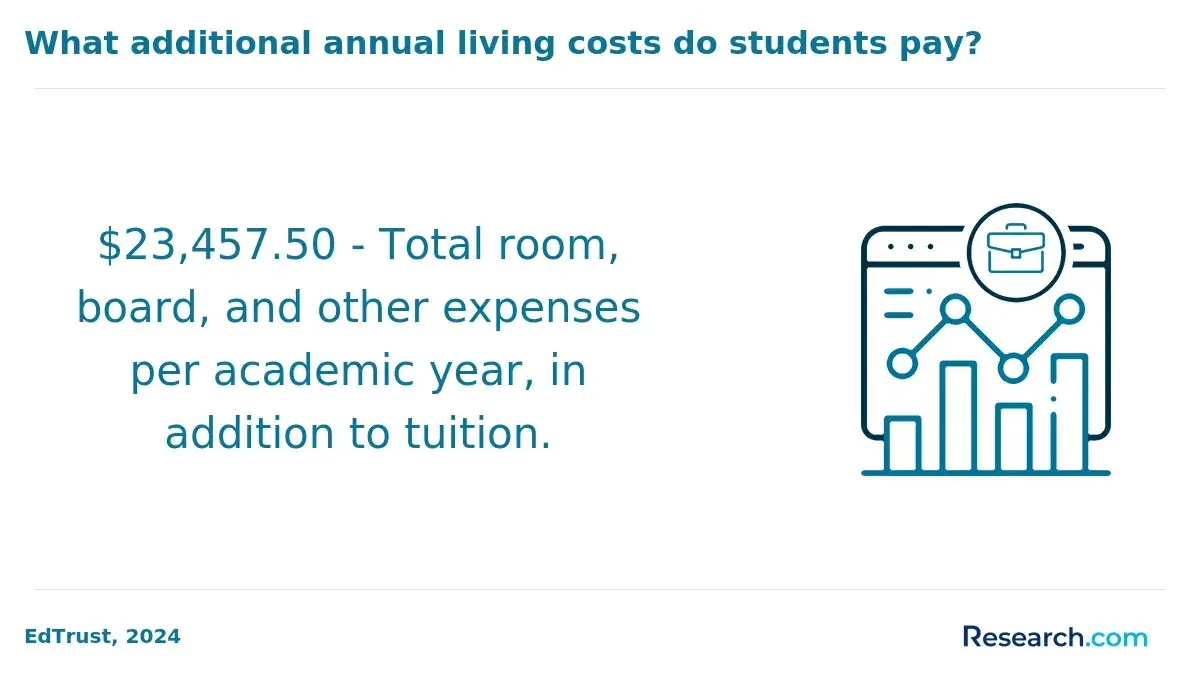
Tuition for rolling admissions industrial engineering programs is typically structured per credit hour, creating a flexible yet variable cost experience depending on student course loads each term. While rolling admissions itself does not alter tuition rates, it affects when students pay, allowing better alignment of payments with personal financial cycles or employer tuition reimbursement schedules. Key components of cost include institutional or technology fees-often charged each term-plus occasional lab or materials fees where practical components are required.
Program design plays a critical role; online formats usually offer lower per-credit costs but may add technology fees, whereas hybrid or accelerated tracks can increase upfront expenses yet reduce overall time-to-degree, which can be financially advantageous in the long run. Cohort-based programs might extend duration and cost by limiting course selection flexibility.
Financially, rolling admissions industrial engineering program tuition ranges broadly: public institutions often charge between $300 and $800 per credit hour, while private schools typically range from $600 to $1,200. This translates to an approximate $36,000 to over $100,000 tuition total for a 120-credit degree, excluding ancillary fees. Students who need adaptable scheduling can use rolling admissions to optimize their financial aid timing or employer tuition benefits, although these advantages stem more from institutional policy than admission timing alone.
For those comparing costs and admission styles in engineering and beyond, resources like MSW programs with high acceptance rate provide insight into how flexible entry points can complement diverse financial and educational goals.
Are Career Outcomes Different for Rolling Admissions Students?
Career outcomes for students admitted through rolling admissions in industrial engineering programs generally mirror those of peers admitted by traditional deadlines, as rolling admissions fundamentally serve as an enrollment procedure rather than a predictor of academic or professional success. Employment prospects and long-term growth in the field hinge more significantly on factors such as the rigor and accreditation of the program, specialized coursework within industrial engineering, availability of internships, and meaningful industry networking.
Regional labor market conditions and sector-specific demand also play crucial roles; for example, the U.S. Bureau of Labor Statistics forecasts a 10% increase in industrial engineering jobs from 2022 to 2032, underscoring strong hiring trends that benefit graduates regardless of their admission timeline. While some students entering early through rolling admissions might complete their degrees sooner, this advantage depends largely on individual circumstances and proactive engagement with experiential opportunities rather than the admission system itself.
There is institutional variability in how rolling admissions are implemented, with some programs exhibiting differences in selectivity or resource access that could indirectly affect outcomes. However, the timing of application or acceptance has a limited direct influence compared to curriculum depth and hands-on learning experiences. Employers prioritize demonstrated skills, completed internships, and proven professional competencies over the pathway or timing by which candidates entered their programs.
The connection between admission processes and eventual career success is therefore weak when accounting for these more substantive factors, making program quality and career-relevant engagement far more consequential decision points than admission format.
One industrial engineering graduate recalled navigating a rolling admissions process that stretched over several months. Initially hesitant to apply early due to uncertainty about part-time work demands, she delayed submitting her application but appreciated the flexibility to update materials mid-cycle as her resume strengthened. Although she enrolled later than some classmates, she caught up academically by leveraging timely internship placements and focused networking, ultimately finding that admission timing did not constrain her career trajectory. "It wasn't about when I got in," she reflected, "but how I used the time once I was there, making connections and building real skills."
Can Rolling Admissions Programs Lead to High-Paying Careers?
Salary potential in industrial engineering is influenced far more by factors such as specialization, institutional quality, and experiential learning than by the presence of rolling admissions programs. While rolling admissions offer flexible and extended application windows catering to diverse academic and personal schedules, they function as an enrollment mechanism and do not directly correlate with higher earnings. For instance, a graduate specializing in supply chain logistics from an accredited program with robust internship opportunities is likely to command a starting salary in the range of $65,000 to $85,000 or more, regardless of whether their school utilized rolling admissions or traditional deadlines. Employers assess credentials, skills, and relevant work experience rather than admissions format when making compensation decisions.
Although rolling admissions can allow students to begin their studies earlier or later than peers, any resulting salary advantage from accelerated workforce entry remains incidental and heavily dependent on individual circumstances. Geographic labor markets, sector demand in manufacturing, healthcare, or technology, and the graduate's skill development trajectory carry far greater weight in determining long-term salary outcomes. Graduates with advanced certifications or leadership experience frequently perform better financially, independent of how or when they were admitted. Consequently, selecting a program for its rolling admissions flexibility is practical for enrollment convenience but should not be mistaken for a strategy to secure a higher-paying industrial engineering career.
What Are the Disadvantages of Rolling Admissions Programs?
Rolling admissions in industrial engineering degree programs introduce significant strategic challenges that can affect applicants' outcomes and career trajectories. The flexible timelines often obscure critical decision points, resulting in less control over financial aid comparisons and program fit. These disadvantages are not merely administrative but have tangible implications for students navigating competitive engineering fields.
- Unpredictable resource availability: Without fixed deadlines, program capacities fluctuate unpredictably. Applicants may feel pressured to accept offers prematurely, potentially missing better financial aid or stronger curriculum matches that align with their professional goals.
- Progressive program fill rates: As programs fill on a rolling basis, later applicants often find specialized tracks or cohorts closing, reducing options critical for those focused on emerging industry demands. Data shows nearly 30% of rolling admissions applicants in industrial engineering confront selective course or cohort closures due to earlier admissions.
- Procrastination risks: The extended review period can cause delays in application completion, weakening submissions that require demonstration of technical prerequisites and relevant project portfolios essential for industrial engineering rigor.
- Irregular cohort pacing: Multiple admission cycles within a year lead to staggered start dates. This complicates alignment with internship schedules, coop programs, and employer recruitment timelines-key factors for gaining applied experience and timely job placement after graduation.
These factors underscore potential challenges with rolling admissions in industrial engineering education, especially for applicants needing structured timelines to optimize their educational investments and workforce entry. Students weighing options might also consider flexible programs in related fields, including a real estate development degree online, where admissions and market cycles differ substantially.
How Do You Choose the Best Industrial Engineering Program With Rolling Admissions?
Comparing industrial engineering degree programs with rolling admissions presents challenges beyond simply flexible start dates. Prospective students must weigh how this flexibility interacts with critical factors that influence academic success and workforce readiness. The ability to enroll at various times can be advantageous for those balancing work or personal commitments but requires scrutiny of program outcomes and structural support to ensure this flexibility does not compromise educational quality.
- Graduation and retention rates: Higher rates reflect programs that effectively support students through irregular enrollment schedules, signaling robust advising and resources that sustain progress despite rolling admissions.
- Online and hybrid learning options: Access to remote coursework enables students managing competing priorities to maintain steady credit accumulation, demonstrating a program's adaptation to contemporary educational demands.
- Employer engagement and internship opportunities: Close ties to industry networks facilitate critical experiential learning and job placement; admissions flexibility should not come at the expense of meaningful employer connections.
- Financial aid alignment with rolling admissions: Programs that synchronize aid disbursement with multiple start terms help avoid funding gaps, which can disrupt enrollment continuity and increase student financial risk.
When exploring top factors for selecting industrial engineering programs with rolling admissions, students should prioritize these pragmatic considerations. A program's adaptability to varied enrollment must be balanced with evidence of ongoing academic rigor and workforce relevance. For detailed comparisons of flexible educational options, some may also consult resources like the architecture degree guides, which illustrate parallels in rolling admissions benefits and challenges across disciplines.
What Graduates Say About Industrial Engineering Degree Programs With Rolling Admissions
- Robin: "Balancing a full-time job and my industrial engineering program was tough, but rolling admissions let me start without waiting for a fixed semester. I chose it because I needed the flexibility to keep earning while studying. Graduating, I realized that employers valued my internship experience more than my GPA, which helped me secure a process analyst role despite not pursuing immediate licensure."
- Peter: "I had to switch careers on a tight budget, so the rolling admissions industrial engineering program was ideal since I could begin as soon as possible and spread out costs. The biggest challenge was managing workloads with part-time coursework while building a portfolio of practical projects. The outcome? I landed a remote manufacturing consultant position where my hands-on skills and certifications mattered more than traditional credentials."
- Jordan: "After graduating, I realized that not having a PE license limited my advancement in some companies, but I prioritized entering the workforce quickly via rolling admissions to avoid delays. The decision to dive into internships and certificate programs supplemented what I lacked in licensure. Although I've faced stiff competition for leadership roles, this approach gave me valuable experience and a solid network that wouldn't have been possible otherwise."
Other Things You Should Know About Industrial Engineering Degrees
Programs with rolling admissions often offer more flexible start dates, which can shift course sequencing away from tightly structured cohorts. While this flexibility benefits students balancing work or personal commitments, it may also mean taking prerequisite or core courses out of the traditional order. This can affect how concepts build on each other, potentially increasing the need for self-directed study or summer sessions to stay on pace. Prospective students should prioritize programs that provide clear academic advising and support pathways to avoid delayed graduation or knowledge gaps.
Joining a rolling admissions cohort means entering classes at staggered times, which can dilute the traditional group dynamic found in fixed-start programs. Since industrial engineering heavily relies on teamwork for projects such as process optimization or systems design, this fragmentation might limit peer interaction and long-term networking opportunities. Students should evaluate whether the program offers structured team assignments or virtual collaboration tools that mitigate the lack of a unified cohort experience.
Rolling admissions can provide scheduling flexibility that aligns well with internship cycles, allowing students to begin coursework closer to or right after summer internships. However, some industrial engineering programs with rolling admissions may have less formalized partnerships with employers, which can impact the availability or timing of internships and co-op placements. Students focusing on employer-connected experiential learning should investigate the program's integration with industry and the predictability of these opportunities rather than relying solely on flexible admissions.
References
- Complete List: Colleges With Rolling Admissions · PrepScholar https://blog.prepscholar.com/colleges-with-rolling-admissions
- How to Become an Industrial Engineer - Steps and Time Required https://www.onlineengineeringprograms.com/faq/how-do-i-become-an-industrial-engineer
- The Advantages and Disadvantages of Rolling Admissions https://www.petersons.com/blog/the-advantages-and-disadvantages-of-rolling-admissions/
- Opintopolku https://opintopolku.fi/konfo/en/toteutus/1.2.246.562.17.00000000000000009705
- Six Standout Engineering Schools - Top Tier Admissions https://toptieradmissions.com/six-standout-engineering-schools/
- How to Evaluate If an Engineering Program Is a Good Fit - Your College-Bound Kid https://yourcollegeboundkid.com/2023/03/10/how-to-evaluate-if-an-engineering-program-is-a-good-fit/
- What Can You Do With an Industrial Engineering Degree? https://willamette.edu/academics/college/industrial-engineering/career-options
- The Advantages and Disadvantages of Rolling Admissions – Prompt School https://www.promptschool.com/the-advantages-and-disadvantages-of-rolling-admissions/
- Bachelor's Programme in Industrial Engineering and Management https://www.lut.fi/en/studies/technology/bachelors-programme-industrial-engineering-and-management
- Career Profile: Industrial Engineering https://www.nextengineers.org/en/career-profile/industrial-engineering