2027 How to Compare Machine Learning Degree Programs Effectively

Co-Founder and Chief Data Scientist
Choosing the right machine learning degree program is increasingly complex as options multiply. Many prospective students struggle to assess whether a program's curriculum matches evolving industry demands, especially when job postings require skills from data preprocessing to advanced neural networks.
According to recent labor market data, employment in machine learning-related roles is projected to grow by 40% from 2024 to 2034, emphasizing the field's competitive nature. This article will guide readers through key factors in evaluating machine learning programs, focusing on alignment with career objectives, program rigor, cost, and flexibility to help make informed decisions.
Key Benefits of Comparing Machine Learning Degree Programs Effectively
- Check program accreditation and faculty expertise to ensure credibility; programs linked to recognized institutions often yield stronger employment opportunities.
- Evaluate curriculum focus on emerging AI techniques and specialization options aligning with evolving industry demands for roles like data scientist or AI engineer.
- Consider cost relative to career outcomes; investing in programs with strong industry connections can improve ROI through higher placement rates and salary potential.
What Types of Accreditation Should a Machine Learning Degree Program Have?
Accreditation is essential for comparing the quality, credibility, and long-term value of machine learning degree programs. Research shows that students graduating from regionally accredited institutions have a 14% higher employment rate within six months compared to those from non-accredited schools.
This highlights the impact accreditation has on employer recognition and career outcomes. Below are the key types of accreditation to examine when evaluating programs.
- Regional Accreditation: This is the most respected form of accreditation, applied to entire institutions. It ensures credits are transferable and students qualify for federal financial aid, which benefits those seeking flexible funding, especially career changers pursuing accredited machine learning degree programs in the US.
- Programmatic Accreditation: Focused on specific fields like technology or engineering, this accredits the curriculum's relevance and rigor. It signals to employers that the machine learning education meets industry standards and technical competencies.
- Specialized Accreditation: Granted by bodies centered on computing or data science, it confirms alignment with professional benchmarks needed for licensure or certification readiness. This boosts confidence in the program's applicability to cutting-edge roles.
For working professionals or students transitioning careers, choosing regional accreditation for machine learning degrees provides advantages such as smoother credit transfer, financial aid access, and stronger employer trust. To explore flexible options, consider reviewing BCBA master's programs online, which highlight affordability and accessibility in advanced specialized degrees.
What Specializations Are Offered in Machine Learning Degree Programs?
Specializations offered within machine learning degree programs allow students to align their academic focus with specific career goals and evolving industry needs, making it easier to compare program options. Workforce reports indicate that fields such as natural language processing and computer vision grow at rates exceeding 20% annually, signaling strong employer demand for these skills.
Below are some common specializations to consider when evaluating machine learning program focus areas and tracks.
- Natural Language Processing (NLP): Focuses on enabling machines to understand and generate human language. Skills developed include text analytics, sentiment analysis, and speech recognition, which are essential for careers in virtual assistants and customer service AI.
- Computer Vision: Centers on interpreting visual data from images or videos. Students gain expertise in image recognition, object detection, and facial recognition, preparing them for roles in autonomous vehicles and security systems.
- Reinforcement Learning: Involves training models through trial and error to make sequences of decisions. Valuable skills include policy optimization and simulation design, often used in robotics and gaming industries.
- Data Engineering for ML: Emphasizes building scalable data pipelines and infrastructure to support machine learning models, critical for positions in big data and cloud computing.
For students who want to explore related fields in behavioral analytics or cognitive processing, programs such as an accelerated psychology degree may also complement their understanding of human behavior and decision-making mechanisms relevant to machine learning applications.
How Can You Compare Courses Across Machine Learning Degree Programs?
Comparing courses across machine learning degree programs is essential for prospective students to evaluate program rigor, skill development, and alignment with career goals. Research indicates that students enrolled in programs with comprehensive curricula report a 25% higher course completion rate, emphasizing the importance of curriculum depth and relevance.
Below are key strategies to compare courses effectively and select the best fit for your educational and professional objectives.
- Review Course Syllabi: Analyzing detailed syllabi reveals the breadth and depth of topics covered and helps you gauge the balance between theoretical foundations and practical application in each course.
- Compare Credit Hours and Workload: Understanding credit requirements and expected study hours allows you to assess the program's intensity and whether it fits your available time and energy commitments.
- Assess Skill Applicability: Focus on courses teaching in-demand skills like data preprocessing, neural networks, and model evaluation to ensure your learning aligns with current industry needs and job market trends.
- Check Elective Options: Electives indicate the program's flexibility, enabling you to specialize in emerging technologies or areas that match your personal interests and career goals.
- Evaluate Course Outcomes: Prioritize programs that clearly state learning outcomes and connect coursework to real-world projects, enhancing practical experience and job readiness.
For students balancing budget constraints, exploring options such as the cheapest online psychology degree programs can provide insight into how affordability integrates with quality education. Applying similar comparison strategies can help you find an affordable, high-quality machine learning course curriculum that meets your academic and career ambitions.
Flexible scheduling is a critical factor for students comparing machine learning degree programs because it influences the ability to balance education with personal and professional demands. The following options illustrate how programs can adapt to varied lifestyles and commitments.
- Full-Time: These programs follow a traditional academic calendar, requiring a significant time commitment each term. They suit students who can dedicate themselves fully to intensive study and want to complete the program quickly.
- Part-Time: Designed for those balancing work or family responsibilities, part-time schedules offer a lighter course load per term. This flexibility allows students to progress steadily without overwhelming their other obligations.
- Online and Hybrid: Offering asynchronous learning opportunities, these formats enable students to access lectures and assignments anytime. This accommodates learners needing to study around work hours or in different locations, promoting self-paced progression.
- Evening and Weekend Classes: Some programs provide courses outside standard hours, which supports individuals unable to attend daytime sessions. This availability enhances accessibility for working professionals and others with daytime commitments.
- Modular Formats: Breaking the curriculum into focused blocks or modules allows students to concentrate on specific topics in shorter time spans. This structure helps maintain engagement and manage study alongside other responsibilities.
Choosing between online and campus-based machine learning degrees can shape your study experience and career trajectory. In 2023, approximately 45% of U.S. college students took at least one online class, reflecting the rising presence of virtual education.
Below is a breakdown of key advantages and challenges in each format.
Online Machine Learning Degrees
- Flexibility: Students can often design their schedules around work and family commitments, providing valuable balance for busy adults.
- Resource Access: Programs frequently tap diverse instructors and digital materials, offering varied perspectives that might be unavailable locally.
- Limited Interaction: Reduced face-to-face engagement can hinder networking and hands-on practice, potentially impacting collaborative learning.
- Self-Motivation Required: Online courses demand strong discipline and time management to maintain progress and comprehension.
Campus-Based Machine Learning Degrees
- Immersive Environment: On-campus settings provide structured schedules and immediate faculty support, enriching understanding through real-time discussions.
- Networking Opportunities: Proximity to peers and professionals encourages collaboration, mentorship, and professional connections beneficial for career advancement.
- Geographic Constraints: In-person attendance can limit options for those with location or time restrictions.
- Fixed Scheduling: Less flexibility may challenge students juggling employment or family obligations.
A graduate who completed an online machine learning degree shared how he weighed these factors. He described feeling overwhelmed trying to compare programs initially, especially juggling work and research into course content.
"It wasn't just about curriculum quality but also how well I could fit studies into my hectic days." He valued the ability to study asynchronously but worried about missing out on networking events few online platforms replicated.
Ultimately, he chose the online route to maintain his job but made a point to reach out proactively via virtual meetups and forums, which took extra effort but broadened his professional circle."
GPA requirements are a key consideration for prospective students comparing machine learning degree programs, as they reflect varying admissions standards and evaluation methods. These differences often reveal how programs balance academic performance with a broader assessment of candidates.
Below are several factors that illustrate this diversity:
- Strict Minimums: Some programs enforce firm GPA cutoffs, commonly near 3.0 on a 4.0 scale, to ensure applicants demonstrate a baseline of academic preparedness. This approach simplifies applicant evaluation but may exclude talented individuals with strengths outside of grades.
- Holistic Review: Many schools adopt a comprehensive admissions process, incorporating work experience, research involvement, and recommendation letters alongside GPA. This flexibility allows candidates with varied backgrounds to showcase potential beyond numerical scores.
- Competitive Thresholds: Programs with high demand or prestigious reputations tend to set elevated GPA criteria to manage application volume and maintain academic rigor. Such policies reflect both selectivity and a commitment to preparedness for challenging curricula.
- Application of Practical Skills: Certain programs value hands-on experience, portfolios, or internships as much as GPA, particularly those emphasizing interdisciplinary or applied learning. This can provide alternative pathways for students excelling in real-world problem-solving.
- Conditional Admission: Some schools offer provisional acceptance or probationary enrollment for applicants who fall short of GPA benchmarks but demonstrate promise in other areas. This approach fosters inclusivity while maintaining standards through monitored progress.
Analyzing GPA requirements alongside these admission philosophies can help applicants identify programs that align with their strengths and career objectives while anticipating academic challenges and support availability within the curriculum.
Comparing tuition fees is a key step for students planning to enroll in machine learning degree programs, as it greatly influences overall affordability. In the United States, graduate tuition and fees at public institutions average nearly $11,000 annually, highlighting the need for careful financial evaluation.
Here are important factors to consider when comparing costs across programs:
- Total Program Cost: Evaluate not just the listed tuition but also additional expenses such as mandatory fees, course materials, and administrative charges that collectively impact your budget.
- Cost Per Credit: Since some programs bill per credit, understanding the difference between in-state and out-of-state rates, as well as the number of credits required, can reveal significant variations in total expenses.
- Financial Aid Availability: Explore scholarships, grants, and loan options offered by each program, as these can considerably lower your actual out-of-pocket costs.
- Employer Tuition Benefits: Some students can take advantage of employer-sponsored tuition reimbursement, which may influence your choice depending on your current job and eligibility.
- Long-Term Value: Consider how the degree's cost balances against potential salary increases and career advancement opportunities, ensuring the investment pays off over time.
When I spoke with a graduate who completed a machine learning degree, she shared how challenging it was to unravel the true expense beyond the sticker price. "At first, I focused only on tuition per credit, but then realized that fees and extra costs added up quickly," she said.
She also emphasized how crucial it was to research financial aid and employer support options early on, which made a significant difference. Reflecting on her experience, she noted, "Comparing programs wasn't just about numbers-it was about weighing what I'd gain professionally and how manageable the debt would be."
Her journey illustrates that thorough cost comparison requires patience and attention to detail but ultimately leads to a more informed and confident decision.
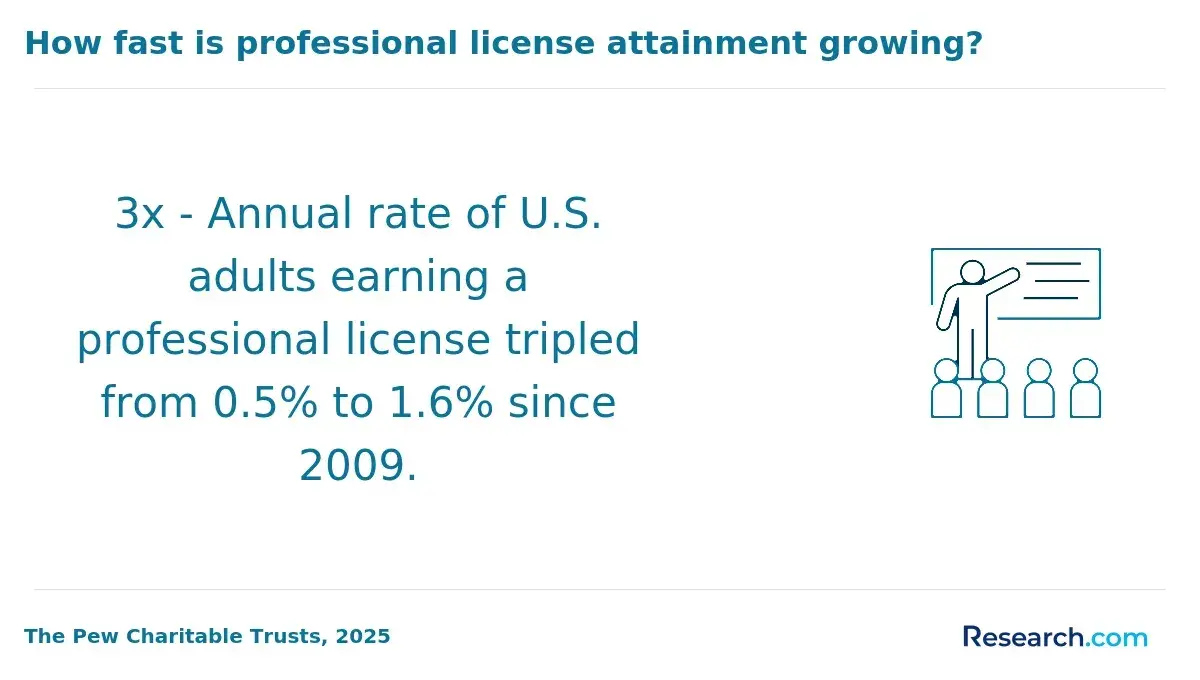
For students targeting regulated careers or shifts into professional fields, confirming that a machine learning degree aligns with licensure requirements is essential. Notably, the U.S. Bureau of Labor Statistics reports that more than 25% of occupations demand professional certification or licensure.
Considering this, it is important to evaluate key factors when comparing relevant degree programs.
- Curriculum Alignment: Review whether the program's courses meet the standards set by industry or regulatory bodies, ensuring the content prepares students for relevant professional expectations and potential certifications.
- Accreditation Standards: Verify that the institution holds recognized accreditation, which is critical for acceptance by licensing authorities and impacts eligibility for many certifications.
- State-Specific Licensure: Understand any unique state requirements that may affect licensure, particularly for professions integrating machine learning, as these can vary widely and influence career mobility.
- Supervised Experience: Check if the program offers internships or practical training opportunities that meet licensure requirements, providing hands-on experience vital for certification readiness.
- Exam Eligibility: Ensure the degree prepares students for key professional exams in areas such as data science, AI ethics, or cybersecurity, which are often prerequisites for licensure or certification.
Career placement rates offer a clear indicator of how effectively a machine learning degree program prepares students for the workforce. Recent statistics reveal that top programs achieve employment or graduate placement rates exceeding 85% within six months of graduation.
Several factors contribute to these outcomes, and prospective students should consider key elements when evaluating programs.
- Employer Partnerships: Strong connections with a diverse range of employers often translate into valuable internship and job opportunities. These partnerships help create direct hiring pipelines, boosting real-world access to the job market.
- Internship Opportunities: Access to internships allows students to gain hands-on experience in machine learning roles. These programs enhance practical skills and improve job readiness, which are crucial for the best career outcomes from machine learning master's programs.
- Alumni Outcomes: Reviewing alumni success stories and career trajectories provides insight into a program's long-term impact. Information about job titles, industries, and geographic mobility can help gauge program effectiveness beyond graduation.
- Support Services: Comprehensive career counseling, resume workshops, and interview preparation services significantly boost a student's ability to translate education into employment. Effective support programs correlate with higher placement rates and overall career success.
Top machine learning degree programs for job placement not only boast impressive statistics but also foster environments where students build vital connections and skills. Assessing these factors can guide prospective students toward programs that best align with their career aspirations.
For students interested in career impact beyond placement rates, exploring the best degrees to make money adds valuable context about potential financial rewards linked to their educational investment.
Post-graduation salary outcomes are a vital metric for comparing machine learning degree programs as they reflect the tangible economic benefits a graduate can expect. The average starting salaries for machine learning degree holders by region in the U.S. typically range from $80,000 to $120,000 annually, with a national average starting salary near $95,000.
Various factors influence these outcomes, as detailed below.
- Role Specialization: Salary varies widely depending on the specific role. Machine learning engineers and data scientists at entry level usually earn between $80,000 and $120,000, while AI product managers or applied machine learning specialists often command higher wages, reflecting increased demand for applied skills.
- Industry Sector: Graduates working in finance and healthcare sectors commonly receive higher compensation than those in academia or non-profit organizations. Industry demands and budget scales significantly impact salary ceilings.
- Geographic Location: Salaries tend to be higher in metropolitan tech hubs like San Francisco or New York, where the cost of living and competition push wages upward, compared to other U.S. regions where lower salaries may be standard.
- Experience Level: Professional experience plays a crucial role; more seasoned professionals often earn well above $150,000 annually. Starting salary figures reflect less experience, but growth potential is substantial over time.
Prospective students seeking programs aligned with their career and budgetary goals can also research options such as cheapest online colleges that accept FAFSA to optimize educational cost-effectiveness alongside salary expectations.
What Graduates Say About Comparing Machine Learning Degree Programs Effectively
- Iris: "Before enrolling, I wrestled with the decision due to the hefty average cost of attendance, which hovered around $40,000 per year. However, the value offered by the degree, especially the specialized courses and hands-on projects, convinced me it was worth the investment. Today, I'm confidently working in AI development, and this degree's credibility opened doors in ways my self-study never could."
- Maliyah: "I spent a lot of time comparing bootcamps and certificate programs, which were cheaper but lacked depth. The major deciding factor was the transparent cost structure of the Machine Learning degree program, which was reasonable compared to other universities offering similar quality. Completing the program refined my skills significantly and accelerated my promotion within my company, making the cost a smart, reflective choice. "
- Brady: "Initially, I hesitated because the average expense felt intimidating, especially with alternatives offering online courses at much lower prices. Yet, the comprehensive curriculum and expert faculty justified the tuition, which ultimately felt like an investment in my career advancement. Since graduating, I've transitioned into a leadership role in data science, and this degree was a crucial catalyst for that professional growth. "
Other Things You Should Know About Machine Learning Degrees
Faculty expertise is critical as it directly affects the quality of education and research opportunities. Prospective students should look for programs where professors have published in reputable machine learning journals or have experience working on cutting-edge machine learning projects. Faculty actively involved in the industry or academia can provide valuable mentorship and networking connections.
Check whether the program requires a practicum, internship, or co-op and how many credits it carries, usually 3 to 6 semester credits. Confirm the minimum placement hours, whether the school secures placements, and whether industry experience is required before graduation or only recommended.
- Master of Artificial Intelligence https://wscs.eu/master-of-artificial-intelligence/
- Machine Learning Salary: A 2025 Guide https://www.coursera.org/articles/machine-learning-salary
- A Comparison Of The Best Machine Learning Training Programs | Engaging Ai Course https://aibootcamp.echodomudarcy.com/real-world-scenarios-masters-in-artificial-intelligence/a-comparison-of-the-best-machine-learning-training-programs
- How to Become a Machine Learning Engineer | Requirements https://www.discoverdatascience.org/career-information/machine-learning-engineer/
- Is a Master’s Degree in Machine Learning Worth It? | CSU Global https://csuglobal.edu/blog/masters-degree-machine-learning-worth-it
- Machine Learning Engineer Salaries 2025: A Comprehensive Guide | DataCamp https://www.datacamp.com/blog/machine-learning-engineer-salaries-in-2023
- AI/ML Engineer Salary in Poland - Itentio IT Recruitment Agency in Poland - itentio.com https://itentio.com/blog/ai-ml-engineer-salary-in-poland/
- Online vs. Classroom Machine Learning Courses: Which Delivers Better Results? - My Engineering Buddy Blog https://www.myengineeringbuddy.com/blog/online-vs-classroom-machine-learning-courses-which-delivers-better-results/
- Online vs. In-Person AI and Machine Learning Courses: Which is Better for You? https://orhanergun.net/online-vs-in-person-ai-and-machine-learning-courses-which-is-better-for-you
- Entry-Level AI Engineer Salary Calculator https://tripleten.com/tools/entry-level-ai-engineer-salary/