
2027 How Long Does It Take to Earn an Online Marriage & Family Counseling Degree?

Co-Founder and Chief Data Scientist
Online education offers unmatched flexibility for busy professionals seeking a career in marriage & family counseling, making it a popular choice in today's fast-paced world. According to the U.S. Bureau of Labor Statistics, employment of marriage and family therapists is projected to grow 17% through 2032, highlighting strong demand for qualified counselors.
Understanding how long does it take to earn an online Marriage & Family Counseling degree is crucial for planning a successful career path. This article explores average program lengths, key factors affecting completion time, and tips for selecting the ideal program to match personal goals and schedules. Readers will gain clear insights to make informed, confident decisions about advancing in this field.
Key Benefits of Online Marriage & Family Counseling Degree
- Most online marriage & family counseling degrees can be completed in 2 to 3 years, allowing students to enter the workforce relatively quickly without sacrificing quality.
- Flexible scheduling options enable students to balance coursework with personal and professional responsibilities, often through asynchronous classes and part-time enrollment.
- Programs frequently include practical internships or supervised clinical hours, which typically extend the timeline by several months but provide essential hands-on experience for licensure.
What is the Average Completion Time for Online Marriage & Family Counseling Programs?
Online Marriage & Family Counseling programs typically take between 21 and 36 months to complete, depending on factors such as program structure and enrollment status. To provide a clearer picture of the average time to complete online marriage and family counseling degree programs, here is a breakdown by degree type and typical duration.
- Master of Science in Education - Counseling, Marriage and Family Therapy Track: This program can be completed in as few as 24 months. It combines online coursework with clinical experience, offering flexibility to accommodate different schedules and preparing students for professional licensure.
- Master of Arts in Marriage and Family Therapy: Generally taking around 33 months to finish, these programs offer year-round enrollment and allow students to progress at their own pace. They provide comprehensive training to prepare graduates for licensure and practice.
- Master of Science in Marriage and Family Therapy: Designed for flexibility, this degree can be completed full-time in about 21 months or part-time in up to 36 months. It emphasizes treating diverse populations within systemic relationship contexts and meets accreditation standards for licensure in most states.
Understanding how long does an online marriage and family therapy program take is an important consideration for prospective students balancing education with other commitments. For those seeking further insights into program durations and options, exploring 1 year master's programs online can offer helpful comparisons and alternatives.
What Factors Can Affect How Long It Takes to Earn an Online Marriage & Family Counseling Degree?
Several factors influence how long it takes to complete an online marriage & family counseling degree, making the program length highly variable depending on individual choices and circumstances. Understanding these variables can help prospective students effectively plan their academic journey. The key factors affecting program length for online marriage and family counseling degree include:
- Enrollment Status (Full-Time vs. Part-Time): Full-time students often finish their degrees in about 21 to 27 months, while part-time students, who may balance work or family commitments, can take 36 months or longer. Choosing part-time study extends duration but provides greater flexibility for managing personal and professional responsibilities.
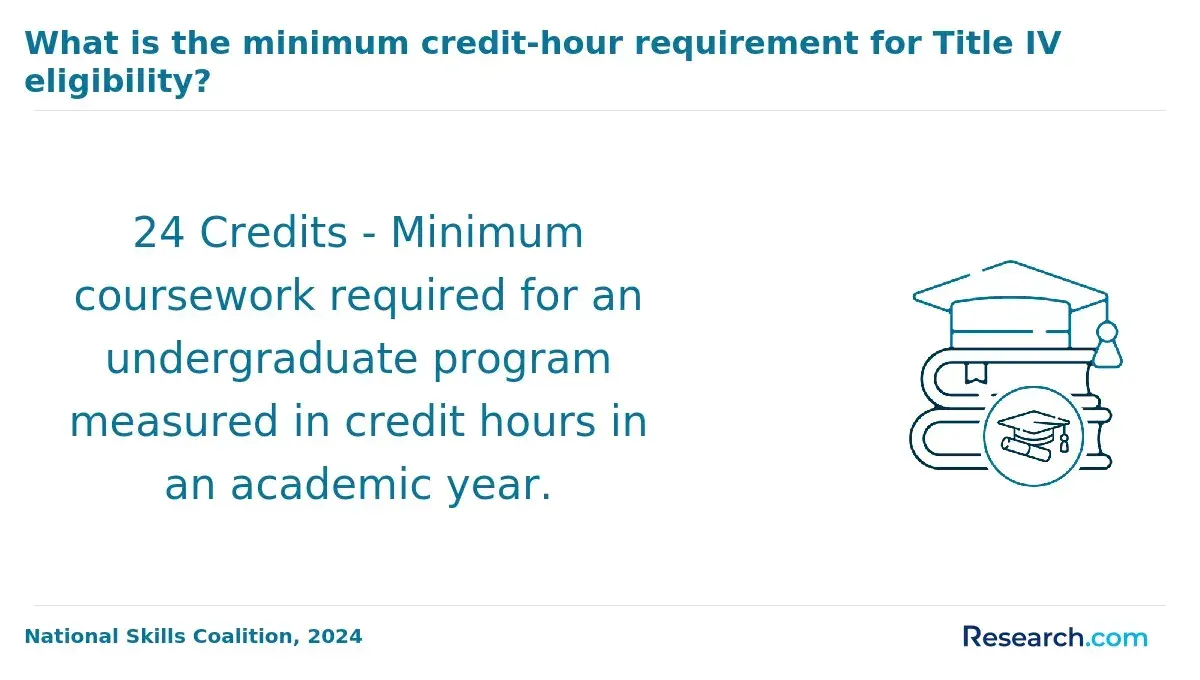
- Program Structure and Credit Requirements: The number of required credits and curriculum design-such as accelerated tracks, thesis demands, or practicum placements-directly impact completion time. Master's programs typically require 60 to 90 credits and take 2 to 3 years full-time, whereas doctoral programs often need at least 60 graduate credits beyond a master's and can average around 54 months.
- Course Availability and Scheduling: Many online programs offer rolling admissions and courses beginning every eight weeks, enabling faster progression. However, if required courses or prerequisite sequences are limited each term, students may face delays in completing their studies.
- Transfer Credits and Prior Experience: Accepting transfer credits from previous graduate courses can shorten the program length, sometimes allowing up to 12 credits to be applied toward doctoral degrees, depending on institution policies and grade requirements.
- Field Experience and Practicum Requirements: Most marriage and family counseling programs include supervised clinical practice such as a 100-hour practicum and a 600-hour internship, which depend on placement availability and scheduling flexibility, potentially affecting how quickly students can graduate.
- Personal and Professional Commitments: Students juggling work, family, or other obligations may need to take lighter course loads or pause studies temporarily, significantly extending completion time. Conversely, those with fewer external demands often progress faster.
For those interested in accelerating their education timeline, exploring options like quick online certifications that pay well alongside or before pursuing a full degree may offer practical benefits.
What Are the Different Types of Online Marriage & Family Counseling Programs Available?
Students interested in pursuing online marriage & family counseling degrees have a variety of program types and specializations to choose from, catering to different career goals and licensure requirements. Below are major types and concentrations commonly offered in these programs, providing options for diverse professional paths and interests.
These programs vary in focus, structure, and target audience, making it important to understand which option aligns best with your objectives:
- Master's in Marriage, Family, and Child Counseling: This comprehensive program covers therapeutic interventions and multicultural competencies, typically requiring around 60 credit hours plus practicum and internship. It is designed for those seeking professional licensure such as LMFT and aims to prepare graduates for clinical roles serving diverse families and children.
- Master's in Family Counseling: Focused on family dynamics and supportive, non-pathological methods, these degrees usually require about 33 credit hours and one to two years of study. They suit paraprofessionals, clergy, or those wanting advanced family support knowledge without independent licensure.
- Master's in Counseling with Marriage & Family Therapy Concentration: These hybrid programs blend core counseling coursework with specialized MFT classes, generally needing 60 credits. They prepare students for licensure while offering broad counseling skills applicable across settings.
- Specializations within Marriage & Family Therapy: Many online degrees offer focused tracks like addiction counseling, play therapy, or multicultural family therapy, allowing students to develop expertise in specific populations or modalities relevant to their career goals.
- Doctorate in Marriage and Family Therapy (DMFT): Fully online DMFT programs target licensed professionals aiming for leadership, advanced practice, or academic roles. Typically requiring 60 credit hours over three years, they emphasize research, clinical innovation, and organizational systems.
- Faith-Based or Thematically Integrated Programs: These programs incorporate religious or philosophical perspectives, ideal for students planning to serve within faith communities or integrate spirituality into counseling practice.
Completing an online Marriage & Family Counseling degree typically requires a specific number of credit hours that varies based on the level of study, program requirements, and part-time or full-time enrollment. Below is an overview of the average credit hour expectations for various degree levels to help you understand the time commitment involved in pursuing this field.
Here is a breakdown of credit hour requirements by degree level:
- Associate Degree: These programs generally require about 60-65 credit hours. Full-time students can usually finish within two years, while part-time study may extend this to three or more years. Many associate programs focus broadly on counseling or psychology, with fewer dedicated tracks in marriage & family counseling specifically.
- Bachelor's Degree: Online bachelor's degrees typically demand 120-128 credit hours. Full-time students often complete these in four years, and part-time learners might take five to six years. Transfer credits from previous study or associate degrees can reduce total credit requirements and shorten completion time.
- Master's Degree: The majority require between 54 and 72 credit hours, often clustered around 60 to 72 hours for licensure-ready clinical programs. Full-time students usually graduate in two to three years; part-time options allow more flexibility but may extend the timeline beyond three years depending on practicum scheduling and course load.
- Doctoral Degree: Doctoral programs, including PhD and PsyD, typically range from 60 to 90 credit hours beyond the master's degree. Completion varies considerably, usually taking three to seven years, influenced by dissertation work, residency, and whether the student studies full- or part-time.
A graduate of an online marriage & family counseling degree shared their experience of balancing coursework with life responsibilities: "Navigating through the required credit hours was both demanding and rewarding. The challenging part was coordinating practicum hours alongside my job and family commitments, which stretched the timeline longer than I initially planned. However, the flexibility of the program and the supportive online community kept me motivated. Each completed course brought a sense of accomplishment, knowing I was progressing toward licensure and my career goals." This personal insight highlights the dedication needed but also the fulfillment that comes with meeting the credit requirements in an online setting.
Online Marriage & Family Counseling programs typically include a range of courses that cover foundational theories, clinical skills, ethical standards, and specialized topics designed to prepare students for effective practice and licensure. Below is a list highlighting examples of core and specialized courses commonly offered in these curricula, each aimed at developing essential knowledge and practical abilities for future counselors.
- Foundations of Marriage & Family Therapy: This course introduces key theoretical models and historical perspectives in the field. Students learn about family systems, relationship dynamics, and the profession's evolution, establishing a strong clinical foundation.
- Human Development Across the Lifespan: Students explore psychological and relational growth from childhood to late adulthood. The course helps therapists understand changing client needs and tailor age-appropriate interventions.
- Systemic Family Therapy: Emphasizing systemic approaches, this course teaches how individual behavior is influenced by family dynamics. Students gain evidence-based techniques for assessment and intervention in complex family systems.
- Couples Counseling: Focused on working with couples, this course covers communication, conflict resolution, and intimacy issues. Graduates are prepared to address marital distress and relationship transitions in various settings.
- Ethics, Law, and Professional Practice: Students study legal and ethical standards, including confidentiality and licensure requirements. Mastery is essential for safe, professional counseling and licensure exam preparation.
- Cultural Competency and Diversity: This course emphasizes respect for cultural, ethnic, and socioeconomic diversity. Students learn to apply culturally sensitive counseling approaches suitable for diverse populations.
- Trauma and Crisis Intervention: Students are trained to recognize and respond to trauma and crisis within families. The course equips them with trauma-informed care and crisis management skills.
- Addiction and Substance Abuse Counseling: Covering the impact of addiction on families, this course teaches effective counseling strategies to support recovery and family healing.
- Research Methods and Program Evaluation: Students develop skills in evaluating clinical practices and conducting research, supporting evidence-based therapy and potential doctoral study.
- Clinical Practicum and Internship: Typically requiring 400-700 hours of supervised client contact, this practicum provides hands-on experience crucial for applying learning and meeting licensure prerequisites.
Online marriage & family counseling programs typically offer multiple start dates throughout the year, providing flexibility that benefits working professionals, caregivers, and others balancing personal and professional commitments. This approach helps minimize delays in degree progression and allows students to begin their studies when it fits best with their schedules. Below is a summary of the most common enrollment schedules found in these programs.
- Traditional Academic Calendar: Many programs use the standard fall, spring, and summer semesters as entry points, appealing to students who prefer predictable timelines and want to coordinate their studies with financial aid or other academic activities.
- Multiple Term Starts: Some institutions offer several start dates per year-sometimes six or more-by adding mid-term sessions in addition to main semesters. This is ideal for those who want to begin quickly or accelerate their coursework without waiting for a new semester.
- Rolling Admissions: This model allows applications to be reviewed continuously with students starting at the next available term. It suits individuals seeking immediate entry without waiting for fixed deadlines, although course start dates still usually follow academic sessions.
- Monthly or Quarterly Starts: Programs with competency-based or self-paced formats often provide monthly or quarterly start dates, such as weekly course availability. This offers near-instant access and maximum flexibility for learners who need to set their own pace.
Accelerated online marriage & family counseling programs shorten the time it takes to earn a degree by condensing the traditional curriculum and offering more flexible, intensive learning schedules compared to standard programs. These programs provide several strategies that enable students to complete their degrees much faster. Below are common features that help students graduate sooner in accelerated online marriage & family counseling programs:
- Shorter Course Terms: These programs often use condensed sessions lasting about 7-8 weeks instead of the usual 15-16 weeks, allowing students to complete more courses within a year and accelerate their progress toward graduation.
- Year-Round Enrollment: With multiple start dates and continuous course availability, students can enroll throughout the year without waiting for traditional semester breaks, maintaining steady momentum without downtime.
- Higher Course Loads: Students frequently take more classes per term, sometimes doubling the typical course load, enabling them to accumulate credits faster while managing a rigorous yet attainable pace.
- Transfer Credits: Acceptance of relevant graduate coursework or professional experience as transfer credits can save significant time by reducing the number of required courses, with some programs allowing up to 16 transfer credits.
- Competency-Based Learning: This model lets students advance by demonstrating mastery of skills rather than waiting for semester completion, benefiting those with prior knowledge or strong motivation to quicken their studies.
A graduate of an online accelerated marriage & family counseling degree reflected on their experience: "Balancing work, family, and intense 8-week courses felt overwhelming at times, especially managing practicum hours alongside studies. However, the program's structure pushed me to stay organized; the year-round start dates meant I didn't lose momentum, and being able to apply some professional experience as credits was a game changer. Completing the program in under two years was challenging but incredibly rewarding-knowing I could maintain my career while advancing my education made every demanding week worthwhile."
Completing an online marriage & family counseling program in less time can significantly reduce your overall education costs and improve your financial outlook. Accelerated study means not only paying less tuition but also limiting indirect expenses and starting your career sooner, which all contribute to cost savings. Below are the primary ways finishing an online marriage & family counseling faster can save you money and advance your financial goals:
- Lower Tuition Costs: Many programs charge tuition by credit or semester, so shortening your time in school helps you avoid extra tuition payments. Given that annual tuition can range from $4,800 to over $19,000, cutting down even one year can save thousands of dollars.
- Reduced Living Expenses: Staying enrolled longer increases living costs such as housing, food, and transportation. Finishing faster means you reduce these ongoing expenses, making your degree more affordable overall.
- Earlier Entry Into the Workforce: Graduating sooner allows you to begin earning the median salary of $63,780 per year as a licensed counselor earlier, capitalizing on a job market with 15% projected growth through 2034. This early start boosts your lifetime earnings and career momentum.
- Less Time Off Work: For students balancing jobs, accelerating your program can minimize the need to cut work hours or take unpaid leave, preserving your income during study.
- Lower Opportunity Costs: The time spent in school postpones career advancement and income growth. Completing your degree faster reduces these opportunity costs, allowing you to reap the benefits of affordable online marriage and family therapy programs in the US more quickly.
For students weighing their options, understanding the what are the highest paying bachelor degrees related to counseling fields can also inform smarter financial and educational choices.
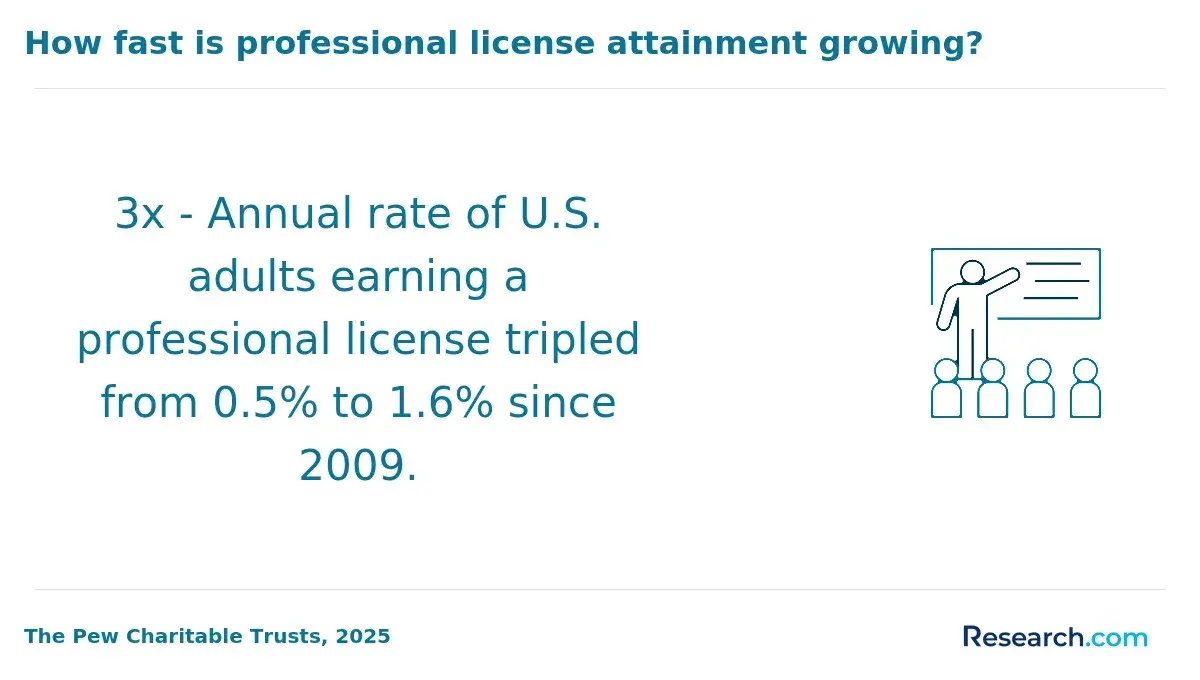
Graduates with an online marriage & family counseling degree can typically start working 3-6 months after graduation, depending on how quickly they complete state requirements. This period includes earning the required master's degree, accumulating 2,000-4,000 hours of supervised experience after online marriage and family counseling degree completion, and passing the licensing exam. Factors such as job demand in the local area, state regulations, and the graduate's prior professional experience significantly influence how long to get licensed as a marriage and family therapist. Those with relevant backgrounds or strong professional networks often secure positions faster. The field's robust 13% growth projection from 2024 to 2034 further improves chances of timely employment.
Many online marriage & family counseling programs allow students to fulfill practicum or internship requirements while still enrolled, creating valuable opportunities to gain experience and network in their field. This hands-on training helps students transition smoothly to employment after graduation by enabling job offers before completing their degree. Students often work part-time in related roles or participate in professional organizations during their studies, which can accelerate the licensing process and job placement. For those exploring financial support options during this period, it's helpful to look into an online college that accept financial aid to ease the cost burden while gaining essential supervised experience after online marriage and family counseling degree training.
Online Marriage & Family Counseling graduates typically earn between $63,000 and $68,000 per year, with salaries increasing notably based on experience, credentials, and job setting. Below is a breakdown of average earnings by career path and experience level to help you understand the marriage and family therapist median salary by state and the earning potential associated with this degree.
- Entry-Level Roles: Graduates starting as associate-level counselors often make between $42,000 and $49,000 annually. These early-career roles may be part-time or in rural areas with lower pay, but salaries generally rise quickly with experience and supervision hours.
- Licensed Marriage & Family Therapists (LMFTs): Fully licensed professionals earn about $63,000 to $68,500 per year, often higher in urban centers or private practice where client volume and independence boost income.
- Mid-Career Professionals: Therapists with 5-10 years in the field or those running private practices usually see salaries of $85,000 or more, with top earners exceeding $111,000 annually, especially if holding special certifications or focusing on clinical specialties.
- Leadership Roles: Clinical supervisors, practice owners, or mental health directors command between $100,000 and $136,000, with higher pay common in metropolitan areas and states with greater demand for counseling services.
- Industry & Regional Variations: Salaries vary significantly by location-for instance, therapists in Tennessee earn between $99,000 and $137,000, while national salary averages in private or telehealth settings range from $100,000 to $110,000.
Choosing the best online school for trade skills offering marriage and family counseling programs can also affect costs and time to degree completion, further impacting your overall earning potential with this career path.
Here's What Graduates of Online Marriage & Family Counseling Programs Have to Say About Their Degree
- Jeremy: "Completing my online marriage & family counseling degree was a transformative experience that perfectly balanced flexibility with rigorous coursework. I was able to tailor my studies around my full-time job and family commitments, which made finishing the program realistic and rewarding. The practical skills I gained prepared me to confidently start my career and make a tangible difference in clients' lives. This degree truly opened doors that I never thought possible in such a competitive field."
- Salome: "Pursuing an online marriage & family counseling degree pushed me to grow not only academically but personally. I developed a deeper understanding of the complex dynamics families face and how to approach those challenges with empathy and professionalism. The community of peers and professors connecting virtually created a strong support system that motivated me throughout my studies. I'm proud to now contribute positively to mental health initiatives in underrepresented neighborhoods."
- Donnel: "The structure of the online marriage & family counseling program allowed me to engage fully with specialized courses that aligned with my career goals in therapeutic practices. The experience challenged me to master advanced counseling techniques and ethical considerations, which I've carried into my work with diverse populations. I appreciated the professional growth opportunities and networking with seasoned practitioners that helped accelerate my career advancement. This degree was essential in establishing myself as a trusted counselor."
Other Things You Should Know About Online Marriage & Family Counseling Degree Programs
Accreditation is crucial for online Marriage & Family Counseling degree programs in 2027 as it ensures the program meets established educational standards. Accredited programs are often necessary for licensure and can enhance career prospects, providing students with a quality education recognized by employers and licensing boards.
A qualifying program should be accredited by a recognized regional accreditor and, for counseling, often programmatically accredited by CACREP. Many state licensing boards require an accredited degree before you can apply for the LPC or LMFT exam and supervised practice hours.
- MS CMHC: Marriage, Couple, and Family Counseling https://www.waldenu.edu/online-masters-programs/ms-in-clinical-mental-health-counseling/marriage-couple-and-family-counseling
- How to Become a Marriage and Family Therapist in 2023 https://mastersinsocialworkonline.org/careers/marriage-and-family-therapist/
- How To Become A Family Counselor: A Step-By-Step Guide | Psychology.org https://www.psychology.org/careers/family-counselor/
- Can You Get an MFT Program Online? https://www.alliant.edu/blog/can-you-get-mft-program-online
- MFT Salary & Career Outlook 2025 | Careers In Psychology https://careersinpsychology.org/employment-outlook-guidance-marriage-family-therapists/
- Marriage & Family Therapy, M.A. https://www.whitworth.edu/cms/academics/graduate-studies-in-education/counseling-and-therapy/marriage-and-family-therapy-ma/
- Benefits of Earning an Online MFT Degree | TUW https://www.tuw.edu/school-news/online-mft-degree-benefits/
- 24+ The Best Online MFT Programs for 2025 https://onlinemftprograms.com/best-online-mft-programs-for-2025/
- The Growing Demand for Marriage and Family Therapists in the U.S. https://www.thechicagoschool.edu/insight/psychology/growing-demand-for-marriage-and-family-therapist/
- Online Master of Marriage and Family Therapy (MMFT) | ACU https://acu.edu/academics/online/graduate/master-of-marriage-and-family-therapy/


