2027 Global Studies Degrees Explained: Are They Classified as Professional Degrees?

Co-Founder and Chief Data Scientist
Many prospective students mistakenly believe that global studies degrees automatically count as professional degrees essential for licensure or direct career advancement. However, 67% of employers in international relations and policy sectors report hiring candidates with diverse academic backgrounds rather than exclusively professional credentials. This confusion often leads to misinformed program choices and unexpected career hurdles.
Understanding how global studies degrees fit within professional and academic classifications clarifies their true value. This article explains the distinctions, exploring program structures, accreditation, costs, and career outcomes to guide candidates in making informed decisions about their education and long-term goals.
Key Benefits of Professional Global Studies Degrees
- Holders of professional global studies degrees often access higher leadership roles, leveraging cross-cultural expertise crucial for advancing in international organizations and governmental agencies.
- Graduates report an average 20% increase in lifetime earnings compared to bachelor's degree holders, reflecting strong return on investment in this multidisciplinary field.
- Such degrees can qualify professionals for regulated positions or advanced roles requiring specialized global policy or development knowledge, enhancing long-term employment stability.
What Is Considered a Professional Global Studies Degree?
Students evaluating career-focused and licensure-oriented education pathways need clarity about what qualifies as a professional global studies degree. This understanding helps them choose programs that align with specific career objectives and industry requirements. Enrollment in applied global studies programs has increased by over 12% in recent years, indicating a growing workforce demand for globally competent professionals.
A myth-versus-fact structure can clarify common misconceptions about professional global studies degrees.
Licensure Pathway
- Myth: A professional global studies degree is a standardized licensure pathway like law or medicine.
- Fact: Unlike professional degrees in law or healthcare, global studies degrees rarely lead directly to formal licensure but instead emphasize interdisciplinary global knowledge and applied skills.
Applied Training
- Myth: Professional global studies programs focus only on academic theory without practical experience.
- Fact: These programs often include internships, fieldwork, and training in languages and international policy to prepare students for real-world challenges.
Credential Recognition
- Myth: All professional global studies degrees offer universally recognized certifications.
- Fact: Since no universal credentialing board exists, program recognition and industry credentials vary, so students should seek programs aligned with their goals.
Prospective students interested in career outcomes and program affordability might also explore artificial intelligence degree programs as an in-demand interdisciplinary option. Awareness of the types of accredited global studies professional programs is essential to making informed decisions about education paths offering both practical experience and recognized qualifications.
Who Should Pursue a Professional Global Studies Degree?
Identifying the best candidates for professional global studies degrees is essential for those seeking career-focused, practice-oriented education. These programs cater to individuals aiming for regulated or specialized roles, often requiring licensure or certification. Enrollment in global studies programs has increased by nearly 15% between 2018 and 2023, indicating growing interest among workforce-ready students equipped to address complex international challenges.
A common myth-versus-fact framework helps clarify who should pursue such degrees.
Suitable Candidates
- Myth: Professional global studies degrees are suitable for anyone interested in international topics.
- Fact: They are best suited for early-career professionals and career changers targeting practice-oriented roles that require specialized knowledge and accreditation.
Career Focus
- Myth: These degrees mainly serve those interested in academic research careers.
- Fact: The primary goal is career advancement in policy, governance, international business, or other regulated professions where practical skills are critical.
Licensure Paths
- Myth: Licensure or certification is uncommon in global studies fields.
- Fact: Many candidates pursue licensure in areas such as international diplomacy, global health policy, or regulatory affairs and gain a clear pathway through focused curricula.
Those considering this degree typically look for specialized knowledge and applied education rather than purely theoretical research. For related fields, exploring an accelerated psychology degree online can offer alternative career options.
What Are the Most Common Professional Global Studies Degree Programs?
Choosing the right professional global studies program is essential for aligning education with specific career ambitions. Awareness of program differences helps students select curricula that match their professional needs.
Enrollment in international development programs has surged by over 15% in the past five years, reflecting growing interest in global aid and sustainability efforts.
Common programs include:
- International Development: This program centers on reducing poverty, fostering economic progress, and enhancing public health internationally. It covers topics like policy analysis, project oversight, and international law to prepare students for complex global challenges.
- Global Policy and Governance: Focused on the mechanisms of global decision-making, this program develops skills in diplomacy, regulatory frameworks, and governance structures to address international issues effectively.
- Human Rights and Social Justice: Emphasizing advocacy and legal frameworks, this program trains students to tackle social inequalities and promote fundamental rights worldwide.
- Environmental Sustainability in Global Contexts: Concentrating on ecological challenges, this curriculum explores sustainable development policies and global environmental management practices.
These specialized programs highlight different skill sets, enabling students to find the most suitable path based on their interests and long-term objectives.
Accreditation is a critical consideration for students evaluating professional global studies degree programs because it ensures educational quality and credibility. Nearly 85% of students in these fields enroll in programs accredited by recognized agencies, underscoring the importance of proper oversight for career readiness.
Below are common myths and facts clarifying the role of professional global studies degree accreditation, which also applies to the accrediting organizations for global studies programs.
Accreditation scope
- Myth: All global studies degree programs are automatically accredited by professional bodies.
- Fact: While most institutions hold institutional accreditation verifying overall quality, programmatic accreditation specific to global studies is less common and overseen by distinct bodies focusing on specialized standards.
Impact on career
- Myth: Accreditation is optional and does not significantly affect your career.
- Fact: Accreditation affects eligibility for federal financial aid, credit transfer, and employer recognition. Regional accrediting commissions ensure program legitimacy, which is crucial for career advancement and meeting industry expectations.
Licensure link
- Myth: Professional licensure depends directly on the global studies degree's accreditation status.
- Fact: Most global studies careers do not require licensure linked to accreditation; however, graduating from an accredited institution enhances competitiveness in the job market, reflecting educational rigor and credibility.
For students considering degree options that impact future licensure and career potential, exploring accredited programs and understanding their benefits is essential. Those interested in related fields might also find valuable information on affordable options through programs such as online psychology masters.
Knowing the criteria for admission is essential for applicants considering a professional global studies degree because it shapes their readiness for the academic and career challenges ahead. With acceptance rates averaging around 40% in highly selective programs, applicants must align closely with these standards to stand out.
The following key requirements commonly determine eligibility and preparedness for such degrees:
- Undergraduate Degree: Most programs require a bachelor's degree, preferably in social sciences or international relations, to ensure foundational knowledge relevant to global studies.
- Academic Transcripts: Official transcripts offer proof of academic achievement and specific coursework that supports success in advanced interdisciplinary study.
- Letters of Recommendation: These provide insights from mentors or professionals about the applicant's analytical skills and potential to thrive in a demanding environment.
- Statement of Purpose: A written essay helps candidates communicate their motivations, career objectives, and understanding of global issues, essential for evaluating genuine interest and focus.
- Language Skills and International Exposure: Evidence of proficiency in other languages or past international experiences indicates an applicant's ability to navigate multicultural settings effectively.
Talking with a graduate of a professional global studies program revealed the emotional and intellectual demands of the admissions process. He remembered feeling "intimidated by the competitive nature" but also motivated to craft a compelling statement that connected his past experiences with career goals.
Balancing multiple recommendation requests and preparing transcripts was "time-consuming but necessary" to demonstrate his commitment. This firsthand perspective underscores how admission requirements serve not just as gatekeepers but as reflection points to assess readiness for a career in global affairs.
Prospective students evaluating professional global studies programs benefit from closely examining required coursework and practical training components as these are central to career preparedness and advancement. A well-designed curriculum coupled with hands-on experience equips graduates with essential expertise and marketable skills. Below is an overview of common elements in the required coursework for professional global studies degree programs and their practical training programs in global studies.
- Interdisciplinary Core Courses: These typically include international law, global economics, cultural diplomacy, human rights, environmental policy, and geopolitical conflict analysis. They foster critical thinking and a broad understanding of complex global systems essential for analysis and strategy development.
- Practical Training Programs: Internships, fieldwork, or capstone projects with international organizations, NGOs, or government agencies are often required. These experiences develop competencies in negotiation, project management, and cross-cultural collaboration, bridging theory and real-world application.
- Language Proficiency and Research Methods: Many programs emphasize acquiring proficiency in a foreign language and mastering research methodologies. This enhances graduates' ability to operate effectively in diverse international settings and conduct rigorous policy analysis.
- Communication and Negotiation Skills: Courses and workshops focus on developing effective communication strategies and negotiation tactics crucial for diplomacy and international development careers.
- Applied Career Preparation: Emphasizing applied training ensures that graduates are ready to meet industry standards and enhance their career prospects in fields such as diplomacy, international security, and global development.
Evaluating the curriculum highlights how a global studies degree aligns with career goals and licensure requirements. Those aiming to enter professions that rank among the degrees that make the most money should consider programs that integrate both rigorous academic training and practical experience.
Understanding the cost of a professional global studies degree is essential for prospective students assessing whether the investment aligns with their career goals. Average tuition fees for global studies programs typically range from $15,000 to $40,000 annually, but total expenses can be significantly higher once all factors are considered.
These financial realities lead many to carefully weigh the overall program costs. Key elements contributing to the total expense include:
- Tuition: This is the largest and most variable cost, influenced by whether the institution is public or private and the student's residency status. In-state students generally pay less, while private schools often have higher tuition rates.
- Fees and supplies: Additional costs such as textbooks, software licenses, and lab materials vary by program but can add several thousand dollars over the duration of the degree.
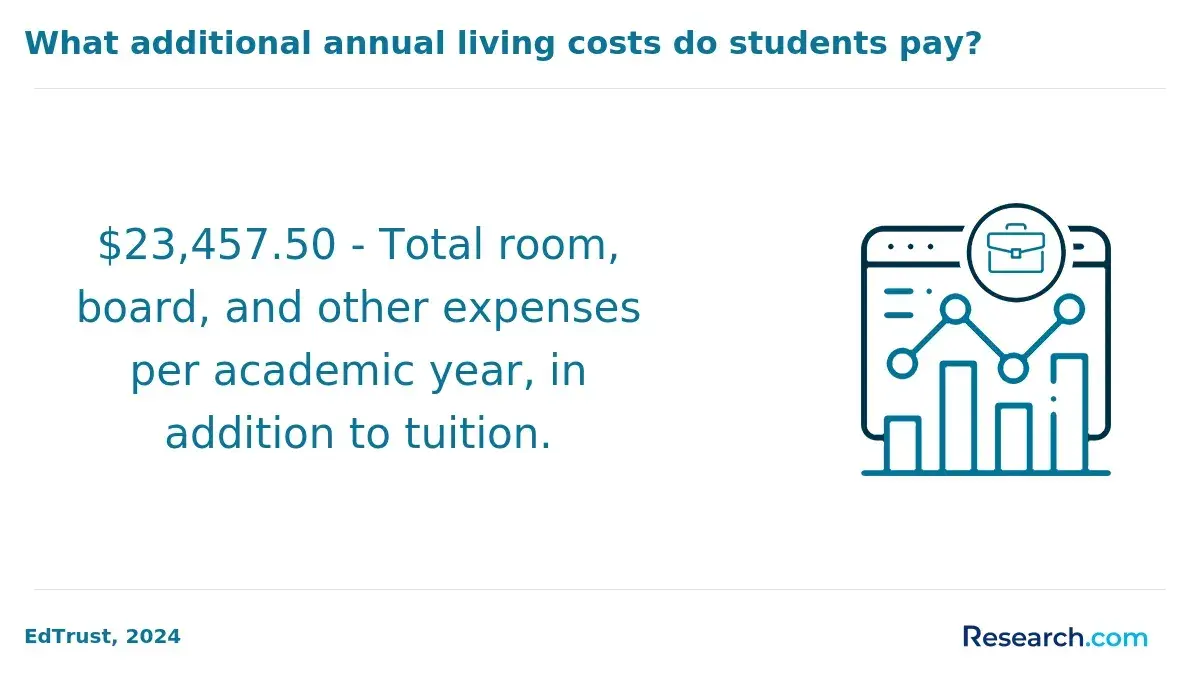
- Living expenses: Housing, transportation, and food costs depend on geographic location and personal lifestyle, often representing a significant portion of the total budget for students.
- Additional program costs: Some global studies programs require travel for internships, fieldwork, or research projects, which can increase expenses and should be planned for accordingly.
Because financial aid and scholarships in non-technical global studies fields tend to be less abundant compared to STEM disciplines, budgeting is critical. Prospective students aiming for licensure or career advancement should consider both tuition and associated costs carefully. Exploring options like online degrees that pay well may also provide flexible pathways that help manage expenses while still achieving professional goals.
Funding graduate education is a major concern for individuals considering professional global studies programs, given the often high costs involved. Recent data shows that around 45% of graduate students in international studies utilize some type of financial aid to support their education. Myths frequently arise about aid availability, so it's important to clarify common misunderstandings.
Federal aid eligibility
- Myth: Specialized global studies degrees do not qualify for federal financial aid.
- Fact: Most professional global studies degrees are eligible for federal aid, including Direct Unsubsidized and graduate PLUS loans, as long as the school is accredited, regardless of program specialization.
Scholarships and assistance
- Myth: Scholarships and employer tuition assistance are rare for global studies students.
- Fact: Many scholarships specifically target global studies fields, particularly for careers in public service and international development. Employers often offer tuition reimbursement for related educational expenses.
Loan forgiveness benefits
- Myth: Public service loan forgiveness does not apply to global studies graduates.
- Fact: Graduates working in qualifying nonprofit or government roles can benefit from loan forgiveness programs designed to reduce debt after degree completion.
When I spoke with a graduate of a professional global studies degree about financial aid, she described a journey marked by careful planning and occasional uncertainty. She initially hesitated, unsure whether her degree would open doors for federal loans or scholarships. However, after thorough research and consultation with her institution's financial aid office, she secured a combination of federal loans and employer tuition reimbursement that made her education manageable.
She reflected, "Navigating financial aid wasn't straightforward, but persistence paid off. The support I accessed made pursuing this degree less daunting and more achievable." Her experience highlights how proactive engagement with available resources can transform the financial aid process from overwhelming to empowering.
Carefully evaluating degree requirements is essential for students considering professional global studies programs to align education with career goals effectively. Workforce data indicates a projected 24% growth in international development and policy roles by 2030, highlighting the importance of relevant qualifications alongside experience.
The following clarifies common misconceptions about the necessity of professional global studies degrees.
Licensure Requirements
- Myth: A professional global studies degree is mandatory for licensure in all global affairs careers.
- Fact: Licensure typically depends on credentials from regulated fields like law or social work, not solely on global studies degrees.
Specialized Roles
- Myth: Specialized positions always require formal global studies certification.
- Fact: Employers usually prioritize practical skills and applied experience over formal professional global studies certification.
Career Eligibility
- Myth: Without a professional global studies degree, candidates are ineligible for most international relations and development jobs.
- Fact: Many roles value interdisciplinary knowledge and complementary qualifications rather than a specific degree title.
Students considering advanced, career-focused education must carefully evaluate the financial advantages of pursuing a professional global studies degree. Investment decisions depend on whether the degree leads to improved salaries and enhanced career opportunities.
Below is a myth-versus-fact overview addressing common assumptions about the economic impact of these programs.
Salary Expectations
- Myth: A professional global studies degree always results in a substantial salary increase.
- Fact: While the degree can boost earning potential compared to just a bachelor's, salary gains vary greatly depending on industry, location, and market demand.
Career Advancement
- Myth: Holding a professional global studies degree guarantees faster promotions.
- Fact: The degree equips graduates with specialized skills, but career growth also depends on experience, networking, and job performance.
Access to High-Paying Roles
- Myth: Global studies degrees are essential for securing high-salary jobs in international fields.
- Fact: Some positions require this advanced education, yet many prioritize relevant experience, language proficiency, and cultural awareness as much or more.
Financial Return
- Myth: The financial benefits of a global studies degree always outweigh the associated costs over time.
- Fact: Return on investment depends on career strategy; graduates focused on international development or diplomacy often see positive returns, while others may experience delayed financial gains.
Key factors to consider include alignment of program goals with career plans, the institution's accreditation and reputation, internship and networking possibilities, and regional salary differences worldwide.
What Graduates Say About Their Professional Global Studies Degree
- Wyatt: "As a working professional, the decision to enroll in a professional global studies degree was driven by the program's reputation for practical relevance and flexibility. Despite the average cost of attendance, the return on investment has been significant; the degree has expanded my expertise and opened doors to leadership positions in global organizations. I appreciate how the program prepared me for real-world challenges."
- Zion: "Pursuing a professional global studies degree required careful reflection on my career goals, but the program's adaptable schedule made it feasible alongside my family commitments. Knowing that the average cost was manageable helped ease my concerns about investing in my education. Today, I apply the skills I gained daily in my role as a policy analyst, and the degree's impact on my professional growth is undeniable."
- Orlando: "The flexibility of the professional global studies program allowed me to balance work and studies without compromising either. Choosing this path was one of the best decisions I've made, especially considering the average cost of attendance was reasonable compared to other graduate degrees. Since graduating, my career has taken off with new opportunities in international relations that I couldn't have imagined before."
Other Things You Should Know About Global Studies Degrees
Yes, language skills are often emphasized in professional global studies degrees. Programs typically encourage proficiency in one or more foreign languages to ensure graduates can effectively engage in international environments, enhancing their career prospects in global roles.
For professional recognition, the program should be accredited by a recognized institutional accreditor approved by the U.S. Department of Education or CHEA. If the degree is meant for regulated work, check whether the field also requires specialized accreditation or state approval before enrolling.
- Study Abroad Myths vs Facts | KGC https://www.karangupta.com/blog/study-abroad-myths-vs-facts
- Does studying abroad influence graduates’ wages? A literature review https://ojed.org/jis/article/view/4008
- Career Myths vs. Workplace Realities: Skills, Work Models, and Digitalisation - TG Singapore https://tg-hr.com.sg/career-myths-vs-workplace-realities-skills-work-models-and-digitalisation/
- What Can You Do with an International Studies Degree [2022] https://potomac.edu/benefits-majoring-international-studies/
- Pay comparisons: Are you paid as much as other professionals? https://www.universityworldnews.com/post.php
- 8 Myths Busted about Study Abroad: Realities of Pursuing Education Overseas https://www.azent.com/expert-tips/8-myths-busted-about-study-abroad-realities-of-pursuing-education-overseas
- Graduate Programs https://socialsciences.uoregon.edu/global-studies/graduate-programs
- Study Abroad Myths Debunked: What You Need to Know Before You Go https://modeducation.info/study-abroad-myths-debunked-what-you-need-to-know-before-you-go/
- International Studies Major: Everything You Need To Know https://collegerover.com/campus-library/news/354/international-studies-major
- Atlanta College of Liberal Arts and Sciences | Online MBA & DBA https://aclas.college/blog/details/debunking-myths-the-truth-about-aclas-and-online-education-accreditation/64