2027 Fully Online vs Hybrid STEM Degree Master's Programs: Which Is Better?

Co-Founder and Chief Data Scientist
Students seeking a master's degree in STEM fields often struggle to decide between fully online and hybrid formats, balancing flexibility with hands-on experience. For example, engineers working full-time may find online programs convenient, while those needing lab access might prefer hybrid options. Recent data shows that 62% of STEM graduate students in online programs report enhanced work-study balance but face challenges in networking.
Choosing the right format impacts both academic success and career trajectory. This article compares fully online and hybrid STEM master's programs to clarify their strengths and help prospective students select the best pathway for their goals.
Key Things to Know About Fully Online vs Hybrid STEM Degree Master's Programs
- Fully online programs offer maximum scheduling flexibility, allowing students to engage with coursework anytime and anywhere, which suits professionals balancing work and family commitments.
- Hybrid programs require regular campus visits, fostering direct interaction with instructors and peers, enhancing networking and hands-on learning opportunities.
- Students with unpredictable or full-time work schedules may favor fully online formats, while those seeking structured face-to-face experiences alongside remote study often prefer hybrid programs.
How Do Hybrid and Online STEM Master's Programs Differ?
Fully online and hybrid STEM master's programs primarily differ in how instruction, participation, and overall learning experiences are structured. Approximately 30% of graduate programs now offer hybrid formats, meeting the demand for a balance between flexibility and direct engagement. These differences influence how students balance their studies, interact with peers, and develop practical skills, as seen in the following key areas:
- Learning Format: Fully online programs provide all coursework digitally, allowing study from any location without campus visits. Hybrid programs blend online learning with required on-site sessions, creating a mix of virtual and face-to-face interaction.
- Residency Expectations: Hybrid students typically attend periodic in-person residencies or labs, which facilitate hands-on experiences and networking opportunities. Fully online students generally have no physical attendance requirements.
- Scheduling Structure: Online programs tend to offer asynchronous classes for maximum scheduling flexibility. Hybrid programs may include synchronous sessions to coordinate live discussions or in-person components.
- Participation Methods: Engagement in online programs is mainly through virtual forums, video lectures, and assignments. Hybrid students experience a combination of online and in-person collaboration, enhancing interaction quality.
- Campus Engagement: Hybrid programs grant access to campus facilities like labs and career services during visits, enriching practical learning. In contrast, fully online formats use digital resources exclusively.
Choosing between formats depends on individual preferences for flexibility and interaction. Students interested in credentials like BCBA certification online should consider how each delivery style fits their learning style and professional goals. Prospective students often consult comparisons of online versus hybrid STEM graduate programs to determine the best match for their needs.
Which STEM Master's Program Format Is More Flexible?
Flexibility remains a critical factor for students deciding between fully online and hybrid STEM master's programs. Recent data from the National Center for Education Statistics shows that about 44% of graduate students took at least one online course, illustrating the rising demand for adaptable learning formats. Several specific elements contribute to differences in flexibility, including:
- Class Schedule: Fully online programs often feature asynchronous classes, enabling students to engage with the material on their own time, which suits those balancing work and family. Hybrid schedules are usually more rigid, requiring set times for on-campus sessions, reducing scheduling freedom.
- Location Requirements: Hybrid STEM degree program scheduling advantages are somewhat limited by mandatory campus visits, whereas fully online options allow students to study from any location, enhancing overall flexibility.
- Course Pacing: Online master's programs typically offer self-paced or more flexible course progressions, giving students greater control over managing their workload. Hybrid programs often follow traditional semester calendars with fixed deadlines.
- Attendance Expectations: Hybrid students must attend in-person sessions regularly, while fully online students participate virtually, making it easier to balance studies with other responsibilities.
- Travel Commitments: Travel for hybrid learning can pose challenges, especially for geographically distant students, whereas fully online learners eliminate this need, further supporting flexible study arrangements.
Those interested in enhancing their career prospects through flexible learning options may explore online courses with certificates, which complement the benefits of fully online STEM master's programs.
Which STEM Master's Program Format Is Cheaper?
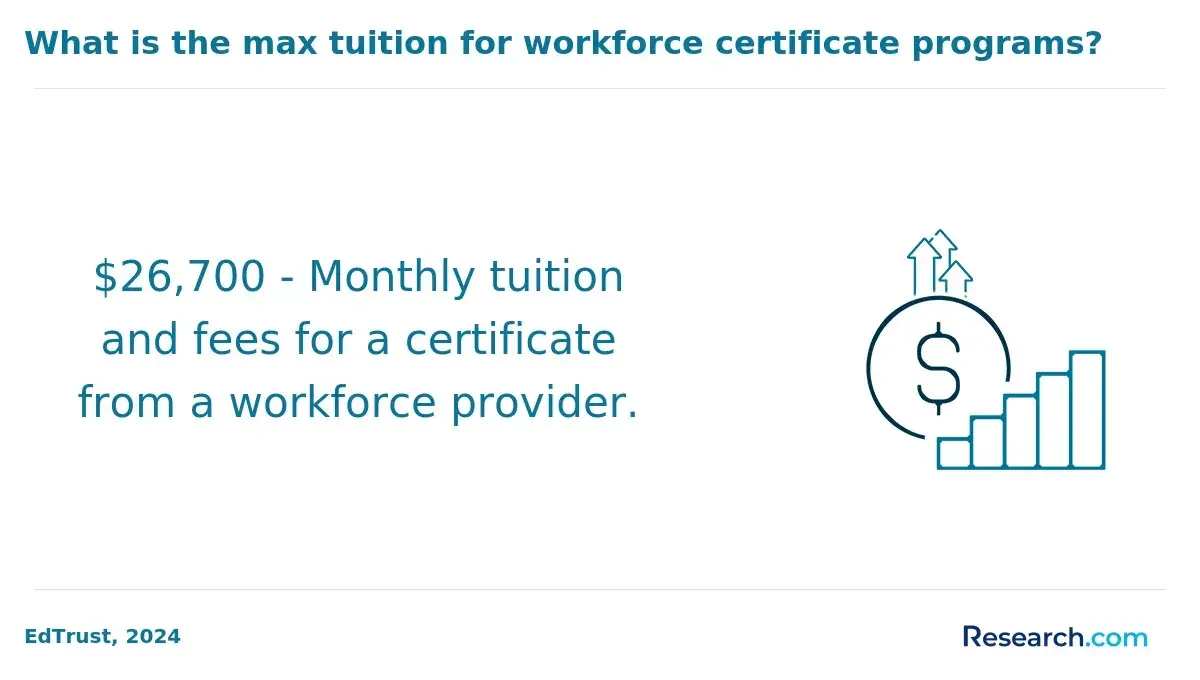
Cost is a major consideration for students weighing fully online versus hybrid STEM master's programs. Data from the National Center for Education Statistics indicates that online graduate tuition can be 15% to 20% lower than hybrid or traditional formats. Several specific cost factors influence which option might be more affordable overall.
- Tuition Structure: Online programs often offer lower per-credit rates or flat tuition fees, which can reduce overall expenses compared to hybrid programs that sometimes have higher rates per credit or additional fees.
- Campus Fees: Hybrid students frequently pay extra charges for campus technology use, labs, or activity fees that do not apply to fully online learners.
- Commuting and Travel: Those enrolled fully online save on transportation costs by avoiding daily commutes or occasional campus visits, which can add up significantly over time.
- Housing: Hybrid learners may need to secure temporary housing near campus, adding to costs, while fully online students typically remain in their current residence throughout the program.
- Technology Requirements: Although online students might invest more in their own computer hardware or specialized software, these expenses usually offset campus-related costs and are often one-time or limited purchases.
A graduate student who pursued an online STEM master's degree shared that initially, managing the self-directed coursework was daunting, especially balancing work and deadlines without in-person support. However, after adjusting to the digital learning environment, the freedom to study without commuting or relocating made a significant difference financially and personally. He mentioned, "I didn't have to worry about travel expenses or juggling housing near campus. It felt like a flexible, cost-effective choice even though I had to invest in a better laptop and some software." He appreciated how the lower overall fees and personal convenience outweighed the challenges of online study. This perspective highlights how cost savings from avoiding campus-related expenses can make fully online programs more budget-friendly for many students.
Financial aid availability plays a significant role for students choosing between fully online and hybrid STEM master's programs. Approximately 85% of graduate students receive some form of financial aid, though funding access can vary by program format. Several financial aid factors may influence the decision between these learning options:
- Eligibility Criteria: Both online and hybrid students often qualify for federal aid such as FAFSA. However, hybrid programs' in-person attendance requirements may impact eligibility for certain state or institutional grants, particularly those tied to physical presence.
- Types of Aid: Federal loans and work-study positions generally apply equally across formats. Yet, hybrid programs might offer more scholarship opportunities due to campus-based resources, while online learners rely more on awards tailored for remote students.
- Institutional Scholarships: Hybrid students usually have broader access to campus-specific scholarships. Fully online students often face fewer dedicated scholarships but can still pursue general online learner awards, reflecting tuition assistance differences between hybrid and fully online STEM degrees.
- Federal or State Funding: State grants frequently prioritize hybrid or on-campus enrollees, which can limit financial aid options for out-of-state online students. This dynamic affects access to funding sources depending on the program's geographic structure.
- Employer Tuition Assistance: Many employers provide tuition support regardless of program format, emphasizing accreditation and job relevance. Both online and hybrid students benefit equally, contingent on their employment.
For those seeking advanced degrees while working, programs like executive MBA online illustrate how flexible financial aid options can align with diverse educational pathways.
Admission standards play a vital role when comparing hybrid and fully online stem master's programs, influencing which path a student might pursue. Below are five essential factors to evaluate when considering these formats.
- Academic Prerequisites: Both formats usually require a relevant bachelor's degree and a minimum GPA. Hybrid programs, however, may include on-campus interviews or evaluation sessions that assess candidates beyond their transcripts.
- Professional Experience: Hybrid options can demand more substantial work experience in stem fields due to collaborative, in-person components. Online programs often offer greater flexibility, focusing less on prior work history.
- Letters of Recommendation: While both typically need these, hybrid programs often seek recommendations emphasizing interpersonal skills and face-to-face teamwork capabilities.
- Standardized Tests: Requirements such as the GRE are increasingly optional. Still, hybrid tracks sometimes retain stricter policies to confirm a student's preparedness for in-person interactions.
- Application Deadlines: Online programs frequently allow rolling admissions or extended deadlines, whereas hybrid programs tend to enforce fixed cutoff dates to align with cohort schedules and campus activities.
During a recent conversation, a professional considering a hybrid stem master's shared her experience navigating these admission nuances. She described feeling both excited and cautious, noting that preparing for an on-campus interview required additional planning and practice compared to her previous online course applications. "The emphasis on collaboration made me reflect on how I present my teamwork skills," she said, highlighting how this added layer shaped her application strategy. Despite the extra effort, she viewed it as an opportunity to demonstrate commitment and stood positive about the program's potential to enhance her career through in-person networking and hands-on learning.
For students weighing fully online versus hybrid STEM master's programs, recognizing curriculum overlaps and distinctions is essential. A 2023 survey by the Online Learning Consortium revealed that 87% of hybrid programs deliver the same core coursework as their fully online counterparts. Below are five notable aspects illustrating where these program formats align or vary in curriculum design.
- Core Course Content: Accredited programs generally ensure foundational subjects remain consistent across both formats, maintaining academic quality and compliance with industry standards.
- Elective Offerings: Hybrid programs may feature more in-person elective classes, whereas online formats often provide a wider selection of virtual electives designed specifically for remote engagement.
- Project-Based Learning: Collaborative, hands-on projects in hybrid programs frequently happen during on-campus sessions, while online students complete similar tasks through virtual labs or digital simulations.
- Capstone or Thesis Requirements: Both delivery styles uphold comparable expectations in terms of scope and rigor, with hybrid students possibly benefiting from face-to-face teamwork and online students collaborating remotely.
- Experiential Components: Hybrid programs often include in-person internships or lab work opportunities, contrasting with fully online degrees that typically arrange virtual internships or remote research experiences.
Knowing how exams are conducted helps prospective students select fully online STEM master's programs that align with their needs. A 2023 survey found that 68% of online STEM programs use remote proctoring technology to uphold academic integrity. The following points highlight key distinctions in exam formats between fully online and hybrid STEM master's programs.
- Online Proctoring: Fully online exams frequently employ AI-based or human-monitored remote proctoring, utilizing webcams and screen tracking to detect cheating and verify identity. This approach allows students to take exams from any location while maintaining strict oversight.
- In-Person Exams: Hybrid programs often require students to attend physical locations for certain exams, combining traditional supervised testing environments with online coursework for flexibility.
- Timed Assessments: Both program types enforce time constraints on exams; however, fully online formats typically offer more flexible scheduling windows to accommodate students in different time zones and with varied commitments.
- Open-Book vs Closed-Book: Fully online degrees are more likely to use open-book exams that emphasize problem-solving skills rather than memorization. Hybrid programs tend to keep closed-book exams during in-person sessions, retaining a conventional testing approach.
- Integrity Measures: While hybrid programs rely heavily on physical proctors, fully online exams incorporate software tools to detect plagiarism and verify candidate identity, ensuring exam security without in-person supervision.
The choice between fully online and hybrid exam formats impacts student experience, with online options offering greater flexibility and hybrid models preserving direct oversight and traditional testing conditions.
Networking opportunities play a significant role in choosing between fully online and hybrid STEM master's programs. A 2023 survey by the National Association of Colleges and Employers found that 65% of graduate students believed in-person interactions enhanced their professional connections. Five main factors influence how well these programs support networking and career growth:
- Peer Interaction: Hybrid programs offer richer peer engagement through face-to-face meetings, enabling spontaneous discussions and relationship-building. Fully online STEM master's programs networking benefits come from virtual forums that allow students to connect across wider geographic areas but may lack informal exchanges.
- Faculty Engagement: Hybrid formats facilitate deeper faculty connections by providing in-person access during campus visits, which encourages mentorship. Online students rely on video calls and emails, leading to interactions that are often more scheduled and less personal.
- Alumni Access: Access to alumni networks usually depends on the institution, but hybrid students often gain more from on-campus events where alumni participate face-to-face. Online learners make greater use of virtual platforms and social media to connect with graduates for networking.
- Industry Events: Hybrid students have direct opportunities to attend industry events and guest lectures in person, which can feel more immersive and interactive. Fully online programs often offer virtual conferences and webinars, which may provide flexibility but sometimes lack dynamic engagement.
- Collaborative Projects: In hybrid programs, teamwork often occurs in person, fostering stronger bonds and more dynamic collaboration. Conversely, fully online formats depend heavily on digital tools, facilitating cross-regional cooperation but sometimes limiting spontaneous interaction.
Those considering an advanced degree should weigh how these networking aspects align with their personal and professional goals. For students interested in an alternative path that balances affordability with flexible learning, exploring affordable online master's in psychology may provide additional insights into choosing the right program format.
Employment outcomes are a critical consideration for students comparing hybrid and fully online STEM master's programs. According to a 2022 report from the National Center for Education Statistics, graduates of hybrid programs had a 7% higher employment rate within six months of graduation compared to those from fully online programs. Several factors contribute to these differences in job placement rates for hybrid vs online stem master's programs.
- Industry Connections: Hybrid programs typically offer more direct engagement with faculty who maintain strong industry ties, leading to increased internships and job referrals that benefit students' career outcomes in hybrid and fully online stem graduate degrees.
- Internship or Practicum Access: On-campus or local requirements in hybrid formats facilitate hands-on experience highly valued by employers, which fully online students may struggle to secure due to geographic and logistical barriers.
- Alumni Networks: Hybrid programs often support more active local alumni communities that provide networking opportunities and access to job openings not always accessible to online students.
- Career Services Support: Both formats offer career assistance, but hybrid students often gain extra advantages from in-person career fairs and workshops that enhance job search skills and employer engagement.
- Regional Employment Opportunities: Students attending hybrid programs near campus can tap into regional job markets more readily, while fully online students are spread nationwide or internationally, impacting immediate employment prospects.
For students evaluating options, resources such as the best online accredited universities provide useful insights into program quality and support, helping to align educational choices with career goals.
Salary potential plays a significant role when deciding between fully online and hybrid STEM master's programs. On average, graduates from hybrid programs report starting salaries around $80,000 annually, slightly higher than the $75,000 typical for those completing fully online programs. Several factors beyond format influence these salary variations.
Key elements affecting salary differences include:
- Networking Opportunities: Hybrid formats offer more in-person engagement, enabling students to build stronger professional connections that may lead to better-paying jobs.
- Industry Connections: Access to local employers and internship opportunities is often more direct in hybrid programs, enhancing real-world experience and employability.
- Program Prestige: Some hybrid programs are linked to reputed institutions, which can add value to graduates' credentials and aid salary negotiations.
- Experiential Learning: Hands-on projects and laboratory experiences common in hybrid settings develop practical skills that employers highly prize, potentially increasing starting pay.
- Geographic Flexibility: Fully online programs allow students to study from anywhere, broadening job search areas but sometimes limiting local industry exposure that could impact salary offers.
Overall, while program type matters, individual program qualities and personal circumstances also significantly shape post-graduate earning potential.
What Graduates Say About Fully Online vs Hybrid STEM Degree Master's Programs
- Darius: "Choosing a fully online STEM master's program was a game-changer for me, mainly because it allowed me to balance work and study without sacrificing either. The cost was more manageable compared to traditional on-campus programs, which made advancing my education feel feasible. Since completing the degree, I've seen a clear promotion path open up, proving that flexibility and affordability can truly drive career growth."
- Martha: "Reflecting on my hybrid STEM master's experience, I appreciate how the mix of in-person and online classes fostered both hands-on learning and convenience. The tuition was slightly higher than most fully online options, but the face-to-face interaction added significant value that helped deepen my understanding. Professionally, this approach enhanced my networking opportunities and opened new doors in my engineering field that I hadn't anticipated."
- Parker: "I was initially drawn to an online STEM master's program because I needed to keep working full-time while studying. The relative lower cost compared to hybrid programs was a decisive factor, allowing me to invest in my education without incurring heavy debt. Completing the program not only boosted my technical skills but also improved my confidence in tackling complex projects, which my employer has recognized with increased responsibilities."
Other Things You Should Know About STEM Degrees
Fully online STEM master's programs often use virtual labs, simulations, and remote-access software to replicate hands-on experiences. However, hybrid programs typically offer in-person lab sessions or access to physical equipment, which can provide more direct practical training. The extent of hands-on learning varies by institution and program resources.
Accredited fully online STEM master's degrees generally hold the same academic credibility as hybrid degrees, especially when offered by established universities. Employers and academic institutions increasingly recognize online credentials, provided the program meets rigorous academic standards and includes relevant coursework and assessments.
Yes. Many hybrid STEM master's programs require scheduled on-campus lab or residency periods, often one to three weekends per term or a few intensive sessions each semester. Programs in fields like engineering, chemistry, and biotechnology may require lab check-offs, equipment training, or proctored practical assessments.
- The Surprising Cost of Online Education: Why 83% of Online Degrees Aren’t More Affordable https://www.nexford.edu/insights/the-surprising-cost-of-online-education-why-83-of-online-degrees-arent-more-affordable
- Hybrid Learning or Online Degree: Complete Guide https://www.onlineuniversitiess.com/blogs/hybrid-learning-or-online-degree-guide
- STEM vs Business Degrees: Are the Salaries and Job Prospects Really Be https://iei.asiacareersgroup.com/blogs/articles/stem-vs-business-degrees-are-the-salaries-and-job-prospects-really-better
- Online vs. In-Person Graduate Programs https://wp.wpi.edu/catalyst/2024/04/17/online-vs-in-person-graduate-programs/
- Remote vs. Hybrid: STEM Job Market Transformation | Jackson Hogg https://www.jacksonhogg.com/blogs/remote-vs-hybrid-stem-job-market-transformation
- Hybrid vs Fully Online MBA Programs - Key Differences https://www.onlinecu.in/blog/cu/differences-between-hybrid-and-fully-online-mba-programs.php
- 13 Benefits of Earning a STEM Master’s Degree https://www.ndnu.edu/articles/business-management/benefits-of-a-stem-masters-degree.html
- The Impact of Remote Online Proctoring versus No Proctoring: A Study of Graduate Courses - OJDLA https://ojdla.com/articles/the-impact-of-remote-online-proctoring-versus-no-proctoring-a-study-of-graduate-courses
- Online MSc Exam Pattern 2025, Grading Criteria, Exam Scheme https://www.pwmedharthi.com/blogs/msc/online-msc-exam-pattern
- Top Careers with a STEM Master’s: Is It Worth the Upgrade? https://www.onlinemastersdegrees.org/careers/stem/