2027 From Quality Assurance to Business Process Improvement: When Does a BS in Business Administration Make Sense?
Audited and Verified:
Our Editorial and Data Verification Process
Research.com uses government datasets, official education statistics and primary institutional information to support its career and degree guides. Our review process checks factual accuracy, occupational definitions, source dates and the requirements associated with the credentials discussed.
How This Article Was Fact-Checked
Our editorial team verifies salary estimates, employment projections, education requirements and program information against original data providers and official organizations. Salary figures are checked against the relevant occupational definitions and reporting periods. Information about licensure, accreditation and required in-person training is reviewed separately.
Fact-checked and verified on:

Co-Founder and Chief Data Scientist
Quality assurance experience can reveal recurring defects, delays, and rework. Moving from finding those problems to redesigning the process behind them calls for a different mix of skills. If you work in QA and are considering a BS in Business Administration, this guide helps you judge whether its operations, finance, analytics, and management coursework fits your next role. It also explains when a specialized degree or shorter training path may be more useful, and what to verify before committing time and money.
Key Things You Should Know
- A BS in Business Administration makes the most sense when your target role extends beyond checking quality to evaluating costs, coordinating teams, and improving processes across functions.
- If you need a specific method or tool rather than a bachelor's degree, employer-supported projects and targeted training may be a faster route; a degree alone does not establish improvement results.
- Many bachelor's programs use about 120 semester credits, but remaining credits - not the standard program length - determine a returning student's likely time and cost.
What is a BS in Business Administration, and who is it best for?
A Bachelor of Science in Business Administration is an undergraduate degree combining a business core with general education and, depending on the school, electives or a formal concentration. For a QA employee, its value lies in connecting process performance to budgets, staffing, customer needs, and organizational decisions. A BS may include quantitative coursework, but its content cannot be inferred from the degree title alone; compare the actual curriculum with that of a BBA or specialized bachelor's program.
It is best suited to someone whose next step requires broader business responsibility: for example, a QA specialist seeking an operations coordinator role or an experienced employee preparing to propose improvements that affect several departments. If your goal is chiefly technical testing, laboratory quality work, or a regulated industry specialty, a field-specific degree or training may be more relevant. When comparing schools, consider the curriculum and student support alongside listings such as a guide to online college application fee savings; a waived fee is useful but should not drive the degree decision.
When does a BS in Business Administration make sense for quality assurance and process improvement?
The deciding factor is the scope of the work you want to own. QA often centers on whether an output meets a requirement. Business process improvement asks why the workflow produces delays, variation, or errors - and whether a proposed change is affordable, workable, and worth adopting. Both require evidence, but improvement usually involves more stakeholders and trade-offs.
The comparison below separates common goals that can sound similar in a job posting. Use the responsibilities of your target role, not its title alone, to choose a path.
| Target responsibility | Likely preparation to prioritize | Where a business BS fits |
| Perform inspections, testing, or compliance checks | Industry rules, technical methods, and supervised practice | Helpful for context, but may not replace specialized preparation |
| Improve handoffs, scheduling, or service workflows | Process mapping, measurement, cost awareness, and stakeholder communication | Strong fit when the role also calls for broad business judgment |
| Lead complex projects or a technical improvement function | Documented project results, domain expertise, and possibly specialized study | Can provide a foundation, but experience remains central |
A practical test is whether you can describe a specific next role, identify the business knowledge missing from your current experience, and find courses or an approved project that address it. For instance, investigating repeat defects is QA work; comparing redesign options using cycle time, rework cost, and employee capacity adds business analysis. Use authorized, appropriately de-identified data, and distinguish a proposed change from an employer-approved implementation. If the goal is primarily formal project coordination, compare total costs of project management programs against a general business BS before enrolling.
What careers can you pursue with a BS in Business Administration?
QA experience plus business study can support a move toward operations coordinator, process improvement analyst, project coordinator, procurement specialist, or supply chain roles. The strongest transition is usually adjacent to work you already understand. An operations coordinator may track bottlenecks and coordinate changes; a process analyst may map workflows and evaluate measures; a project coordinator may maintain schedules, records, and stakeholder updates. Employers set their own degree and experience requirements.
Management analyst roles can also involve improving organizational efficiency, but they commonly require substantial evidence of analytical and business judgment. Graduation should not be treated as direct entry into consulting or management. If your QA work involves inventory, suppliers, or fulfillment, a supply chain pathway may offer a clearer functional target; affordable supply chain programs and salary outlook can help frame that comparison. For any role, keep examples of problems you identified, analyses you were authorized to conduct, recommendations you made, and outcomes you can accurately substantiate.
Programs commonly cover accounting, economics, finance, management, marketing, statistics, and business communication. For a QA-to-improvement transition, the most consequential offerings are often operations management, business analytics, project management, managerial accounting, and organizational behavior. Together, they help you move from identifying a defect to assessing its frequency, financial implications, possible causes, and the people affected by a change.
Check the course descriptions and sequence rather than assuming an operations or analytics concentration exists. An elective is not a formally awarded concentration, and an introductory course does not demonstrate professional mastery. Look for assignments that require a process map, a defensible baseline, comparison of options, and a recommendation with limitations. If your proposed improvements primarily involve hiring, training, or employee procedures, a guide to studying human resources can help you compare a general business curriculum with more focused study.
Neither format is inherently better for a working QA employee. Online study may reduce travel and make continued employment easier, while campus study may provide more predictable face-to-face collaboration. The decisive question is whether required classes, team assignments, presentations, exams, and any internship or capstone can fit your work schedule.
Before choosing an online program, ask which courses require live attendance, whether exams are proctored, how group projects are scheduled, and whether required courses run often enough for your intended pace. Ask the same questions about evening or hybrid campus options. A national guide to ranked online business colleges can help you build a shortlist, but confirm each program's current schedule and requirements directly with the school.
First, verify that the institution holds recognized institutional accreditation. Then check whether any claimed AACSB, ACBSP, or IACBE business accreditation covers the relevant school or program; those designations have different scopes and do not replace an assessment of curriculum, scheduling, and outcomes. The accreditor's directory and the institution can clarify coverage if the program page is ambiguous.
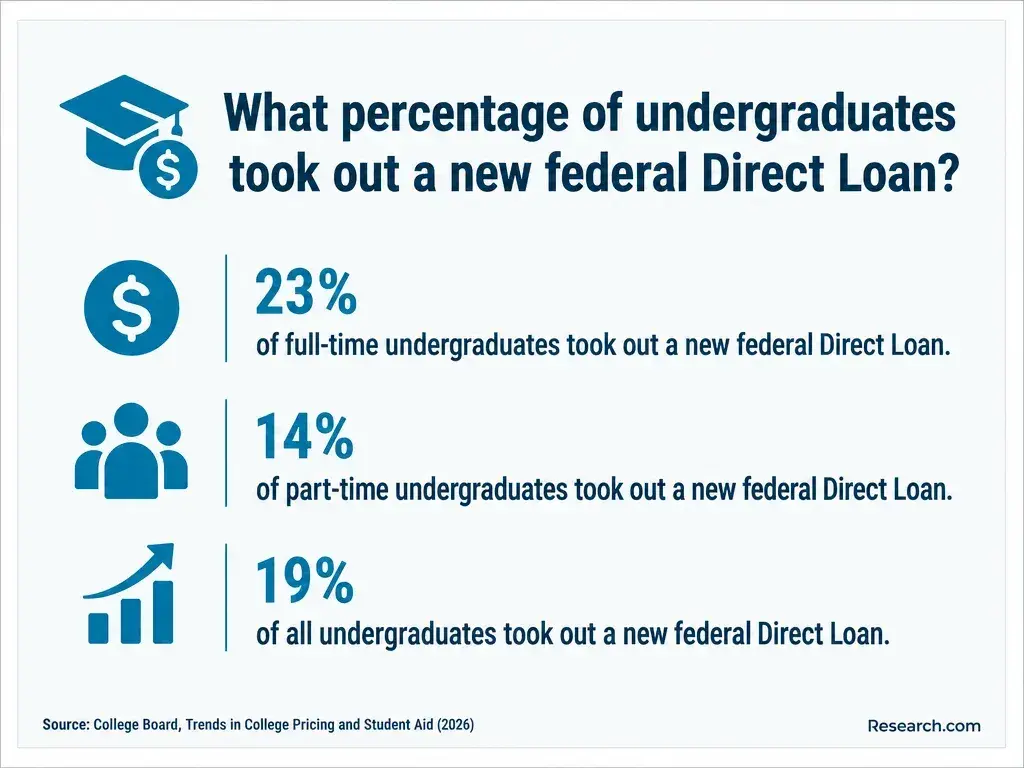
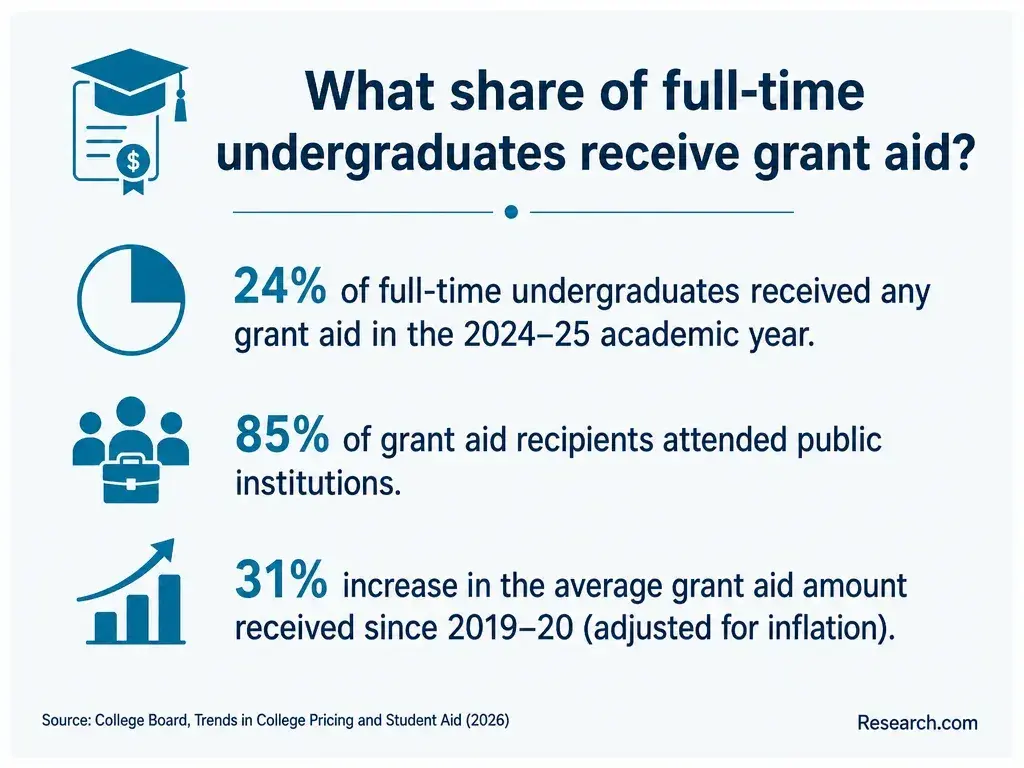
For a working student, accreditation is also part of a broader financing check, not a promise of aid. Confirm the specific school's participation and your own eligibility before budgeting around federal assistance. A resource on how to check FAFSA eligibility at online business administration schools is a starting point; the school's financial-aid office must explain what applies to your enrollment.
Requirements vary by institution and by whether you enter as a first-year, transfer, or returning student. Schools typically request evidence of prior education, while admission to a business major may have separate course or academic-standing rules. Some programs require or sequence mathematics, statistics, accounting, or economics coursework before upper-level business classes.
If you already hold QA training or college credit, obtain an official evaluation showing where accepted credits apply: general education, business core, electives, or other requirements. Accepted credit does not necessarily replace a required business course. Gather transcripts and relevant course descriptions, then ask an adviser for the current degree audit and prerequisite sequence. The business administration admissions preparation guide can help you organize those questions, but the admitting school makes the final determination.
A bachelor's degree commonly requires about 120 semester credits, but a QA professional's completion time depends on credits that satisfy the chosen program, prerequisite sequencing, course availability, and feasible enrollment pace. An accelerated calendar does not eliminate required coursework. Ask for a term-by-term plan based on an official evaluation rather than an advertised completion time.
To compare costs, request the remaining tuition and mandatory fees, then account for books, software, proctoring, travel, and any reduction in work hours. Check when employer reimbursement is paid and whether it carries grade or continued-employment conditions. Business bachelor's rankings focused on completion speed can identify programs to investigate, but the shortest advertised path may not be the least costly path for your credits and schedule.
There is no single salary for BS in Business Administration graduates. Pay depends on the occupation, location, industry, responsibilities, and experience brought into the role. As one relevant benchmark, the U.S. Bureau of Labor Statistics reports a May 2025 median annual wage of $101,860 for management analysts and projects 10% employment growth from 2025 to 2035. Those are occupation-wide figures, not an expected starting salary or a promised outcome for a QA employee who earns the degree.
For a financial decision, compare postings for roles you could credibly pursue now with those you could pursue after completing specific coursework and building improvement evidence. Weigh that realistic difference against remaining education costs and borrowing, rather than assuming a management analyst wage will follow graduation. If you are considering a specialized project management bachelor's instead, an online project management undergraduate funding guide can help you examine its financing separately.
Do business administration graduates need certifications or professional licenses?
A general process improvement or business operations role does not automatically require a professional license. Employers may, however, prefer training in a particular improvement method, project practice, software tool, or industry quality standard. Certification eligibility and value depend on the issuing organization and the job; a business course does not automatically confer a credential.
Start with the qualifications named in your target job postings. If they consistently call for one practical method, targeted training and an authorized workplace project may be more direct than another degree. If they call for broad business education alongside experience, the BS may be the stronger long-term investment. Compare the complete degree commitment - not just the price of a short course - using resources on shorter online business administration degrees with cost details, then verify each program's current requirements and charges.
Other Things You Should Know About Business Administration
Possibly, if the instructor approves the scope and your employer permits the data use. Remove confidential or personal information, and do not present a classroom proposal as an implemented company change.
Describe the problem, your authorized responsibilities, the method used, and any results you can substantiate. A de-identified process map or sample analysis may help, but obtain permission before sharing workplace materials.
Choose it if its required courses address your target role without adding disproportionate time or cost. Compare its actual courses and applied assignments with the general-degree electives available to you.
Only if the school offers an applicable prior-learning assessment process and awards credit under its policies. Experience alone does not establish that a business requirement has been met.
- Quality Assurance - StatPearls - NCBI Bookshelf - NIH https://www.ncbi.nlm.nih.gov/books/NBK557503/
- Process Improvement | Mid-State Technical College https://www.mstc.edu/programs-and-courses/all-programs/process-improvement
- Introduction to Lean Six Sigma: What and Why? | Career Insider | UTSA Professional and Continuing Education https://www.utsa.edu/pace/news/introduction-to-lean-six-sigma.html
- What Can You Do With a Business Administration Degree? | snhu.edu https://www.snhu.edu/about-us/newsroom/business/what-can-you-do-with-a-business-administration-degree
- Business Quality Management | Southwestern College https://ps.sckans.edu/degrees-and-certificates/bachelors/business-quality-management/
- BBA vs BSBA: which business degree is right for you? | Strayer University https://www.strayer.edu/buzz/difference-between-bba-and-bsba/
- Rady School of Management | ucsd.edu https://catalog.ucsd.edu/courses/MGT.html
- What Is a BSBA Degree? Meaning, Curriculum and Career Paths | GCU Blog https://www.gcu.edu/blog/business-management/bsba-degree
- Business Process Improvement Managers: How to Become One | Franklin University https://www.franklin.edu/career-guide/operations-research-analysts/how-to-become-business-process-improvement-managers
- 8 Types of Business Degrees & Specializations | Bellevue University https://www.bellevue.edu/articles/types-of-business-degrees/