2027 From a Skilled Trade to Business Ownership: When Does a BS in Business Administration Make Sense?
Audited and Verified:
Our Editorial and Data Verification Process
Research.com uses government datasets, official education statistics and primary institutional information to support its career and degree guides. Our review process checks factual accuracy, occupational definitions, source dates and the requirements associated with the credentials discussed.
How This Article Was Fact-Checked
Our editorial team verifies salary estimates, employment projections, education requirements and program information against original data providers and official organizations. Salary figures are checked against the relevant occupational definitions and reporting periods. Information about licensure, accreditation and required in-person training is reviewed separately.
Fact-checked and verified on:

Co-Founder and Chief Data Scientist
Running a profitable electrical, plumbing, HVAC, or construction business takes more than technical skill. Owners must price jobs, manage cash, hire people, and decide when growth is worth the risk. A BS in Business Administration can build those capabilities, but it also demands time and money that could go toward a license, equipment, or the business itself.
This guide helps trades professionals decide when the degree is worth pursuing, when shorter training is enough, and what to verify before enrolling.
Key Things You Should Know
- A business bachelor's degree makes the strongest case when you need broad, sustained preparation for ownership or a transition into larger operational responsibilities—not just help with one immediate task.
- For a near-term launch, targeted accounting, estimating, and small-business training may be more useful than waiting to finish a degree; the degree does not replace trade licensing or operating experience.
- Compare the cost of remaining required credits, not advertised tuition alone, and weigh that cost against work hours and business opportunities you would give up.
What Is a Business Administration Bachelor's Degree?
A BS in Business Administration is an undergraduate degree covering several functions of an organization, commonly including accounting, finance, marketing, management, operations, and quantitative decision-making. A school may instead offer a BBA or a differently named business degree. The title alone does not establish which courses, concentrations, or applied projects are included.
For a trades professional, its value is learning to connect decisions: how a hiring plan affects payroll and cash flow, for example, or how job pricing affects the capacity to replace equipment. It is not a contractor license, an apprenticeship, or proof that a graduate can run a company. If keeping a full work schedule is essential, compare business administration degrees for working learners against the actual hours each program requires.
When Does a Business Degree Make Sense for Skilled Trades Professionals?
The deciding factor is the scope of the business problem. A technician preparing to supervise crews, manage multiple service lines, or buy an established company faces connected financial, staffing, and operational decisions. Someone who mainly needs to correct a bookkeeping process may not need a full bachelor's degree.
The following comparison separates goals that may justify broad study from narrower needs with more direct solutions:
| Goal | Likely better first step | When a business degree adds value |
| Launch a solo trade business soon | Confirm licensing and insurance requirements; get help with pricing, bookkeeping, and contracts | If you also want broad preparation for later hiring, financing, and growth |
| Expand from one crew to several | Strengthen estimating, scheduling, and cash-flow controls | If you will take continuing responsibility across finance, people, and operations |
| Move into purchasing or logistics | Build relevant experience or focused supply chain skills | If target employers require a bachelor's and a general business curriculum fits their roles |
| Fix one recurring management issue | Use a targeted course, mentor, or professional adviser | Only if the issue is part of a wider knowledge gap |
Before committing, name the decisions you expect to make over the next few years and identify the skills each requires. Then compare a degree with the narrower option on remaining cost and completion time. Online business administration program cost-and-time comparisons can help you frame that review, but a school's evaluation of your prior credits determines your own path.
Can a Business Administration Degree Help You Start or Grow a Trade Business?
Yes—particularly when coursework gives you a disciplined way to test decisions before committing money. You might use accounting and operations concepts to compare the cash needed for another crew with the jobs that crew could realistically complete. A forecast is a planning tool, not proof that demand or profit will materialize.
Ownership still requires trade-specific judgment. State and local rules may govern contractor licensing, permits, insurance, and who can perform regulated work. Owners also need reliable estimates, customer relationships, and enough working capital to withstand slow payments. A business degree does not supply any of these automatically.
If your main difficulty is scheduling installations or coordinating subcontractors, compare the scope and price of focused training first; affordability checks for accredited project management programs offer one comparison point. If you use your shop for a class assignment, obtain any required faculty and employer approval and protect customer, employee, and pricing information.
The most relevant courses for a prospective trade-business owner are usually managerial accounting, finance, marketing, operations, and people management. Accounting can help you distinguish job revenue from job profit; finance addresses cash needs; marketing examines which customers and services to pursue; and operations focuses on capacity, purchasing, and workflow.
Review assignments, not just course titles. A useful program might let you build an operating budget, analyze service demand using appropriately obtained data, or explain a staffing decision. Check whether entrepreneurship or small-business management is an official concentration, a set of electives, or simply a course. If hiring and employee relations are your main interest, compare the relevant business courses with a dedicated HR pathway; transfer-friendly online HR colleges provide an alternative to examine. Neither path substitutes for current legal advice on employment obligations.
A traditional full-time bachelor's pathway often takes about four academic years, but a working trades professional's timeline depends on accepted credits, how those credits apply to degree requirements, course sequencing, and enrollment pace. Apprenticeship, technical school, military, or prior college learning may be eligible for evaluation; eligibility does not mean it will satisfy the business core.
Ask for a written degree audit showing general education, major, elective, and institution-specific credits still required. Then check when required courses run and how many you can realistically take during busy seasons. Compare fast-paced online business degrees only after confirming their weekly workload: shorter terms do not necessarily mean fewer hours of study.
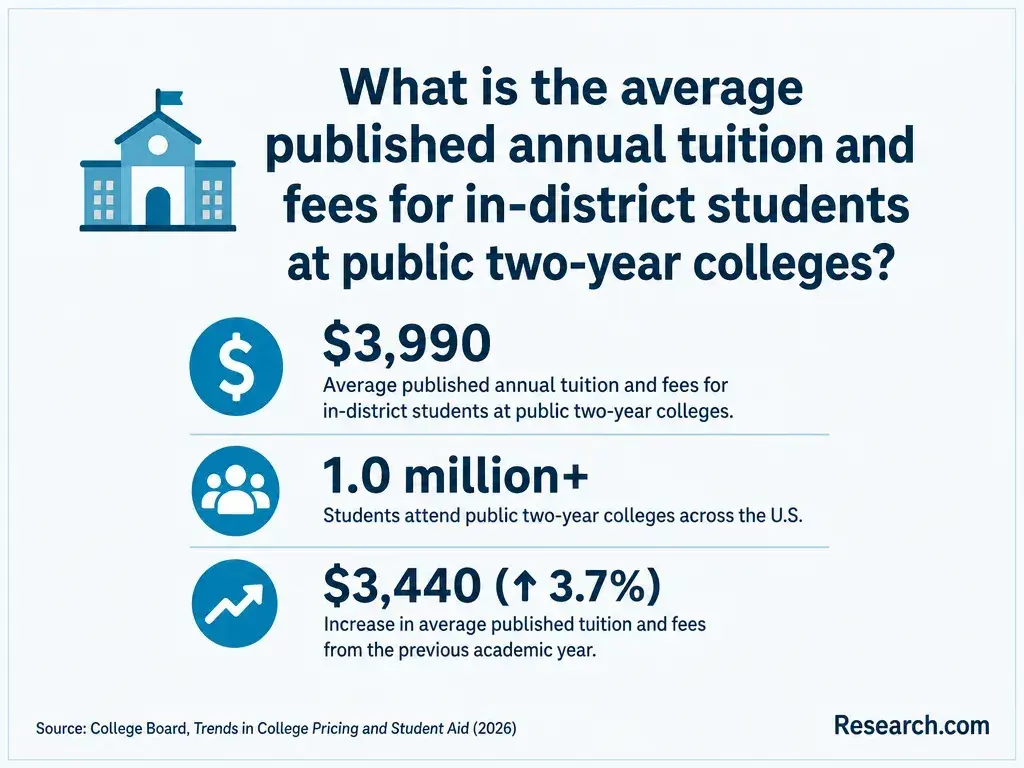
There is no reliable single price for a trades professional. Tuition may be charged by credit or term, and the final bill depends on remaining requirements, fees, books, technology, and the pace at which you finish. Include the cost of reducing paid work or turning down jobs; for an owner, lost capacity can matter as much as tuition.
Request an estimate based on your evaluated degree audit, then separate grants and scholarships from loans that must be repaid. Eligible students can explore federal aid by completing the FAFSA, while any employer reimbursement should be checked for payment timing and eligibility rules. Use business administration degree costs after FAFSA-based assistance as a starting point, not a substitute for your own aid offer and total-cost estimate.
Online study can reduce travel between jobs and classes, while campus study may make scheduled interaction and local networking easier. Neither format is automatically better for someone working in the trades. The practical test is whether classes fit your service calls, emergency work, and busiest months.
Ask whether courses require live meetings, group presentations, proctored exams, internships, or campus visits. Also confirm that required courses will be offered when you need them. When using online business school comparisons across the United States, check the said obligations directly with each school rather than treating "online" as a promise of self-paced study.
Requirements vary by school and by whether you apply as a first-time or transfer student. Expect to provide the academic records relevant to your application; some programs also have business major entry requirements or prerequisite courses. Years in a trade can strengthen your application without replacing a stated academic requirement.
Collect transcripts from every previous college and ask admissions how trade-school coursework, examinations, or documented prior learning are evaluated. Ask an academic adviser separately which accepted credits will meet degree requirements. If you are considering online degrees with accelerated terms, confirm any prerequisite sequence before assuming that the shorter calendar will shorten your route to graduation.
For an existing trades professional, the closest outcome may be expanded responsibility rather than a new job title: overseeing crews, coordinating projects, handling purchasing, or running the business. Moving into a corporate operations, procurement, or supply-chain role is also possible, but employers will assess relevant experience and skills alongside the degree.
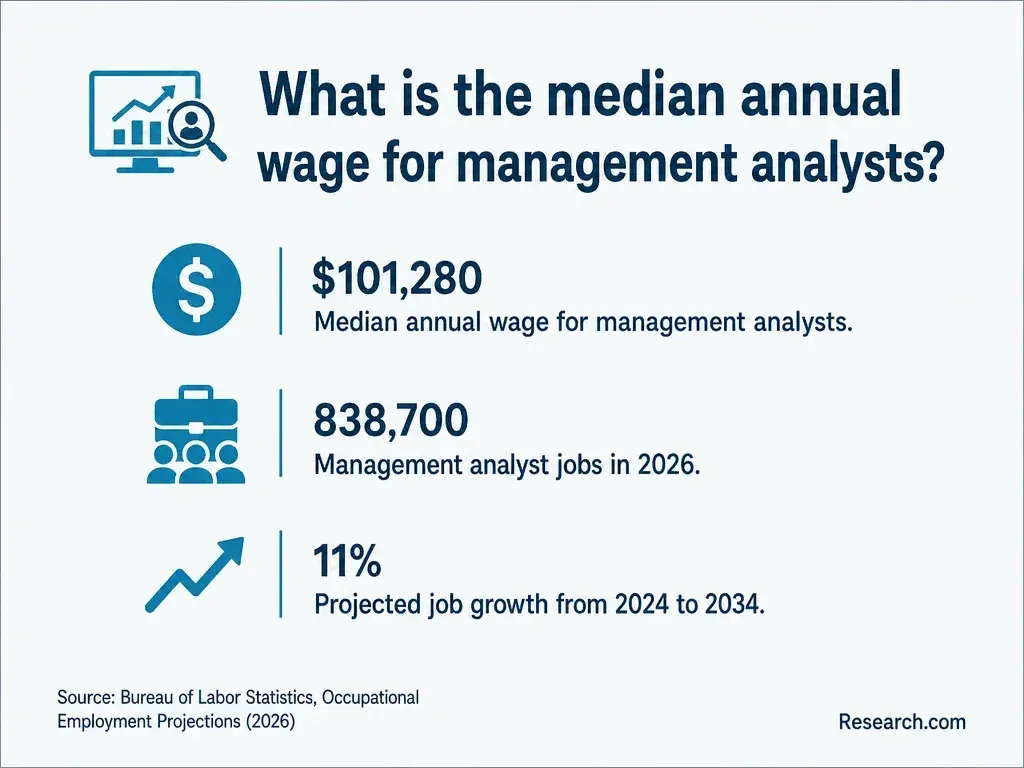
For context, the U.S. Bureau of Labor Statistics reports a May 2025 median annual wage of $102,320 for project management specialists and projects 7% employment growth from 2025 to 2035. That occupation-wide median includes experienced workers across industries; it is not an expected starting salary for a tradesperson with a new business degree. If procurement or distribution is your intended move, compare specialized preparation and supply chain college costs versus potential career outcomes before choosing a general business program.
How Can You Choose an Accredited Business Administration Program?
First, verify the institution's accreditation through its accreditor and confirm that the school offers the exact degree and delivery format you intend to enter. Business-school accreditation from AACSB, ACBSP, or IACBE is a separate consideration: check whether the relevant accreditation covers the program rather than assuming the institution's status settles the question.
Then ask for the current curriculum, a transfer evaluation, a remaining-course plan, and a full cost estimate. Give extra weight to assignments you can apply to estimating, cash management, staffing, or operations—subject to appropriate data permissions. Finally, compare tuition for online business colleges against fees, credits still needed, and scheduling constraints. The best-priced advertised program is not necessarily the least costly one for you to finish.
Other Things You Should Know About Business Administration
Not necessarily. Due diligence on the company's finances, contracts, licenses, liabilities, and staffing is more urgent. A degree may support your longer-term management plans, but it should not delay obtaining qualified legal and accounting advice.
It may help you understand pricing and operations, but it does not confer contracting eligibility or an award preference. Review the specific buyer's registration, licensing, insurance, and bid requirements.
Yes, if responsibilities and decision authority are clear. Evaluate the partner's actual skills, incentives, and accountability rather than assuming a credential - or a partnership - covers every business function.
Keep business and personal finances clearly documented. Before paying tuition from company funds, ask a qualified tax adviser how your business structure and the course expenses affect recordkeeping and tax treatment.
- Step 2: Important Business Skills | Startup State Initiative | Utah https://startup.utah.gov/business-skills/
- 10 Things Every Business Owner Should Know | Virginia Department of Small Business and Supplier Diversity https://sbsd.virginia.gov/small-business-basics-10-things-every-business-owner-should-know/
- Manage your business - Small Business Administration https://www.sba.gov/counseling/manage-your-business/
- Guide to Permits, Licensing & Regulations | California Office of the Small Business Advocate (CalOSBA) https://calosba.ca.gov/for-small-businesses-and-non-profits/permits-licenses-regulation/
- Trade School vs College: What You Need to Know | Tlingit & Haida https://tlingitandhaida.gov/news/trade-school-vs-college-what-you-need-to-know/
- The Benefits and Costs of Apprenticeships: A Business Perspective | U.S. Department of Commerce https://www.commerce.gov/data-and-reports/reports/2016/11/benefits-and-costs-apprenticeships-business-perspective
- 6 Essential Laws for New Business Owners | Walden University https://www.waldenu.edu/programs/business/resource/six-essential-laws-for-new-business-owners
- 4 Skills of Successful Small-Business Owners | Western Governors University https://www.wgu.edu/blog/4-skills-successful-small-business-owners1907.html
- 11 Good Reasons to Buy an Existing Business | Walton College https://walton.uark.edu/insights/confessions-buying-an-existing-business.php
- Business Administration Bachelor's Degree Online | The Pennsylvania Institute of Technology https://www.pit.edu/programs/b-s-business-administration/