2027 Entry-Level Jobs With a Psychiatric Mental Health Nurse Practitioner Degree

Co-Founder and Chief Data Scientist
What entry-level jobs are available for graduates holding a psychiatric mental health nurse practitioner degree? With the growing demand for mental health services in the U.S., beginner roles such as psychiatric nurse practitioner assistants, behavioral health coordinators, and clinical support specialists are commonly sought after. According to the Bureau of Labor Statistics, employment of nurse practitioners is projected to grow 40% through 2031, reflecting strong industry expansion.
These roles often provide foundational clinical experience and patient management skills critical for career advancement. This article explores accessible job opportunities and offers insights to help recent graduates navigate the early stages of their psychiatric mental health nurse practitioner careers.
Key Benefits of Entry-Level Jobs With a Psychiatric Mental Health Nurse Practitioner Degree
- Entry-level roles provide hands-on experience in psychiatric care, essential for developing clinical competencies and understanding patient management within mental health settings.
- These positions often serve as stepping stones to advanced roles, promoting career growth through skill refinement and specialization opportunities.
- New graduates build valuable professional networks and enhance their résumés, increasing employability in a competitive mental health job market expected to grow 16% through 2031.
What entry-level jobs can you get with a psychiatric mental health nurse practitioner degree?
About 65% of graduates with a psychiatric mental health nurse practitioner degree find entry-level clinical roles within six months of completing their studies. These positions serve as critical stepping stones, allowing new practitioners—including those who have transitioned quickly through accelerated PMHNP programs—to develop practical skills essential for a successful career in mental health care.
Common entry-level psychiatric mental health nurse practitioner roles provide varied experiences that support professional growth across clinical, counseling, educational, and research settings.
- Psychiatric Nurse Practitioner: Working under supervision in hospitals or outpatient clinics, this role involves conducting mental health assessments, formulating treatment plans, and managing patient medications. The hands-on experience gained here strengthens diagnostic abilities and familiarity with diverse patient populations.
- Mental Health Clinician: Often employed by community health organizations, mental health clinicians focus on therapy, counseling, and care coordination for individuals with mental health disorders. This role hones communication and therapeutic skills crucial for long-term clinical effectiveness.
- Psychiatric Nurse Educator Assistant: Supporting nurse educators with teaching psychiatric nursing concepts and organizing materials, this position deepens knowledge of mental health theories and sharpens instructional skills that may lead to academic or leadership opportunities.
- Research Assistant: Involved in psychiatric mental health studies, research assistants collect data, conduct literature reviews, and aid clinical trials. This work enhances evidence-based practice understanding and critical thinking, forming a solid foundation for research-informed clinical careers.
Which industries hire the most psychiatric mental health nurse practitioner graduates?
Psychiatric Mental Health Nurse Practitioner graduates find employment across various industries that value their specialized skills in mental health care. About 40% of these graduates work in ambulatory healthcare services and hospitals, showing a strong concentration in medical settings. This diversity in job markets reflects the growing demand for mental health professionals in both traditional and community-based environments.
Below are key industries hiring these graduates.
- Hospitals and Outpatient Clinics: These facilities employ graduates to perform patient assessments, manage treatment plans, and provide direct mental health care. Roles often involve working in psychiatric units, emergency rooms, and general medical floors, offering a wide range of clinical experiences.
- Community Mental Health Organizations: Nonprofits and government-funded centers focus on serving underserved populations. Graduates in this sector engage in counseling, crisis intervention, and medication management, helping bridge access gaps for vulnerable groups.
- Primary Care Practices: Psychiatric Mental Health Nurse Practitioners support integration of mental health services into routine healthcare. They address conditions like anxiety and depression within broader medical care, promoting holistic treatment approaches and reducing stigma.
- Educational Institutions: Universities and colleges with counseling or health centers hire graduates to support student mental wellness. Roles include counseling, education, and consultation, aiming to foster healthier academic environments.
Reflecting on these pathways, a Psychiatric Mental Health Nurse Practitioner degree graduate shared that transitioning into the workforce was both rewarding and challenging. He recalled, "Navigating hiring processes across different sectors required patience and adaptability.
Each environment has unique demands-hospitals stress fast decision-making, while community organizations prioritize relationship-building." He emphasized how real-world experience in various settings deepened his understanding of mental health care's breadth and complexity, shaping his career outlook beyond initial expectations.
Which entry-level psychiatric mental health nurse practitioner jobs pay the highest salaries?
Entry-level salary offers for psychiatric mental health nurse practitioners vary widely depending on the work environment and responsibilities. Roles with increased clinical demands or specialized skills generally command higher pay.
Below are some of the top-paying entry-level positions available in this field.
- Inpatient Psychiatric Nurse Practitioner: These practitioners work in hospital settings handling acute mental health cases requiring intensive care and rapid clinical decisions. Starting salaries typically range from $95,000 to $110,000 due to 24/7 patient management and the high-risk nature of the environment.
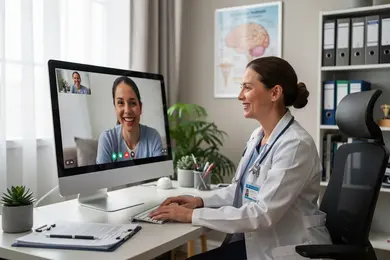
- Telepsychiatry Nurse Practitioner: Providing remote psychiatric care, these nurse practitioners earn around $90,000 to $105,000. The role's technological demands and ability to deliver quality virtual assessments drive the premium pay.
- Correctional Facility Psychiatric Nurse Practitioner: Working with incarcerated patients or underserved groups, these positions offer about $88,000 to $100,000 at entry level. The complexity of cases and security considerations contribute to competitive salaries.
- Community Health Psychiatric Nurse Practitioner: Typically found in outpatient or community settings, these roles pay between $85,000 and $95,000. Although salaries are somewhat lower, the focus on ongoing mental health management in less acute settings creates a stable, moderate-paying option.
Employers hiring entry-level psychiatric mental health nurse practitioner graduates look beyond academic achievements, emphasizing practical capabilities and interpersonal strengths. A 2022 survey by the American Association of Nurse Practitioners found that over 60% of employers noted a training gap in communication and practical decision-making among new graduates.
The following skill sets reflect what employers prioritize for success in early psychiatric mental health nurse practitioner roles.
- Clinical Assessment: Mastery in evaluating mental health conditions using evidence-based approaches is essential. Entry-level practitioners must accurately identify patient symptoms to inform safe and effective treatment plans, serving as the foundation of quality care.
- Communication Skills: Clear and empathetic dialogue with patients and multidisciplinary teams ensures understanding and coordinated care. Employers value practitioners who can translate complex diagnoses and treatments into accessible language while fostering trust.
- Emotional Resilience: Managing psychiatric patients' challenges requires empathy combined with the capacity to maintain composure. This ability supports compassionate care and helps practitioners navigate stressful clinical environments.
- Critical Thinking: The ability to analyze evolving patient information and adjust care plans is crucial. Graduates must demonstrate sound clinical judgment to meet real-world complexities beyond theoretical knowledge.
- Organizational Skills: Efficient time management is vital for handling caseloads, documentation, and follow-ups, ensuring seamless patient care. Strong organizational habits improve workflow in often fast-paced mental health settings.
Prospective students can explore affordable educational pathways like the cheapest fastest RN to BSN online programs to build foundational skills before advancing into psychiatric mental health nurse practitioner certification and practice.
Employers often favor psychiatric mental health nurse practitioner graduates who have completed internships, as such experience provides valuable hands-on clinical exposure. A 2022 survey revealed that 68% of healthcare employers prefer candidates with internship or practicum hours when hiring for psychiatric nursing roles.
This practical background is considered crucial for demonstrating readiness in real-world patient care. However, hiring preferences can vary depending on the specific job and organizational needs.
Graduates without internships are not automatically excluded from consideration. Employers may still hire candidates who present strong academic records, relevant project experience, or transferable skills such as communication, critical thinking, and problem-solving. These qualities help compensate for limited direct clinical exposure.
Additionally, active involvement in research, leadership, or community activities related to mental health, along with well-prepared case studies or capstone projects, can also enhance a candidate's appeal. Ultimately, employer evaluations balance formal training with demonstrated abilities, making diverse pathways into clinical roles possible despite the absence of internship experience.

Certifications can significantly enhance a psychiatric mental health nurse practitioner's job prospects by verifying specialized expertise and commitment to professional development. Research shows that nurses holding certifications have about a 20% higher chance of securing employment within their first year compared to those without certification.
Below are key certifications that can boost the employability of entry-level psychiatric mental health nurse practitioner graduates.
- ANCC Psychiatric-Mental Health Nurse Practitioner (Across the Lifespan): This leading certification confirms advanced clinical abilities in psychiatric assessments and interventions. Employers highly value this credential as it ensures new practitioners possess the essential knowledge required for confident, independent clinical practice.
- Certified Clinical Anxiety Treatment Professional (CCATP): Issued by the Academy of Cognitive Therapy, this credential highlights proficiency in cognitive-behavioral techniques specific to anxiety disorders. It is especially beneficial for nurse practitioners seeking roles in outpatient mental health or anxiety-focused care.
- Psychopharmacology Certification: Demonstrating skill in psychiatric medication management, this certification reassures employers of a practitioner's ability to safely evaluate and adjust psychotropic treatments, a critical function in many early career positions.
- Trauma-Informed Care Certification: By emphasizing sensitive approaches to patients affected by trauma, this certification prepares new nurse practitioners to address complex mental health needs effectively, often preferred in trauma-focused or specialized settings.
- Substance Abuse Counselor Certification: Given the frequent co-occurrence of substance use issues with psychiatric conditions, this certification broadens job opportunities by showcasing competence in addiction counseling and recovery support services.
A psychiatric mental health nurse practitioner I spoke with shared that earning the ANCC certification not only deepened her clinical confidence but also opened doors during job interviews. She recalled feeling overwhelmed by the competitive market at first but found that holding recognized certifications allowed her to stand out quickly.
"Employers asked specifically about my certifications and how they shaped my approach to patient care," she noted. This affirmation motivated her to pursue additional certifications, which further strengthened her skills and made transitions into new roles smoother. Her experience reflects how such credentials can help entry-level practitioners transform initial challenges into career momentum.
Preparing early in college greatly enhances the chances of securing entry-level psychiatric mental health nurse practitioner jobs. A recent national survey shows that 78% of employers prefer graduates who have practical experience and developed soft skills at the time of hiring.
This demand highlights the importance of readying oneself through targeted strategies before graduation.
Gain Practical Experience: Engage actively in clinical rotations and volunteer roles to apply classroom knowledge in real clinical settings. Exposure to varied psychiatric conditions helps build essential clinical judgment and confidence in patient care.
Develop Technical and Soft Skills: Become proficient with electronic health records (EHR) and mental health assessment tools. Simultaneously, strengthen communication, empathy, and teamwork skills to improve patient interaction and collaboration within healthcare teams.
Engage in Academic Research: Participate in projects or research focused on psychiatric care to hone critical thinking and learn evidence-based practices. This involvement deepens understanding of mental health challenges and contributes to professional growth.
Utilize Campus Resources: Take advantage of career services, counseling centers, and nursing mentorship programs for guidance on resume building, interview preparation, and job search techniques tailored to psychiatric mental health nurse practitioner roles.
By integrating these approaches, students position themselves as competent and compassionate candidates ready to meet employer expectations in clinical mental health settings.
The entry-level job market for Psychiatric Mental Health Nurse Practitioner graduates is moderately competitive, reflecting steady demand within mental health services. Approximately 60% to 70% of new graduates secure employment within six months of finishing their programs, demonstrating a consistent hiring trend for Psychiatric Mental Health Nurse Practitioner graduates. As more graduates enter the workforce, competition for available positions remains noticeable but manageable. This dynamic sets the stage for understanding the factors influencing early career opportunities in this field.
Competition varies by region and healthcare setting, with urban areas offering more openings but attracting larger applicant pools. Employers typically expect strong clinical skills, adaptability, and proficiency in multiple therapeutic approaches, which raises the bar for new hires.
Rural locations may have fewer positions but often struggle to fill roles due to a smaller number of qualified candidates. For those seeking entry-level roles, being well-prepared and demonstrating professional readiness can make a significant difference amid evolving job demands and hiring trends.
Prospective graduates should consider how their practical experience and ability to work with diverse populations impact their prospects. For insights into related healthcare career pay scales, one might explore what is medical coding salary, which offers a comparative perspective on early-career compensation trends within allied health professions.
The rise of remote work has created new opportunities for entry-level psychiatric mental health nurse practitioner jobs for beginners. A 2023 U.S. Bureau of Labor Statistics report showed a nearly 25% increase in remote healthcare support roles over the past five years, signaling growing demand for telehealth services.
Below are some common remote positions ideal for those starting their careers in this field.
- Telepsychiatric Nurse Practitioner: Conducts remote psychiatric evaluations and medication management under supervision. This role helps develop clinical skills through virtual patient care in outpatient mental health settings.
- Behavioral Health Care Coordinator: Coordinates care plans and multidisciplinary team communication remotely, ensuring integrated mental health services and fostering collaboration skills.
- Remote Case Manager: Monitors patient progress and updates treatment plans virtually, providing early-career experience in patient advocacy and system navigation.
- Virtual Mental Health Counselor Assistant: Supports licensed providers by conducting initial patient interviews and documenting telehealth sessions, building foundational counseling and documentation expertise.
- Telehealth Educator: Delivers remote education on mental wellness and treatment adherence to patients and families, enhancing communication abilities relevant to psychiatric nursing.
These entry-level telehealth positions for psychiatric mental health nurse practitioners are designed to build essential clinical and coordination skills while adapting to evolving care models. For those interested in related healthcare pathways, exploring MA to LPN options can also be beneficial when considering broader career development.
Promotion speed for psychiatric mental health nurse practitioner graduates varies significantly, influenced by factors such as individual performance, years of experience, and the organizational structure of their employer.
On average, many practitioners see their first promotion within two to five years, with recent data indicating that nearly 60% of early-career professionals achieve advancement within three years. Career advancement speed for psychiatric mental health nurse practitioners depends largely on how quickly they develop practical skills and demonstrate clinical competence in their roles.
Several elements affect how rapidly promotions occur, including ongoing skill development that strengthens clinical decision-making and patient care management. Workplace performance also plays a crucial role, with employers valuing effective teamwork, leadership potential, and the capacity to address complex clinical cases.
Additionally, advancement is often shaped by the complexity of positions, as roles with supervisory duties or specialty focus usually require more experience. Promotion timelines can differ widely among healthcare settings, but those looking to accelerate growth may consider pursuing an MBA in healthcare management to improve leadership opportunities and credentials.
What Graduates Say About Entry-Level Jobs With a Psychiatric Mental Health Nurse Practitioner Degree
- Shmuel: "Applying for my first role as a psychiatric mental health nurse practitioner was a challenging yet rewarding experience. I focused on hybrid positions that offered both clinical interaction and telehealth opportunities, which helped me balance hands-on care with flexible hours. Choosing the right entry-level job made a significant impact on my confidence and professional growth from day one."
- Shlomo: "When deciding on an entry-level psychiatric mental health nurse practitioner position, I prioritized the workplace culture and mentorship programs available. Reflecting back, those factors were crucial in helping me transition smoothly from graduate to practitioner. The role I selected not only shaped my clinical skills but also opened doors for advanced certifications and specialization avenues."
- Santiago: "Starting out as a psychiatric mental health nurse practitioner, I opted for onsite entry-level roles to maximize direct patient engagement. This hands-on exposure accelerated my learning curve and strengthened my clinical reasoning. Early career experience in such environments proved invaluable in setting a firm foundation for future leadership roles."
Other Things You Should Know About Psychiatric Mental Health Nurse Practitioner Degrees
Entry-level psychiatric mental health nurse practitioners typically find employment in a variety of clinical environments, including outpatient mental health clinics, community health centers, and hospital psychiatric units. Many also work in primary care settings where mental health services are integrated. These settings allow new practitioners to gain experience managing psychiatric disorders while working under supervision.
Yes, all psychiatric mental health nurse practitioners must hold an active registered nurse license before applying for advanced practice licensure in their state. Licensing requirements vary but generally include passing a national certification exam specific to psychiatric mental health nursing, completing an accredited advanced practice program, and fulfilling continuing education obligations. It is essential to consult the state board of nursing for precise licensure criteria and renewal processes.
New psychiatric mental health nurse practitioners usually must pass the ANCC Psychiatric-Mental Health Nurse Practitioner certification exam. The test is required for APRN licensure in many states and covers advanced assessment, diagnosis, psychotherapy, psychopharmacology, and safe prescribing across the lifespan.
- How Long Does It Take to Become a Nurse Practitioner (NP)? - Nurse Practitioner Degrees https://npdegrees.org/resources/how-long-does-it-take-to-become-np/
- Psychiatric Mental Health Nurse Practitioner (PMHNP) Career Guide - Nurseslabs https://nurseslabs.com/psychiatric-mental-health-nurse-practitioner-pmhnp-career-guide/
- Psychiatric Nurse Practitioner Career: A Deep Dive Into This High-Demand & Rewarding Role – FRESHRN https://www.freshrn.com/psychiatric-nurse-practitioner-career/
- Psychiatric-Mental Health NP Role: PMHNP Pros and Cons https://www.npschools.com/blog/pros-and-cons-of-being-a-pmhnp
- How to Get Hired by a Practice That Doesn't Want New Grad NPs | ThriveAP https://provider.thriveap.com/blog/how-get-hired-practice-doesnt-want-new-grad-nps
- Strategies and Tips for Nurse Practitioner Students https://www.herzing.edu/blog/strategies-and-tips-nurse-practitioner-students
- Psychiatric Nurse Practitioner PMNHP Jobs (including Telehealth ) | LifeStance https://careers.lifestance.com/psychiatric-nurse-practitioner/
- Clinical Tips for New Psychiatric Nurse Practitioners: Top Strategies https://www.psychnptraining.com/blog/clinical-tips-new-psychiatric-nurse-practitioners
- Breaking into Psychiatric Nursing: Skills, Education, and Career Outlook | PracticeMatch https://www.practicematch.com/advanced-practitioners/articles/breaking-into-psychiatric-nursing-skills-education-and-career-outlook.cfm
- Key Skills Necessary for PMHNP Success https://npexamcoach.com/key-skills-necessary-for-pmhnp-success/