2027 Engineering Management Master's Programs With Bridge or Foundation Courses

Co-Founder and Chief Data Scientist
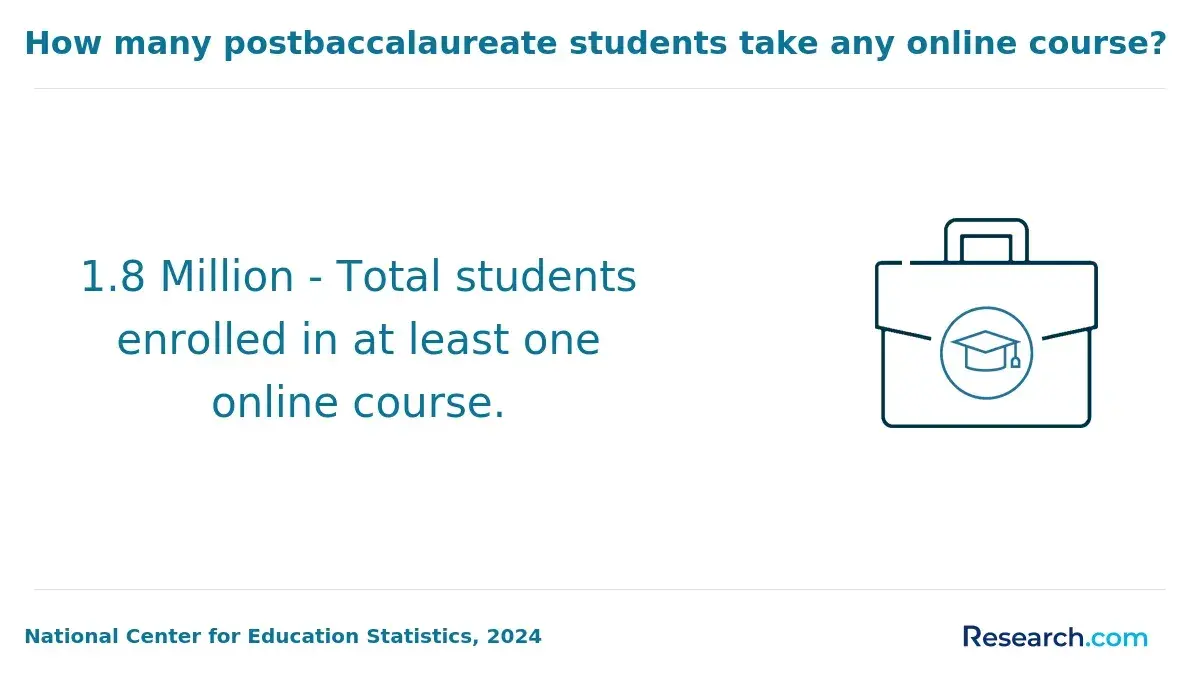
Facing gaps in prerequisite knowledge can stall entry into engineering management master's programs, especially for those transitioning from unrelated fields or recent graduates with adjacent majors. Programs offering integrated bridge or foundation courses promise a streamlined path but vary sharply in structure, credit requirements, and admission terms, complicating informed choices. With online graduate enrollment rising steadily-up 7.3% in recent years according to the National Center for Education Statistics-program flexibility increasingly defines accessibility for working professionals balancing career and study.
Understanding how these courses affect total cost, financial aid prospects, and employability outcomes becomes crucial for applicants prioritizing both efficiency and long-term returns in a competitive job market.
Key Things to Know About Engineering Management Master's Programs With Bridge or Foundation Courses
- Bridge or foundation courses integrate prerequisite content directly into the master's curriculum, reducing time-to-degree but potentially increasing total credit load and tuition costs, impacting financial planning and enrollment timing.
- Conditional admission policies frequently require completion of foundational units, signaling varying preparedness levels to employers and influencing hiring decisions in tightly regulated engineering sectors.
- With 20% annual growth in online adult graduate education, these programs expand access for working professionals, yet balancing coursework with employment demands requires realistic time management to maintain career progress.
What are engineering management master's programs with bridge or foundation courses, and who are they designed for?
Engineering management master's programs with bridge or foundation courses differ fundamentally from standard master's offerings by embedding prerequisite technical coursework within the graduate curriculum itself rather than requiring full completion before admission.
This integrated design resolves a critical barrier for career changers or applicants from fields lacking formal engineering credits, who otherwise face the costly and time-consuming prospect of pursuing separate post-baccalaureate certificates or a second bachelor's degree to meet admission requirements.
For example, a professional transitioning from business analytics to engineering management can bypass years of preparatory study through programs with bridge components, allowing more direct entry into management-focused graduate education. However, this flexibility often means a longer overall program duration and a curriculum balancing foundational concepts with advanced management topics, which can affect time-to-degree and financial planning.
- Purpose: Tailored for individuals without traditional engineering backgrounds-such as those holding degrees in business, science, or technology-adjacent disciplines-these programs enable entry into engineering management roles without prior extensive technical prerequisites.
- Problem Solved: They remove the structural hurdle of prerequisite coursework needing completion before graduate admission, addressing the gap for people who cannot afford to interrupt their careers or education pathways for additional undergraduate-level classes.
- Program Structure: Foundational courses often precede core master's classes or run concurrently; some programs require full completion of bridge courses before advancing, while others integrate them throughout the degree timeline, creating a hybrid academic load.
- Program Length Impact: Students should expect an extension of one to two semesters beyond traditional master's programs, reflecting the time needed for mastery of prerequisite engineering fundamentals alongside management curricula.
- Institutional Availability: Increasingly, accredited universities offer these structured pathways, particularly through online colleges and part-time formats, accommodating working professionals and diverse academic backgrounds.
- Ideal Candidates: Career changers lacking direct engineering prerequisites, recent graduates from related but non-aligned majors, and employed students seeking a single-degree pathway without separate foundation credentials benefit most from these programs.
This layered approach exemplifies a practical compromise, expanding access to engineering management fields without the resource-heavy burden of second degrees. Given their growing presence in flexible online formats, these bridge programs now constitute a critical alternative for individuals who must continue working while upskilling, underscoring their relevance amid shifting workforce demands.
For those evaluating educational options, understanding these operational and credit sequencing differences is essential for aligning aspirations with realistic timeframes and employer expectations within engineering management. More broadly, researching programs available through online colleges can illuminate additional flexible pathways that complement these integrated graduate offerings.
Which accredited U.S. universities offer engineering management master's programs with built-in bridge or foundation courses?
Choosing an engineering management master's program with embedded bridge courses often reflects a strategic balance between maintaining career momentum and acquiring necessary foundational knowledge. For career changers or professionals without direct prerequisites, programs that integrate prerequisite content within the degree pathway reduce time and financial burdens compared to separate post-baccalaureate coursework but may extend program length and complexity.
A representative set of accredited U.S. universities offering such integrated options spans public, private nonprofit, and online-focused institutions, each with distinct structural and regional characteristics:
- Public Universities: Large state research institutions occasionally embed these bridge elements. For example, the University of Cincinnati incorporates foundational coursework targeting students without engineering backgrounds. The University of New Mexico blends prerequisite review with graduate project management for regional workforce needs. Arizona State University's online program integrates quantitative and systems foundations, addressing flexibility for working professionals.
- Private Nonprofit Universities: These institutions frequently design explicit bridge pathways for specialized populations. Columbia University offers tailored foundational modules within its master's track, aimed at those lacking specific technical prerequisites. Stevens Institute of Technology includes structured foundational subjects to support transitions from adjacent disciplines like business or sciences. Worcester Polytechnic Institute admits students conditionally, requiring preliminary engineering coursework alongside core management studies.
- Online-Focused Institutions: Online education providers emphasize flexible, bridge-inclusive sequences for working adults. Colorado Technical University's program explicitly integrates foundation courses to facilitate smooth onboarding. Southern New Hampshire University embeds flexible prerequisite content within its curriculum to prevent career disruption. Drexel University Online offers preparatory engineering and systems courses within its degree track for diverse admission cohorts.
This program model is more prevalent at medium to large research universities and dedicated online educators rather than smaller, teaching-focused colleges, reflecting resource availability and market demand in regions such as the Southwest, Northeast, and Mountain West. Prospective students should consult official university program pages, regional accreditation listings, and IPEDS databases to verify current foundation or bridge offerings. Reliance on third-party aggregators often risks outdated or incomplete data.
Given the frequent evolution of these programs and differing admission policies (e.g., conditional versus full status), direct communication with admissions or program offices is essential. Confirming prerequisite credit requirements, financial aid eligibility, and the degree's recognition with employers ensures a realistic assessment of long-term career impact before enrollment decisions.
What specific bridge or foundation courses are commonly required before full admission to an engineering management master's program?
Applicants without an undergraduate foundation in engineering or management often face prerequisite hurdles before full admission to engineering management master's programs. These common prerequisite courses for engineering management graduate programs serve to bridge critical knowledge gaps, ensuring that students meet baseline technical and managerial competencies necessary for graduate-level study.
For example, a working professional shifting from a non-technical background may need to complete additional coursework before engaging fully with core master's content, which impacts their time-to-degree and overall investment.
- Discipline-Specific Leveling: Foundational courses often include systems engineering, project management, engineering economics, quality control, and basic statistics, targeting core areas where non-engineering undergraduates typically lack exposure.
- Graduate Readiness: Programs may require courses in research methodology, academic writing, or quantitative analysis to prepare students for graduate expectations, particularly when applicants' prior training lacks rigour in these areas.
- Assessment Process: Institutions typically determine required bridge coursework through transcript evaluations, placement exams, or admissions criteria; admission offers may initially be conditional pending successful completion of these foundational classes.
- Variation by Institution: The extent and nature of bridge coursework vary widely, shaped by accreditation standards and program design, affecting tuition costs and student workload-critical factors for those balancing employment.
- Applicant Background Influence: Candidates with degrees in related fields generally face fewer leveling requirements, while those from unrelated disciplines encounter broader foundational demands that extend preparatory timelines and expenses.
Prospective students should clarify bridge coursework requirements and conditional admission policies with program admissions to effectively weigh the tradeoffs between program flexibility, cost, and timely credentialing. Those evaluating options must also consider resources like financial aid and program delivery formats, since the addition of these courses affects the feasibility of maintaining career momentum. For non-traditional learners, assessing how programs integrate bridge coursework into the master's timeline can mitigate risks of extended educational pathways.
Exploring alternatives such as psychology degrees online illustrates how different fields design foundation-level entry points with varied operational models and learner supports, a useful comparative lens when analyzing engineering management master's admission requirements.
How do bridge or foundation courses in engineering management master's programs differ from a traditional post-baccalaureate or second bachelor's degree?
Choosing between a master's program with embedded bridge courses, a post-baccalaureate certificate, or a second bachelor's degree significantly shapes the trajectory into engineering management, especially for applicants lacking directly aligned undergraduate backgrounds.
Integrated bridge courses often offer the most streamlined path by combining prerequisite and graduate coursework, reducing both elapsed time and cumulative cost compared to pursuing credentials sequentially. This model favors working professionals who cannot interrupt their careers, as it provides conditional admission that enables progression without redundant enrollment processes.
- Program Structure: Bridge-integrated master's programs embed foundational courses within the graduate curriculum, allowing concurrent credit accumulation, unlike post-baccalaureate certificates that require separate completion prior to master's admission or second bachelor's degrees demanding full undergraduate enrollment.
- Time Efficiency: Overlapping prerequisite and graduate studies often shorten overall duration in bridge programs. Post-baccalaureate routes introduce delays between credentials, while second bachelor's degrees typically extend completion time by multiple years.
- Cost and Financial Aid: Bridge programs generally offer better financial aid eligibility through earlier graduate status, whereas post-baccalaureate and second bachelor's tracks often carry higher out-of-pocket expenses and limited aid options.
- Credential Recognition: Employers and licensing bodies tend to value integrated master's credentials more than standalone post-baccalaureate certificates or additional undergraduate degrees, which may not distinctly enhance employability in engineering management roles.
- Flexibility: Integrated programs commonly provide part-time and online formats suited to working adults, contrasting with the rigid scheduling often required for second bachelor's degrees and the fragmented enrollment of post-baccalaureate certificates.
- Contextual Fit: Candidates targeting elite master's programs might pursue post-baccalaureate certificates if bridge courses insufficiently cover competitive prerequisites. Those with extended availability and resource flexibility might consider second bachelor's degrees for deeper foundational growth.
- Decision Strategy: Applicants should rigorously map total credit loads, anticipated timelines, financial aid prospects, and credential market perception before committing, as hidden delays and costs can undermine long-term workforce integration.
One engineering management graduate recalled juggling conditional admission notifications during rolling admissions. Initially hesitant to commit without guaranteed full admission, they found the integrated bridge program allowed immediate enrollment in necessary prerequisites alongside graduate courses.
This arrangement avoided waiting through a separate post-baccalaureate cycle, preventing potentially costly gaps in career momentum. The experience highlighted how timing nuances and admission conditionality in bridge programs can critically impact a nontraditional applicant's ability to maintain employment while advancing educationally.
What are the admission requirements for engineering management master's programs that include a bridge or foundation component?
Admission requirements for engineering management master's programs with bridge or foundation coursework reflect a strategic adaptation to accommodate students lacking traditional prerequisites. These pathways often accept lower undergraduate GPAs-sometimes below 2.75-when applicants demonstrate robust professional experience or potential, contrasting with conventional programs where prerequisite-related coursework usually demands stricter GPA benchmarks.
Required Documents: Alongside transcripts, recommendations, and personal statements, bridge programs prioritize comprehensive accounts of career trajectories and relevant experience, acknowledging that academic backgrounds may vary widely.
Standardized Tests: GRE or GMAT scores are frequently optional or waived in these programs, aligning admissions with holistic evaluation principles that value practical readiness over exam performance.
Professional Experience: Work history often plays a pivotal role, particularly for those missing technical coursework, as employers increasingly value applied knowledge gained through industry exposure.
Admission Model: Conditional admission-common in bridge-inclusive programs-requires successful completion of foundational courses before progressing to graduate-level status, which can influence financial aid eligibility and restrict credit transfer if students reconsider their path. Direct admission to the combined track bypasses this barrier but expects immediate readiness for graduate coursework.
Cohort Dynamics and Rigor: Flexible entry results in academically diverse cohorts, necessitating a bridge phase designed to equalize foundational knowledge without compromising the pace of graduate studies.
For non-traditional applicants-career changers, adjacent-degree holders, or working professionals-these programs offer a viable integrated path. Success hinges on prior quantitative aptitude, clear goal-setting, and time management strategies to navigate the bridge successfully and transition to the master's curriculum.
What is the minimum GPA requirement for engineering management master's programs with bridge or foundation courses, and how does prior academic background affect eligibility?
Minimum GPA requirements for engineering management master's programs with bridge or foundation courses create a crucial inflection point for applicants navigating nontraditional academic pathways. Unlike conventional engineering management master's degrees that often require a minimum GPA between 3.0 and 3.5, these bridge-integrated programs accommodate a broader spectrum of academic backgrounds with minimum undergraduate GPA thresholds typically ranging from 2.75 to 3.0.
This lower bar reflects an intentional tradeoff: programs expect initial academic variability but demand rigor through their bridge coursework. For example, a candidate with a 2.8 GPA in a non-engineering major may gain conditional admission if complemented by strong professional experience or prerequisite courses. However, this flexibility can affect employer perceptions, as some sectors prioritize credentials with more traditional admission metrics.
The impact of prior academic background is significant. Applicants from STEM-adjacent majors such as industrial engineering or business analytics often meet standard GPA cutoffs more easily and face fewer foundational gaps, easing their transition into graduate study.
Conversely, those with unrelated undergraduate degrees must demonstrate competency either through bridge courses or substantial work experience to offset academic deficits. Admissions committees weigh GPA alongside holistic elements like recommendation letters and personal statements to evaluate readiness and potential success.
Key considerations for prospective students:
- Minimum GPA Threshold: Programs with bridge courses generally set undergraduate GPA requirements between 2.75 and 3.0, lower than the 3.0 to 3.5 typical in direct-entry engineering management programs.
- Prior Academic Background: Those with majors adjacent to engineering management often meet GPA cutoffs more readily; non-aligned majors typically require successful bridge coursework or relevant professional experience.
- Holistic Admissions: GPA is balanced with work history, recommendations, and personal statements, particularly for applicants with lower GPAs.
- Bridge Phase Expectations: Maintaining roughly a 3.0 GPA during the bridge coursework is necessary to advance to full graduate standing, reflecting a return to traditional academic rigor.
- Conditional Admission Paths: Candidates near or below minimum GPA thresholds may gain conditional admission contingent on prerequisite completion, with post-baccalaureate quantitative classes often recommended.
For professionals seeking an integrated route to graduate credentials without halting their careers, these program structures offer crucial accessibility while preserving academic integrity. Choosing a program aligned with individual academic history and career goals is essential, whether that involves meeting minimum GPA requirements directly or leveraging conditional pathways supported by demonstrated competencies.
Prospective applicants should carefully assess how their prior academic background and work experience interact with minimum GPA for engineering management master's programs with bridge courses to optimize their chances of admission and future employability.
Those interested in complementary leadership qualifications might explore a master's degree in organizational leadership as part of a broader professional development plan.
How many additional credit hours do bridge or foundation courses add to an engineering management master's program, and how does this affect total cost and time-to-degree?
Bridge or foundation courses typically add between 9 and 18 credit hours to an engineering management master's program, reflecting differences in accreditation expectations and assumptions about applicants' prior coursework.
Programs designed for those without a relevant undergraduate background often require more extensive leveling, either integrating these credits into the graduate degree or treating them as separate prerequisites. This distinction affects total enrollment time and whether the credits count toward financial aid or degree recognition.
Each extra credit hour inflates costs proportionally, so a program charging $800 per credit with 9 bridge credits imposes an additional $7,200 before main coursework starts. In contrast, programs requiring fewer leveling credits reduce upfront expenses but may assume stronger candidate preparation.
Beyond tuition, extended credit requirements delay graduation, especially for part-time students juggling employment, producing indirect costs like lost wages, ongoing living expenses, and postponed credential benefits.
Prospective students should calculate the full credit load-bridge plus core courses-to effectively compare total cost and time commitments. Clear communication with programs about how bridge credits are counted is essential, as this influences aid eligibility and timeline expectations.
- Primary Delivery Formats: Mostly online and hybrid, accommodating working professionals
- Admission Requirements: Conditional admission until bridge or prerequisite courses are completed
- Prerequisite Load: Varies widely from 9 to 18 credits depending on prior academic background
- Financial Considerations: Full expenses include prerequisite and core work; indirect costs often overlooked
One graduate recalled applying during rolling admissions while unsure if prerequisite clearance would align with the cohort start. Facing pressure to finalize funding and employment commitments, they delayed accepting conditional admission until bridge courses were confirmed as degree credits, which allowed financial aid to apply. This pause extended their timeline, but ensured tuition support and avoided unexpected cost hikes.
Their experience illustrates how timing and program policies around prerequisite credits can materially shape both costs and progression speed, underscoring the importance of early, detailed dialogue with admissions offices before committing.
What types of students are best suited for engineering management master's programs with bridge or foundation courses?
Engineering management master's programs with bridge or foundation courses best serve students who require a unified pathway into this interdisciplinary field without the option to pause their careers or pursue separate prerequisite programs. These candidates often hold degrees in adjacent areas-such as industrial engineering, technology, business, or applied sciences-with strong academic records demonstrating readiness for graduate-level work.
Their clear professional impetus to pivot into engineering management roles aligns with workforce demands for leadership grounded in both technical and managerial competencies. Notably, enrollment data indicates that bridge-inclusive programs attract a significant portion of non-traditional students who balance part-time study with employment, underscoring the need for flexible, integrated curricula.
- Academic Preparedness: Holds a solid undergraduate GPA in related fields, ensuring capability to manage complex graduate coursework in engineering management foundation programs.
- Professional Motivation: Focused on acquiring engineering management competencies to access leadership roles in technical or operational settings.
- Time and Financial Flexibility: Able to dedicate additional semesters and resources to complete prerequisite leveling alongside core master's coursework without excessive hardship.
- Integrated Learning Need: Prefers a consolidated degree pathway due to constraints such as ongoing full-time employment or geographic limitations that preclude separate foundational coursework.
Conversely, this model is less advantageous for students who already possess substantial engineering management prerequisites, as redundant bridge coursework can delay entry into advanced subjects and inflate costs.
Similarly, applicants targeting highly selective programs without bridge options may find better alignment with alternative routes offering direct admission or specialized certificates. Those facing urgent career timelines may also weigh expedited programs over bridge-inclusive options to avoid extended time-to-degree.
Ultimately, candidates must honestly assess their academic background, career trajectory, and financial capacity before committing. Aligning program choice with long-term career implications and credential recognition is critical. For related pathways and comparative program insights, one can also explore an online library science degree as an example of integrated foundation coursework meeting specialized workforce needs.
Are bridge or foundation courses in engineering management master's programs offered fully online, on-campus, or in a hybrid format?
The format in which bridge or foundation courses are offered in engineering management master's programs significantly influences access, learning depth, and the student's ability to manage work-life commitments.
For career changers or recent graduates seeking a single-degree pathway without undergraduate prerequisites, the format can either facilitate or complicate integration into the master's core curriculum, affecting overall success and time to completion.
- Fully Online: Many programs provide bridge courses asynchronously or through synchronous live sessions to accommodate working adults who require flexibility. This format enables geographic freedom and reduces relocation or commuting costs but may fall short in delivering hands-on experiences essential for certain engineering management competencies.
- On-Campus: Some programs require physical attendance for foundational elements, especially when labs or practicum work are integral. While this can enhance skill acquisition and networking, it imposes a burden on students unable to pause or relocate from their employment.
- Hybrid: A combination of online theory with intermittent on-site sessions balances convenience with practical exposure but can introduce scheduling complexity and travel expenses, challenging working professionals balancing other obligations.
- Program Consistency: A key consideration is whether the bridge course format aligns with the master's core delivery. Mismatches may surprise students expecting a fully online trajectory, causing unforeseen residency or scheduling conflicts that disrupt career commitments.
- Instructional Quality: Online bridge courses often struggle to replicate the depth of hands-on instruction vital for preparing students for the master's rigorous core. Evaluating whether such programs integrate simulations, practical assignments, or robust support is crucial.
- Advisory: Prospective students should explicitly confirm format expectations for all program phases. Underestimating bridge course delivery mode can negatively impact time management, finances, and ultimate employability.
The choice of bridge course format thus demands scrutiny beyond superficial convenience; it can determine educational adequacy and career readiness for those entering engineering management from nontraditional backgrounds or adjacent disciplines. For those evaluating pathways to advance or shift into engineering management, understanding these tradeoffs is essential.
At the intersection of flexibility and workforce needs, hybrid engineering management master's foundation course formats may offer a viable compromise. However, clarity on format commitments upfront is indispensable.
For working professionals balancing continuous employment, programs that offer fully online bridge courses incorporating meaningful practical components may facilitate smoother transitions. Additionally, those considering options outside traditional engineering fields may find it helpful to compare bridge delivery modes carefully to avoid unanticipated barriers.
Finally, those exploring interdisciplinary transitions, including healthcare-adjacent paths, can also benefit from investigating related programs, such as forensic science degrees available in flexible online formats. A well-known resource for comparative affordability and accessibility in such domains can be found by researching forensic degree online.
What is the average cost of the bridge or foundation component in engineering management master's programs, and how does it affect total program investment?
Bridge or foundation components in engineering management master's programs represent a critical but often costly segment for candidates without the direct undergraduate prerequisites. Employers typically expect graduates to demonstrate proficiency across core domains, meaning that thorough foundational coursework can translate into better job readiness and command starting salaries near or above median ranges for engineering managers, which often vary between $90,000 and $125,000 annually depending on industry and region. However, the method programs use to price these bridge requirements considerably influences a candidate's total financial commitment and timeline.
Programs vary markedly in their approach: some charge bridge credits at the full master's per-credit tuition, inflating costs by up to 50% compared to programs that bill these credits at a discounted rate or a flat prerequisite fee. This pricing strategy directly affects affordability and may influence a student's ability to finance their education without undue delay or debt.
Completing foundation courses separately through another institution is sometimes cheaper per credit but often extends overall duration and risks lost income during that period. Moreover, beyond tuition, many programs impose hidden fees-technology access, proctoring, course materials, and practicum or lab expenses-that can add hundreds or even thousands of dollars beyond posted bridge tuition, particularly in programs with experiential components.
Prospective students should therefore seek fully itemized cost estimates encompassing the entire pathway before enrollment. Comparing the total cost of an integrated bridge program to alternative routes-such as post-baccalaureate certificates followed by a master's or a second bachelor's plus master's degree-can clarify which option aligns best with one's prior academic background, career urgency, and financial resources.
- Cost Range: Bridge components typically add between $5,000 and $15,000 to the program cost depending on credit load and pricing.
- Billing Structure: Billing varies from standard graduate tuition rates to discounted fees or flat prerequisite costs, impacting total program price transparency.
- Total Program Investment: Including bridge credits commonly increases total tuition by 20-50% relative to traditional engineering management master's without prerequisites.
- Hidden Fees: Additional costs such as technology, materials, proctoring, and practicum fees may raise the actual expenses beyond standard tuition.
- Cost Comparison: Prerequisites taken separately before admission may lower per-credit costs but prolong study time and delay workforce reentry.
- Financial Aid Impact: Eligibility to apply financial aid towards bridge credits varies by institution and program design, influencing net cost.
- Advisory: Candidates should obtain detailed, end-to-end cost breakdowns and weigh integrated bridge programs against alternatives to identify optimal value relative to background and financial situation.
What Graduates Say About Engineering Management Master's Programs With Bridge or Foundation Courses
- Azai: "I had a limited six-month window between jobs to upskill, so I chose a master's in engineering management with a foundation course to quickly bridge my knowledge gap. The workload was intense but manageable, and prioritizing project-based assignments helped me build a solid portfolio that employers actually valued more than traditional licensure. Although I'm still working to break into leadership roles, the internship I landed through the program gave me crucial real-world experience and connections."
- Russell: "Balancing my full-time job and family meant I needed a program with flexible options, which is why I went for a bridge engineering management master's program that offered evening classes and online modules. The decision delayed my graduation by a semester but allowed me to maintain income stability. Post-graduation, the practical skills emphasized-especially in process optimization-helped me secure a remote role, although I found that salary growth remains limited without pursuing professional licensure alongside the degree."
- Christian: "After switching careers from software to engineering, I had to carefully choose a program that integrated foundational courses to level my technical knowledge. The biggest challenge was managing the heavier coursework while working part-time, but it was worth it for the career pivot. Although some hiring managers prioritized candidates with more hands-on engineering experience, the certificate and final capstone project landed me a position in project management, proving the value of the blend between theory and applied work."
Other Things You Should Know About Engineering Management Degrees
Most programs require students to maintain a minimum GPA, often around 3.0, during the bridge or foundation courses to advance to the core master's curriculum. This phase is critical for demonstrating the ability to handle graduate-level engineering content despite a non-engineering background. Falling short may delay progression or lead to dismissal, so prospective students should assess whether they can commit the time and effort to excel in these prerequisite courses while potentially balancing work or other responsibilities.
Financial aid coverage for bridge or foundation courses varies significantly and often differs from funding available for the core graduate program. Some scholarships and employer tuition reimbursement plans exclude prerequisite or non-credit courses, increasing out-of-pocket costs in this phase. Applicants must clarify funding eligibility upfront to avoid unexpected financial burdens, especially if the bridge phase extends the program's overall length and cost.
Students must prioritize programs offering clear pathways with transparent admission criteria, manageable prerequisite workloads, and strong career support after graduation. Given the extra effort and cost involved, candidates should weigh program reputation, employer connections, and post-graduate outcomes heavily over convenience alone. Programs with proven job placement metrics for bridge-course students and flexible delivery options often provide the best return on investment for non-traditional and career-changing applicants.
References
- National Society of Professional Engineers https://www.nspe.org/career-growth/pe-magazine/march-2019/how-many-credit-hours-make-engineering-grad-you-may-be
- Should I get a second BS or go for MS? https://talk.collegeconfidential.com/t/should-i-get-a-second-bs-or-go-for-ms/2040147
- Alvernia University launches online Master of Science in Engineering Management program https://www.alvernia.edu/news/2025/02/alvernia-university-launches-online-master-science-engineering-management-program
- Master of Engineering Management https://www.stmartin.edu/academics/all-programs/master-engineering-management
- Masters in Engineering Management Requirements: Everything You Need to Know https://authory.com/ErinCates/a/Masters-in-Engineering-Management-Requirements-Everything-You-Need-to-Know-a042e88d7bca1448f933a87eb4d386d43
- Best Online Master’s Programs in Engineering Management https://www.onlinemastersdegrees.org/best-programs/engineering/engineering-management/
- Is Grad School Worth It? A Comprehensive Return on Investment Analysis - FREOPP https://freopp.org/whitepapers/is-grad-school-worth-it-a-comprehensive-return-on-investment-analysis/
- Bridge Programs https://igenetwork.org/bridge-programs/
- Number of Credits for a Master's Degree in Education https://creditsforteachers.com/the-necessary-number-of-credits-for-a-masters-degree-in-education/