
2027 Different Types of Adult Gerontology Acute Care Nurse Practitioner Master's Degrees: Specializations, Careers, and Salaries

Co-Founder and Chief Data Scientist
Choosing the right adult gerontology acute care nurse practitioner master's degree program poses challenges for many prospective students. With an expected workforce growth of 45% by 2030 in acute care nursing and nearly 60% of programs offering online options, the demand for flexible, specialized education is rising. However, navigating program differences, specializations, and salary outcomes can overwhelm applicants, especially those balancing work and family commitments.
This article explores various specializations within adult gerontology acute care nurse practitioner master's degrees, career pathways, and salary prospects. It aims to guide students in selecting programs that best match their goals, budgets, and return on investment expectations.
Key Points About the Different Types of Adult Gerontology Acute Care Nurse Practitioner Master's Degrees
- Programs often feature streamlined admissions with minimal prerequisite coursework and no GRE, reflecting a 20% increase in direct-entry applications in nursing graduate education since 2020.
- Flexible online formats allow working professionals to balance studies and employment, supporting a 35% growth in distance nursing education enrollments over five years.
- Graduates typically earn above $110,000 annually, benefiting from a 15% projected job growth in adult gerontology acute care nurse practitioner roles through 2031.
What Are the Different Types of Adult Gerontology Acute Care Nurse Practitioner Master's Degrees Available?
Choosing the right master's degree category can greatly influence a student's academic and career path, especially for those pursuing an adult gerontology acute care nurse practitioner master's degree. Familiarity with the various types helps in aligning educational goals with professional aspirations and ROI expectations.
Below is an overview of the primary master's degree types and their distinct characteristics.
The main categories include:
- Master of Arts (MA): Typically focused on humanities and theoretical subjects, the MA emphasizes critical thinking and broad analytical skills. It is suited for students interested in a more comprehensive academic experience.
- Master of Science (MS): More specialized and research-oriented, the MS concentrates on science, technology, engineering, or mathematics fields. It commonly requires a thesis or research project and is ideal for those pursuing in-depth knowledge, such as in adult gerontology acute care nurse practitioner master's degree types.
- Master of Business Administration (MBA): A professional degree centered on applied business skills including leadership, management, and finance, the MBA prepares candidates for managerial roles and entrepreneurial efforts rather than research.
- Master of Education (MEd): Dedicated to education, this degree prepares students for careers in teaching, administration, or curriculum development, focusing on applied learning in education systems.
- Master of Public Health (MPH): Geared to healthcare leadership, public health policy, and community wellness, the MPH is especially relevant given that about 19% of master's degrees awarded are in health professions, reflecting growing demand in healthcare fields relevant to many adult gerontology acute care nurse practitioner master's degree programs.
- Master of Fine Arts (MFA): A terminal degree for creative disciplines, the MFA prioritizes practical skill development in areas like visual arts and creative writing rather than traditional academic research.
Students exploring specializations in adult gerontology acute care nurse practitioner programs should consider these distinctions carefully to select the program that best fits their career goals. For those seeking flexible and accelerated options, investigating the shortest online DNP program can provide further insight into efficient pathways aligned with professional advancement.
What Specializations Are Available in Adult Gerontology Acute Care Nurse Practitioner Master's Degrees?
Career outcomes play a crucial role for students selecting accessible master's degree programs in adult gerontology acute care nurse practitioner, as the right specialization can increase job prospects and salary potential. Employment in this field is projected to grow 45% from 2021 to 2031, driven by an aging population and expanding healthcare needs.
Below are some popular and in-demand specializations within adult gerontology acute care nurse practitioner degree focus areas that align with current industry demands.
- Cardiovascular Care: Focuses on treating adults with heart conditions, addressing one of the leading causes of hospitalization and death. This specialization is vital due to the ongoing prevalence of cardiovascular diseases.
- Pulmonary and Critical Care: Addresses acute respiratory conditions and critical care needs typical in intensive care units, meeting the demand for specialized practitioners in hospitals.
- Oncology Nursing: Equips practitioners to manage adult cancer patients, combining acute care with symptom relief and palliative care techniques.
- Emerging Telehealth Technologies: Utilizes digital health platforms to provide remote acute care, aligning with technological trends in healthcare delivery.
- Geriatric Pain Management: Specializes in assessing and managing pain in older adults, improving quality of life for aging populations.
Working adults and career changers interested in these fields may consider programs offered at a DNP school that best fit their schedules and goals. Understanding specializations in adult gerontology acute care nurse practitioner master's programs helps align career ambitions with evolving market needs.
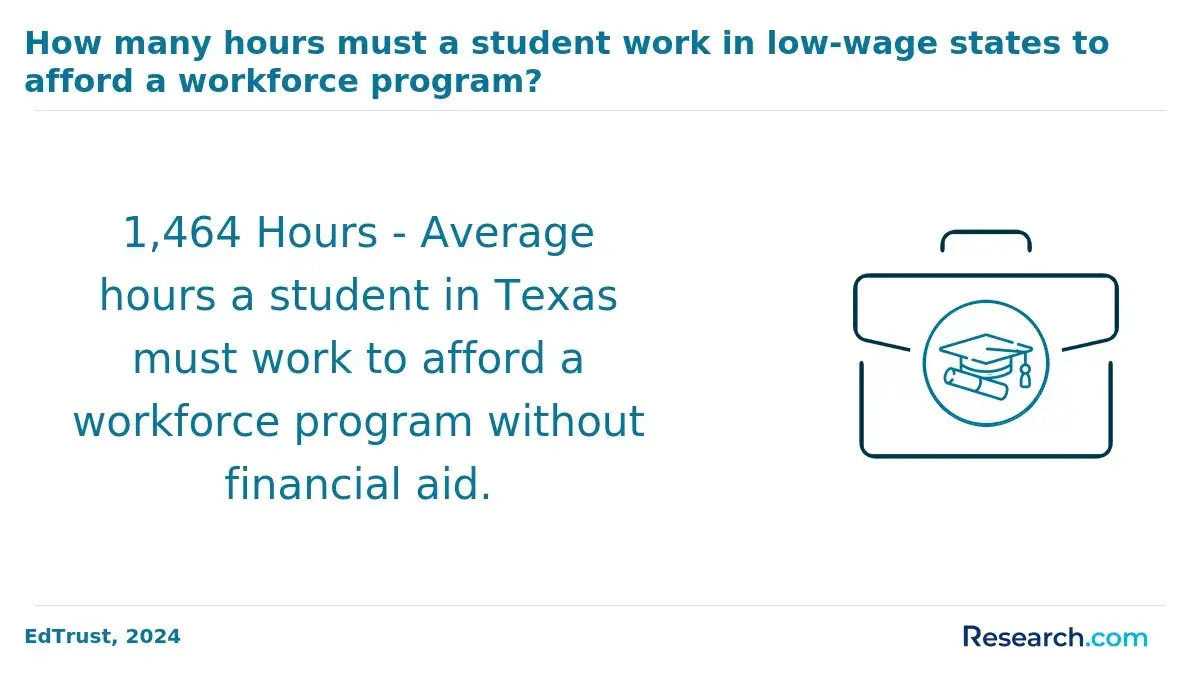
How Long Does It Take to Complete Each Type of Adult Gerontology Acute Care Nurse Practitioner Master's Degree?
Time investment is a crucial factor when pursuing a master's degree in adult gerontology acute care nurse practitioner, as it shapes career planning and financial decisions. Currently, acceptance rates for these programs range between 30-40%, reflecting competitive entry and limited clinical placements.
Consider these key points when evaluating program length:
- Degree type and requirements: Programs awarding a Master of Science in Nursing (MSN) or Master of Nursing (MN) vary in duration, with thesis or research project options generally extending study to nearly two years full-time. Non-thesis tracks tend to shorten graduation timelines.
- Study format and flexibility: Online and hybrid programs offer scheduling adaptability, yet clinical practicums remain mandatory and fixed in hours, influencing overall time to completion.
- Part-time versus full-time enrollment: Full-time students typically finish within one to two years, whereas part-time study can lengthen the process to three years or more, accommodating work and family obligations.
- Program intensity: Accelerated programs deliver condensed, year-round coursework for faster completion but require a demanding workload that may not suit all candidates.
A graduate of an adult gerontology acute care nurse practitioner master's program shared that balancing rigorous clinical requirements with part-time study extended their path beyond initial expectations. They reflected, "The non-thesis option allowed me to finish sooner, but coordinating clinical hours around my job was challenging.
I learned that planning ahead and maintaining flexibility are essential." Their experience highlights the importance of aligning program demands with personal and professional realities to complete the degree successfully and on time.
Program duration is a crucial factor for students seeking swift entry into adult gerontology acute care nurse practitioner roles while balancing education costs and workforce time away. Accelerated programs meet this need by condensing coursework and clinical requirements without sacrificing essential training.
The following factors help explain how these fast-track programs shorten completion time:
- Condensed semesters and year-round classes: By including summer terms and offering continuous enrollment, programs eliminate traditional semester breaks, allowing students to progress more quickly through their studies.
- Heavier credit loads per term: Students take on more courses each term than usual, intensifying study periods but reducing the total number of semesters required to graduate.
- Combined bachelor's and master's pathways: Integrated degree plans blend undergraduate prerequisites with graduate-level coursework to create a streamlined path that can save years compared to sequential degrees.
- Optimized clinical placements: Clinical experiences are structured to maximize hands-on learning efficiently, ensuring students meet licensure competencies within a shortened timeframe.
These accelerated adult gerontology acute care nurse practitioner master's programs appeal especially to working adults, career changers, and those with prior nursing education wanting faster advancement. For individuals looking to strengthen foundational knowledge while expediting their nursing education, exploring options for cheapest online nursing prerequisites may further support a cost-effective and efficient transition into advanced care roles.
Many students weigh the difficulty of online versus on-campus adult gerontology acute care nurse practitioner master's degree programs when deciding their education path. While online programs may seem less demanding due to flexible pacing, data from the American Association of Nurse Practitioners in 2023 show about 85% satisfaction rates, with completion statistics closely matching traditional routes given sufficient institutional support.
Several factors affect the credibility and suitability of these online degrees:
- Accreditation: Accredited online programs adhere to the same strict standards as campus-based schools, ensuring comparable educational quality and outcomes.
- Employer acceptance: Many healthcare employers recognize online degrees from reputable institutions, indicating growing trust in this learning format within the nursing field.
- Flexibility advantages: Online options benefit working professionals balancing jobs and study, international students unable to relocate, and learners who prefer self-paced coursework, while minimizing commute times and enhancing access to digital resources.
- Potential challenges: Reduced hands-on clinical experiences and fewer peer networking opportunities can pose obstacles; evaluating practicum arrangements and support services is essential before enrolling.
A graduate I spoke with shared his experience choosing an online adult gerontology acute care nurse practitioner master's program over a traditional campus option. He noted, "Managing full-time work and family with an on-campus schedule felt impossible. Online classes allowed me to study at my own pace without sacrificing my job."
He described initial concerns about missing direct interaction but found the digital resources and occasional virtual meetings "surprisingly effective." Although clinical hours required coordination, flexible scheduling made it manageable. He concluded, "The online degree felt just as legitimate to employers and helped me advance much faster than I expected."
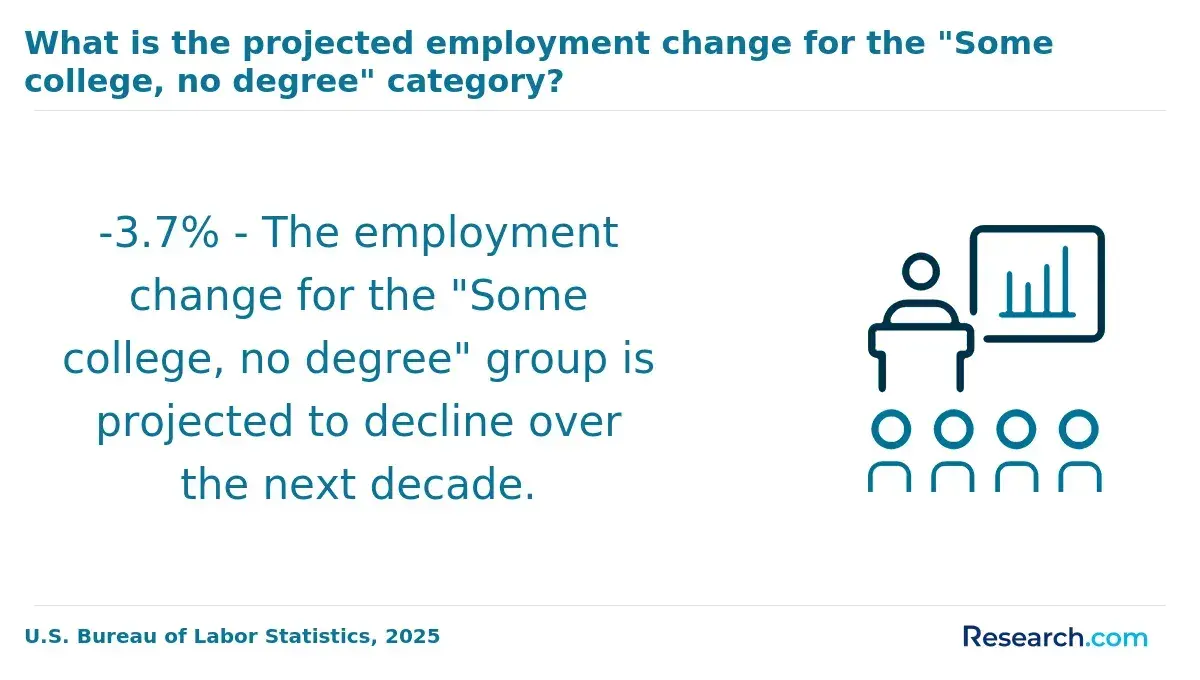
Tuition expenses play a crucial role when planning for an adult gerontology acute care nurse practitioner master's program, especially for those balancing work or switching careers. Being aware of these costs helps students gauge the total investment and make informed decisions regarding their education and finances.
Recent data shows that tuition for these programs generally falls between $30,000 and $60,000, varying widely by institution and format. Below are some key factors affecting program costs:
- Tuition range and institutional differences: Public programs often offer lower tuition rates, particularly for in-state students, while private institutions usually charge higher fees. This variability can significantly impact the overall cost of the degree.
- Online versus hybrid formats: Fully online programs tend to be more affordable due to fewer campus-related fees and greater flexibility. Hybrid options, which mix online coursework with in-person clinical experience, often command higher tuition to cover facility and resource usage.
- Program length and credit hours: Most adult gerontology acute care nurse practitioner master's degrees require between 35 and 50 credit hours. Longer programs or those with more credits naturally increase tuition costs.
- Additional fees and materials: Expect expenses beyond tuition, such as clinical placement fees, technology charges, and specialized textbooks or supplies. These extra costs can add up and should be considered when estimating total investment.
Exploring career options with an adult gerontology acute care nurse practitioner master's specialization is essential for prospective students evaluating the return on investment of their education. The job outlook for adult gerontology acute care nurse practitioners remains strong, with growing demand in critical care settings reflecting rising healthcare needs for aging populations.
Below is a snapshot of common roles, settings, and credential requirements that graduates can expect in this field.
- Role flexibility: Graduates can work across diverse healthcare environments including intensive care units (ICUs), emergency departments, outpatient specialty centers, and rehabilitation facilities. This flexibility allows nurse practitioners to tailor their careers to preferred patient populations and clinical interests while maintaining acute care expertise.
- Leadership opportunities: Experienced adult gerontology acute care nurse practitioners often transition into leadership roles such as clinical nurse coordinators, nurse managers, or educators. These positions leverage their specialized clinical knowledge to influence care quality, mentor staff, and shape organizational policies.
- Degree requirement: The master's degree in adult gerontology acute care nurse practitioner is typically a strict requirement for licensure and advanced practice certification rather than a preference. Employers, including hospitals, government agencies, and specialized nonprofits, prioritize this credential to ensure safe, high-level patient assessment and intervention in critical care environments.
- Job titles and industries: Common job titles include acute care nurse practitioner, critical care nurse practitioner, and hospitalist nurse practitioner, predominantly within hospitals and large healthcare systems. However, some may find roles in government healthcare agencies or nonprofit organizations that serve complex patient populations.
- Compensation trends: According to the U.S. Bureau of Labor Statistics, nurse practitioners earn a median annual wage near $120,000, with acute care specialties often receiving higher salaries depending on region and employer.
Individuals seeking accelerated pathways into advanced nursing roles may also consider related options such as an LPN accelerated program to begin foundational clinical training before pursuing advanced degrees.
Salary ranges for adult gerontology acute care nurse practitioner master's degree specializations are a key consideration for prospective students aiming to maximize their investment. These salaries vary widely due to factors such as industry demand, experience, and geographic location. According to the U.S. Bureau of Labor Statistics, nurse practitioners in this field earn a median annual salary near $120,000, though pay can differ based on clinical focus and workplace setting.
Understanding these variations can help students make informed decisions about their career paths.
The following factors impact how salary differs by adult gerontology acute care nurse practitioner MSN degree specialization:
- Specialization and clinical focus: Nurse practitioners specializing in acute care often command higher wages compared to primary care due to the increased complexity and urgency involved. Sub-specialties like critical care or cardiology may further boost earning potential as these areas require advanced skills.
- Experience level: Entry-level practitioners typically earn less, while those with several years of expertise in acute care tend to see significant salary increases over time, reflecting their deeper clinical knowledge and efficiency.
- Geographic location: Salaries are generally higher in urban and high-cost-of-living areas to attract skilled professionals. Regions with shortages of healthcare workers may also offer incentives to fill critical needs.
- Workplace setting: Hospitals, outpatient clinics, and specialty centers differ in their pay structures. Hospitals usually offer higher compensation due to the demanding environment and resources required for acute care.
- Industry demand and economic factors: Salary differences arise from the balance of supply and demand within the healthcare sector, with areas experiencing higher patient loads or specialized care needs offering better pay to retain talent.
Prospective students pursuing a specialization will find it valuable to explore accredited self-paced online colleges as these programs often provide flexible options that align with work schedules and financial goals. For more information, consider visiting accredited self-paced online colleges.
Choosing the right master's degree program in adult gerontology acute care nurse practitioner requires thoughtful consideration of several critical factors. Decisions about program structure, accreditation, and potential career benefits can greatly impact your educational experience and future earnings.
Here are key points to evaluate when selecting the best program for your needs.
- Career alignment: Identify how the program supports your professional goals, whether advancing clinical skills or specializing in acute care. Choose curricula offering relevant clinical experiences and faculty expertise aligned with your intended practice area.
- Program accreditation: Prioritize programs accredited by recognized nursing organizations to ensure education quality and eligibility for certification exams. Accreditation also influences employer recognition and your ability to obtain licensure.
- Flexible format: Look for a balance of asynchronous coursework and structured clinical placements, allowing you to manage study time alongside work or personal commitments. Online program support, like virtual advising and interactive learning tools, can enhance your remote education.
- Cost considerations: Evaluate tuition, fees, and available financial aid options including scholarships, loans, and payment plans. Understanding total expenses upfront helps prevent unexpected financial burdens and ensures affordability throughout the program.
- Time investment: Assess the length of the program and scheduling demands. Programs designed for working adults often provide part-time or extended timelines to accommodate busy schedules without sacrificing learning quality.
- Earning potential: Consider the long-term salary prospects associated with this specialization. According to the American Association of Nurse Practitioners, nurse practitioners with master's degrees in adult gerontology acute care frequently earn median incomes above $110,000, reflecting a strong return on investment for many graduates.
Choosing the right adult gerontology acute care nurse practitioner master's program is essential for students aiming to build a successful and rewarding career. This decision influences your opportunities for advancement, earning potential, and overall job satisfaction.
Key factors to weigh include the following considerations:
- Career advancement: This degree often unlocks specialized acute care roles and leadership positions, allowing for increased responsibilities and professional growth within healthcare settings.
- Salary potential: Graduates typically command higher salaries compared to registered nurses, reflecting their advanced skills and expertise, with earnings often growing alongside experience and certifications.
- Industry demand: The need for nurse practitioners trained in adult and gerontologic acute care remains high due to an aging population and complex patient needs, making this degree highly valuable for job stability.
- Financial investment: Consider tuition costs, time commitment, and any potential debt when deciding, ensuring your career goals justify these expenses over the long term.
- Personal fulfillment: Align your passion for working with adult and elderly patients with your education to enhance job satisfaction and sustained motivation.
What Graduates of Adult Gerontology Acute Care Nurse Practitioner Master's Degree Programs Say About Their Specialization, Career, and Salary
- Kerry: "I was drawn to the adult gerontology acute care nurse practitioner master's degree program after working several years as an RN and wanting to expand my skills in acute care settings. The program cost was a significant consideration, but at around $30,000, it felt like a worthwhile investment for my future. Since graduating, I've seen a noticeable boost in my salary and have taken on more challenging clinical roles, which has been incredibly rewarding."
- Hannah: "After much reflection on my career goals, I chose the adult gerontology acute care nurse practitioner program because it aligned perfectly with my passion for caring for older adults with complex health needs. The tuition was manageable, costing just under $35,000, which I viewed as an investment in professional growth rather than a mere expense. This degree has opened doors to leadership positions and salary increases that I hadn't anticipated a few years ago. "
- Lila: "My decision to enter the adult gerontology acute care nurse practitioner master's program was driven by a professional desire to specialize in acute care for elderly patients. The program cost approximately $32,000, which was competitive relative to similar programs and justified by the career advancement opportunities it afforded. Since graduating, I've taken on higher-level responsibilities and have experienced a significant rise in compensation. - "
Other Things You Should Know About Adult Gerontology Acute Care Nurse Practitioner Degrees
In 2027, career advancement opportunities for adult gerontology acute care nurse practitioners include leadership roles such as clinical nurse manager or director, positions in education as faculty members, and opportunities in policy-making or administration within healthcare organizations.
Most graduates pursue the Adult-Gerontology Acute Care Nurse Practitioner certification exam from the American Nurses Credentialing Center or the American Association of Critical-Care Nurses. Eligibility usually requires an MSN or DNP, national NP certification, and supervised clinical hours in acute care settings.
AGACNP salaries vary by geographic region due to cost of living and local demand for acute care specialists. Urban areas and regions with higher healthcare costs generally offer higher salaries. Additionally, states with larger elderly populations may provide increased compensation reflecting the need for gerontology expertise.
- Adult Gerontology Acute Care Nurse Practitioner https://www.nursing.upenn.edu/adult-gerontology-acute-care-nurse-practitioner/
- 4 Reasons to Consider a Career as an Adult-Gerontology Nurse Practitioner https://www.chamberlain.edu/blog/4-reasons-to-consider-a-career-as-an-adult-gerontology-nurse-practitioner-
- Adult-Gerontology Acute Care Nurse Practitioner Postgraduate Certificate - South College https://www.south.edu/program/adult-gerontology-acute-care-np-postgraduate-certificate/
- How to Become a Community Health Nurse https://www.allnursingschools.com/specialties/adult-gerontology-nurse-practitioner/
- Adult Gerontology NP Online Programs: Explore Top Schools https://www.edumed.org/online-schools/nurse-practitioner-programs/adult-gerontology/
- Adult Gerontology Acute Care Nurse Practitioner Salary | Salary.com https://www.salary.com/research/salary/posting/adult-gerontology-acute-care-nurse-practitioner-salary
- Most Affordable Adult-Gerontology NP Programs 2026 https://www.healthcaredegree.com/blog/most-affordable-agnp-programs
- UTMB School of Nursing | Adult-Gerontology Acute Care Nurse Practitioner Program https://nursing.utmb.edu/AcuteCareNursePractitioner
- MSN Adult-Gerontology Acute Care Nurse Practitioner | WCU https://westcoastuniversity.edu/online-programs/msn/agacnp
- Top 10 Online Acute Care Nurse Practitioner (ACNP) Programs https://nurse.org/education/online-acnp-programs/


