2027 Database Management Master's Degree vs Graduate Certificate: Which Is Better?

Co-Founder and Chief Data Scientist
Choosing between a Database Management master's degree and a graduate certificate often poses a dilemma for professionals aiming to enhance their career prospects. The decision hinges on factors such as cost-where master's programs average twice the tuition of certificates-and time commitment, with certificates typically completed in less than a year compared to two years for a master's.
Admission standards and employer recognition also differ, influencing salary impacts; notably, holders of master's degrees earn a median annual salary 25% higher than certificate holders as of 2024. This article analyzes these distinctions to guide readers toward the most suitable credential based on career goals and resources.
Key Things to Know About Which Is Better: A Database Management Master's Degree or a Database Management Graduate Certificate
- A master's degree in database management typically costs three to five times more than a graduate certificate, but offers deeper expertise and broader career opportunities.
- The graduate certificate can be completed in under a year-around 30% faster than most master's programs-appealing to career-changers seeking swift skill acquisition.
- Employers often recognize master's degrees as more comprehensive, correlating with an average 15% higher salary increase than certificate holders in database management roles.
What Is the Difference Between a Database Management Master's Degree and a Database Management Graduate Certificate?
A database management master's degree and a graduate certificate represent distinct academic credentials that serve different purposes and audiences. The master's degree typically requires 30 to 45 credit hours, encompassing core courses, electives, and often a capstone or thesis project. This level of study provides a comprehensive curriculum covering database systems, data modeling, security, and analytics. Its academic objectives emphasize advanced critical thinking, research skills, and leadership preparation for higher-level positions-often acting as a stepping stone to doctoral programs.
Curriculum Scope: The master's program offers broad and in-depth study, while the graduate certificate focuses on specialized knowledge-typically 9 to 15 credit hours-in areas like SQL programming or database design. This shorter path is not merely a reduced version of a master's but a separate credential aimed at targeted skill development.
Academic Standing and Purpose: A master's degree carries greater academic recognition and prepares graduates for career advancement in database management. Graduate certificates are tailored for professionals seeking quick, practical skill upgrades or those exploring education options before committing fully. Many institutions allow credits from graduate certificates to be stacked toward a master's, which complicates comparisons but creates flexible educational pathways.
Audience and Career Utility: Master's degrees attract candidates pursuing comprehensive expertise and leadership roles, whereas graduate certificates appeal to working professionals and career-changers desiring efficient entry points into database management. This guide will further evaluate how these credentials compare in cost, time-to-completion, admission criteria, employer recognition, salary impact, and overall career utility-offering a data-driven perspective to help prospective students make informed choices.
Those interested in accelerating their academic journey might also explore accelerated degree programs online, which sometimes include database management pathways complementing these graduate options. Understanding the differences between a database management master's degree versus graduate certificate differences is key to selecting the best route for individual goals within this evolving field.
What Are the Typical Admission Requirements for a Database Management Master's Program Compared to a Database Management Graduate Certificate?
Admission requirements for a database management master's program tend to be more demanding due to the advanced nature of the curriculum and the depth of expertise expected. Typically, applicants must hold a bachelor's degree in a related discipline such as computer science, information technology, or engineering, often with a minimum undergraduate GPA-commonly around 3.0 on a 4.0 scale. Master's programs frequently require prerequisite coursework in subjects like databases, programming, and statistics to ensure students possess necessary foundational skills.
Many schools also request standardized test scores, like the GRE, although this is becoming less common. In addition, candidates usually submit letters of recommendation that attest to their academic or professional capabilities, plus a personal statement outlining their motivation for graduate study. This collection of requirements reflects the rigorous admission standards for database management master's program admission requirements.
In contrast, database management graduate certificate admission criteria tend to be more flexible and accessible. These programs usually require only a bachelor's degree, without strict GPA cutoffs or mandatory prerequisite courses. Standardized tests and extensive letters of recommendation are rarely required, and relevant professional experience can sometimes substitute for formal academic credentials. This lower threshold makes certificates an attractive option for professionals seeking a focused skills upgrade or for career changers looking to enter the field faster. Graduate certificates can serve as an academic on-ramp, allowing individuals to strengthen their qualifications before attempting a master's program.
- Prerequisites: Master's programs often enforce strict prerequisite coursework; certificates generally have minimal or no formal prerequisites.
- Academic Performance: A solid undergraduate GPA is required for master's admissions, but certificates typically do not demand a minimum GPA.
- Standardized Tests: GRE or similar scores may be required for master's, whereas certificates often waive this requirement.
- Recommendations and Statements: Master's applicants submit letters of recommendation and personal statements; certificates might not require these documents.
- Experience Flexibility: Professional experience can sometimes replace academic criteria in certificate admissions, unlike in master's programs.
This distinction matters for students who do not yet meet the stringent standards of master's admission or who want to build a stronger academic record. For many, pursuing a certificate is a practical step toward enhancing credentials, especially for busy professionals or career changers. Those interested in cost considerations alongside these factors may also want to compare the options to programs such as the cheapest online criminal justice degree programs, to understand how cost affects credential choice. Ultimately, understanding these differences helps prospective students make an informed choice that aligns with their career goals and time constraints.
What Is the Minimum GPA Requirement for a Database Management Master's Program?
Accredited Database Management master's programs generally set minimum GPA requirements between 2.75 and 3.0 on a 4.0 scale to demonstrate basic academic readiness, though these often serve as lower limits rather than true admission targets.
Competitive Programs: Admission at highly selective institutions typically favors applicants with GPAs ranging from 3.4 to 3.8, reflecting a highly competitive applicant pool and rigorous standards.
Open-Enrollment and Professional Focus: Programs aimed at working professionals or career changers may accept slightly lower GPAs, sometimes near 2.5 or 2.75, placing greater emphasis on professional experience and personal statements.
Conditional Admission: Some schools provide provisional acceptance for applicants falling just below the minimum GPA, requiring the completion of additional coursework or a probationary period to continue enrollment.
Advisory: Prospective students should consider minimum GPA figures as a baseline; if an applicant's GPA nears this threshold, strengthening other application components is critical to enhance competitiveness.
A professional who completed a Database Management master's shared that initially meeting the minimum GPA was challenging amid balancing full-time work and studies. He explained, "I was concerned about my GPA borderline status, but the program's conditional admission option gave me a chance-I committed to extra assignments and regular check-ins with my advisor. It wasn't easy, but seeing progress each semester motivated me. This experience taught me the importance of resilience and leveraging all support resources available."
How Long Does It Take to Complete a Database Management Master's Degree Versus a Database Management Graduate Certificate?
Pursuing a database management master's degree full-time generally takes between 1.5 and 2 years due to a demanding curriculum that includes comprehensive exams, capstone projects, and often a thesis. In contrast, graduate certificates streamline learning to essential skills and usually finish within 6 to 12 months when studied full-time, reflecting a more focused approach without long-term projects.
- Part-Time Completion: For those balancing work or other commitments, part-time master's degree options extend to roughly 3 to 4 years depending on course load and scheduling flexibility. Graduate certificates offer a faster alternative part-time-commonly completed within 1 to 2 years-providing a quicker route to enhance expertise without the extended timeline required for a master's degree.
- Accelerated Formats: Some institutions facilitate accelerated master's degree tracks that reduce completion to 12-18 months, while graduate certificate programs can be completed in as few as 4 to 6 months due to their limited scope and targeted content.
- Structural Reasons: The extensive credit requirements and rigorous academic components of master's degrees, such as independent research or comprehensive capstones, add significantly to the timeline. Graduate certificates bypass these demands by concentrating on core competencies, enabling much faster completion.
- Professional Considerations: Working professionals weigh time and career needs carefully-those seeking swift credential upgrades for database management roles tend to prefer graduate certificates. Others aiming for advanced, theoretical understanding and broader career possibilities opt for master's degrees despite a longer commitment.
- Personal Factors: Variables such as employment status, family responsibilities, and financial resources heavily influence the time-to-completion that makes the most sense. Individuals with limited time or funding often benefit from a graduate certificate's shorter timeline, while those planning sustained careers may invest more time pursuing a master's degree.
Recent undergraduates and career changers comparing database management master's degree completion time comparison against graduate certificate timeline for database management programs should consider how these differences impact their goals. For detailed exploration of related graduate paths, prospective students can visit MFT masters programs.
How Much Does a Database Management Master's Degree Cost Compared to a Database Management Graduate Certificate?
Graduate degree expenses in database management vary widely based on institution type. Public in-state master's programs typically fall between $15,000 and $45,000, while public out-of-state options range from $30,000 to $70,000. Private institutions command the highest fees, often exceeding $90,000. In contrast, graduate certificates offer a more affordable alternative-public in-state certificates usually cost $5,000 to $15,000, with out-of-state programs priced between $7,000 and $20,000. Private certificate programs lie generally within $10,000 to $25,000.
Cost Drivers: The higher price tag of master's degrees stems largely from their extended credit requirements-often 30 to 40 credits compared to 9 to 15 credits for certificates-and longer program duration. Added institutional overhead such as faculty research commitments, advanced technology, and comprehensive student services further inflates costs. Certificates, requiring fewer credits, incur lower tuition and fees but may offer limited access to campus resources.
Financial Aid: Students pursuing master's degrees frequently benefit from substantial financial support including assistantships, fellowships, and employer tuition reimbursement, reducing their net expenses significantly. Graduate certificate candidates generally encounter fewer such funding options, causing their sticker price to closer approximate actual costs.
Hidden Costs: Beyond tuition, master's candidates face indirect costs such as lost income during full-time study and postponed career advancement. Certificates typically complete faster-often within a year-allowing quicker skill upgrades without lengthy breaks from work, which appeals to career changers or those needing rapid specialization.
ROI Considerations: Prospective students should focus on net costs-accounting for aid and time to completion-rather than sticker prices alone, and evaluate career benefits after graduation. Free online tools can assist in weighing these factors, helping clarify whether the master's degree's greater expense delivers commensurate professional returns compared to the more affordable certificate option.
Reflecting on her experience, a professional who earned a master's degree in database management recalled, "Navigating the program's demands was challenging-balancing full-time work and coursework felt overwhelming at times. However, the support from faculty and access to advanced resources made a meaningful difference. Although the cost was significant, I found that employer tuition reimbursement and assistantships alleviated much of the burden. Completing the degree opened doors to leadership roles that wouldn't have been accessible otherwise." This insight highlights the real-world trade-offs involved in investing in a master's degree versus a certificate.
How Does Earning a Database Management Master's Degree Affect Salary Compared to a Database Management Graduate Certificate?
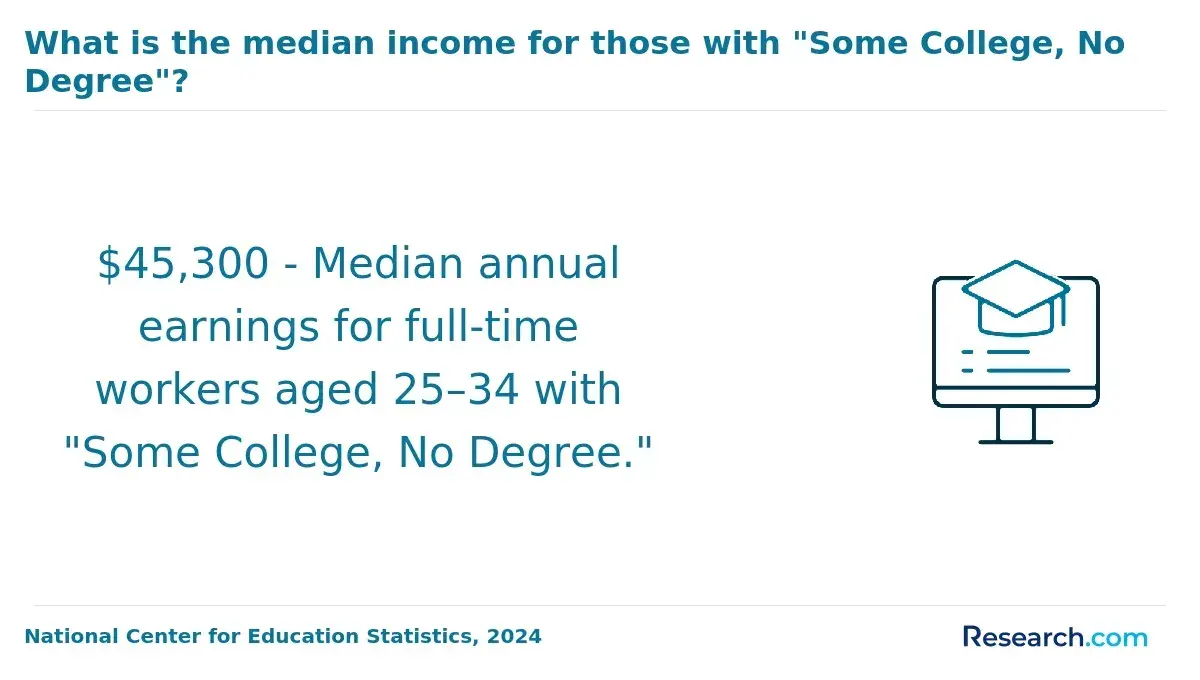
Professionals with a master's degree in Database Management typically earn 15-25% more than those holding only a graduate certificate, according to data from the Bureau of Labor Statistics and Georgetown University's Center on Education and the Workforce. This reflects the advanced knowledge and comprehensive skills gained through extended graduate study.
Industry Impact: The value of a master's degree is most significant in sectors with complex data requirements such as finance, healthcare, and technology. Employers in these fields tend to reward candidates who demonstrate leadership, advanced analytics, and strategic database design expertise, leading to higher salaries for master's holders.
Role Seniority: As careers advance, the earnings gap widens. Senior database architects, data engineers, and IT managers with master's degrees command considerably higher compensation than their counterparts with only certificates, often due to increased responsibilities and leadership roles.
Certificate Efficacy: Graduate certificates focused on emerging fields like cloud database administration or cybersecurity can sometimes match or surpass the earnings of master's degree holders early in a career. These credentials offer a faster, less costly path to specialized skills valuable in high-demand areas.
Return on Investment: Though master's degrees generally result in greater lifetime earnings, graduate certificates offer quicker salary improvements with lower upfront costs and shorter completion times-important factors for those seeking rapid entry or specialization. As of 2024, the demand for specialized certificates in cloud and cybersecurity continues to grow sharply, reinforcing their market relevance.
Which Database Management Career Paths Favor a Master's Degree Over a Graduate Certificate?
Certain database management career tracks distinctly favor a master's degree over a graduate certificate due to the complex responsibilities and academic rigor involved. Leadership, research-intensive roles, and specialized technical positions require the in-depth knowledge and critical thinking that a full master's program provides-beyond the narrower technical focus of a certificate.
- Leadership Positions: Roles like database architect, data manager, or IT director often require a master's degree. Employers look for advanced skills in strategic planning and system design, critical for managing large-scale data operations and teams.
- Research and Development: Jobs focused on innovating data algorithms, analysis techniques, or big data infrastructure favor candidates with a master's degree. This credential offers theoretical grounding and familiarity with emerging methodologies that set these professionals apart.
- Licensure and Certification Requirements: Specialized roles in areas such as database compliance, cybersecurity, or government contracting may mandate a master's degree for eligibility. Licensing boards and professional standards view the degree as evidence of rigorous expertise.
- Promotion and Career Advancement: A master's degree often acts as a formal requirement for advancement to senior or specialty roles within many organizations. Individuals frequently must earn this credential to enter higher responsibility tracks or technical specializations.
According to the U.S. Bureau of Labor Statistics, employment in database administration and related fields is projected to grow by 15% through 2032-outpacing average occupational growth. This trend highlights the increasing value of credentials that combine practical skills with strong theoretical foundations, qualities embedded in master's degree programs.
Which Database Management Career Paths Favor a Graduate Certificate Over a Master's Degree?
Certain database management career paths distinctly favor a graduate certificate over a master's degree-especially when the focus is on swift, practical skill acquisition rather than extensive academic training. Job market data from platforms like LinkedIn Workforce Insights and employer surveys consistently highlight roles where demonstrated technical ability or specific certifications weigh more heavily than broad-based graduate education. This aligns closely with the growing emphasis on career advancement with a graduate certificate in database management, which many professionals use to sharpen practical competencies efficiently.
- Technical Specialist Roles: Positions such as database developers, SQL analysts, or database administrators often prioritize applicants with up-to-date knowledge of particular systems or tools. Employers may favor candidates with targeted graduate certificates that validate immediate, hands-on expertise rather than a comprehensive master's degree that may cover broader topics.
- Working Professionals: Individuals already holding bachelor's or master's degrees in related IT or computer science fields frequently find a graduate certificate more efficient to address specific skill gaps. Pursuing a certificate allows them to quickly update or specialize their competencies without committing time and resources to a full postgraduate degree.
- Career Changers: Those transitioning into database management from other technical or business backgrounds often benefit from the accelerated, focused curriculum of a graduate certificate. This path reduces time-to-entry and emphasizes applied skills that employers recognize as valuable in junior or mid-level database roles.
- Employers Emphasizing Applied Skills: Certain industries-such as tech startups or agile consulting firms-may explicitly prefer candidates demonstrating evidence of current, relevant database management capabilities rather than academic credentials alone. Certificates often signal readiness to contribute immediately to project needs.
- Cost and Time Constraints: For many, the lower cost and shorter duration of graduate certificates deliver better return-on-investment, making them strategically preferable in fast-evolving database management sectors where rapid adaptation is key.
These dynamics echo findings in research on the competency based degree approach, which stresses measurable skills over traditional academic breadth. The best database management career paths for certificate holders reveal this credential's increasing recognition as a viable alternative-or complement-to a master's degree among prospective employers.
Is a Database Management Graduate Certificate Stackable Toward a Master's Degree?
Many accredited institutions offer graduate certificate programs designed to be stackable toward a master's degree in database management or a closely related field. This stackable credential approach allows students to transfer completed graduate certificate credits into a full master's program-potentially reducing both the time and tuition required for the advanced degree. However, stackability depends on institutional policy and is not a universal standard across programs.
Several universities explicitly state that database management graduate certificate credits may transfer toward the master's degree provided certain conditions are met. These typically include a minimum grade requirement-often B or better-a time limit on how long ago certificate courses were completed relative to master's program enrollment, and that both credentials come from the same institution or affiliated university partners.
The stackable database management certificate pathway serves as a valuable option for students who want to assess the program's academic rigor and cost before committing fully. It allows a lower-risk entry point to graduate-level coursework, letting students evaluate workload and fit before advancing to a master's degree.
Key considerations include:
- Institutional Policy: Stackability varies widely between schools and depends on specific policies and agreements.
- Grade Requirements: Certificates must meet minimum grade thresholds for credit transfer.
- Time Limits: Many programs require applying certificate credits within a set time frame.
- Program Alignment: Certificates must align with the master's curriculum and come from the same or an affiliated institution.
- Advising and Confirmation: Students should verify transfer policies with graduate admissions before enrolling.
Prospective learners aiming to bridge database management graduate certificate credits transfer to database management master's programs should confirm stackability with admissions advisors early. For those balancing education and budget considerations, exploring the best affordable online general studies degree programs may provide additional pathways to degree completion and cost savings.
How Do Employers in the Database Management Field Perceive a Master's Degree Versus a Graduate Certificate?
Employer views on a master's degree versus a graduate certificate in database management differ widely based on industry, job function, and the issuing institution's prestige. Data from surveys like the NACE Job Outlook Report and LinkedIn Talent Insights show that in technology and consulting sectors, graduate certificates are often valued-especially when they target specific skills or tools-sometimes equating them to master's degrees for certain mid-level specialist roles.
- Industry Variation: Fields with strict regulation such as finance, healthcare, and government usually prefer master's degrees, seeing them as markers of comprehensive knowledge and rigor. Academic and research roles nearly always require a master's due to advanced study expectations.
- Role Type: Certificates may suffice for technical specialists or project managers when combined with relevant experience, whereas leadership and strategic roles generally demand a master's degree.
- Institution Reputation: The standing of the awarding school greatly influences perceptions-a certificate from a prestigious university can outshine a master's from a less-known program, affecting hiring decisions significantly.
- Professional Growth: Employers acknowledge that master's programs build critical thinking and broad expertise, while certificates focus on practical, job-ready skills. Candidates should match their credential choice to employer demands and career goals.
Can a Database Management Graduate Certificate Help Someone Transition Into the Field From a Different Background?
For professionals shifting careers into database management from unrelated fields, a graduate certificate offers a practical credential that is quicker and more cost-effective than pursuing a full master's degree. Workforce development studies show that these certificates provide streamlined pathways tailored to career changers, featuring accelerated schedules and stackable options that enable focused skill acquisition.
Designed with applied learning at their core, certificate programs encourage students to develop portfolios showcasing database management projects-an essential advantage when seeking employment later. This hands-on emphasis provides tangible proof of expertise that complements the formal credential.
- Accessibility: Certificates require fewer prerequisites and less time, allowing swift entry into database management roles.
- Focused Curriculum: The coursework zeroes in on foundational concepts and practical tools relevant to early-career positions.
- Portfolio Building: Many programs incorporate real-world assignments or capstone projects, boosting employability through demonstrated capabilities.
- Limitations: While certificates open doors for initial transitions, they generally lack the depth and broad recognition necessary for senior or niche roles where master's degrees hold more value.
- Career Advancement: To enhance hiring prospects, certificate holders should pair their credential with applied experience such as internships, freelance projects, or volunteer work in database management.
Ultimately, graduate certificates serve as an effective starting point for career changers-offering quick skill validation-though advancing beyond entry-level roles often requires further education or professional experience.
What Graduates Say About Which Is Better: A Database Management Master's Degree or a Database Management Graduate Certificate
- Aries: "Choosing between a database management master's degree and a graduate certificate really boiled down to time and employer recognition for me. The master's took longer to complete, but employers consistently mentioned that the advanced degree carried more weight during hiring discussions-especially for leadership roles. If you're looking to make a strong career impact quickly, though, the certificate might save time without sacrificing too much."
- Massimo: "I found that cost was the decisive factor in my choice-and I'm glad I went with the graduate certificate. The master's program required a bigger financial commitment and more stringent admission requirements, which made it a tougher route. However, the salary boost post-certificate was still competitive enough to justify the faster, more affordable path, making it a practical option for many."
- Angel: "Reflecting on my experience, the master's degree in database management opened more doors in terms of long-term career utility and salary impact. While admission requirements were tougher and it demanded more time, employers seemed to value the depth of knowledge the master's curriculum provided-giving me a noticeable advantage in negotiations. For those able to invest, the master's is clearly the more professional step forward."
Other Things You Should Know About Database Management Degrees
Online database management master's programs generally offer a more rigorous and comprehensive education than graduate certificates. They typically require more credit hours, encompassing advanced topics, research, and practical projects that enhance depth of knowledge. Graduate certificates focus on specific skills and are seen as shorter, targeted credentials-while both are recognized, employers may favor a master's degree for leadership and specialized roles.
Accreditation is crucial for both credentials because it assures quality and can affect employer recognition, eligibility for financial aid, and transferability of credits. For master's programs, regional accreditation of the institution is generally mandatory to validate the degree's legitimacy. Graduate certificates should also be from accredited schools to ensure the coursework meets industry standards, but accreditation requirements may be less stringent than for master's degrees.
Individuals aiming for advanced technical roles, leadership positions, or academic careers in database management are best suited for a master's degree because of its comprehensive curriculum and wider industry acceptance. Graduate certificates serve well those seeking to quickly enhance specific skills, enter the field with less time and financial investment, or update their existing knowledge. Career changers or working professionals looking for focused training typically favor certificates, whereas recent undergraduates or those pursuing long-term growth may prefer a master's degree.
References
- Graduate Certificate vs. Master’s Degree: What’s the Difference https://www.aiuniv.edu/degrees/business/articles/graduate-certificate-vs-masters-degree
- Difference Between Graduate Certificate and Master's Degree - Rosemont College https://rosemont.edu/whats-the-difference-between-graduate-certificate-and-masters-degree/
- Average Cost of a Master's Degree: 2025 Analysis https://educationdata.org/average-cost-of-a-masters-degree
- Bringing Stackable Credentials into Graduate Degree Programs - The EvoLLLution https://evolllution.com/programming/credentials/bringing-stackable-credentials-into-graduate-degree-programs-2
- What is a Good Master’s in Data Science Salary? | Elmhurst University Blog https://www.elmhurst.edu/blog/masters-in-data-science-salary/
- Database Management Systems Graduate Certificate https://www.towson.edu/fcsm/departments/computerinfosci/grad/database-management-certificate.html
- Database Management Systems MicroMasters® Program https://www.edx.org/masters/micromasters/umbc-database-management-systems
- Best AI Graduate Certificates - AIDegreePrograms.org https://aidegreeprograms.org/rankings/best-ai-graduate-certificates/
- Transitioning into Data Science from a Non-Technical Background https://julienbeaulieu.github.io/2019/05/06/transitioning-into-data-science-non-technical-background/
- What Does it Take to Earn a Master's in Data Science? https://datascienceprograms.com/grad-school/ms-in-data-science-requirements/