
2027 Cheapest Online Cloud Computing Associate Degree Programs That Pay Well: Tuition, Duration, and Career Outcomes

Co-Founder and Chief Data Scientist
Choosing a cheap online cloud computing associate degree is really a cost-versus-career decision: can a low-tuition program help you qualify for IT support, cloud support, networking, or transfer pathways without taking on unnecessary debt? The Bureau of Labor Statistics reports that U.S. computer and IT occupations had a median wage of $105,990 in May 2024, far above the all-occupation median.
This guide helps budget-conscious students compare tuition, duration, accreditation, transfer value, and realistic career outcomes before enrolling.
Key Things You Should Know
- Community colleges often provide the lowest tuition: the College Board reported average public two-year in-district tuition and fees of about $4,050 for 2024-2025, but online cloud programs can cost more after technology fees, books, certification exams, and nonresident rates.
- The associate degree is strongest for entry-level roles such as help desk technician, cloud support associate, network support specialist, or junior systems technician; higher-paying cloud engineering and cybersecurity roles often require experience, certifications, or a bachelor's degree.
- ROI depends on total completion cost, credits accepted in transfer, time to graduation, and local wages; the cheapest advertised tuition is not always the best value if the program has weak transfer pathways or limited hands-on cloud labs.
Which Are the Cheapest Online Cloud Computing Associate Degree Programs That Lead to Well-Paying Careers?
The cheapest online cloud computing associate degrees are usually offered by public community colleges, especially when students qualify for in-district or in-state tuition. A cloud computing associate degree is typically an AAS, AS, or applied IT degree that covers networking, Linux or Windows administration, virtualization, cloud platforms, scripting, cybersecurity basics, and technical support.
The table below compares affordable U.S. programs that publicly position their coursework around cloud computing, cloud infrastructure, cloud support, virtualization, or closely related IT infrastructure skills. Tuition estimates are approximate and should be verified with each school because residency rules, fees, books, and certification exam costs can change the final bill.
| School | Online cloud-related associate option | Typical credits | Published low resident tuition basis | Estimated tuition before fees | Best-fit career direction |
| Dallas College | AAS in Cloud Computing | About 60 | Low in-district community college rate | About $4,700+ | Cloud support, help desk, network support |
| Wake Technical Community College | AAS in Cloud Infrastructure | About 65-70 | North Carolina in-state community college tuition | About $5,000-$5,500+ | Cloud infrastructure support, systems support |
| Central Piedmont Community College | AAS in Cloud and Virtualization Technologies | About 65-70 | North Carolina in-state community college tuition | About $5,000-$5,500+ | Virtualization, cloud support, IT operations |
| Forsyth Technical Community College | AAS in Cloud and Virtualization Technologies | About 65-70 | North Carolina in-state community college tuition | About $5,000-$5,500+ | Systems support, network support, cloud technician roles |
| Rio Salado College | Associate-level computer technology pathways with cloud coursework | About 60+ | Maricopa County resident tuition basis | About $6,000+ | IT support, cloud fundamentals, transfer preparation |
| Sinclair Community College | Cloud computing or cloud-focused IT associate pathway | About 60+ | Ohio resident or local tuition basis | About $8,000+ | Cloud support, networking, help desk |
| Northcentral Technical College | IT associate options with cloud-focused technical coursework | About 60+ | Wisconsin Technical College resident tuition basis | About $9,000+ | Cloud developer support, IT technician, junior admin roles |
For most students, the best low-cost program is not simply the one with the smallest tuition estimate. It is the program that combines low net cost, recognized accreditation, hands-on labs, industry certification alignment, employer-relevant projects, and credits that can transfer into a bachelor's degree if career goals grow beyond entry-level support.
Students should also compare degree type. An AAS usually emphasizes direct employment and technical labs, while an AS or AA may be better if the goal is to transfer into a bachelor's program later. If you want broader software, systems, or theoretical computing preparation rather than a cloud-support pathway, comparing the cheapest online computer science degree can help you understand the longer-term bachelor's route.
How Much Does an Online Cloud Computing Associate Degree Cost?
An online cloud computing associate degree can cost only a few thousand dollars at a public community college for residents, but the final price depends on more than tuition per credit. The College Board's 2024-2025 pricing data shows that public two-year in-district tuition and fees averaged about $4,050, which makes community colleges one of the most affordable entry points into IT education.
To compare programs fairly, calculate the full cost of completion rather than relying on the advertised per-credit rate. These are the major cost items to request from each school before applying:
- Tuition for all required credits, including general education, technical courses, and any required electives.
- Mandatory fees such as online course fees, technology fees, student service fees, lab fees, and graduation fees.
- Books, cloud lab platforms, simulation software, proctoring costs, and hardware upgrades if your current computer does not meet program requirements.
- Certification exam costs if the curriculum prepares for credentials such as AWS Certified Cloud Practitioner, Microsoft Azure Fundamentals, CompTIA A+, Network+, Security+, or Linux+ but does not include exam vouchers.
- Extra cost from retaking courses, attending part-time for longer than planned, or paying nonresident tuition.
The table below shows how quickly the total price can shift depending on residency and fees. Use it as a budgeting framework, not as a substitute for a written cost estimate from the college.
| Cost scenario | Likely tuition pattern | What it means for students |
| Lowest-cost resident community college | Often about $5,000-$8,000 before books and fees for a 60-70 credit program | Best financial value when the program is accredited, fully online, and aligned with local IT jobs or transfer pathways. |
| Online public college with higher nonresident tuition | May be significantly higher than resident pricing | Can still be worthwhile if the program offers strong flexibility, but students should compare it against local community college options first. |
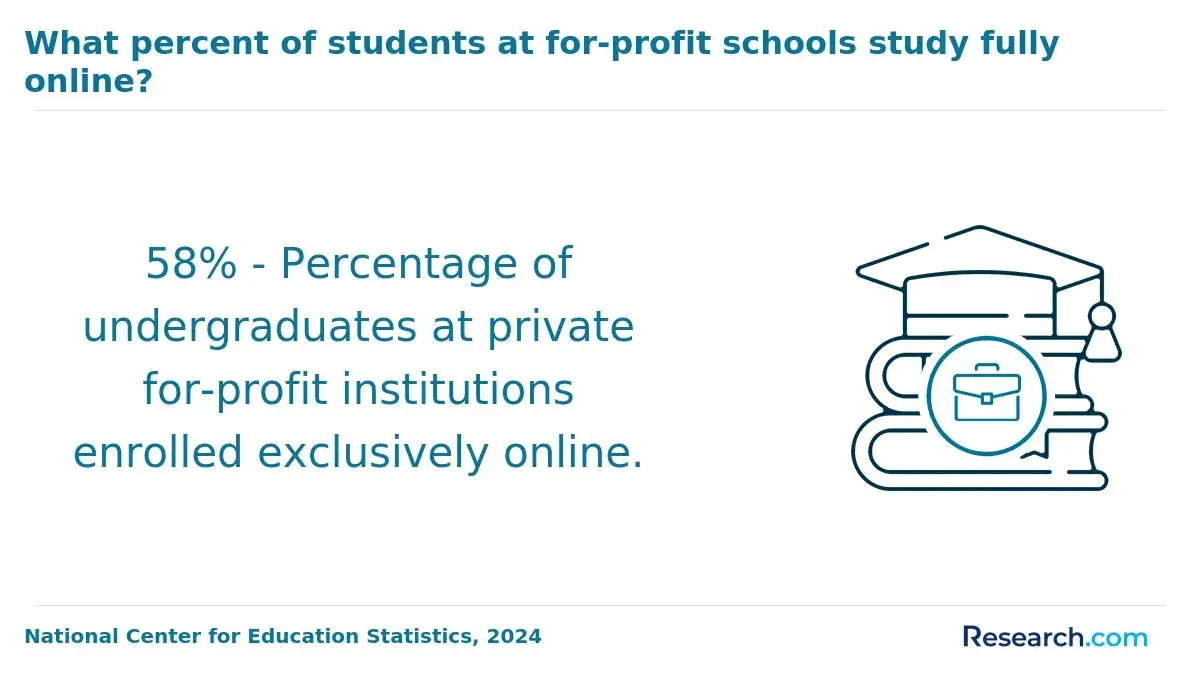
| Private or for-profit online institution | Often higher total tuition, though pricing varies by school | May offer convenience or accelerated terms, but students should verify accreditation, transfer acceptance, and total debt risk carefully. |
| Low tuition with high added fees | Advertised tuition appears inexpensive, but fees raise the final bill | A common affordability trap; ask for a program-level cost sheet before enrolling. |
A practical rule is to compare net cost after grants, scholarships, employer assistance, and transfer credits. A $9,000 program with strong credit transfer and included certification vouchers may be a better value than a $6,000 program that requires extra exams, repeated courses, or a later restart at another institution.
How Long Does It Take to Complete an Online Cloud Computing Associate Degree?
Most online cloud computing associate degrees require about 60 to 70 credits. Full-time students commonly finish in about two years, while part-time students often need three years or more depending on course load, term length, work schedule, and whether developmental or prerequisite courses are required.
The table below shows how pacing affects completion time and cost planning. Faster is not always better; the right pace is the one you can complete without withdrawing, retaking courses, or sacrificing the hands-on practice needed for technical jobs.
| Enrollment pace | Typical completion time | Financial value | Best for |
| Full-time | About 18-24 months | Can move students into job searches faster and reduce the number of terms paying fees | Students with stable schedules and enough weekly study time for labs |
| Part-time | About 30-48 months | Spreads tuition over more terms but may delay earnings from a new IT role | Working adults, caregivers, and students using employer tuition assistance |
| Accelerated or compressed terms | Potentially under two years if courses are available year-round | Can improve ROI if the student can handle a heavier workload | Students with prior IT experience or transfer credits |
| Stackable certificate-to-degree pathway | Varies by certificate sequence | Allows students to earn a shorter credential first and continue into the associate degree | Career changers who want employable skills before finishing all degree requirements |
Online learning can improve scheduling flexibility, but it does not remove the time required for labs, troubleshooting, scripting, and cloud platform practice. Before choosing an accelerated schedule, ask whether key courses are offered every term and whether prerequisites could delay graduation.
An associate degree in cloud computing can prepare students for entry-level IT roles, but the highest cloud salaries usually come after experience, certifications, and sometimes a bachelor's degree. The BLS does not maintain a separate "cloud computing associate degree graduate" salary category, so the best comparison is to look at related U.S. computer and IT occupations.
The table below uses May 2024 BLS wage data and current federal occupational categories. Treat these as labor-market benchmarks, not as starting-salary promises for new associate degree graduates.
| Career path | May 2024 median wage | Associate degree fit | Important limitation |
| Computer network support specialist | About $76,060 | Strong fit for graduates with networking, troubleshooting, and cloud infrastructure labs | Entry-level wages may be lower, and employers may request certifications or experience. |
| Computer user support specialist | About $60,340 | Common first IT role for associate graduates | Can be a stepping stone into cloud, networking, or cybersecurity work. |
| Network and computer systems administrator | About $96,800 | Possible with experience, internships, and strong technical skills | Many employers prefer experience or a bachelor's degree for administrator roles. |
| Database administrator or architect | About $104,620 | Possible long-term pathway if the program includes databases, scripting, and cloud data services | Often requires deeper specialization beyond the associate degree. |
| Information security analyst | About $124,910 | Related pathway for students who add security skills and credentials | Most analyst roles require experience, and many employers prefer bachelor's-level preparation. |
Cloud computing overlaps heavily with networking and cybersecurity because cloud environments require secure identity management, monitoring, access control, and incident response. Students who want to strengthen that side of their profile can use a focused cyber security course to build targeted skills while completing or after finishing the associate degree.
The safest salary interpretation is conservative: expect the associate degree to help you compete for entry-level support and junior infrastructure roles, then use experience, certifications, and possibly a bachelor's degree to move toward higher-paying cloud administrator, cloud security, or cloud engineering positions.
The best ROI usually comes from programs with low net tuition, high completion probability, strong hands-on cloud labs, recognized accreditation, and clear transfer options. A very cheap program can produce weak ROI if it takes too long to finish, does not prepare students for realistic jobs, or leaves credits that will not transfer.
The table below compares the tuition-to-wage context using BLS May 2024 median wages for support roles commonly aligned with associate-level IT preparation. It does not predict individual earnings, but it helps show why keeping debt low matters.
| Estimated total tuition before aid | Approximate share of $60,340 user support median wage | Approximate share of $76,060 network support median wage | ROI interpretation |
| $5,000 | About 8% | About 7% | Potentially strong if the student completes on time and gains employable lab experience. |
| $10,000 | About 17% | About 13% | Still reasonable for many students, especially with grants or transfer value. |
| $20,000 | About 33% | About 26% | Requires closer review of aid, debt, job placement support, and transfer outcomes. |
| $35,000+ | More than half of the user support median wage | Nearly half of the network support the median wage | Higher risk for associate-level outcomes unless the student receives substantial aid or employer funding. |
To estimate ROI for your own situation, use a simple comparison before enrolling. This process is especially useful when two programs appear similar but differ in fees, transfer credits, or completion speed:
- Calculate total program cost by multiplying required credits by tuition per credit, then add mandatory fees, books, cloud labs, equipment, and certification exams.
- Subtract grants, scholarships, employer tuition assistance, military benefits, and accepted transfer credits to estimate net cost.
- Compare net cost with realistic local entry-level wages for help desk, cloud support, network support, or junior systems roles.
- Ask whether the credits transfer into a bachelor's degree, because transfer value can improve long-term ROI even if the associate degree is not the final credential.
- Review whether the program includes career services, internship options, virtual labs, certification preparation, and portfolio projects that can strengthen job applications.
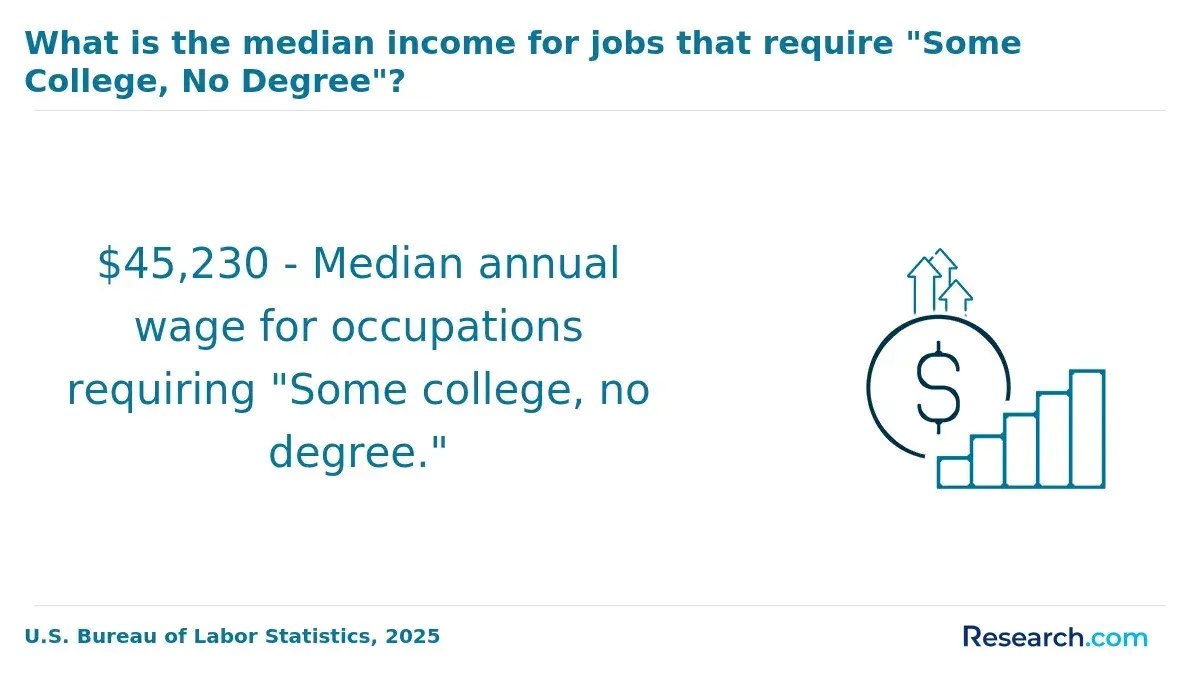
Students should be careful not to confuse median occupational wages with likely first-job salaries. A low-cost associate degree can be worthwhile, but it should be treated as the beginning of an IT career path rather than a direct ticket to senior cloud engineering pay.
Financial aid can turn an already low-cost community college program into a much stronger investment. For the 2024-2025 award year, the maximum Federal Pell Grant was $7,395, which can cover a large portion of tuition at many public two-year colleges for eligible students.
Students should look beyond federal loans and ask each school which aid sources can be applied to online cloud computing courses. The most useful options often include the following:
- Federal Pell Grants for eligible undergraduate students who have not already earned a bachelor's degree.
- State grants and workforce training funds, especially for high-demand IT, cybersecurity, networking, and cloud infrastructure programs.
- Institutional scholarships from community colleges, foundations, alumni groups, or department-level technology funds.
- Employer tuition assistance or reimbursement for students already working in IT support, customer service, operations, or technical roles.
- Military, veteran, and dependent education benefits when the program is approved for benefit use.
- Credit for prior learning, industry certifications, military training, or previous college coursework, if accepted by the institution.
Ask the financial aid office for a net price estimate based on your residency, enrollment pace, and aid eligibility. Also ask whether dropping below half-time enrollment, withdrawing from a course, or repeating a failed class could reduce aid or create a repayment obligation.
Accreditation is one of the most important safeguards when choosing a cheap online cloud computing associate degree. Institutional accreditation affects federal financial aid eligibility, credit transfer, employer recognition, and admission into bachelor's-completion programs.
Program quality also matters because cloud jobs are skill-based. A strong low-cost program should give students repeated practice with real or simulated cloud environments, networking, identity and access management, Linux or Windows administration, scripting basics, troubleshooting, and documentation.
Use this checklist to separate genuine value from low-price marketing:
- Verify institutional accreditation through recognized U.S. accrediting bodies and confirm that the school is eligible for federal student aid.
- Check whether the degree is an AAS, AS, or AA and whether that structure matches your employment or transfer goal.
- Ask whether cloud courses align with current platforms such as AWS, Microsoft Azure, Google Cloud, virtualization tools, or enterprise networking concepts.
- Review whether the program includes labs, capstone projects, internships, apprenticeships, or portfolio assignments that can be discussed in interviews.
- Confirm whether credits transfer to public universities or online bachelor's-completion programs before assuming the degree will apply later.
- Look for transparent graduation, retention, licensure if applicable, and job-support information rather than relying only on rankings or promotional claims.
Students drawn to cloud security roles should also compare how much security coursework is included. If the program is light on security but your goal is threat monitoring or cloud security operations, a cybersecurity degree online may be a better long-term fit than a general cloud associate program.
Before choosing an accelerated option, examine whether the speed is real or just marketing. These questions can reveal whether the schedule will actually help you finish sooner:
- Are core cloud, networking, and systems courses offered every term, or only once per year?
- Can students complete labs remotely, or are any campus visits required?
- Does the program accept transfer credits, prior learning, military training, or current IT certifications?
- Are there eight-week, five-week, summer, or year-round course options?
- Can students earn a certificate first and continue into the associate degree without losing credits?
- Are advising and technical support available outside normal business hours?
If speed is a top priority and you are comparing technology pathways, reviewing how accelerated programs are structured in the fastest cyber security degree can also help you understand the trade-offs between shorter timelines, heavier workloads, and career preparation.
Yes, but the path depends heavily on degree type and transfer agreements. An AAS is often designed for direct employment, while an AS or AA is more commonly structured for transfer. Some AAS credits transfer well into applied bachelor's programs, but others may count only as electives.
Students should ask about transfer before enrolling, not after graduation. The most important transfer questions include:
- Does the college have articulation agreements with public universities or online bachelor's-completion programs?
- Will technical cloud, networking, and systems courses count toward the bachelor's major or only as electives?
- Is there a maximum number of community college credits the receiving university will accept?
- Will industry certifications or prior learning credits transfer to the bachelor's program?
- Does the associate curriculum include the math, writing, science, and general education courses required by the receiving institution?
For career advancement, the associate degree can support movement from general customer service or nontechnical roles into help desk, IT support, cloud support, or network support. Advancement into cloud administrator, cloud engineer, DevOps, systems administrator, or security analyst roles usually requires additional experience, vendor certifications, advanced projects, or a bachelor's degree.
The best long-term plan is often a stackable pathway: earn the associate degree at low cost, enter IT employment, continue earning certifications, and transfer into a bachelor's program if the target role requires broader preparation.
How Should Students Choose the Cheapest Online Cloud Computing Associate Degree for Their Career Goals?
Start with your target outcome, then work backward to the cheapest credible pathway. A student who wants a first IT support job may need a different program than a student planning to transfer into a bachelor's degree in cloud computing, cybersecurity, computer science, or information technology.
Use this step-by-step process to compare low-cost programs in a way that protects both your budget and your career options:
- Define your target role, such as help desk technician, cloud support associate, network support specialist, junior systems technician, or transfer student.
- Check job postings in your region to see whether employers request an associate degree, bachelor's degree, certifications, experience, or a mix of credentials.
- Calculate total net cost, including tuition, fees, books, labs, certification exams, equipment, and lost transfer credits.
- Verify institutional accreditation and confirm federal aid eligibility before applying.
- Compare curriculum quality by looking for cloud labs, networking, Linux or Windows administration, scripting, cybersecurity basics, and capstone projects.
- Ask whether the program prepares for industry certifications and whether exam vouchers are included in tuition or charged separately.
- Confirm online delivery details, including synchronous meeting times, proctored exams, required campus visits, and technical support hours.
- Review transfer agreements if there is any chance you will pursue a bachelor's degree later.
- Compare completion time and course availability, because delayed graduation can weaken ROI even when tuition is low.
- Choose the lowest-cost program that still meets your accreditation, skill-building, schedule, and transfer requirements.
Common mistakes can make a cheap degree more expensive than expected. Watch for these red flags before committing:
- Choosing the lowest advertised tuition without asking for total program cost.
- Assuming online study is always cheaper than campus study after fees are included.
- Ignoring residency rules that make an out-of-state online program much more expensive.
- Assuming an associate degree qualifies graduates for jobs that commonly require a bachelor's degree.
- Confusing median occupational wages with entry-level pay.
- Overlooking certification exam costs or assuming vouchers are included.
- Failing to verify transfer policies before choosing an AAS degree.
- Selecting a program with weak labs, outdated cloud content, or unclear employer alignment.
A low-cost associate degree is most worthwhile when it fits a realistic near-term job target and preserves future options. If your goal is security-heavy cloud work, compare cloud curricula with cybersecurity pathways before enrolling so you do not have to backtrack later.
Other Things You Should Know About Cloud Computing
Usually, you need a reliable computer, high-speed internet, and enough memory to run browsers, remote labs, productivity software, and sometimes virtual machines. Many cloud labs run through web-based platforms, but you should still ask the school for exact hardware and software requirements before enrolling.
Most programs include at least some scripting or introductory programming because cloud work often involves automation, command-line tools, and configuration files. You usually do not need to be an advanced programmer to start, but comfort with logic, troubleshooting, and basic code is helpful.
Some programs align courses with vendor certifications, but exam vouchers are not always included in tuition. Ask whether the curriculum prepares for specific credentials, whether exams are required for graduation, and who pays the exam fees.
It may, depending on the college. Some schools award credit for prior learning, military training, industry certifications, or previous college coursework, but policies vary. Request an official transfer or prior-learning evaluation before assuming credits will apply.
- Cloud Computing Course in Canada: Careers & Salary Guide https://thecanadiancollege.ca/cloud-computing-course-in-canada-careers-salary-guide/
- Cloud Computing Career | Learning People https://www.learningpeople.com/uk/career-insights/career-paths/cloud-computing/
- 19 Must Have Cloud Computing Skills for 2025 https://www.icertglobal.com/blog/19-must-have-cloud-computing-skills-for-2025-blog
- How Long Does It Take to Become a Cloud Engineer? https://nareshit.com/blogs/how-long-does-it-take-to-become-a-cloud-engineer
- The Best Cloud Computing Certifications of 2024 | CompTIA Blog https://www.comptia.org/en/blog/the-best-cloud-computing-certifications-of-2024/
- Associate Cloud Engineer Certification | Google Skills https://www.skills.google/paths/11
- Cloud Computing Careers - Careers Guide https://www.youthemployment.org.uk/careers-hub-job-role/cloud-computing-careers/
- How long does it take to complete an IT program? | WCC - Western Community College https://wcc.ca/blog/how-long-does-it-take-to-complete-an-it-program/
- The Pay Scale of Cloud Computing Professionals: A Comprehensive Overview https://www.test-king.com/blog/the-pay-scale-of-cloud-computing-professionals-a-comprehensive-overview/
- 2025 Most Affordable Online Associate Degrees in Computer Science https://www.onlineu.com/most-affordable-colleges/computer-science-associate-degrees


