2027 Cheapest Accredited Online Gender & Sexuality Studies Degree Programs That Accept FAFSA

Co-Founder and Chief Data Scientist
Finding a low-cost online gender and sexuality studies degree is not just about the lowest tuition. It is about whether the program is accredited, FAFSA-eligible, transfer-friendly, and aligned with your career goals. The Federal Student Aid office lists the maximum Pell Grant at $7,395 for the 2024-25 award year, which can meaningfully reduce out-of-pocket costs for eligible students.
This guide helps prospective undergraduates, transfer students, adult learners, and career changers compare affordable options, understand real net cost, and avoid choosing a program that looks cheap but leads to unnecessary debt.
Key Things You Should Know
- The lowest published online tuition is not always the lowest net price; FAFSA-based grants, state aid, scholarships, transfer credits, fees, and residency rules can change the final cost significantly.
- For the 2024-25 award year, the maximum federal Pell Grant is $7,395, while annual federal Direct Loan limits for dependent undergraduates generally range from $5,500 to $7,500 by year in school.
- Gender and sexuality studies degrees most often support careers in advocacy, nonprofit work, education support, HR, policy, research assistance, communications, and social services rather than one single licensed occupation.
Which Are the Cheapest Accredited Online Gender & Sexuality Studies Degree Programs That Accept FAFSA?
The cheapest accredited online gender and sexuality studies programs are usually public university bachelor's degrees with institutional accreditation and Title IV federal student aid participation. Program titles vary: many schools use names such as women's, gender, and sexuality studies; women and gender studies; or interdisciplinary studies with a gender studies concentration.
The table below compares affordable online bachelor's options that are commonly relevant to this field. Tuition can change by term, and financial aid eligibility depends on the student, degree status, enrollment intensity, and school confirmation, so use the figures as a starting point for comparison rather than a final bill.
| School | Online program | Institutional accreditation | Published online undergraduate tuition signal | FAFSA relevance | Best fit |
| University of Central Florida | BA in Women's and Gender Studies | SACSCOC | Low in-state tuition; substantially higher out-of-state tuition | Institution participates in federal student aid; students should confirm program-level eligibility | Florida residents seeking one of the lowest public-university tuition paths |
| Florida International University | BA in Women's and Gender Studies | SACSCOC | Low in-state online tuition; higher nonresident tuition | Institution participates in federal student aid; students should confirm degree-seeking eligibility | Students who want a large public university with strong online infrastructure |
| Oregon State University Ecampus | BA or BS in Women, Gender, and Sexuality Studies | NWCCU | Flat-rate online tuition that can be competitive for nonresidents | Institution participates in federal student aid; FAFSA eligibility depends on admission and enrollment status | Out-of-state students who want predictable online pricing |
| University of Louisville | Women's, Gender and Sexuality Studies online degree option | SACSCOC | Online undergraduate tuition is typically mid-range among public options | Institution participates in federal student aid; students should verify aid for the specific online program | Students who value applied social justice, community, or policy coursework |
| Arizona State University Online | BA in Women and Gender Studies | HLC | Often higher than low-cost public in-state options but broadly accessible online | Institution participates in federal student aid; eligibility depends on FAFSA and enrollment status | Students who prioritize scale, course availability, and flexible online scheduling |
The best first move is to request each school's official cost of attendance and financial aid estimate. A program with higher published tuition may still be cheaper for you if it accepts more transfer credits, offers stronger institutional grants, or lets you finish faster.
How Does FAFSA Eligibility Work for Online Gender & Sexuality Studies Degree Programs?
FAFSA eligibility means the school participates in federal student aid programs and the student is enrolled in an eligible degree or certificate program. It does not mean every student receives a grant, and it does not mean the entire degree will be covered.
Students should verify FAFSA eligibility in a specific order because online programs can differ from campus programs in tuition, enrollment rules, and aid packaging.
- Confirm that the institution has a valid federal school code and participates in Title IV aid.
- Ask whether the specific online gender and sexuality studies degree is an aid-eligible program, not just whether the university accepts FAFSA.
- Check the minimum credit load required for grants, loans, and scholarships because half-time enrollment rules often matter.
- Ask whether online students qualify for the same institutional scholarships, state grants, and emergency aid as campus students.
- Request a written cost-of-attendance estimate that includes tuition, required fees, books, technology costs, and any residency-based pricing differences.
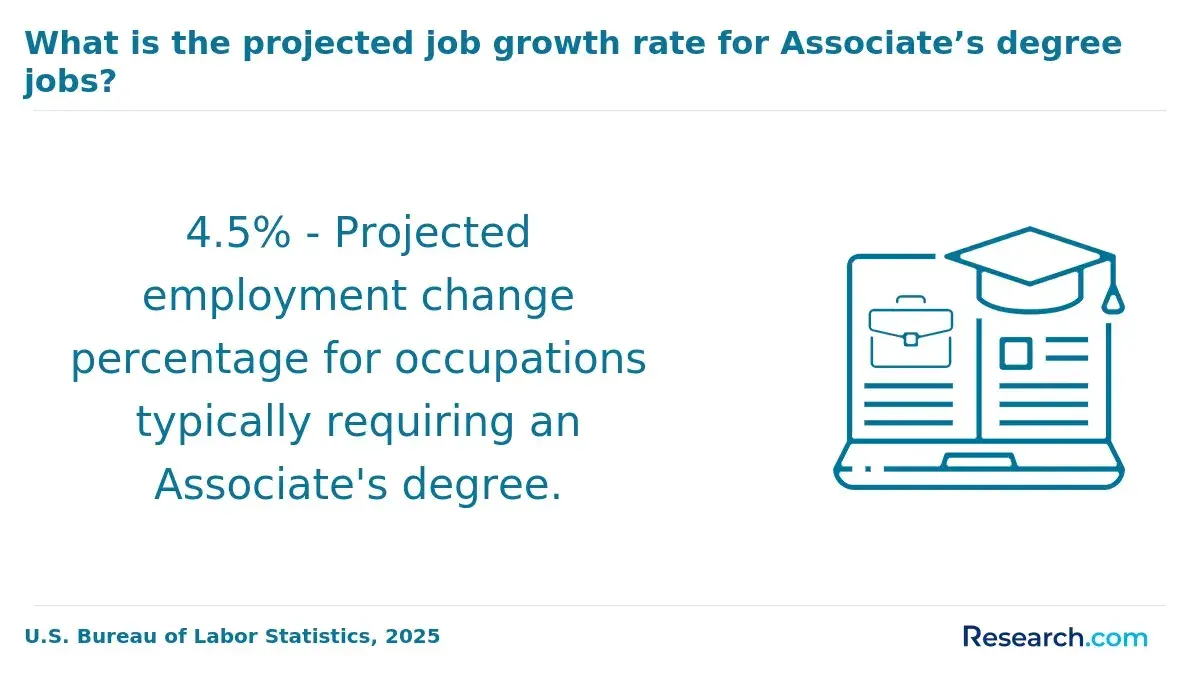
A common mistake is assuming that FAFSA participation equals free college. FAFSA is the application gateway for federal grants, loans, and work-study, but the actual package depends on financial need, dependency status, enrollment level, satisfactory academic progress, prior aid use, and school funding.
How Much Does an Online Gender & Sexuality Studies Degree Cost After Financial Aid?
The cost after financial aid is your net price: total cost of attendance minus grants and scholarships. Loans can help cover the bill, but they do not reduce the cost because they must be repaid with interest.
The table below shows how the major cost components affect what students actually pay for an online gender and sexuality studies degree. This matters because two schools with similar tuition can produce very different out-of-pocket costs.
| Cost or aid factor | How it affects net cost | What to ask before enrolling |
| Tuition per credit | Usually the largest direct cost and may vary by residency or online campus | Is the rate locked, and does it differ for in-state and out-of-state students? |
| Required fees | Technology, distance learning, student services, graduation, or course fees can raise the final bill | Which fees are mandatory for online students? |
| Pell Grant | For eligible students, the 2024-25 maximum award is $7,395 | What is my estimated grant eligibility based on my FAFSA submission? |
| State grants | May reduce cost substantially for residents, but availability can depend on state, school, and enrollment status | Do online students qualify for my state's grant programs? |
| Transfer credits | Accepted credits reduce the number of courses you must pay for | How many credits will apply to the major, general education, and electives? |
| Federal loans | Can cover remaining costs but increase future repayment obligations | How much would I borrow for the full degree if grants do not cover the balance? |
Students comparing gender studies programs may also want to benchmark prices against the broader cheapest online degrees, because the most affordable path may be a related interdisciplinary degree in sociology, public policy, psychology, or human services with gender and sexuality coursework.
Which Affordable Online Gender & Sexuality Studies Degree Programs Offer the Best Value?
The best-value program is not automatically the one with the lowest tuition. Value comes from the combination of accreditation, total net price, transfer acceptance, course availability, faculty support, internship access, and career relevance.
The comparison below frames value by student situation. This is more useful than a single universal ranking because FAFSA aid, residency, and transfer credits can change which school is cheapest for a specific person.
| Student situation | Likely best-value option | Why it may offer stronger value | Potential drawback to check |
| Florida resident with limited transfer credits | UCF or FIU | Public in-state tuition can produce a low starting cost before grants | Out-of-state pricing may be much less competitive |
| Nonresident student comparing public universities | Oregon State University Ecampus | Flat online tuition can simplify cost planning across state lines | Total cost still depends on accepted transfer credits and fees |
| Student needing high course availability | Arizona State University Online | Large online catalog may make scheduling easier for working adults | Published tuition may be higher than lower-cost public alternatives |
| Student focused on advocacy or community work | University of Louisville or similar applied programs | Course themes may align with nonprofit, policy, and social justice goals | Internship and field experience options should be verified for online students |
| Transfer student with many completed credits | The school that applies the most credits toward graduation | Finishing fewer credits can beat a lower per-credit price | Some credits may transfer only as electives and not shorten the degree |
Students who already know they want management or nonprofit leadership roles should also compare undergraduate affordability with future graduate costs; for example, some eventually evaluate the best organizational leadership master's programs to build supervisory, HR, or program management skills after completing a bachelor's degree.
Are the Cheapest Online Gender & Sexuality Studies Degree Programs Properly Accredited?
The cheapest online gender and sexuality studies degree is only worth considering if the institution is properly accredited. For federal financial aid, the key requirement is institutional accreditation by an agency recognized by the U.S. Department of Education, along with Title IV participation.
Programmatic accreditation is generally not the central issue for gender and sexuality studies in the way it is for nursing, social work, counseling, or teacher preparation. However, accreditation still matters for credit transfer, graduate school admission, employer recognition, and federal aid access.
Before applying, use this verification checklist to avoid wasting money on a program that may not meet your goals.
- Search the school in the U.S. Department of Education's Database of Accredited Postsecondary Institutions and Programs.
- Confirm that the accreditor listed is institutional and currently recognized.
- Check the school's financial aid page for Title IV participation and a federal school code.
- Ask admissions whether the exact online degree, not just the institution, is eligible for federal aid.
- Review whether credits from the program are commonly accepted by graduate schools or partner institutions.
Red flags include vague accreditation language, pressure to enroll before receiving a written aid estimate, unclear tuition disclosures, no public transfer policy, or promises that a degree will automatically lead to a specific job. Legitimate schools can explain accreditation, aid eligibility, and total cost in writing.
What FAFSA Grants and Federal Aid Can Pay for an Online Gender & Sexuality Studies Degree?
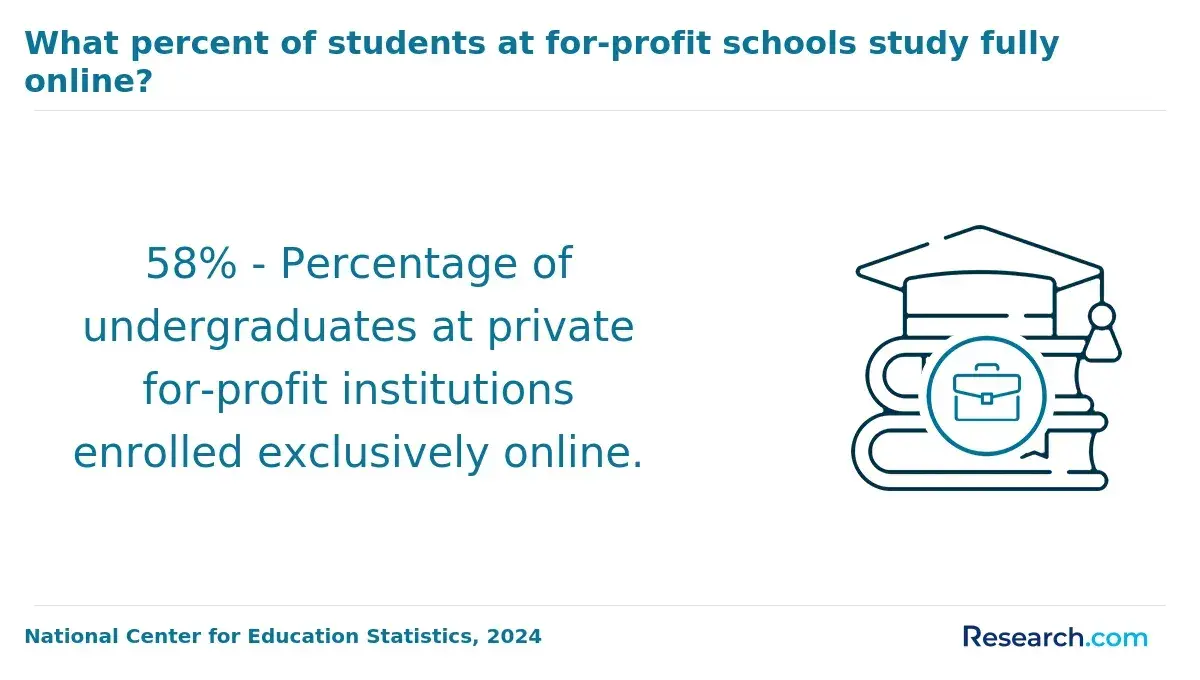
Federal student aid can make an accredited online gender and sexuality studies degree more affordable, but the type of aid matters. Grants and scholarships reduce cost; loans postpone payment and add repayment obligations.
The main FAFSA-linked aid sources include the following. Students should prioritize gift aid before borrowing and should ask each school how aid changes for part-time enrollment.
- Federal Pell Grant: Need-based grant aid for eligible undergraduates, with a maximum of $7,395 for the 2024-25 award year.
- Federal Supplemental Educational Opportunity Grant: Campus-based grant aid for students with exceptional financial need, available only at participating schools with limited funds.
- Federal Direct Subsidized Loan: Need-based loan for eligible undergraduates where the government pays interest during certain periods.
- Federal Direct Unsubsidized Loan: Federal loan available to eligible students regardless of need, with interest accruing from disbursement.
- Federal Work-Study: Part-time work funding at participating schools, though online students should confirm whether remote or local placements are available.
- State and institutional aid: Scholarships or grants that may require residency, full-time enrollment, GPA renewal, or a separate application.
The biggest mistake is using the full loan amount just because it is offered. Borrow only what is necessary after grants, scholarships, employer tuition assistance, and transfer credit savings are counted.
How Do Transfer Credits Lower the Cost of an Online Gender & Sexuality Studies Degree?
Transfer credits can be the fastest way to reduce the cost of an online gender and sexuality studies degree. If a bachelor's program requires about 120 credits, every accepted credit that applies to graduation can reduce tuition, fees, and time to completion.
The key phrase is "applies to graduation." A school may accept a course as elective credit without letting it satisfy general education, major, or upper-division requirements. That can make the transfer evaluation look generous while still leaving you with many credits to complete.
Use these steps before committing to a school:
- Send official transcripts before enrollment and request a written preliminary transfer evaluation.
- Ask how many credits apply to general education, the gender and sexuality studies major, upper-division requirements, and free electives.
- Confirm the school's maximum transfer allowance from community colleges and four-year institutions.
- Ask whether prior learning, military training, exams, or professional certifications can count for credit.
- Compare the number of remaining credits, not just the tuition per credit, across schools.
Students planning a long academic path should be especially careful with transfer choices. If you later pursue graduate study or even a PhD online, regionally accepted undergraduate credits and a clear transcript can matter more than saving a small amount upfront at a poorly recognized institution.
Which Students Benefit Most From a Low-Cost Online Gender & Sexuality Studies Degree With FAFSA?
A low-cost FAFSA-eligible online gender and sexuality studies degree is best for students who need flexibility, want to limit debt, and are aiming for careers where interdisciplinary knowledge about identity, equity, policy, communication, and social systems is useful.
The strongest fit is usually students who can connect the degree to a practical skill set. That means pairing gender and sexuality studies coursework with writing, research, data literacy, nonprofit administration, HR, public policy, education support, social services, communications, or community outreach.
These students often benefit most from the low-cost online format:
- Transfer students who already completed general education credits and need an affordable degree-completion path.
- Working adults who need asynchronous or flexible classes to avoid leaving the labor market.
- Students preparing for nonprofit, advocacy, DEI, communications, public policy, or community program roles.
- Students planning graduate study in social work, counseling, law, public administration, education, psychology, or public health.
- Students who qualify for Pell Grants, state aid, employer assistance, or tuition reimbursement.
Students who want a direct clinical career should compare alternatives carefully. For example, someone focused on youth mental health may eventually need a graduate clinical pathway such as a masters in child psychology, counseling, social work, or school psychology rather than relying on a gender studies bachelor's alone.
How Does the Cost of an Online Gender & Sexuality Studies Degree Affect Career ROI?
Career ROI depends on how much you pay, how much you borrow, how quickly you finish, and whether the degree connects to a realistic career path. Gender and sexuality studies can support many fields, but it is not a single-track professional license like nursing or accounting.
One useful benchmark is the U.S. Bureau of Labor Statistics May 2024 median annual wage for social and community service managers, which was $78,240. That role usually requires experience and often rewards management skills, so students should view the figure as a long-term reference point rather than an entry-level promise.
To think about ROI, compare total borrowing with likely career stage. A student who graduates with low debt and uses the degree for nonprofit program coordination, HR, policy research, education support, or communications may have more flexibility than a student who borrows heavily for the same credential without a clear career plan.
A more expensive program may be worth choosing when it offers a faster completion path, stronger transfer acceptance, better advising, more relevant internships, or clearer graduate-school preparation. It may not be worth it if the higher cost only buys brand recognition without improving completion, skills, or career access.
Students interested in leadership roles should also consider whether a later graduate credential is part of the plan. For instance, some professionals in advocacy, higher education, HR, or nonprofit administration eventually compare options such as a doctorate in organizational leadership, but that decision should come after carefully managing undergraduate debt.
How Should Students Choose the Cheapest FAFSA-Eligible Online Gender & Sexuality Studies Degree?
Choosing the cheapest FAFSA-eligible online gender and sexuality studies degree should be a cost-and-fit decision, not a tuition-only decision. The right program is accredited, affordable after aid, flexible enough to complete, and relevant to your next step.
Use this decision process before enrolling. It helps separate genuinely affordable programs from programs that simply advertise a low price.
- Verify institutional accreditation and Title IV federal aid participation.
- Confirm that the exact online degree is FAFSA-eligible for degree-seeking students.
- Request a full cost-of-attendance estimate, including tuition, fees, books, technology costs, and graduation charges.
- Submit transcripts early and compare remaining credits required at each school.
- Ask for an estimated financial aid package before making a deposit.
- Calculate how much you would need to borrow for the entire degree, not just the first term.
- Compare course format, internship access, faculty advising, and time-to-completion.
- Check whether the curriculum supports your goal, such as nonprofit work, HR, education, policy, law school, social work, or graduate study.
- Ask about scholarship renewal rules, satisfactory academic progress standards, and part-time aid eligibility.
- Choose the program with the best combination of low net cost, recognized accreditation, transferable credits, and realistic career value.
If a school cannot clearly answer questions about accreditation, FAFSA eligibility, transfer credits, or total cost, keep looking. A transparent program will help you understand both the price and the trade-offs before you commit.
Other Things You Should Know About Gender & Sexuality Studies
Many online programs are fully online, but requirements vary. Some may offer optional internships, capstones, or local experiential learning. Always ask whether any synchronous sessions, proctored exams, or in-person activities are required.
In many cases, diplomas do not specify online delivery, but policies vary by institution. Ask the registrar how the degree title and campus appear on the diploma and transcript.
Often, yes, but it depends on school rules and remaining credits. Pairing gender and sexuality studies with public policy, psychology, sociology, communications, data analytics, HR, or nonprofit management can make the degree more career-specific.
It can be, especially for students interested in civil rights, family policy, education, labor, public interest law, or social justice research. Graduate and law schools generally look at GPA, writing ability, recommendations, experience, and test requirements where applicable, not just the major name.
References
- Financial Aid for Adult Learners: Grants, Scholarships & How to Pay for College (2026 Guide) https://www.straighterline.com/blog/financial-aid-resources-adults
- Financial Aid For Online Colleges https://www.affordablecollegesonline.org/financial-aid/financial-aid-for-online-colleges/
- Can I get financial aid for an online degree? | edX https://www.edx.org/resources/can-i-get-financial-aid-for-an-online-degree
- Financial Aid Guide for Online College Students | Onlinedegrees.com https://www.onlinedegrees.com/degree360/student-loans-scholarships/
- Aid for Non-Traditional Students - Finaid https://finaid.org/otheraid/nontraditional/
- Average Cost of a Master's Degree: 2025 Analysis https://educationdata.org/average-cost-of-a-masters-degree
- 2025 Most Affordable Online Master's Programs https://www.onlineu.com/most-affordable-colleges/masters-degrees
- Our Graduates' Successes: What the Data Tells Us About the Value of Women's and Gender Studies Degrees https://msmagazine.com/2025/07/20/college-degrees-womens-gender-sexuality-ethnic-africana-indigenous-disability-studies-graduates/
- Master of Arts in Gender Studies https://www.ceu.edu/academics/degrees/ma-gender-studies