2027 Capstone vs Thesis Requirements for Applied Psychology Master's Programs

Co-Founder and Chief Data Scientist
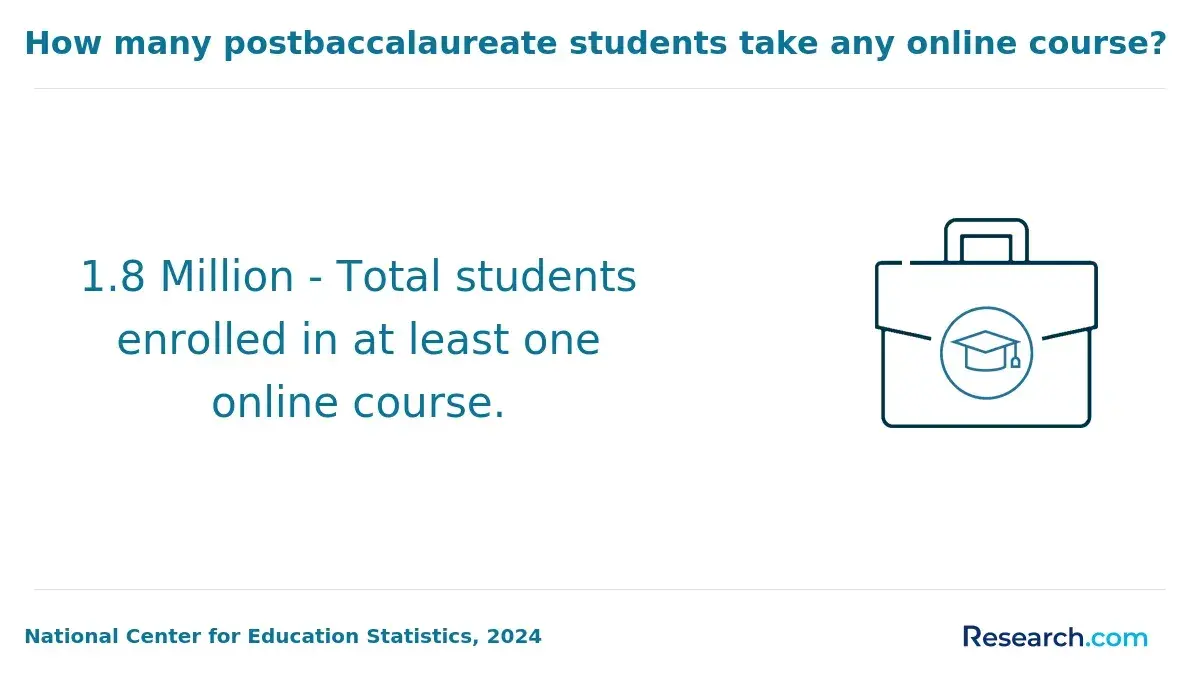
The choice between a capstone and a thesis significantly influences how graduate students-particularly working professionals, career-changers, and adult learners-approach applied psychology master's programs. Capstones often demand project delivery aligned with industry tools like SPSS or Qualtrics and emphasize applied outcomes within compressed timelines, which can suit those balancing full-time work. In contrast, thesis tracks require deeper immersion in research frameworks, adhering to structured committee reviews and extensive data analysis, often extending completion periods. According to the National Center for Education Statistics, enrollments of adult learners in online graduate programs rose by over 15% in 2023, reflecting a shift toward flexible program designs. This article evaluates how capstone or thesis requirements shape time, methodology, and career alignment to help readers choose the best path for their work style and long-term goals.
Key Things to Know About Capstone vs Thesis Requirements for Applied Psychology Master's Programs
- Capstone projects, emphasizing applied problem-solving over original research, reduce time-to-degree by often requiring fewer credits than theses, which can be pivotal for working professionals juggling employment demands.
- Employers increasingly value theses for demonstrating rigorous research ability, especially in clinical or academic settings, while capstones better showcase practical skills aligned with organizational implementation roles.
- As the National Center for Education Statistics reports a 12% rise in adult learners favoring flexible online applied psychology master's options since 2022, capstones often align better with these access and scheduling needs, impacting enrollment decisions.
What Is a Capstone Project in a Applied Psychology Master's Program?
In applied psychology master's programs, the capstone project serves as a culminating demonstration of how students translate academic theories into practical solutions tailored to complex, real-world problems. Unlike a thesis, which often centers on original research creation and contributes to scholarly literature, the capstone prioritizes direct application of psychological principles in settings that mirror professional environments. This distinction impacts not only the nature of the student's work but also their developmental trajectory and how they plan their academic progress.
- Professional Alignment: Capstone projects are specifically designed to meet employer expectations for graduates who can craft actionable interventions. For instance, students might design a wellness program to reduce burnout among healthcare workers, integrating evidence-based psychological frameworks rather than conducting new empirical research.
- Structured Workflow: These projects are typically framed with defined objectives and milestones, supported by faculty mentorship and peer feedback. This structure helps students maintain steady progress and often shortens time-to-degree compared to the more open-ended, self-directed thesis process.
- Program Design Rationale: Applied psychology programs favor capstones because they validate skillsets aligned with workforce relevance. They assess critical thinking, interdisciplinary collaboration, and practical problem-solving rather than solely theoretical contribution.
- Contrast With Theses: While theses require designing original studies, data collection, and analysis, capstones emphasize synthesizing existing research into concrete applications. This tradeoff benefits students aiming for direct workforce entry but might limit those pursuing doctoral research trajectories.
In this context, choosing between capstone project requirements in applied psychology master's programs hinges on one's career goals and time constraints. Working professionals or career-changers often prefer the capstone's applied focus and clear deliverables, which align with fast-tracked credentialing and immediate job readiness. Students targeting research-intensive roles or doctoral study may find theses better suited to building a foundation in scholarship.
For those evaluating program options, considering how capstone projects integrate with timelines and skill development can clarify fit. This choice also influences how graduates engage with ongoing workforce demands across sectors such as human resources, healthcare, and community program design, where practical, measurable outcomes are valued. Candidates should also weigh their preparation for roles where hands-on experience designing psychological interventions matters as much as theoretical knowledge.
Additionally, decisions around capstones versus theses affect how programs reflect institutional priorities. Programs emphasizing capstones often balance academic rigor with pragmatic certification of job-ready competencies, whereas thesis-focused degrees typically cater to research and academic career pathways. To better understand related admissions dynamics, prospective students can also explore factors like the nursing school acceptance rate, which parallels considerations around program selectivity and fit in applied psychology contexts.
What Is a Master's Thesis in Applied Psychology Programs?
A master's thesis in applied psychology programs represents a rigorous research undertaking that bridges scientific inquiry with practical application. Unlike capstone projects that often center on applied problem-solving, a thesis requires a sustained scholarly commitment and produces original research intended to advance both academic understanding and real-world practice.
- Original Inquiry: The thesis demands a novel research question grounded in applied psychological theory. This pushes students to engage deeply with existing literature and identify gaps or emerging issues relevant to professional contexts.
- Methodological Rigor: Students must design and execute a study using qualitative, quantitative, or mixed methods with close faculty supervision. This ensures that findings meet standards expected in research-intensive or policy-related roles.
- Workload Intensity: Compared to capstones, theses require comprehensive data collection, extended analysis, and iterative revisions aimed at publication-quality output. This increased time investment may delay graduation but enhances research competency.
- Professional Development: The process hones critical skills like hypothesis testing, ethical protocol adherence, and academic writing-qualities valued in doctoral tracks and research-driven careers.
- Career Implications: While theses can open doors to research-focused employment or consultancy, students prioritizing immediate applied roles may find capstones more practical due to time constraints and direct workplace relevance.
In real-world scenarios, a working professional targeting a policy analyst position might leverage thesis experience to demonstrate research aptitude valued by employers, whereas another aiming for practitioner roles in community agencies might benefit more from capstone projects emphasizing implementation skills. The thesis path is thus tailored to distinct career trajectories, requiring critical evaluation aligned with one's long-term goals.
When Should You Choose a Capstone Over a Thesis in a Applied Psychology Master's Program?
Choosing a capstone over a thesis in applied psychology master's programs is often the smarter strategy when timely degree completion and immediate workforce application outweigh the pursuit of original research. Many students balancing full-time work or family responsibilities find the capstone's focus on synthesizing existing knowledge into practical projects better fits their available time and professional goals. This approach reduces reliance on intensive faculty research oversight and expedites graduation, which can be critical for career-changers or professionals aiming for practitioner roles.
- Workload Management: Capstones emphasize practical problem-solving within real-world contexts, requiring less time-intensive empirical research than theses. This makes them more manageable for students juggling employment or caregiving demands while pursuing the degree.
- Faculty Support Dynamics: Applied psychology programs opting for capstones generally provide supervision geared toward project guidance rather than traditional research mentorship, reducing the burden on faculty and offering more flexible, application-driven learning.
- Career Alignment: Since many employers in applied psychology prioritize demonstrated skills and tangible deliverables, capstone projects often enhance job-readiness more directly than theses focused on novel empirical contributions.
- Doctoral Preparation Tradeoff: The capstone route limits exposure to advanced research methods, potentially disadvantaging students planning to pursue research-intensive doctoral programs, where thesis experience is often valued.
- Risk Mitigation: Capstones circumvent common thesis roadblocks like IRB delays and complex data collection, lowering the risk of extended program timelines and offering project topics adaptable to shifting industry demands.
One graduate recalled struggling to reconcile their career ambitions with the academic demands during their final semester. Working full-time in a behavioral health setting, they opted for the capstone after consulting with their employer, who valued applied outcomes over academic publications. With limited faculty availability for thesis supervision and a pressing need to finish quickly, the capstone allowed them to design an intervention aligned with agency priorities. Initially hesitant about forgoing the thesis, they appreciated how the experience sharpened their applied skills and translated directly into workplace improvements without sacrificing degree rigor.
When Is a Thesis the Better Option for Applied Psychology Students?
Choosing a thesis in applied psychology master's programs typically reflects a strategic decision aimed at developing advanced research skills and preparing for roles where rigorous inquiry is essential. This path is suited for students targeting doctoral studies or research-focused careers, where the depth and scope of a thesis project exceed that of a capstone experience.
- Research Depth: A thesis demands comprehensive methodological rigor, often spanning several semesters, and involves direct mentorship from faculty invested in advancing scholarly work. This supervision helps students refine complex hypotheses and master sophisticated data analysis techniques critical in research-intensive settings.
- PhD Readiness: Programs preserving thesis options prioritize students aiming for doctoral programs by emphasizing theoretical frameworks and original contributions. Successfully completing a thesis signals to admissions committees the candidate's capacity for sustained scholarly engagement beyond applied skills.
- Demonstrated Competence: The formal vetting process and polished academic document resulting from a thesis boost a student's profile for competitive grants, research roles, or academic appointments that value published findings and evidence-based outcomes.
- Specialized Expertise: Unlike capstones, theses allow extended exploration in niche applied psychology domains, establishing specialized knowledge that aligns with careers in program evaluation, policy development, or clinical research.
Students focused on timely graduation or immediate practical application may find capstones more appropriate, but those committed to penetrating research or academic hierarchies will likely benefit significantly from the applied psychology thesis advantages. For professionals balancing work and study, reviewing options like a masters in healthcare administration might also provide insights into comparative degree structures and timelines.
How Do Time, Workload, and Stress Compare Between Capstone And Thesis in a Applied Psychology Master's Program?
The choice between capstone and thesis paths in applied psychology master's programs often hinges on balancing project timelines, workload nature, and stress sources, all of which reflect distinct program design goals and real-world constraints.
- Time Commitment: Capstones are structured to fit within standard semester or program durations, enabling predictable scheduling aligned with professional or personal responsibilities. Theses demand more flexible timelines due to extensive data collection and iterative revisions, frequently prolonging degree completion beyond initial expectations.
- Workload Distribution: Capstones typically leverage collaborative or supervised approaches that allow sharing tasks and applying knowledge in practical contexts, which can mitigate feelings of isolation but requires coordination among team members. Conversely, theses intensify individual intellectual workload with comprehensive literature review, original research design, and analysis, placing heavier demands on independent discipline and sustained effort.
- Stress Triggers: The capstone's fixed deadlines and dependence on group dynamics can induce pressure from managing interpersonal interactions and meeting deliverable milestones. Thesis candidates often face more diffuse stress related to research uncertainties, advisor availability, and the need for self-motivation over longer periods, challenges that can complicate balancing work, family, and study commitments.
- Practical Implications: Working adults juggling employment or field placements often find capstones align better with their time constraints and emphasize transferable applied skills. In contrast, students targeting research-focused roles or doctoral studies may accept the thesis's heavier demands as crucial preparation, despite potential delays and heightened academic rigor.
How Do Capstone and Thesis Choices Affect Career Outcomes in a Applied Psychology Master's Program?
Distinct career trajectories emerge from the choice between capstone and thesis in applied psychology master's programs, influencing how employers and doctoral committees assess graduate readiness. Choosing a thesis signals a strong commitment to research rigor and original scholarship, positioning candidates well for academic or specialized research roles. For instance, applicants aiming for doctoral programs or research-intensive healthcare settings often find thesis work essential, as it demonstrates mastery of methodologies and theoretical frameworks.
Conversely, a capstone project aligns with practical problem-solving and applied skills valued in organizational, consulting, or clinical environments. This pathway suits professionals balancing work and study who need portfolio evidence of workplace impact. For those prioritizing roles with direct application-such as behavioral health or human resources-completing a capstone provides relevant, tangible outputs that resonate with hiring managers looking for functional competence over research acumen. This distinction is critical in the capstone versus thesis career outcomes applied psychology debate.
- Career Signaling: Thesis submissions indicate research expertise and theoretical depth, often smoothing licensure routes and academic progression, whereas capstones emphasize applied competence and real-world solutions favored by employers in practice-oriented roles.
- Workforce Fit: Candidates with capstone experience tend to match better with industry-facing jobs requiring quick application of psychology principles; thesis graduates appeal to sectors valuing analytical rigor and long-term inquiry.
- Tradeoffs: Thesis work demands significant time and scholarly dedication that can conflict with professional commitments; capstones offer more flexibility but may limit opportunities in research-heavy or doctoral pathways.
- Interview Impact: Capstone alumni showcase project-based outcomes and collaborative problem-solving, while thesis candidates highlight research design skills and scholarly contribution, influencing recruitment decisions differently.
Students weighing capstone versus thesis career outcomes should align choices with their intended industry and advancement plans. For example, the increasing demand across healthcare systems raised by roles such as nurse practitioners correlates with applied projects that demonstrate practical intervention skills, making capstone portfolios particularly relevant in such fields. More on this can be seen in discussions of nurse practitioner salary trends that reflect the value placed on applied expertise within psychology-related healthcare roles.
How Do Research-Based and Applied Learning Differ in a Applied Psychology Master's Program?
The choice between research-based and applied learning models in applied psychology master's programs fundamentally impacts how students develop skills, allocate time, and prepare for distinct career paths. This decision is not just academic but closely tied to workforce expectations and practical readiness, often forcing students to weigh immediate applicability against scholarly rigor.
- Skill Development: Thesis tracks emphasize designing original studies, engaging deeply with research methodologies, and contributing new theoretical knowledge-preparing students for doctoral studies or research-intensive roles. Conversely, capstone projects focus on applying existing theories to solve tangible problems, honing project management, teamwork, and professional communication skills valued in client-facing or organizational settings.
- Time Commitment: Completing a thesis usually demands a longer, self-directed timeline with significant faculty mentorship on research design and data analysis, which can extend program duration. Capstones often have structured deadlines and collaborative formats, offering a more contained, time-efficient path appealing to working professionals balancing other responsibilities.
- Career Alignment: Employers in research institutions and academia typically prioritize thesis experience as evidence of critical thinking and methodological expertise. In contrast, applied roles-such as clinical support or organizational consulting-favor capstone experience for its demonstration of practical problem-solving and implementation skills within real-world contexts.
- Evaluation Focus: Thesis assessments weigh methodological soundness and contribution to scholarly debates, requiring detailed written reports and defense. Capstone evaluations prioritize the relevance, feasibility, and impact of solutions presented to external stakeholders or collaborating organizations, often culminating in presentations or applied deliverables.
- Project Scope and Evidence: Theses require original data collection and rigorous analysis, demanding access to research participants or datasets. Capstones synthesize existing information to develop actionable interventions or policy recommendations, reflecting a tradeoff favoring immediate application over original research generation.
One graduate recalled choosing between a thesis and a capstone during their final semester while juggling a full-time job. The thesis option required them to secure independent data sources and commit to months of solitary analysis under a demanding professor known for rigorous standards. Meanwhile, the capstone offered a group project partnered with a local nonprofit, focusing on creating a community mental health outreach plan with a clear timeline and deliverables. They ultimately felt relief in the structured collaboration and practical impact of the capstone but recognized that their choice limited eligibility for research assistant positions post-graduation, underscoring the importance of aligning project format with career goals and program constraints.
How Does Advising and Mentorship Differ in a Applied Psychology Master's Program?
Advising and mentorship in applied psychology master's programs create fundamentally different supervisory experiences that directly impact student outcomes, workload, and career pathways. Thesis advising aligns with traditional academic research, emphasizing deep theoretical engagement and methodological precision-a model that suits students eyeing doctoral programs or research-driven employment. Capstone mentorship, by contrast, prioritizes practical problem-solving and stakeholder responsiveness, better fitting professionals aiming to apply psychology principles in dynamic workplace settings.
- Faculty Guidance: Thesis advising demands advisors with strong research expertise who provide structured, scholarly oversight to help students produce original contributions. Capstone mentors typically bring applied experience, focusing on pragmatic solutions aligned with real-world organizational challenges.
- Supervisory Structure: Thesis pathways usually feature a formal committee process centered on academic standards and rigorous evaluation. Capstone projects favor flexible, often less hierarchical arrangements, encouraging iterative collaboration with clients or partner organizations.
- Feedback Cycles: Thesis advising involves detailed, critique-based feedback targeting research design, theoretical framing, and argument rigor. Capstone mentorship cycles concentrate on incremental refinements driven by deliverable feasibility and stakeholder input.
- Student Responsibility: Thesis students must independently navigate complex research methodologies and academic conventions. Capstone students manage practical constraints like timelines, client expectations, and applied project outcomes, requiring distinct project management skills.
Choosing between these pathways requires weighing how the mode of faculty interaction shapes skill development and professional readiness within applied psychology's diverse career contexts.
What Are the Typical Structures and Deliverables in a Applied Psychology Master's Program?
The choice between capstone and thesis requirements in applied psychology master's programs significantly influences a student's workload, skill acquisition, and eventual career paths. Opting for a thesis often means committing to a year-long research process that hones advanced methodological skills and prepares students for academic or research-intensive roles. In contrast, a capstone prioritizes practical problem-solving and quicker completion, appealing to those focused on immediate workforce application or skill development in applied settings.
- Research Depth: Theses demand extensive original research, including literature review, data collection, and analysis, producing a comprehensive document with theoretical contributions. Capstones emphasize applied research, centering on real-world problems and interventions, aligning deliverables with professional skill sets rather than theoretical innovation.
- Timeline and Intensity: Thesis projects often span multiple semesters or up to a year, requiring ongoing faculty committee oversight and culminating in a formal defense. Capstones, generally completed within one or two academic terms, involve less intensive oversight and focus on timely, actionable outcomes suitable for working professionals.
- Evaluation Format: Thesis work concludes with a defense before a panel, incorporating peer review and rigorous scrutiny of research validity. Capstone projects are assessed through implementation success and practical impact, with faculty approval ensuring relevance without research defense formalities.
- Career Alignment: A thesis suits students aiming for doctoral studies or clinical research careers, cultivating skills essential to these paths. Conversely, capstones align better with students seeking applied roles in organizations, emphasizing competencies that enhance immediate employability.
These typical capstone and thesis structures in applied psychology master's programs reflect deliberate educational design choices that help students balance academic rigor with professional demands. Given these distinctions, those interested in degree completion alongside full-time work or exploring applied roles may also explore related accelerated speech pathology programs to supplement their applied skill development.
How Flexible Are Program Policies in a Applied Psychology Master's Program?
Variability in program policies directly affects how graduate students in applied psychology navigate capstone versus thesis requirements, shaping both their academic workload and time to degree completion. For working professionals balancing employment and study, for example, limited thesis supervision capacity can restrict deadline extensions and reduce options for switching tracks, making a capstone a more practical choice in many cases. Flexibility in these requirements is thus a key factor in aligning educational paths with career and life demands.
- Policy Variation: Programs differ widely in their flexibility depending on faculty resources and accreditation mandates. Thesis tracks typically require adherence to rigorous research standards including IRB approvals, constraining adaptability, while capstones focus on applied deliverables, allowing more tailored project formats and timelines.
- Track Switching: Some institutions permit switching from thesis to capstone within strict deadlines, often requiring formal approvals and review of academic standing, which can delay progression if not managed carefully.
- Defense and Approval: Both options generally require proposal review by departmental committees, introducing potential subjectivity and procedural delays; these layers protect research quality but may limit responsiveness to student circumstances.
- Part-Time Student Impact: For part-time or employed students, capstone options typically provide greater schedule flexibility to accommodate work commitments, whereas thesis demands may necessitate stricter adherence to academic calendars and supervisory availability.
Such distinctions highlight how applied psychology master's program policy options for culminating projects influence student decision-making. Prospective students should assess these factors in light of their career priorities and capacity for independent research versus applied practice.
Additionally, for individuals exploring related allied health professions, options like an accredited online health information management degree cahiim exemplify how flexible applied curricula intersect with workforce demands, underscoring the broader context of adaptable graduate education pathways.
What Do Applied Psychology Master's Graduates Say About Their Capstone Vs Thesis Experiences?
- Eddie: "Balancing a full-time job with my thesis was challenging, especially since I had limited weekends to dedicate to research. I opted for a project focused on remote work habits, which aligned with my current role and helped build relevant skills quickly. Ultimately, this thesis strengthened my portfolio, making me a stronger candidate for remote positions, though I recognized some employers still favored candidates with direct clinical experience."
- Sage: "With a tight budget and impending career change, I chose an internship-based capstone to gain hands-on experience instead of a traditional thesis. This decision accelerated my entry into workforce by providing practical skills and networking opportunities, but I learned that without a licensure track, my salary growth has some limitations in hospital settings. However, it gave me a clearer path into consultancy roles within applied psychology."
- John: "Time constraints pushed me to select a smaller-scale thesis project that emphasized data analysis over new data collection. While this limited the scope of my findings, the targeted focus allowed me to develop proficiency with statistical software highly sought after in industry roles. Although competing for research assistant positions was tough, this strategic choice improved my candidacy for data-driven jobs, even if it meant delaying licensure pursuit to gather more experience first."
Other Things You Should Know About Applied Psychology Degrees
Choosing a capstone often favors students targeting direct practice or applied roles since its project-based nature hones skills in implementing interventions or program development. Conversely, a thesis typically sharpens research design and data analysis abilities valued in research-focused or academic career paths. Prospective students should prioritize the path that aligns with their immediate job market needs-those aiming for clinical, counseling, or organizational roles might lean toward capstones, while students considering doctoral programs or research-intensive roles should favor theses.
Capstone projects in applied psychology programs generally allow more flexibility by integrating coursework with a final applied project that can often be completed in stages or alongside work duties. Theses usually require a more extended, continuous commitment to research and writing, demanding significant time blocks that working professionals may find difficult to maintain. For adult learners or those with demanding jobs, capstones typically reduce scheduling conflicts and stress, making them a more practical choice without sacrificing comprehensive learning.
In 2027, deciding between a capstone project and a thesis significantly impacts skill development aimed at specific career paths. A thesis fosters research and analytical skills for academia or research roles, while a capstone emphasizes practical application, problem-solving, and client interaction, essential for direct practice positions in psychology.
Thesis students often receive more intensive faculty mentoring and access to research tools, which can be beneficial for those committed to deep scholarly work but less critical for applied-focused projects. Capstone students may benefit from broader networking opportunities within applied settings, such as partnerships with community organizations or agencies. Students should weigh their need for scholarly mentorship against desires for applied collaboration; those prioritizing project-based partnerships may find capstone pathways better suited to their professional integration goals.
References
- Master’s Thesis or Capstone Project? Which One Is the Right Choice for https://research-rebels.com/blogs/how-to-write-thesis/master-s-thesis-or-capstone-project-which-one-is-the-right-choice-for-you
- Dissertation vs Thesis vs Capstone Project - Grad Coach https://gradcoach.com/dissertation-vs-thesis-whats-the-difference/
- Clinical Psychology - SWPS University https://english.swps.pl/academics/warsaw/ma-programs/psychology/clinical-psychology
- Research-Based Learning: Characteristics https://colegiomirasur.com/en/blog/research-based-learning/
- What are Deliverables in Project Management? | Wrike https://www.wrike.com/project-management-guide/faq/what-is-a-deliverable-in-project-management/
- School and applied child psychology- MSc - Thesis https://grad.ucalgary.ca/future-students/graduate/discover-opportunities/explore-programs/school-and-applied-psychology-msc-thesis
- Is a Thesis Required for a Master’s in Psychology? https://www.bestpsychologydegrees.com/faq/is-a-thesis-required-for-a-masters-in-psychology/
- How does your choice of university affect your future? https://theconversation.com/how-does-your-choice-of-university-affect-your-future-45699
- What Are Project Deliverables in Project Management? https://www.atlassian.com/work-management/project-management/project-deliverables
- How College Choices Affect Career Outcomes | Pharmacy Times https://www.pharmacytimes.com/view/how-college-choices-affect-career-outcomes