2027 Can You Study Health Psychology Master's Programs Part-Time? Options & Duration

Co-Founder and Chief Data Scientist
Part-time study in health psychology master's programs reflects a complex balancing act rather than a straightforward alternative to full-time enrollment. Institutional differences shape program length, course sequencing, and practicum scheduling, all of which impact students' progress and licensure timelines.
Employers may require on-site presence or flexible schedules that restrict academic engagement, while students often juggle financial constraints and family responsibilities alongside internship or research demands. Enrollment data from 2024 indicates growing variability in part-time offerings across accredited programs, highlighting the need to assess structural factors carefully.
This article examines practical part-time options, completion duration, and critical considerations for informed decision-making in health psychology graduate education.
Key Benefits of Studying Health Psychology Master's Programs Part-Time
- Part-time study typically extends program duration by 1-2 years, increasing total tuition and delaying credential entry; this tradeoff requires evaluating financial and career timing priorities carefully.
- Employers often value part-time master's holders' concurrent work experience but may also expect demonstrated applied skills beyond academic credentials in health psychology roles.
- Online part-time health psychology programs can improve access for working professionals; a 2024 survey found 62% of enrollees cited this as key, reflecting growing integration of lifelong learning in workforce development.
Can You Study a Health Psychology Master's Program Part-Time?
Part-time study in a health psychology master's program is most feasible when institutions design curricula with flexible scheduling and modular course sequencing, enabling students to progress while balancing professional or personal responsibilities.
The viability of such part-time health psychology master's degree programs with flexible scheduling varies, particularly depending on the extent to which the program requires intensive clinical practica, internships, or project-based research.
Students managing significant work obligations or caregiving duties may find these flexible options necessary, though the availability of essential hands-on experiences often influences whether part-time enrollment fully supports career goals within this specialized field.
Choosing part-time enrollment involves tradeoffs, including longer time-to-completion and potential impacts on networking and skill acquisition pace, which are critical in health psychology due to its applied nature.
While a flexible schedule can alleviate immediate time pressures, extending the degree duration may delay entry into advanced roles and licensure pathways, with some employers favoring continuous, immersive training seen in full-time cohorts.
Moreover, evolving industry standards and shifting competencies risk outpacing slower program progressions, making it imperative to weigh these factors against the benefits of manageable workloads and sustained employment.
Part-time study often best serves working professionals with established careers who require the integration of academic and professional development over time rather than rapid credential attainment.
Career changers or individuals facing substantial personal commitments might also benefit, provided they proactively engage with available research and practicum opportunities to maintain momentum.
In assessing whether a part-time master's in health psychology aligns with their goals, students should consider not only scheduling flexibility but also the strategic implications for timely skill-building and long-term professional positioning, especially given the growing demand across healthcare systems and employer recognition of flexible graduate education pathways.
For those balancing these demands, exploring options like an online pharmacy school offers a comparative example of how flexibility can be structured within health-related graduate programs.
How Long Does It Take to Complete a Part-Time Health Psychology Master's Degree?
Completion timelines for part-time health psychology master's programs typically span two to four years, but this range reflects considerable variability rather than a fixed standard.
Differences in how programs define part-time status and structure coursework contribute heavily to duration, with some students progressing faster through more concentrated semester loads while others extend their studies to accommodate personal commitments.
The increasingly modular design of many programs also permits asynchronous or evening classes, which offer flexibility but can elongate total completion time compared to full-time tracks that generally take one to two years.
Key factors affecting time to degree include course availability, the sequencing of prerequisites, and mandatory practicum or internship components critical for practical competency. Students juggling full-time work or family responsibilities often enroll in only one or two courses per term, slowing progression but ensuring sustainable balance.
Data from the National Center for Education Statistics in 2024 identifies that approximately 35% of part-time health psychology students require more than three years to finish their degree, frequently attributing delays to life events and workload management challenges.
Extending program duration has strategic implications: longer timelines may risk skill obsolescence in fast-evolving healthcare environments and defer entry into advanced roles or salary increases. Financially, stretched out tuition payments and postponed opportunity costs must be weighed against the benefit of flexible pacing.
Successful navigation of these tradeoffs requires clear planning and understanding of how institutional pacing aligns with individual circumstances, particularly as employers place growing emphasis on demonstrated experience alongside academic credentials.
One student recounted grappling with uncertain admission timelines amid rolling deadlines while working full-time and caring for a family. They delayed applying until close to the final date, fearing acceptance might clash with work obligations. The eventual admission offer came later than hoped, forcing a recalibration of course load expectations and extending completion projections.
This experience underscored how admissions timing can be as influential as program design in shaping the real-world duration for part-time health psychology studies.
How Are Part-Time Health Psychology Master's Courses Structured?
Part-time health psychology master's programs are intentionally structured to balance flexibility with academic rigor, addressing the diverse demands of employed students and those with personal responsibilities. Institutional variations in course organization and delivery directly influence how candidates manage workload, engage with content, and translate learning to practice.
- Extended Program Duration: Spanning two to four years, part-time pacing reduces immediate semester pressure by spreading coursework over a longer period. This approach allows deeper cognitive integration and professional application but may delay credential completion compared to full-time tracks.
- Hybrid and Online Formats: Many programs combine asynchronous lectures with scheduled synchronous sessions to maximize flexibility. While asynchronous content supports work-life balance, scheduled interactions are crucial for maintaining peer collaboration and instructor engagement, which underpin skill development and critical discussion.
- Modular Coursework Delivery: Using condensed blocks of 6 to 8 weeks per module rather than traditional semesters enables focused study on specific topics. This structure amplifies content retention and skills mastery but requires disciplined time management to avoid challenges in balancing concurrent professional duties.
- Flexible Practicum Scheduling: Clinical placements often accommodate student work locations and hours, facilitating real-world integration of theory with ongoing employment. However, this customization depends on local site availability and may extend the overall timeline to degree completion.
- Targeted Academic Advising: Advisors emphasize long-term career alignment and realistic workload expectations, helping part-time learners navigate competing demands. Effective advising supports sustained motivation and strategically leverages part-time study as a bridge between current roles and future opportunities.
According to a 2024 report by the National Center for Education Statistics, approximately 65% of graduate students in health-related fields favor online or hybrid modalities, highlighting the sector's shift toward accommodating professional commitments without compromising educational quality.
Can Students Work Full-Time While Earning a Part-Time Health Psychology Master's Degree?
Balancing full-time work while pursuing a part-time health psychology master's degree programs in the US can be feasible under certain conditions. Programs that offer asynchronous learning options or classes scheduled during evenings and weekends provide the necessary flexibility for working professionals.
Predictable course pacing and clearly defined deadlines help students allocate time efficiently, especially when combined with prior professional experience that eases the learning curve.
According to the National Center for Education Statistics in 2024, nearly 58% of part-time graduate students maintain full-time employment, reflecting that many can successfully navigate both commitments with effective time management.
Nonetheless, working full-time while enrolled part-time entails significant challenges. Cognitive overload is common, as juggling demanding coursework with job responsibilities limits deep engagement with complex topics and important clinical experiences.
Networking opportunities may also be compromised due to restricted available hours, potentially slowing academic and career progression. Furthermore, conflicting workplace demands and academic deadlines increase the risk of burnout, affecting both job performance and study quality.
Those considering this path should critically evaluate employer support and personal capacity before committing to balance work and part-time health psychology graduate studies in America.
For additional flexibility, some may explore options like a self paced bachelor's degree, which can offer alternative scheduling models.
Which Universities Offer the Best Part-Time Health Psychology Master's Programs?
Choosing a part-time master's program in health psychology is a strategic investment that influences long-term employability, salary growth, and career flexibility.
The "best" program varies according to individual career goals, current workload, and desired areas of specialization, making a nuanced evaluation essential rather than simply selecting based on institutional prestige or convenience.
- Curriculum Relevance and Depth: Programs with curricula tightly aligned to contemporary health psychology practices—such as behavioral interventions, outcome measurement, and interdisciplinary collaboration—provide graduates with skills directly demanded by employers. A rigorous curriculum ensures students develop applied competencies, enhancing career readiness, especially in dynamic healthcare environments.
- Faculty Industry Engagement: Close faculty involvement in current research and clinical practice fosters access to updated knowledge and professional networks. Faculty actively connected to healthcare systems or scholarly communities can facilitate mentorship, internships, and job placement, which have a measurable impact on graduate employability.
- Flexibility and Pacing Options: The ability to accelerate, pause, or customize part-time study enables students to balance professional and personal commitments without sacrificing academic progress. Data from the National Center for Education Statistics in 2024 indicates that flexible part-time programs improve completion rates and enhance work-life integration, critical for many working adults.
- Access to Applied Learning Opportunities: Programs integrating practicums, capstone projects, or internships bridge theoretical knowledge with real-world experience. These components are pivotal for developing practical skills and establishing professional contacts, which translate into stronger job prospects post-graduation.
- Accreditation and Graduate Outcomes: Accreditation by recognized bodies and transparent reporting of alumni employment data serve as proxies for program quality. Graduates from accredited programs with positive career outcomes often experience smoother licensure processes and stronger credibility with employers.
A graduate who navigated the part-time health psychology master's path shared how the rolling admissions process created uncertainty early on. Applying well ahead of their current job transition was necessary, but they hesitated due to unclear program start dates and varying requirements between programs.
Ultimately, prioritizing timely acceptance over brand recognition allowed the graduate to begin coursework without delay, accommodating a pivotal career shift while managing family responsibilities. This experience underscored the importance of responsiveness and clear communication from institutions, factors often overlooked when comparing programs solely on academic criteria.
How Much Does a Part-Time Health Psychology Master's Degree Cost?
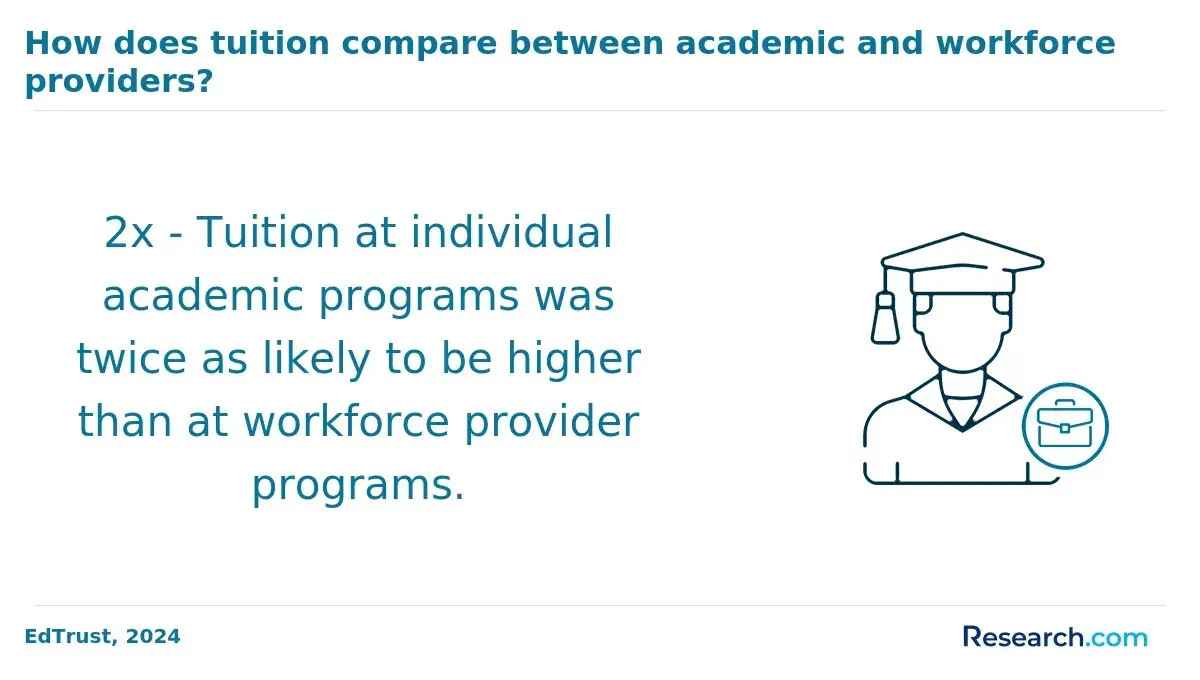
Costs for part-time health psychology master's programs generally range from approximately $400 to $1,200 per credit hour in U.S. institutions, reflecting average tuition rates for graduate psychology-related fields in 2024.
Public universities typically offer lower tuition, often between $400 and $700 per credit for in-state students, while private institutions may charge $1,000 or more per credit.
This broad range indicates the importance of considering tuition as a variable component of part-time health psychology master's program tuition costs, as students pay based on credits taken each term rather than a flat annual fee. These differences stem from institutional funding sources, faculty expertise, and program resources.
Pricing variation also results from factors such as residency status, program prestige, and delivery format. Credit-hour billing means students control their pace but can face differing per-credit costs for online versus on-campus courses; some programs price online classes higher due to technology support, while others seek to expand access with competitive online rates.
Extending enrollment length in a part-time pathway may lower yearly payments but might increase total tuition due to inflation adjustments or additional fees. Part-time students must carefully assess these tradeoffs within the context of their own schedules and financial resources when estimating the average cost of part-time health psychology graduate degrees.
Practically, part-time students often spread expenses over multiple years, reducing immediate financial strain but increasing total exposure to tuition increases and ancillary costs like textbooks and occasional in-person residencies. Employer tuition assistance programs can mitigate these expenses in some health psychology roles.
For those balancing work and education, available resources and pacing options are crucial in evaluating true program affordability and aligning investment with career outcomes. Those interested in related fields might also explore pathways such as the easiest RN to BSN online programs to compare cost and scheduling flexibility.
Do Programs Help Arrange Flexible Clinical Placements for Part-Time Students?
Part-time health psychology master's programs often rely on established partnerships with healthcare systems, clinics, and industry organizations to secure clinical placements that accommodate nontraditional schedules.
These programs may develop distributed placement networks across multiple sites to increase options, incorporating evening, weekend, or geographically diverse practicum hours.
Structured scheduling systems attempt to align placement timing with students' professional and personal obligations, though the availability and degree of flexibility largely depend on the institution's resources and the program's operational design.
Larger universities with integrated healthcare affiliations typically provide more coordinated support compared to smaller programs where students must independently identify placement sites.
Despite these efforts, significant constraints limit the practical flexibility of clinical placements for part-time students. Demand for placement slots, accreditation requirements, and the necessity to complete a minimum number of clinical hours within prescribed timeframes often result in rigid scheduling parameters.
Geographic limitations and limited site availability can restrict diversity in practicum experiences, potentially forcing students to compromise on placement settings or extend the program duration. Coordination challenges also arise when balancing employer expectations with clinical placement demands, making it difficult for students to seamlessly integrate all commitments.
Students aiming to optimize placement outcomes should proactively engage with program coordinators early and consider leveraging employer-supported clinical opportunities where feasible. Selecting programs with well-established clinical pipelines and clear guidance around practicum scheduling can alleviate logistical hurdles and reduce time-to-completion risks.
A 2024 survey by the Council of Graduate Schools underscores that roughly two-thirds of health-related master's programs offer some form of flexible practicum arrangement, highlighting a growing but uneven trend toward accommodating part-time learners' complex scheduling realities.
What Challenges Do Students Face in Part-Time Health Psychology Master's Programs?
Part-time study in health psychology master's programs offers flexibility but imposes distinctive academic and logistical pressures that differ sharply from full-time enrollment.
The challenges faced are heavily influenced by the program's structure, the workload's intensity, and students' concurrent professional and personal commitments, often requiring tradeoffs that affect learning and progression.
- Time Management Constraints: Balancing coursework with employment and family obligations demands advanced organizational skills; even small disruptions can lead to missed deadlines or insufficient study time. According to a 2024 survey by the National Center for Education Statistics, 68% of part-time graduate students experience stress related to juggling these multiple responsibilities, which may impair academic performance and delay completion.
- Reduced Networking and Cohort Engagement: Fewer on-campus sessions and remote participation limit interaction with peers and faculty, weakening access to mentorship and collaborative learning. This isolation can impede the development of professional relationships critical for job placement and long-term career growth within health psychology fields.
- Scheduling Conflicts with Practical Experience: Many health psychology curricula require internships or hands-on placements that often take place during regular work hours. Part-time students frequently face conflicts that force them to extend their program duration or sacrifice experiential depth, reducing the practical competency employers expect.
- Extended Time-to-Completion and Cognitive Overload: The necessity to spread coursework over longer periods can dilute focus and fragment knowledge acquisition. Combined with employment duties, this cognitive load may result in slower skill development, which can delay salary advances or professional role transitions.
Which Careers Benefit Most From Part-Time Graduate Education?
Part-time graduate education in health psychology serves as a strategic accelerator for professionals whose advancement relies on a balance of experience, credentialing, and ongoing skills development. This mode of study is particularly valuable in careers where immediate application of new knowledge and enhanced qualifications influence promotion eligibility and salary growth.
- Clinical Health Psychologists: These professionals often maintain active caseloads while pursuing advanced degrees, making part-time health psychology master's programs for working professionals essential to integrating coursework with real-world clinical practice. This pathway enhances their ability to apply evidence-based interventions promptly, supporting both retention and improved patient outcomes. Recent data from the American Psychological Association shows a 15% higher retention rate among part-time learners in clinical roles, reflecting the practical value of flexible graduate study.
- Behavioral Health Consultants: Operating in multidisciplinary settings, these consultants benefit from part-time study by keeping pace with evolving theoretical models and intervention strategies without interrupting client services. The ability to translate emerging research directly into workplace approaches sustains their relevance and enhances their leadership in behavioral health programs.
- Healthcare Program Managers: Management roles overseeing patient education and wellness initiatives gain from the leadership and analytical competencies developed in part-time health psychology graduate tracks. Approximately 42% of healthcare managers pursuing advanced degrees opt for part-time study to align education with ongoing job demands, thus improving their capability to manage complex health interventions effectively.
- Occupational Health Specialists and Health Communication Strategists: These roles leverage part-time programs to fill skill gaps crucial for navigating employer expectations and structured professional development pathways. While longer completion times are a tradeoff compared to full-time study, these professionals benefit from sustained income and direct application of their learning to workplace challenges.
For those evaluating flexible health psychology graduate study options with career advancement in mind, understanding these role-specific benefits clarifies why part-time education is more than a scheduling convenience—it is often an essential component of career progression.
Prospective students might also consider complementary programs like 1 year NP programs when planning educational pathways alongside part-time graduate study.
What Factors Matter Most When Comparing Program Flexibility?
Program flexibility in health psychology master's curricula is a multi-dimensional concept shaped by design features that influence how students manage study alongside other obligations. Perceived flexibility varies widely depending on course structure, delivery methods, and institutional policies, affecting students' pacing and long-term progression.
For many, especially those pursuing flexible part-time health psychology programs, these factors directly impact their ability to balance education with ongoing work or family commitments.
- Course Scheduling Structure: Whether courses are synchronous, asynchronous, or hybrid changes accessibility for working adults and caregivers. Rigid synchronous schedules can hinder real-time participation, whereas asynchronous options allow students to integrate studies into varied daily routines without compromising learning quality.
- Credit Load Adaptability: The allowance for varying credit loads per term enables customization of workload intensity. Programs permitting part-time enrollment offer critical pacing flexibility that helps minimize burnout and maintain career continuity.
- Practicum and Internship Requirements: Fieldwork expectations significantly influence location flexibility and timeline feasibility. Programs offering virtual placements or local options prevent geographic restrictions that often undermine the practical value of online degrees.
- Administrative and Technological Support: Responsive academic advising and reliable digital platforms facilitate smoother progress. Inadequate infrastructure or delayed support can compound barriers for students balancing multiple priorities.
- Specialization and Elective Availability: Options to tailor curriculum content without extending program duration add meaningful flexibility. This adaptability aligns degree competencies with targeted career outcomes without unnecessary delays.
Data from the National Center for Education Statistics in 2024 shows 62% of graduate students in online programs prioritize scheduling flexibility, underscoring how crucial these dimensions are in program selection. Considering a health psychology master's program's duration and flexibility requires weighing these structural elements against personal circumstances and career demands.
Those seeking advanced credentials might also explore related counseling PhD programs, where flexibility and pacing similarly affect educational success and workforce engagement.
What Graduates Say About Studying Health Psychology Master's Programs Part-Time
- Iker: "After completing my part-time health psychology master's, I realized that employers often value practical experience more than licensure in this field. Building a strong portfolio through internships and volunteer work was essential in landing my first position, and the flexibility of the program allowed me to gain those experiences while working full-time."
- Hayden: "My goal was to shift into remote wellness coaching, and the health psychology master's helped me get there faster than a traditional route. However, I quickly saw that salary growth can plateau without additional certifications or licensure, so I'm now considering specialized credentials to advance further. The practical focus of the program did prepare me well for real-world client dynamics, though."
- Caleb: "The part-time master's in health psychology gave me the foundation to pivot my career, but breaking into clinical roles was challenging without a license. Instead, I leveraged the program's emphasis on behavioral research and data interpretation to move into a health tech analyst role where those skills are in demand. It's been a rewarding transition, but it definitely required rethinking my initial career expectations."
Other Things You Should Know About Health Psychology Degrees
Part-time students often face compressed schedules that limit extended access to research labs or ongoing projects, potentially reducing opportunities for in-depth experiential learning. Programs may schedule research-related activities during traditional work hours, making consistent participation challenging for those balancing employment. Prospective students should prioritize programs with flexible research components or those that allow for independent projects aligned with their work schedules to maintain research engagement without sacrificing progress.
Employers typically value advanced degrees but may weigh the intensity and recency of training differently based on program structure. A part-time master's may be viewed as a demonstration of strong time management and commitment, yet some clinical or applied roles might prefer full-time graduates for perceived immersion and depth. Students targeting roles requiring clinical licensure or intensive supervised practice should assess whether part-time track credentials align with employer expectations and licensing board criteria, prioritizing programs with clear pathways on these fronts.
Extended program duration in part-time studies can lead to challenges in retaining advanced psychological concepts and applying them cohesively in practice. The staggered learning pace may reduce immersion, requiring deliberate review strategies to maintain competency. Students juggling multiple responsibilities should weigh the tradeoff between schedule flexibility and the potential need for extra effort to sustain academic momentum, ideally choosing programs that provide continuous curriculum engagement and support tools to reinforce learning over time.
References
- Valued but tenuous? Postgraduate clinical psychology placements for psychology students in rural and remote areas – implications for future directions https://www.rrh.org.au/journal/article/4621/
- Mental Health Challenges Faced by Psychology Students | The Healthcare Guys https://healthcareguys.com/2023/11/23/mental-health-challenges-faced-by-psychology-students/
- Msc Health Psychology - possible career options? | ClinPsy https://clinpsy.com/threads/msc-health-psychology-possible-career-options.17124/
- What can I do with an MSc in Psychology? Career options in psychology | Walbrook https://www.walbrook.ac.uk/subjects/psychology/msc-psychology-jobs-career-path/
- Five reasons to study MSc Health Psychology at Surrey https://www.surrey.ac.uk/news/five-reasons-study-msc-health-psychology-surrey
- Ontario Psychological Association - Balancing Academic and Personal Life in Graduate School: Tips for Psychology Students https://www.psych.on.ca/Public/Blog/2024/Balancing-Academic-and-Personal-Life-in-Graduate-S
- Health Psychology Master's degrees https://universitycompare.com/courses/degrees/masters/health-psychology
- Top 10 Health Psychology Masters Degree Courses In The UK & Europe https://www.postgrad.com/blog/Top-10-Health-Psychology-Masters-Degree-Courses-In-The-UK-and-Europe/
- Health Psychology - MSc - 2026/27 Entry https://www.bcu.ac.uk/courses/health-psychology-msc-2026-27