2027 Can You Get Licensed With an Online Liberal Arts Degree? Requirements, Rules, and What to Know

Co-Founder and Chief Data Scientist
Many prospective students pursuing an online liberal arts degree wonder if such credentials qualify them for professional licensure. This uncertainty arises because licensure standards often vary by state and profession, complicating career planning. Recent data indicates that only about 35% of liberal arts graduates enter fields requiring formal licenses, highlighting the importance of understanding these requirements.
This article, prepared by career planning experts, examines the conditions under which an online liberal arts degree meets licensure criteria, explores relevant regulations, and clarifies the impact of virtual education on eligibility, helping readers make informed decisions about their educational and professional paths.
Key Benefits of Getting Licensed with an Online Liberal Arts Degree
- Licensure with an online liberal arts degree enhances professional credibility, meeting eligibility for roles in education, counseling, and public service sectors that require accredited qualifications.
- Graduates gain expanded employment opportunities and geographic job mobility due to the flexible recognition of online credentials across various states and industries.
- Licensed liberal arts professionals often experience higher long-term earning potential and career advancement, with some studies showing a 15% average salary increase compared to non-licensed peers.
Can You Get Licensed With an Online Liberal Arts Degree?
Licensure is attainable with an online liberal arts degree, provided that the program meets the necessary accreditation standards and includes the required coursework and practical training. Completing these components equips graduates to fulfill professional standards and prepare for licensure exams, which is essential for many careers.
Programs focused on licensure integrate supervised internships or hands-on experiences, ensuring students gain the skills necessary for regulated professions. These elements align with common online liberal arts degree licensure requirements that help graduates enter their chosen fields confidently.
Earning a license through an online liberal arts program offers several advantages, including access to regulated career paths such as counseling, teaching, or social services. Licensed professionals often have increased responsibilities, recognition, and enhanced salary potential compared to those without credentials.
The flexibility of online study allows candidates to balance work and education while meeting licensure standards. Prospective students interested in fields like speech pathology may also explore specialized SLP online programs to better understand their options for getting licensed with an online liberal arts degree.
Do Licensing Requirements for Liberal Arts Vary by State?
Licensing rules ensure professional competence for liberal arts careers but can vary significantly by state. For example, a 2021 study found that over 30% of states have unique supervised experience hours required before licensure, highlighting important differences in requirements. These variations affect prospective students comparing state licensing requirements for liberal arts degrees.
Key areas of difference include:
- Exams: Some states mandate specific standardized tests, while others accept alternative assessments or waive exams in certain cases. This impacts how quickly candidates can move through the licensure process.
- Supervised experience: The number of required supervised work hours before licensure can differ widely. Such variation influences career timelines and the location where graduates can practice.
- Continuing education: License renewal often depends on ongoing coursework, but the amount and type required vary by jurisdiction. Staying updated on these rules is critical for maintaining credentials.
- Scope of practice: States define the professional activities permitted to licensed individuals, which affects job roles and advancement opportunities. Understanding these limits helps graduates target appropriate career paths.
- Renewal policies: Timing, fees, and procedures for license renewal differ between states and can influence long-term career planning and budgeting for licensure upkeep.
Students considering online liberal arts programs should also research how these state-specific licensure rules intersect with online education, especially if pursuing an accelerated social work degree online or related fields. Licensure eligibility often depends not only on degree completion but also on meeting all state requirements for supervision, exams, and continuing education, which vary across the country.
Are Online Liberal Arts Programs Different From Campus Programs for Licensure?
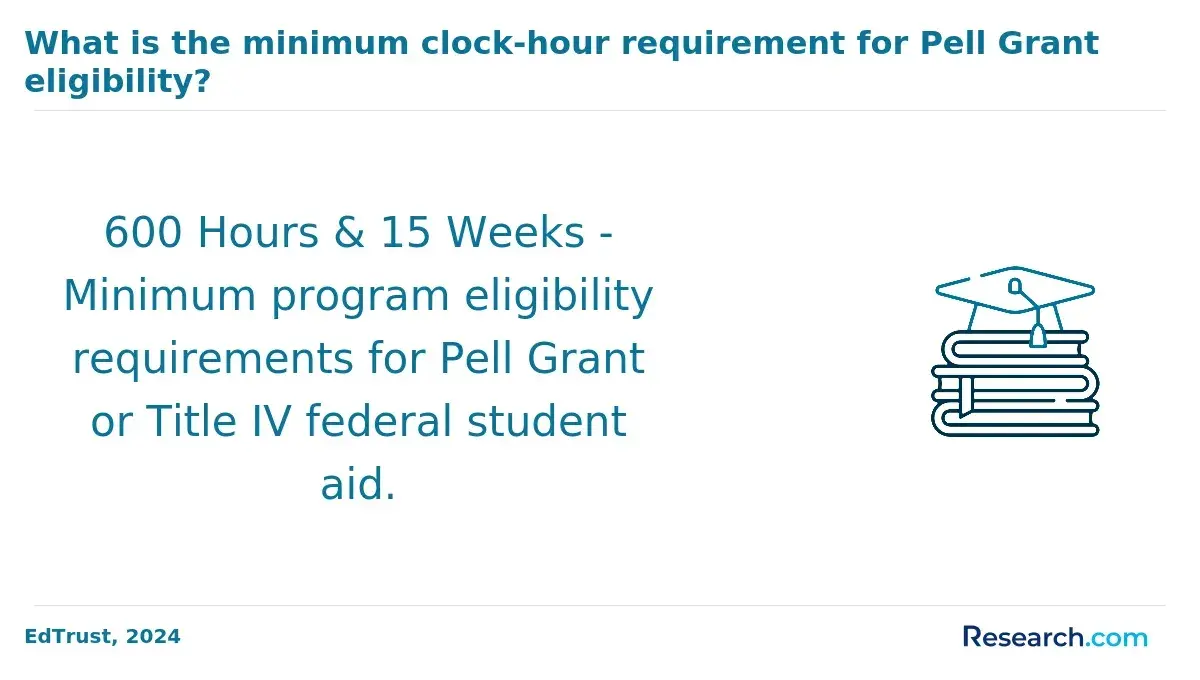
The delivery format of a liberal arts program-online or on-campus-does not inherently affect eligibility for professional licensure. Regulatory authorities prioritize accreditation and adherence to curriculum standards over whether coursework was completed in a physical classroom or digitally.
Recent data shows more than 80% of U.S. licensing boards recognize degrees from accredited online undergraduate programs, signaling increased confidence in remote education.
- Curriculum coverage: Both online and traditional programs must thoroughly address essential subjects required by licensing bodies. Comprehensive content ensures graduates are well-prepared regardless of how they studied.
- Practical or clinical components: Fields requiring experiential learning often facilitate local internships or hybrid options for online students, maintaining hands-on training standards comparable to campus programs.
- Skill development: Core competencies such as critical thinking, communication, and analytical skills are consistently emphasized in both formats, preparing candidates for professional demands.
- Assessment methods: Online programs employ varied evaluation tools, including proctored exams and project-based assessments, to verify student mastery and uphold rigor.
- Employer perceptions: As accreditation and program quality improve, employers increasingly regard online degrees as credible, diminishing historic biases against nontraditional pathways.
Clinical or practicum hours provide essential hands-on training that equips students with practical skills and professional judgment needed for licensure and real-world practice. These supervised experiences allow learners to apply academic knowledge in professional settings, ensuring readiness for their chosen careers.
For online liberal arts degree clinical hour requirements, the inclusion of practicum or clinical hours varies depending on the specific field and related licensure demands. Many degrees in liberal arts focus on broad academic study and may not mandate clinical hours, unlike fields such as nursing or education.
- Typical Hour Requirements: When required, students often complete between 100 and 600 supervised hours. This range depends on licensure or certification standards linked to the career path.
- Supervised Placements: Students usually engage in placements at community organizations, cultural institutions, or research centers. These settings provide practical skill-building aligned with professional expectations and licensure requirements.
- Guidance and Evaluation: Students receive direct feedback from experienced supervisors through performance assessments and reflective assignments, helping them develop professional competencies.
- Program Coordination: Faculty coordinate clinical or practicum experiences to ensure compliance with regulatory bodies and maintain program quality.
- Facilitating In-Person Experience: Online liberal arts programs often partner with local organizations or allow students to arrange approved sites near their location. This hybrid model meets practicum hour needs while accommodating distance learning.
Prospective students interested in practicum hours for online liberal arts licensure should carefully review program details. Those exploring specialized fields may also consider a library master's degree program, where clinical or practicum requirements might differ significantly.
Licensing exams play a crucial role in confirming that professionals possess the knowledge and skills necessary for their careers. These assessments act as gatekeepers for certification and licensure, ensuring candidates meet industry standards. For example, pass rates for certain exams fluctuate by state but typically remain a key hurdle for licensure eligibility.
The following points break down important facets of these licensing exams relevant to those holding an online liberal arts degree.
- Exam Name: Common exams include the Praxis Core and Praxis Subject tests, especially for teaching careers. These exams are tailored to evaluate foundational knowledge pertinent to specific professions.
- Content Areas: Test subjects often cover core skills like reading and writing, alongside specialized knowledge aligned with the intended career field, such as education or counseling principles.
- Test Format: Exams combine multiple-choice questions, essay writing, and constructed responses designed to assess critical thinking and practical application.
- Preparation Strategies: Candidates are encouraged to use official guides, practice exams, and digital study tools to familiarize themselves with test structures and content.
- Retake Policies: Many licensing bodies allow multiple attempts but usually enforce waiting periods or additional fees to ensure thorough readiness.
- Recognition of Online Degrees: Accredited online liberal arts programs are generally accepted, provided they satisfy relevant credit and content requirements specified by licensing authorities.
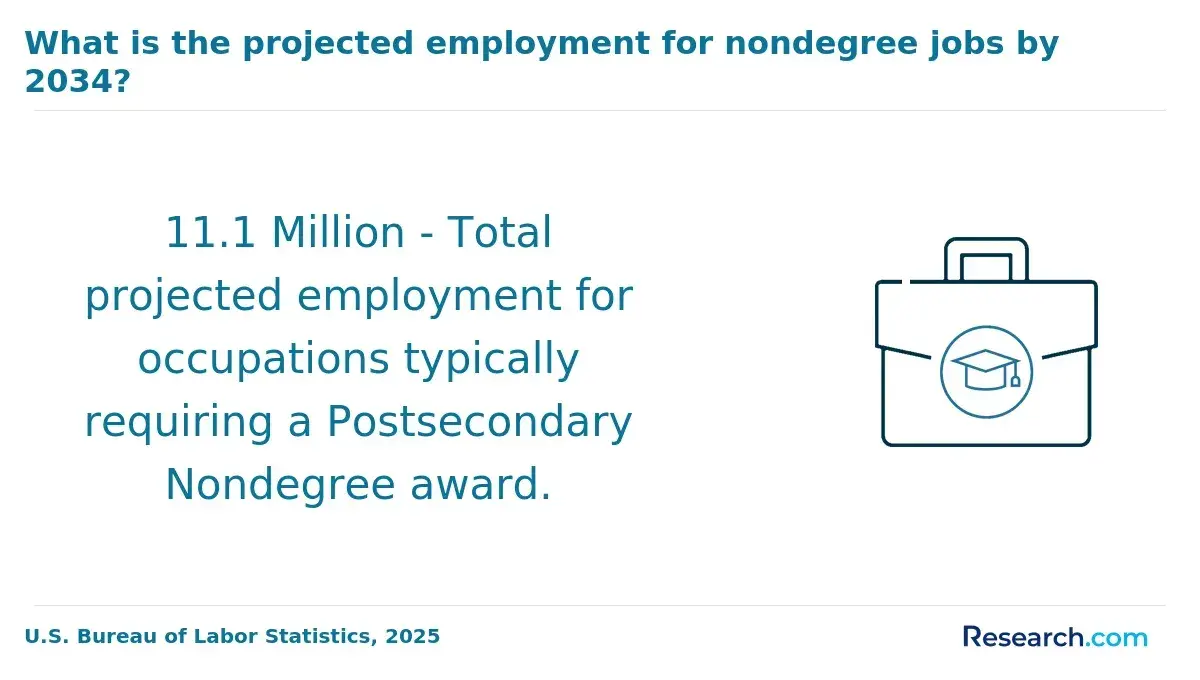
Supervised work experience is not generally required after earning an online liberal arts degree to meet graduation or credential standards. Liberal arts programs emphasize broad academic knowledge, critical thinking, and transferable skills rather than mandatory post-degree training.
Unlike clinical or licensed professions, liberal arts graduates are considered career-ready through coursework alone, though practical experience can strengthen employability. Fewer than 20% of liberal arts related career pathways formally require supervised experience after graduation. When applicable, experiential components may include:
- Duration: Optional experiences such as internships or fellowships may last from a few weeks to several months, depending on the field and employer.
- Settings: Practical learning may take place in offices, nonprofits, educational institutions, media organizations, or cultural agencies aligned with the graduate’s interests.
- Mentorship: Supervisors or industry professionals may provide guidance, feedback, and career insight, though oversight is typically informal.
- Skill development: Emphasis is placed on communication, research, writing, analytical thinking, teamwork, and problem-solving in real-world contexts.
- Career impact: While not required for degree completion, supervised experience can improve job prospects, support graduate school applications, and help clarify career direction.
Licensure reciprocity allows professionals to have their licenses recognized across different states, enabling them to work without obtaining a new license in each jurisdiction. This is crucial for liberal arts graduates pursuing careers requiring state licensure, as it promotes greater flexibility and career mobility across regions.
Several key factors influence how reciprocity applies, especially for those with an online liberal arts degree.
- Eligibility criteria: Most states require applicants to hold an active license in good standing before granting reciprocity. Graduates must ensure their credentials meet these basic standards to qualify for interstate practice.
- Program accreditation and requirements: Reciprocity often depends on whether the educational program is accredited and meets specific curriculum standards. State agencies look beyond the mode of study, focusing on the quality and recognition of the program rather than whether the degree was earned online or on campus.
- State reciprocity agreements: Some states participate in formal reciprocity compacts that streamline the process, while others evaluate each application individually. It is important to research the specific state reciprocity rules for online liberal arts degree holders as they can vary widely.
- Application process: The process usually requires submitting transcripts, license verifications, and sometimes additional documentation. Knowing the documentation needed in advance can help prevent delays.
- Potential limitations: Reciprocity may be restricted if the online program lacks accreditation recognized by the target state or if its curriculum does not meet state-specific professional standards. This can affect the ability of some online liberal arts graduates to receive reciprocity.
For those exploring further education options to maximize career potential, considering the cheapest online bachelor's degree programs that maintain proper accreditation can be a strategic choice. This can improve the likelihood of meeting licensure reciprocity requirements for online liberal arts graduates.
Online liberal arts programs have seen enrollment grow by more than 30% recently as students seek education that fits busy lifestyles. Many prospective learners weigh licensure outcomes heavily, given credentialing requirements in various career fields.
Below is a summary of key advantages and limitations associated with these programs.
Pros
- Flexibility: Allows students to manage work, personal life, and coursework simultaneously, supporting consistent progress toward meeting licensure criteria.
- Accessibility: Opens opportunities nationwide without geographic constraints, fostering diverse student bodies and broader access to education.
- Cost efficiency: Often more affordable with smaller classes, enabling more personalized academic support, which can improve mastery of licensure-relevant material.
Cons
- Limited practical training: Lack of in-person supervised experiences may hinder fulfillment of state-specific licensure mandates requiring hands-on practice.
- Reduced networking: Fewer face-to-face interactions can impact professional relationships and post-licensure job prospects.
- Perception challenges: Certain employers and licensing bodies may question the rigor of online degrees, affecting credential recognition and competitiveness in the job market.
Obtaining licensure with an online liberal arts degree can significantly impact salary, often increasing earning potential compared to non-licensed professionals. Industry data shows that licensed individuals may earn 15-20% more annually than their non-licensed counterparts in similar roles. This salary benefit of licensure with online liberal arts degree credentials reflects the added value employers place on certified expertise.
The following highlights key ways licensure influences compensation and career growth.
- Access to higher-paying roles: Many positions require licensure as a formal qualification, enabling licensed graduates to apply for roles with better salary packages and benefits.
- Eligibility for leadership positions: Licensure often qualifies candidates for supervisory and management positions, which typically offer higher remuneration and greater influence within organizations.
- Specialized responsibilities: Certified professionals can take on advanced duties that command premium wages due to the specialized skills and accountability required.
- Greater job security: Holding a recognized license enhances employability during economic fluctuations, providing a degree of protection compared to unlicensed peers.
For graduates pursuing licensure after earning an online liberal arts degree, it is important to meet state-specific requirements such as coursework, examinations, or supervised experience. Successfully obtaining a license signals reliability and expertise to employers, contributing to improved compensation and better career prospects. This is particularly relevant to fields like education, counseling, or social services where licenses are mandatory or strongly preferred.
Those considering credentialing options may also explore related academic paths, including one year masters programs that can complement licensure qualifications and enhance professional standing.
In summary, the impact of online liberal arts degree licensure on salary goes beyond immediate pay increases by opening doors to advancement opportunities and greater job stability, underscoring the value of pursuing licensure credentials in this field.
Licensure plays a significant role in shaping career opportunities for online liberal arts degree holders, affecting the types of positions available and potential salary levels. While many graduates seek licensed roles for stability and advancement, others find success in non-licensed professions emphasizing skills over certification. Around 40% of liberal arts graduates enter fields that do not require licensure, highlighting a balance between these two paths.
Below are examples of jobs commonly attained with or without professional licenses.
Jobs With a License
- Licensed social worker: Offers counseling and support services within regulated standards, often leading to greater job security and opportunities for supervisory roles.
- School counselor or educational administrator: Manages student programs and requires state certification, enabling graduates to work in structured education environments with leadership potential.
- Human services professional in regulated settings: Ensures legal and ethical compliance while providing assistance, often securing positions demanding official credentials for advancement.
Jobs Without a License
- Marketing coordinator: Develops campaigns and oversees brand communications, focusing on creativity and strategic skills instead of formal certification.
- Content writer or editor: Produces and edits various written materials, leveraging strong communication abilities to support media or corporate objectives.
- Research analyst: Collects and interprets data to inform decisions, relying on analytical expertise rather than licensing requirements.
What Graduates Say About Getting Licensed with an Online Liberal Arts Degree
- Renann: "The online liberal arts degree program was surprisingly affordable, especially considering the average cost of attendance was quite reasonable compared to traditional universities. The flexibility of the coursework allowed me to balance my job and studies efficiently. Today, as a licensed professional, I truly appreciate how this degree opened doors to diverse career opportunities without the heavy financial burden."
- Margie: "Reflecting on my journey, the cost of the online liberal arts degree combined with licensure fees was a significant consideration, but it was worth every penny. The program's structure encouraged deep critical thinking and adaptability, which greatly enhanced my professional skills. Completing it online gave me the freedom to learn at my pace, ultimately advancing my career in meaningful ways."
- Stella: "From a professional standpoint, investing in the online liberal arts degree was strategic, especially with the manageable tuition costs and licensure expenses. The immersive online environment challenged me intellectually while accommodating my busy schedule. This degree has been instrumental in establishing my credibility and success within my licensed profession. "
Other Things You Should Know About Liberal Arts Degrees
In 2027, online liberal arts graduates are not generally at a disadvantage when applying for licenses. Accreditation and program legitimacy are key factors. As long as the online program is accredited by a recognized body, graduates can expect similar licensing opportunities as those from traditional programs.
In 2027, degree requirements for licensure may differ based on the specific field and state regulations. Generally, online and traditional liberal arts graduates follow the same academic criteria. However, accreditation and program-specific requirements are crucial, with state boards often looking for accredited programs, regardless of delivery method.
Most state licensing boards, such as boards of nursing, teaching, counseling, and social work, check that the degree comes from a U.S. Department of Education–recognized accreditor and that the program is board-approved when required. Some boards also require specific semester credits or supervised practice hours.
- Licensure Information by State | Masters Degree in Counseling and Art Therapy https://www.swc.edu/licensure-information-by-state/
- Bachelor of Arts in Liberal Arts https://www.uagc.edu/online-degrees/bachelors/liberal-arts-v2
- State Authorization & Licensure Disclosures https://www.gonzaga.edu/about/at-a-glance/consumer-information/licensure-disclosures
- Liberal Studies with an Emphasis in Education, B.A. Online https://www.pointloma.edu/adult-degree-completion/programs/liberal-studies-emphasis-education-ba-online
- Online Liberal Arts Degree | Programs & Career Options https://www.learnhowtobecome.org/best-online-bachelors-in-liberal-arts-degree-programs/
- Bachelors of Liberal Arts Online - Online Degree Programs https://www.elearners.com/online-degrees/liberal-arts/bachelor/
- Balancing Work, Life, And Education For Parents: Advantages Of An Online Liberal Arts Degree | Successful Black Parenting Magazine https://successfulblackparenting.com/2025/09/18/liberal-arts-degree/
- What is a Liberal Arts Degree and What Can You Do With It? https://www.snhu.edu/about-us/newsroom/liberal-arts/what-is-a-liberal-arts-degree
- Is an Online Degree as Good as a Traditional One? https://scs.georgetown.edu/news-and-events/article/8050/is-an-online-degree-as-good-as-a-traditional-one