2027 Can You Get Into an Industrial Engineering Degree Master's Program with a Low GPA? Admission Chances & Workarounds

Co-Founder and Chief Data Scientist
Applying to a master's program in industrial engineering with a low GPA can feel like facing a closed door, especially when admissions often emphasize academic metrics. This challenge intensifies as industrial engineering programs tend to attract competitive candidates with strong quantitative backgrounds.
Recent data shows only about 25% of applicants with a GPA below 3.0 secure admission in top-ranked programs, underscoring the difficulty but not the impossibility of acceptance. This article explores realistic strategies and alternative routes designed to improve admission chances and navigate the unique demands of industrial engineering master's admissions for candidates with less-than-ideal GPAs.
Key Things to Know About Getting Into a Industrial Engineering Master's Program with a Low GPA
- Admissions committees often assess applicants holistically, valuing relevant work experience and strong letters of recommendation alongside a low GPA.
- Completing additional coursework or certifications in industrial engineering can demonstrate academic commitment and improve admission chances.
- Applying to programs with flexible GPA requirements or emphasizing your statement of purpose and professional goals can offset low academic scores effectively.
What is the minimum GPA for industrial engineering master's programs?
The minimum GPA requirements for admission to industrial engineering master's programs vary widely depending on the institution and the competitiveness of the program. Most U.S. programs typically list a minimum undergraduate GPA of around 3.0 on a 4.0 scale as the basic eligibility criterion. This baseline helps establish formal admission standards, but there is significant variation from school to school.
Prospective students should research each program's specific requirements to understand how their academic record aligns with expectations for the industrial engineering graduate school they wish to attend.
The difference between the stated minimum GPA and the average GPA needed for admission to industrial engineering graduate school is an important consideration. While a 3.0 GPA may be acceptable, competitive applicants generally have closer to a 3.3 or above, reflecting stronger academic performance and improving their chances of admission.
This is crucial for those with below-average undergraduate GPAs who are exploring feasible pathways toward graduate studies. For students seeking alternatives or looking to bolster their profile, options such as pursuing a related degree like the MSW degree might also be worth considering depending on career objectives and program availability.
How do graduate schools evaluate a low undergraduate GPA?
Graduate admissions generally place considerable emphasis on undergraduate GPA, viewing it as a key measure of academic ability and readiness for advanced study. However, for applicants concerned about the impact of low GPA on graduate school acceptance industrial engineering programs often assess candidates more holistically. Admissions committees typically consider additional factors beyond GPA to better understand an applicant's full potential.
The following key elements play a pivotal role in this evaluation:
- Academic Performance Trends: Admissions committees look for steady improvement in grades over time, which can demonstrate resilience, growing maturity, and increasing academic competence despite an initially low GPA.
- Professional Experience: Relevant internships, work experience, or practical engagement in industrial engineering-related fields can highlight skills and commitment that grades alone may not fully reflect.
- Letters of Recommendation: Strong endorsements from faculty or supervisors provide valuable insight into an applicant's strengths, work ethic, and potential for success in graduate studies beyond numerical performance.
- Standardized Test Scores: High scores on exams such as the GRE can help reassure admissions panels of an applicant's readiness to handle graduate-level coursework despite earlier academic struggles.
By weighing these diverse factors, graduate schools improve their assessment of applicants who have lower undergraduate GPAs, allowing candidates to demonstrate strengths beyond their transcripts.
For those exploring practical pathways into an industrial engineering master's degree program with below-average GPAs, focusing on these areas can significantly enhance admission prospects. Additionally, students may find opportunities through alternative credentials like best associate degrees that support career growth and academic progression.

Can work experience compensate for a low GPA in industrial engineering graduate programs?
Graduate programs in industrial engineering often use a holistic admissions process, weighing professional experience alongside academic records. Studies from multiple U.S. universities show that about 30% of students accepted with GPAs below the conventional threshold had notable work experience in relevant fields.
The following points illustrate how work experience can enhance an application despite a low undergraduate GPA.
- Practical Skills: Hands-on experience with industrial engineering tools and methodologies signals to admissions committees that the applicant possesses essential technical competencies.
- Problem-Solving Ability: Addressing real workplace challenges highlights analytical thinking and adaptability, qualities that go beyond textbook knowledge.
- Leadership and Teamwork: Demonstrated capacities to lead projects or collaborate effectively within diverse teams reflect maturity and communication skills.
- Industry Knowledge: Awareness of current technologies and trends shows that the applicant is prepared for graduate-level study and understands the field's evolving landscape.
- Professional Motivation: A consistent work history conveys dedication and passion, helping to counterbalance weaker academic performance.
When discussing whether work experience can compensate for a low GPA, a graduate of an industrial engineering master's program shared his perspective. Despite struggling academically during his undergraduate years, he built a strong portfolio by working extensively in manufacturing operations. "I was nervous about how my GPA would affect my chances," he recalled.
"But my experience managing process improvements and leading a small team helped demonstrate my commitment and practical knowledge." He described the application process as challenging yet encouraging once the admissions committee took his professional background into consideration. "The fact that I could point to concrete examples of growth and problem-solving made a huge difference," he added, noting that this balance between experience and academics ultimately secured his place in the program.
Certifications can significantly improve admission chances for low GPA applicants seeking entry into industrial engineering master's programs. A survey by the Council of Graduate Schools found that nearly 40% of admissions officers regard certifications as valuable supplementary proof of skills when academic records are weaker.
These credentials provide concrete evidence that candidates possess relevant expertise, which can tip the scales in competitive admissions decisions. For applicants with below-average grades, earning recognized certifications can make their applications more compelling.
Certifications in fields related to industrial engineering-such as Six Sigma or project management-demonstrate practical knowledge and a commitment to professional growth beyond coursework. While they do not replace the academic merit indicated by GPA, they validate technical skills and real-world competencies important to graduate study and career readiness.
Admissions committees often see these credentials as a strong indicator of motivation and subject-matter mastery, which helps offset weaker academic performance. Applicants interested in maximizing their options may also explore CACREP accredited schools for related professional certification opportunities.
Applicants with lower GPAs often choose to take additional undergraduate courses to strengthen their academic record and improve their chances of admission into an industrial engineering master's program. Studies indicate that students who pursue post-baccalaureate coursework typically raise their cumulative GPA by an average of 0.3 to 0.5 points, making this a valuable strategy for competitive programs.
Below are several key considerations regarding the benefits of extra undergraduate courses for industrial engineering master's admission.
- Grade Replacement Impact: Policies on grade replacement vary widely among graduate programs. Some programs focus solely on recent grades from additional coursework, while others consider the entire transcript, affecting how much weight your improved grades carry.
- Upper-Level Coursework: Taking advanced courses in industrial engineering or related STEM fields signals your preparedness for graduate-level study more effectively than lower-level or unrelated electives.
- Subject Relevance: Courses in applied math, systems engineering, or operations research demonstrate alignment with industrial engineering principles, adding significant value to your application compared to unrelated subjects.
- Recent Academic Performance: Admissions committees tend to place more emphasis on recent academic achievements, as they better reflect your current abilities and readiness for graduate work.
By focusing on these factors, candidates can strategically improve their academic profile and admissions prospects despite a below-average undergraduate GPA. For those exploring their options, it's also helpful to research different types of degree programs, including how an affordable online master's in psychology or other graduate degrees may offer alternative pathways or complement skills relevant to industrial engineering.
Considering the how additional coursework impacts acceptance into industrial engineering graduate programs alongside these strategies will better prepare applicants to navigate the competitive admissions landscape.
Conditional admission offers a provisional acceptance to applicants for industrial engineering master's programs who do not fully meet standard criteria, often due to a lower undergraduate GPA. About 30-40% of graduate programs provide this option to support candidates who show potential but require additional proof of readiness. The following points highlight the main features of such admissions:
- Academic Performance Requirements: Students must uphold a minimum GPA during an initial probation period, which is typically higher than their previous academic record.
- Course Completion Conditions: Applicants may need to finish prerequisite or foundational courses to build knowledge before tackling core industrial engineering subjects.
- Time Limits: There is usually a fixed period, often one academic year, within which candidates must meet all conditions to move into full admission status.
- Progress Evaluation: Regular reviews or advising sessions monitor the student's efforts to fulfill the conditional terms and ensure steady advancement.
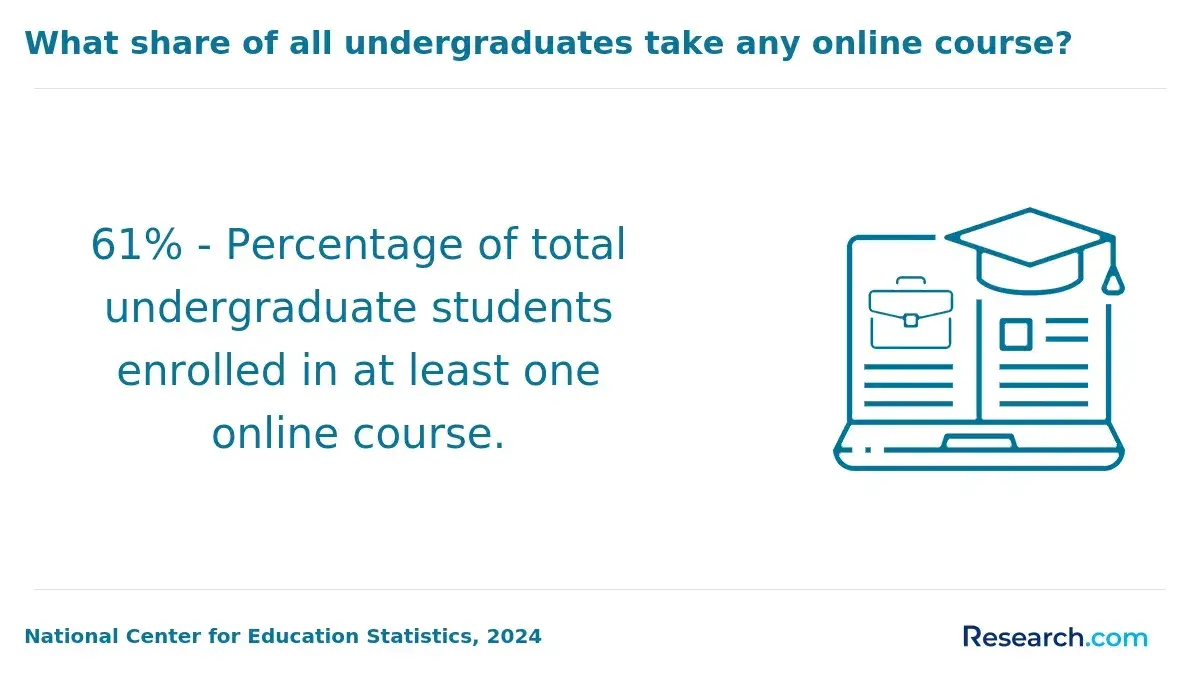
Admission to online industrial engineering master's programs is not automatically easier for students with low GPAs. Requirements differ widely by school, accreditation, and how competitive the program is. Research indicates that acceptance rates for online graduate programs may be approximately 10-15% higher than those for on-campus counterparts, though this varies significantly depending on the institution.
Several factors influence accessibility for applicants with less competitive undergraduate records, including:
- Admission Standards: Programs with strong reputations often uphold strict GPA thresholds, regardless of whether the program is online or on-campus.
- Program Selectivity: Some programs place more emphasis on professional background or standardized test results in place of GPA, making them potentially more accessible.
- Applicant Pool Size: Larger applicant pools can mean more competition but also a wider range of accepted profiles, potentially benefiting nontraditional candidates.
- Experience Requirements: Relevant work experience, internships, or research can play a significant role in offsetting a weaker GPA by demonstrating practical skills and commitment.
Reflecting on this, I spoke with a professional who gained admission to an online industrial engineering master's program despite a low undergraduate GPA. She described feeling initially discouraged but chose to focus her application on her years of industry experience and problem-solving skills. "It wasn't about my GPA alone; I made sure to highlight how my work experience had prepared me for graduate-level challenges," she shared.
The application process involved extensive preparation of a compelling personal statement and strong letters of recommendation, which she credits for offsetting academic weaknesses. Her journey emphasizes that while not easy, gaining admission with a low GPA is possible with a strategic approach that showcases one's strengths beyond grades.
High GRE scores can meaningfully offset a low undergraduate GPA when applying to industrial engineering master's programs, as standardized test results provide a standardized measure of academic ability. Data from U.S. programs show that the average GRE quantitative score for admitted students typically ranges between 160 and 165, emphasizing the value placed on strong test performance.
Below are key factors to consider in how GRE scores influence admissions decisions:
- Quantitative Scores: A robust quantitative score is vital in industrial engineering admissions. It demonstrates essential skills in mathematics and problem-solving, often the most critical areas for success in the field.
- Verbal Scores: Though less emphasized than quantitative scores, strong verbal results highlight reasoning and communication skills, which can help balance a weaker GPA when evaluated holistically.
- Analytical Writing: High analytical writing scores reflect the ability to think critically and articulate complex ideas clearly, enhancing an applicant's overall academic profile.
- Overall Test Performance: Consistent and strong GRE results across all sections send a signal of graduate-level readiness and can mitigate concerns about past academic inconsistencies.
Prospective applicants with below-average GPAs should prepare carefully for the GRE to strengthen their applications and demonstrate their capability for rigorous graduate study in industrial engineering.
Post-baccalaureate programs are tailored academic pathways that help applicants with low undergraduate GPAs enhance their academic record to improve admission chances to graduate programs. These programs offer multiple supports designed to strengthen graduate school applications. Key aspects include:
- Academic Enhancement: Students take rigorous graduate-level or upper-division courses, demonstrating their ability to succeed with challenging content and offset a lower GPA.
- Prerequisite Completion: These programs provide opportunities to complete essential prerequisites that some applicants may have missed, aligning qualifications with graduate program requirements.
- Research Opportunities: Participation in research projects helps build practical experience and generate strong letters of recommendation valued by admissions committees.
- Graduate Preparation: Many programs offer advising and workshops focused on strengthening application materials, including test preparation, personal statements, and interview techniques.
These post-baccalaureate programs for low GPA applicants create a viable graduate pathway to improve admissions chances with low GPA by boosting academic credentials and demonstrating commitment to graduate-level study in industrial engineering. Additionally, those considering related fields might explore an online data science degree as an alternative route to strengthen their technical expertise and career prospects.
Employers may consider undergraduate GPA as part of early career hiring decisions, using it mainly as a preliminary screening tool for candidates with limited professional experience. For instance, a 2022 study found that industrial engineering graduates with GPAs over 3.5 earned starting salaries about 8-10% higher than those with GPAs below 3.0.
However, several other factors often play a more significant role in salary offers. Key influences include:
- Employer Emphasis: Many firms place greater value on hands-on technical skills, internships, and project involvement than on academic grades alone, allowing candidates with lower GPAs to remain competitive.
- Field of Study: Specialized areas within industrial engineering, such as supply chain management or data analytics, can drive higher entry-level salaries regardless of one's undergraduate GPA.
- Professional Experience: Practical experience via internships or cooperative education programs frequently compensates for a weaker academic record and can boost earning potential.
- Graduate Degree Credentials: Earning a master's degree signals advanced knowledge and dedication, often minimizing the weight given to undergraduate GPA during hiring and salary negotiations.
Overall, while GPA influences starting salaries to some extent, developing relevant expertise and securing real-world experience tend to have a greater impact in industrial engineering careers.
What Graduates Say About Getting Into a Industrial Engineering Degree Master's With a Low GPA
- Diana: "Getting accepted into an industrial engineering master's program with a low GPA felt nearly impossible at first, but the cost efficiency of these programs truly surprised me. Balancing finances and academics was tough, but the practical skills I gained have opened doors in manufacturing and supply chain management. I now see that persistence beyond GPA can lead to rewarding career outcomes."
- Eliane: "Looking back, my low GPA was a hurdle, but not a roadblock, when applying to industrial engineering master's degrees. The process made me appreciate how much these programs focus on analytical thinking and problem-solving rather than just grades. This degree has given me a competitive edge in process optimization roles, which was worth every penny invested. "
- Lara: "My journey into an industrial engineering master's with a less-than-ideal GPA was challenging yet enlightening. The program's affordability was a key factor, allowing me to focus on mastering systems design and operations without overwhelming debt. Professionally, it's boosted my confidence to lead cross-functional teams and innovate workflows effectively. "
Other Things You Should Know About Industrial Engineering Degrees
Yes, research experience can significantly enhance admission chances. It demonstrates practical skills and a commitment to the field, showcasing strengths beyond academic performance. Highlighting research contributions in your application can effectively compensate for a lower GPA in 2027.
A strong reputation of an undergraduate institution can sometimes offset concerns about a low GPA, providing evidence of rigorous academic training. However, many 2027 industrial engineering master's programs prioritize individual achievements and potential over the institution’s status. It’s advisable to focus on demonstrating capabilities through work experience or strong recommendations.
A GRE Quantitative score around 160 or higher can help offset a low GPA in industrial engineering admissions, and some programs also consider a GMAT score above 650. Many universities review the full file, including grades in math, statistics, and engineering courses.
- For international students | Admission and application | Industrial Engineering & Management https://www.utwente.nl/en/education/master/programmes/industrial-engineering-management/admission/international-students/
- Best option for low undergrad GPA (Engineering)? https://talk.collegeconfidential.com/t/best-option-for-low-undergrad-gpa-engineering/1924515
- Industrial Engineering Salary Insights | ValidGrad https://validgrad.com/blog/industrial-engineering-salary/
- Whirlpool https://forums.whirlpool.net.au/archive/1957350
- GRE Scores for Engineering Programs https://magoosh.com/gre/gre-scores-for-engineering-programs/
- Can I get into grad school with a low GPA? https://academia.stackexchange.com/questions/16111/can-i-get-into-grad-school-with-a-low-gpa