2027 Can an Architecture Degree Lead to Remote Jobs?

Co-Founder and Chief Data Scientist
An architecture degree can support remote work, but it rarely removes the need for site awareness, licensure planning, and in-person coordination. The real question for students and new graduates is not whether architecture can be done from home, but which parts of architectural work can be done remotely, which roles are realistic early in a career, and where remote work may slow or support long-term advancement.
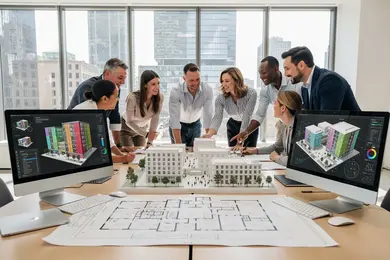
Digital studios, BIM platforms, cloud-based drafting tools, and visualization software have made distributed design teams more common. Many programs now use virtual design studios and simulation environments that reflect how architecture firms manage hybrid and remote collaboration. According to the American Institute of Architects (AIA), over 38% of Architecture practices reported a rise in remote work adoption in recent years, showing that flexible work has become part of the profession rather than a temporary exception.
Still, architecture remains tied to physical places. Site visits, client walk-throughs, construction administration, code compliance, and licensure-related responsibilities can require in-person work. This guide explains where remote architecture jobs are most realistic, what entry-level and senior roles look like, how salaries may differ, which certifications help, and how students can position themselves for remote or hybrid opportunities without misunderstanding the limits of the field.
Key Points About Architecture Degrees That Lead to Remote Jobs
- Remote roles in architectural visualization and BIM coordination demand mastery of specialized software; gaining certifications in tools like Revit enhances employability but requires significant upfront time investment.
- Employment projections show growth in sustainable design consulting, pushing graduates to develop niche expertise; employers prioritize candidates with remote collaboration experience, impacting hiring preferences.
- Expanding online architecture program enrollments reflect increased adult learner access, yet the delayed credential completion can affect timely market entry, influencing long-term career trajectory and earning potential.
Is it possible for Architecture graduates to work remotely?
Yes, architecture graduates can work remotely, but most remote architecture roles are either hybrid or focused on digital deliverables. Fully remote work is more common in drafting, 3D visualization, BIM coordination, documentation, design research, and project support than in roles that require site observation, construction administration, or direct client-facing review in physical spaces.
The strongest remote opportunities usually sit at the intersection of technical production and clear communication. A graduate who can manage digital files, model accurately, respond to markups, document decisions, and coordinate with architects, engineers, and clients online is more competitive than someone who only knows design theory.
Where remote work fits best
- Remote-friendly tasks: CAD drafting, BIM updates, rendering, presentation boards, specification research, code research, document control, and coordination notes.
- Hybrid tasks: design reviews, client meetings, team charrettes, project management, and consultant coordination.
- Usually in-person tasks: site visits, field verification, construction observation, physical material review, and some licensure-supervised experience activities.
Graduates should also understand the difference between working remotely in an architecture-related role and practicing independently as an architect. Licensure requirements, state rules, employer policies, and project liability can limit what an unlicensed graduate may do, regardless of whether the work is performed online or in an office.
What are the typical entry-level remote positions for new Architecture graduates?
Entry-level remote architecture jobs usually involve production, coordination, research, or visualization rather than independent design authority. New graduates are often hired to support licensed architects and project teams by preparing drawings, updating models, organizing files, and producing visual or technical materials that can be reviewed digitally.
The following roles are among the most realistic remote or hybrid starting points for architecture graduates.
| Entry-level role | Why it can work remotely | Skills employers usually look for |
| Junior CAD Technician | Drafting and revisions are mostly computer-based and can be shared through cloud platforms. | CAD accuracy, drawing standards, file organization, markup response, and attention to detail. |
| Architectural Visualization Assistant | Renderings, animations, and presentation visuals can be produced and reviewed digitally. | 3D modeling, rendering software, composition, lighting, material representation, and deadline discipline. |
| BIM Coordinator | BIM work relies on shared models, version control, and coordinated updates across distributed teams. | BIM software, model hygiene, clash awareness, documentation standards, and collaboration habits. |
| Design Research Assistant | Material research, precedent studies, code references, and sustainability research can often be completed online. | Research judgment, source evaluation, concise writing, and the ability to translate findings into design guidance. |
| Project Documentation Specialist | Permits, reports, meeting notes, compliance files, and project records are increasingly managed digitally. | Document control, communication, organization, basic code awareness, and accuracy under deadlines. |
These jobs can be useful stepping stones, but graduates should not treat them all as equal paths toward licensure or design leadership. A remote drafting or documentation role may build valuable technical ability, while a licensure-track role may require more direct supervision, project exposure, and occasional office or site presence.
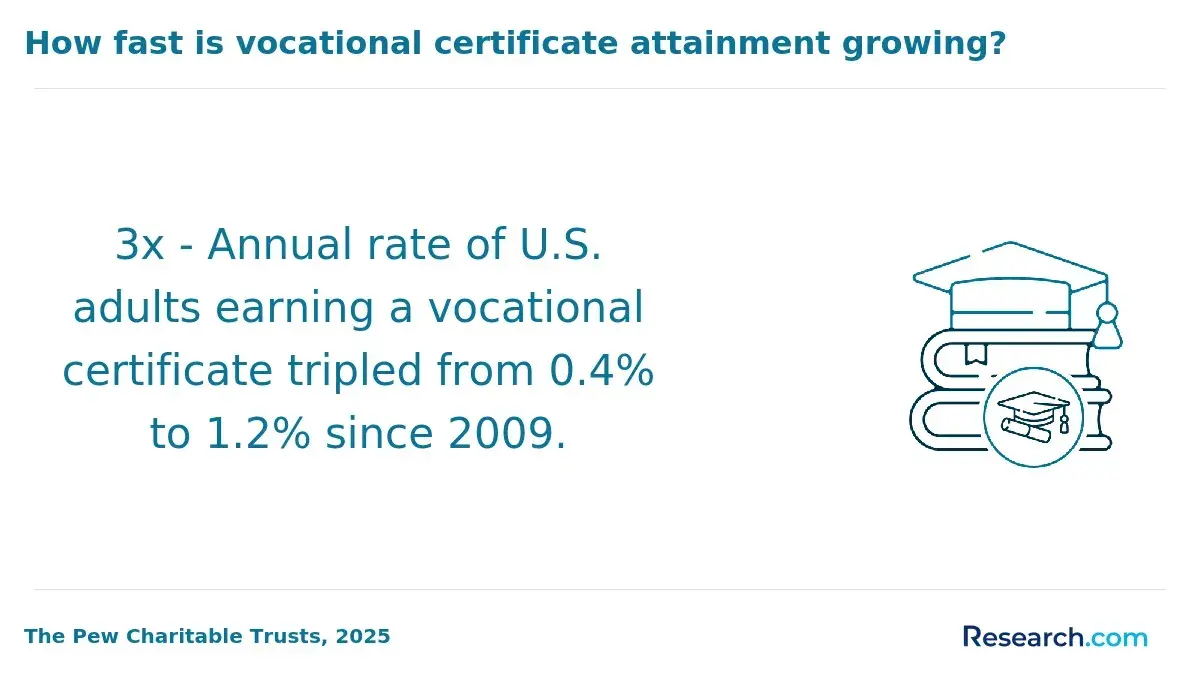
Graduates who want to build stronger credentials while keeping flexibility may compare remote-friendly education options, including a 1-year master's degree online, especially if they need focused training in digital tools, design research, or project coordination.
Are there senior-level remote positions for Architecture professionals?
Yes, senior architecture professionals can find remote or hybrid roles, but these positions usually require proven judgment, project experience, technical leadership, and the ability to manage teams without constant supervision. They are not typically available to new graduates because senior remote work depends on trust, accountability, and a record of delivering complex projects.
At the senior level, remote work becomes more viable when the role centers on coordination, strategy, modeling standards, consulting, or design leadership rather than daily on-site construction oversight.
- Design Director: Guides design direction, reviews work, protects design quality, and leads teams through virtual critiques, model reviews, and client presentations. Some in-person meetings may still be expected for major milestones.
- Project Manager: Oversees schedules, budgets, consultant coordination, client communication, and deliverables. Remote work is possible when the firm has strong systems for documentation, meetings, approvals, and issue tracking.
- BIM Manager: Establishes BIM standards, coordinates models, supports software workflows, trains teams, and resolves model management issues. This role is often highly compatible with remote work because the core output is digital.
- Urban Planner: Conducts policy research, land-use analysis, mapping, stakeholder engagement, and planning documentation. Field observation and public meetings may still require periodic travel.
- Sustainability Consultant: Advises on energy efficiency, environmental certifications, performance modeling, and sustainable design strategy. Much of the analysis can be completed remotely, though project coordination remains essential.
Senior professionals who want remote roles should be ready to show more than technical credentials. Employers look for evidence that a candidate can lead distributed teams, anticipate risks, communicate decisions clearly, and maintain quality without relying on office proximity.
For professionals still building their educational foundation, accelerated bachelor degree programs may be worth reviewing as one possible route for completing credentials more quickly, though career advancement in architecture also depends heavily on portfolio quality, supervised experience, licensure planning, and firm needs.
Architecture graduates are not limited to traditional architecture firms when looking for remote work. Some of the strongest remote opportunities are in adjacent industries that use architectural training for digital modeling, visualization, planning, research, workplace strategy, and project coordination.
- Technology: Technology companies may hire architecture graduates for digital modeling, spatial design, user experience support, workplace planning, proptech, construction technology, or software-related design roles. These jobs often value systems thinking and visual communication.
- Real Estate and Property Development: Developers may use architecture graduates for feasibility studies, design review, proposal materials, market-facing visuals, project documentation, and coordination with external firms. Many of these roles are hybrid because site and stakeholder meetings still matter.
- Environmental and Urban Planning: Planning agencies, sustainability firms, and environmental consultants may hire architecture-trained workers for mapping, research, policy analysis, sustainability assessments, and community planning support. Fieldwork may be occasional rather than daily.
- Creative Industries: Interior design firms, visualization studios, exhibition design teams, media companies, and branding agencies may need architectural visualization, 3D environments, rendering, and spatial storytelling skills that translate well to remote work.
- Consulting: Infrastructure, facilities management, construction technology, and design operations consulting firms may hire architecture professionals for advisory, documentation, workflow improvement, or project management roles that can often be handled remotely.
Industries with digital products and clearly defined deliverables tend to support remote work more easily. Industries tied to construction progress, field verification, or client walkthroughs are more likely to offer hybrid arrangements. Graduates should read job descriptions closely: a posting labeled “remote” may still require travel, site visits, office days, or availability in a specific region.
Remote architecture salaries can be lower, similar, or occasionally higher than on-site salaries depending on role type, location, specialization, and employer pay policy. A common issue is geographic pay tiering: some employers base compensation on where the employee lives rather than where the firm or client is located. This can result in remote architecture positions paying about 10% to 15% below comparable on-site roles.
That gap is not universal. Specialized roles such as BIM management, sustainable design consulting, advanced visualization, and technology-focused design coordination may pay competitively because the required skills are harder to find. In these cases, compensation may depend less on whether the job is remote and more on the value of the expertise.
What to compare before accepting a remote offer
- Base salary: Ask whether pay is based on your location, the firm’s location, or a fixed company salary band.
- Licensure support: Check whether the role helps you gain supervised experience, exam support, or mentorship if licensure is part of your plan.
- Equipment and software: Confirm who pays for hardware, monitors, software access, cloud storage, and cybersecurity tools.
- Travel expectations: A remote role may require occasional site visits, client meetings, or office days that affect your real take-home value.
- Promotion path: Ask how remote employees are evaluated and whether remote staff have advanced into leadership roles at the firm.
Remote work can also reduce commuting costs and provide scheduling flexibility, but those benefits should not distract from long-term career value. A slightly lower salary may be reasonable if the role builds in-demand digital skills; it may be a poor trade-off if it isolates you from mentorship, licensure progress, or meaningful project responsibility.
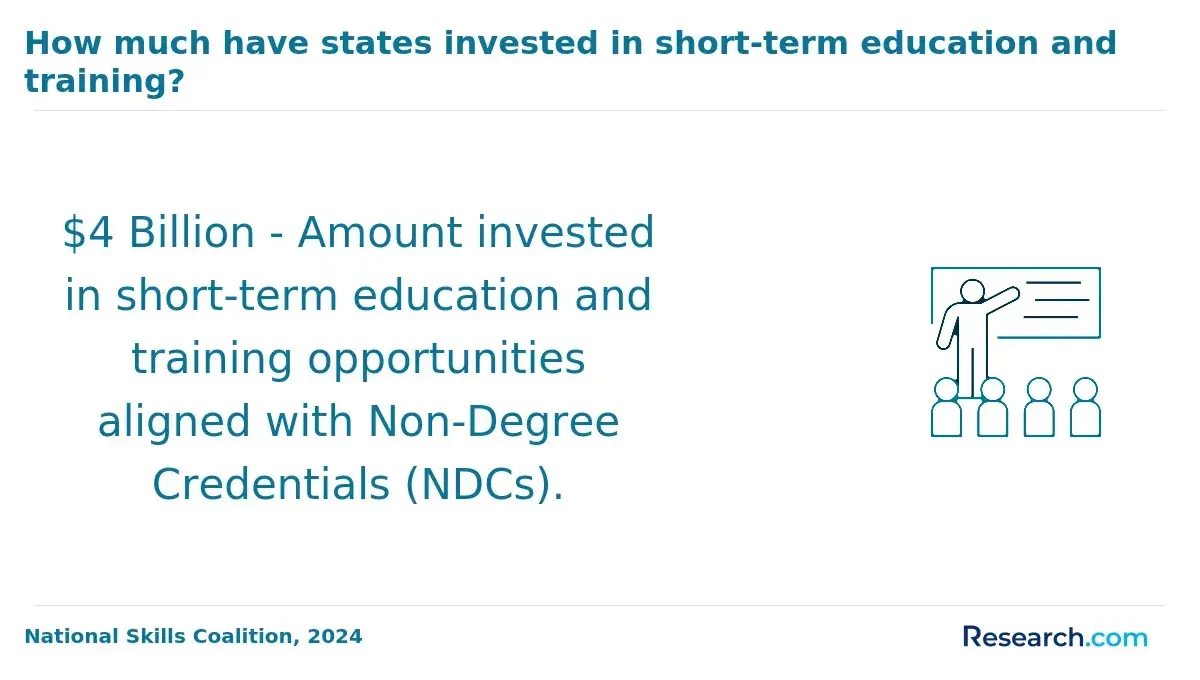
Students comparing educational pathways should be careful not to choose a credential only because it seems convenient. For broader context on accessible programs, Research.com also explains What is the easiest associate degree to get and how students should think about fit, workload, and career alignment.
Remote architecture work can be productive, but it creates challenges that are less visible in job postings. Architecture depends on precise visual information, coordinated decisions, and shared understanding among designers, engineers, contractors, clients, and regulators. When that coordination happens remotely, small gaps can become expensive mistakes.
- Large files and demanding software: CAD, BIM, rendering, and visualization tools require strong hardware, stable internet, and disciplined file management. Slow syncing, outdated files, or weak equipment can delay reviews and revisions.
- Fewer informal design conversations: In offices, quick desk reviews and spontaneous critiques help teams catch problems early. Remote teams must replace those moments with scheduled reviews, annotated markups, and clear decision logs.
- Coordination across many stakeholders: Architecture projects involve architects, engineers, consultants, contractors, clients, and sometimes public agencies. Remote coordination can slow feedback loops if responsibilities and deadlines are not explicit.
- Cybersecurity and confidentiality risks: Drawings, client information, site data, and project documents may be sensitive. Remote workers must follow secure file-sharing, access control, and data protection policies carefully.
- Time zone and availability issues: Distributed teams may struggle to schedule real-time reviews. Strong asynchronous communication becomes essential, especially for teams working across regions.
- Reduced visibility for early-career workers: New graduates may miss informal mentoring, office learning, and relationship-building opportunities unless they intentionally ask for feedback and stay visible.
One architecture professional who completed an online bachelor's described file management as one of the hardest parts of remote work because inconsistent internet speeds and hardware limitations slowed down project delivery. He said, “Sharing 3D renderings became a bottleneck; sometimes I had to compress files multiple times, which compromised quality.”
He also found that remote brainstorming made it harder to read the room and understand unspoken design concerns. His takeaway was practical: remote work can provide flexibility, but it requires stronger routines for communication, file organization, and professional visibility than many new graduates expect.
Certifications can help architecture graduates compete for remote roles when they prove a specific, job-relevant skill. They are not a substitute for a strong portfolio, supervised experience, or licensure when licensure is required, but they can make a candidate easier to evaluate in a remote hiring process.
- Leadership in Energy and Environmental Design (LEED) Accredited Professional: Useful for graduates targeting sustainable design, green building consulting, and environmental performance work. It signals familiarity with sustainability standards and can support remote research, documentation, and consulting tasks.
- National Council of Architectural Registration Boards (NCARB) Certification: Valuable for architects seeking broader professional mobility and licensure reciprocity across states. Applicants must hold a professional degree, complete the Architectural Experience Program, and pass the Architect Registration Examination.
- Building Information Modeling (BIM) Certification: Especially relevant for remote drafting, model coordination, digital delivery, and multidisciplinary collaboration. BIM credentials can help employers trust that a candidate understands shared model workflows and standards.
- Project Management Professional (PMP) Certification: Helpful for architecture professionals moving into coordination, project management, or operations-heavy roles. It is not architecture-specific, but it can strengthen credibility for managing distributed teams and complex schedules.
- Registered Architect License: The central credential for legal authority to practice architecture independently and sign off on projects. Requirements are defined by state boards and usually involve education, experience, and examination requirements.
The best credential depends on the role. A graduate targeting visualization may gain more from software and BIM validation than from a management credential. Someone aiming for sustainability consulting may benefit more from LEED. A professional who wants to lead projects across jurisdictions should pay close attention to licensure and NCARB-related mobility.
Some graduates also combine architecture training with business or operations study. For example, an operations management degree may be relevant for professionals who want to move toward project delivery, workflow improvement, or remote team management rather than traditional design production alone.
Students who want remote architecture roles should prepare before graduation. Remote employers need evidence that a candidate can produce quality work without constant in-person supervision. That means your portfolio, software skills, communication habits, and work samples must answer a clear question: can you contribute to a distributed design team reliably?
- Build a digital portfolio for remote review: Include clear project summaries, your specific role, software used, process images, final outputs, and concise explanations of design decisions. Employers should be able to understand your thinking without you narrating every page live.
- Show collaboration, not just final renderings: Include examples of markups, model coordination, team workflows, documentation sets, or research that demonstrate how you work with others.
- Practice asynchronous communication: Remote teams rely on written updates, annotated drawings, recorded walkthroughs, and organized file handoffs. Learn to explain what changed, why it changed, and what decision is needed next.
- Strengthen BIM, CAD, and visualization skills: Remote architecture work often begins with digital production. Be ready to show clean files, consistent naming, organized layers or model elements, and accurate revisions.
- Look beyond general remote job boards: Search architecture firms with hybrid teams, visualization studios, BIM consultancies, planning organizations, construction technology companies, and design operations roles.
- Use internships strategically: Even if an internship is on-site or hybrid, it can provide the supervision, project exposure, and references needed to win remote work later.
- Choose education options with remote readiness in mind: Students comparing architecture programs online should look for studio support, portfolio development, software access, faculty feedback, and career services that reflect how architecture hiring actually works.
Students with unusual admissions histories or academic constraints may also research accessible pathways such as an online college with no GPA requirements, but they should still evaluate accreditation, transfer policies, portfolio expectations, and whether the program supports their intended architecture-related career path.
Remote architecture roles can support long-term career growth, but they change how advancement happens. In an office, visibility can come from informal conversations, quick design reviews, and being present when decisions are made. Remote workers must create that visibility intentionally through clear updates, reliable deliverables, strong meeting participation, and documented contributions.
Promotion decisions in remote or hybrid architecture teams often depend on more than design ability. Firms may evaluate whether an employee communicates clearly, meets deadlines without repeated follow-up, coordinates well with consultants, protects file quality, contributes to team culture, and can lead work across digital platforms.
How to avoid career stagnation while remote
- Document your impact: Track completed deliverables, coordination wins, design contributions, client feedback, and process improvements.
- Ask for structured feedback: Remote workers should not wait for annual reviews. Request regular critiques of drawings, models, communication, and project judgment.
- Stay connected to mentors: Build relationships with licensed architects and senior staff who understand your goals and can help you gain meaningful experience.
- Volunteer for visible responsibilities: Present during reviews, lead small coordination tasks, write meeting summaries, or manage a defined package of work.
- Protect licensure progress: If becoming a licensed architect is your goal, confirm that your remote role supports the type of experience and supervision you need.
Remote work can broaden access to firms and projects outside a graduate’s local market, but it can also reduce informal mentorship if the employer does not manage distributed teams well. The best long-term remote roles offer both flexibility and a clear path to greater responsibility.
A remote career in architecture is likely to remain sustainable for some professionals, especially those whose work centers on digital modeling, BIM, visualization, documentation, research, sustainability analysis, planning, consulting, or project coordination. However, fully remote architecture careers will continue to face limits because buildings are physical, regulated, and constructed on sites that require observation and coordination.
The most durable model for many architecture professionals will be hybrid rather than fully remote. Cloud collaboration, BIM platforms, virtual reviews, and digital documentation will keep expanding what can be done from anywhere. At the same time, site visits, client relationships, material review, construction administration, and licensure-related responsibilities will continue to create demand for in-person presence.
Remote sustainability also depends on the individual worker. Architecture professionals who stay current with software, communicate clearly, manage files carefully, and build strong professional networks are better positioned than those who treat remote work as simply working alone from home. The successful remote architect or architecture-trained professional must be visible, responsive, organized, and technically strong.
A recent graduate of an online architecture bachelor's program described the model as feasible but demanding. He emphasized the need to keep learning project management platforms, adapt quickly to new software, and make extra effort to avoid professional isolation. “You have to be self-driven and constantly update your software knowledge,” he said. His experience reflects the broader reality: remote architecture work can last, but it rewards disciplined professionals who actively manage both skills and relationships.
What Graduates Say About Architecture Degrees That Lead to Remote Jobs
- : "After completing my degree in architecture, I quickly realized that landing a fully remote role meant focusing heavily on building a standout digital portfolio. Many employers I interacted with prioritized relevant internships and hands-on experience over licensure, especially for remote drafting and design positions. Working remotely has allowed me to collaborate with firms across different time zones, but it also means constantly adapting communication methods to ensure my vision aligns with on-site teams. — Louie"
- : "Graduating with an architecture degree gave me the technical foundation, but breaking into remote work required me to get certified in specific software and take on freelance projects to prove my capabilities. The flexibility of remote roles helped me enter the workforce faster, though I've noticed that without licensure, upward mobility and salary growth tend to plateau. It's a trade-off I'm willing to accept for the work-life balance and diverse project exposure remote work offers. — Zamir"
- : "When I finished my architecture degree, I faced tough competition for traditional licensure-track jobs, which pushed me to explore remote opportunities in related sectors like urban planning and digital modeling. These roles valued my technical skills but also required me to pivot and learn new workflows designed for remote collaboration. The experience has been eye-opening, highlighting the practical hiring reality that flexibility and adaptability often weigh more heavily than formal qualifications in remote architectural fields. — Matthew"
Other Things You Should Know About Architecture Degrees
Remote BIM coordinator and digital design roles often require Autodesk Revit or Navisworks certification, plus 2 to 5 years of project experience. Employers also look for coordination with architects and engineers, clash detection skills, and documented work on model-based delivery under ISO 19650 or similar standards.
While remote jobs theoretically diminish geographic constraints, the reputation and network of the issuing institution still impact hiring decisions, especially for architecture, a field that heavily values firm connections and regional codes knowledge. Graduates from well-connected schools may access remote opportunities more smoothly, but those from lesser-known programs will need to compensate through portfolios and remote collaboration experience. Choosing programs with strong industry partnerships can ease the path to remote roles.
Obtaining an architecture license remains essential for many roles but pursuing licensure can slow entry into remote work due to required internship hours often tied to on-site experience. Students must weigh whether to prioritize early remote employment or commit to licensure timelines, which involve face-to-face mentorship and state-specific requirements. Those focused on remote design or consulting roles might delay licensure while building digital portfolios, but licensure remains crucial for long-term advancement in licensed architectural work.
- How To Remote Work For Architects - declad https://www.declad.com/how-to-remote-work-for-architects
- Remote Entry Level Architecture Jobs | Working Nomads https://www.workingnomads.com/remote-entry-level-architecture-jobs
- Remote working in Architecture – Is it possible? https://www.konkergroup.com/remote-working-in-architecture-is-it-possible/
- Architect Certification: A Complete Guide to Top Credentials | ArchiVinci|ArchiVinci https://www.archivinci.com/blogs/architect-certification-guide
- Careers In Architecture | RIAI.ie (The Royal Institute of the Architects of Ireland) https://www.riai.ie/careers-in-architecture/education/accredited-programmes
- Mid-Senior Level Architect https://builtin.com/job/mid-senior-level-architect/4092305
- Architecture Jobs in Remote https://m.archinect.com/jobs/region/Remote/all/remote
- 26 High-Earning Remote Job Certifications for 2026 https://www.tealhq.com/post/remote-job-certifications
- Remote Jobs vs Onsite Pay Comparison Guide 2025 Pro https://aciano.net/blog/remote-onsite-pay/