2027 Best Value Online Applied Psychology Master's Degrees: Affordable Accredited Programs with the Highest ROI

Co-Founder and Chief Data Scientist
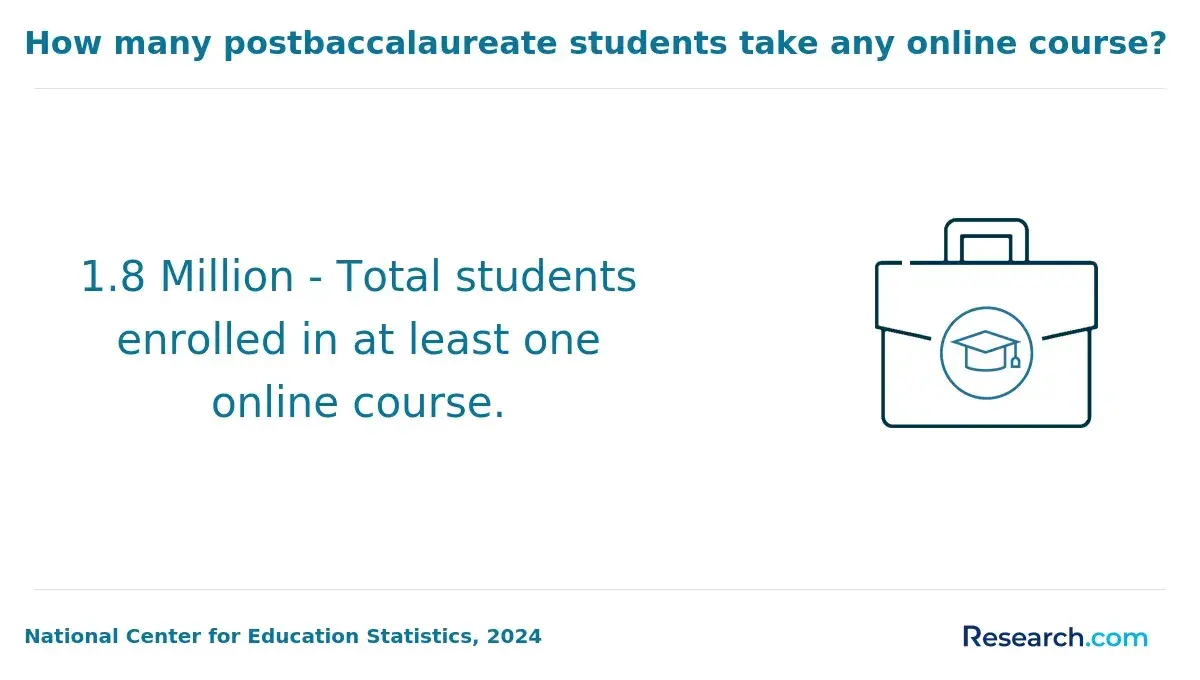
Choosing an online applied psychology master's degree often means balancing cost, credibility, and career impact. With online graduate enrollment increasing by over 10% in 2023 according to the National Center for Education Statistics, flexibility now shapes access more than ever. Yet, affordability alone does not guarantee solid career returns or employer recognition. For first-generation students and working professionals, navigating accredited programs that offer strong market value demands clear, evidence-based analysis. This guide cuts through marketing noise to highlight programs delivering measurable outcomes, helping candidates invest wisely in degrees aligned with workforce expectations without compromising quality or financial stability.
Key Things to Know About the Best Value Online Applied Psychology Master's Degrees
- Programs with regional accreditation ensure curriculum rigor and are preferred by employers, but some impose strict residency requirements that limit flexibility for working adults balancing career and study.
- Strong employer networks integrated into programs reflect workforce demand trends, indicating that degrees aligning with evidence-based practice skills enhance graduate employability and long-term career mobility.
- The rise of adult learners in online education-growing over 12% annually per the National Center for Education Statistics-highlights timing pressures, making affordable programs with streamlined admissions crucial for accessible career advancement.
What Are the Best Value Online Applied Psychology Master's Programs in the U.S.?
Best value in online applied psychology master's degrees combines affordable tuition, solid accreditation, consistent graduation rates, and meaningful post-graduation salary lift. For working adults and career-changers, these factors collectively signal programs that justify financial and time investment with recognizable credentials and tangible workforce returns. For instance, a first-generation student evaluating two similar programs might prioritize a lower-cost, fully asynchronous curriculum from Fort Hays State University to accelerate entry into a demanding job market without sacrificing quality. This contrasts with higher-cost offerings that emphasize synchronous engagement, appealing to those valuing real-time interaction over tuition savings. Such tradeoffs highlight how budget, learning style, and immediate employment goals shape the best choice. Below is a selection of accredited U.S. universities providing fully online applied psychology master's programs, ordered by estimated total tuition to facilitate practical comparisons.
- University Name: Fort Hays State University
- Estimated Total Tuition: $12,000
- Delivery Format: Fully asynchronous
- Differentiator: Offers an accelerated 36-credit curriculum designed for professionals seeking rapid workforce re-entry.
- University Name: University of Central Florida
- Estimated Total Tuition: $15,600
- Delivery Format: Primarily asynchronous with optional synchronous sessions
- Differentiator: Integrates applied research projects with regional partnerships enhancing practical skill application.
- University Name: Liberty University
- Estimated Total Tuition: $19,200
- Delivery Format: Fully asynchronous
- Differentiator: Combines Christian values with evidence-based psychological practices for a unique program focus.
- University Name: Northeastern University
- Estimated Total Tuition: $30,000
- Delivery Format: Synchronous evening classes
- Differentiator: Strong experiential learning with co-op opportunities connecting students to real-world psychology settings.
- University Name: Pepperdine University
- Estimated Total Tuition: $34,000
- Delivery Format: Hybrid with live online discussions
- Differentiator: Emphasizes a clinical-applications track with mentorship from licensed practitioners.
- Data Sources: Tuition and graduation rates are drawn from IPEDS and verified institution reports.
- Accreditation: All programs are regionally accredited, with some holding specialized psychology accreditations.
- Salary Lift: Figures reflect median salary improvements reported two years post-graduation.
- Tuition Figures: Represent 2023-2024 academic year costs, inclusive of all mandatory fees.
For candidates seeking quantitative comparison across related healthcare programs, evaluating aligned degrees like the cheapest online DNP program can offer perspective on cross-disciplinary educational investment versus anticipated earnings. This kind of data-grounded approach leads to more strategic educational choices for maximizing long-term career value. Affordable accredited applied psychology master's programs with highest ROI in America should be examined beyond sticker price to include completion likelihood and labor market fit.
What Accreditations Should an Online Applied Psychology Master's Program Have?
The value of an online applied psychology master's degree hinges significantly on the program's accreditation, which directly affects future academic options and employer recognition. Enrolling in a program lacking recognized accreditation can limit credit transfer, reduce eligibility for federal aid, and diminish professional credibility in a competitive job market.
Applied psychology master's programs operate under a two-tier accreditation framework that students must understand before committing. First, regional institutional accreditation by one of the seven recognized bodies-such as the Higher Learning Commission (HLC) or the Southern Association of Colleges and Schools Commission on Colleges (SACSCOC)-serves as the baseline assurance of academic quality. This accreditation is critical not only because it determines eligibility for federal financial aid but also because employers and other institutions typically value degrees from regionally accredited schools more highly than those without it. Additionally, it facilitates credit transfer if students decide to pursue further education or switch schools.
Second, programmatic or field-specific accreditation complements regional accreditation by validating that a curriculum meets industry or professional standards. In applied psychology, this often means accreditation from entities like the Council for Accreditation of Counseling and Related Educational Programs (CACREP) for counseling specializations or the Commission on Accreditation of Rehabilitation Facilities (CARF). Unlike broad regional accreditation, these targeted endorsements signal to employers and credentialing boards that the program's content aligns with relevant career pathways, which can be crucial for licensure or certain roles.
Be wary of programs only accredited by national agencies or bodies not recognized by the U.S. Department of Education, as these may not qualify for federal aid or may undervalue your qualification in the eyes of employers. Confirming accreditation status through direct documentation from the institution is an essential step to avoid costly educational detours.
Checklist for Prospective Students:
- Regional Accreditation: Is the institution accredited by a recognized regional accreditor like HLC or SACSCOC?
- Specialized Accreditation: Does the applied psychology program hold accreditation from relevant bodies such as CACREP or CARF?
- Financial Aid and Credit Transfer: Are federal aid and credit transfers possible due to this accreditation?
- Verification: Can the admissions office provide current, official documentation of all accreditations?
How Much Does an Online Applied Psychology Master's Degree Cost on Average?
Online applied psychology master's degree programs generally cost between moderately affordable and premium tiers, with total program expenses typically reflecting a range of about 30 to 36 credits. Public universities often price these programs between lower and mid-range totals, particularly for in-state students, whereas private or nonprofit institutions lean toward higher tuition, often justified by additional integrated services. However, the distinction is narrowing as more public schools adopt flat-rate pricing models that charge uniform tuition regardless of residency status, a shift that can make out-of-state participation more financially feasible than in the past.
- Public University Average vs. Private/Nonprofit Average: Public institutions usually have lower sticker prices, especially for residents, but private programs may bundle fees and professional support that influence net costs and outcomes.
- In-State vs. Out-of-State Tuition: Although many public universities differentiate tuition by residency, a growing number of online applied psychology master's programs charge flat-rate tuition for all students, reducing traditional out-of-state penalties.
- Per-Credit-Hour Costs: Prices per credit fluctuate widely, impacting affordability; prospective students should calculate total credit requirements carefully since each credit's cost compounds overall expenses.
- Additional Fees: Technology fees, proctoring charges, thesis or capstone fees, and possible residency sessions often catch candidates unprepared, adding to the financial burden beyond base tuition.
- Cost Transparency and ROI Considerations: Candidates need clear upfront disclosure of all fees to realistically assess financial commitment and weigh return on investment against projected earning potential in applied psychology roles.
Given these variables, applicants focused on finding affordable accredited applied psychology master's programs USA-wide should factor in more than just published tuition. Comparing total program cost alongside career outcomes and institutional support is crucial, especially for first-generation graduate students and working adults balancing competing priorities. Such depth prevents costly surprises and aligns educational investment with pragmatic workforce transitions.
For those researching related fields, consider exploring online medical coding programs, which exemplify how niche specialization impacts program cost and career trajectory.
What Is the Return on Investment (ROI) of an Online Applied Psychology Master's Degree?
Calculating the return on investment (ROI) for an online applied psychology master's degree hinges on balancing the total cost against anticipated salary gains. In graduate education, ROI is measured as the increase in earnings after graduation minus the program's full cost, divided by that cost, often shown as a percentage or the timeframe needed to recoup the investment. For many students, understanding this ratio helps delineate whether the financial burden aligns with realistic career benefits.
Industry data from sources like the Bureau of Labor Statistics and PayScale indicate that those completing a master's in applied psychology generally see median annual salaries rise from roughly $50,000 pre-degree to about $75,000 post-degree. The jump corresponds to roles in industrial-organizational psychology, counseling, or human factors, reflecting specialized skills that employers value. Yet this financial return is uneven and influenced by several variables that shape workforce opportunities and salary growth.
- Work Experience: Candidates who bring relevant professional backgrounds before enrolling often unlock faster promotions and higher salary brackets, enhancing ROI significantly.
- Institutional Prestige: Degrees from reputable, regionally accredited universities tend to command better employer recognition, which can improve salary outcomes, though affordability and flexibility remaining critical factors for many.
- Regional Demand: Employment markets vary widely; urban areas frequently offer a richer array of applied psychology roles and better pay compared to rural regions, affecting the payback period.
- Specialization: Targeted tracks such as human factors or organizational psychology tend to deliver quicker financial returns versus broader master's programs due to clearer employer demand.
- Non-Monetary Benefits: Factors like professional pivots, expanded promotion eligibility, and increased job security represent crucial, if intangible, elements of ROI that influence long-term career resilience.
A graduate who pursued an online applied psychology master's degree recalls navigating a rolling admissions process where application decisions stretched over months. Balancing work responsibilities with test preparation created pressure to apply early, but uncertainty about start dates complicated financial planning. Eventually, securing admission clarified timing, allowing the graduate to align course work with a changing job schedule, though the delay highlighted how administrative timelines can affect both the financial and emotional costs of returning to school.
What Are the Admission Requirements for an Online Applied Psychology Master's Program?
Admission criteria for online applied psychology master's programs often reflect a strategic balance between academic readiness and practical experience, a critical consideration for applicants mindful of both financial and time costs. For example, a working professional with a slightly lower undergraduate GPA might offset this with significant relevant work history, enhancing their admission prospects.
- Undergraduate GPA: A typical baseline is around 3.0 on a 4.0 scale, though some programs may admit candidates with lower GPAs if compensated by stronger professional credentials.
- Letters of Recommendation: Usually two or three are required, ideally from academics or supervisors who can vouch for the applicant's skills and professional demeanor.
- Statement of Purpose: Applicants must articulate clear motivations for pursuing applied psychology, linking career goals to program strengths.
- Resume or CV: Detailing relevant experience, certifications, or internships is crucial to demonstrate practical readiness for graduate work.
- Prerequisite Coursework: Programs may mandate foundational courses in psychology, statistics, or research methods to ensure technical preparedness.
- Standardized Tests: Although once prevalent, GRE or GMAT scores are increasingly optional or waived, reflecting a shift toward holistic admissions.
- Quantitative Competency: Particularly in STEM-aligned applied psychology tracks, proving proficiency with data analysis or statistics may be necessary.
Given variability in selectivity and admission emphases, applicants should strategically apply to a mix of programs classified as reach, match, and safety schools to optimize acceptance chances and align with career aspirations.
What Is the Minimum GPA Requirement for a Applied Psychology Master's Program?
Minimum GPA requirements for online applied psychology master's programs in the US reflect a balance between academic standards and workforce readiness. Most accredited programs set the eligibility floor between a 2.75 and 3.0 undergraduate GPA, but competitive admissions often demand 3.2 or higher to match the profiles of enrolled students. This distinction matters greatly: the minimum GPA is the bare threshold for consideration, whereas the competitive GPA reflects typical admitted cohorts. Applicants with GPAs near the minimum may face a tougher admissions landscape and should anticipate needing additional strengths to remain competitive.
Many programs offer GPA waiver policies that recognize professional experience, portfolios, or standardized test scores as substitutes, accommodating career-changers or individuals with unconventional academic paths. For example, a working professional with relevant experience but a 2.6 GPA might still receive conditional admission, potentially requiring them to complete specified graduate coursework to demonstrate readiness. This kind of provisional acceptance can be a practical tradeoff for students balancing prior academic performance against current professional potential.
It is important to emphasize that GPA is only one element in a holistic admissions process. Programs routinely integrate letters of recommendation, personal statements, and work experience, reflecting the multifaceted evaluation strategy necessary in applied psychology roles demanding interpersonal skills and practical judgment alongside academic ability. Prospective students confronting minimum GPA thresholds should evaluate their full profiles and consider how each component shapes employability and program fit.
- Minimum GPA: Commonly ranges from 2.75 to 3.0 for consideration in accredited online applied psychology master's programs.
- Competitive GPA: Many programs expect a 3.2 or higher to align with the profile of admitted students.
- GPA Waivers: Available at some programs that allow substitution with relevant work experience, portfolios, or standardized tests.
- Conditional Admission: Students below the minimum GPA may be admitted provisionally, subject to additional requirements.
- Holistic Review: GPA is one component; programs typically evaluate letters, statements, and experience alongside academics.
For those evaluating affordability alongside admissions criteria, it is also useful to compare other program attributes, like financial support options or employment outcomes, to maximize long-term value. The rising demand across healthcare systems, for example, increases the relevance of credentials connected to interdisciplinary fields, as seen in the growing availability of a healthcare MBA program online.
What Financial Aid Options Are Available for Online Applied Psychology Master's Students?
Securing funding for an online applied psychology master's often requires navigating multiple aid sources, each with distinct tradeoffs impacting debt levels and program access. Federal loans remain the backbone for most graduate students, but the absence of federal grants like Pell-which surprises many first-generation applicants-means loan decisions carry considerable weight on long-term finances. Carefully timing FAFSA submissions is important since the Student Aid Index now replaces the Expected Family Contribution, influencing eligibility and borrowing limits.
- Federal Loans: Primarily Direct Unsubsidized and Graduate PLUS Loans, requiring FAFSA completion and offering predictable but borrowed funds that add to overall debt burden.
- Institutional Scholarships and Fellowships: Competitive awards vary widely by university and often reward merit or need tied specifically to applied psychology disciplines, necessitating early, tailored applications to improve odds.
- Employer Tuition Reimbursement: A critical resource for employed students, but plans differ in coverage and approval processes, making proactive engagement with HR departments essential to maximize available support.
- Graduate Assistantships: Though more common on campus, some online programs provide assistantships offering partial tuition waivers and stipends in exchange for teaching or research, presenting a valuable but scarce funding avenue.
- External Scholarships: Niche scholarships from professional associations relevant to applied psychology can fill gaps; these often have specific eligibility requirements but fewer competitors.
To boost chances for meaningful aid, apply early, including FAFSA and scholarship deadlines; pursue scholarships targeted to applied psychology to avoid broad competition; negotiate your aid package based on competing offers or financial need; and investigate state-level grants that may support graduate study in high-demand psychology fields.
One graduate recalled hesitating to submit early FAFSA and scholarship forms during rolling admissions, uncertain if her application would be accepted. This delay narrowed her aid options, forcing a higher reliance on loans. When she finally received admission, the financial package negotiation window was short, and she felt pressured to decide quickly before some non-federal aid funds ran out. Her experience underscores that timing and strategic follow-up during admissions can materially affect available financial support and overall program affordability.
How Long Does It Take to Complete an Online Applied Psychology Master's Degree?
The time required to complete an online applied psychology master's degree reflects a complex balance of academic demands and workforce realities. Full-time students typically finish within 18 months to 2 years, fitting the conventional graduate timeline for entry-level professional roles. However, many students pursue this degree part-time-often taking 2.5 to 4 years-due to ongoing work and personal commitments. This difference can critically affect how quickly one reenters or advances in the labor market, especially in fields where employers value both practical experience and timely credentialing.
- Credit Hours: Typical programs require between 30 and 45 credit hours, with the pace of coursework per semester directly influencing overall completion time.
- Transfer Credits: Acceptance of prior graduate-level credits can noticeably shorten duration, benefiting candidates with relevant academic backgrounds.
- Scheduling Format: Cohort-based programs with fixed timelines may extend completion compared to self-paced tracks, which offer flexibility but demand strong self-discipline.
- Accelerated Options: Though some programs claim 12-month completions, caution is warranted; accreditation and employer recognition are more important than speed in ensuring degree value.
- Thesis or Capstone Requirements: A required thesis or capstone project can add one or two semesters, contingent on a student's progress and faculty availability, further affecting time to degree.
National enrollment data show that the majority of online applied psychology students enroll part-time, underscoring the importance of realistic timeframes for degree completion. Understanding these factors aids in setting expectations aligned with personal and professional priorities.
Especially for those eyeing roles affected by regional demand and credential expectations-such as in healthcare administration-knowing how long an online applied psychology master's degree will take is essential. For instance, candidates considering a shift toward health administration should also review health information management jobs salary data to assess ROI in related fields where psychology knowledge intersects with healthcare operations.
What Specializations or Concentrations Are Available in Online Applied Psychology Master's Programs?
Specializations within online applied psychology master's degree concentrations are pivotal for differentiating candidates in a competitive job market, as they signal specific expertise and can directly influence salary potential and employability. For example, a candidate focusing on industrial-organizational psychology may be preferred for roles in human resources or organizational development, where psychological principles are applied to workplace behavior. Meanwhile, a clinical psychology concentration better suits roles requiring direct patient mental health intervention. Programs vary: some offer the flexibility to choose electives in a general track, while others require declaring a concentration upon admission, streamlining the path toward targeted internships and job readiness.
The most common specializations available across accredited applied psychology master's programs include:
- Clinical Psychology: Diagnosing and treating mental health disorders through evidence-based methods.
- Industrial-Organizational Psychology: Applying psychology to improve workplace performance, hiring, and training processes.
- Health Psychology: Investigating how psychological factors affect physical health to support wellness initiatives.
- Forensic Psychology: Merging psychology with legal processes, including criminal behavior assessment and expert witnessing.
- Educational Psychology: Focusing on learning theories, curriculum design, and interventions in educational settings.
- Human Factors Psychology: Enhancing safety and usability in technology and environments through human-centered study.
- Neuropsychology: Exploring brain-behavior linkages, often working with neurological disorders or rehabilitation.
- Counseling Psychology: Employing therapeutic techniques to assist individuals managing stress, relationships, and transitions.
Aligning your chosen specialization with specific career outcomes requires analyzing current job postings in your target field to identify which concentrations employers prioritize. Some fields command higher salary ceilings or more stable employment, making labor market value a crucial consideration. Engaging with alumni and program advisors can provide practical insight into how these specializations translate to real-world ROI prior to committing financially and academically. This strategic approach is especially important for first-generation graduate students, working professionals, and career-changers navigating online applied psychology master's degree concentrations.
- Accrediting Bodies: Reputable programs typically hold accreditation from organizations such as the American Psychological Association (APA) or the National Association of Schools of Psychology (NASP), which uphold rigorous academic and professional standards.
- Program Flexibility: Many offerings accommodate working professionals through part-time or asynchronous course options.
- Career Support: Quality programs include career services, internship placements, and networking, critical for leveraging chosen specializations.
For candidates interested in clinical placements specifically, reviewing the top PMHNP programs can offer additional context on placement success rates and program strengths relevant to applied psychology pathways.
How Do Online Applied Psychology Master's Programs Compare to On-Campus Programs in Quality and Recognition?
Employer acceptance of online applied psychology master's degrees largely depends on institutional accreditation rather than delivery format. Data from the Society for Human Resource Management (SHRM) indicates most hiring managers view degrees from regionally accredited universities-whether earned online or on campus-as equivalent in legitimacy, provided the diploma does not explicitly designate "online." For working professionals evaluating a return on investment, this means the credential's institutional reputation and graduate outcomes hold more weight than how coursework was completed.
That said, on-campus programs still confer distinct practical benefits. Physical access to labs, in-person practicum placements, and direct networking through career fairs or informal connections remain more accessible in traditional settings. Some employers in specialized clinical or research roles may favor these experiences given their emphasis on hands-on competence. By contrast, many online programs have adopted hybrid models, offering residency weekends and structured virtual networking platforms to approximate these advantages and meet growing demand across healthcare and human services sectors.
Prospective students should prioritize reviews of alumni employment trajectories, such as LinkedIn data reflecting salary progression and job placement in relevant fields, over format preferences alone. Salaries for applied psychology master's graduates vary widely by specialization but often range from mid-50k to low-80k annually depending on role and geography, reflecting the importance of applied skills and institutional prestige.
- Employer Recognition: Degrees from regionally accredited schools carry equal validity online or on campus, according to recent SHRM employer surveys.
- Accreditation: Regional accreditation is essential and typically ensures a diploma without "online" notation, preserving credential parity.
- Networking: On-campus programs maintain stronger face-to-face ties; online formats increasingly integrate virtual events and periodic residencies.
- Practical Experience: Access to labs and practicums is more direct on campus, though hybrid and local clinical arrangements help online students bridge the gap.
- Graduate Outcomes: LinkedIn and employment data provide critical insight into real-world ROI beyond program delivery mode.
What Graduates Say About the Best Value Online Applied Psychology Master's Degrees
- Eddie: "Balancing a full-time job and family made me prioritize a program with evening classes and minimal residency. I chose this applied psychology master's for its flexible schedule and affordable tuition, even though it lacked a formal internship component. While I had to supplement my resume with volunteer experience, this route ultimately helped me secure a remote behavioral analyst role, though I still face some salary caps without licensure."
- Sage: "After switching careers from marketing, I was limited by a tight budget and needed a program that offered both accreditation and an emphasis on practical skills. The portfolio-focused curriculum here allowed me to develop case studies and assessments that impressed employers more than the degree alone. I landed a coordinator position at a nonprofit, realizing that for many applied psychology roles, demonstrated experience often weighs heavier than certifications."
- John: "I was hesitant about returning to school due to workload concerns but chose an accelerated online master's that promised quick entry into the workforce. The program's remote format and career services led me to a part-time internship through an affiliated clinic, which was crucial for networking. However, I found that advancing beyond entry-level roles required additional licensure and specialized training beyond this degree."
Other Things You Should Know About Applied Psychology Degrees
Graduates from online applied psychology master's programs typically enter roles such as behavioral health specialists, human factors analysts, or organizational development consultants. However, job placement is highly dependent on the program's integration of practical skills like research methods, data analysis, and real-world internships or practicum experiences. Employers often prioritize candidates who have demonstrated applied competencies and certifications relevant to specific industries, so selecting programs that emphasize experiential learning can markedly improve employment prospects.
Employer tuition reimbursement can significantly reduce individual costs, but eligibility often depends on the program's accreditation and whether the curriculum aligns with the employee's current or future job responsibilities. Many employers require prior approval and proof of satisfactory academic progress, which means students must design their course load and pace to comply with employer policies. Not all online programs qualify, so students should verify both their employer's reimbursement criteria and the program's status before enrollment to avoid unexpected out-of-pocket expenses.
Prioritize programs with strong connections to the sectors you aim to enter, focusing on those that offer specialized tracks or applied experiences aligned with your career path. Consider program length, faculty expertise, and the availability of career services and employer partnerships, which directly influence your readiness and access to job markets. If advancement requires licensure or certification, select programs that meet these criteria, even if they cost more upfront-the long-term ROI will be stronger than opting for the cheapest credential without relevant credentials.
References
- Masters in Psychology | Online Masters in Psychology | University of Phoenix https://www.phoenix.edu/online-psychology-degrees/psych-masters-degree.html
- Financial Aid for Psychology Students https://www.onlinepsychologydegrees.com/financial-aid/
- Financial Aid For Psychology Students | Psychology.org https://www.psychology.org/resources/financial-aid/
- Verifying that you are not a robot... https://www.mastersinpsychology.com/programs-by-subject/applied-psychology/
- Is College Worth it? | Return on Investment Analysis of College Degree https://educationdata.org/college-degree-roi
- FREOPP.org's College ROI Tool https://oaprep.com/roi/
- Psychology Master’s Programs Online: Compare Top Schools https://www.onlinemastersdegrees.org/best-programs/psychology/
- 20 Top Positive Psychology Degrees & Master’s Programs https://positivepsychology.com/positive-psychology-degree/
- Best Masters in Psychology Degrees with an Applied Behavior Analysis Emphasis https://www.appliedbehavioranalysisedu.org/23-best-masters-in-psychology-programs-with-aba-emphasis/
- Online Applied Psychology Program | M.A. Applied Psychology https://www.thechicagoschool.edu/programs/psychology/ma-applied-psychology/