2027 Best Two-Year Degrees With Weekend Classes

Co-Founder and Chief Data Scientist
Can you earn an associate degree without giving up your weekdays? Weekend classes may make college workable for employed adults and caregivers, but a Saturday course is not the same as a degree that can be completed on weekends. The College Board reported average published tuition and fees of about $4,050 for public two-year college students paying in-district rates in 2024-25; books, travel, and extra terms can raise the total. This guide compares degree fields, explains scheduling and career trade-offs, and shows you what to confirm before applying.
Key Things You Should Know
- The best weekend-friendly choices are often business, information technology, and transfer-focused AA or AS degrees; nursing and other clinical programs may require weekday placements even when lectures meet on weekends.
- Most associate degrees require roughly 60 credits, but part-time enrollment, prerequisites, and limited weekend course availability can extend completion beyond two years.
- Compare the full course rotation - not just advertised weekend classes - and confirm accreditation, total costs, transfer rules, and any licensing requirements before enrolling.
Top 10 Best Two-Year Degrees With Weekend Classes
Business Programs
Business administration AA or AS degrees commonly pair accounting, economics, and management courses with general education and may suit students planning to transfer. An AAS in accounting or business management usually emphasizes immediate workplace skills. Business courses are often easier to schedule online or on weekends than lab-based courses, but required classes may not run every term. Choose a transfer-oriented degree if a bachelor's is your goal; choose an AAS only after checking whether its credits will apply to that goal.
Healthcare Programs
Health information technology, medical coding, and some healthcare administration associate programs may offer substantial online or weekend coursework. Clinical programs such as radiography or respiratory therapy are less predictable: labs and supervised placements can occur on weekdays at sites assigned by the school. Compare each program's actual calendar, not just its lecture schedule. For a regulated occupation, confirm that the program meets applicable accreditation and examination eligibility requirements before committing.
Information Technology Programs
Computer information systems, cybersecurity, and network administration AAS degrees can suit weekend students because many assignments use remote-access labs. An AS may be a better fit for a planned bachelor's in computer science, though its math sequence can affect course availability. Ask whether live labs, exams, or group projects require weekday attendance. A degree can support applications for entry-level technical roles, but employers may also expect hands-on experience and relevant certifications.
Nursing / Pre-Nursing Programs
An associate degree in nursing can provide an educational path toward registered nurse licensure; a pre-nursing AS generally covers prerequisites and does not itself qualify graduates for RN licensure. Nursing admission is often selective even at a college with open admission. Weekend lectures do not ensure weekend clinical placements, and prerequisite sciences may require campus labs. Request the complete clinical schedule and verify nursing program approval, accreditation where relevant, and state licensure eligibility before applying.
Criminal Justice Programs
Criminal justice AA, AS, or AAS programs cover topics such as courts, corrections, and policing. Weekend or asynchronous classes may work well for students balancing shifts, but the degree does not replace an agency's hiring process, academy training, or other role-specific requirements. An AA or AS with a documented transfer agreement may be preferable if you intend to pursue a bachelor's. Check local employer qualifications before paying for a career-focused AAS.
Psychology / Counseling Programs
A psychology AA or AS is primarily a foundation for transfer, rather than a direct route to becoming a licensed counselor or psychologist. Weekend classes may accommodate working students, but statistics and science requirements still need planning. If your goal is counseling, map the full bachelor's-to-graduate-school pathway and check the requirements of the state where you hope to practice. An associate degree alone does not confer a counseling license.
What Are the Best Two-Year Degrees With Weekend Classes?
The best choice depends first on whether the entire degree - not merely a few courses - fits your weekend availability. For a student seeking broadly available coursework and flexible entry-level options, business or IT is often a sensible starting point. For a licensed healthcare career, the stronger choice is an approved program whose clinical schedule you can actually attend. For a future bachelor's, prioritize an AA or AS with a clear transfer pathway.
The comparison below highlights the scheduling constraint most likely to change your decision. These are field-level judgments, not a ranking of specific colleges.
| Degree field | Weekend-scheduling fit | Best-fit goal | Main constraint to check |
| Business | Often more adaptable | Transfer or office-related work | Required-course rotation |
| Information technology | Often adaptable | Technical skills or transfer | Live labs and exams |
| Healthcare administration or information | Varies by specialty | Nonclinical healthcare work | Internships and credential eligibility |
| Nursing and clinical health | Frequently constrained | Licensed clinical work | Labs and clinical shifts |
| Criminal justice or psychology | Often adaptable academically | Transfer or career exploration | Additional qualifications for target job |
If a bachelor's is your definite goal, compare the total transfer pathway with affordable online bachelor degree programs; a low-cost associate degree saves money only if its credits apply to the intended bachelor's requirements.
Which Accredited Colleges Offer Two-Year Degrees With Weekend Classes?
Start with accredited community colleges that publish both associate degree catalogs and searchable term schedules. CUNY Borough of Manhattan Community College, Dallas College, and Houston City College are examples of institutions to investigate. Their inclusion is not a claim that a particular major can currently be finished entirely through weekend classes; schedules and available sections change by campus and term.
Ask an advisor at each college for a term-by-term plan showing every required course, its usual Saturday or Sunday availability, and any online, weekday, laboratory, or placement requirements. Also confirm the institution's current accreditation status and, for licensed healthcare fields, the program's applicable approvals. A college offering weekend electives may still require weekday courses to finish the degree.
How Much Do Two-Year Weekend Degree Programs Cost and Take to Complete?
Associate degrees commonly require around 60 semester credits. A full-time student with reliable course access may finish in about two years; a weekend-only student taking fewer courses may need longer. Prerequisites, selective admission, course sequencing, and clinical placements can add time even when general education classes are available on Saturdays.
The College Board's 2024-25 public two-year in-district tuition-and-fees average of about $4,050 is an annual published figure, not a quote for completing a degree. Out-of-district rates, additional terms, and program charges can materially change what you pay. Compare these costs using each school's estimate for your specific enrollment plan.
- Tuition and mandatory fees at your residency rate
- Books, software, equipment, uniforms, and clinical or examination charges where applicable
- Travel, childcare, and income lost to required weekday activities
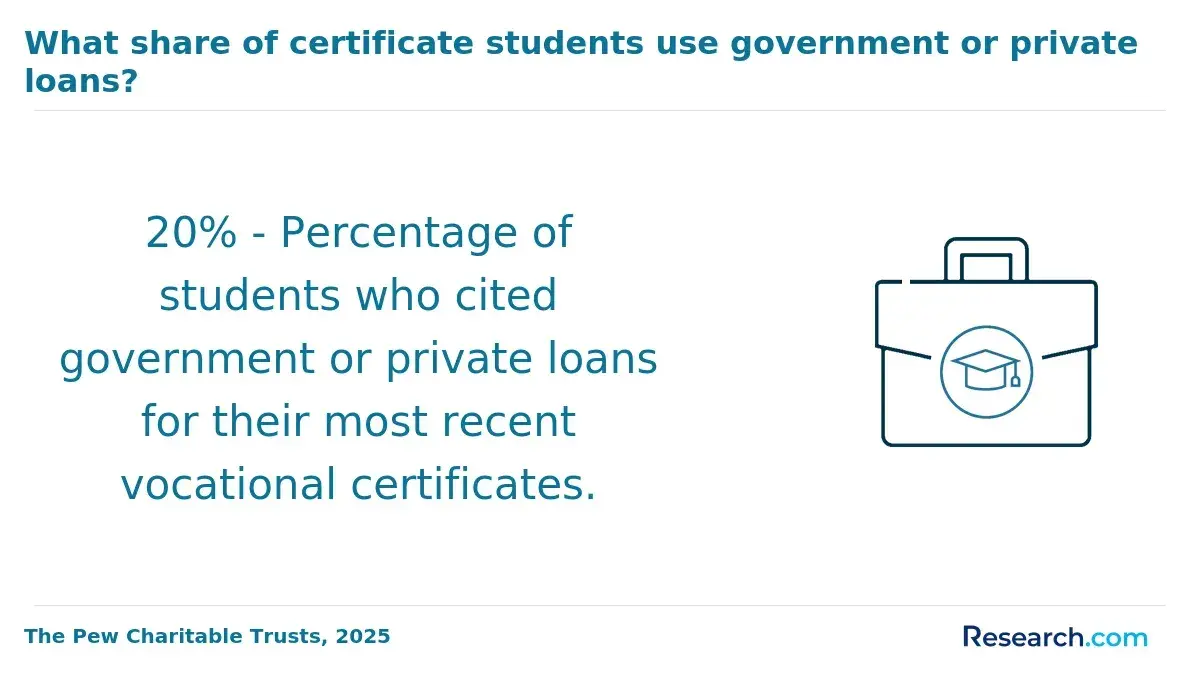
- Expected grants, scholarships, employer assistance, and any borrowing
Ask the financial aid office whether your intended part-time course load qualifies for aid and whether summer enrollment changes your package. The lowest annual tuition is not necessarily the lowest total cost if weekend scheduling adds semesters.
Are Online or Campus Weekend Classes Better for Two-Year Degrees?
Online classes are usually the better fit if commuting is the main obstacle; campus weekends may work better if you need in-person instruction, equipment, or a predictable study routine. Neither format is automatically flexible. An online class may require live meetings or fixed-time exams, while a campus class may meet only on selected weekends.
Compare the delivery details, not the label. Check the meeting times, deadline pattern, exam rules, required campus visits, and whether every major requirement can be completed in the format you choose. When researching online colleges, verify institutional accreditation and the schedule of the specific associate program separately. Nursing and other clinical degrees may also require in-person placements regardless of where lectures occur.
What Do You Learn in Two-Year Degree Programs With Weekend Classes?
Most programs combine general education - such as writing, math, and communication - with major courses. Business students may study accounting and management; IT students may practice networking and troubleshooting; criminal justice students may examine courts and corrections. Science-heavy and clinical programs add labs, prerequisites, or supervised practice.
Degree labels indicate a likely emphasis, not a guarantee: AA and AS programs often support transfer, while AAS programs often prioritize occupational skills. Review the actual curriculum and any articulation agreement. A course accepted as transfer credit may still count only as an elective rather than satisfy a bachelor's major requirement.
What Are the Admission Requirements for Weekend Associate Degree Programs?
Most applicants should expect to submit a high school transcript or equivalent and complete the college's application and placement process. Requirements for prior college transcripts, placement testing, and prerequisite courses vary. Ask for a transfer-credit evaluation if you have studied elsewhere; accepted credits can reduce your remaining coursework, subject to the school's residency and degree requirements.
Admission to the college does not necessarily mean admission to a major. Nursing and some allied-health programs may separately require prerequisite grades, a minimum GPA, an entrance exam, health documentation, or a background check. Confirm both admissions timelines before arranging work or childcare around an expected start date.
What Careers and Salaries Can Two-Year Weekend Degrees Lead To?
Weekend study changes when you attend class, not the qualifications employers or licensing boards require. Business, IT, and healthcare-information degrees can support applications for relevant entry-level work, but responsibilities and hiring standards vary. Criminal justice and psychology degrees may be useful foundations without independently qualifying someone for a particular public-safety or counseling role.
For wage context, the U.S. Bureau of Labor Statistics reported a May 2024 median annual wage of $93,600 for registered nurses as an occupation. That is not the expected pay of a new associate degree graduate: RN candidates must meet state requirements and pass the licensing examination, and wages vary by location and experience. If your goal is licensed counseling rather than entry-level support work, investigate the longer graduate pathway, including whether one year masters programs would meet the education and clinical requirements for your intended license; program length alone is not enough.
Which Licenses and Certifications Do Weekend Degree Graduates Need?
A degree and a professional credential are different things. Nursing graduates must meet their state board's eligibility rules and pass the NCLEX-RN to obtain RN licensure. Other clinical occupations can have distinct state licenses, national examinations, and program-accreditation requirements. Verify these with the relevant licensing board before enrolling, particularly if you plan to work in another state.
IT certifications may help demonstrate specific technical skills, but they are generally separate from the associate degree and are not universal requirements for every IT job. Business and criminal justice graduates should likewise check the qualifications for the exact role they want rather than assuming a degree substitutes for experience, an examination, or agency training.
How Can You Choose a Reputable Two-Year Weekend Degree Program?
The strongest program is one you can finish on your real schedule while meeting your transfer or career requirements. A common mistake is choosing from a "weekend classes available" advertisement without checking the classes needed in the final term. Another is comparing tuition while overlooking added semesters or required weekday placements.
Before paying an enrollment deposit, obtain written answers to these questions:
- Which required courses are offered on weekends, in what sequence, and how often?
- Which labs, exams, orientations, internships, or clinical shifts require weekday attendance?
- What will the degree cost at my residency rate and likely course load, including mandatory extras?
- Will my prior credits apply to degree requirements, and will these courses apply to my intended bachelor's or license?
- What advising, tutoring, and financial aid services can I access outside standard work hours?
If weekend sections are sparse, compare a predictable asynchronous schedule with other online degrees for working adults. Check deadlines and required attendance just as carefully: "online" does not mean self-paced.
Other Things You Should Know About
Possibly, but do not assume so because a college offers Saturday classes. Ask for a term-by-term plan covering every requirement, including labs and placements.
They can, but completion depends on course load and availability. Taking fewer classes per term or waiting for a required weekend section can extend the timeline.
Focus on the institution's accreditation, the program's requirements, and any career-specific approval. The class meeting time alone does not determine whether a degree meets an employer's or licensing board's standards.
Start with an AA or AS aligned with your intended bachelor's major, then obtain a written transfer evaluation or review an articulation agreement. Do not assume every credit will fulfill a major requirement.
References
- Cost of Attendance (Budget) | 2025-2026 Federal Student Aid Handbook https://fsapartners.ed.gov/knowledge-center/fsa-handbook/2025-2026/vol3/ch2-cost-attendance-budget
- Part-Time Tuition Assistance Program (TAP) - HESC - NY. Gov https://hesc.ny.gov/find-aid/nys-grants-scholarships/part-time-tuition-assistance-program-tap
- Transfer Degrees | Colorado Department of Higher Education Home https://cdhe.colorado.gov/transfer-degrees
- Cost of Attendance - San Diego City College https://www.sdcity.edu/future-students/financialaid/cost.aspx
- Understanding Internships, Practicums, and Clinicals | FNU https://www.fnu.edu/internships-practicums-clinicals-explained/
- Explanation of Fees | University of North Texas - Student Accounting https://studentaccounting.unt.edu/explanation-fees.html
- Degree Programs - BMCC https://www.bmcc.cuny.edu/academics/learning-options/evening-weekend/degree-programs/
- Why Is Accreditation Important? | ACE Blog https://ace.edu/blog/why-is-accreditation-important/
- FAQ | Delta College https://www.deltacollege.edu/faq
- What Is an Accredited University? Understanding Accreditation | National University https://www.nu.edu/blog/what-is-an-accredited-university/