2027 Best Online Social Media Degrees for Jobs

Co-Founder and Chief Data Scientist
Choosing the best online social media degree can challenge even the most motivated students-especially when programs vary widely in accreditation, curriculum depth, cost, and career support. Without clear guidance, learners risk investing in a degree that offers weak career outcomes or limited practical experience. Recent data show that graduates of accredited online social media programs have a 25% higher employment rate within six months than those without such credentials.
This article addresses these critical factors-accreditation standards, curriculum rigor, ROI, and support resources-providing a clear framework to evaluate and compare top online programs for career success.
Key Things to Know About the Best Online Social Media Degrees for Jobs
- Accreditation-programs accredited by recognized bodies ensure curriculum quality and improve employer recognition, with 85% of graduates securing relevant roles within six months.
- Curriculum rigor-top degrees integrate advanced analytics, strategy, and digital marketing, preparing students for evolving industry demands and leadership positions.
- Career outcomes-graduates report a median salary increase of 20%, reflecting strong ROI, especially in programs offering internship opportunities aligned with market needs.
What Is a Social Media Degree, and What Can It Do for Your Career?
A social media degree is an academic program centered on mastering digital communication platforms that connect individuals, brands, and organizations globally. Recognized by accredited institutions and professional bodies, this field merges communication theory, marketing principles, data analytics, and content creation-tailored specifically for social media channels. Graduates develop skills in crafting messaging strategies, analyzing audience behavior, and employing emerging technologies to engage target communities effectively. Earning the best online social media degree programs for career advancement equips students to meet the dynamic demands of today's digital landscape.
Curricula typically cover foundational subjects such as digital marketing, media ethics, consumer psychology, and social network analysis. Theoretical frameworks include communication models adapted for online environments and brand management strategies designed for digital platforms. Applied competencies focus on content development, social listening tools, campaign analytics, and crisis communication management. This emphasis distinctly separates social media studies from broader marketing or communications disciplines.
The social media degree label spans multiple levels-each aligning with specific career paths and professional expectations:
- Associate's Degree: Basic skills for entry-level roles including social media coordinator or content developer.
- Bachelor's Degree: Comprehensive theory and practical experience preparing for positions like digital marketing specialist or social media manager.
- Master's Degree: Advanced strategy, leadership, and analytics for senior roles or specialized consultancy.
- Doctoral Degree: Focus on research, innovation, and academic leadership in social media studies.
How Do Online Social Media Degree Programs Compare to Traditional Campus Programs?
Online social media degree programs versus traditional campus programs show remarkable parity across several academic and practical dimensions, reflecting shared rigorous standards set by accreditation agencies. Accredited online degrees maintain curriculum depth and rigor identical to on-campus counterparts, ensuring that every learner achieves equivalent learning outcomes no matter the delivery mode.
- Curriculum Depth and Rigor: Both formats sustain comprehensive course requirements aligned with industry needs-key for graduates to compete effectively in the job market.
- Faculty Qualifications: Faculty in online and campus programs possess advanced credentials with expertise in social media and digital marketing trends, preserving instructional quality and relevance.
- Student-Faculty Interaction: While on-campus students benefit from spontaneous face-to-face engagements, online programs incorporate live video, discussion forums, and virtual meetings to facilitate meaningful connections and mentorship.
- Peer Collaboration: Online courses replicate campus networking through cohort-based projects, peer reviews, and social media tools, strengthening teamwork and professional relationships.
- Clinical or Practicum Requirements: Both formats include practicum opportunities, with online students often able to complete internships remotely or locally-enhancing flexibility without sacrificing practical experience.
- Employer Perception: Employer acceptance of online social media degrees has grown-especially from accredited institutions with graduates demonstrating strong project and internship outcomes.
- Structural Advantages for Specific Learners: Online delivery models uniquely serve working adults, caregivers, military veterans, and remote learners who lack easy campus access, offering asynchronous flexibility without compromising academic quality.
- Addressing Limitations: Concerns about limited in-person networking and hands-on labs prompt leading programs to integrate virtual labs, short on-campus residencies, and hybrid learning options.
When choosing between online and on-campus social media education, a data-driven perspective guided by accreditation, curriculum rigor, and career outcomes is vital for recent high school graduates and professionals alike. Those exploring college degrees that pay well will find many top online social media programs match traditional formats in quality and employer recognition.
What Are the Accreditation Standards That Define a Reputable Online Social Media Degree?
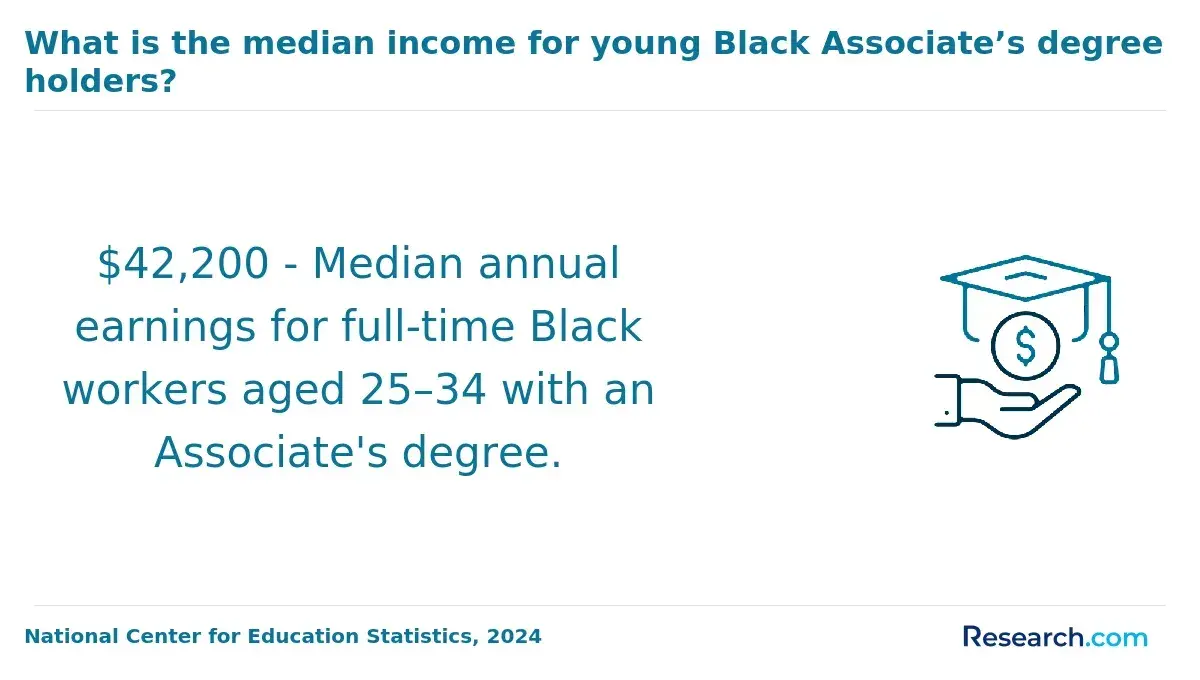
Accreditation is essential for online social media degree programs, signaling that a school meets established educational standards recognized by employers and graduate schools. Regional accreditation is widely regarded as the most reputable, covering entire institutions within specific geographic areas and reflecting a commitment to ongoing academic quality. National accreditation often applies to career-focused or vocational schools and may carry professional recognition but can complicate credit transfers and acceptance by regionally accredited institutions.
Programmatic accreditation is rarer for social media degrees but relevant in related areas like communication or business. Key bodies include:
- Accrediting Council on Education in Journalism and Mass Communications (ACEJMC): Oversees journalism and communication programs that may integrate social media strategy and analytics courses.
- International Accreditation Council for Business Education (IACBE): Focuses on the quality of business-related programs, sometimes pertinent to business-oriented social media degrees.
Choosing an unaccredited or poorly accredited program risks limited employer recognition, barriers to professional licensing, and difficulties transferring credits for further study. These drawbacks often overshadow any initial cost savings or convenience advantages.
Prospective students can confirm accreditation through the U.S. Department of Education's Database of Accredited Postsecondary Institutions and Programs or the Council for Higher Education Accreditation (CHEA) directory, both providing updated lists of recognized accrediting agencies.
Regardless of tuition cost or program length, accreditation must be a non-negotiable baseline to ensure the education received prepares you effectively for a career in social media.
A professional who completed an accredited online social media degree shared his experience: "Initially, I was overwhelmed by the number of programs and the varying quality claims. I spent weeks verifying each school's accreditation using official databases, which felt tedious but was crucial. Graduating from a recognized program truly opened doors-employers valued my credentials, and transferring credits later to a graduate program was seamless. I learned that checking accreditation early saved me from costly mistakes and uncertainty."
Which Types of Social Media Degrees Are Available Online-Bachelor's, Master's, or Doctoral?
Associate's Degrees: Suited for high school graduates and working adults aiming for entry-level positions, these two-year online programs cover foundational skills like digital marketing and platform management. They typically require a high school diploma or GED with no prior work experience and prepare graduates for roles such as social media coordinators with salary ranges that vary by location.
- Bachelor's Completion Programs: Designed for individuals with some college credits or associate degrees, these pathways enable earning a full bachelor's degree online in about two years. They demand prior academic coursework and occasionally relevant job experience, appealing to career changers and veterans maximizing benefits while targeting mid-level marketing analyst or strategist roles.
- Master's Degrees: Focused on advanced theory, analytics, and leadership, these programs require a bachelor's degree and sometimes minimum GPA or professional experience. Completing a master's online in roughly two years enhances qualifications for managerial positions and significantly boosts earning potential.
- Doctoral Programs: Intended for professionals pursuing academic, research, or consultancy leadership, these rigorous programs require a master's and significant experience. They may span several years and prepare graduates for university faculty or high-level policy roles.
- Post-Baccalaureate Certificates: Offering targeted skill development without committing to full degrees, these stackable credentials suit professionals seeking ongoing career growth with flexible enrollment.
Stackable pathways allow students to accumulate credits progressively-from certificates through associate's, bachelor's, and master's degrees-ensuring efficient advancement without redundant coursework. According to IPEDS data, online completion times generally parallel traditional formats, but retention hinges on strong student support. Evaluating program accreditation, curriculum depth, cost, and career outcomes enables students to identify high-value, accredited online social media bachelor's and master's degrees that align with their goals. For those exploring related fields, this MSW online resource exemplifies specialized online degree options with diverse entry requirements and career trajectories.
What Is the Typical Cost of an Online Social Media Degree, and How Can You Finance It?
Tuition fees for online social media degrees vary significantly depending on the type of institution attended. Public in-state programs often provide the most affordable option, typically charging between $6,000 and $10,000 per year. Out-of-state public institutions tend to be pricier, with annual costs commonly ranging from $15,000 to $25,000 due to higher nonresident rates. Private nonprofit colleges usually have higher tuition, frequently between $20,000 and $40,000 yearly, though they often offer substantial financial aid packages. For-profit schools fall in the mid-range-usually $15,000 to $30,000 annually-but potential students should weigh these costs carefully against program quality and long-term return on investment.
Additional expenses go beyond tuition-mandatory fees and technology requirements typically add $500 to $2,000 annually. Some programs also include brief on-campus residencies, which can increase travel and accommodation expenses. Considering the total cost of attendance is essential.
Federal financial aid plays a key role in making social media degrees accessible online. Pell Grants are available for eligible undergraduates with financial need and do not require repayment. Federal student loans include both subsidized varieties-where interest is deferred during schooling-and unsubsidized types, which accrue interest immediately. Veterans and active military service members may benefit from the GI Bill, which often covers tuition and fees and may provide stipends.
Specific scholarships targeting social media students exist as well, offered through professional organizations, state workforce agencies, and college merit-based awards. Prospective students should emphasize calculating total program expenses, not just per-credit costs, using tools like the College Scorecard's net price calculator to understand real out-of-pocket costs after financial aid.
A professional who built a career after earning an online degree in social media reflected on her financial journey: she recalled the initial stress of estimating all costs accurately and navigating complex aid applications, but emphasized how crucial persistence and careful planning were to avoid unexpected expenses. "Balancing education costs with work and family wasn't easy," she said, "but understanding my full financial picture upfront really helped me make confident decisions." Her experience highlights the importance of thorough cost assessment and exploring all funding options before committing.
How Long Does It Take to Complete an Online Social Media Degree Program?
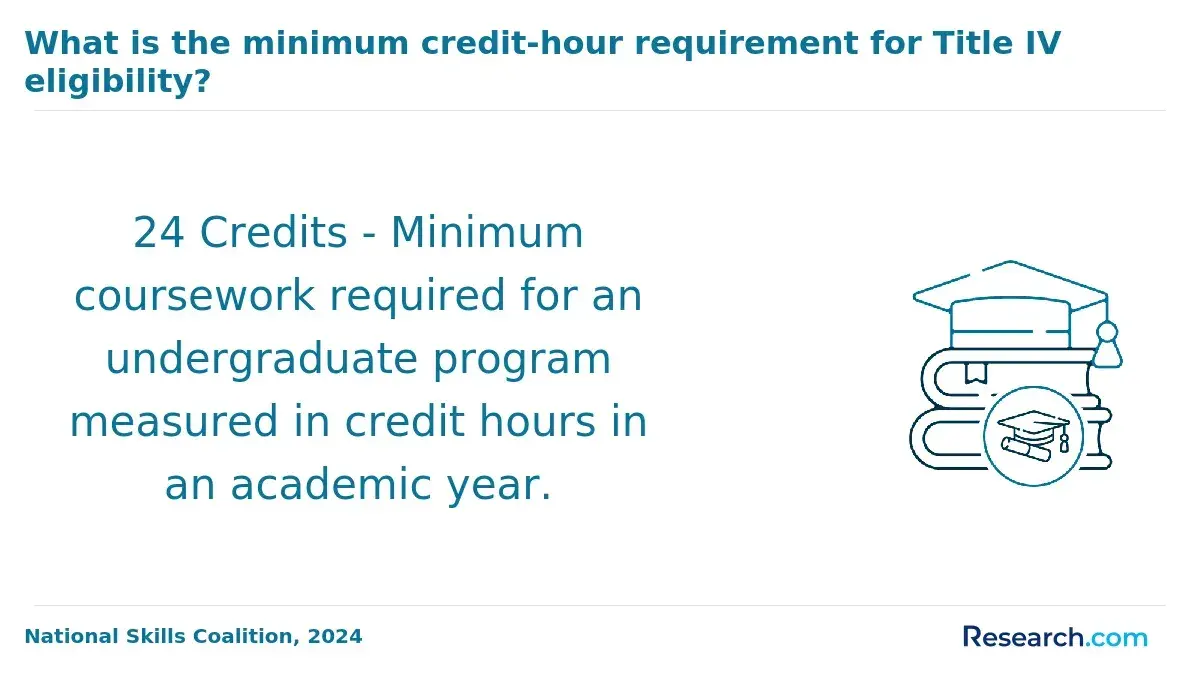
Degree Lengths: Online social media degrees vary by level-associate's programs generally require about two years, bachelor's around four, master's one to two, and doctoral degrees between three and six years under full-time study.
Transfer Credits: Prior college coursework or relevant professional experience can shorten degree time through transfer credits or prior learning assessments (PLAs) that recognize certifications, military training, or work experience.
Enrollment Status: Full-time study accelerates completion, while part-time enrollment-common among working adults-often doubles program duration due to balancing other responsibilities.
Program Format: Competency-based progressions allow students to advance by demonstrating skills at their own pace, and accelerated or year-round programs help reduce time to degree without compromising quality.
Duration Limits: Some programs enforce minimum completion times for foundational courses and maximum durations to maintain satisfactory academic progress (SAP), which affects financial aid eligibility-exceeding limits may jeopardize funding.
Average Completion Times: Real-world graduation often exceeds advertised timelines; for example, bachelor's degrees typically take four to six years due to part-time enrollment or course scheduling.
Accelerated Options: Institutions like Southern New Hampshire University, Capella University, and Colorado State University Global offer accelerated tracks, PLA credits, and continuous enrollment designed for working professionals and veterans aiming to shorten degree length.
What Core Curriculum and Coursework Should a Quality Online Social Media Program Include?
High-quality online social media degree programs follow curriculum standards established by accrediting bodies such as the Accrediting Council for Business Schools and Programs (ACBSP) and the Social Media Association. These programs prioritize a balance between foundational knowledge and practical application, ensuring students gain relevant skills for today's fast-evolving digital landscape.
- Foundational Courses: Curriculum typically includes communication theory, digital content creation, social media platform overview, and multimedia storytelling-forming a comprehensive knowledge base.
- Technical and Analytical Skills: Students learn social media analytics, SEO and SEM strategies, and campaign management using tools like Google Analytics and Hootsuite to measure engagement and optimize results.
- Ethics and Compliance: Understanding privacy laws, copyright regulations, and responsible content moderation equips graduates to navigate evolving digital policies.
- Experiential Learning: Capstone projects, internships, or portfolio development provide essential hands-on experience, allowing application of theory to real-world challenges and demonstrating measurable competencies.
- Curriculum Updating: The strongest programs maintain relevance through regular curriculum reviews, often biennially or annually, informed by advisory boards of industry experts who track trends like influencer marketing and AI-driven content personalization.
Upon completion, graduates should demonstrate competencies in strategic content planning, audience segmentation, critical thinking, and adaptability to new tools and platforms-skills that align closely with employer expectations in social media marketing, public relations, and digital communications. Measurable outcomes include designing data-driven campaigns and producing multi-platform content that complies with industry standards.
Prospective students are encouraged to request sample course sequences, syllabi, and learning outcomes documents from programs under consideration rather than relying on marketing materials alone. A 2023 Pew Research Center report found that 72% of marketers emphasize ongoing training in analytics and platform-specific skills as crucial for professional success, highlighting the need to evaluate programs for current, practical curricula.
Which Online Social Media Programs Offer the Best Return on Investment for Working Adults?
When examining the best online social media degree programs for working adults, return on investment goes far beyond tuition alone. Public universities often offer the most cost-effective options-featuring competitive tuition rates, especially for in-state students or through reciprocity agreements-and benefit from strong employer relationships that improve internship and job placement opportunities. These connections are crucial for graduates seeking rapid employment and higher salary potential.
- Cost Efficiency: Public institutions with in-state tuition or reciprocity agreements significantly reduce the overall expense of earning an online social media degree. For working adults balancing careers and families, this combination of affordability and reputable programs delivers higher ROI.
- Employment Outcomes: Graduate employment rates within six months can vary widely, but top programs consistently report strong outcomes. Institutional data reveal that graduates of select public universities often secure positions with median salaries that exceed national averages for social media roles.
- Salary Growth: Considering median earnings not only at graduation but also six to ten years later provides a clearer picture of long-term financial benefits. Programs with robust alumni networks tend to show steady salary progression as professionals advance.
- Financial Support: Employer tuition reimbursement and scholarships dramatically lower out-of-pocket costs for many students, enhancing ROI for those enrolled in higher-tier online social media degree programs.
- Loan Default Rates: Programs with lower default rates indicate better financial stability and satisfaction among graduates, reducing risk and signaling higher program quality.
- Student Support Infrastructure: Comprehensive support-including career counseling and technical assistance-boosts completion rates and helps working adults manage the challenges of online learning alongside professional obligations.
Prospective students pursuing a high return on investment online social media degree should prioritize program-specific outcome data like median earnings and employment percentages, rather than relying solely on rankings. This data-driven approach allows working adults to select programs aligned with their goals and financial needs. For those also interested in expanding career skills in other fields, combining this knowledge with options like an online hospitality management course can broaden professional opportunities.
What Admissions Requirements Do the Top Online Social Media Programs Typically Require?
Admissions requirements for competitive online social media programs vary widely by institution but generally include several core elements. For graduate-level programs at regionally accredited research universities, a minimum GPA of around 3.0 on a 4.0 scale is typical-this ensures candidates have the academic readiness for rigorous coursework. However, some programs adopting test-optional policies may consider applicants with slightly lower GPAs if other credentials are strong.
Standardized Tests such as the GRE or GMAT are increasingly optional; when required, strong scores can enhance applications but usually aren't the sole focus. Instead, admissions committees emphasize professional experience or portfolio work.
Letters of Recommendation provide qualitative insight into an applicant's skills and potential, often coming from supervisors, professors, or industry mentors. Similarly, personal statements let applicants articulate their goals, relevant experiences, and motivations for pursuing an online social media degree.
Professional Experience is highly valued-many master's programs prefer candidates with marketing, communications, or digital media backgrounds. Applicants without such experience often must complete prerequisite coursework in marketing fundamentals, communication theory, or media analytics to demonstrate readiness for graduate study.
Prerequisites vary but generally cover foundational knowledge in related fields, including statistics or introductory digital media courses. This ensures students can handle advanced social media topics and analytics.
Admission Tiers differ broadly. Open enrollment community college programs may only require a high school diploma or equivalent, welcoming a wide range of applicants. Selective master's programs, by contrast, assess a holistic profile of GPA, essays, recommendations, and professional background. Prospective students should evaluate where their credentials fit best according to typical requirements for social media program enrollment.
Policies evolve, so it is advisable to contact admissions advisors directly to verify current requirements, especially for test-optional status, GPA thresholds, and prerequisite expectations. For those exploring degree options with attention to career outcomes, practical experience, and program rigor, reviewing detailed program profiles-such as those linked for the best online architecture degree programs-can provide helpful decision-making frameworks.
Explore accredited pathways and tailor your application to align with your career goals and background.
What Career Paths and Job Titles Are Available to Online Social Media Degree Graduates?
Graduates holding an online social media degree can pursue a range of career opportunities that reflect the evolving digital marketing landscape. Entry-level positions suitable for those with a bachelor's degree include roles such as social media coordinator, content creator, community manager, and digital marketing assistant. These jobs focus on content production, scheduling, audience engagement, and basic performance analysis-providing foundational skills for future growth.
- Management Roles: Experienced professionals may advance to positions like social media manager, digital marketing manager, or brand manager. These roles emphasize strategic planning, overseeing teams, and managing multi-platform campaigns.
- Specialized Positions: Graduates seeking deeper expertise might become SEO specialists, influencer marketing coordinators, or analytics experts-often requiring additional certifications or technical training to handle complex tools and data-driven decision-making.
- Research and Strategy: Roles such as market research analyst or social media strategist involve trend analysis and consumer insights to inform marketing approaches, frequently necessitating graduate-level education.
- Career Transitions and Upskilling: Those transitioning from fields like communications, journalism, or business benefit from a social media degree as a springboard, enhancing their skills with targeted certificates in areas like analytics, advertising technologies, or graphic design.
- Employment Sectors: Opportunities span corporate marketing departments, advertising agencies, nonprofit organizations, and government communications offices-each offering distinct challenges and career advancement paths.
- Career Progression: The typical trajectory over five to ten years starts with technical and execution-focused roles, progressing into supervisory and managerial positions, and eventually reaching executive titles such as director of social media or chief marketing officer. Lateral career moves into complementary areas like public relations, content strategy, or digital analytics further diversify professional options.
What Is the Salary Outlook for Professionals with an Online Social Media Degree?
Salaries for online social media degree holders vary widely depending on education, experience, industry, location, and specialization. Median annual incomes for typical roles such as social media managers, digital marketing specialists, and content strategists fall between roughly $50,000 and $85,000, reflecting different stages and environments of employment.
- Degree Level: Entry-level positions for associate degree graduates tend to start around $40,000 to $50,000, while bachelor's graduates often earn from $55,000 to $75,000. Those with master's degrees or advanced certifications may exceed $90,000 annually.
- Experience Impact: Salary increases by 20% to 40% are common for professionals with five to ten years in the field. Senior roles such as social media strategists or digital directors can command six-figure pay-especially in major metropolitan areas.
- Industry Variation: Tech, advertising, and media industries usually offer higher wages compared to nonprofit or educational sectors. Information technology and financial services roles typically have median salaries about 15% higher than government or academic positions.
- Geographic Differences: Urban hubs like New York, San Francisco, and Seattle reflect higher salary ranges due to living costs and market demand. Rural and smaller markets generally pay less, although remote work expands opportunities for competitive salaries regardless of location.
- Specialization: Skills in data analytics, paid social campaigns, or SEO can significantly increase earnings. Social media managers adept at data-driven strategies often make more than generalists.
- Professional Certifications: Credentials such as Facebook Blueprint, Google Analytics Individual Qualification, and Hootsuite Social Marketing provide documented salary boosts of 10% to 20%, accelerating income growth post-degree.
- Future Outlook: Employment in social media sectors is projected to outpace average job growth rates, supporting ongoing salary gains-especially for those combining technical proficiency with strategic creativity.
- Data Caution: Salary figures fluctuate with market trends. Prospective students and graduates should consult recent BLS and industry surveys for localized, up-to-date information before finalizing career or education decisions.
What Graduates Say About the Best Online Social Media Degrees for Jobs
- Tracy: "Choosing a degree that met high accreditation standards was a game-changer for me-knowing that my program was recognized added real credibility to my résumé. The curriculum rigor truly challenged me to think critically and adapt quickly to trends, preparing me well for the dynamic nature of social media roles. Plus, the balance between theory and practical assignments made it easier to apply concepts in real-world scenarios."
- Sutton: "Reflecting on my experience, the cost and return on investment of the degree stood out as a vital factor-I found programs that provided scholarships and flexible payment plans made earning my credential more accessible. The comprehensive career outcomes data shared by the school helped me target companies that value social media expertise. And the student support infrastructure went beyond academics, offering networking opportunities that proved invaluable after graduation."
- Zeke: "Professionally, the emphasis on practical experience requirements was what convinced me to enroll-a degree isn't just a piece of paper when you graduate with tangible projects and internships under your belt. The curriculum was designed to keep pace with industry shifts, which made the learning curve manageable and relevant. Lastly, the student support system-including mentorship and career advice-helped me navigate early job searches with confidence."
Other Things You Should Know About Social Media Degrees
The best online social media programs focus on developing a blend of creative and analytical skills. Graduates gain expertise in content creation, digital marketing strategies, data analytics, community management, and brand development. They also learn how to use social media management tools effectively and understand how to measure campaign success through metrics and reporting.
Employers increasingly recognize online social media degrees as equivalent in quality to traditional degrees-provided the program is accredited and offers rigorous coursework. Practical experience gained through internships or practicums often weighs more heavily than the mode of study. Hiring managers value candidates who can demonstrate hands-on skills alongside theoretical knowledge, regardless of whether their degree was completed online or on campus.
Most reputable online social media programs incorporate internships, practicums, or field experiences as part of the curriculum to ensure practical exposure. These placements are often arranged locally for students or facilitated virtually with partner organizations. Students gain real-world experience by applying classroom concepts to live campaigns, client projects, or social media analytics, which significantly enhances their job readiness.
In 2027, top online social media programs are incorporating emerging trends like AI-driven content creation, AR/VR integration, and advanced analytics. These curricula aim to provide graduates with cutting-edge expertise aligned with evolving industry demands, preparing them adequately for dynamic roles in digital marketing and social media management.
References
- What is the Average Duration of a Digital Marketing Course? - MMC Learning https://mmclearning.com/digital-marketing/what-is-the-average-duration-of-a-digital-marketing-course/
- How Long is an Online Master’s in Communication Program? https://www.onlineeducation.com/communication/faqs/how-long-to-earn-a-communications-masters-degree-online
- Socials with highest ROI for global marketers 2025| Statista https://www.statista.com/statistics/1284484/social-media-platforms-highest-return-on-investment/
- From Influencer Marketing to Strategic Leadership: 6 Career Paths for Marketing & Digital Communication Graduates - EMLV Business School Paris https://www.emlv.fr/en/from-influencer-marketing-to-strategic-leadership-6-career-paths-for-marketing-digital-communication-graduates/
- Best Social Media Platform for ROI 2024 Insights | CLK Digital Marketing Agency https://clkmarketingagency.co.uk/which-social-media-platform-delivers-the-best-roi-in-2024-new-data-reveals-the-top-performers/
- Quality Standards and Accreditation of Distance Education Programs in a Pandemic - OJDLA https://ojdla.com/articles/quality-standards-and-accreditation-of-distance-education-programs-in-a-pandemic
- Top 10 Platforms to Make Money Online in 2025 https://www.raenest.com/blog/top-10-platforms-to-make-money-online-in-2025
- Social Media Marketing Degree Online https://www.snhu.edu/online-degrees/bachelors/bs-in-marketing/social-media-marketing
- How Long Does It Take to Learn Social Media Marketing Completely? https://blog.nobledesktop.com/learn/social-media-marketing/how-long-do-social-media-marketing-courses-take
- Should I Earn a Social Media Degree? https://www.thoughtco.com/social-media-degrees-and-careers-4012289